
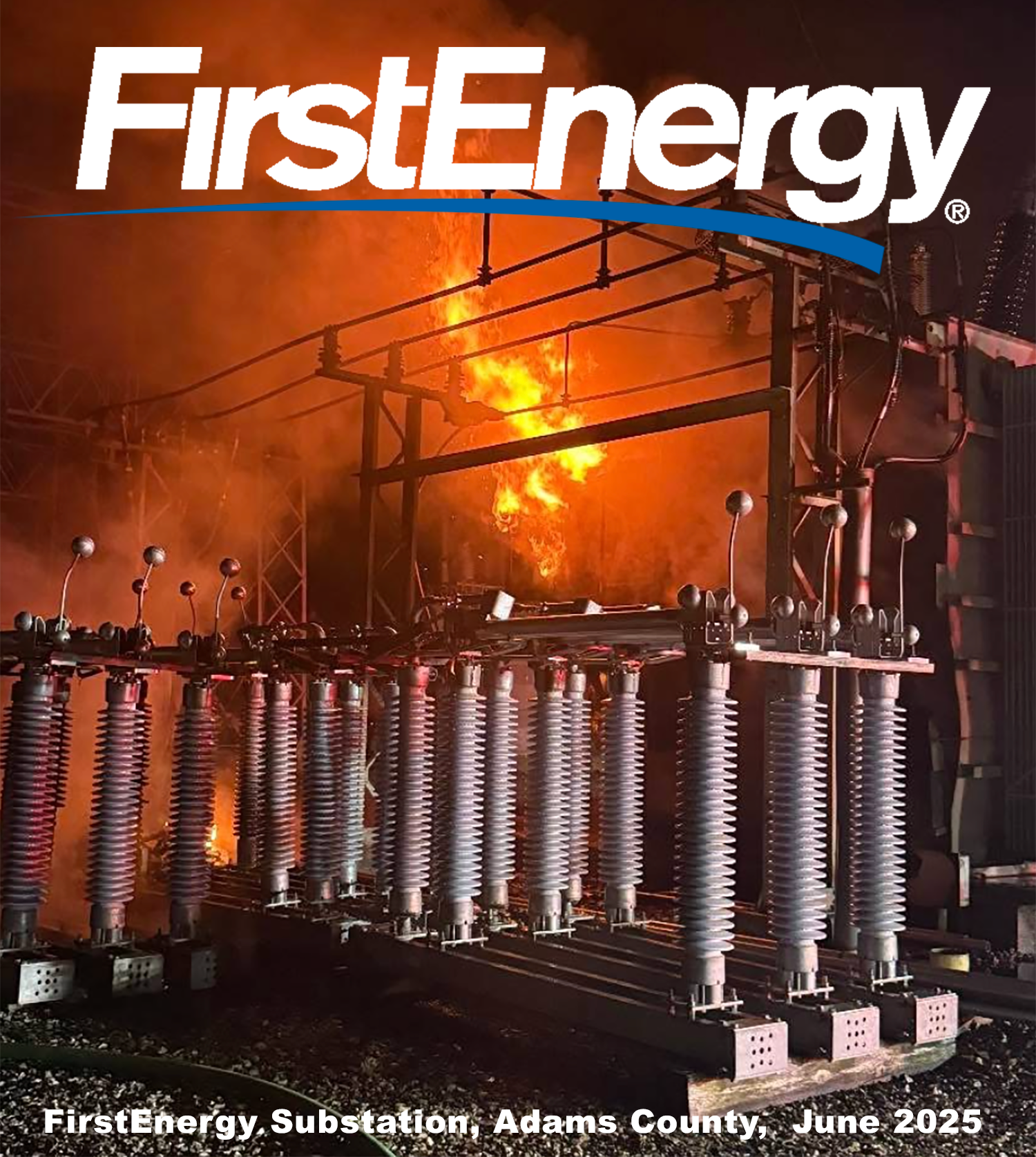
That is the fundamental problem with the way we regulate electric utilities in Ohio.
For families across Northeast Ohio, power outages are not an abstract policy problem. They mean spoiled groceries. Missed work. Medical equipment without power. Apartments climbing into dangerous temperatures. Businesses forced to close. Parents trying to figure out where their kids can sleep safely for the night.
And in too many neighborhoods, this is not a once-in-a-decade storm problem. It has become a recurring part of life.
Residents in my district have endured repeated outages, including failures during periods of extreme heat. Some neighborhoods have been hit again and again. My office has heard from hundreds of frustrated residents asking the same basic question:
How can I pay my electric bill every month and still not be able to count on having electricity?
The uncomfortable answer is that the system does not provide electric utilities with sufficient financial incentive to make reliability the priority it should be.
Investor-owned electric utilities like FirstEnergy do not primarily make money by keeping your lights on.
They make money by investing in infrastructure and earning a regulated return on those investments.
Build a new substation. Replace equipment. Expand transmission. Add new capital to the system. Those investments can be included in the utility’s rate base, allowing the company to earn a return for shareholders.
There is, of course, a legitimate reason for that system. The electric grid requires enormous, long-term investments, and utilities need access to capital to build and maintain it.
But the incentives can become badly distorted.
A utility can have a stronger financial incentive to build something new than to simply make sure the infrastructure it already owns works reliably. Spending more money can increase the company’s earnings potential, while avoiding outages does not necessarily produce the same direct financial reward.
Customers bear the consequences when reliability fails, while shareholders can continue earning returns.
If your refrigerator full of groceries goes bad during an outage, FirstEnergy does not automatically pay for it.
If you have to stay in a hotel because your home is dangerously hot, FirstEnergy does not automatically pick up the tab.
If your business closes for a day, you eat the loss.
And yet the utility can continue seeking its authorized return.
We should not accept a regulatory system in which customers bear more financial exposure to poor utility performance than the utility’s shareholders do.
Electric utilities are not ordinary businesses.
If you do not like your grocery store, you can shop somewhere else. If you do not like your phone company, you can switch providers.
You cannot choose another set of electric distribution lines running down your street.
Utilities receive a monopoly because we have decided it does not make sense to have five different companies stringing competing electric wires through every neighborhood.
But that monopoly comes with an obligation.
Reliable service has to be part of the bargain.
That means Ohio should begin tying utility earnings directly to whether companies actually meet meaningful reliability standards.
The idea is simple:
Full return for reliable power. Reduced return for failure.
If a utility meets strong standards, keeps outages under control, improves its worst-performing circuits and demonstrates that its investments are actually making the grid more reliable, it should be able to earn its full authorized return.
If it repeatedly fails those standards, shareholders should feel the consequences.
Not just customers.
Ohio would not be the first state to rethink how utilities are rewarded.
New York has perhaps the clearest example.
Its Public Service Commission sets reliability targets for electric utilities based on measures such as how frequently customers lose power and how long outages last. When utilities miss those targets, regulators can impose negative revenue adjustments.
Poor reliability can directly reduce utility earnings.
That is exactly the kind of financial accountability Ohio needs.
New York has also gone further in recognizing something obvious that our current system tends to ignore: prolonged outages cost customers real money.
Under New York’s rules, customers affected by qualifying extended outages can receive reimbursement for spoiled food and refrigerated prescription medications. Residential customers can also receive bill credits when outages stretch beyond certain periods.
That changes the incentive.
When the power goes out in Ohio today, the household throwing away $200 worth of groceries absorbs the loss.
Under a stronger accountability system, the utility begins absorbing some of the cost of failure too.
Hawaii has gone even further toward a broad performance-based regulatory model. Utilities there can receive financial rewards or penalties tied to measurable performance, rather than relying almost exclusively on the traditional model of earning money through capital investment.
Massachusetts also uses service-quality and reliability standards that can expose utilities to financial penalties when they fail to meet established benchmarks.
These states have different systems, and Ohio should design its own. But the principle is the same:
Utility profits should depend, at least in part, on whether customers are actually receiving good service.
We should build a system around a few straightforward principles.
Tie utility returns to reliability. Utilities that meet strong reliability standards should be eligible for their full return. Those that repeatedly fail should receive less.
Put the worst-performing circuits first. Utilities should identify the neighborhoods and circuits suffering the most frequent outages and be required to demonstrate measurable improvement.
Compensate customers for prolonged outages. Families should not be left holding the full cost of spoiled food, medications, and other predictable losses caused by extended outages.
Make shareholders bear the cost of failure. Penalties and customer compensation should not simply be rolled into the next rate increase and handed back to customers.
Reward outcomes, not spending. The goal should not be to see how many billions of dollars a utility can put into its capital plan. The question should be whether those investments actually produce a more reliable electric system.
This is the kind of reform I want Ohio to pursue.
We have already begun strengthening reliability standards in state law. The next step is giving those standards teeth.
A reliability requirement without meaningful financial consequences can too easily become another report filed with a regulator.
If we want utility executives and investors to treat reliability as a top priority, then reliability needs to affect the bottom line.
A monopoly utility should be able to make a reasonable return when it provides good service. We need financially healthy electric utilities that can invest in our grid. But a reasonable return should NOT mean an automatic return regardless of performance.
Ohioans are paying higher electric bills while being asked to tolerate repeated outages. At the same time, the electric system is facing enormous new pressures from extreme weather, aging infrastructure and unprecedented growth in electricity demand.
The answer cannot simply be to keep asking customers for more money.
We need to ask what customers are getting in return.
For too long, our system has treated utility profitability as a given and reliable service as an aspiration.
We need to reverse that.
If customers are expected to pay their electric bill every month, utilities should be expected to keep the lights on.
And when they repeatedly fail, their shareholders should not be guaranteed business as usual.
Comments
Nothing yet. Say the first thing.
Sign in to join the conversation.