
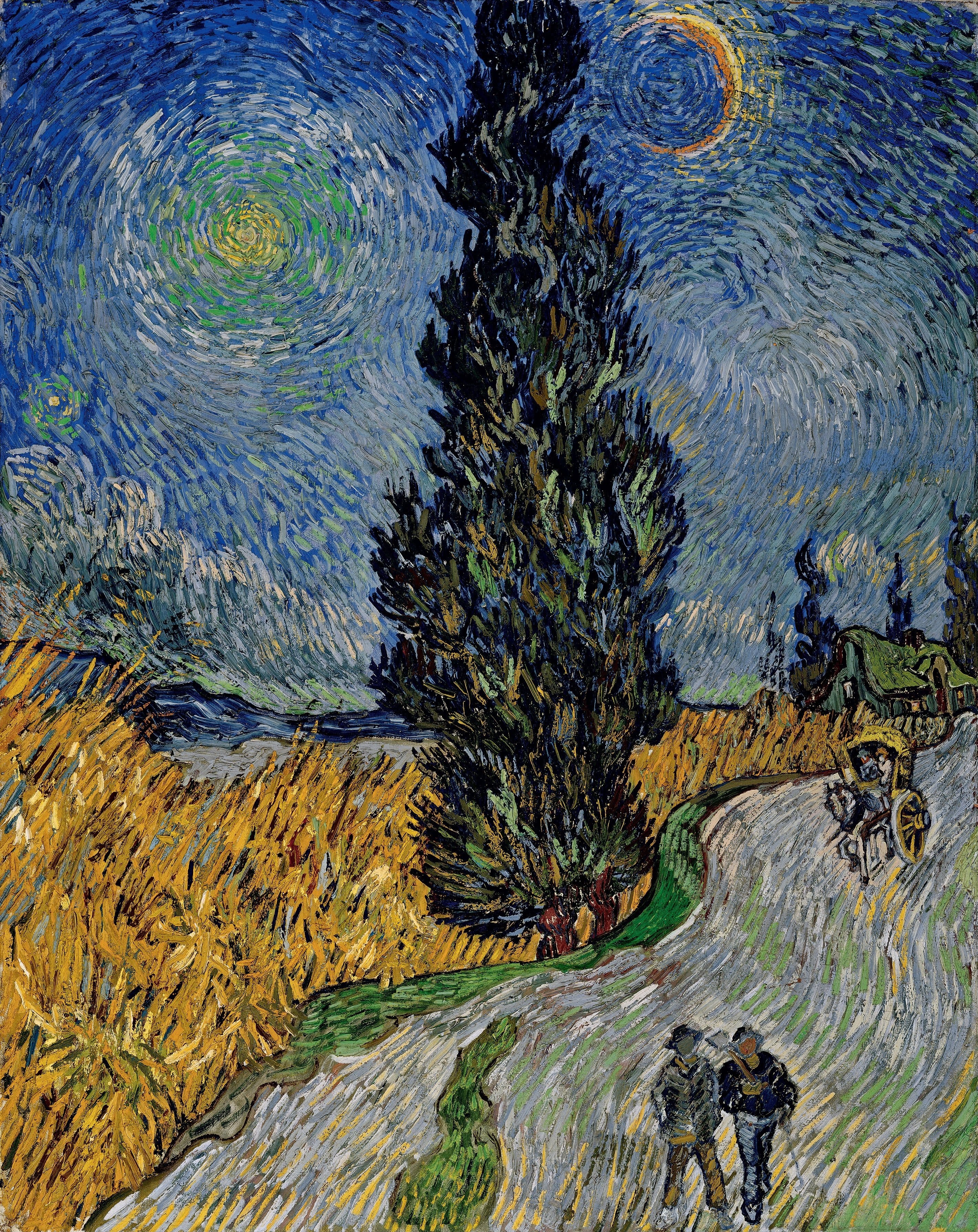
* As updates on Hilary become less frequent, I’ll include them after the reflection. There’s one today.
I once had a mentor who loved to walk.
This was long before people meticulously counted their steps, so I have a hard time fathoming how many miles this man logged each day. I’d watch with a bit of intrigue and curiosity from my second-floor office window as he crossed the street every day with someone new to walk laps around the small, man-made lake nearby. The lake became something like his confessional—a place of prayer, conversation, and physical movement.
As the famous phrase inscribed on a New York City post office reads, “Neither snow nor rain nor heat nor gloom of night stays these couriers from the swift completion of their appointed rounds.” Throughout the year, he faithfully showed up for his own appointed rounds, delivering wisdom, exhortation, and encouragement to countless people along the way.
From his example, something has stuck with me. Surely, as a young person, I’d internally roll my eyes whenever I realized he was serious about us walking outside on a soggy Northwest day. But through that simple physical act of showing up to do laps, I saw what it looked like for an adult to run—or, more accurately, to faithfully walk—the long road of life.
I knew this giant of faith had known loss and lament. I’d heard the stories in painful whispers from others in the hallways at work. Some he had shared with me. Others belonged only to the arena of myth and campfires.
Through joy and triumph, through sadness and moments made only for satire, through sickness and health, he persistently walked through difficulty—both in his own life and alongside others. That faithfulness made him who he was, and it inspires me to this day.
In one sense, this has nothing to do with walking. But in another, it has everything to do with it. Walking is both a metaphor and a method—a helpful way to describe the world and an integral practice for moving through it.
Who knew walking could be so worthwhile?
One of our neighbors walks the neighborhood every day. Like the mayor of a small town or a sheriff making his morning rounds, he faithfully meanders his way through the neighborhood. I can always count on a tip of the cap as I watch him briskly pass by.
His form of walking seems different to me than my previous example. My mentor walked more as a form of craftsmanship—an intentional dedication to mentoring and developing others. But our neighbor seems to be in it more for the connection. He regularly walks with one or two other neighbors. I’m not fully sure what they talk about along the way. Not a lot changes from day to day. But like in marriage, it’s probably less about having some novel or new conversation and more about the consistent connection with another person.
In a digital world, largely unmoored from place, a sense of rootedness is often lost. But as I’ve been walking more with Hilary in-recent, I’ve noticed things in our neighborhood I’ve never seen before—even after years of living here.
Hilary points things out daily. She’ll say, “Did you ever notice their front door is over here? Did they paint their house recently? When did this new growth appear?” (Her memory is better for the time being, so I’ve had to admit this probably has more to do with me not paying attention.)
The more you walk the streets of where you live, the more rooted you feel. The familiar images you pass become the sacred iconography of your parish—reminders of a shared history that has unfolded in the homes around us. Generations have been raised, graduated, married, and moved on, making room for new people to be planted, put down roots, and inscribe their own sacred stories within these walls.
Every step is a reminder that our lives do not take place detached from others. We are the culmination of a beautifully broken community that has loved us into being. It is this way of walking through our neighborhood that both illuminates and reminds us of a simple, easily forgotten truth: we are not alone.
“As a teenager I sometimes ran to escape trauma. Now I run toward it, using the miles to clear my head and be more present as we travel this unexpected journey together.”
- Martin Dugard, The Long Run
There is a form of walking that is more about avoidance. It’s hard to perceive from the outside because it’s more of an internal disposition than something explicit. Two people can walk but do so in completely different ways. One walks to move away; another walks to move toward.
My hope, especially throughout Hilary’s cancer journey, is to do the latter.
To be clear, this isn’t meant to say there’s no room for needed distractions. Athletics can serve this purpose for many. Sports can be a way to get away from difficulty, to get our minds off things when we feel overwhelmed. When my dad died a month before my first season of college football, my head coach reminded me that football could be cathartic—and much needed. I am grateful for his wisdom.
Yet this must always be balanced with another impulse: to withdraw and eventually return. You can see throughout Scripture, where the walk into the wilderness is never simply about escape, but transformation—a withdrawal that prepares us to reenter back into the world.
Like a small animal fighting for survival in the Sahara, we have an instinctual fight-or-flight response that pushes us away from danger. But there is a deeper form of movement: to walk toward difficulty.
For example, Nelson Mandela called his autobiography Long Walk to Freedom for a reason. What inspires us about his life is his willingness to move toward justice in the face of rampant racism and immense personal suffering over decades. Notice, too, that it is not described as a run, but a long, slow, almost imperceptible walk toward something better.
For our family, while our circumstances are nowhere near as grand as this example, we are learning to move toward what we would rather avoid: to walk into the radiation room as the youngest people there, to face the long-term questions that want to sneak up from the shadows, to move toward persistent difficulty rather than away from it.
Honestly, we’ve gone so far as taking the stairs at the hospital whenever we can. (I should add that the elevators take forever.) Going up and down those flights is a reminder that we are still here—our bodies meant for both movement and meaning.
Is there anything more indicative of the way of Jesus? He was a man who moved toward the pain and suffering of others—who ultimately walked toward the worst imaginable suffering at Golgotha so that all humanity might walk into freedom. He walked so we could run, if you will.
So, as we walk through this current season of life, we are trying to see movement as both a physical necessity and a spiritual one—a way of practicing faithful presence to our own pain and the pain of others. Every step is a movement toward faithfulness, toward connection, toward something better.
Prayer — Our friend Christine Sine offers this beautiful prayer in The Gift of Wonder. May it be a prayer for you this week: “Walk with me, Lord, through all the twists and turns of life; walk with me when clouds obscure the way, when what seemed close is now so far away. Walk with me, Lord, until I trust in you; lead me to the center of your love.”
Overall, Hilary seems to be handling radiation well so far. Like a trickle of water slowly filling a bucket, they’ve told us the effects generally compound the longer the process goes on. For now, it’s been slow and consistent—and relatively smooth, aside from a few hiccups with scheduling.

Earlier this week, the boys held their annual end-of-summer blackberry stand. As they proudly shared with folks, the blackberries were “locally sourced”—meaning they picked them themselves at the elementary school next to our house (ha!). Amazingly enough, they sold 18 cobblers! They’re using the money to help pay for their select baseball uniforms.
If you’ve missed any of our updates, you can catch up here: how we got here, surgery, her return home, her healing journey, her cancer prognosis, her treatment process, the specifics of radiation and our first week of radiation.
Our world has been turned upside down rather quickly, so thank you for your patience and grace as we’ve been learning what this season demands.
For those who have asked how they can bring us a meal: A close friend created a Meal Train for our family. You can find it here.
For those who have asked how they can follow along: If you’d like to receive updates, you can subscribe below.
For those who have asked how they can support us financially: If you’d like to support our family financially, you can do so via Venmo: @hilary-horn
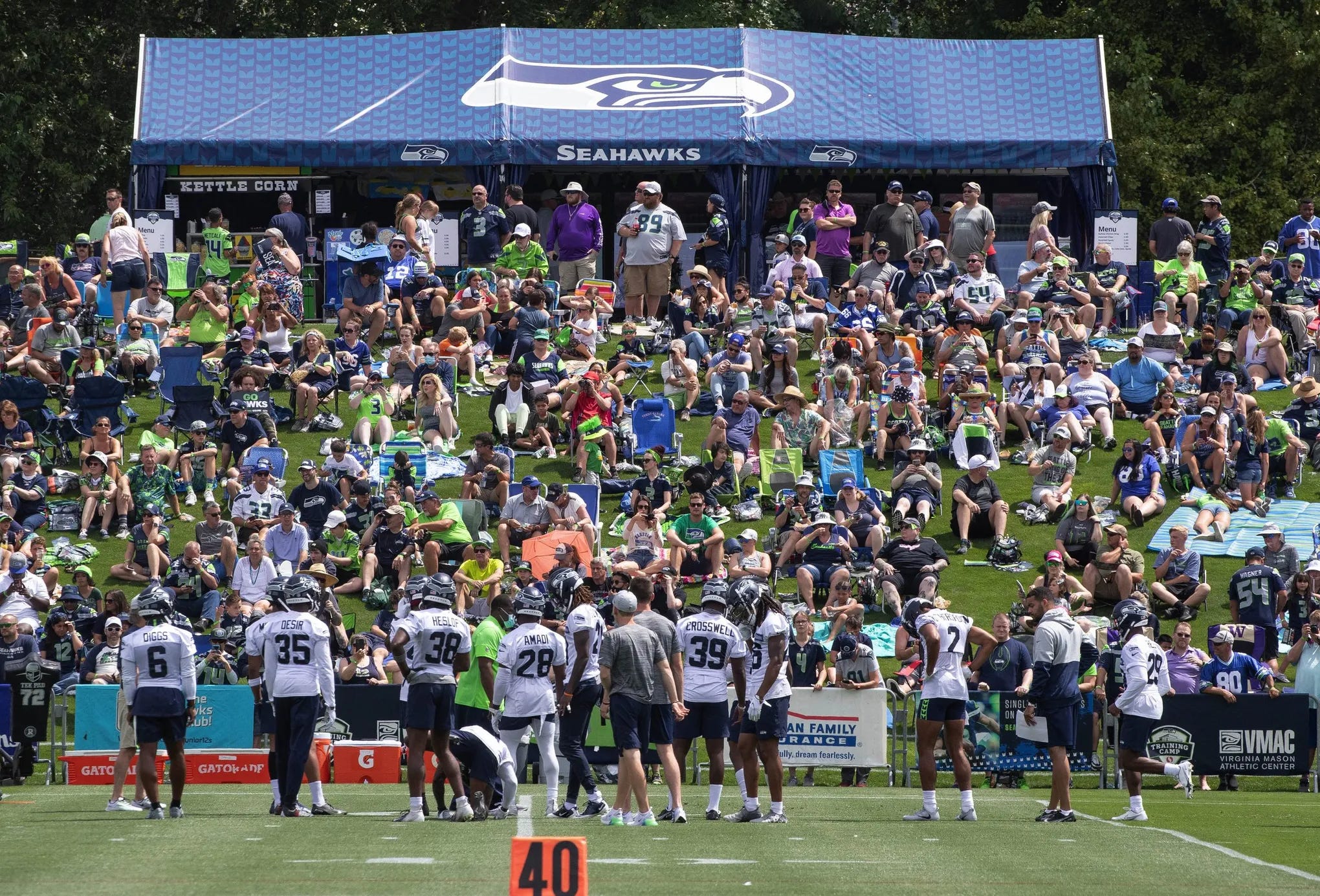
Well, it’s time for my annual recommendation of Hard Knocks (HBO Max). Every training camp, HBO sends a crew to chronicle an NFL team 24/7—so much so that they have cameras in nearly every room to capture it all. And this year, they’re with the Super Bowl champion Seahawks!
Every season there’s a mixture of new characters, players on the fringes battling to make the roster, and intimate time with star players we’ve come to love for their effort and ability.
I’ll be honest, though: I think the show is better when they follow completely dysfunctional organizations. It has more of a reality-TV vibe, just wrapped in a sports documentary.
One thing that’s evident this season: the Seahawks are a well-run organization filled with some really solid, competent people. From the Scripture on the walls and Mike Macdonald’s desk to players like Cooper Kupp investing in younger WRs, you can see the strength of the culture they’ve built.
Which, admittedly, can make for slightly less compelling television.
They’re a little boring…in the best possible way.
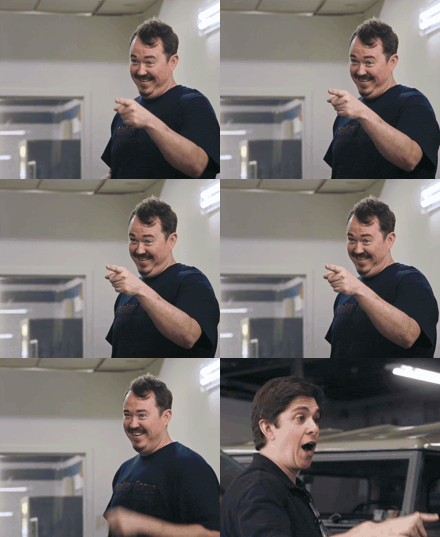
If you know, you know.
If you don’t—don’t worry about it!
No posts
Comments
Nothing yet. Say the first thing.
Sign in to join the conversation.