
“Every step an arrival.”
- Denise Levertov, Overland to the Islands
It has been a whirlwind, to say the least.
As quickly as it felt like we received the initial news of a brain tumor and the need for immediate surgery, we found ourselves back home.
Surely, by the hospital’s timeline, she was physically ready to come home. But from a family’s perspective, the pace is dizzying. It has officially been nine days since surgery, and here is the latest update:
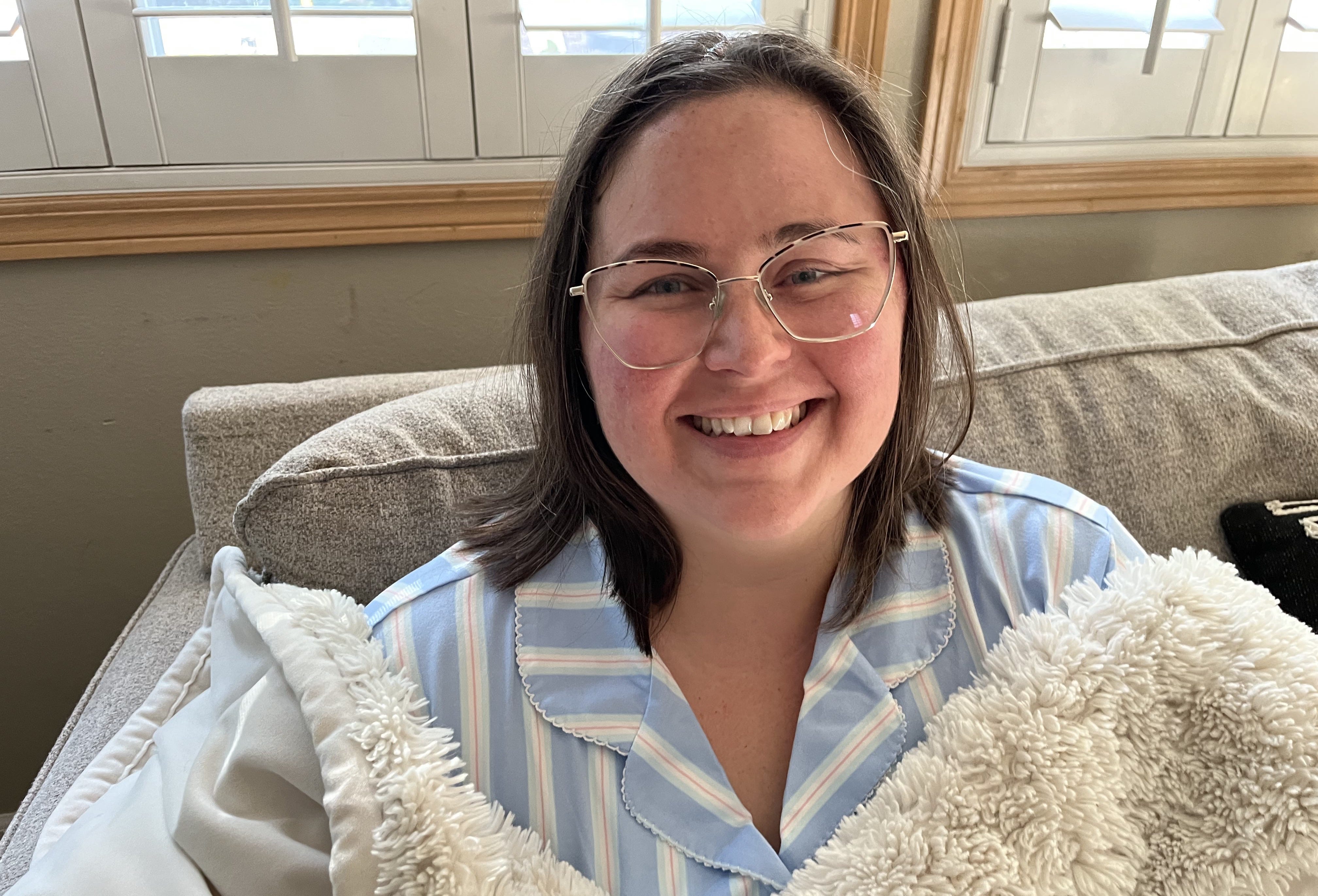
As of Sunday evening—after five days in the hospital—Hilary finally came home. Honestly, she’s spent most of the week sleeping, which is probably a good thing. Abram, our youngest, asked if Mom is kind of like a koala bear now. That got a good smirk out of Mom—minus the eucalyptus trees, of course!
The OT/PT team forewarned us that she’ll be homebound for at least a month as she recovers, with someone always with her. Obviously, this has made our life more challenging in some ways—yet simpler in others. She enjoys taking simple laps around our home with her walker.
Mentally, there are flashes of the Hilary we’ve always known: subtle smirks, a jab here or there in jest, and a certain attentiveness to others. Yet she also has a long path ahead. It’s still difficult for her to remember things from even a few hours earlier, and because the language center of her brain is where the tumor was located, her words come out like a bit of a word salad.
Admittedly, there are still many unknowns ahead. With a cancer prognosis on the horizon and a long healing journey ahead, it's hard to stay present. But we're trying to celebrate each small step as an arrival in its own right.
I'll share a few more updates in the weeks to come as we have them. If you happened to miss the update on the surgery, you can find it here. And if you missed how we got here in the beginning, you can find that update here.
In times of difficulty, one of the timeless gifts is the wisdom that rises from the well of shared suffering. Whether from long-held mentors, faraway friends, or family nearby, sacred truths have been spoken into our lives. Like a child collecting weathered seashells along the shore, I've gathered a handful of the truths that have resonated most. My hope is that, perhaps, they'll serve you too.
Life Is in the Limits
A surprising amount of life is lived unaware of our limits. Like an American driving on the Autobahn for the first time, most of us grow accustomed to living at full speed until we crash—or stop only long enough for a quick pit stop.
Then, all at once, life happens.
A child gets sick. A career we thought we could count on falls apart. A spouse is diagnosed with a brain tumor.
As painful as these moments are, they often carry an unexpected gift. The sudden shrinking of your world introduces something we spend much of our lives resisting: limitation.
Reflecting on one of the hardest seasons of her life, Katherine May writes:
But it was there, too, that I came to a kind of acceptance: of my own limitations and of the future that lay before me. I learned that I was not invincible at this moment in my life, but also that it wouldn’t last forever. I learned to rest and to surrender. I learned to dream.
As I sit beside my wife—homebound for the next month—our world has undeniably become smaller. There is much we cannot do. Yet, strangely, this narrower life has made room for a deeper kind of rest.
Or perhaps a better word than rest is surrender.
The best parts of life are often only a stone’s throw from surrender. More often than not, the road to rest begins with accepting our limits.
The Problem Is Rarely the Problem
My oldest was crying—a lot.
It was during one of his District All-Star games, so I assumed it was because of a mistake he’d made. I tried to address the problem I could see.
“It’s okay, buddy. You missed the ball. We all make mistakes.”
It wasn’t until later that evening—long after the game—that he came to me with a simple confession that exposed my own naïve heart.
Dad...I was crying...because I missed Mommy.
As a friend later shared with me, the emotions I saw were only bandages covering a deeper wound. He wasn’t crying because of an error. He missed his mom, who had spent the previous five days in the hospital.
It all made sense.
Why can’t I be that honest—or even that aware?
I’m not sure. But my oldest’s honesty continues to challenge me.
Stay Small
Like a child captivated by the world beneath a microscope, difficult seasons require your world to shrink. You can’t do everything. You can’t see everyone. You can’t solve every problem.
(I’ll keep this one brief because that’s the point.)
First Reports Are Almost Always Wrong
I came across this idea while reading Admiral William H. McRaven’s Conquering Crises. He writes:
I remained skeptical until I could verify all the facts. Sometimes my caution frustrated both my staff and my superiors, but I came to realize that first reports are almost always wrong.
This fits with the advice not to put your MyChart results into ChatGPT—or really, to avoid Googling any medical prognosis before you’ve spoken with a medical professional. There is an art to patiently enduring the initial fallout and letting things play out in due time.
Our initial gut reactions, when the mind wants to wander into a dark alley, rarely leave room for mystery. Like the hours between Good Friday and Easter morning, the first report is rarely the final word.
Make Room
Do I have space to rest, to listen, to imagine? For me, the answer before all of this would have been a definitive no.
While Hilary’s surgery and recovery haven’t lessened the emotional weight of this season—and I wouldn’t wish this journey on anyone—they have made room for a certain stillness. She'll often doze off after breakfast, and I'm confronted with the quietness of canceled summer plans, kids off on adventures with friends, and an eerily silent house.
Stillness is something you often don’t realize you need until life comes to a crashing halt. But when it does—like a fantastic roommate suddenly getting married and leaving behind an empty room—you realize what you’ve been missing all along.
As a friend recently put it, "Make room."
Have you cultivated a life that leaves space to simply sit—to truly rest?
Be the Best Version of Yourself
I always tell my Little League players that our goal is for each of them to become the best version of themselves. As a mentor and close friend recently reminded me, the same is true for us.
If you’re not sleeping well, eating well, and moving your body—or at least intentionally pursuing those things, however imperfectly—you’re not serving the people you love as well as you could.
I know my wife and boys need me at my best. But if I’m not making space to care for myself, am I really serving them well?
God Draws Near
A coaching friend sent me this text late one evening:
Jesus has always meant the most to me as the one who moves toward suffering, not away from it. The one who touches the sick before they are healed. The one who weeps with people even when he knows resurrection is coming.
It feels strange to admit, but I’ve never experienced God’s presence more deeply than during seasons of sudden loss or grief.
Much of how I understand my faith was forged after my father unexpectedly passed away just before I started college. Not long afterward, I was baptized and found myself with a hunger for God unlike anything I’d known before.
In smaller ways, I can say the same after we closed our church, through Hilary’s ectopic pregnancies—one of which nearly took her life—during a long season of unemployment, and in the quiet grief of realizing we would not be having any more children.
Saying all of that out loud feels like a lot.
But through it all, one truth has continued to surface: God draws near.
This isn’t meant to explain away suffering—or even to tell someone how they should feel when walking through their own difficulty. There is space to be upset, to ask why something happened, and to grieve what has been lost.
Nonetheless, once the dust settles, I know this to be true: God draws near, especially in the places we never wanted to go.
Every Step an Arrival
Eugene Peterson, someone I’ve written much about as an influence in my coaching, often came back to these final words from Denise Levertov’s poem Overland to the Islands:
Every step an arrival.
I’ve probably read these words a hundred times over the years. Yet, like a multi-faceted diamond revealing new dimensions as you turn it, I’ve never felt the reality of these words quite like I do now.
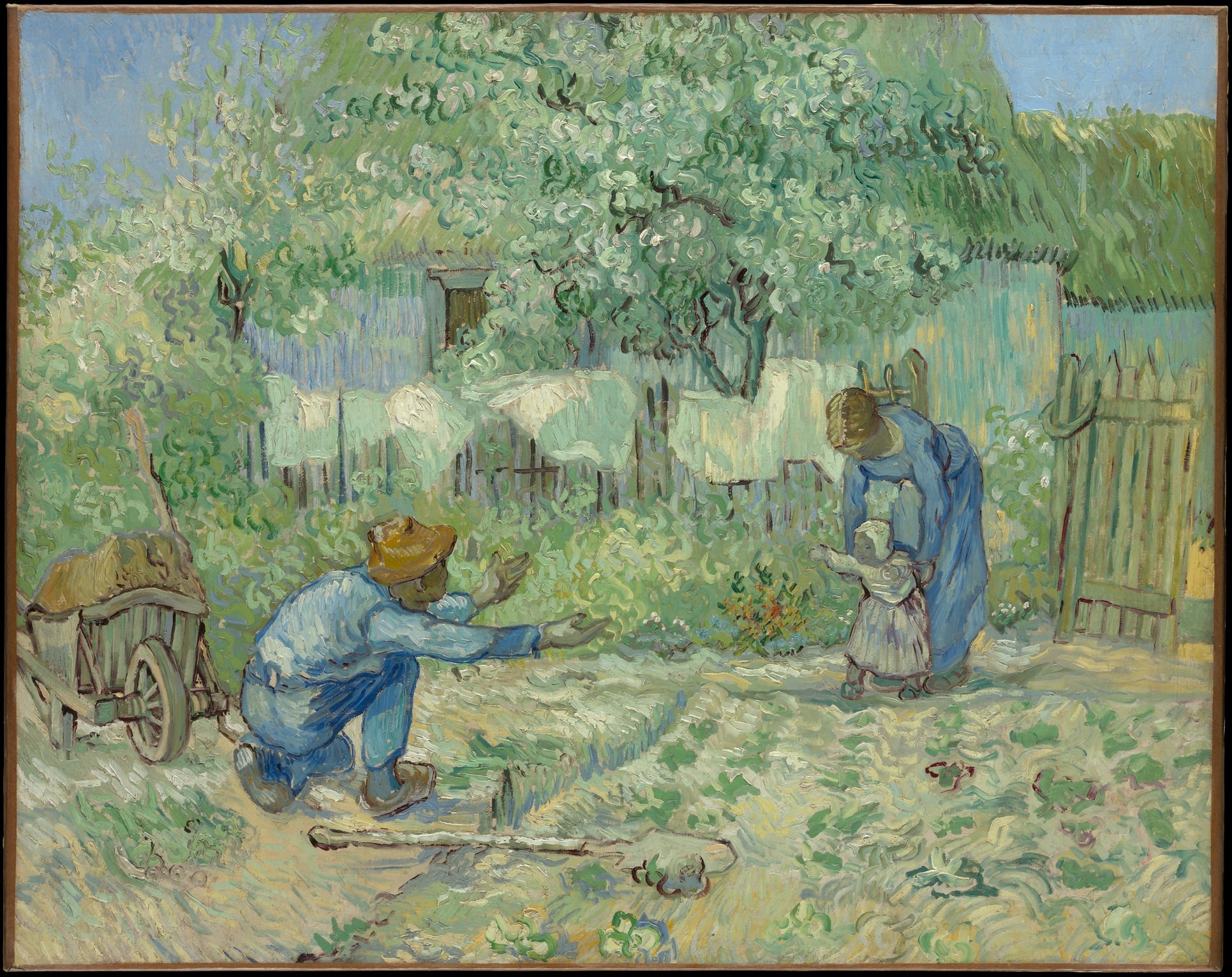
As Hilary slowly works down our hallway, every step is an actual arrival. The reality of this has taught me a presence I had long forgotten. To take a single step, to fill your lungs with air when you awake—to make any progress in a day—is an arrival in its own sort of way.
While many strive for more, I’ve been reminded how often I miss the seemingly inconsequential arrivals. So, to all those slogging through their current season, be reminded: every step is an arrival in its own sort of way.
For those who have asked how they can support us: a close friend created a Meal Train for our family with several ways to help. We have been overwhelmed by the love and care shown to us, and this is simply one practical way to walk alongside our family in this season. You can find it here.
At this time, be aware that Hilary isn’t using her phone yet. I’ve seen tons of sweet texts, and I promise that she’ll see every single one in due time.
For those who have asked how they can follow along: I’ll share a few more updates as we have them. If you’d like to receive them, you can subscribe below. I should mention that I also share other things from time to time—usually only about once a month. And, of course, you can always unsubscribe later!
I’ve absolutely loved Katherine May’s Wintering: The Power of Rest and Retreat in Difficult Times. At first glance, the title might suggest withdrawal or avoidance, but it’s really about learning to make sense of the forced limitations that seasons of suffering often bring.
What I appreciated most is how she grounds her insights in stories—which may also drive some readers crazy if they’re looking for a more straightforward, how-to kind of book. I tend to learn best when truth is woven into personal, cultural, or pop-cultural narratives, and she does that beautifully.
And her writing is absolutely fire (as the kids say these days).
No posts
Comments
Nothing yet. Say the first thing.
Sign in to join the conversation.