
Travels of Samwise takes a huge amount of work to run. If you’re enjoying this labor of love, please do consider becoming a paid subscriber. Dont forget to check out my new book Shattered Lands, which is available HERE.
In the late spring of 2024, I found myself scrambling up a narrow goat track on the scrubby hills above the ancient town of Khuldabad, in the Indian Deccan. Across the valley below lay one of the most astonishing spectacles of the medieval world.
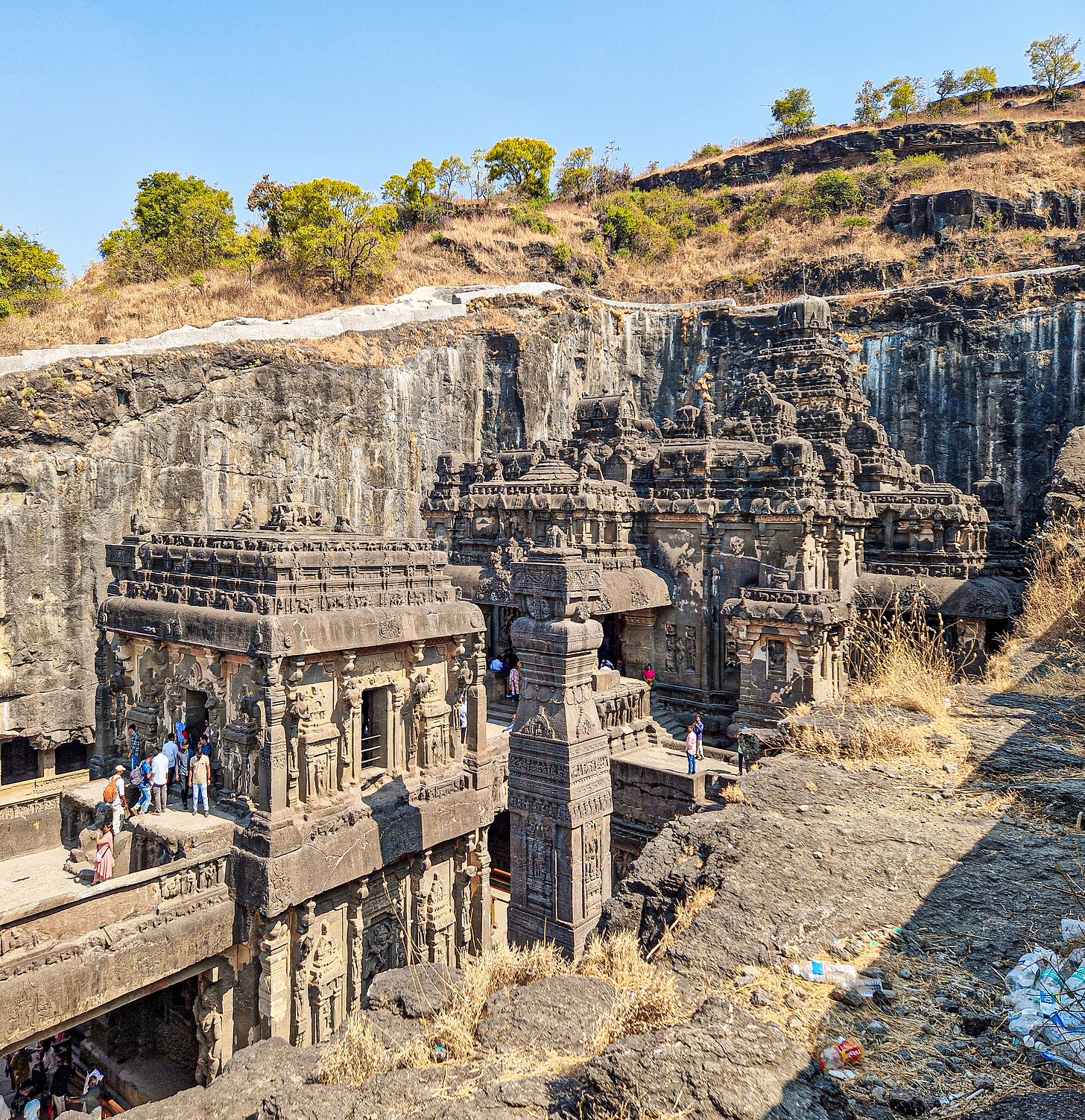
The monolithic Kailashanatha temple at Ellora is a rock-cut wonder more ambitious even than Petra, and easily the largest such structure on Earth in the 8th century.
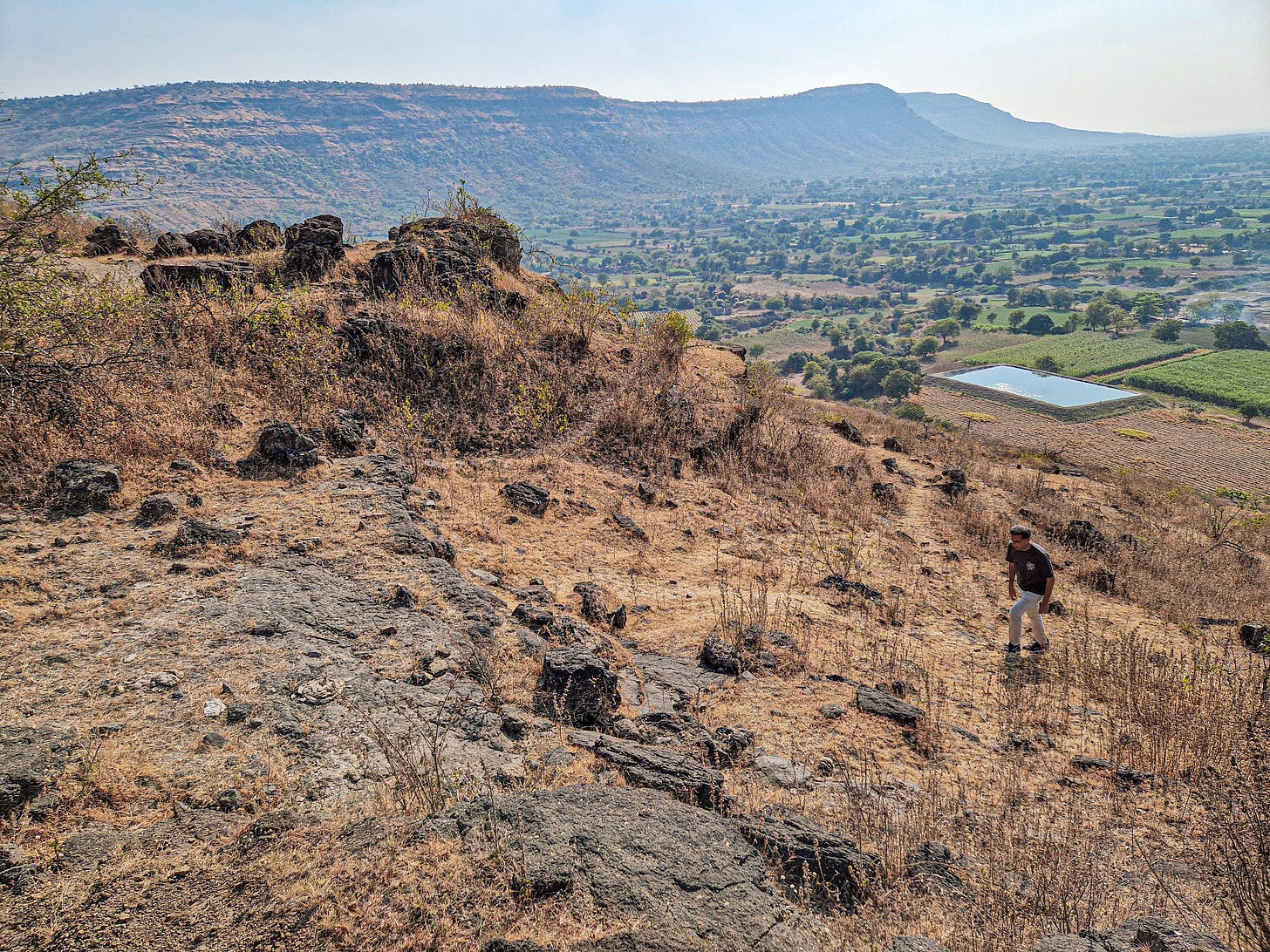
It receives millions of visitors each year, yet almost none of them venture up into the surrounding hills, where another wonder lies hidden in plain sight. From the caves I drove for about five minutes and then, for the next half hour, scrambled up a goats path through thorn and dust.
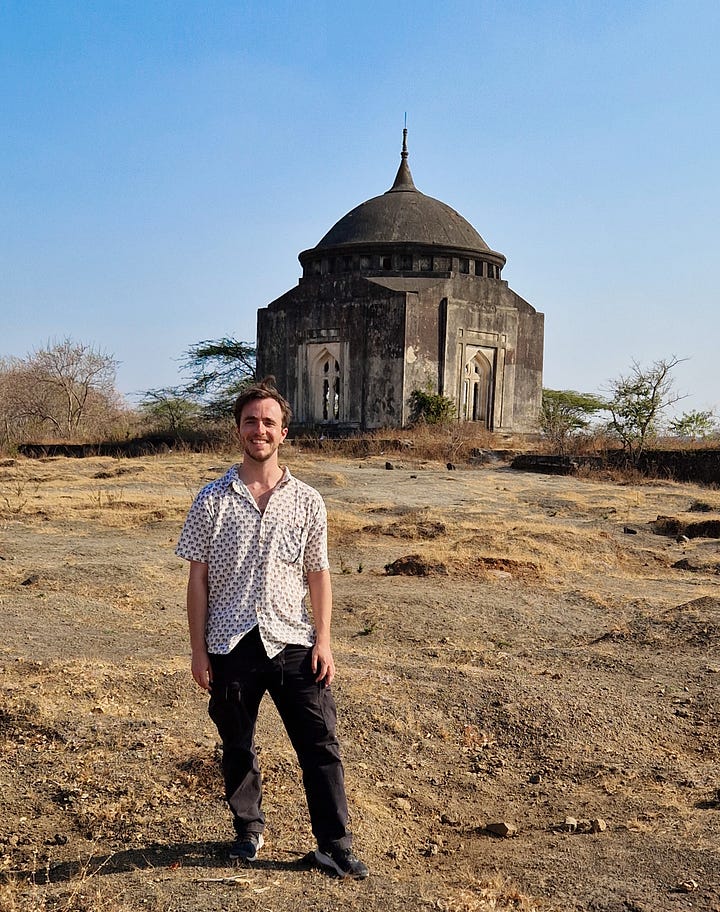
Then, finally, I came face to face with what I had come looking for: an austere Ottoman mausoleum of weathered stone and peeling grey stucco, some fifteen metres tall.
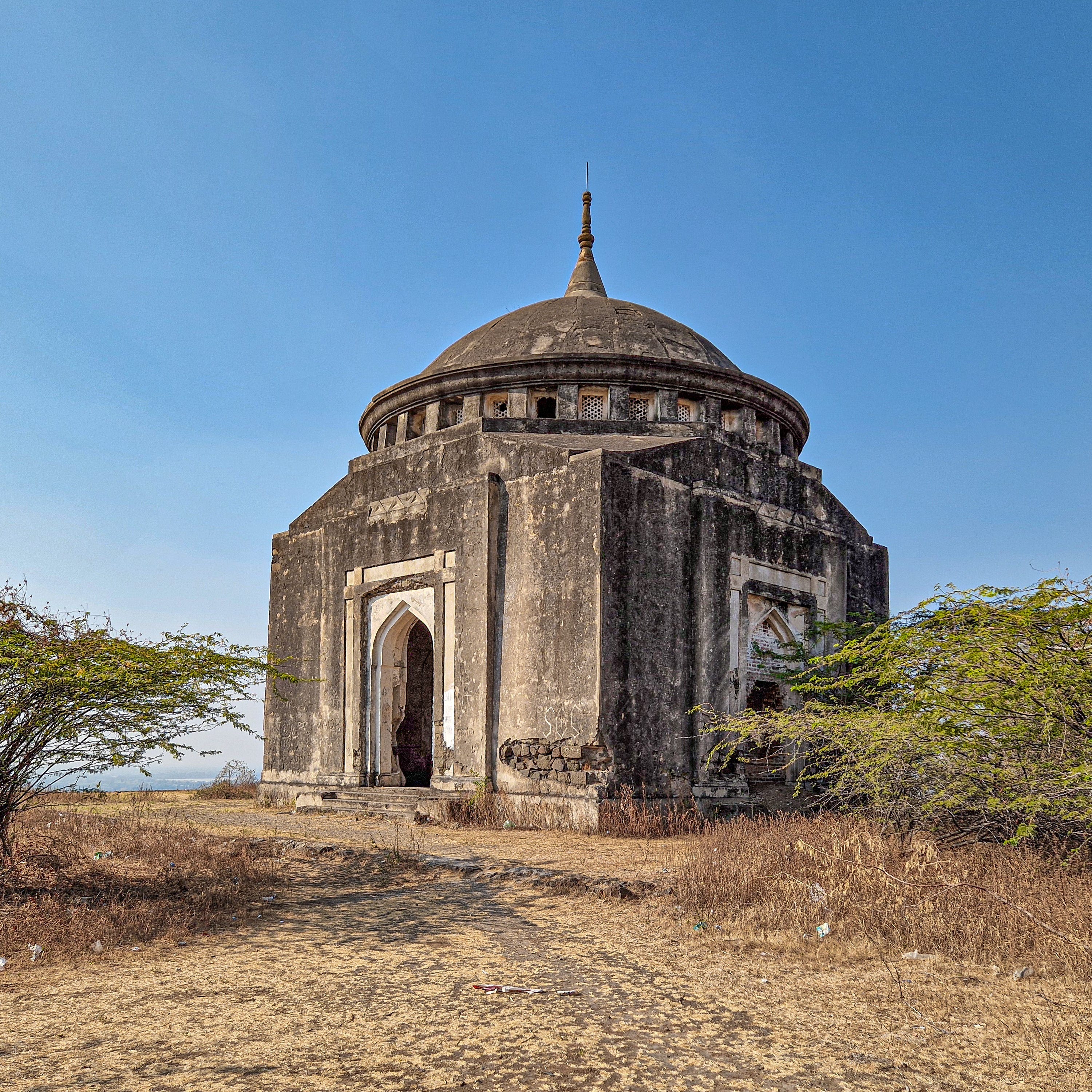
Decades of sun and monsoon had gnawed at its surfaces, its walls had been daubed with graffiti and its once-delicate jaalis smashed by vandals. There were no roads leading to it. And yet, less than a century ago, this lonely structure was built as the burial place of the last Caliph of Islam.
I had first been drawn to that hillside by an article by the Middle East Eye journalist Imran Mulla, who had written an article called ‘Why there is an abandoned Ottoman tomb in remote India’. The article traced the forgotten attempt of the deposed Caliph of Constantinople to resurrect the Islamic Caliphate in the Indian Deccan. Soon after, Mulla expanded the investigation into a remarkable book called ‘The Indian Caliphate’, which I reviewed for Cornucopia magazine last year.
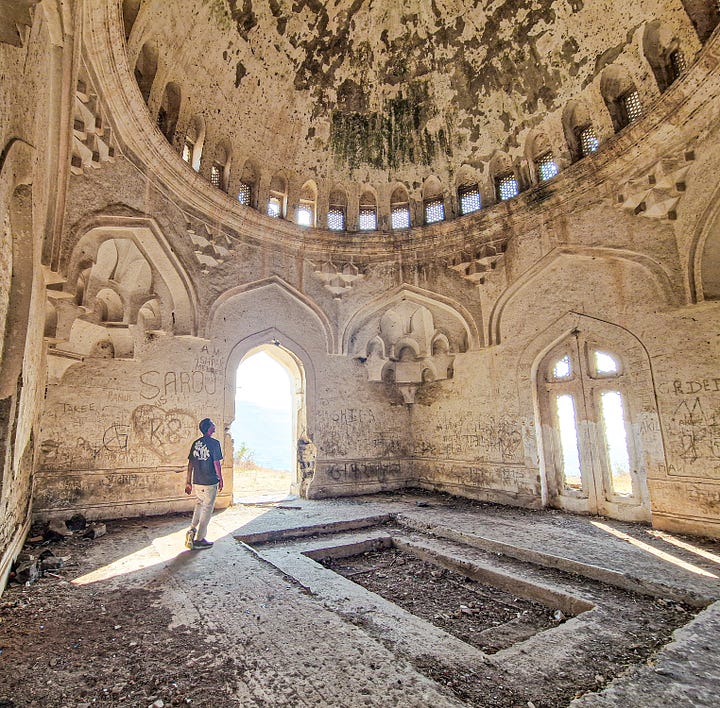
Written in lucid, propulsive prose, Mullah reconstructs the entwined destinies of the Caliphs of Constantinople and Nizams of Hyderabad, and in the process, upends conventional understandings of the 20th-century Muslim world. So remarkable is the tale he tells that it seems astonishing no one has told it before, and for this week's Substack I thought I would give you an extended version of my Cornucopia review because the story is so utterly fascinating.
Say the word ‘Caliphate’ today in the US or Europe and it evokes the beheadings and hostage videos of ISIS, who tried to usurp the term. Yet for thirteen centuries the Caliphate was one of the most significant institutions on Earth, claiming leadership of Sunni Islam just like the Pope did with Catholicism. Moreover the last Ottoman Caliphs would all have been outrageous heretics in the eyes of ISIS.
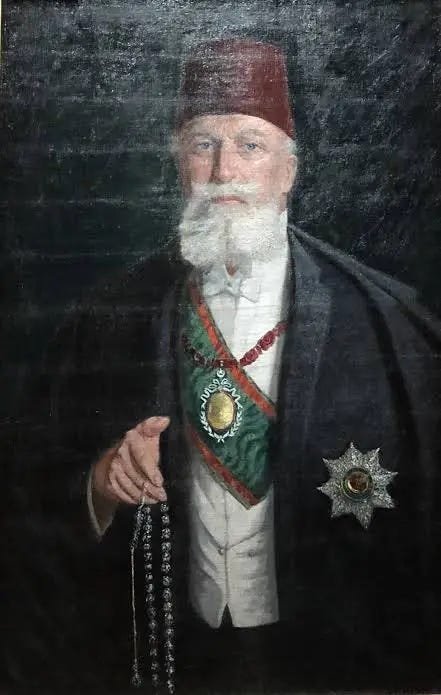
At the centre of Mulla's book is the last Caliph himself, Abdulmecid II. Described as a “talented painter, francophile, amateur literary critic and classical music enthusiast,” Abdulmecid was a moustachioed aesthete with a taste for unexpected recitations of Victor Hugo. Raised in Istanbul under house arrest after the Young Ottomans toppled his father, he had spent decades in gilded isolation at Dolmabahçe Palace, where he studied calligraphy, painted orientalist nudes, and hosted poets and artists.
He saw himself as an ‘Ottoman European Muslim’, and was briefly a patron of the Armenian Women’s Union. One poet who visited in November 1917 recalled evenings where, amidst the prince’s paintings, a private orchestra played to an audience of artists and servants: ‘We spent four days and nights in this fashion.’
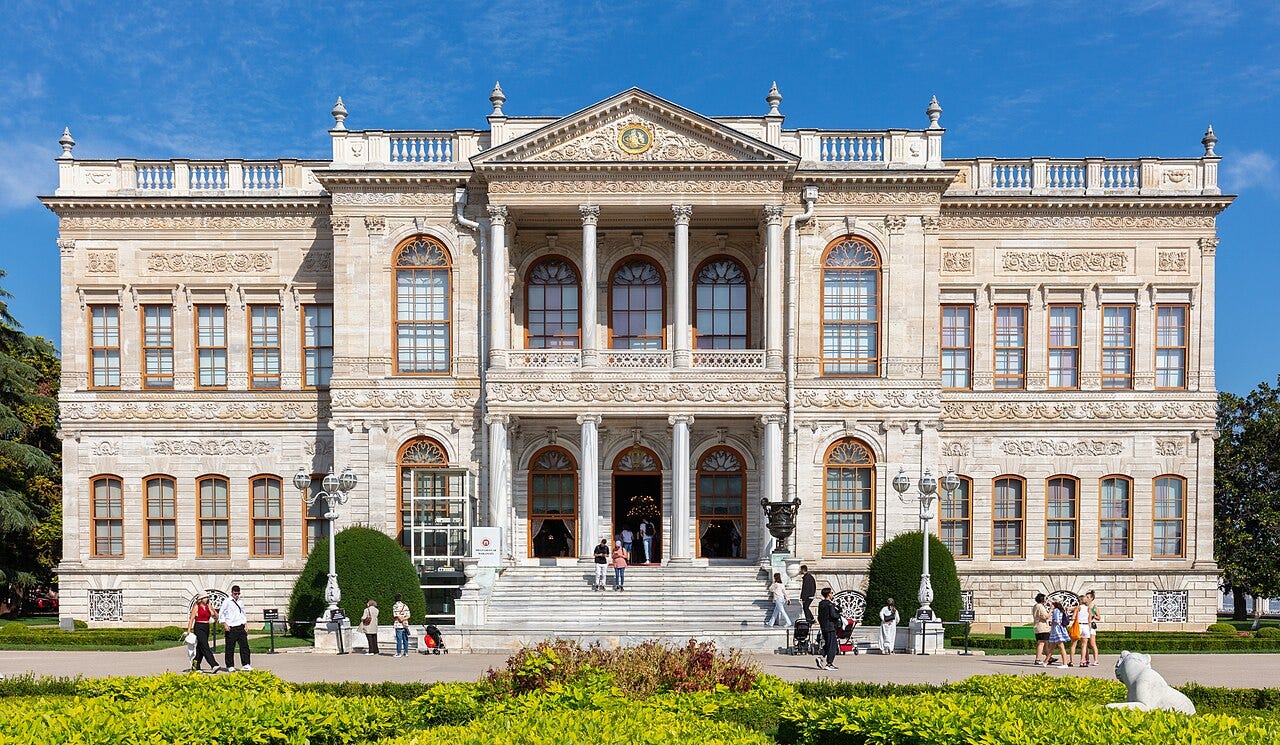
Yet the old world persisted alongside the new. Well into Abdulmecid’s forties, his harem was still guarded by eunuchs. The French novelist Pierre Loti recalls being granted access to the harem by eunuchs in “high-necked frock coats,” where he was introduced to one of Abdulmecid’s French-speaking wives, Princess Şesuvar, who was playing Bach on the cello.
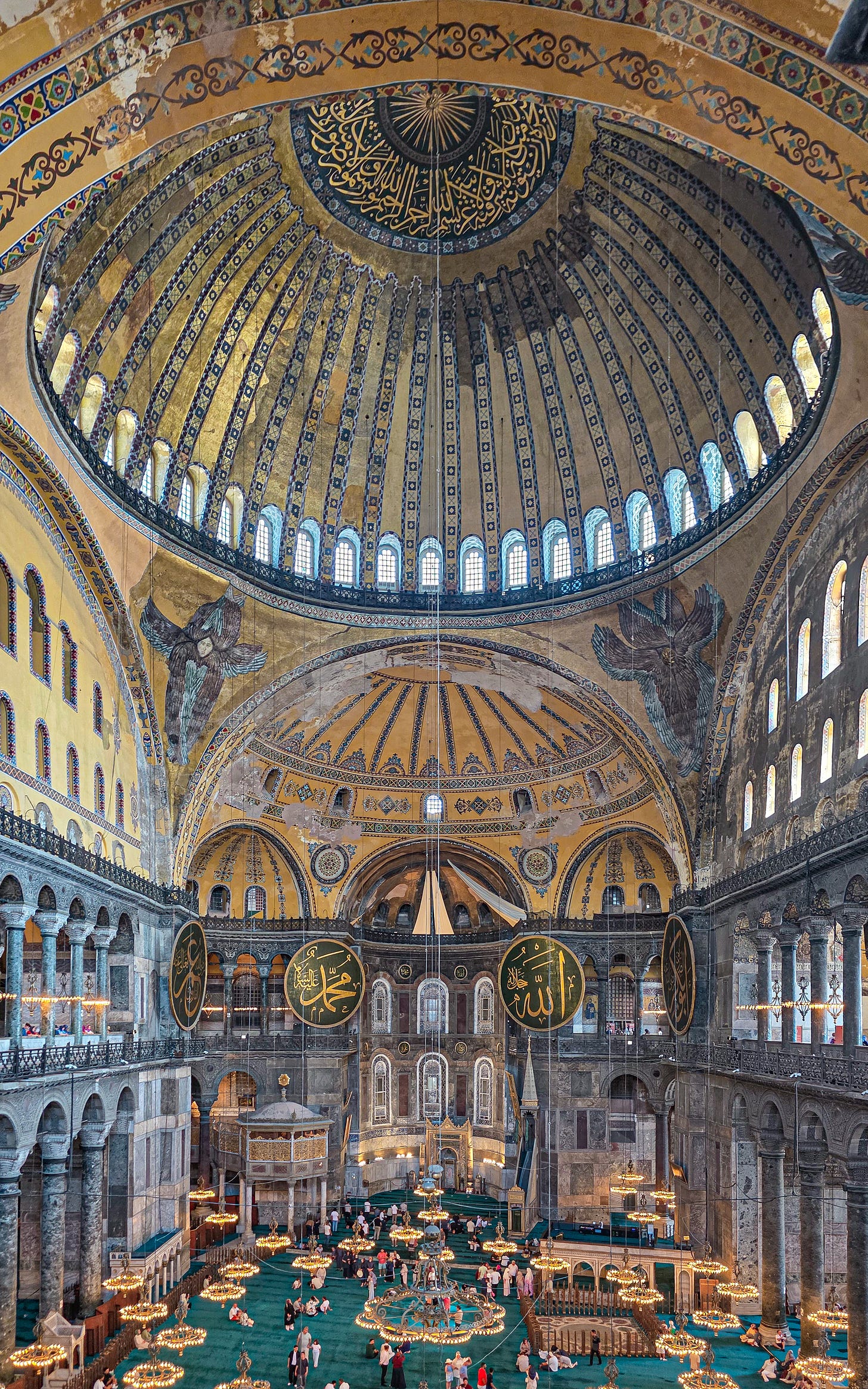
The First World War destroyed this world. Abdulmecid was horrified by the conflict, blamed the Young Turks for entering it, and told journalists he was ashamed of the massacres he heard had been perpetrated against the Empire’s Armenians. When he was finally proclaimed Caliph on 24 November 1922, by which point Atatürk’s new Assembly in Ankara had already abolished the Sultanate, he inherited a hollowed office in an occupied city.
Nonethless, on the day of his investiture he was led through Topkapı to the Chamber of the Sacred Mantle, where he paid his respects to the standard of the Prophet before taking his oath. 101 guns were fired, and then the new Caliph rode to the Fatih Mosque trailed by Ottoman princes in carriages, aides-de-camp on motorbikes, cadets and lancers, before paying homage at the tomb of Mehmed the Conqueror. He founded a ‘Caliphate Orchestra’ under Osman Zeki Bey, later composer of Turkey’s national anthem. Yet it was clear that the old world was coming to an end.
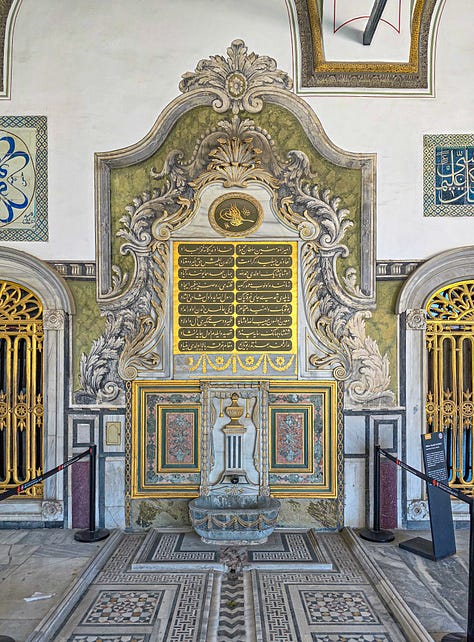
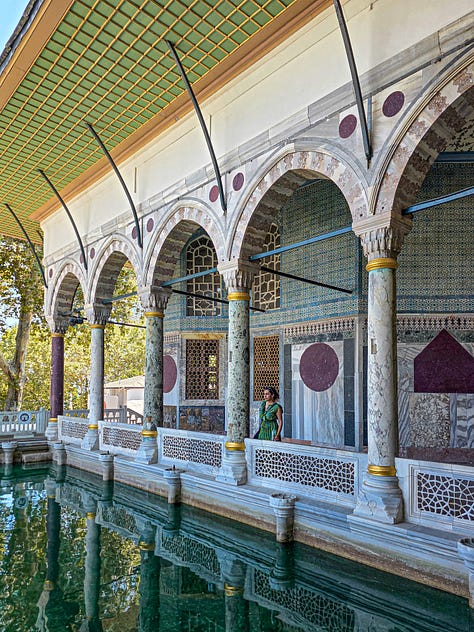
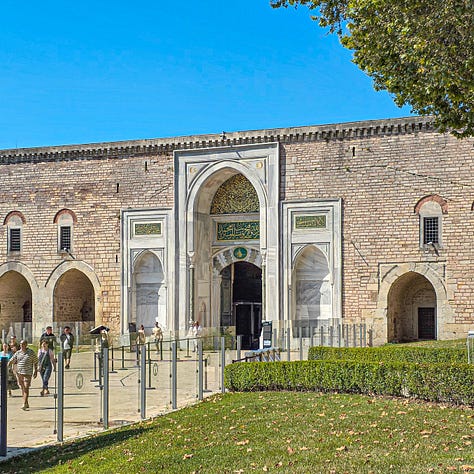
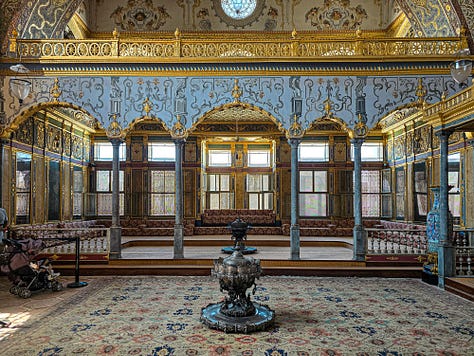
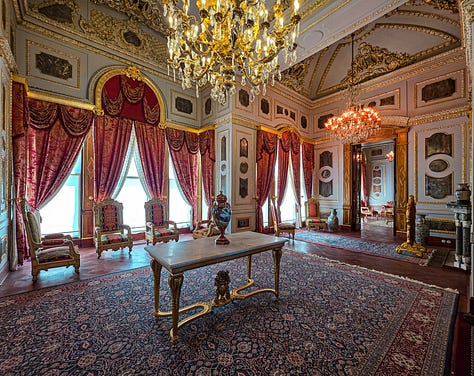
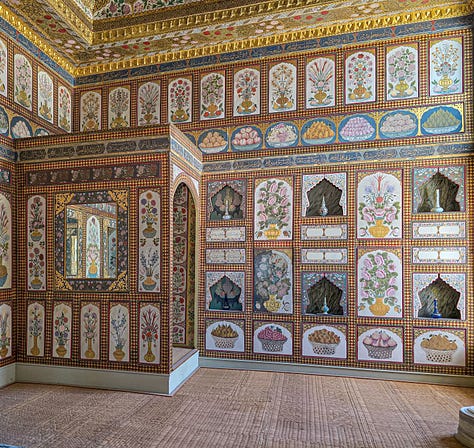
On 3 March 1924, Mustafa Kemal abolished the Caliphate altogether, ending an institution thirteen centuries old. Police and soldiers entered Dolmabahçe Palace that night, and by five in the morning the imperial family had been bundled onto the Orient Express and sent into exile.
The last caliph moved to the French Riviera and began to plot the revival of the Caliphate. French writer Claude Farrère proposed giving the Caliph a French colonial possession from which to launch a new Caliphate.
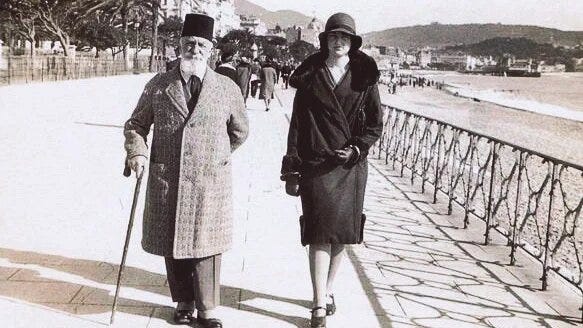
Yet the most audacious plan emerged in 1931, when Mahatma Gandhi’s erstwhile ally Shaukat Ali brokered a marriage between the Caliph’s children and those of Nizam Osman Ali Khan of Hyderabad.
The aim was to unite the descendants of the Ottomans and Mughals and establish a revived Caliphate in India, which at the time held the largest Muslim population on earth, greater than the entire Arab world combined.
Less than eight decades on, the world of Hyderabad state has been so thoroughly erased from popular imagination that its difficult to imagine the Indian state of Telangana being considered the epicentre of the Islamic world.
Yet the Ottoman Caliph was clear that a marriage with the Hyderabadi royal family brought far more prestige than a marriage with any other Muslim family in the world, from the Shahs of Iran to Sheikhs of the Gulf and the Sultans of Malaya.
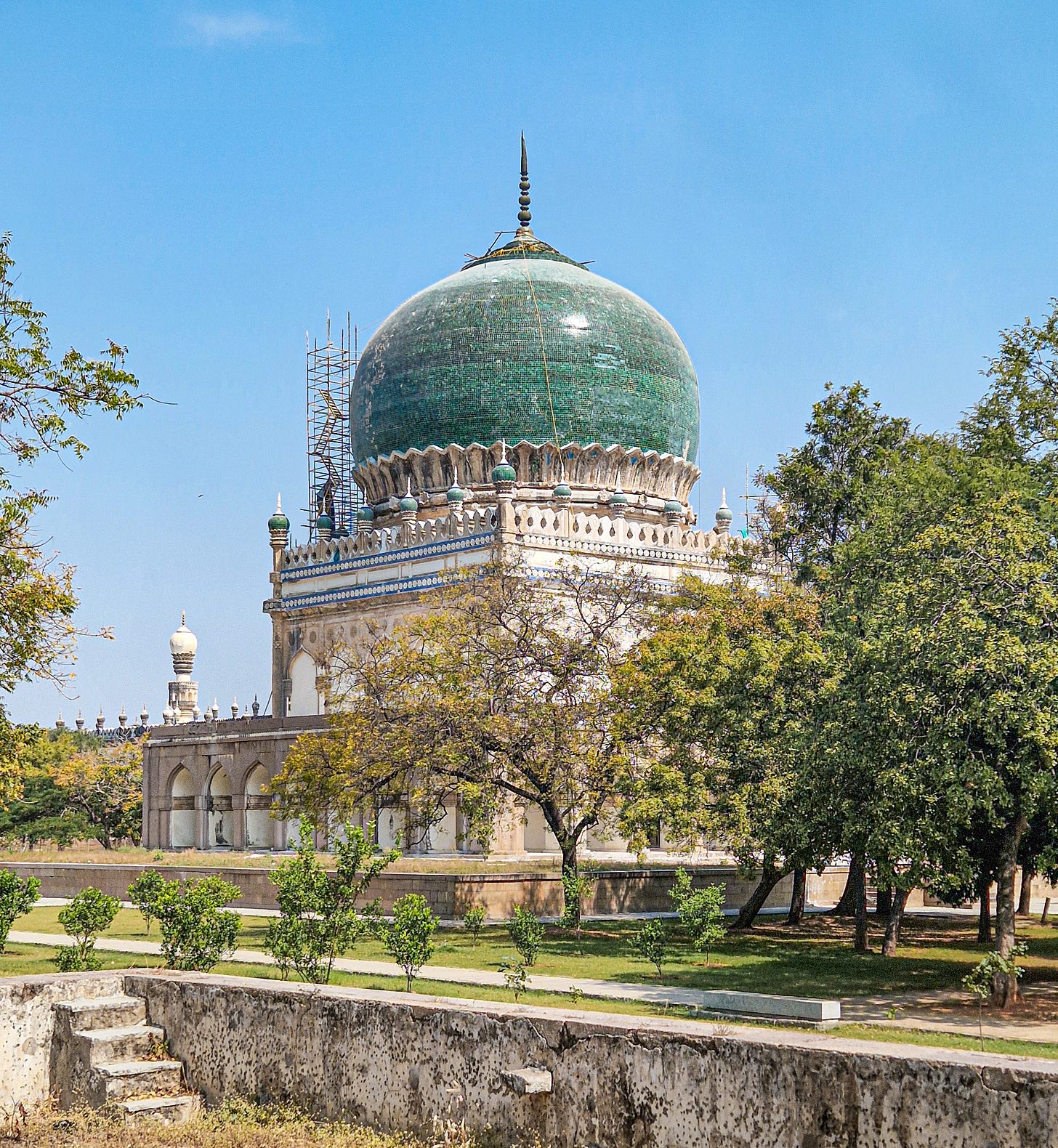
Established by the old Mughal subehdars of the Deccan, Hyderabad State was essentially a fragment of the Mughal Empire that had survived into the twentieth century, and its opulence was unparalleled. The eponymous capital was praised by poets as the ‘bride among cities’, with palaces built on hilltops, on lakes and even overlooking the city’s famed racecourse.
The Nizams had long been Britain’s closest allies in the subcontinent, and the city’s architecture fused Mughal and British aesthetics in unlikely ways. Ayman Garh and Hill Fort Palace were built as mock-Gothic castles while Falaknuma Palace combined a Palladian façade with a Scots baronial interior, and a ceiling brimming with Islamicate muqarnas.
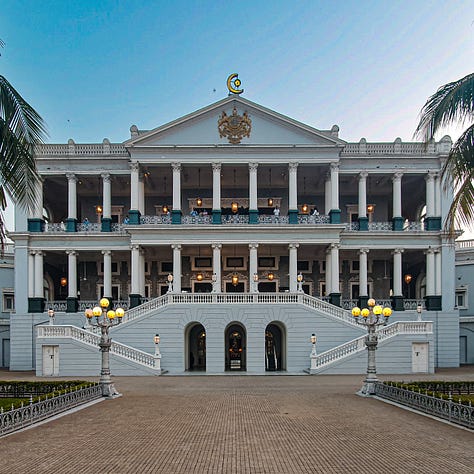
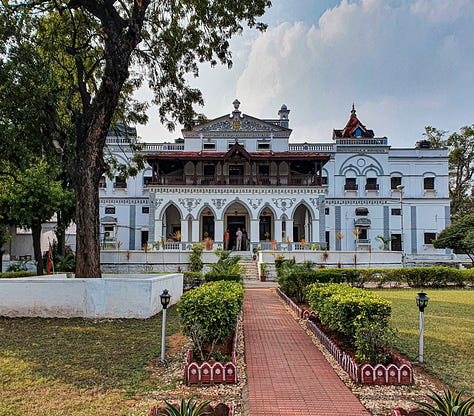
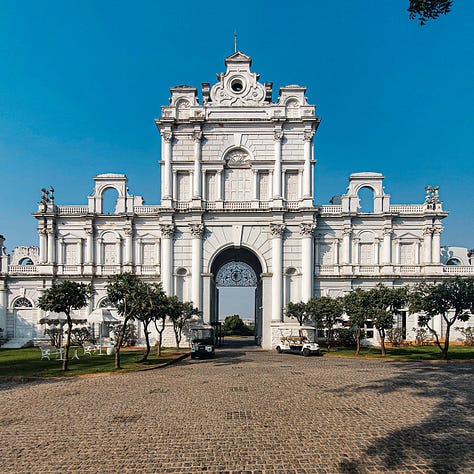
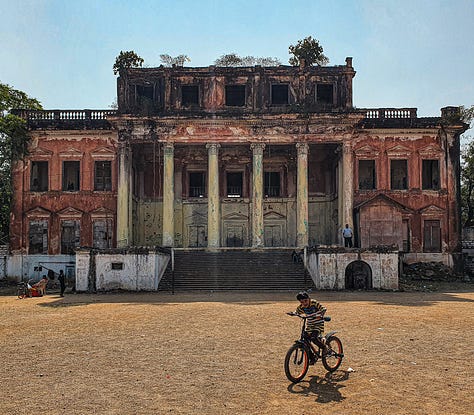
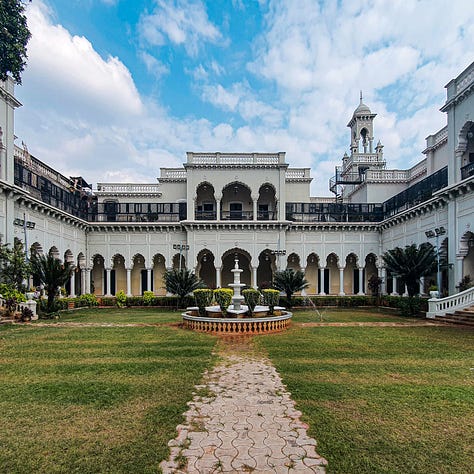
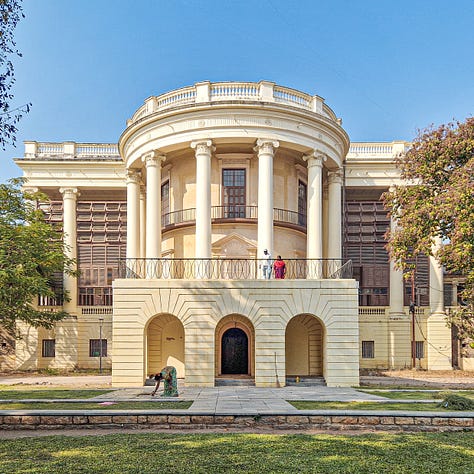
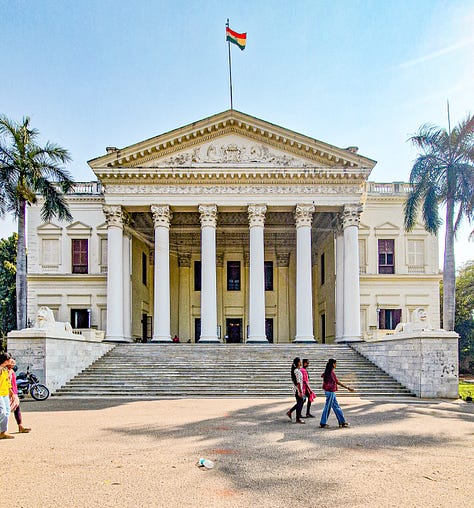
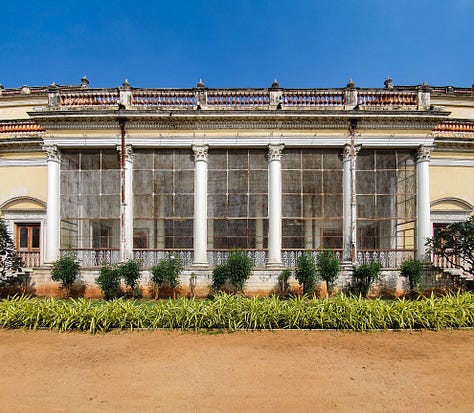
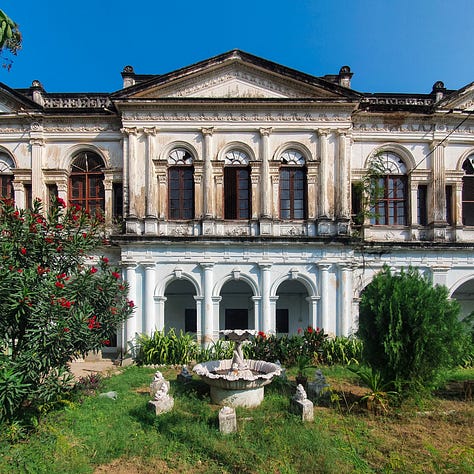
Most extraordinary of all, however, was the palace of minister Salar Jung, the greatest art collector in India, whose teak baradaris were embellished with thousands of rare Chinese porcelains, renaissance Italian sculptures and Mughlai miniature paintings that made contemporary collections in Europe look provincial by comparison.
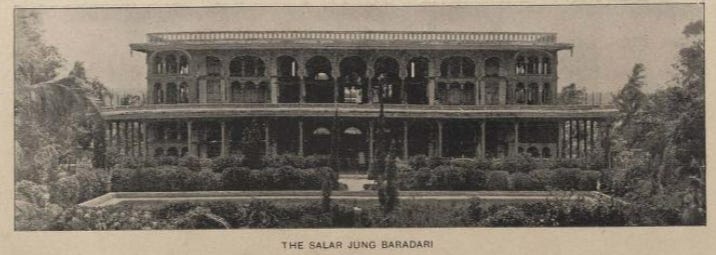
Here more than any other state, the British had found the orientalist fever dream they yearned for, where shirwani-clad noblemen ‘kept as pets tigers, ostriches and panthers’, and could occasionally be spotted hunting rare beasts across boulder-strewn landscapes. ‘The city of Hyderabad seems to have been dropped to earth from an Oriental Dream,’ wrote the author Elizabeth Cooper in her book The Harim and the Purdah.
‘It is the most Eastern city in this most Eastern land and you are filled with a sense that it is not all real, but especially staged and set up for your amusement, and when you leave it will all disappear.’
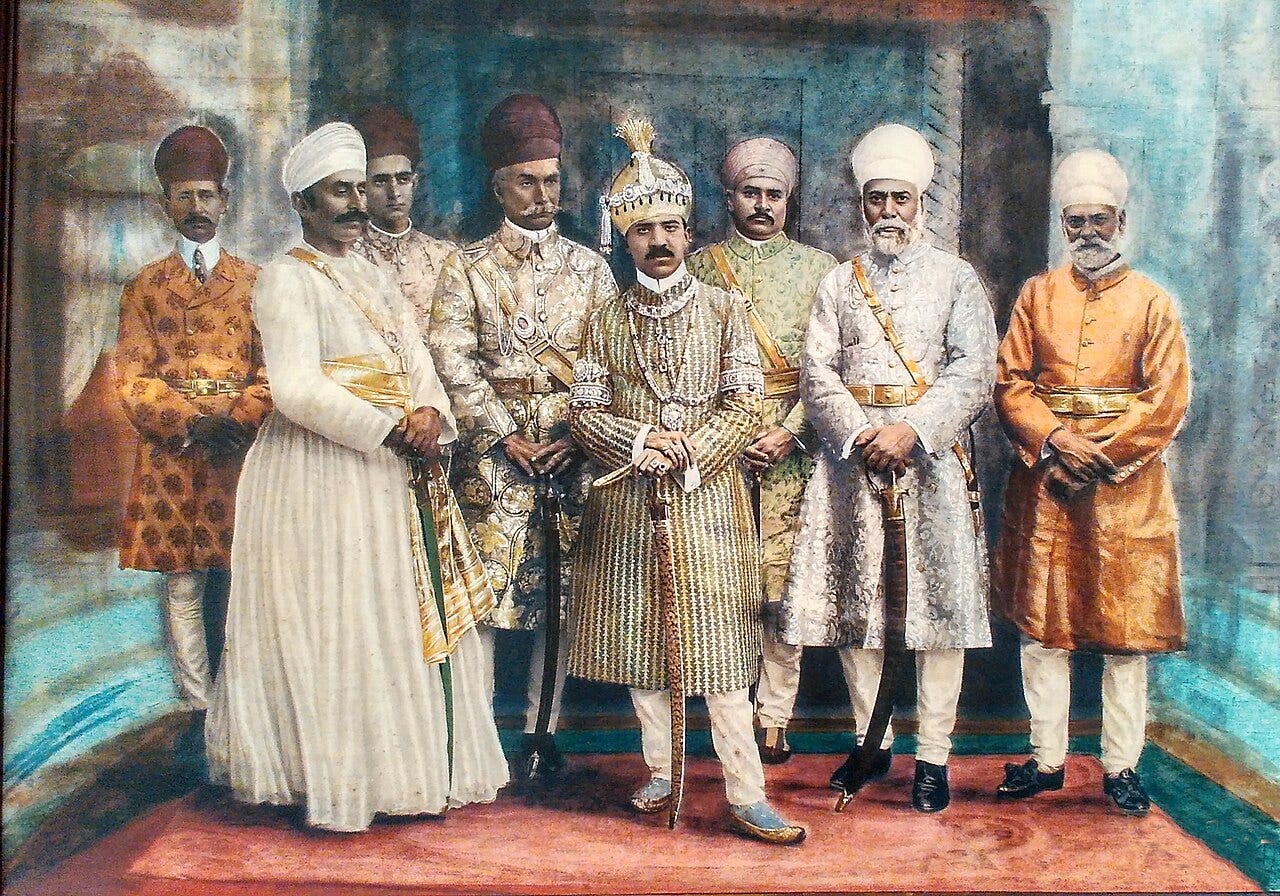
Ruling over it all was Nizam Osman Ali Khan: short, unassuming, similarly moustachioed, with ‘eyes that could pierce you… like steel’. He penned thousands of ‘perfumed ghazals’, amassed one of the subcontinent’s greatest collections of medieval literature, and transformed his state into a modern nation, with its own currency, bank and airline.
Osmania University was the Raj’s first to teach in an Indian vernacular. After the death of J. D. Rockefeller, the Nizam was crowned the richest man in the world. With a third of people living under Indian princely rule and an income and expenditure rivalling ‘those of Belgium and exceed[ing] … those of twenty members of the United Nations’, Hyderabad, the Nizam argued, was not just a princely state but a country in its own right.
Thus, in 1931, the Nizam married his sons to two of the Ottoman princesses.
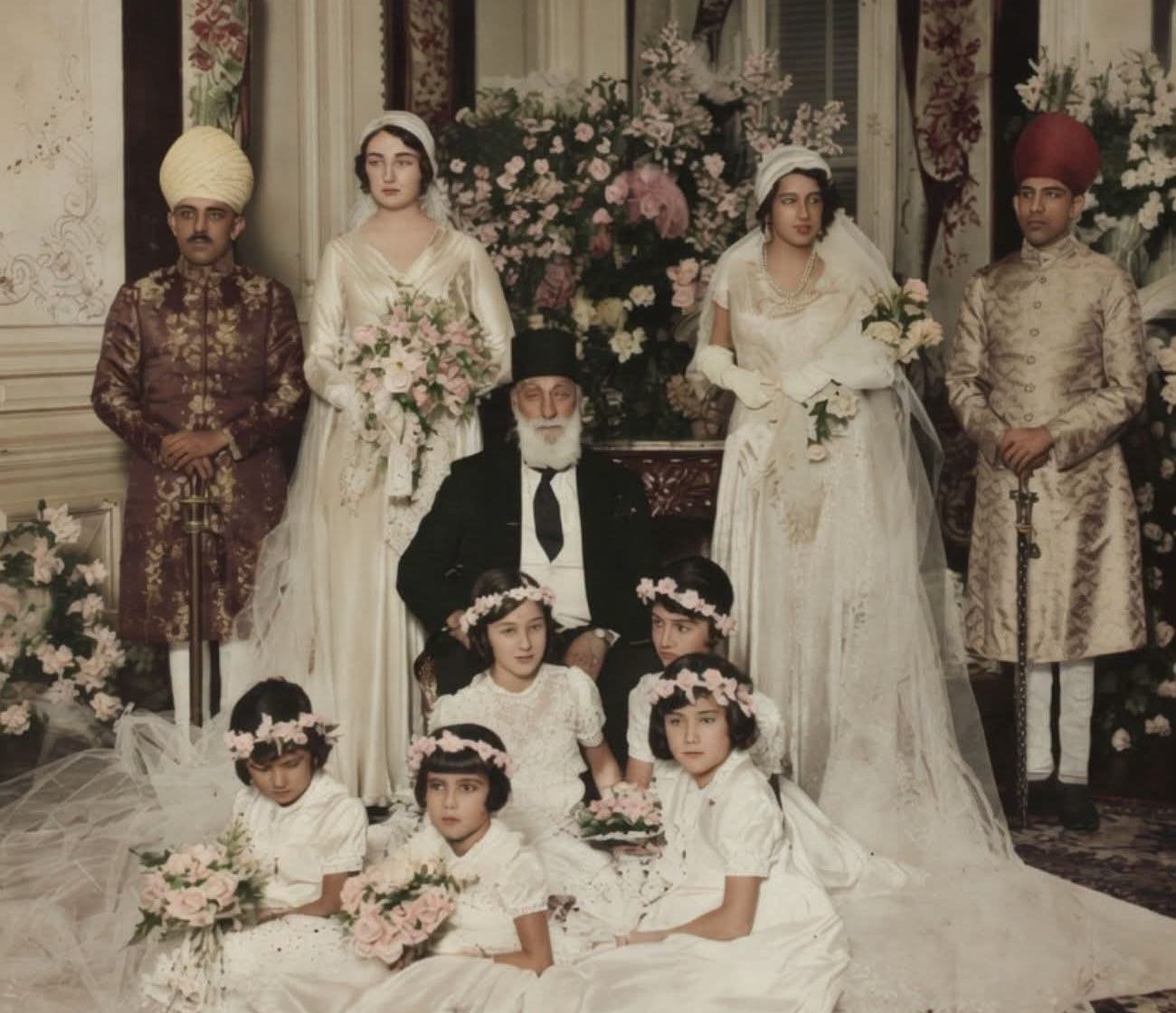
A week later he purportedly secured a deed from the last Caliph, nominating their joint grandchildren as the next Caliphs of Islam. This deed is one of the centrepieces of Mulla's book, supposedly signed by the Caliph himself in red ink made from night-blooming jasmine. In it, Abdulmecid writes,
“I trust that the firstborn son from this new kinship after you [the Nizam] be suitable to the position of the Caliphate and the rulership of Hyderabad Deccan.”
The deed has provoked intense debate, with many dismissing it as a forgery, while others maintaining it is genuine. As Mullah points out, the dispute raises as many questions as it answers.
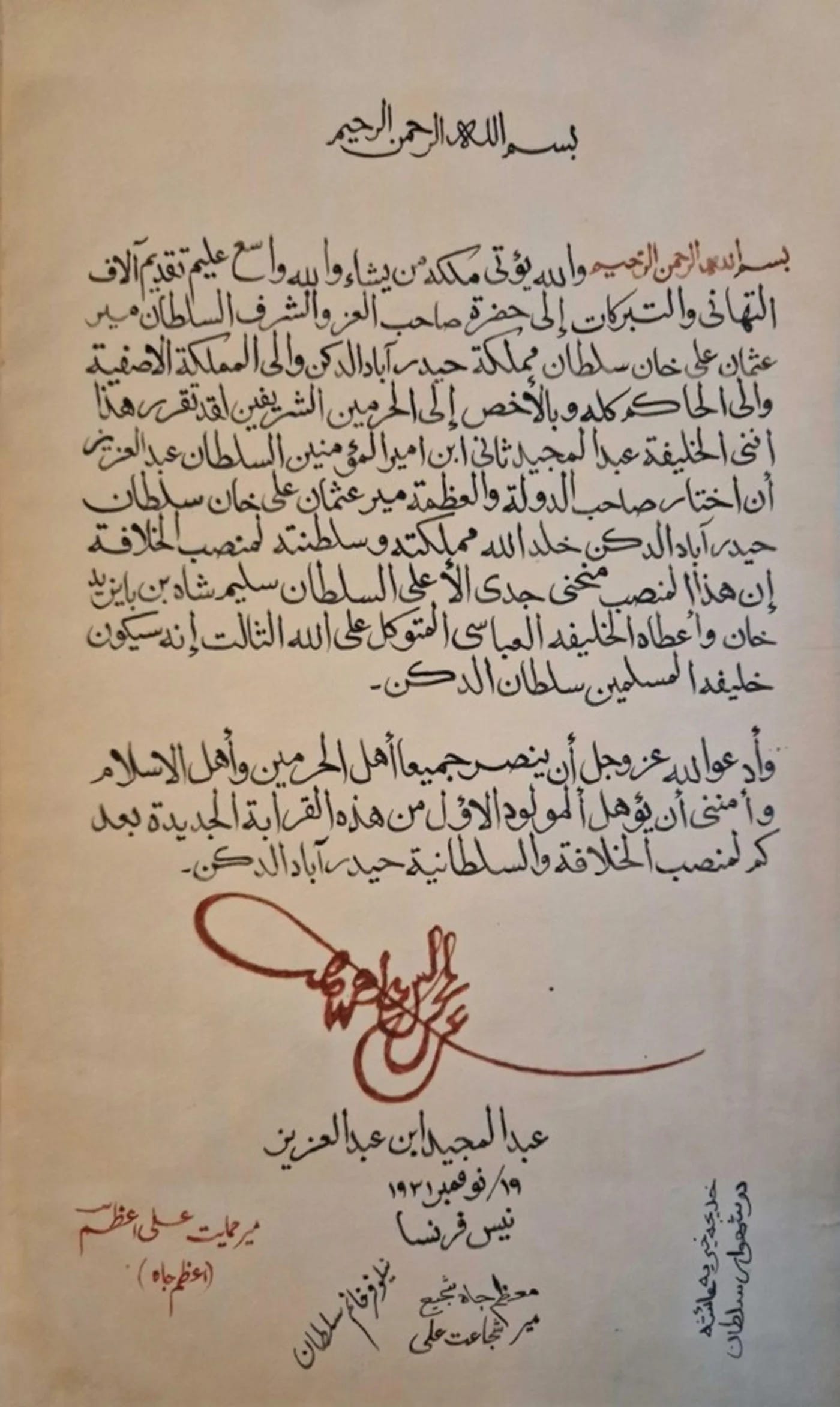
Whatever its authenticity, the Nizam acted on the vision. To signal the Caliphate’s revival in the Deccan, he ordered a grand Ottoman tomb for Abdulmecid at Khuldabad, the sacred town of Sufi saints, with instructions that the site be chosen ‘with special care that the chosen spot should be lower than all the tombs of the buried saints’.
He began construction of a grand Ottoman tomb for Abdulmecid II in the sacred Hyderabadi town of Khuldabad, a short distance from the Ellora Caves. Fifteen acres were set aside for a domed mausoleum, mosque, garden and khanqah for pilgrims. A paved road was laid from the shrine of Amir Hasan Sanjari and great door of carved sheesham was fitted.
In time, Hyderabad came to be regarded as ‘the most prominent Muslim city outside of the Holy Land’, its name uttered in the same breath as Mecca and Jerusalem.
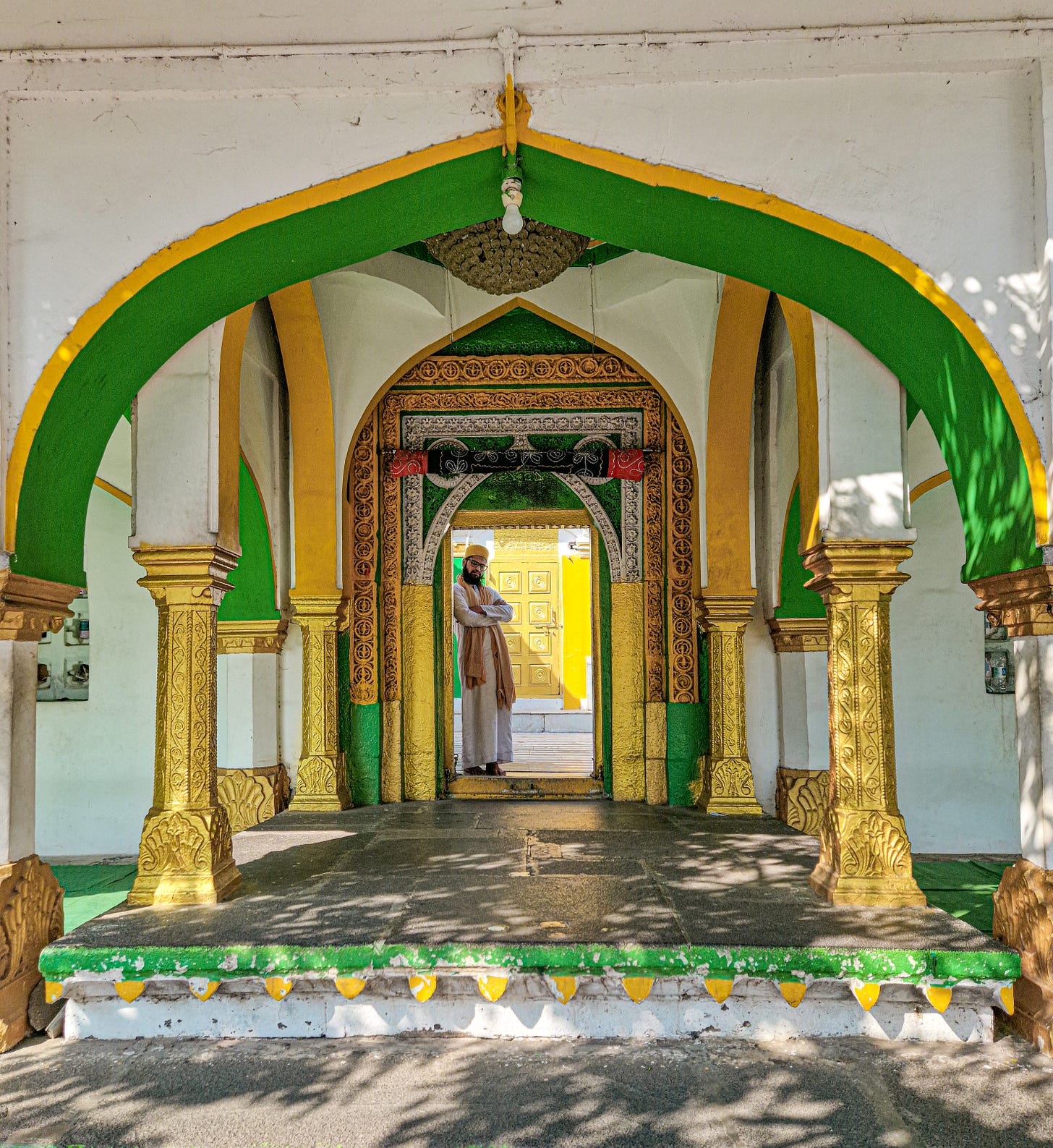
Abdulmecid died in Paris in August 1944, as war swept across Europe. London, meanwhile, fretted over ‘the possible effect’ a Hyderabad burial might have on ‘the question of the succession to the Khalifate’ before deciding it saw ‘no objection’. Yet Abdulmecid would never actually be laid to rest there, and Hyderabad’s central place in the Islamic world would soon be forgotten thanks to the events that were to follow.
Comments
Nothing yet. Say the first thing.
Sign in to join the conversation.