Transformational Pediatrics features interviews with physicians and researchers at Children’s Mercy Kansas City who are transforming pediatric care through genomic medicine, personalized therapeutics, health services and outcomes research, and innovations in health care delivery.
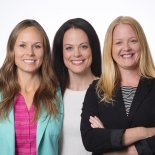
In this episode, Dr. Ekta Patel and Dr. Devon O'Brien from Children's Mercy discuss the intricacies of congenital diaphragmatic hernia (CDH) and why it can be overwhelming for families. They delve into prenatal imaging, potential outcomes, and the multidisciplinary approach to care. Tune in to learn how to navigate this challenging diagnosis and access vital resources for support.
Explore why treating pediatric STEMI is not like treating adults. This podcast discusses clinical presentations, diagnostic challenges, and the critical role of congenital heart disease. Delve into the findings from a decade-long study that reshaped the management strategies for children presenting with STEMI symptoms. #PediatricCardiology #STEMI #CongenitalHeartDisease #ChildrensMercy…
Children’s Mercy set out to solve a persistent problem in hospital care: nurses spending too much time on non‑clinical tasks. In this episode, CEO Alejandro Quiroga, MD, MBA, shares how the Helen concierge ecosystem is returning meaningful time to nurses, reducing interruptions, and improving patient and family experience. He breaks down the outcomes, the safety and standard‑work design behind the…
In this episode, Dr. Sarah Guevara hosts Dr. Sanket Shah and Dr. Erin Opfer from Children's Mercy to discuss how the groundbreaking flash scanner technology is transforming pediatric imaging. Discover the advantages of reduced sedation and lower radiation exposure, and why this innovative approach is essential for diagnosing complex congenital heart diseases. Tune in to learn how the collaborative…
Children’s Mercy is transforming pediatric genetic diagnosis with a single, advanced sequencing test. Learn how this breakthrough is delivering faster answers, fewer tests, and new hope for families facing rare diseases.
Join Dr. Anmol Goyal as he explains the educational power of 3D modeling in explaining complex heart conditions. This episode highlights how visual tools help families understand diagnoses and surgical procedures, making complex medical terms accessible to everyone. Learn more about Anmol Goyal, MD, MBBS
J. Allyson Hays, MD, discusses the rare disease histiocytosis, how it presents in pediatric cases, how Children's Mercy treats it and more. Learn more about Allyson Hays, MD
Mark Ryan, MD, MSPH, FACS, discusses the use of virtual reality and 3D imaging in pediatric surgery, and the impact it has on planning, outcomes and the future of pediatric procedures.
Discover the unique challenges faced by adolescent kidney transplant recipients and their families in this deep dive into patient-centered assessments. Host Dr. Mike and pediatric nephrologist Dr. Judith Van Sickle discuss barriers to medical adherence and the importance of a supportive network in optimizing health outcomes for young patients.
Children’s Mercy Kansas City is the first pediatric hospital in the U.S. to clinically launch Optical Genome Mapping (OGM), an advanced digitized technology that enhances the detection of genetic abnormalities. Dr. John Herriges discusses what this means for pediatric care and what's to come.
Ana Cohen, PhD, discusses Children's Mercy's cutting edge genetic testing, and how they're improving access by expanding research to rural communities.
The Piccolo device is an innovative and minimally invasive way to close the Patent ductus arteriosus (PDA) in pediatrics. Dr. Rockefeller talks about how the Piccolo came to fruition, the benefits, and what else is on the horizon for the PDA closure world.
Bactrim is a commonly prescribed antibiotic used to treat a variety of conditions, including urinary tract infections, acne and skin and soft tissue infections. The American Academy of Dermatology recently revised its guidelines discouraging the use of Bactrim to treat acne based on research conducted by my next guests – Dr. Jenna Miller, pediatric intensivist, and Dr. Jennifer Goldman, Infectious…
Children’s Mercy Kansas City, one of the nation’s leading independent pediatric health organizations, announced it is the first health care system to use 5-base HiFi sequencing, the world’s most-advanced genomic sequencing technology from PacBio, in the clinical setting to accelerate diagnoses for even more patients and families.
To accelerate precision medicine for pediatric oncology, Children’s Mercy Kansas City, together with its Research Institute (CMRI), pioneered a new whole-exome-sequencing-based genetic test for all children diagnosed with cancer. While many pediatric research institutions in the country conduct genetic sequencing of tumors, CMRI is one of the few institutions performing both research and clinical…
Incredible advances in the care of patients born with single-ventricle heart disease have led to significantly better quality of life and survival. Complex surgical palliation culminating in the Fontan procedure is effective and can allow patients to grow and develop similar to their peers. Unfortunately, changes related to Fontan anatomy lead to stress and increased pressure on the liver, known…
Data science -- often discussed with terms like artificial intelligence, machine learning, big data, data goverernance -- has the potential to transform every aspect of health care, from the patient experience to how, when and where care is provided, and improving outcomes. In this Transformational Pediatrics episode, Mark Hoffman, PhD, Chief Research Information Officer at Children's Mercy Kansas…
The health care sector has begun to embrace coaching to promote resilience and innovation during a time of massive disruption while also cultivating healthier workplace cultures. In this podcast, Alyssa Stephany, MD, Director of the Physician Leadership Center at Children's Mercy Kansas City shares how professional and peer coaching can help reduce burnout, increase job satisfaction, and improve…
Nearly 1 in 5 children in the United States live in rural areas. Rural children experience health and health care disparities compared to their urban peers and represent a unique and vulnerable pediatric patient population. Important disparities exist in all-cause mortality, suicide, firearm-related unintentional injury, and obesity. In this episode, Dr. Jessica Bettenhausen discusses research…
What is informatics and why is it important in health care? Listen as Jill Westcott, MD, MS, FACOG, Physician Informaticist for the Fetal Health Center at Children's Mercy, shares her expertise on the topic and how informatics is improving patient outcomes in fetal health.
The Children’s Mercy Research Institute® is undertaking a research initiative to build a first-of-its-kind pediatric data repository to facilitate the search for answers and novel treatments for pediatric genetic conditions. Our goal is to collect genomic data and health information for 30,000 children and their families over the next seven years, creating a database of nearly 100,000 genomes.
How do we create a healthier future for children? The Children's Mercy Research Institute with a core focus on genomics, personalized therapeutics, population health, health care innovation and bioethics is positioned to fundamentally transform pediatric research and create a world of well-being for all children. Listen as Thomas Curran, PhD, FRS, Chief Scientific Officer, discusses the institute…
To reduce the risk of complications related to hemodialysis, the Children’s Mercy Kansas City Division of Nephrology has implemented several strategies. Listen as Dr. Bradley Warady shares how the institution of standardized infection prevention practices has resulted in more than 1,200 consecutive days without an outpatient central line-associated blood stream infection (CLABSI) in a hemodialysis…
Children’s Mercy Kansas City is recognized as one of the top 10 nephrology programs in the nation by U.S. News & World Report, and the kidney transplant program has incorporated a number of innovative practices into their management plan that are designed to enhance patient outcomes. Join us as Dr. Bradley Warady discusses how the program’s personalized approach to meeting each patient’s unique…
Devika Maulik MD shares her translational research as it relates to folic acid and different responses to dosing among women of various races and ethnicities. She is using the information gathered to create recommended guidelines for folic acid dosing. She discusses current literature on this topic, as well as her studies in this area.
The COVID-19 pandemic has created an unprecedented work environment for pediatricians and pediatric subspecialists. How we practice medicine has been dramatically changed. When discussing physical precautions such as PPE and social distancing, provider mental well-being also should be a part of the conversation. In this podcast, Jennifer Bickel, MD, pediatric neurologist and Medical Director of…
Childhood Obesity continues to be on the rise and causes serious health consequences. In this podcast, Dr. Jason Fraser discusses the Bariatric Surgery program at Children's Mercy. We learn who is a candidate for bariatric surgery, the requirements for surgery, why Children's Mercy decided to offer bariatric surgery, the type of bariatric surgery offered at Children's Mercy and results.
CHAMP (Cardiac High Acuity Monitoring Program) is a multi-disciplinary based team that has been designed to meet the needs of the most complex cardiac population with single ventricle heart disease. The program closely monitors patients with single ventricle heart disease between the critical first and second stages (before stage II Glenn surgery). The team at the Ward Family Heart Center at…
The CKiD study was recently approved for an additional five years and $4.7 million of funding, making 20 consecutive years of funding. Historically, when participants developed end-stage disease, they left the study. The next phase of study will focus on the entire spectrum of the disease, starting with early CKiD in infants and following those who progress to kidney failure, requiring dialysis…
Patients that have residual leukemia stem cells after chemotherapy and other treatments have substantially higher risk for relapse. Survival rates for relapsed leukemia are very poor. Even when patients survive long-term, the very toxic anti-cancer treatments are escalated in treating relapsed leukemia. This particularly risks long-term health and substantially increases the risk of early death…
Osteosarcoma is highly metastatic and drug-resistant cancer. The survival rate for metastatic osteosarcoma remains less than 20 percent for the last 40 years. Tomoo Iwakuma, MD, PhD, is leading research focused on the elucidation of mechanisms underlying osteosarcoma progression and the discovery of novel drugs against this osteosarcoma. His laboratory has identified a lead compound that…
Peutz-jeghers syndrome (PJS) is an inherited syndrome, characterized by the development of gastrointestinal polyps and characteristic mucocutaneous freckling. Individuals that present with PJS tend to have polyps often in their small intestine as well as their stomach and large intestine. Recently the European Society for Pediatric Gastroenterology Hepatology and Nutrition (ESPGHAN) group…
Type 2 diabetes was commonly associated with the adult population. This diagnosis was even referenced as adult-onset diabetes but in recent years type 2 diabetes in children is on the rise. Although researchers aren’t clear as to why some children develop type 2 diabetes there are some causes that can increase the risk. When children present with these risks the Children Mercy Diabetes Center can…
Can an effective treatment for medically refractive Crohn’s disease be found in the gastrointestinal tract itself? Dr. Alka Goyal with Children’s Mercy Kansas City is exploring the role of fecal transplant as a rescue therapy for patients whose inflammatory bowel disease has not responded to traditional treatment. Early research showed that a single transplant is relatively safe and can result in…
As an expert in the treatment of Tourette Syndrome (TS), recently, Dr. Coffman was asked to author an article on the pharmacological treatment of Tourette Syndrome. In collaboration with Dr. Quezada, the paper was published in CNS Drugs Journal, focusing on current approaches and new developments regarding treatment of Tourette Syndrome. The team developed a visual algorithm to help guide the…
Neonatal pharmacotherapy is a field ripe with opportunity. Efficacy and toxicity is unpredictable and varies greatly for many drug classes commonly used. Weight-based dosing continues to be the standard of care as individualized drug markers are lacking. To better understand variability in drug response, the focus must shift from drug dosing to drug exposure. Tamorah Lewis, MD, neonatologist and…
Approximately 10 to 15 percent of childhood cancer cases are due to a genetic predisposition. Children’s Mercy Kansas City is searching within the genetic code to not only identify genes that may lead to cancer, but to find answers in how to better treat or cure pediatric cancer. Erin Guest, MD, Director of Cancer Genomics at Children’s Mercy, discusses the growing role of cancer genomics and how…
Thanks to the research being done in CKid, we know that children diagnosed with chronic kidney disease progress over time to dialysis and transplantation. That makes it very important to address therapies which can mitigate the progression of chronic kidney disease. Joining the show today is Tarak Srivastava, MD, he has been awarded R01 funding from the National Institutes of Health to work on…
In pediatrics care most often supports life-sustaining treatment to promote the best interests of the child. But in some circumstances (after weighing the balance of benefits and burdens of a range of treatment choices) continuing life-sustaining treatment is decided to no longer be in the child’s best interests. Collaboration and clear communication are essential in these difficult discussions.…
It’s well-accepted that there are a variety of complex pathways that contribute to abdominal pain in children; but what are these pathways, and how can they be measured? By combining the data from mobile body sensors and self-reporting from participants, researchers at Children’s Mercy Kansas City were able apply “big data” to identify pain triggers for each individual patient. The results were…