
This is an update on my Koyfin & Perplexity video (The Killer Combo).
The addition of Claude has been a game-changer for my research; that said, I can’t think of a deadlier combo than hanging out in an echo chamber on social media, then turning to a sycophantic AI to mirror your views and reinforce your blind spots (confirmation bias on steroids).

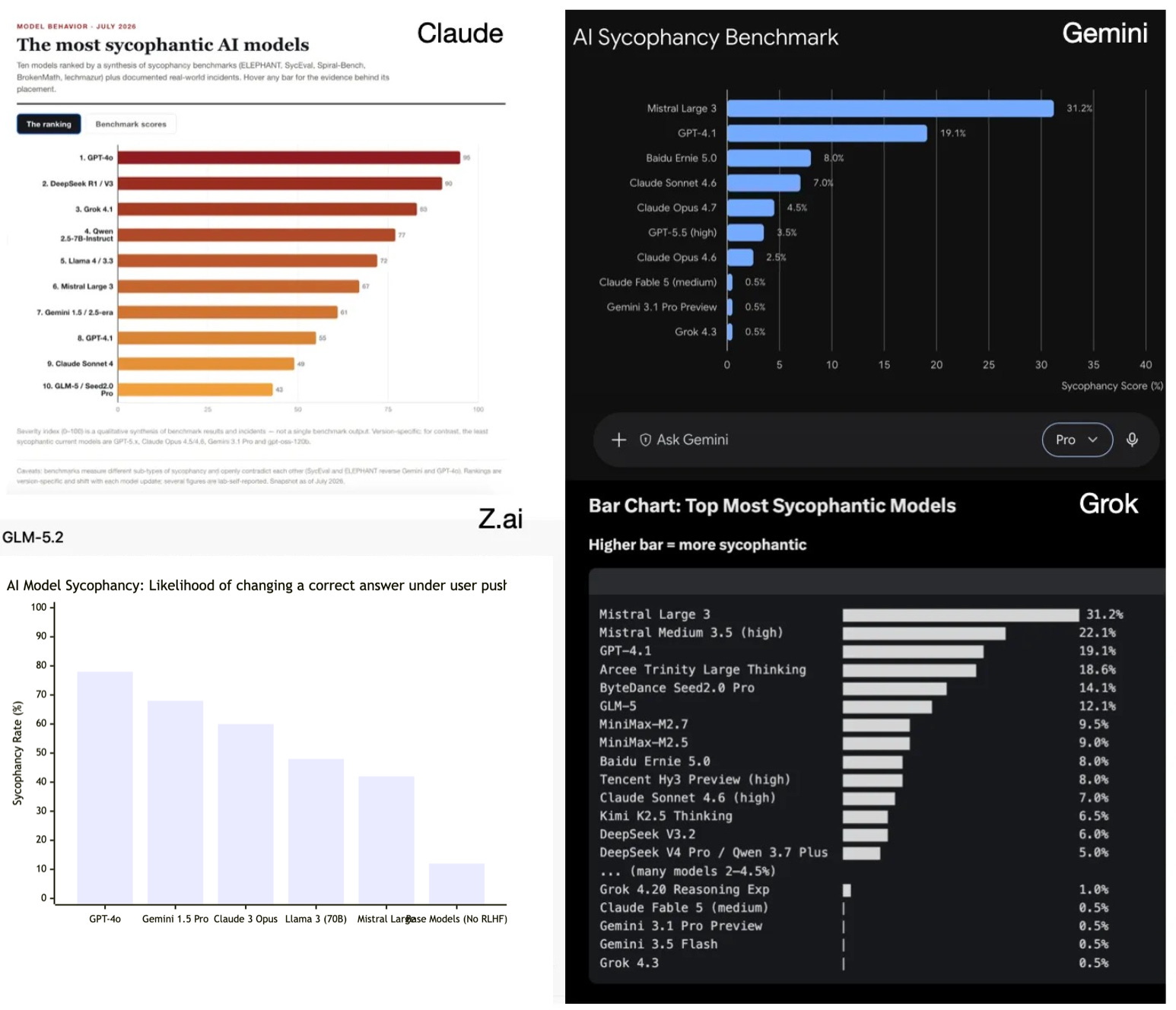
For fun, I asked Claude, Gemini, Z.ai and Grok: “Graph the most sycophantic AI models currently in a bar chart”
Then watched them all throw each other under the bus...
“Invert, always invert.”
Charlie Munger’s favourite mental model and an essential one for dealing with AI
My favourite use of Claude is getting it to prepare a detailed short thesis for me by listing things that have tripped me up in the past (or red-team an idea if non-investment).
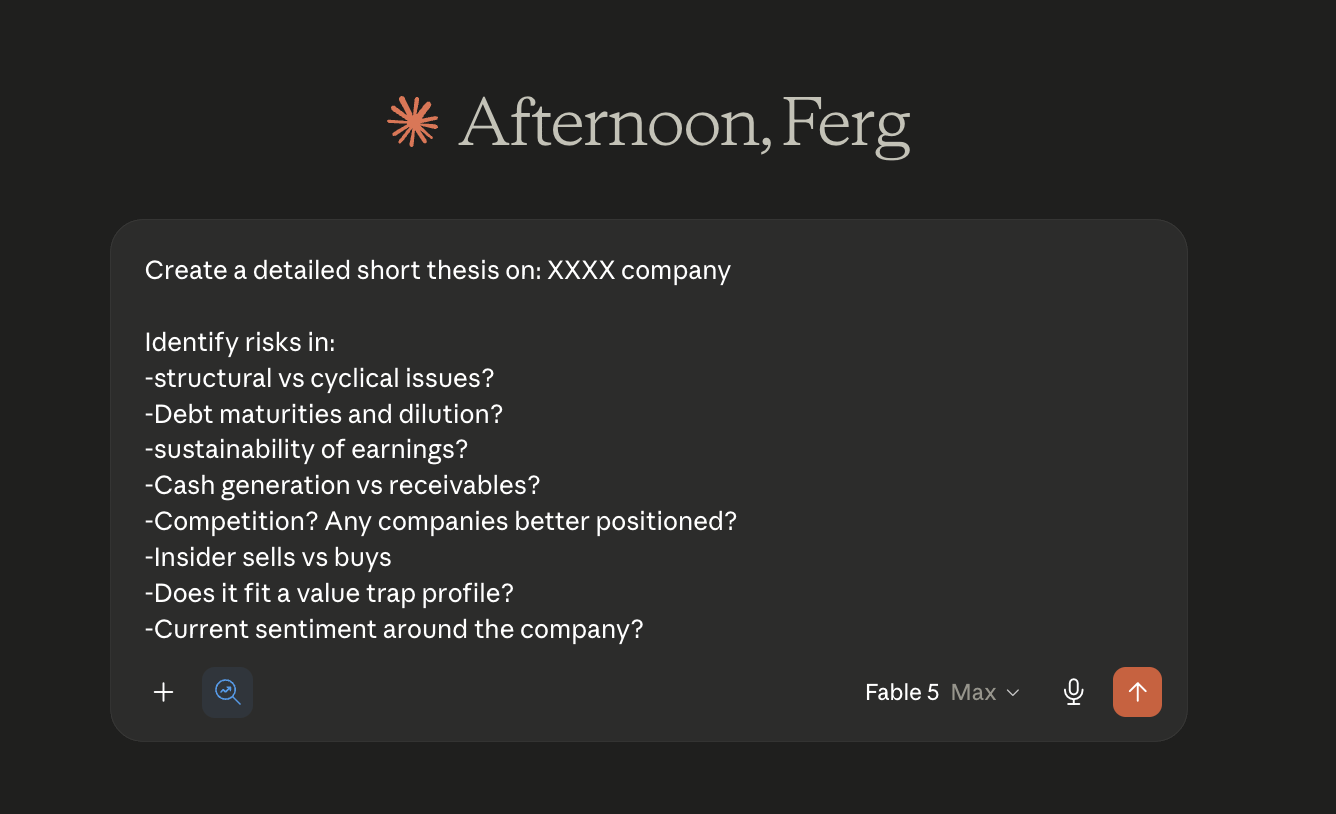
Then expand on its strongest arguments in the short thesis.
To throw another Munger quote in:
“I never allow myself to hold an opinion on anything that I don’t know the other side’s argument better than they do.”
Using Claude’s research function with two searches can give you a decent understanding of the most compelling argument against owning the company/asset.
It’s also a fantastic tool to use to attack assumptions you held without ever checking the data.
Here is a recent example when I was building Hugo’s Portfolio and working through Exchange operators. I liked the look of CME Group yet passed, as I had assumed it would fare poorly in a yield curve control environment, which I believe is a distinct possibility in the US.
So I ran a Claude Research report with:
I’ve excluded CME Group Inc due to a third of its revenue being in interest rate derivatives, which would be seriously hurt if the US were to implement yield curve control at some point in the future.
Claude shot this thesis down with a real-world precedent in Japan’s YCC era.
“The real-world precedent the thesis relies on (Japan’s YCC era) shows the opposite of the feared outcome: rate-derivative activity held up and then hit multi-decade records as the peg was tested and unwound. The YCC-based exclusion is therefore overthought.”
Similarly, my favourite outcomes of my Claude short thesis are when the conclusion is that it isn’t compelling, or consider long/short if you do plan to put the short on; i.e., Claude is doing its best to talk me out of the short.
It’s amazing, but it can also make absolutely basic mistakes that compound if you don’t catch them.
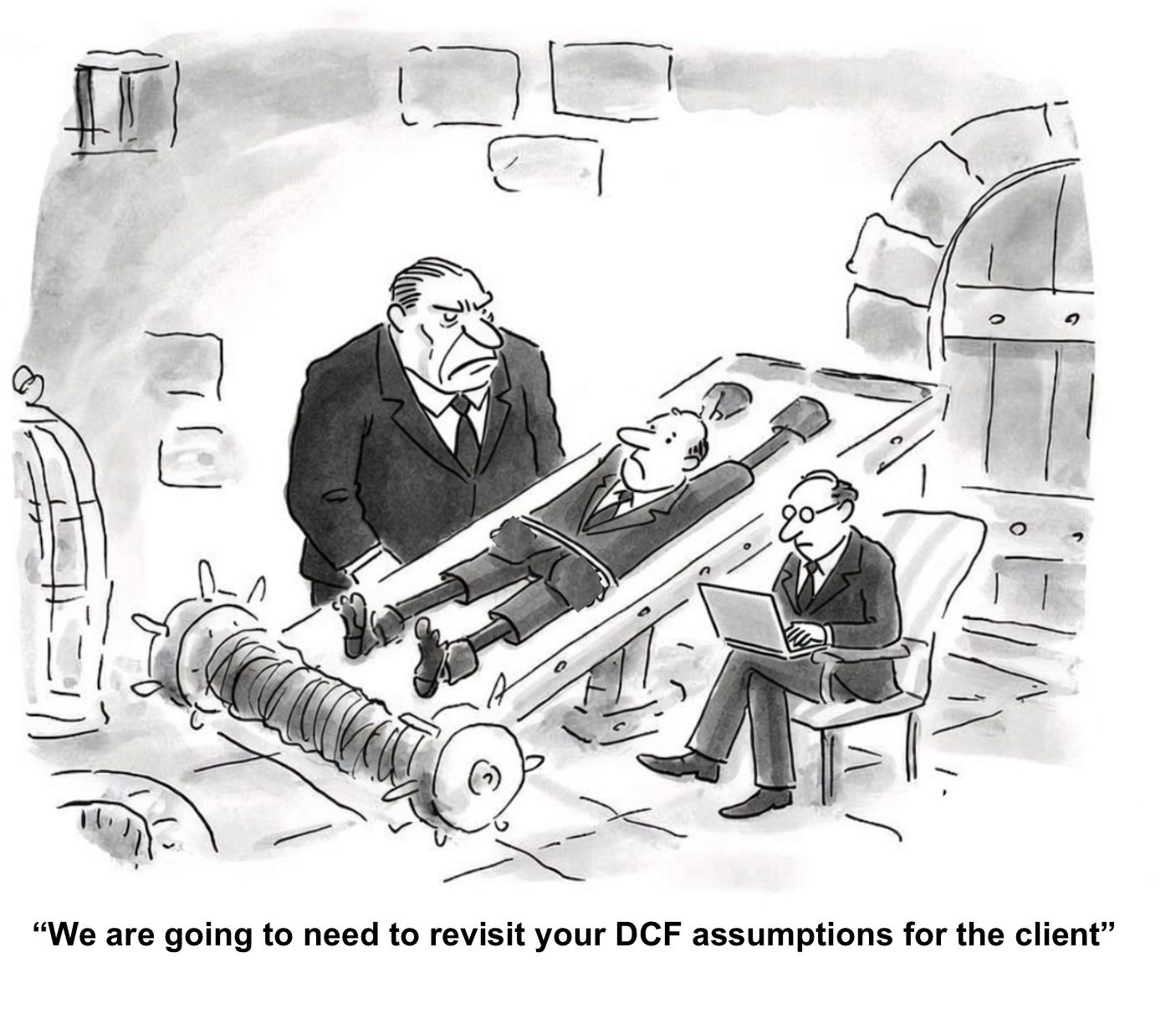
It reminds me of my corporate days when I’d get sent an intricate 40-tab Excel model, yet the final numbers were a bit off, and I’d have to go through all 40 tabs to find the error.
This is an extension of the sycophantic point in replacing the hungover intern with an ambitious investment banker who will create a model to please you/justify anything.
Leaning on any number of assumptions and estimates.
Fact-checking with Perplexity is still my go-to way to combat this, since Perplexity provides links/sources for every statement and has been quite effective at calling out some of Claude’s assumptions. Use Perplexity to try to narrow data sources where possible, i.e only use SEC data/FRED data, etc.
This is where Claude Opus 4.8 and Fable 5 excel at graphing and visualising data.
Following a research report, simply request (Claude will never do it first; it has to provide the report before processing it to create the graph/visualisation).
Graph this
Interactive graph
Visualise this
Explain it to me like I’m ten (analogies where possible)
The ability to teach yourself complex things quickly has been a game-changer for me.
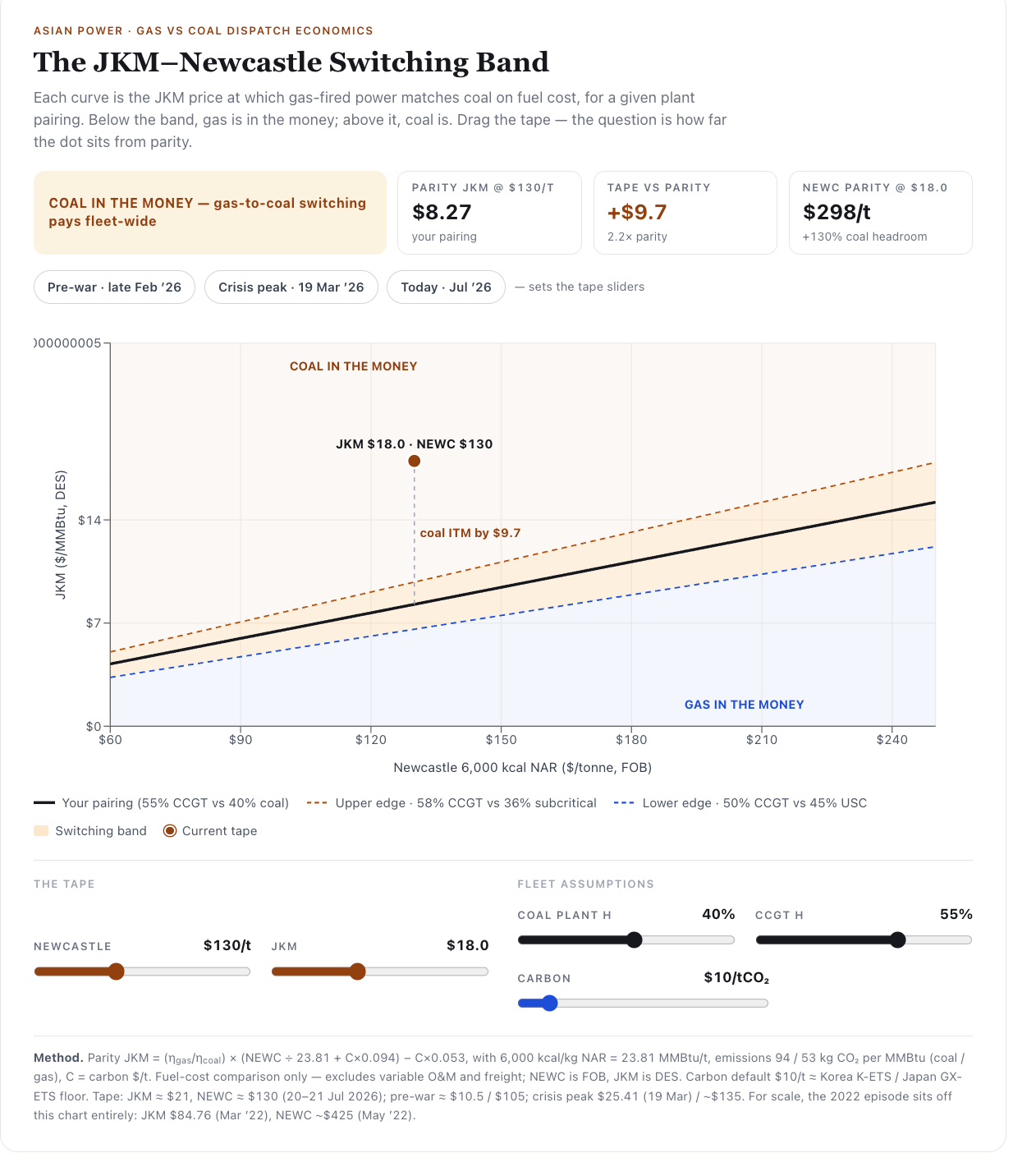
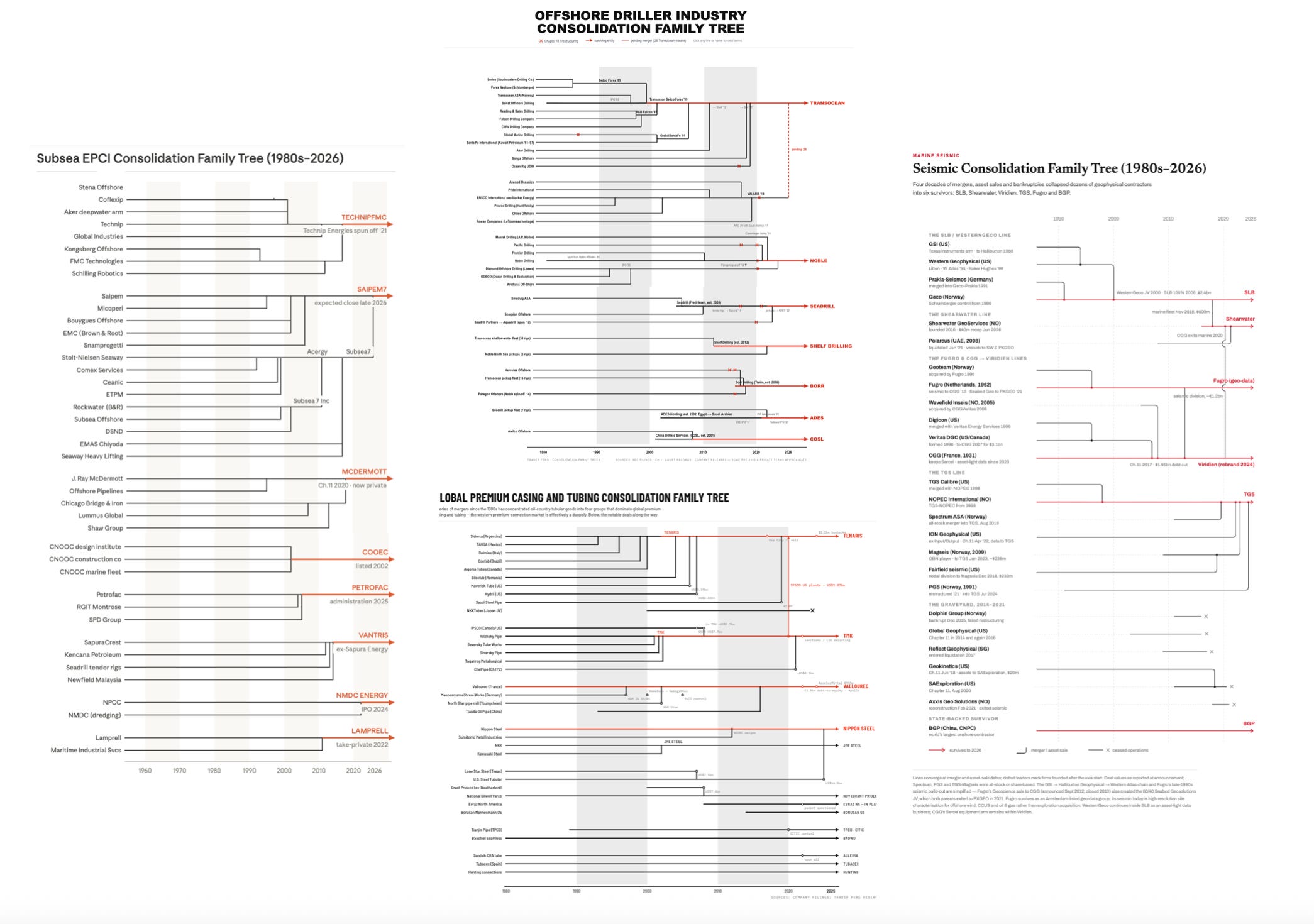
Or simply visualise things in a way that makes them easy to understand, i.e. you can read an essay on the consolidation history of oil services, or you can have it broken down to consolidation family trees as I did in The Resilience Pivot.
Comments
Nothing yet. Say the first thing.
Sign in to join the conversation.