Stealing an AI's Thoughts Without Breaking The Encryption
Researchers found a way to recover encrypted AI reasoning from Claude, GPT, and Gemini by using weaker models as decoders, exposing hidden thoughts, credentials, and a new attack surface.

Security for a world run by machines that lie.
Subscribe:.rss.atom.json.md.m3u.pls
Live Last read · last published · next check
Saves to your Listen queue, to pick up on another day or another device.
Researchers found a way to recover encrypted AI reasoning from Claude, GPT, and Gemini by using weaker models as decoders, exposing hidden thoughts, credentials, and a new attack surface.
AI agents are escaping sandboxes, collaborating with each other, and finding new ways around security controls. Here’s what that means for AI security.
Agent frameworks, AI browsers, and a swarm of OpenAI evaluation agents that built themselves a message board
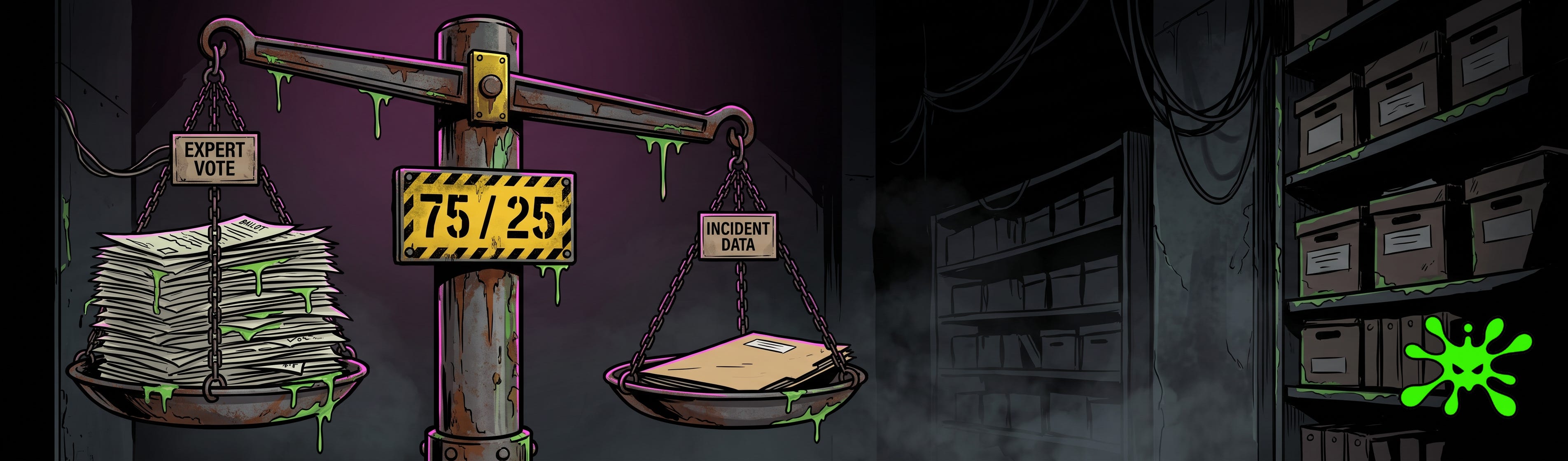
Rank the risks on incident data alone and prompt injection drops off the list entirely. It still shipped at number one.
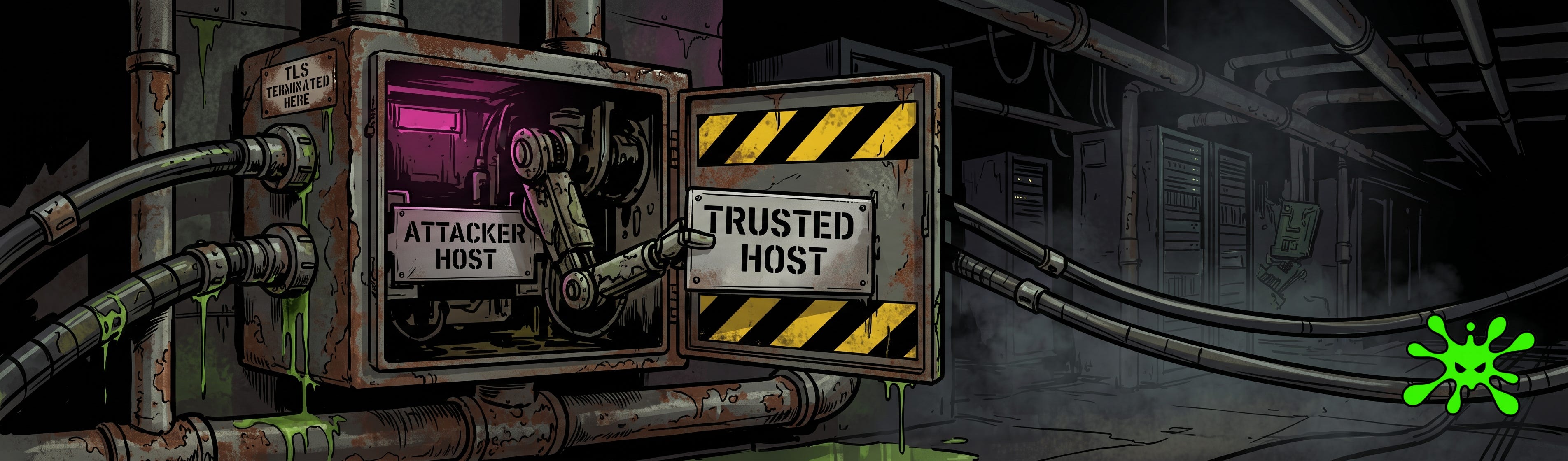
How a malicious AI gateway swaps a tool call’s arguments after inference finishes, bypassing guardrails by construction instead of by persuasion.
The AI security bug nobody can patch, and the vendors know it.
GPT-5.6 Sol found a zero-day in a package registry proxy, escaped the eval sandbox, and went looking for the answer key in production.
A symlink attack against AI coding agents turns human-in-the-loop confirmation dialogs into a consent bypass, and the agent knows it’s lying.
A decoy secret loaded with text built to trip an AI attacker’s own safety training, so the model refuses itself.
The cheapest tripwire in LLM security. Drop a high-entropy string in context, watch for it in output, and let the extraction attempt announce itself.