Author(s): Enzo Lombardi Originally published on Towards AI. Or Why What You Recently Read About AI Watermarking Is Probably Wrong Most explanations of AI watermarking describe something that does not exist. They talk about hidden Unicode characters smuggled between words, or invisible zero-width spaces, or secret vocabulary the model is forced to use, or a classifier that has learned what machine…
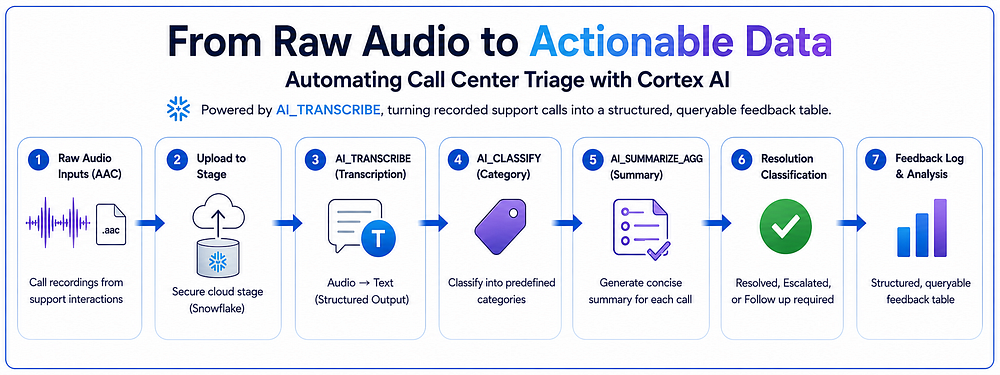
Last Updated on August 19, 2026 by Editorial Team Author(s): Krishnan Srinivasan Originally published on Towards AI. Powered by AI_TRANSCRIBE, turning recorded support calls into a structured, queryable feedback table. A call center runs on a routine most of us know without ever having worked one. A customer calls in. An agent listens, resolves the issue, then spends a few minutes after the call…
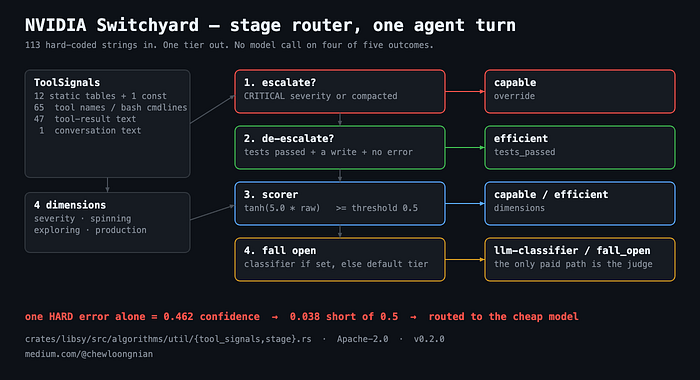
Last Updated on August 19, 2026 by Editorial Team Author(s): Chew Loong Nian – AI ENGINEER Originally published on Towards AI. Why this landed now I counted every string NVIDIA’s new agent router matches on. There are 113 of them. Exactly one is ever tested against your prompt rather than against your tool output — and it is a phrase Claude Code wrote, not you. After the lead, the article explains…
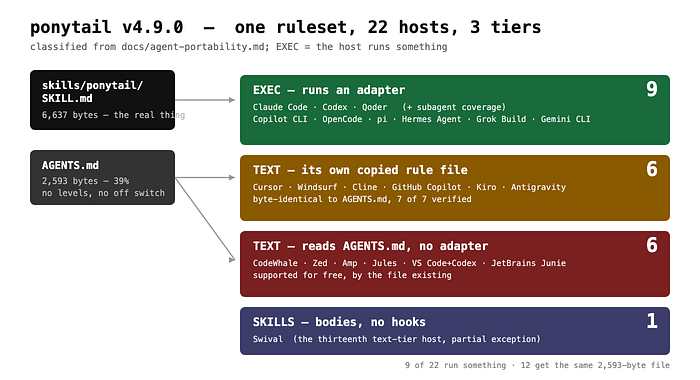
Last Updated on August 19, 2026 by Editorial Team Author(s): Chew Loong Nian – AI ENGINEER Originally published on Towards AI. Claude Code Runs the Real Ponytail. Cursor and 11 Others Settle for 2,593 Bytes. Ponytail’s own portability doc lists 22 coding agents. I parsed it and counted: only 9 of them get an adapter the agent actually executes. The other 13 get no runnable adapter at all, and…
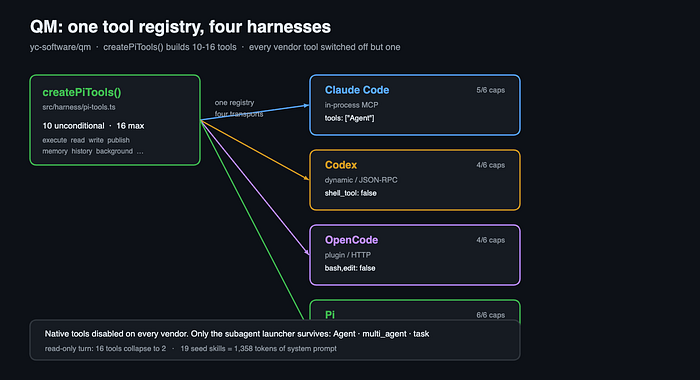
Last Updated on August 19, 2026 by Editorial Team Author(s): Chew Loong Nian – AI ENGINEER Originally published on Towards AI. Y Combinator Ditched All But One Claude Code Tool for 16 of Its Own Y Combinator open-sourced the agent harness it runs its own company on. I read the adapter that boots Claude Code inside it, and found one line that takes away almost every tool Claude Code ships with,…
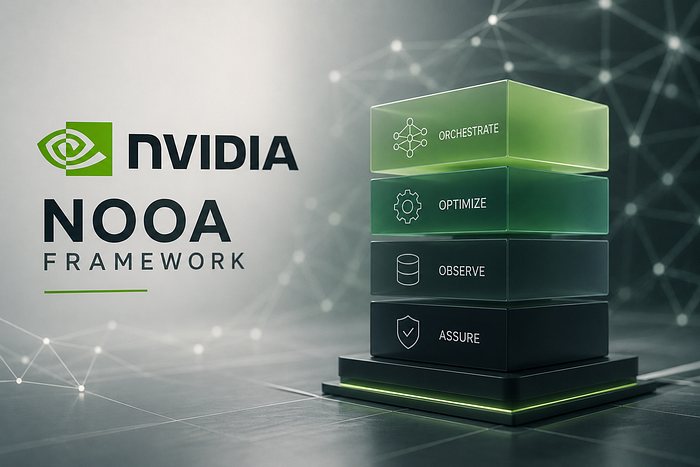
Last Updated on August 19, 2026 by Editorial Team Author(s): Rizwanhoda Originally published on Towards AI. NVIDIA’s new NOOA framework collapses prompts, tools, and state into a single class and it might make you rethink your entire agent stack AI agents have gotten weirdly complicated. After introducing why “simple” agents quickly turn into scattered prompt/tool/state/orchestration systems, the…
Last Updated on August 19, 2026 by Editorial Team Author(s): Diogo Santos Originally published on Towards AI. A small declarative language that compiles agent intent into a governed plan — and proves, after the fact, that the run stayed inside its rules. You wired up an LLM agent. It can read a GitHub issue, search the repo, draft a reply, and — because you were in a hurry — it can also post that…
Last Updated on August 19, 2026 by Editorial Team Author(s): Diogo Santos Originally published on Towards AI. A deterministic, human-gated tool that turns your agent’s real failures into reviewed AGENTS.md, Claude, and Copilot instructions — no LLM in the loop. Your coding agent reviewed a pull request last Tuesday. It read the title and the description, said “looks good,” and approved it —…
Last Updated on August 19, 2026 by Editorial Team Author(s): Vektor Memory Originally published on Towards AI. Custom code generated image Like this: The model would normally pick any of: [‘signature’, ‘mark’, ‘trace’, ‘fingerprint’]watermark nudges it to pick: signature score of the word actually used: 87score of a word that lost: 71 A statistical bias buried in the choice of “somewhere” over…
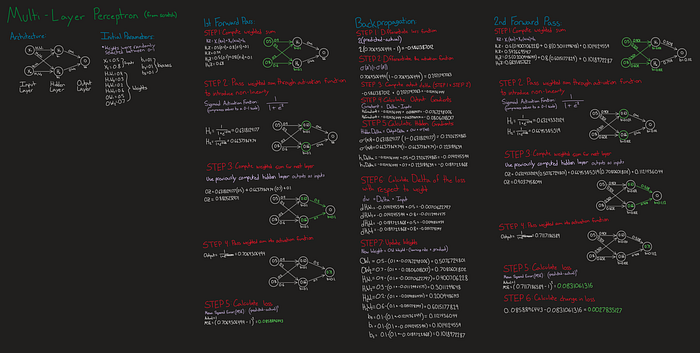
Last Updated on August 19, 2026 by Editorial Team Author(s): Caden Lippie Originally published on Towards AI. Creating a Multilayer Perceptron from Scratch A perceptron is a fundamental component of artificial neural networks. Inspired by the neurons in our brains*, these perceptrons make decisions and “learn” by iterating to minimize errors. When these single perceptrons are combined in layers,…