
Before we begin, I just wanted to mention that if you are accessing this in an email, and you’re doing so on a computer, laptop or desktop, the photos and typography look so much better on the Substack website. Here’s the link to the Toucan Newsletter there: Toucan.
Anyway, herein is a little meditation on art and travel and people.
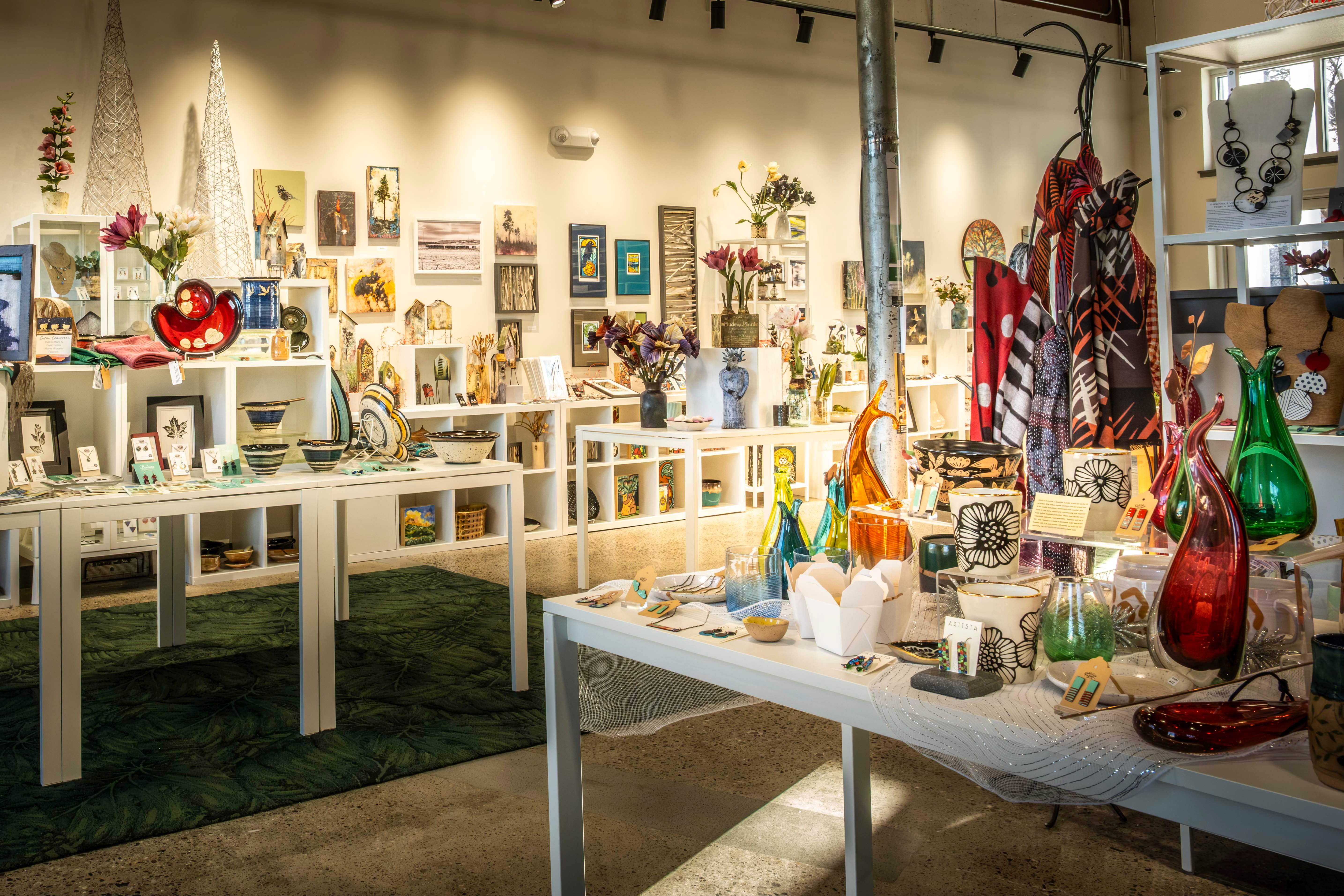
But first, a reminder that the shop is open on Friday after Thanksgiving, and on Saturday (November 29) which is Small Business Saturday, a day to skip the big boxes and shop at your favorite locally owned stores like Toucan. We’ll have coffee and some snacks. We’ll be raffling off some gift cards to some of our favorite locally owned small businesses too. Come see us on Saturday!
I’m also shooting what I’m calling “Holiday Portraits” in the studio at Toucan this season. Like the one below. They’re $99. Individuals, couples, families, pets, whatever combination, whatever you got. Email me or go here for more info: Imagimark! Productions.

Now, on to the essay:
Sometimes the art that can be experienced close at hand, in the place where you live, isn’t enough to satiate a healthy yearning for insight into the truth of our existence. Art is something for which there are times when you must travel to encounter it. When you do travel for art, however, whether hundreds of miles or thousands, it can be the travel itself that yields the kind of respite and revelation that the art might otherwise have provided, and the travel becomes a kind of art all its own.
Which is to say that for some of us, by which I mostly mean myself, we travel to temper our existence, to alleviate the angst of having to create meaning for ourselves in an absurd world.
In other words, it was time to get out of town.
***
Travel is a process. It requires planning beforehand and then the diligent execution of that plan through its various steps. The trick is to have enough of a plan so as not to miss any flights or reservations or commitments, while at the same time leaving enough room for the unforeseen to materialize, those moments that make the trip enlightening and memorable (which sounds like making art, to be honest).
As for Allison and I, our own planning for a recent escape from Billings, Montana, had entered the brainstorming phase, and we knew that wherever we might go, it should include the things we like to encounter when in other places, namely culture and its artifacts: art, architecture, urban design, books, food, people, conversations, assorted weirdness.
After a few aborted attempts at this planning—maybe an epic road trip, maybe flights to places that were nothing more than flights of fancy (because we do have a small business that makes our living and it can’t be abandoned for too long)—it turned out that “let’s just go to Seattle” became not only easy, but plausible. And extremely comfortable.
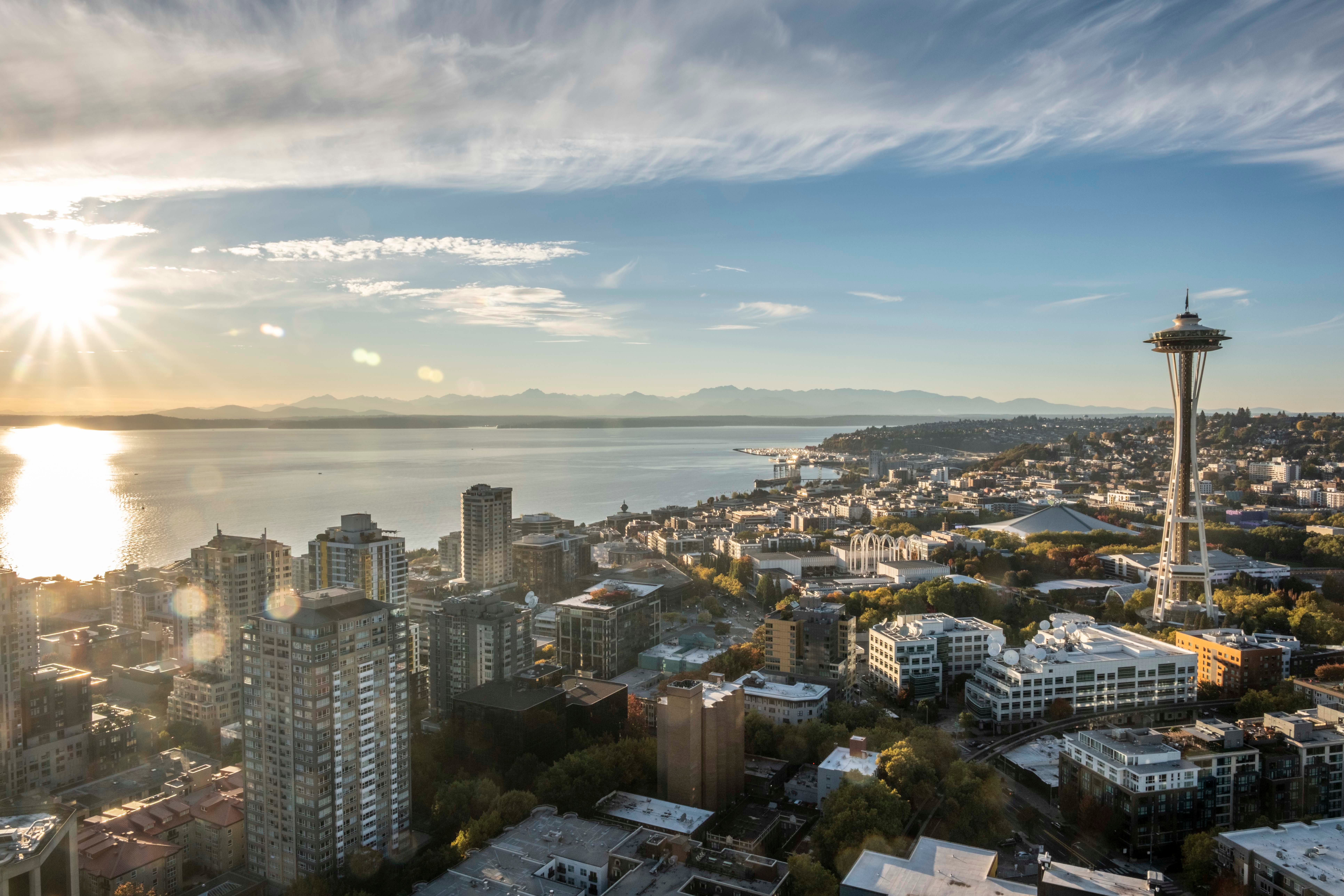
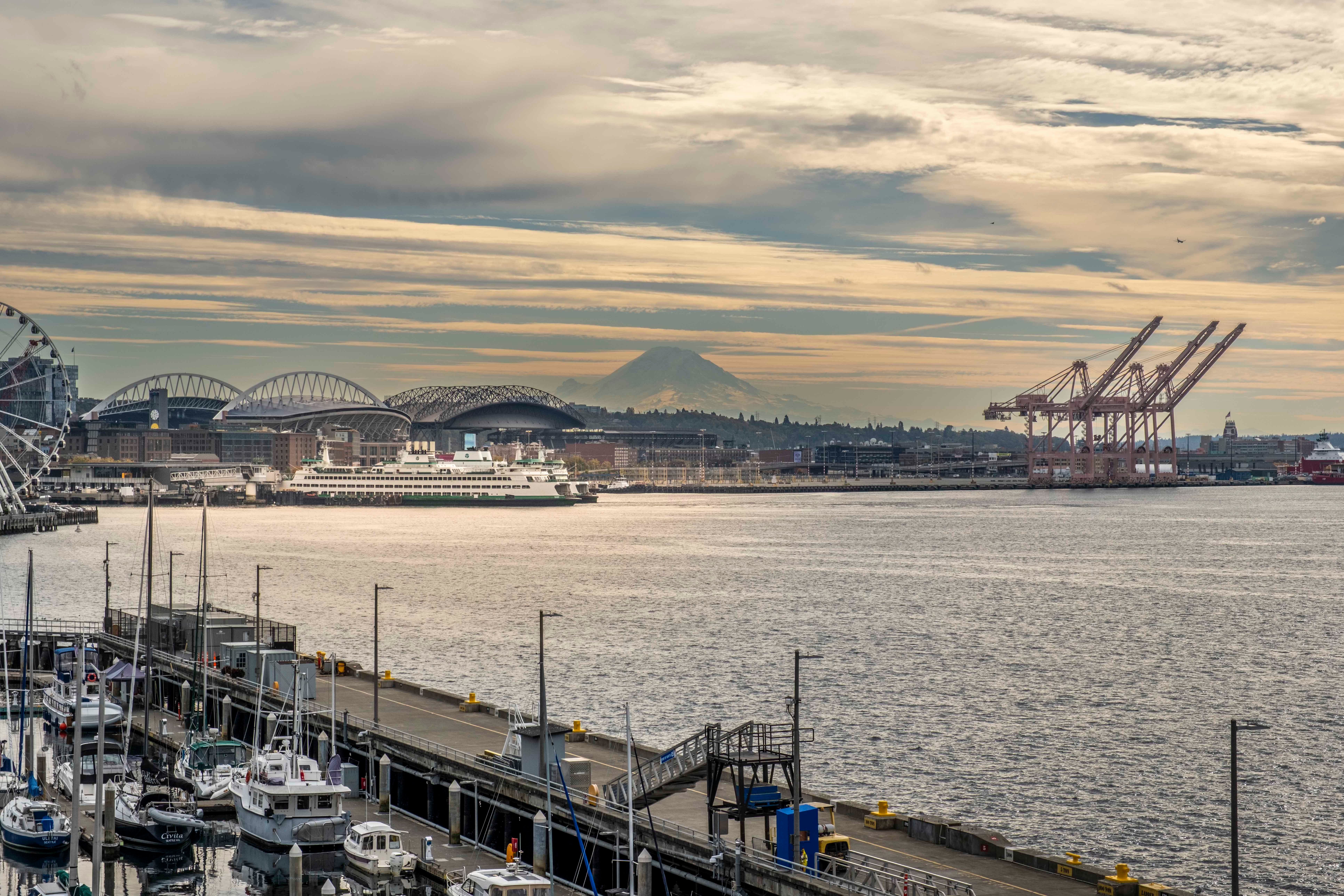
Seattle is the city that marks my own beginning, i.e., I was born there. I moved to Billings when I was barely a toddler (against my will, I might add), but have traveled back to Seattle frequently over my life (for family, family friends, friends, and general familiarity) and think of it as a sort of auxiliary hometown. Allison has family there too, and we have friends in common there.
We began to plot dates on the calendar. This trip would need to be shoehorned between various appointments and commitments in Billings. A teeth cleaning. A dermatologist’s appointment. Meetings. Deadlines.
“What about Jodi’s show?” I asked, looking at a calendar.
Jodi Lightner had a show opening at Aunt Dofe’s Gallery in Willow Creek, Montana right in the mix of dates we were considering for our trip. We had been planning on going to this opening long before this trip to Seattle had coalesced in our collective imagination and if travel is about planning, then it is also about planning’s executive lubricant: logistics.
I am never one to be afraid of logistics and, in fact, revel in the oft-repeated catch phrase of Colonel John “Hannibal” Smith, a character on a TV show from my youth, The A-Team. It was often uttered with the flourish of an ever-present cigar: “I love it when a plan comes together.”
So, here’s the plan: what if we drive to Bozeman and fly out of the airport there. Leave our car in the long-term parking lot at the airport. Schedule our return flight to land in Bozeman on the afternoon of Jodi’s show. Retrieve our car. And drive to Willow Creek in time for the opening.
And so it was that the way we were going to travel to get to this particular experience of art…well, the route to Willow Creek, it was going to go through Seattle.
The things that Seattle provides is a lot of the same things any large metropolitan area provides, the kinds of things that a large population of people can generate—more diverse views and understanding, more public money, more opportunity for art and innovation to happen. Better restaurants, more galleries, esoteric bookstores, all manner of the creative alchemy of so many humans together, yearning for things to happen to make their lives better and more interesting. In Seattle, though, you also have the Seattle-ness of it all. The Sound and the Lakes and the Islands; the Market and the Waterfront and the Ferries; the Coffee and the Grunge and the Glass (and not just Chihuly). The Tech, of course. And the list goes on.
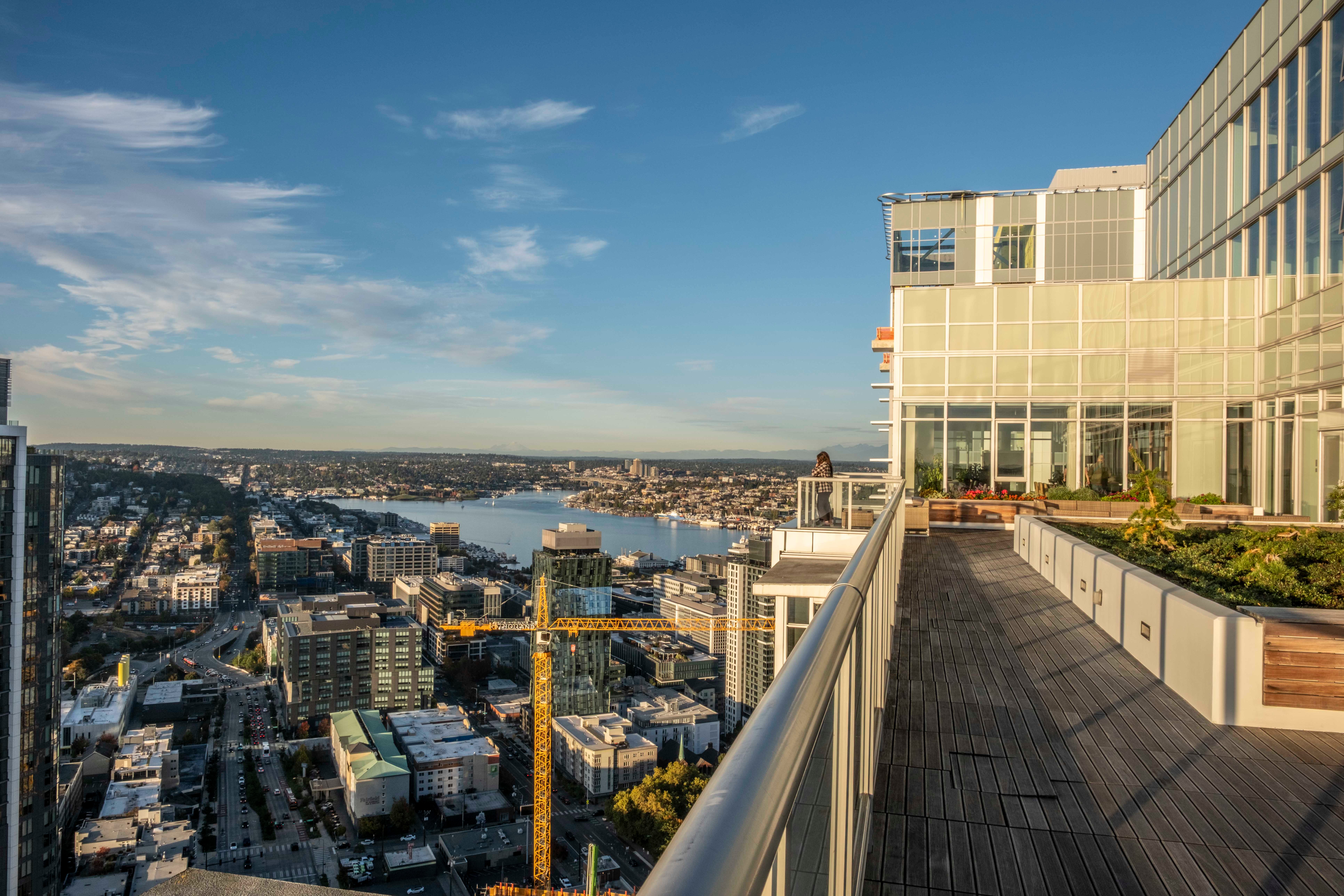
Our base of operations in Seattle is the Belltown area where we can stay at our beloved Ace Hotel, or with family, or with friends. We have options. (Nasim tells us we do not have options—she is married to Allison’s cousin, Josh, and although we did stay with them for a few nights this time, she is not one to be easily resisted, and next time, we will undoubtedly stay mostly, if not entirely, at their place.)
The beauty of a city like Seattle is that you can walk. And walk and walk and walk. To whatever you need. We don’t tend to do tourist-y things when we’re in Seattle, so our walking was to bodegas and bookstores and bakeries, galleries rather than museums, neighborhood restaurants and street vendors.
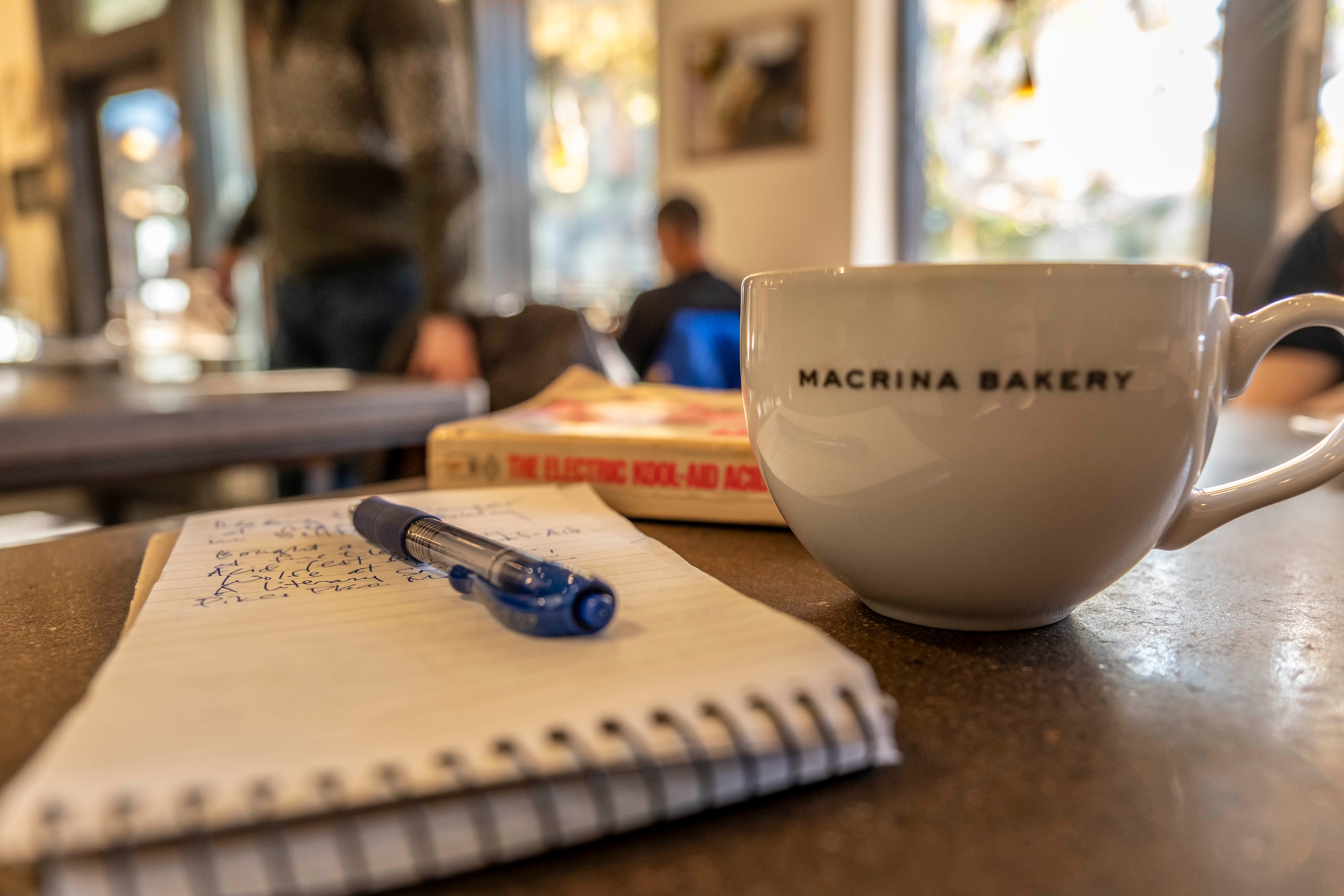
One of my favorite shops in Seattle, one of my favorite shops anywhere, really, is Peter Miller Books, a bookstore dedicated to architecture and design (and which includes all manner of pens and stationery, too), and where Peter Miller himself is the proprietor. He famously makes lunch every day for himself and his employees, a perk of employment there, and has even written a book about it: Lunch at the Shop: The Art and Practice of the Midday Meal. Peter was there when we visited his shop—with Jarrad and Molly, my uncle and aunt—and he regaled us with a few stories. He’s a character, a raconteur, and reminisced about his favorite “pen store” in Montana, Sax & Fryer in Livingston, which we had to inform him, regrettably, had closed.
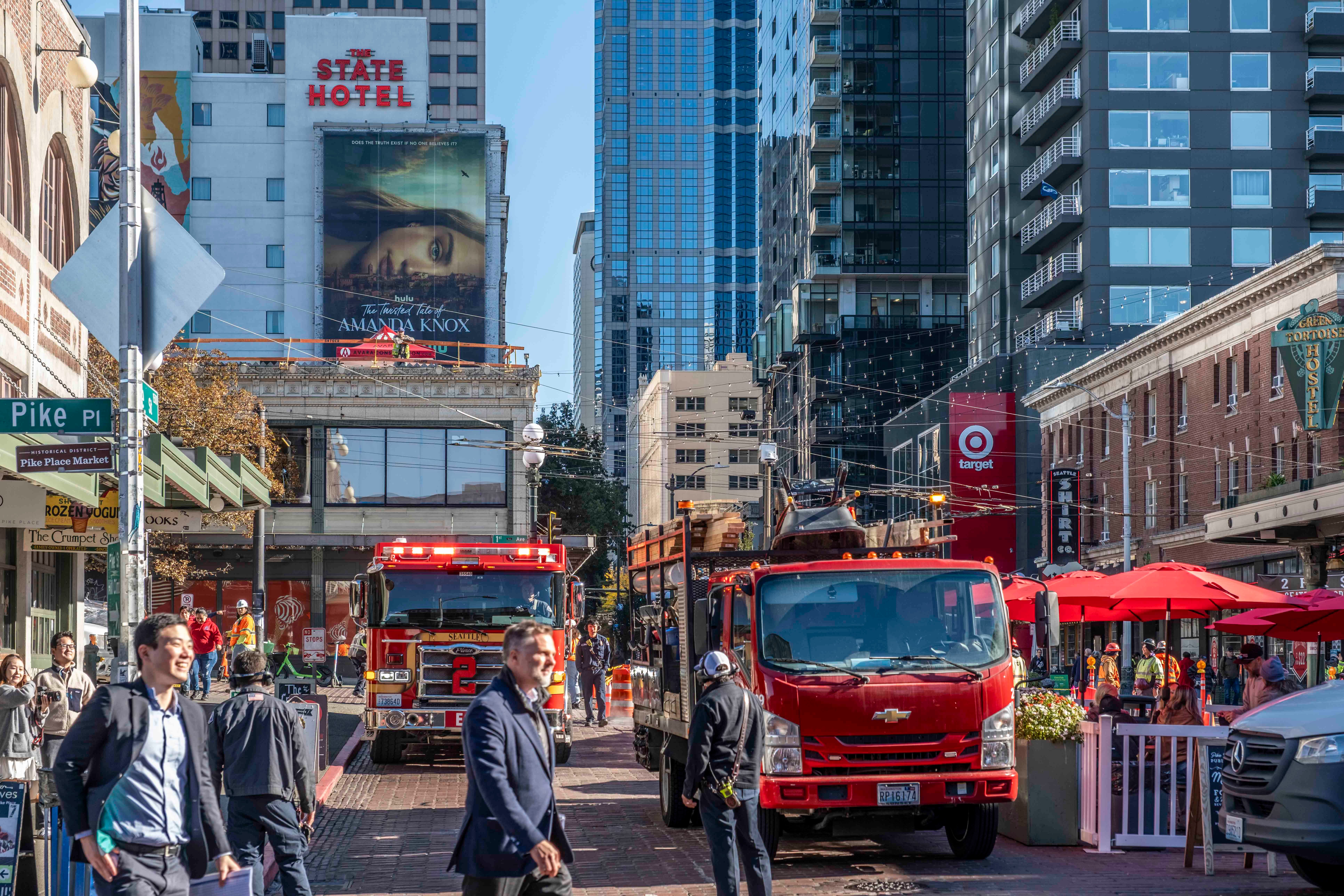
We had dinner one night at Radiator Whiskey, upstairs in Pike Place Market, with Josh and Nasim. Upon our return to Billings, Ty Kelly, who had driven over from Big Timber to pick up the work from his summer show at Toucan, was reminiscing about the architectural model shop that he and a partner had owned and operated in Seattle. He mentioned that it had been upstairs in Pike Place Market and that he had heard it was a whiskey bar now. I showed him a picture, and, yes, the world is very small, and we can now say we enjoyed cocktails and dinner in the very same space that had been Ty’s model shop.
We visited a store called Robot vs Sloth. It was created and is owned by Lauren Rudeck, a Seattle artist who goes by La Ru, yet another artist educated as an architect (she joins me and Ty in this story in that regard). Along with her work, the shop contains the art and design of almost 50 other Seattle-area artists. While we were browsing, we struck up a conversation with an employee who told us that in addition to his day job at Robot vs Sloth he was in a band (this is how it works, of course, most artists sponsored by their day job) and that next summer they were going to be touring in Montana. Needless to say, a conversation ensued.
I had also bought two small pieces of art from an artist named Hannah Rain Finegold (almost too on the nose for a name for someone from Seattle) at Pike Place Market where she had a table. These were prints of ink and watercolor drawings in black and white of simplified architectural forms, industrial but whimsical. While there was no direct Montana connection here, I told her there would be, as that’s where her art was going.
There were plenty of other people and places too, most importantly, the people we had specifically set out to see—Jarrad and Molly, and Josh and Nasim, and Steve and Vicki (who can see Puget Sound and an Alexander Calder sculpture from their window, a sort of surrogate, albeit monumental, front yard) in studios and apartments, in warehouse buildings and high-rise buildings, with food and conversation and love and respect—and all along the way, I kept wondering about the nature of what we had set out to do, and how it might relate to these accomplices we had marshaled to our concern.
***
It was Friday morning when we walked to Westlake Center in downtown Seattle and caught the light rail to Seattle-Tacoma International Airport. We had an art opening in Willow Creek to attend, after all.
Our flight landed around 2:30 p.m. at Bozeman Yellowstone International Airport. We retrieved our car from its own vacation in long term parking, Section B. We got something to eat in Belgrade, freshened up in Bozeman, and were in Willow Creek by 5:30. Let’s just say, I love it when a plan comes together.
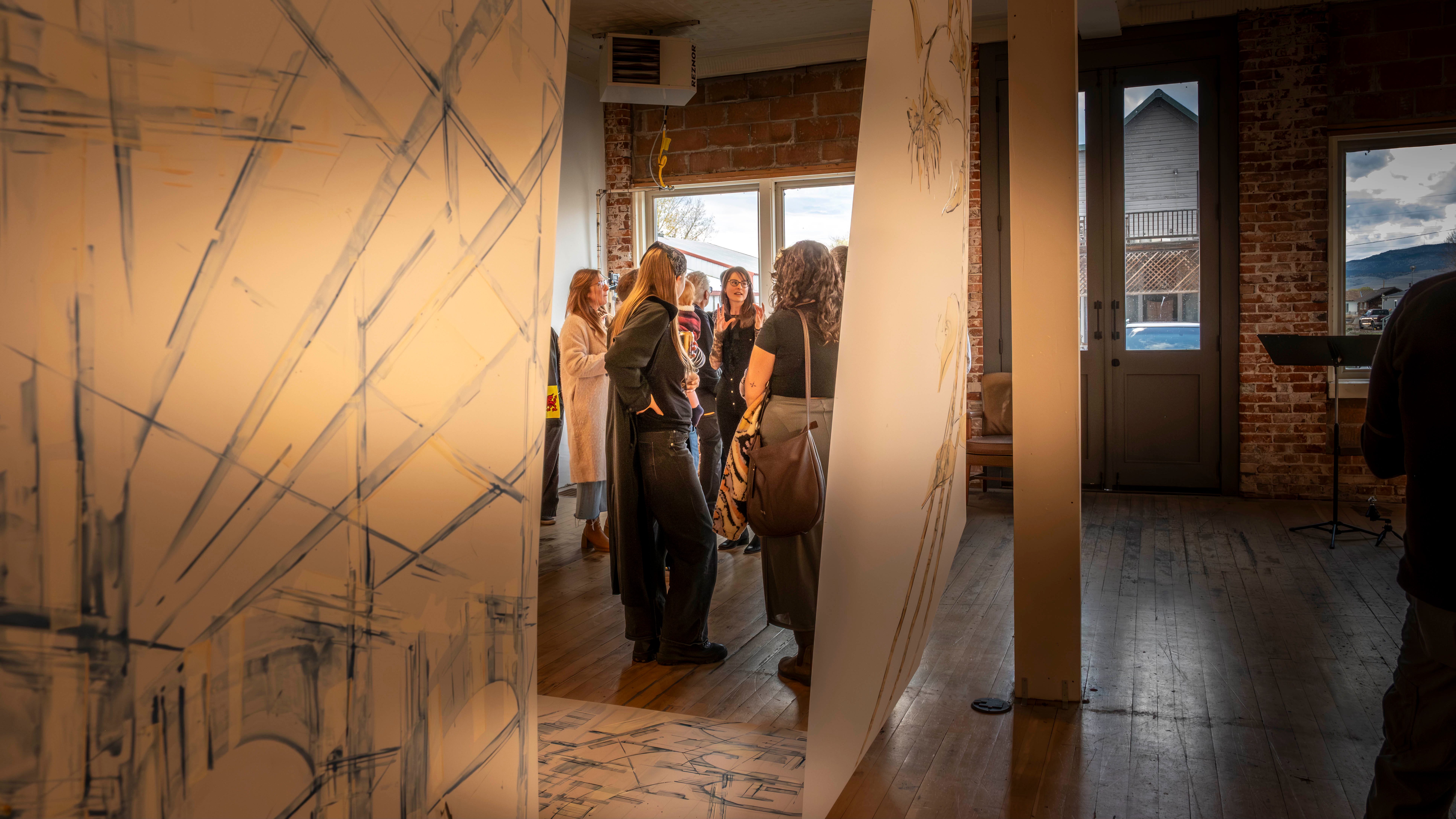
Jodi’s show was impressive, of course, Archive of Reversals it was titled, and while it certainly considers, from the published show notes, “how we impose order onto our daily lives, our institutions, and our built environments, only to witness those structures gradually undone, reclaimed, or absorbed back into cycles of growth and decline,” as I continued to think about Allison’s and my travel now concluding, and the ideation and introspection it had inspired (my notebook filled with my scrawled musing), I couldn’t help but see the work as a series of maps to the human self. And how it is some kind of social architecture of selves that ultimately creates our humanity.
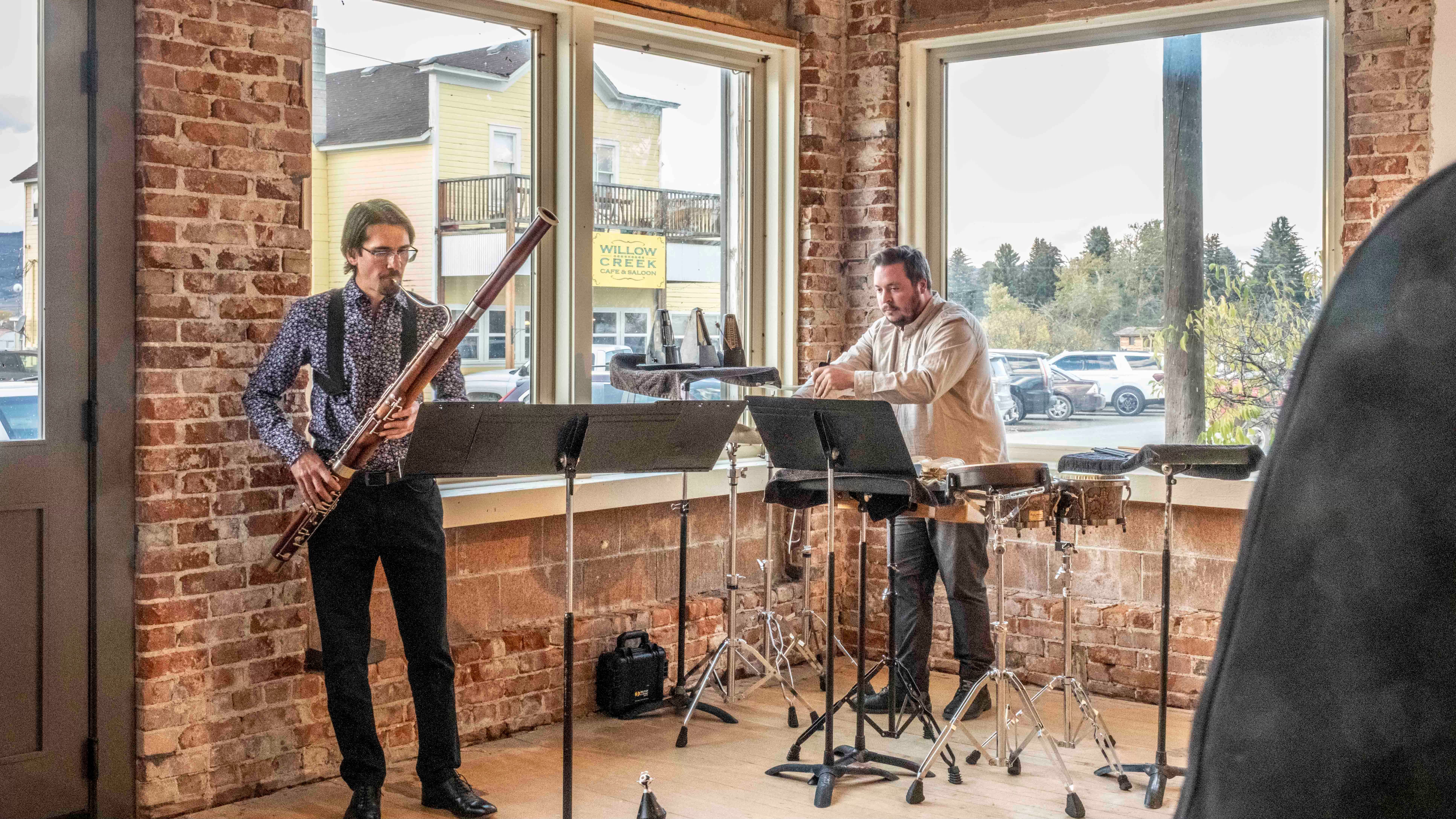
As I listened to the live contemporary chamber music that Jodi had melded into this opening for her exhibit, I looked around to see the people I had been conversing with, and thought of all the others that had made the week past what it was, those we knew and had gone to see, of course, but flight attendants and restaurant servers and bartenders and bookstore poets and store clerks and street musicians and that person at Sea-Tac that gave us a tip on where to go for a shorter TSA line. And everyone else. How many people had I talked to? How many people had helped me do something? How many people had made me think of something that I had never thought of before?
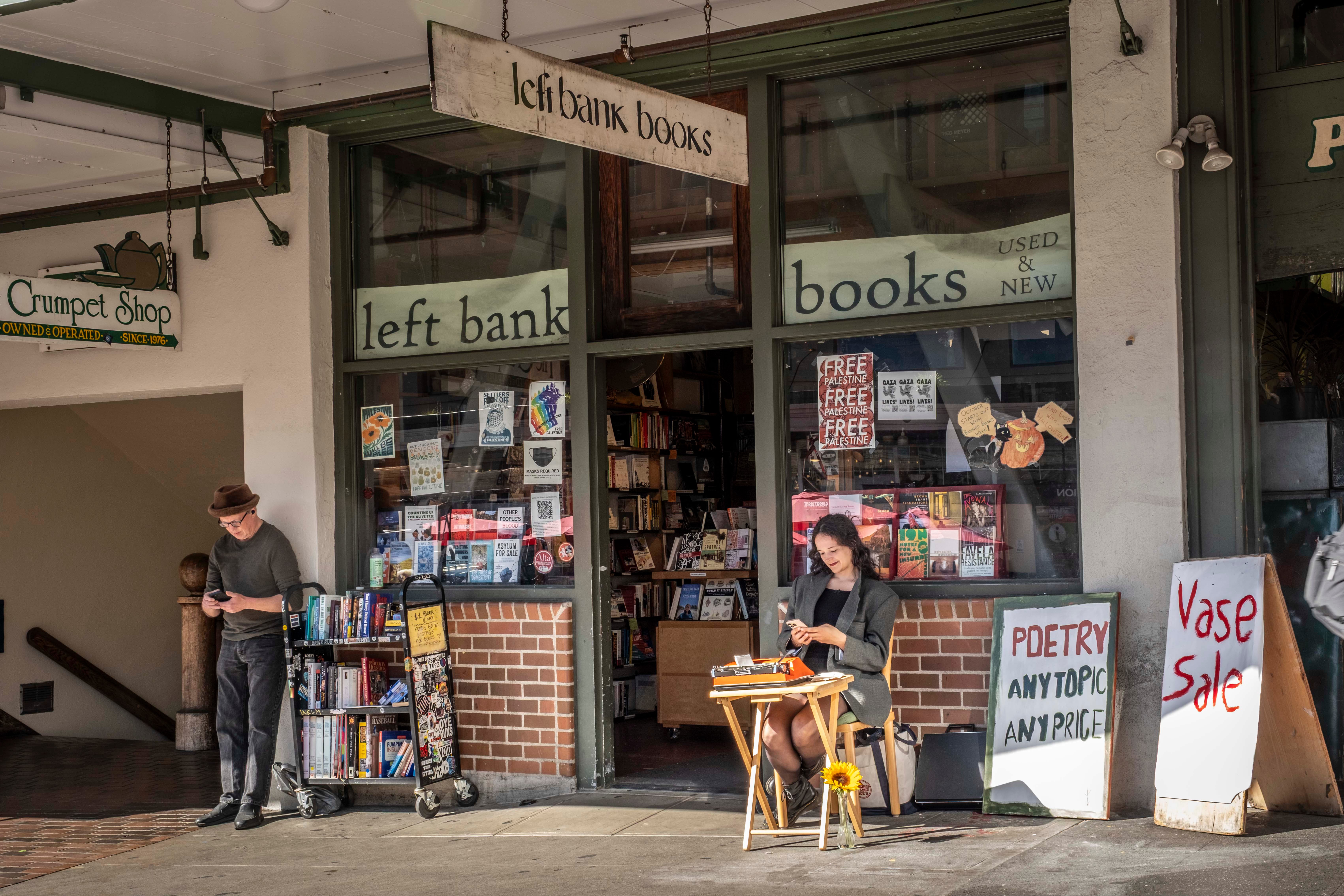
It took a week in Seattle and an evening in Willow Creek to figure it out, but when we travel, I don’t think we travel from place to place—and I know Hemingway is right when he wrote that, “you can’t get away from yourself by moving from one place to another”—no, I think when we travel, we travel from person to person. Because places are made of people. Our whole existence is made out of our relationships with other people. And these people, they are not destinations, but nodes in a vast entanglement, this unremitting journey that is our lives.
There is a famous Harvard study, the Study of Adult Development, sometimes referred to as the Grant Study, that is an 86-year, at this point, longitudinal study, which means repeated observations of the same participants over time, this study that is still underway, which has found that good social connections are the strongest predictor of a long and healthy life.
I’d bought one of those little prints from Hannah Rain Feingold for Jodi and handed it to her when we arrived, a token to recognize her accomplishment. I’ve written before, and say it often, that as much as I am interested in art in all its forms, I am more interested in the artist, the person, the self, who would endure to make it. Because even though the art will last longer than the person, I believe the person is more important than the art. I have finally come to understand that we are all we have, and that this existence is, in fact, the art of us.
As Allison and I had made our way down the aisle of the Alaska Airlines 737 we boarded in Seattle, we passed a flight attendant who was essentially trapped in a row of seats midway toward the tail. She stood with an arm each resting on the top of the parallel seat backs and faced the crowded aisle. Her face communicated not only that she was exhausted, but that she was entirely aware that nobody cared. As I passed, I looked into her tired eyes and asked simply, but not reflexively or dismissively, because not only did I really want to know, I also actually cared: “How are you doing?” I could tell in that moment that she knew that I knew. There was a noticeable change in her face as the muscles around her mouth twitched upward and her lips curved into a shallow smile. As if some psychic barrier of workaday despair had been breached. There was a momentary flicker of relief in her eyes. “I’m fine,” she laughed. It was the least I could do.
No posts
Comments
Nothing yet. Say the first thing.
Sign in to join the conversation.