
WEF 2023 – Nita Farahany is talking about the brain and neurotechnology risks. The first question asked is very interesting. You can see she is aware of the camera. For real TIs, there is recognition in this question being asked. Farahany is always questioning the targeting, and even Havana Syndrome she talked about before as a “belief,” as if it didn’t happen. Clearly, she never watched CBS 60 Minutes.
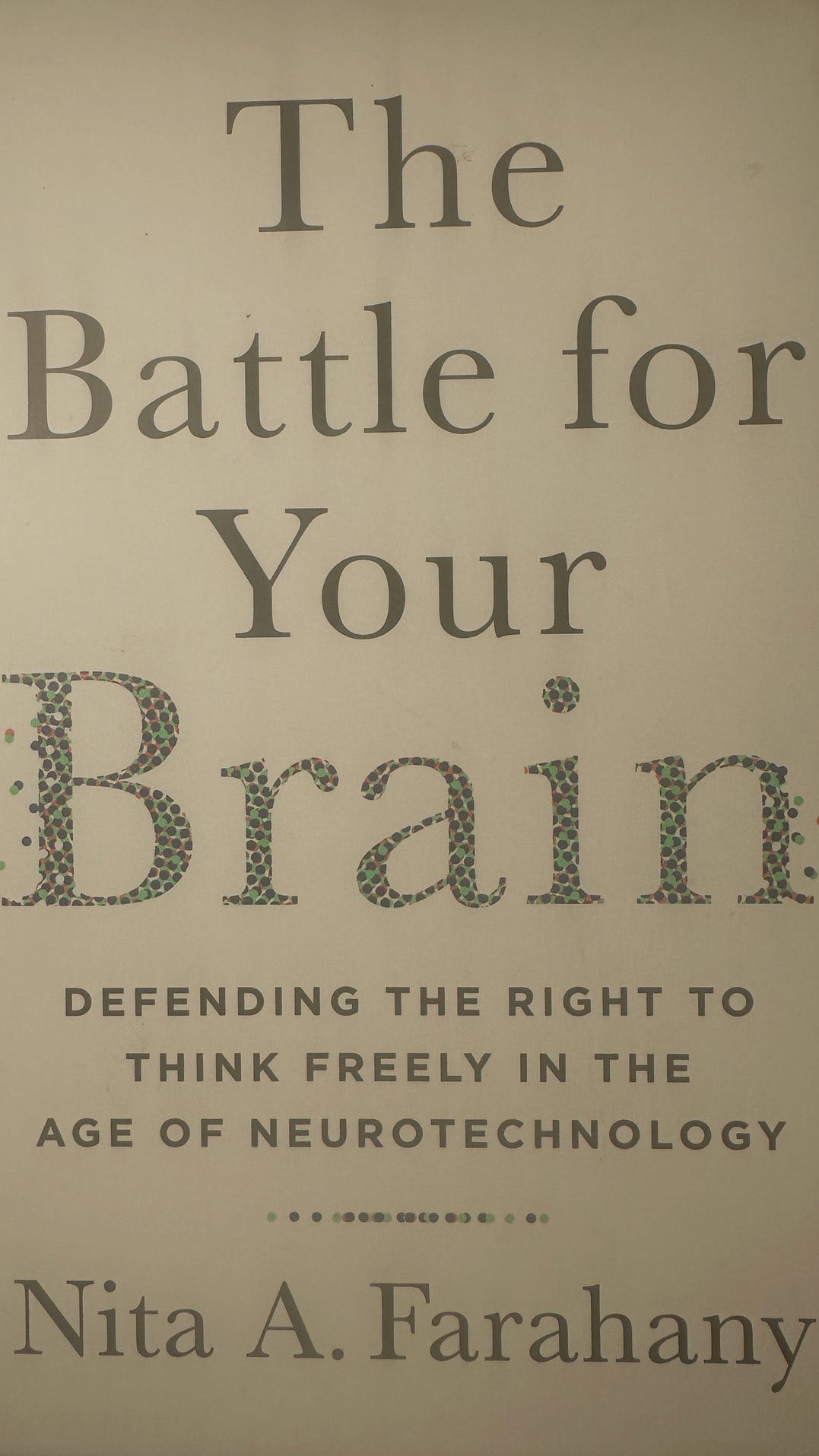
You can say she is not professionally informed, but she is. She gives lectures, wrote the book The Battle for Your Brain, and is available as a guest speaker. She was on TED Talk, and in 2023 at the WEF.
So why is she always putting aside people who claim to have been used in military experiments on the brain? Why?
Nita Farahany was also a board member during the 5th meeting of the Presidential Commission for the Study of Bioethical Issues in New York during the Obama presidency.
During that meeting, a group of targeted individuals informed the commission about their situation. For the targeted victims, it was the chance to inform the commission and to get recognition for something that is clearly happening: mind control like MKUltra, now again.
I bought her book and read on page 171: “This one had an unkempt mane of gray hair, wire-rimmed glasses, and he was squeezed into a suit that was a little too small on him.”
She is talking about a speaker in the audience who was addressing being targeted. Why is she making a caricature of this situation? Why is appearance suddenly more important than the opinion?
It’s not that she is unaware of the potential risks neurotechnology can have for the world. She warns about the risks, and she likes the idea of these intelligent brain-AI systems being helpful for mankind.
But she knows this technology can be, and is, used in the military — used for interrogation programs and for weapons to block legal demonstrations. Why is she holding back from recognizing the Havana Syndrome victims and the real civilians who were used during illegal brain programs?
I plead with her, as an important speaker and defender of human rights, to recognize the dual aspect of this technology: the funding for brain research and its capabilities to do harm. To recognize targeted individuals — many men and women are waiting for that.
Comments
Nothing yet. Say the first thing.
Sign in to join the conversation.