

Updated
With experience of handling leading global sites like ZigWheels, Punya is an avid motorcyclist who has been in the industry for over half a decade. He is always up for a ride to the canyons or the racetrack. He insists his riding skills are better than his writing skills, even though he's worked with some world-renowned automotive websites. His motto for aspiring moto journalists is: Write to ride, ride to write.
Ever since we swing a leg over an entry-level motorcycle for the first time, our brain automatically sets an end goal: a large-capacity motorcycle. This is why behemoth flagship motorcycles exist and all of our favorite bikemakers have several such bikes on offer. That includes Kawasaki–a brand that has always tried to play around with cubic capacities in nearly all segments. Things have changed slightly, though, and its biggest motorcycle engine right now actually dates back to late 2000s. Here’s what you need to know.
Kawasaki Has Very Few Large-Capacity Engines On Sale Today
 Kawasaki
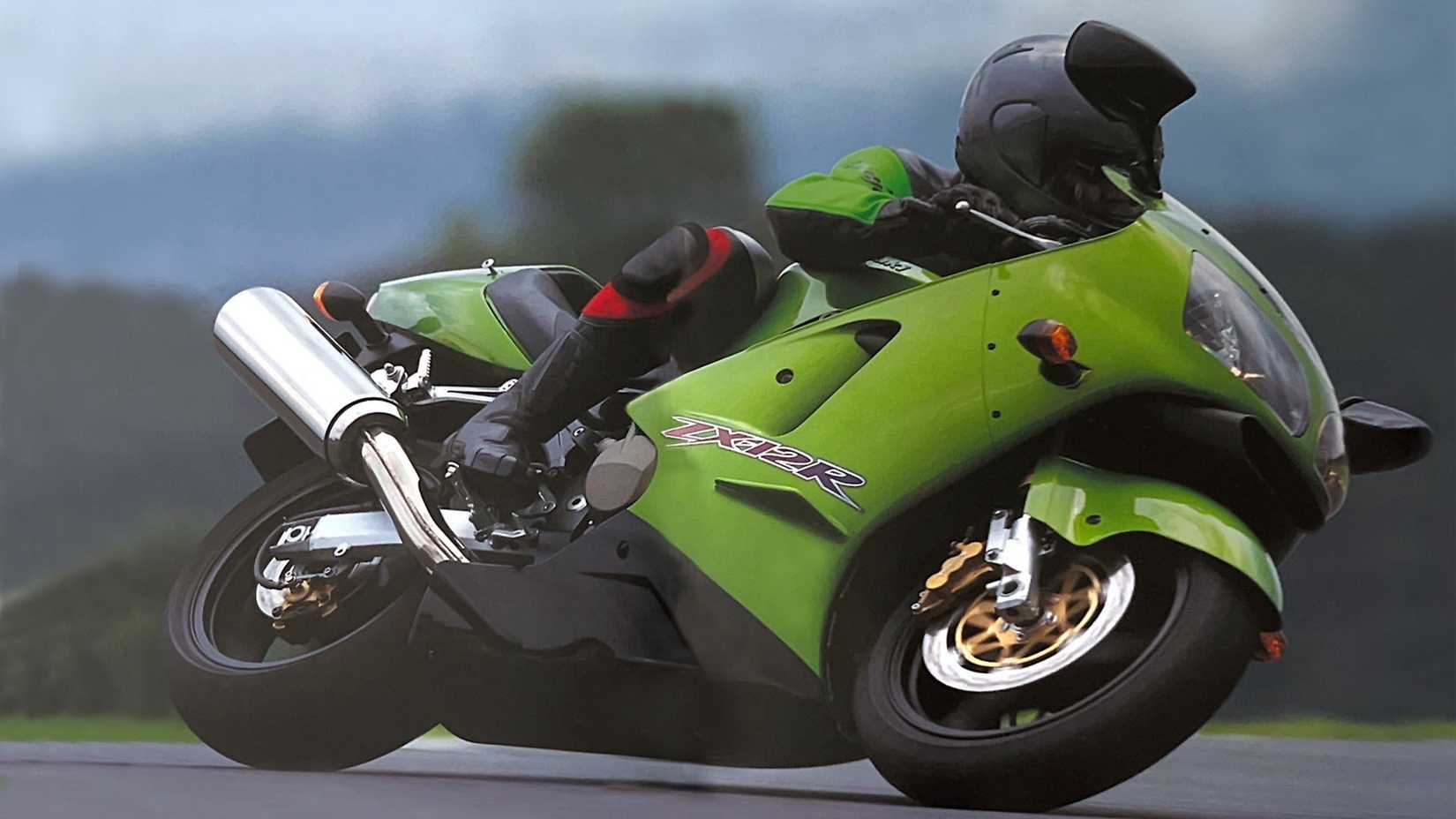
There was a time when Kawasaki was dishing out over 1000cc engines for the fun of it. The ZRX and GPZ range repeatedly got such engines in the late 90s and early 20s, along with some sports bikes examples like the Ninja ZX-12R and ZZR1400. All of these featured an inline-four layout. Kawasaki then branched out to take on American cruisers and tourers, whipping up some large-capacity V-twin bikes.
 Kawasaki
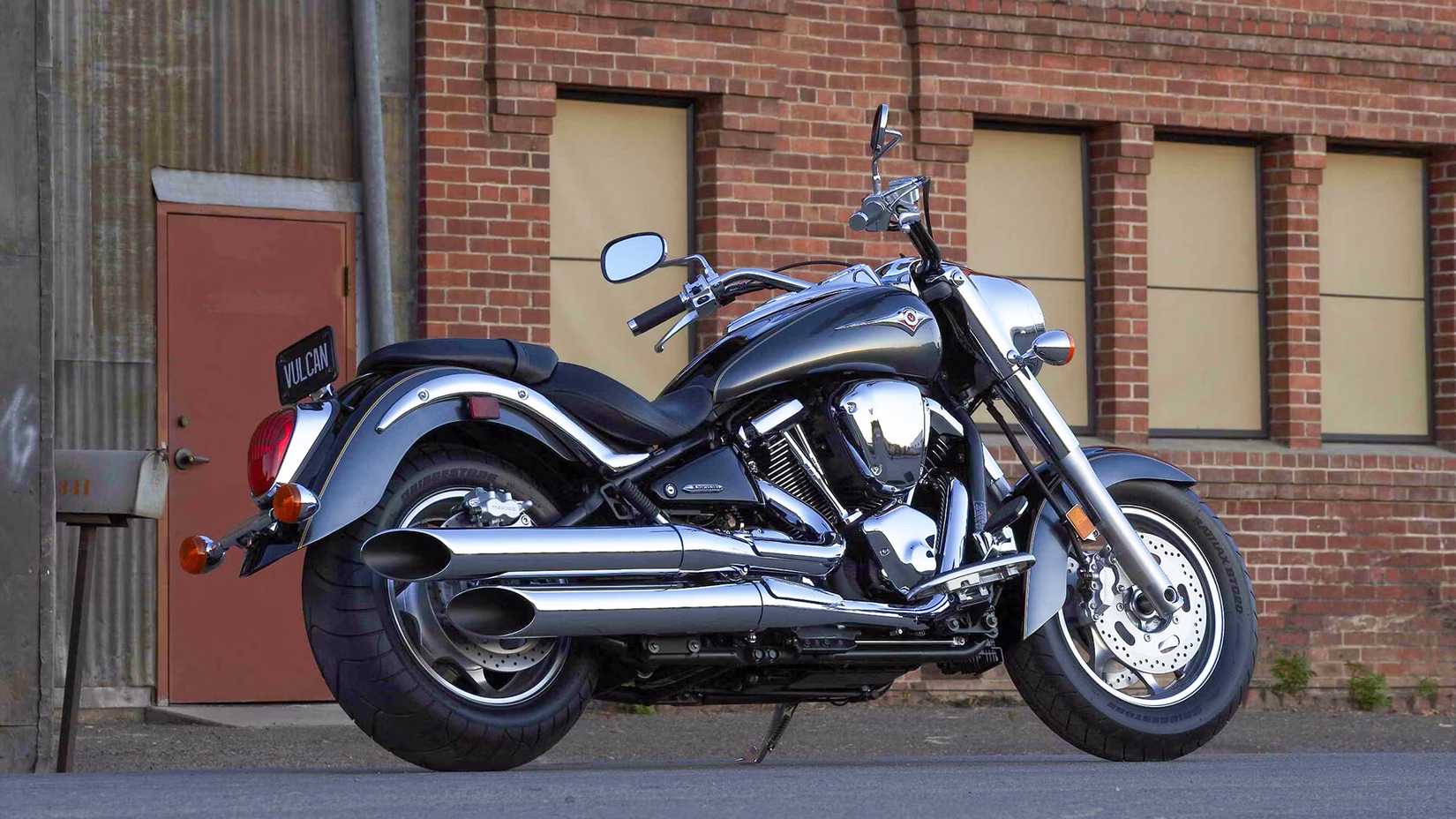
A prime example of that is the Vulcan VN2000. With a behemoth 2,053cc V-twin engine, this held the title of the largest-capacity cruiser bike in the world for a few years. While the Triumph Rocket took that title from the Kawasaki, the VN still remains the largest mass-production V-twin cruiser bike ever. Yes, neither Indian nor Harley-Davidson has beaten that figure in the mass market, even after two decades since the VN2000’s launch.
 Kawasaki
Today, though, the story is different. Kawasaki has well and truly shifted its focus to the sub-1,000cc segment, leaving us with more middleweights rather than over-1000cc bikes. So only three Team Green engines that breach the 1,000cc mark exist right now, of which two breach the 1,400cc mark, and only one can truly be called a large-capacity powerhouse. Here’s what it is.
The Vulcan 1700 Has Kawasaki’s Biggest Engine Right Now
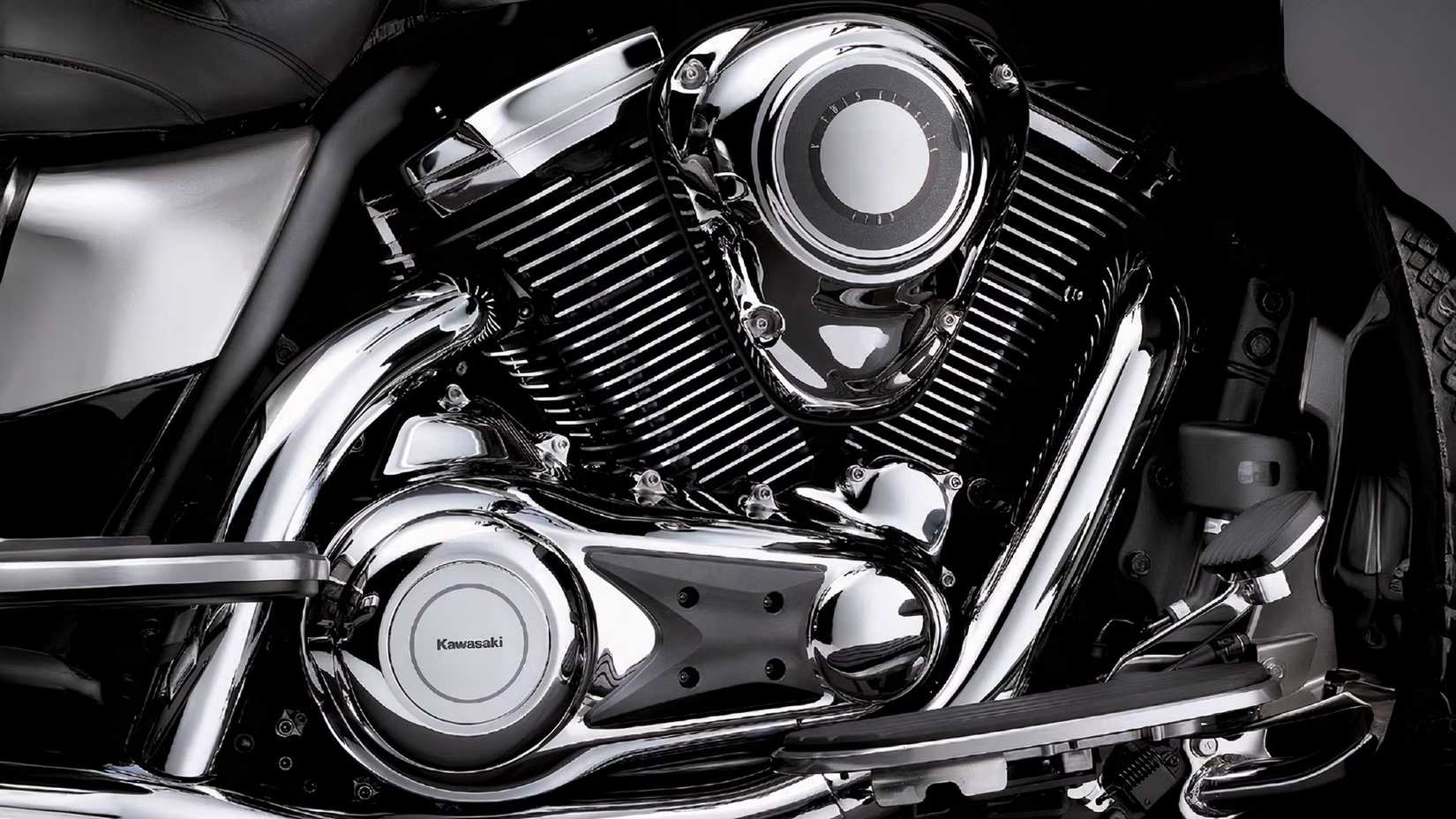
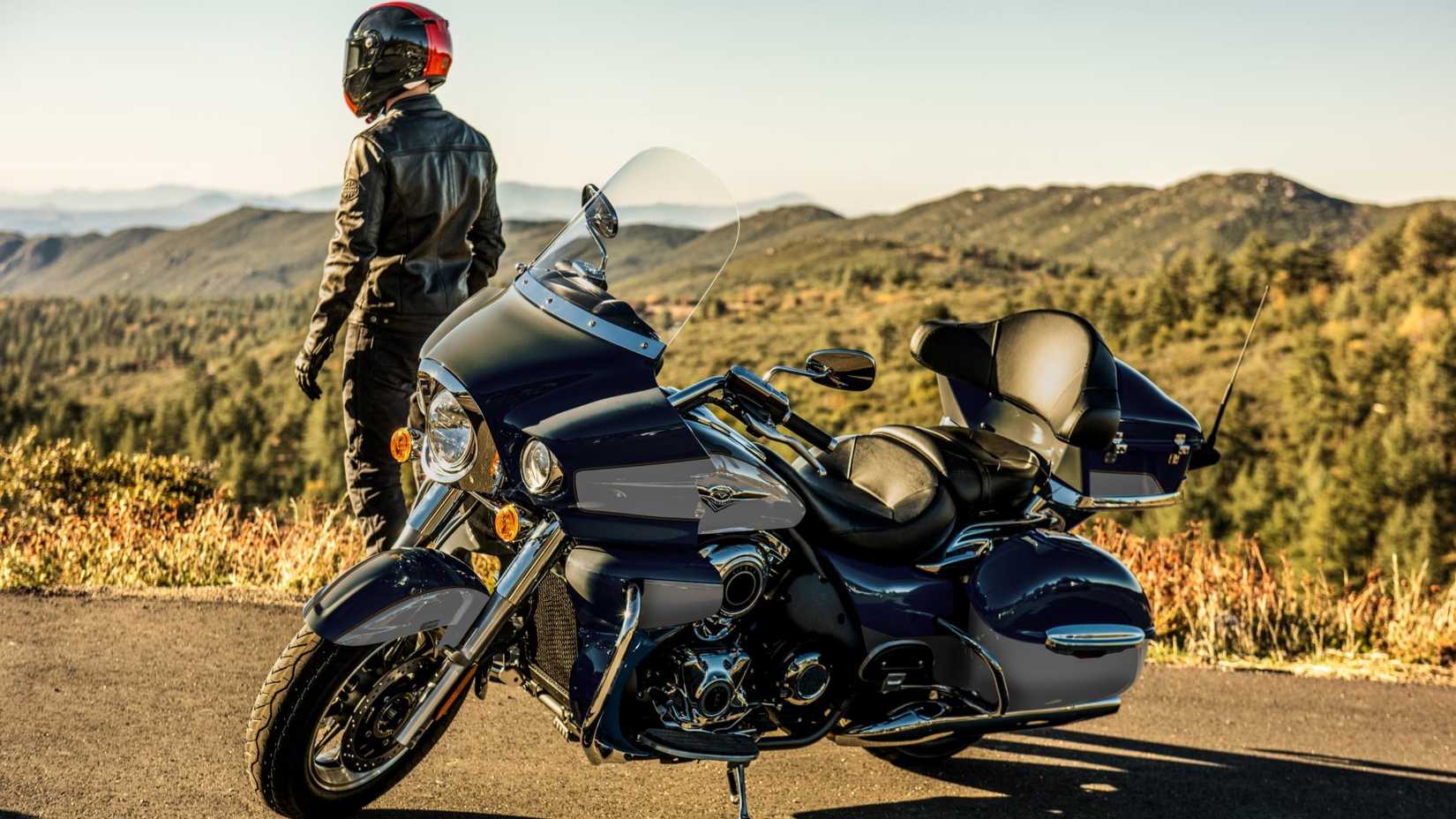
If you want the biggest Kawasaki engine, the Vulcan 1700 is the motorcycle to buy. You can have the bike in a bagger or full-dresser variant, both of which have the same 52-degree V-twin engine that’s been in production for a long time without any changes. In fact, the VN2000’s powerhouse was essentially based on this very engine.
As for the current details, you get a near-square 102 mm X 104 mm construction (bore x stroke) to promise 1,700 cubic centimeters of capacity. That’s around 300 more than the next biggest Kawasaki right now (the 1,441cc ZX-14R). The engine works with 42 mm throttle bodies while firing at a chill 9.5:1 compression ratio.
The Power Output Is Unimpressive, Though
 Kawasaki
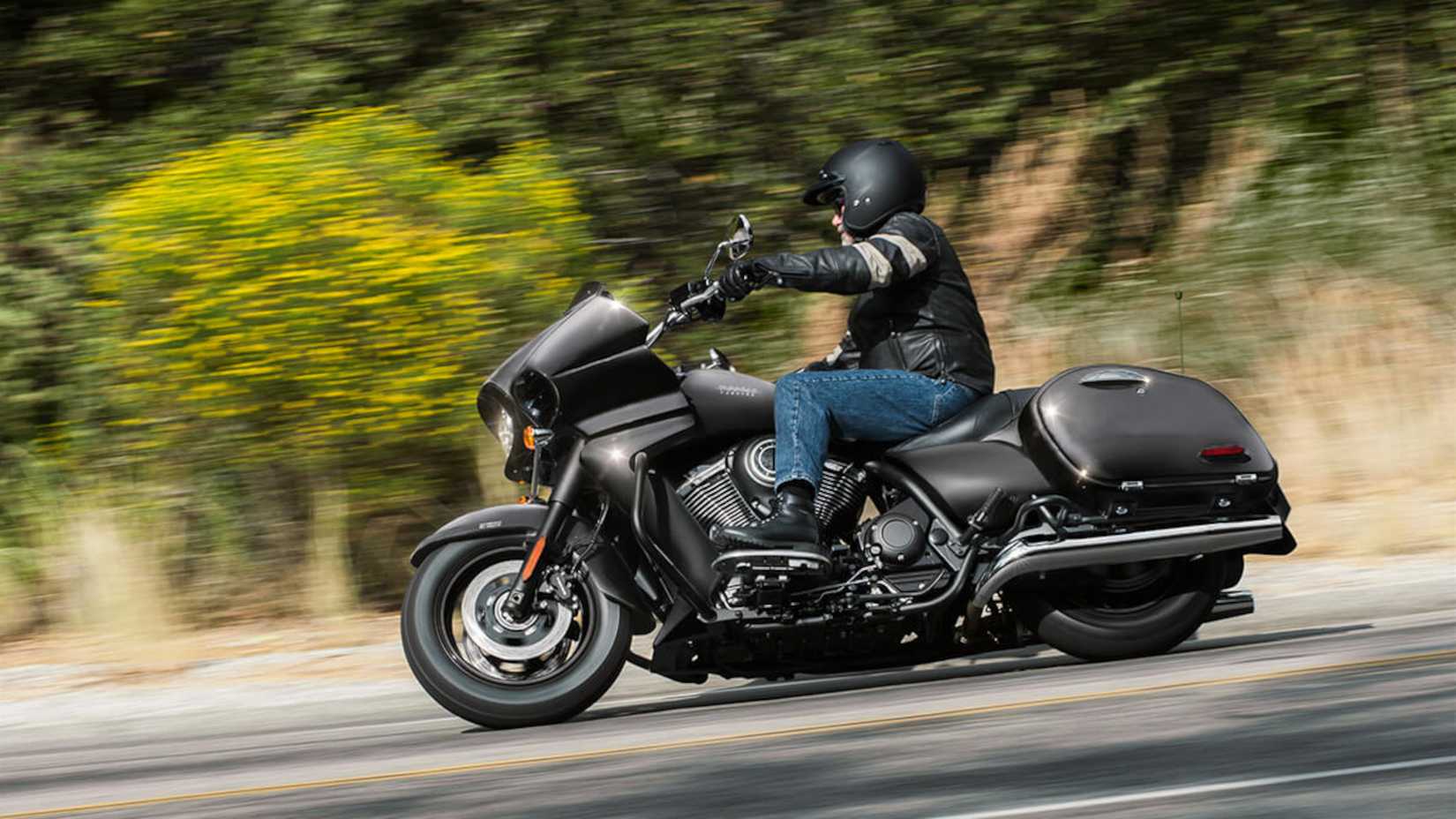
With that capacity, you’d expect some impressive oomph. But you have to remember this is a really old engine. Thus, you only get 82 horsepower and 107.6 pound-feet, all of which is concentrated low in the RPM. The latter–in particular–kicks in at just 2,750 RPM. A carbon-reinforced belt and six-speed transmission drive the rear wheel to round things off.
Other Aspects Of The Vulcan 1700 Are Larger-Than-Life, Too
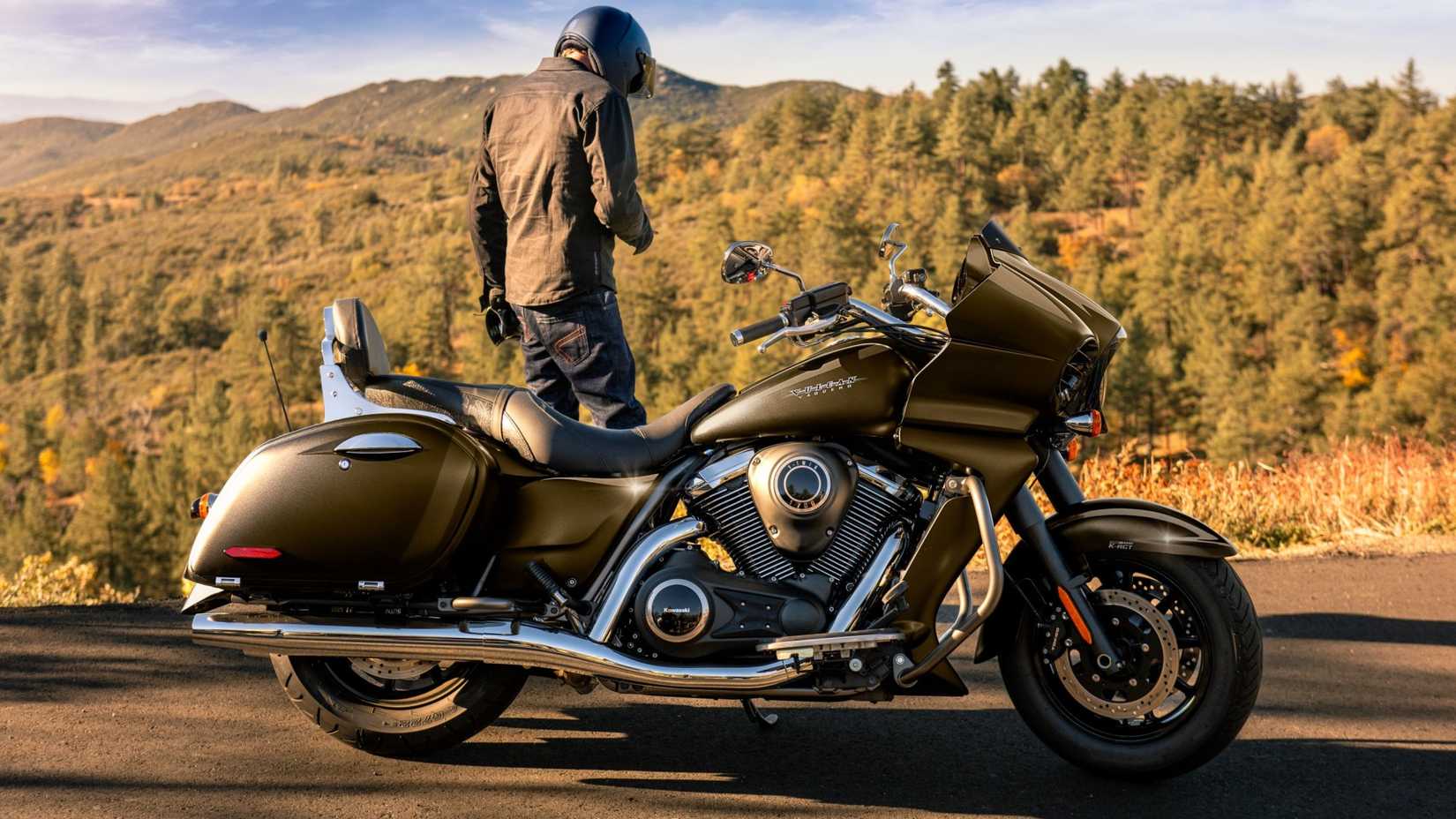
To use such a large engine, the motorcycle itself needs to be larger-than-life. And the Vulcan 1700 duo doesn’t cut any corners. Here’s a lowdown on some other aspects you need to know.
Simple Underpinnings, Headlined By A Double-Cradle Chassis
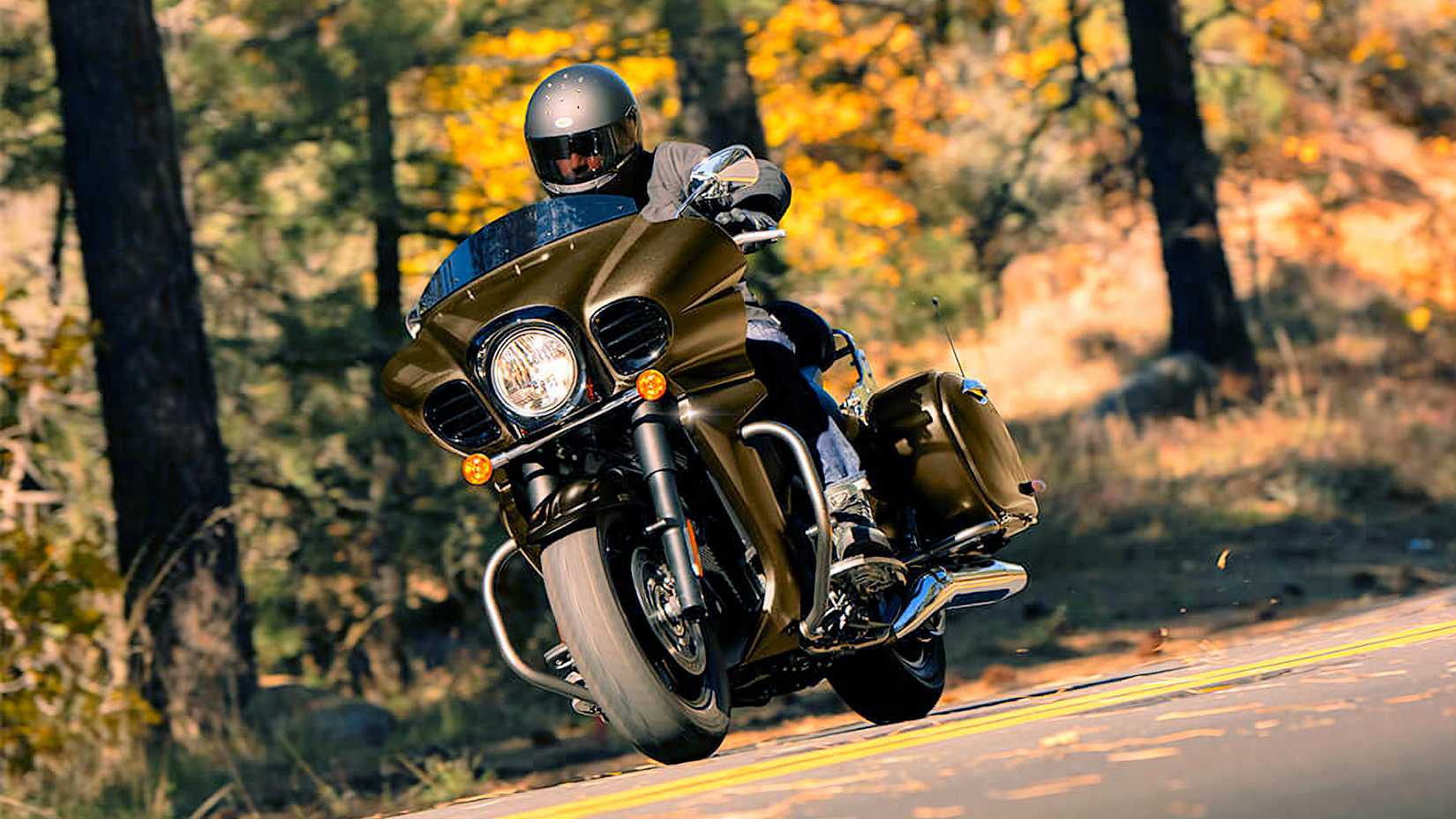
Kawasaki has built the Vulcan 1700s around a double-cradle chassis. This has a thick steel construction to nestle the engine and dampen vibrations, while being paired with a double-sided swingarm. Showa suspension–45 mm telescopic forks and air-assisted dual shock absorbers–absorb the bumps on the fly. The suspension joins hands with 16-inch alloy wheels, shod with a 130-section front tire and a 170-section rear tire. Dual 300 mm front discs and a single 300 mm rear disc bring the braking power, although we don’t think they do justice to the overall heft.
The Vulcan 1700s Are Proper Heavyweights
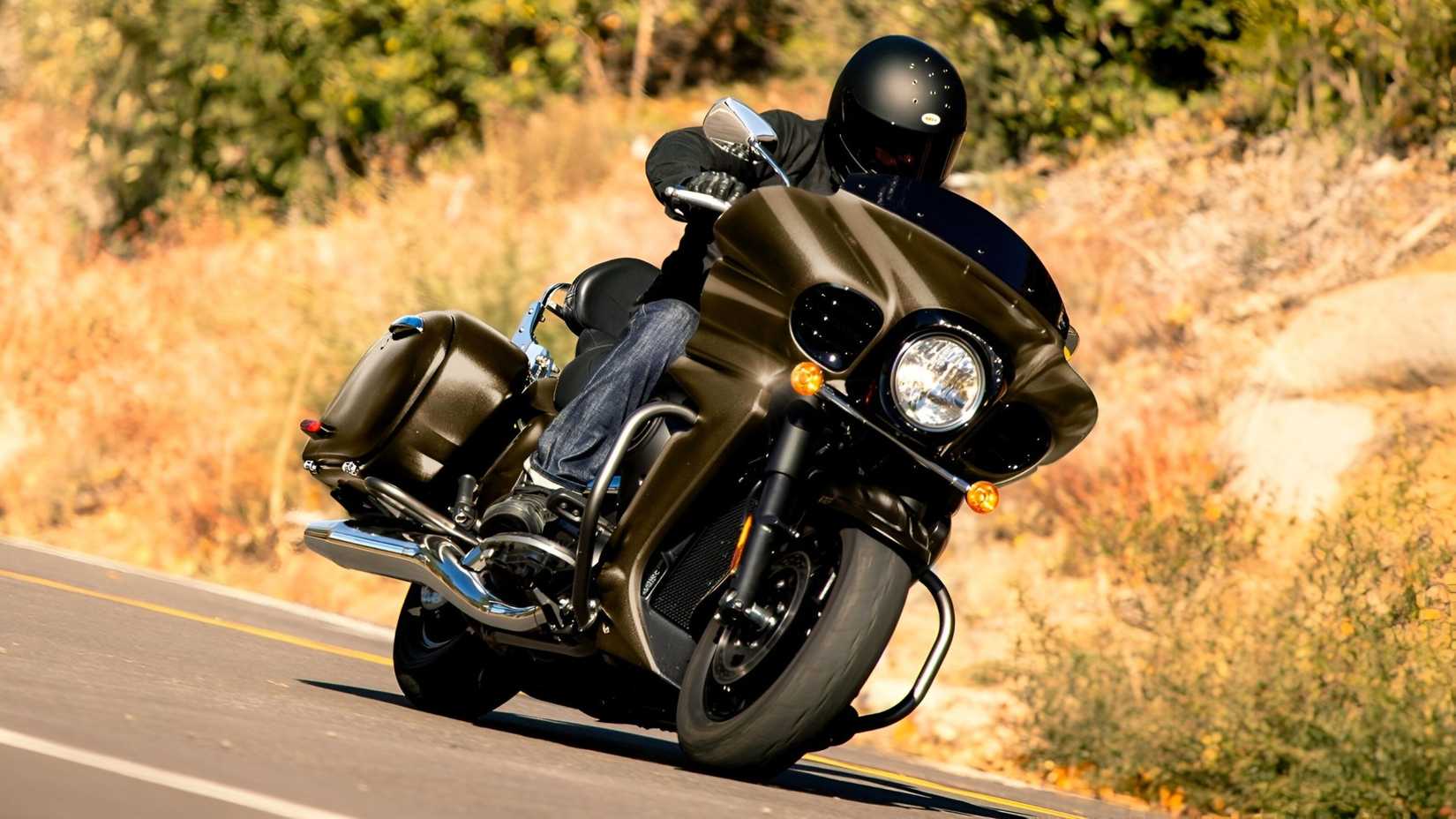
Speaking of which, the Vaquero (bagger version) weighs in at 844.5 pounds, and the Voyager (full-dresser) is almost at the 900-pound mark. Other dimensions back up the massive heft, measuring:
- Tank capacity: 5.3 gallons
- Wheelbase: 65.6 inches
- Length: 98.8 inches
- Width: 38.2 inches
There’s No Electronic Assistance To Make Life Easier
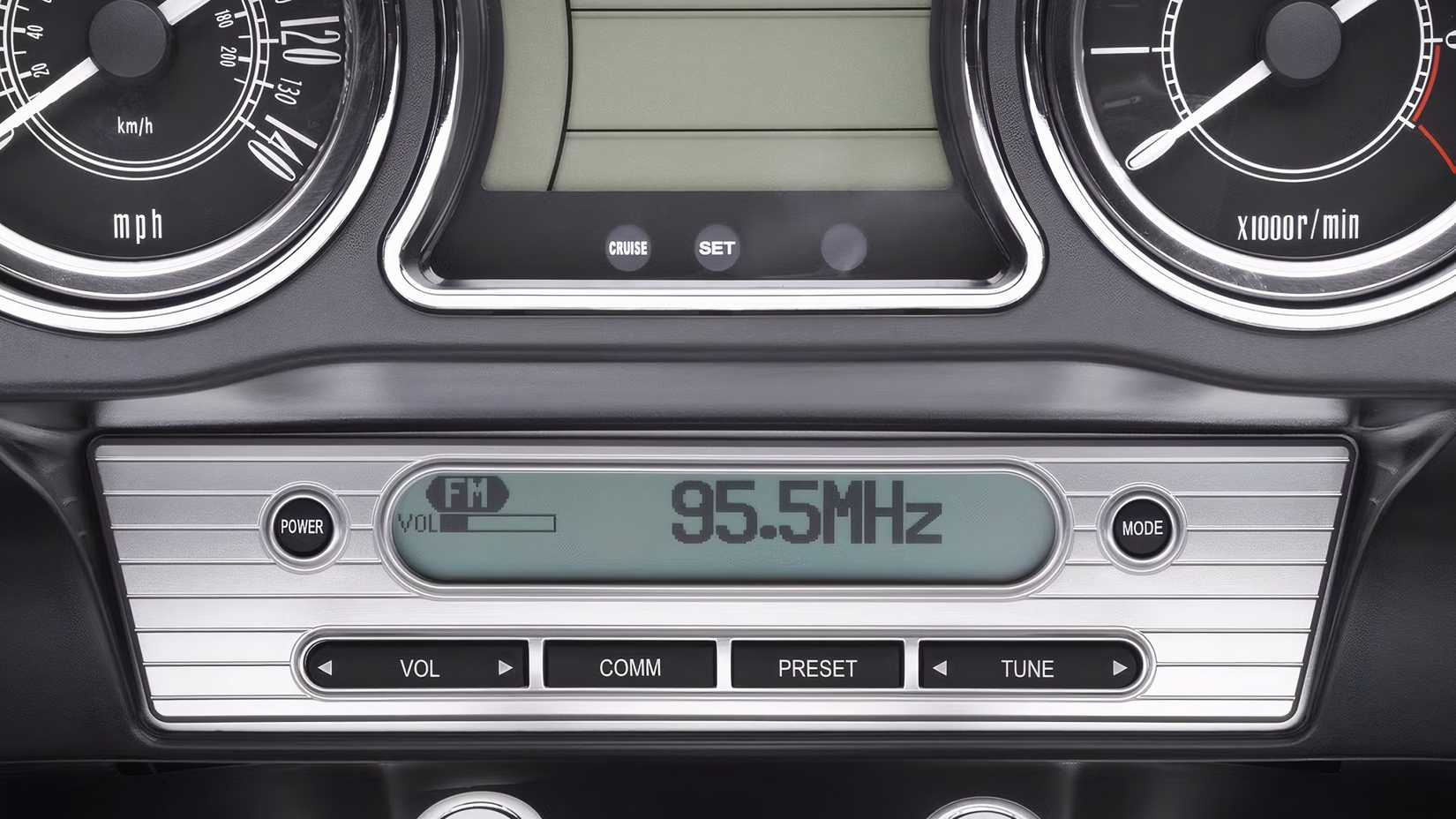
Today’s flagship baggers and full-dressers come with comfort and tech features to make life easier aboard these heavyweights. But the Vulcan 1700’s age shows here. The basics are all on point, like the massive saddles here for both occupants, a curvy handlebar, a windscreen, and big forward-set floorboards. But tech-wise, there is practically nothing except for ABS and cruise control. No traction control, ride modes, hill hold, heated grips, heated seats, or slow-speed assists like the Gold Wing are there. Oh, and in the name of entertainment bits, you only get an LCD and FM.
The Vulcan 1700 Costs Ever Closer To $20,000
 Kawasaki
Finally, in terms of pricing, the Vulcan 1700 has steadily become more expensive over the years. Post its recent price hike, the MSRP starts at $19,999 for the Vaquero and $20,199 for the Voyager. That makes it one of the most pricey naturally aspirated Kawasaki bikes and even pricier than the company’s own luxury crossover tourer (the Versys 1100 LT SE). Depending on your riding style and preferences, the Vulcan 1700 can be either an absolute bargain or a financially unwise purchase. Let’s break it down.
Japanese And German Rivals Far Outclass The Vulcan 1700
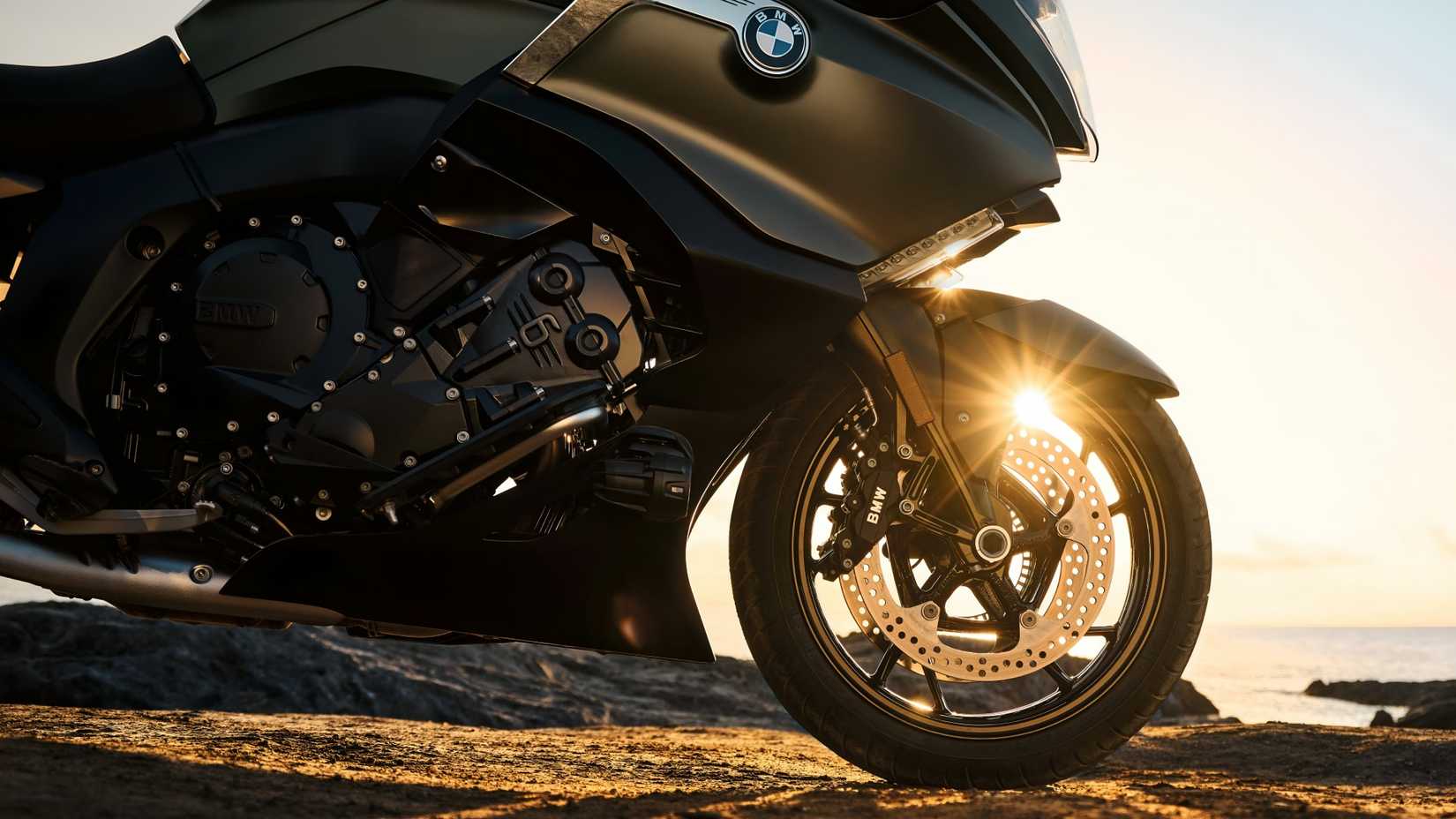
The Vulcan 1700 has two kinds of rivals: posh tourers from Japan and Germany. These include the legendary Honda Gold Wing and Gold Wing Tour, as well as from BMW’s stable, the K 1600 series and R 18 B and Transcontinental touring bikes. The BMW R 18 B starts at just under $22,000, while the Gold Wing and K 1600 start at just over $25,000, which is significantly higher than the Vulcan 1700.
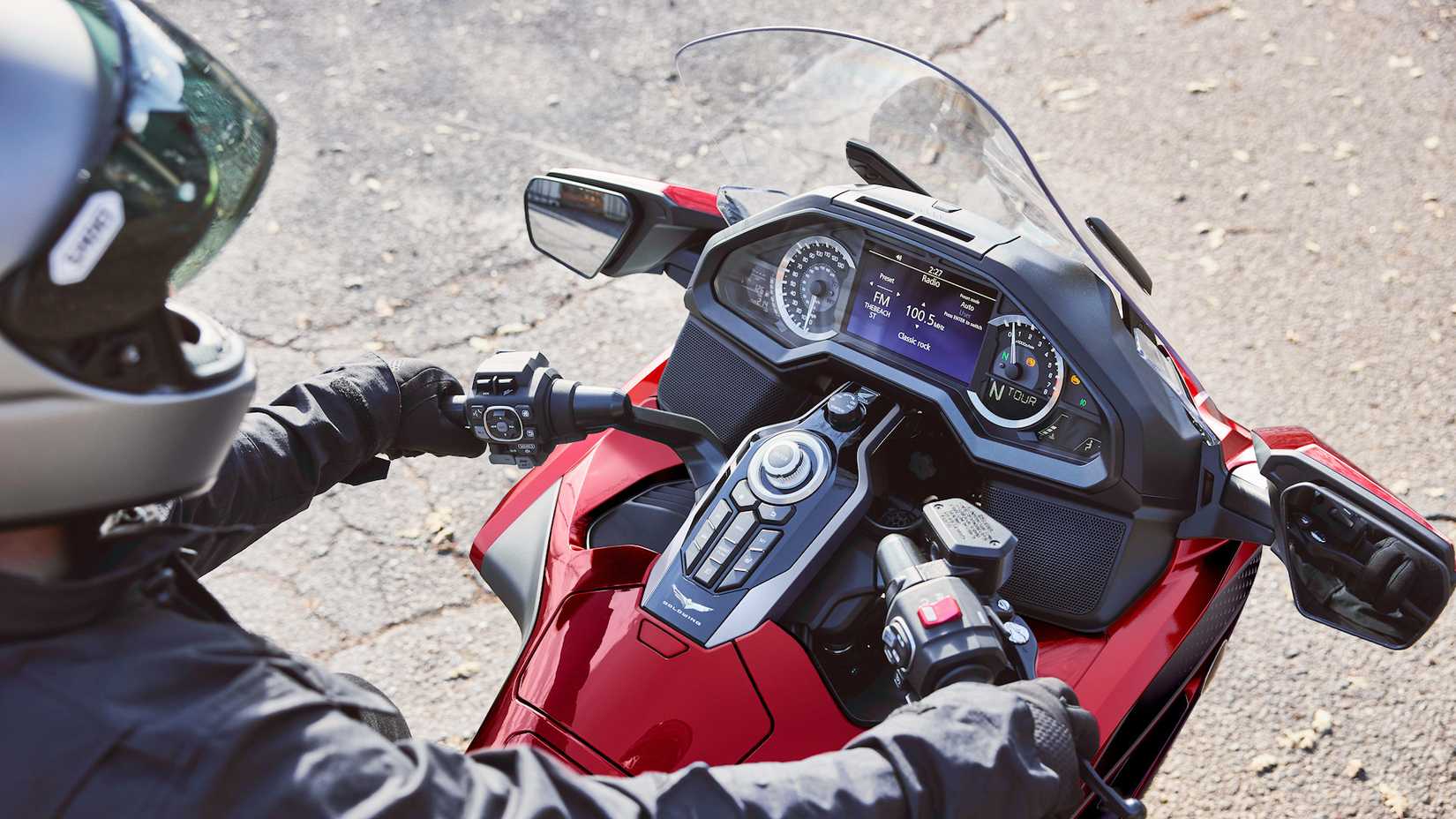
However, the Japanese and German tourers make up for the price difference with much better performance and features. They’re powered by modern engines that pair reliability with dynamic performance. The bikes also feature top-tier creature comforts and rider aids, including a reversing system, heated grips and seats, adaptive lights, and much more, depending on the model. The Vulcan 1700 misses out on those, which is why it may not seem like a financially sensible purchase.
Still A Bang-For-Buck Analog Tourer
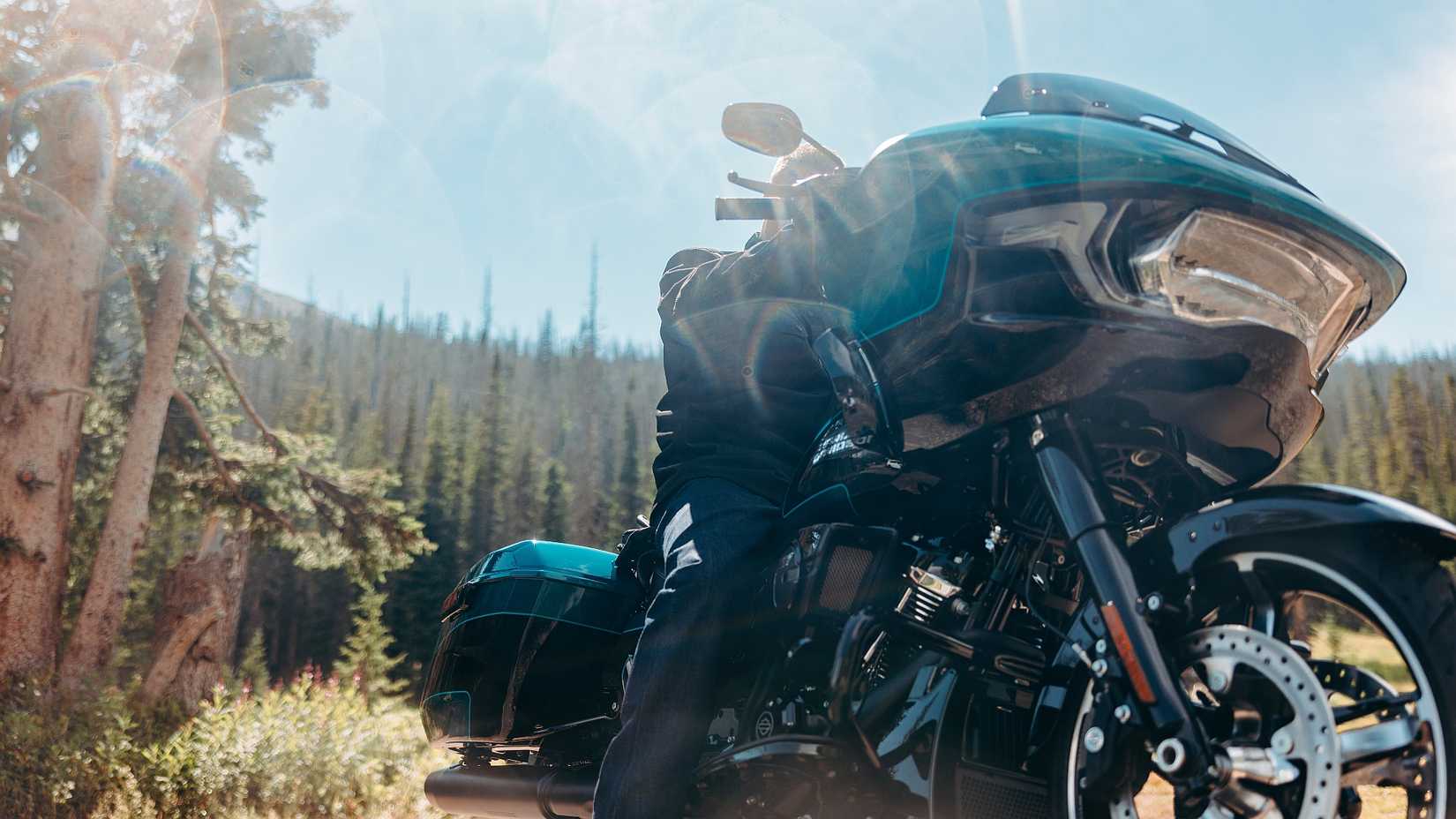
However, if you want a big twin touring experience and don’t care much about the latest and greatest tech, then the Vulcan 1700 can be the most bang-for-buck touring bike for you. It undercuts its American competition by a huge margin. For reference, the Harley baggers, Street Glide and Road Glide, start at $25,000, while their full-dressers cross into the $30,000 mark. Similarly, Indian’s baggers, Challenger and Chieftain, start at $28,000, and their full-dresser versions cost well over $32,000.
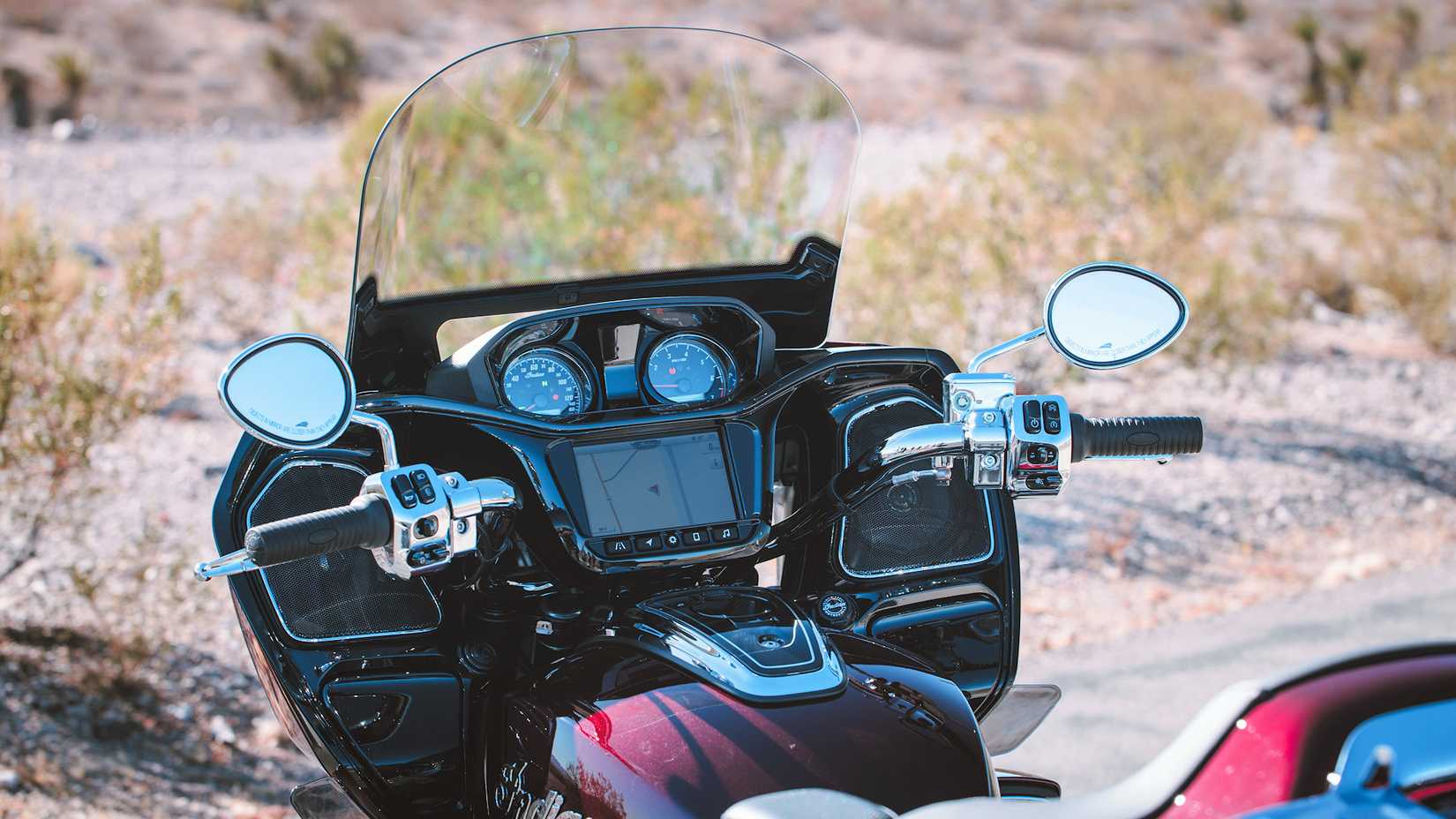
Compared to its American rivals, the Vulcan 1700 features a weaker engine but not by much; you still get over 100 pound-feet of torque paired with unmatched reliability. In terms of features, the Vulcan 1700 feels a generation behind, as both Indian and Harley get large infotainment systems and lean-sensitive rider aids. However, if you’re looking for an analog big twin experience, the Vulcan 1700 is the most bang-for-buck tourer out there.
Source: Kawasaki
Comments
Nothing yet. Say the first thing.
Sign in to join the conversation.