
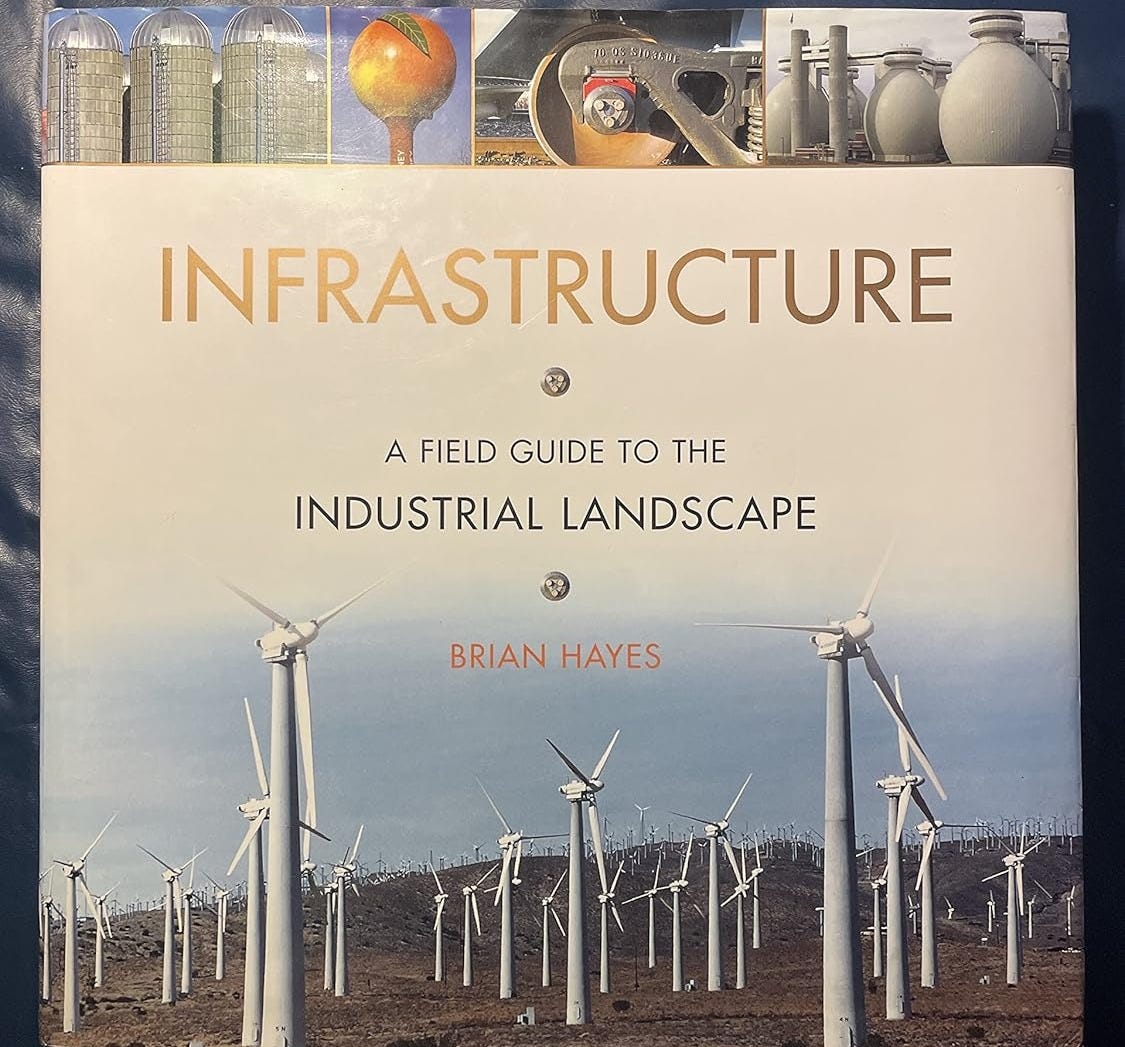
Combining photos and clear, occasionally poetic descriptions, this thorough almanac deconstructs the general architecture and much of the minutiae found throughout the modernized world. From power and water plants to railroads, highways, airports, bridges, dams, docks, municipal dumps, and industries like ag and mining, the book illuminates the subtle and not-so-subtle: Manhole covers are round, making them easy to roll and impossible to fall in; huge rotary kilns force water out of mineral products; AEI scanners monitor railroad cars; the rooflines of mill buildings cascade since these operations use gravity to move materials from one section down to the next.
The industrial ecology of a utility pole (excerpted below) and drill down on the power grid is what first hooked me. Choke coils, lightning arresters, bushings? I couldn’t have picked them out of a police line-up if my life depended on it. Not anymore! — Steven Leckart
The Industrial Ecology of a Utility Pole
From top to bottom, here are some of the species you might observe in the utility-pole ecosystem:
- Primary distribution lines for electric power. These are the topmost wires. They are usually hung on a crossarm, and they come in groups of three, mounted on big insulators.
- Switches, fuses, and surge arresters. These connect to the primary distribution lines.
- Transformers. They are mounted below the primary distribution lines but above the secondary ones, with connections to both.
- Secondary distribution lines. Just below the transformer level, they are rubber-sheathed conductors carried on spool-type insulators or twisted around a steel messenger cable.
- Street-lighting fixtures. They draw their power from the secondary circuits.
- Traffic signals. These too are powered by the secondaries. The signal lights are often hung from a steel cable stretched between utility poles.
Everything from the top of the pole down to this level is the domain of the power company. Below is the realm of the communications lines, which operate on lower voltages and therefore don’t need to be kept quite as far out of reach...
- Cable television feeders. These may be finger-thick coaxial cables, in either a black plastic sheath or a bare metal jacket. In newer systems the trunk lines that carry signals over longer distances are fiber-optic cables.
- Telephone cables. Often the thickest of all the wires strung on a pole, they are actually bundles of dozens or hundreds of pairs of fine copper wires. Fiber-optic cables also show up at this level.
Still lower -- indeed, reaching the ground -- are some wires that ought to have no voltage at all on them.
- Guy wires. Their function is strictly mechanical; they help to hold the pole up. There may be an insulator inserted into the guy wire for safety, iin case a power conductor should tough the upper part.
- Grounding lead. A pole with a transformer generally has a copper grounding wire that runs down the side of the pole and into the ground.
Finally, at eye level, comes the bottommost ecological stratum of the urban or suburban utility pole:
- The yard-sale zone, where the wood bristles with a thousand rusty staples.
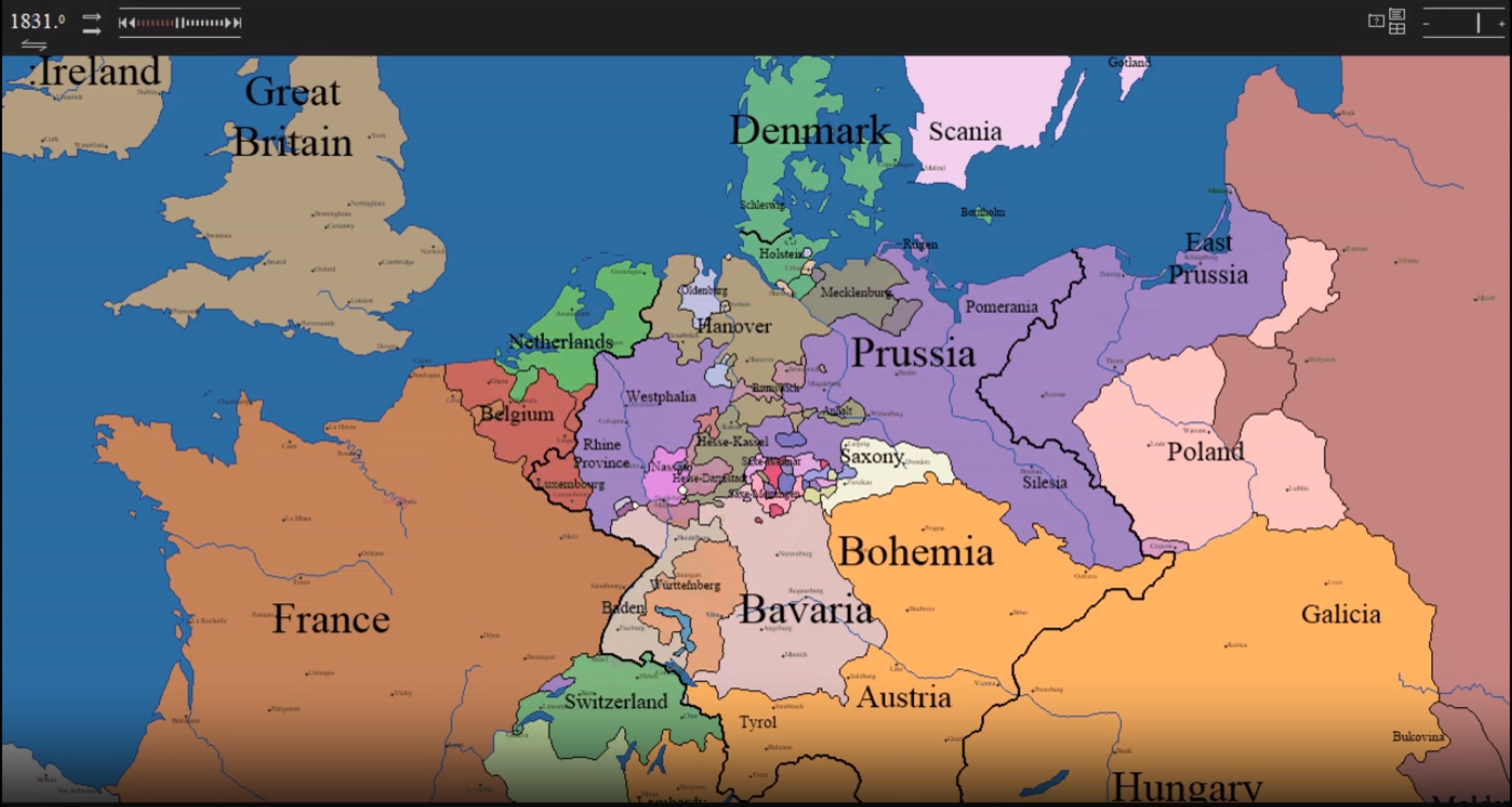
As a kid I dreamed of maps that would move; I got what I wanted in Centennia. This colorful political map of Europe and the Mid-East redraws itself at yearly intervals from the year 1000 to present. It’s a living map, an atlas with the dimension of time. I can zoom around history, pause at particular dates, or simply watch how nations melt away, or disintegrate into tiny fragements, or unite! Year by year the outlines of tribes and nations spread, retreat, and reform almost as if they were tides or infections. The resolution of detail (almost at the “county” level) is astounding; the breadth of time (ten centuries) thrilling. It rewards hours and hours of study. I hope it inspires others to tackle the rest of the world. It works on both the Mac and Windows. — KK
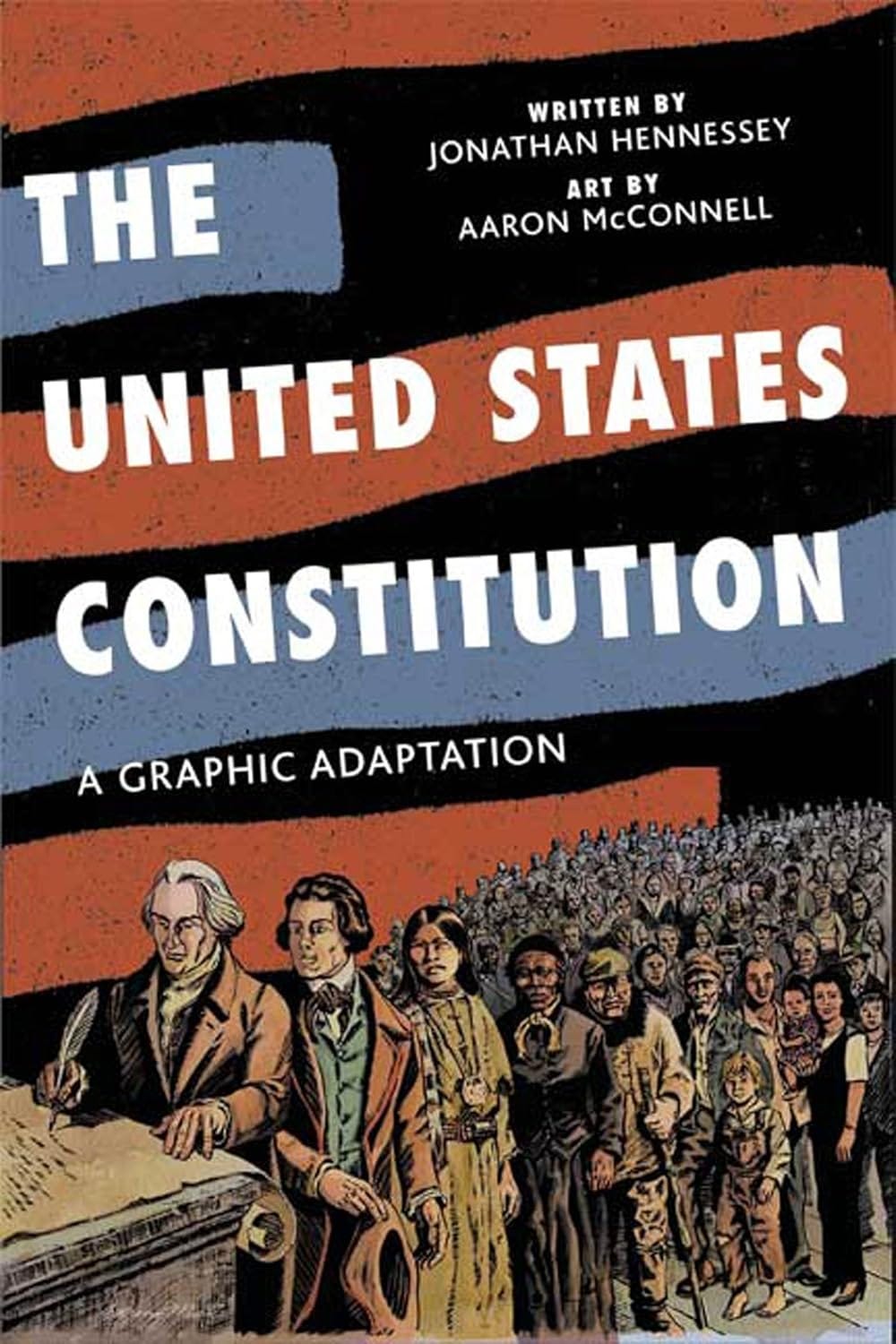
The United States Constitution
The US Constitution is one of our most remarkable inventions of all time. A lot of people in other countries think so too. It is a robust self-correcting legal OS. But it was written in an arcane code long ago. To make any sense from it you need some help.
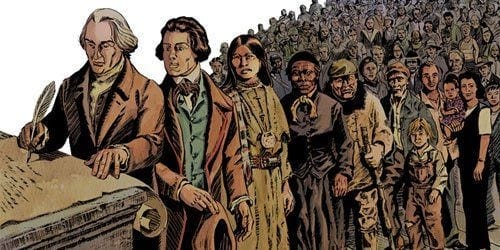
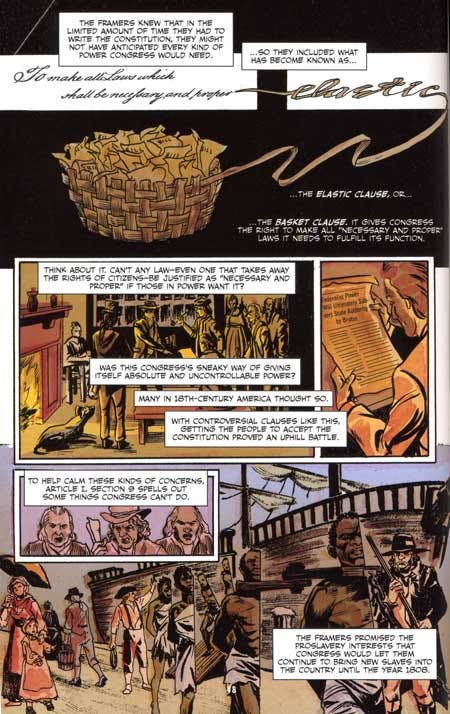
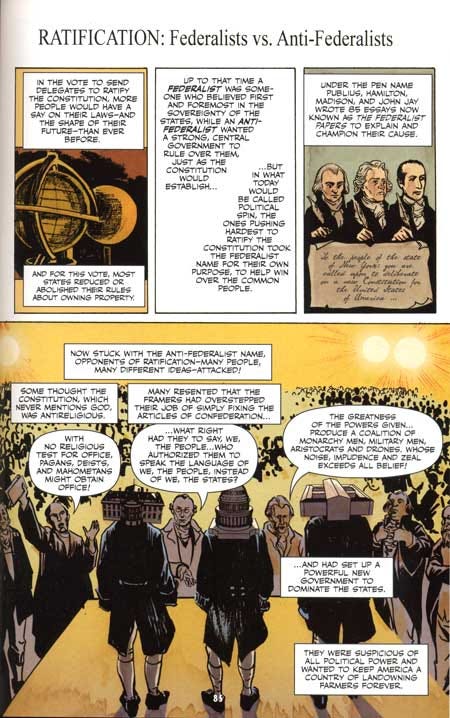
This lively graphic novel adaptation of the Constitution is by far the best aid I’ve found to deciphering its code. It is the comic book version, but rather than dumbing it down, it smartens it up. The graphic novel goes through the Constitution article by article, and explains what each bit means, why it is there, and how it came to be. Like the Bible, the Constitution doesn’t say what you thought it did. I was surprised what was not there as well as what was. I learned tons from this annotation, despite studying it in high school. It renewed my respect for it, and in a way, also makes clear its limitation. I feel I can be a slightly better citizen. Best of all, this book does all that with pictures, which makes it a page-turner.
Recently my brother-in-law, who is an immigrant, had a lot of questions about the Constitution. I handed him this book and he came back very informed. I gave it to my son who would normally have nothing to do with such boring material. But it’s a comic! You’ve always wanted to read it, and should. Here’s the perfect excuse and ideal method.
If you want the unadorned, raw version, get a pocket version. This sturdy shirt-pocket-sized one contains both the Constitution and the Declaration of Independence. I have a few friends who pack this pocket version in their travel bags. Good conversation starter. — KK
Comments
Nothing yet. Say the first thing.
Sign in to join the conversation.