
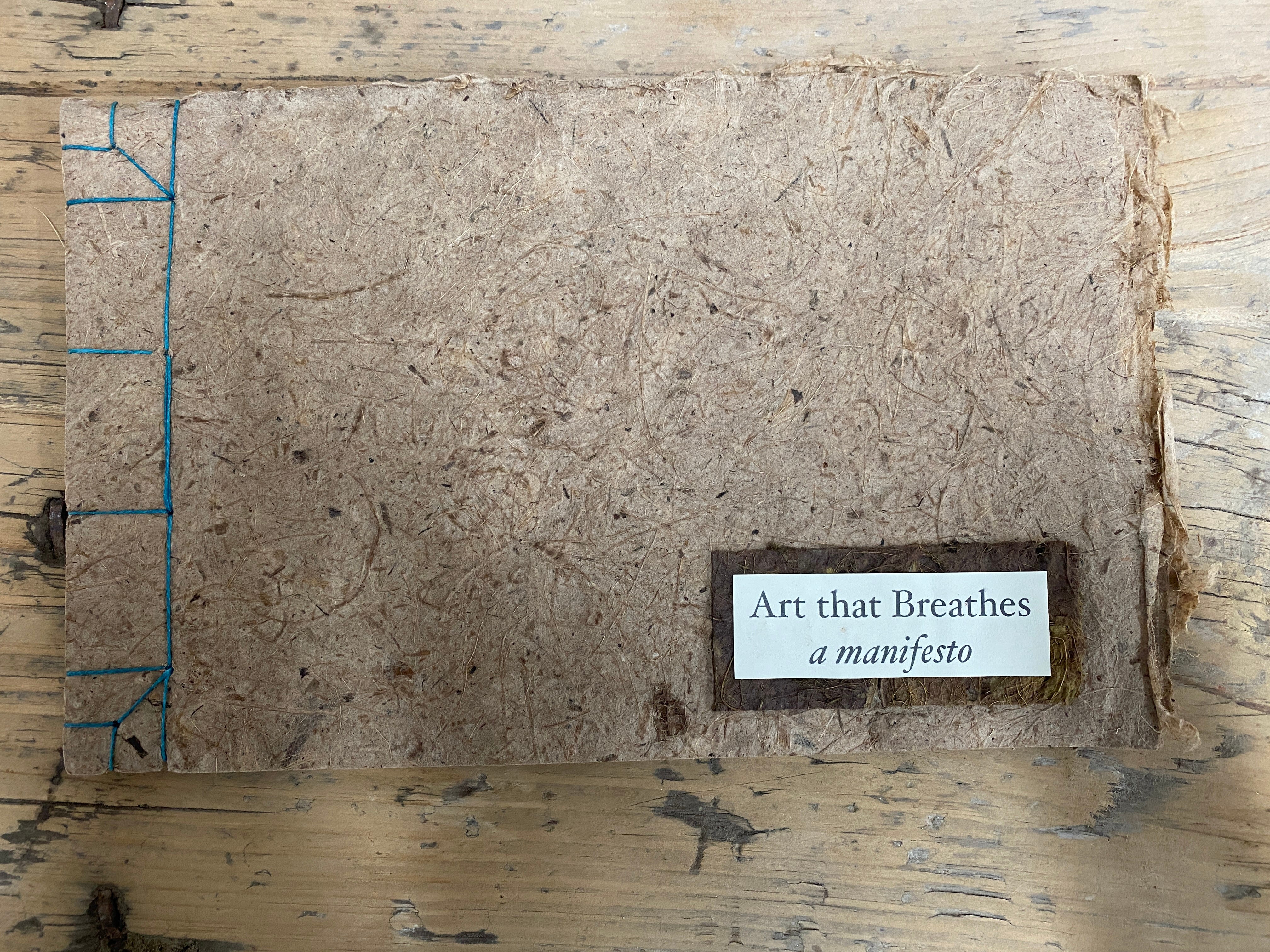
I recently bought a little book called 100 Artists’ Manifestos, edited by Alex Danchev. I imagined spending a weekend immersed in bold artistic visions, tracing the history of artists who dared to imagine new worlds through words as much as images.
Instead, I found myself growing increasingly uneasy. As I turned the pages, I noticed how few women were represented. Of the one hundred manifestos included, only five were written by women, representing just three artists, as two contributed more than one text. I kept waiting for the balance to shift, but it never did.
I returned the book.
It wasn’t simply the lack of representation that unsettled me, although that certainly mattered. It was the realization that the history of the artistic manifesto, at least as it was presented here, was overwhelmingly a history of declaration male voices speaking with certainty, authority, and conviction. It made me wonder not only whose voices had been left out, but whether the manifesto itself was still the right form for the practice I had been quietly growing.
That question stayed with me long after I returned the book.
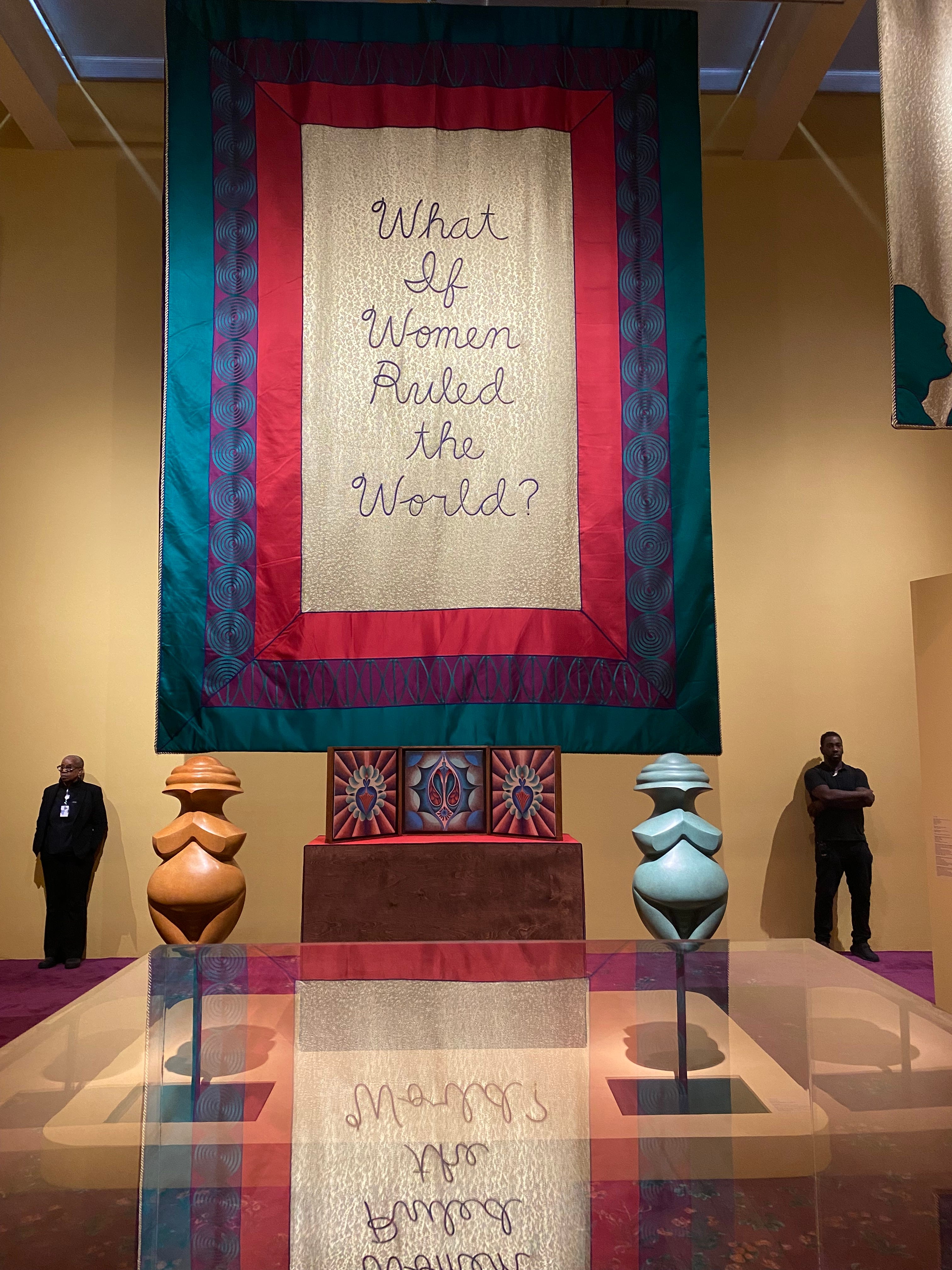
As a feminist lesbian coming of age in the early 1980s, manifestos were my love language (along with my black Dr. Martens boots).
They were unapologetic. They were urgent. Defiant and rebellious. They named what had been invisible and refused to accept the world as it was. They gave language to anger, hope, and possibility. They taught me that words could change culture.
Manifestos have always emerged in moments that demanded courage. They declare that another world is possible and insist that someone say it out loud.
For many women, queer artists, artists of color, and other marginalized voices, the manifesto became a way to reclaim authority over narratives that had excluded them. Rather than simply adopting the bold, often masculine voice of the historical avant-garde, they transformed the form itself.
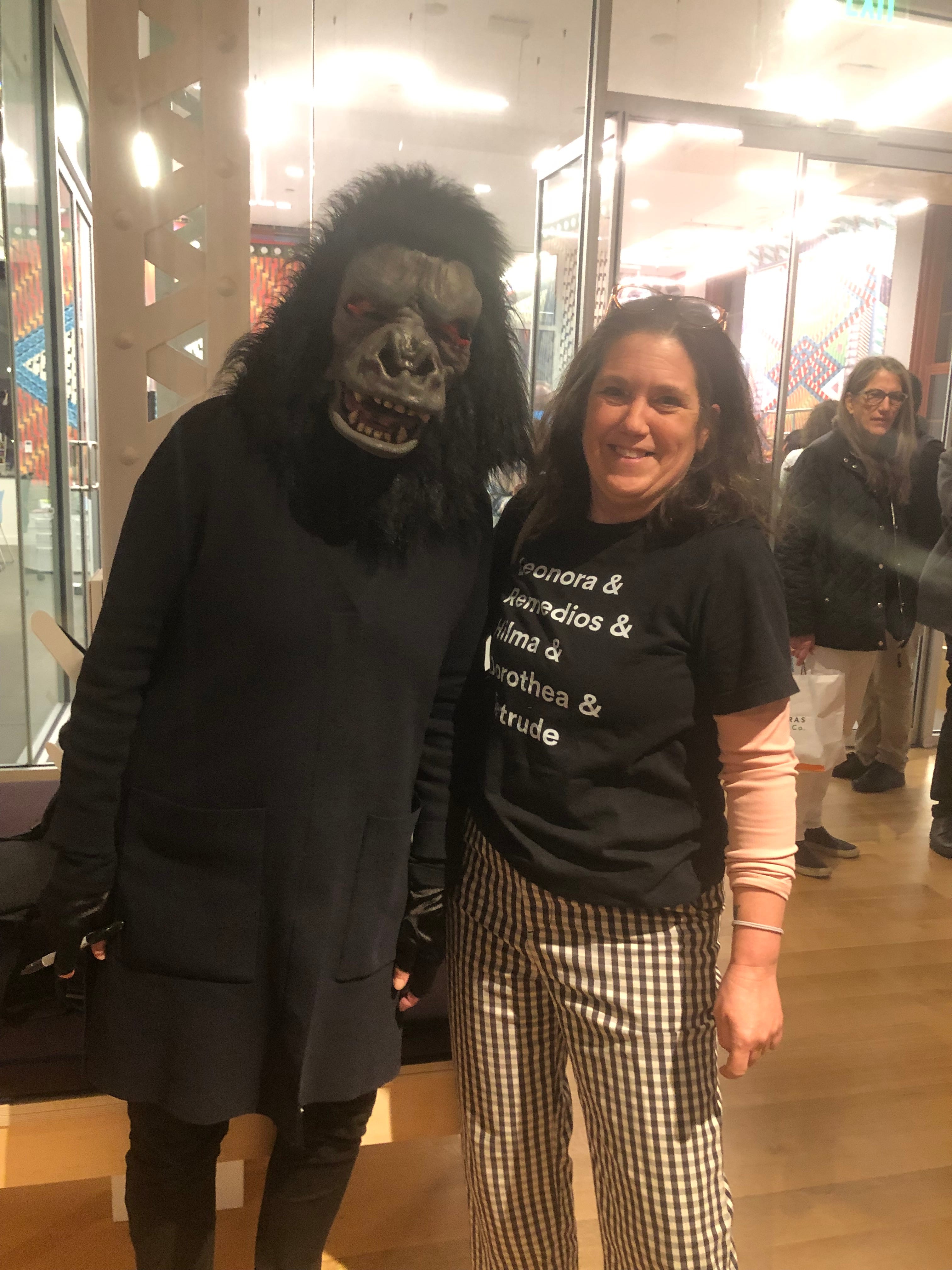
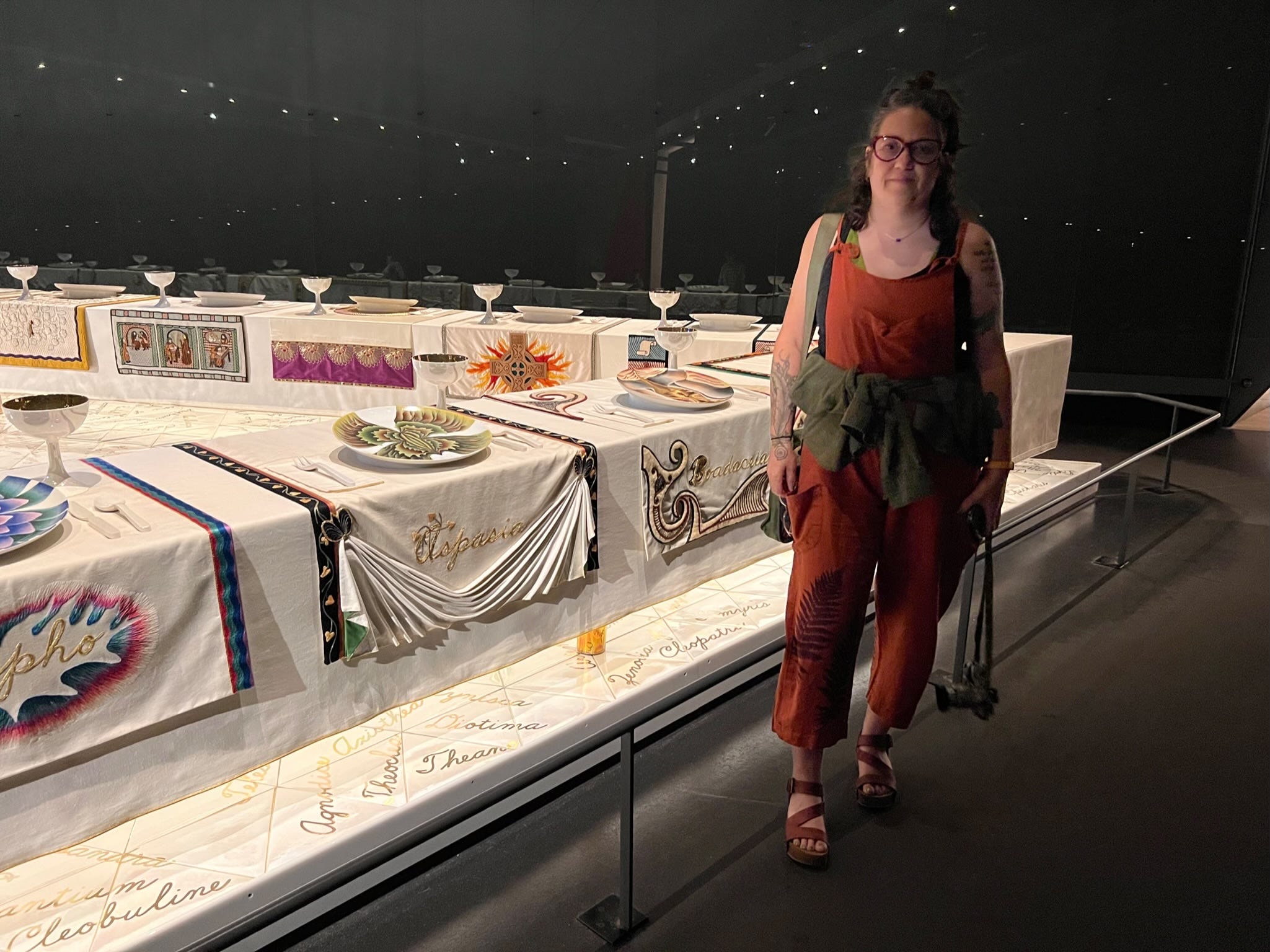
I found that spirit in the Guerrilla Girls, whose public interventions exposed the sexism and racism of the art world with humor and precision. In VALIE EXPORT, whose writings reclaimed the manifesto to argue for women’s embodied experience. In Linda Nochlin, whose essay Why Have There Been No Great Women Artists? dismantled the institutional assumptions that had shaped art history. In Faith Ringgold, who refused to separate art from justice. In Judy Chicago, who imagined collaborative feminist practice as a work of art in itself.
These weren’t simply manifestos. They were acts of reclamation. I loved them because they gave me permission to imagine otherwise. Then I encountered another kind of manifesto. Chimamanda Ngozi Adichie’s Dear Ijeawele, or A Feminist Manifesto in Fifteen Suggestions isn’t written as a proclamation at all. It is a letter to a friend. Rather than issuing commands, she offers suggestions. Instead of certainty, conversation. Instead of doctrine, relationship. The manifesto had become intimate.
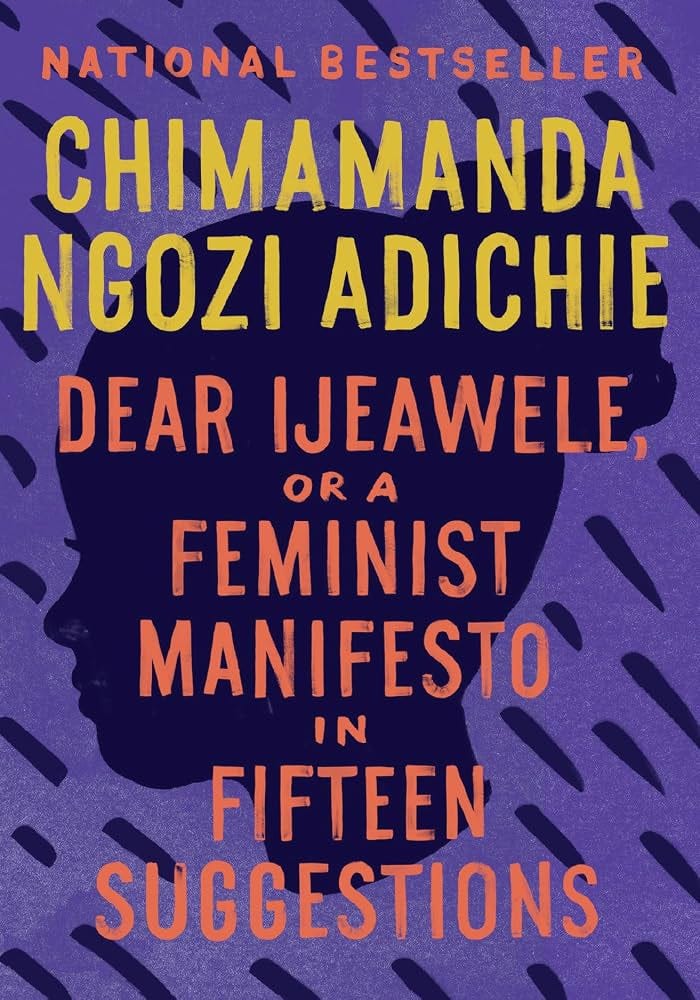
Reading Adichie made me realize that perhaps the manifesto itself wasn’t fixed. It could soften. It could become generous. It could become a conversation. I still found myself wondering if another form might be quietly calling me.
Then Something Began to Shift
As I sat with these questions, I slowly realized it wasn’t really the manifesto I was leaving behind. It was a way of knowing.
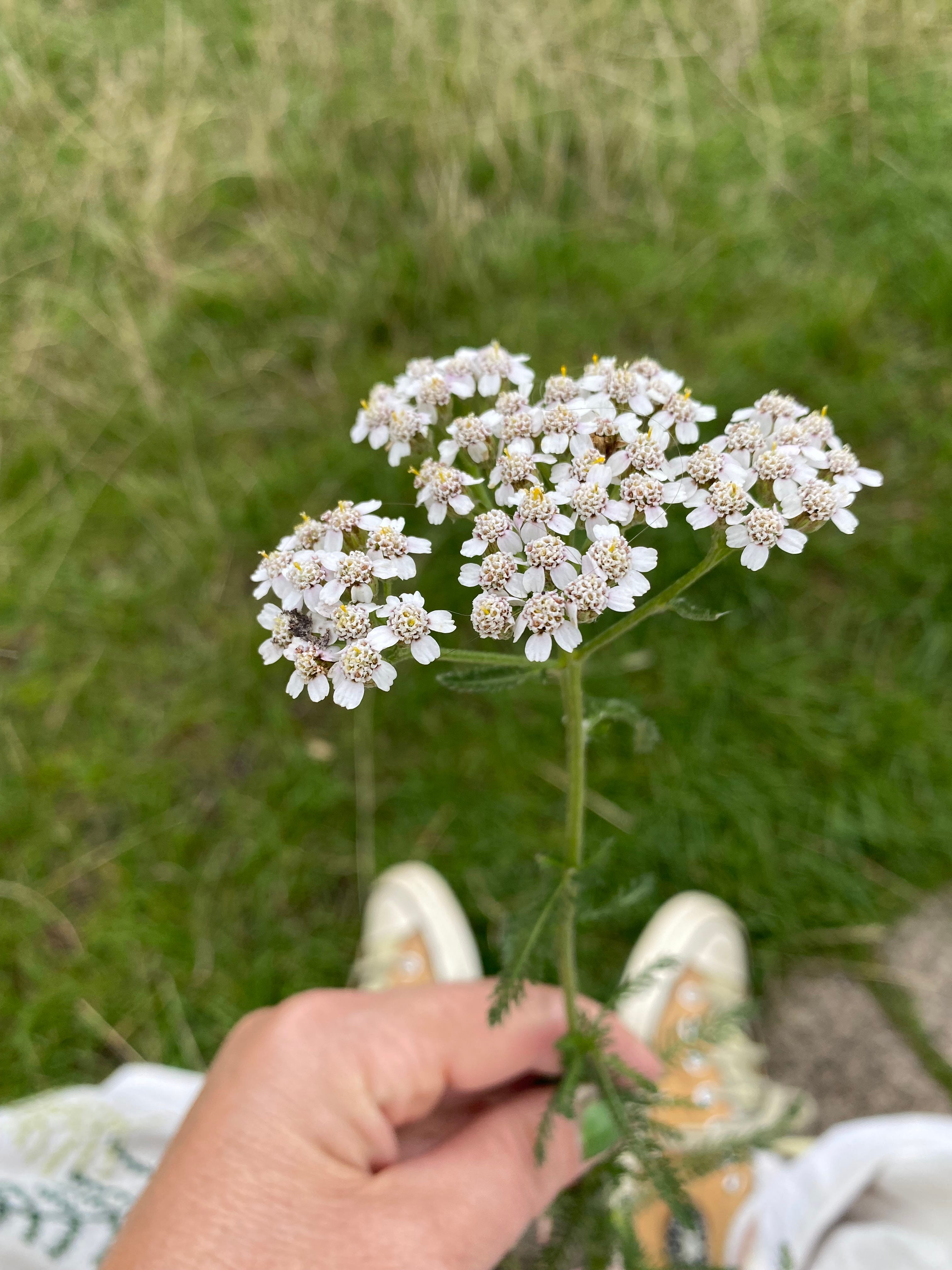
For more than thirty years I've lived my life close to plants. They have been my teachers, my companions, my livelihood, my solace, and increasingly, my collaborators. Herbalism has never simply been about learning plant names or making medicine. It’s a lifestyle and at its heart, it is a practice of relationship. You return to the same patch of nettles year after year. You walk the same trails. You notice the first coltsfoot, You notice when the elder flowers bloom a week earlier than they did the year before. Much of what I know about plants wasn't learned from books. It was learned by walking. Walking the same paths in different seasons. Seeing what had returned. Noticing what had disappeared. Learning that attention is something we cultivate. You begin to understand that where a plant grows tells you as much as the plant itself. You learn to harvest with gratitude, to leave enough behind, to notice who else depends on that place. Knowledge comes slowly. It accumulates through seasons rather than on a classroom. Through attention rather than expertise.
I began to understand that attention isn't simply a way of looking at the world. It is a way of entering into relationship with it. The longer I practiced herbalism, the more I realized that attention changes both the observer and the observed. It asks for humility rather than certainty, curiosity rather than mastery. Perhaps this is why the manifesto no longer fit. My work was no longer trying to convince. It was trying to cultivate another way of seeing.
Without realizing it, I had stopped trying to write a manifesto. I had begun writing from the same place I had learned herbalism; from relationship, from walking, from observation, from returning.
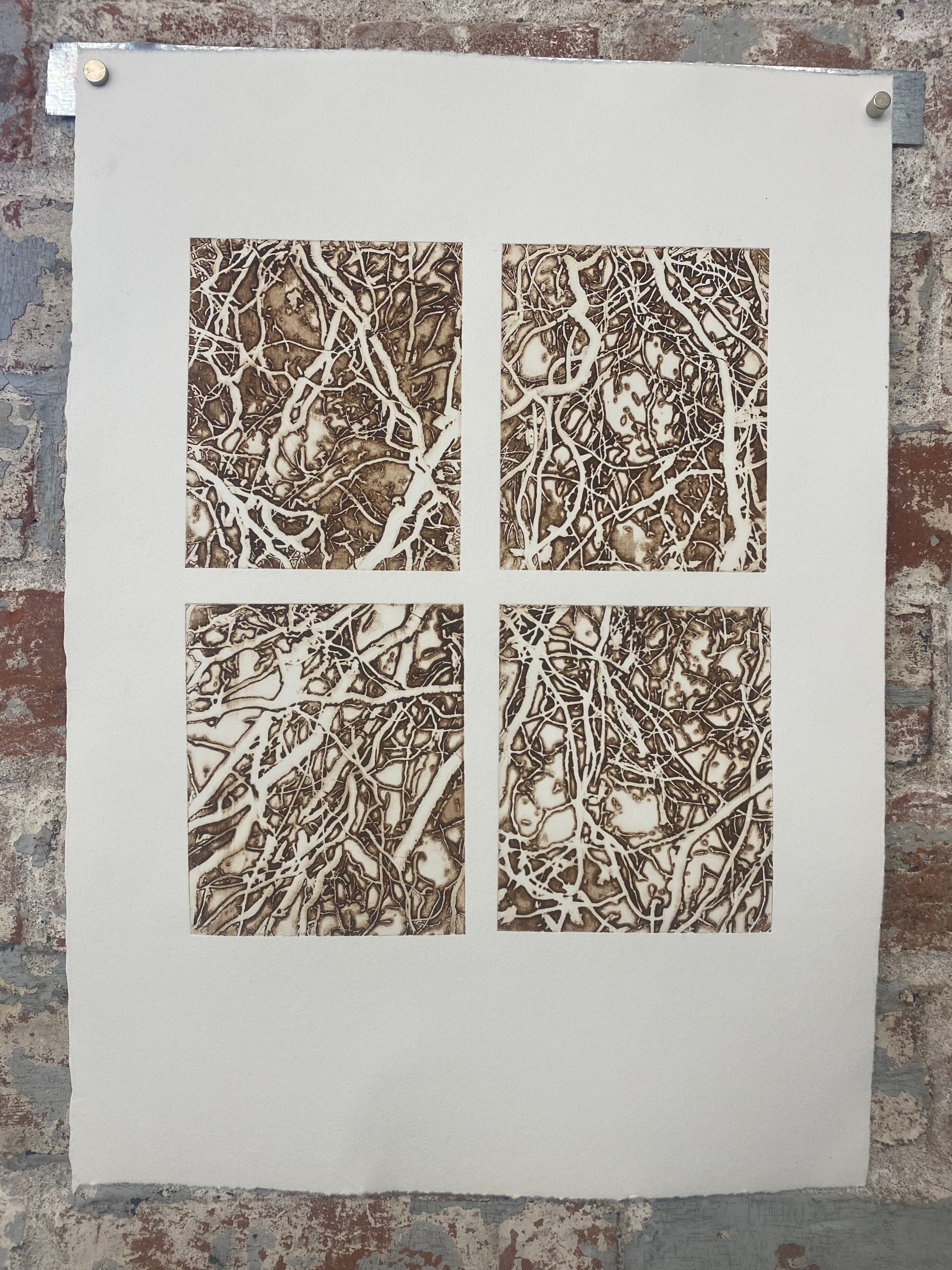
When I first began writing Art that Breathes, calling it a manifesto felt completely natural. I was trying to give shape to a practice that felt urgent, necessary, and different from what I saw around me. Like so many manifestos before it, I wanted to name another possibility.
But over time, something quietly shifted. Without realizing it, I stopped writing declarations and began writing invitations. I discovered that I wasn’t interested in telling people what to believe. I wanted to invite them into a different way of seeing, making, and relating.
The questions became more important than the answers.
How do we meet a plant?
How do we gather with gratitude?
How do materials teach us?
What happens when we make art with plants rather than about them?
What if creativity is another way of listening?
The principles of Art that Breathes were no longer rules to follow. They became practices to return to.
Impermanence.
Reciprocity.
Embodiment.
Ancestral connection.
Collaboration with land.
Art as ritual.
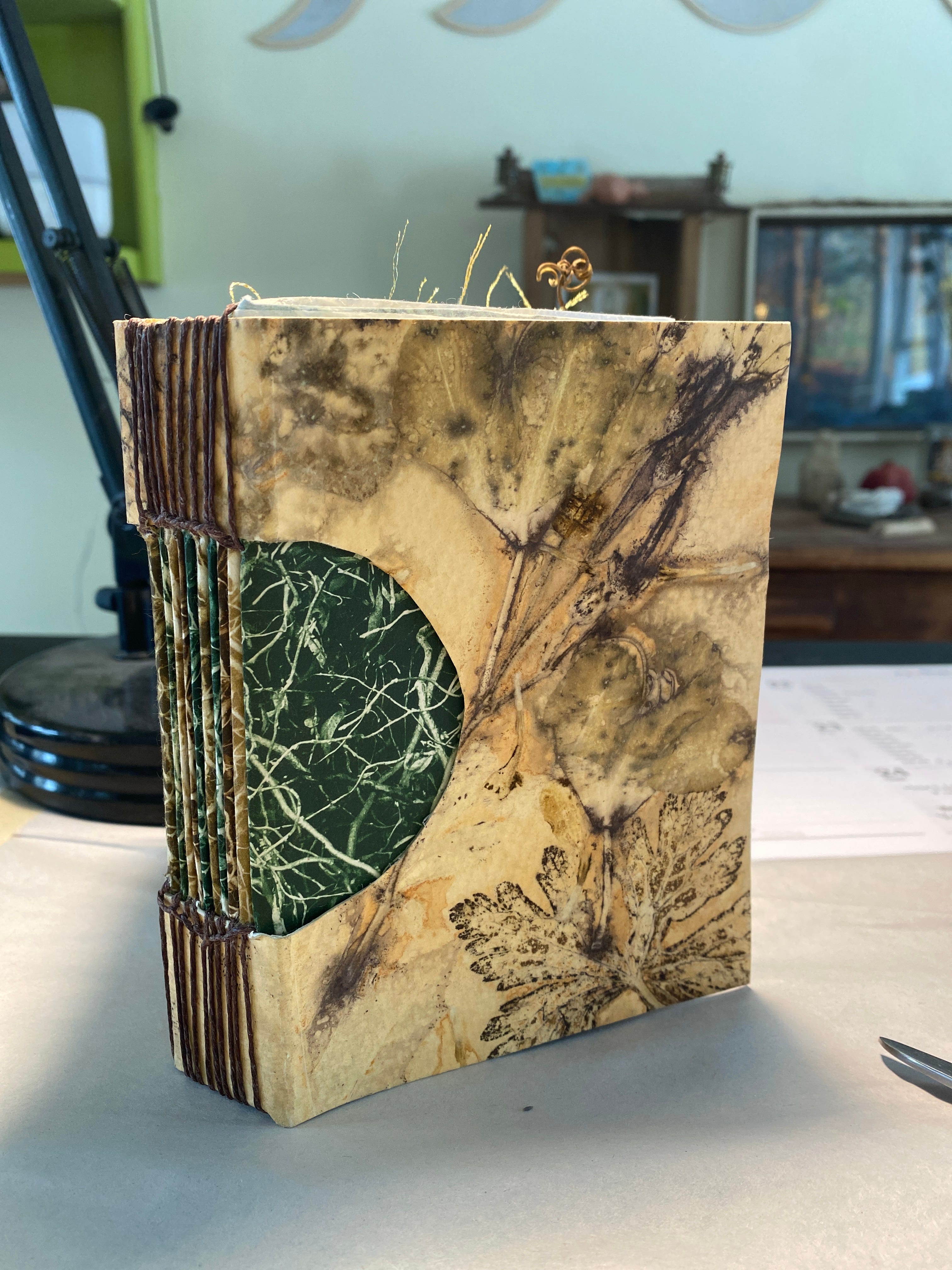
Again and again, I found myself writing less about what art should be and more about how we might pay attention. Looking back, I realize Art that Breathes was never really a manifesto perhaps it was becoming a field guide. Not a guide to identifying plants, but a guide to entering into relationship with plants, with place, with materials, with one another, and with ourselves.
I worried that by leaving the manifesto behind I was somehow becoming less political, less bold, less radical. Then I remembered where the word radical comes from.
Radix.
Root.
What if the most radical thing I can do isn’t to shout louder, but to root more deeply?To slow down in a culture that worships speed. To practice reciprocity in a world shaped by extraction. To cultivate attention in an economy built on distraction.To create beauty in a time of despair. To make with rather than take from.
These may be quiet gestures, but they are not passive ones. They challenge some of the deepest assumptions of todays life. They ask us to reconsider what we value, how we make, and how we belong.
There are moments in history that call for manifestos. Feminism may still need manifestos. Environmental justice movements may need manifestos. Indigenous sovereignty movements may need manifestos.
But Art that Breathes has slowly found another form. Not because it has become less political. But because it has become more relational. I am super grateful for those voices; they helped shape the woman, artist, herbalist, and educator I have become.
A manifesto can begin a revolution.
A field guide can teach us how to live in the world that follows.
Art that Breathes is still becoming. Perhaps it always will be. And maybe that’s exactly what a field guide allows, a practice that grows alongside the living world, always unfinished, always learning.
Perhaps every practice eventually discovers the literary form it needs.
Manifestos taught me to imagine another world. Plants taught me how to belong to this one.
____________________________________________________________________________
A few summer classes that still have openings
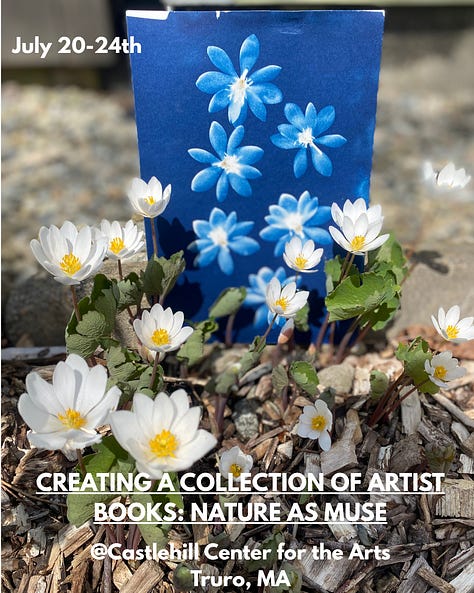
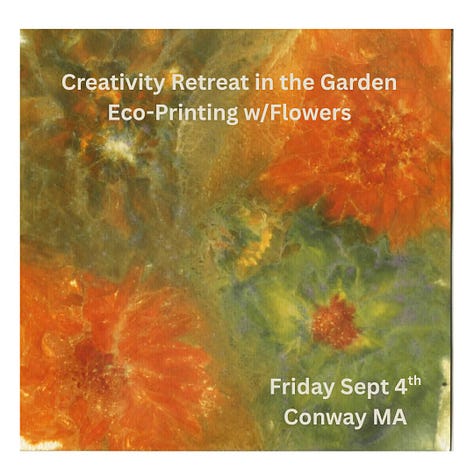
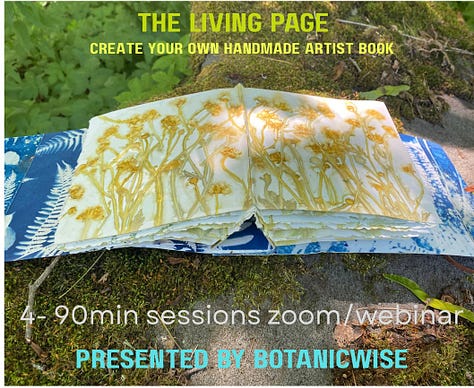
Check https://www.tonyalemosarts.com. for more details
No posts
Comments
Nothing yet. Say the first thing.
Sign in to join the conversation.