
February 25, 2026
Having taken on the title of “photographer,” I feel I ought to write about photography, or about the act of taking photographs. Yet I find it difficult to put pen to paper. Wondering how other photographers speak about photography, I recently watched a YouTube video of a photographer discussing the act of taking pictures. I stopped after about ten minutes. It’s not that I have any objection to what he was saying—on the contrary, listening to his sincere words, all I could think was, “Yes, that’s true.” The topic he addressed was one that every photographer eventually confronts: whether cropping in street photography distorts the truth. In the end, after nearly an hour of speaking, his conclusion settled on the same answer everyone arrives at: “It depends.” He seems like a very sincere person, and he spent a valuable hour of his life to communicate that conclusion to his audience. But I am impatient; I would have answered the same question in under ten seconds. I am clearly not suited to being a content creator.
It is true that I once held a certain admiration for the act of “speaking.” To speak implies the presence of someone who listens. If the positions of speaker and listener are equal, then it becomes a “conversation.” However, the vague title of “photographer” is sometimes treated as something authoritative or exceptional, and so their words are more easily framed not as conversation, but as discourse—something delivered. For me, this is quite convenient. It allows me to express my views without interruption, without criticism or dissent. In that sense, I have little intention of engaging in “conversation” through photography. Even if I am told about others’ attitudes or passions toward photography, there is nothing I can do with that. Nor do I feel compelled to speak especially to those who hold such passions. To begin with, my own thoughts on photography are extremely cold. If I were to say openly what I truly think, I would likely be pelted with stones. When I was younger and lacked life experience, I was foolish enough to shout “the emperor has no clothes” in such situations. With age, however, I have learned the technique of silence. That said, my silence does not mean I have nothing to say.
I know that the world is full of beautiful things, of things that move the heart. I also know that most people who are called photographers point their cameras toward such things. The world is already overflowing with images that capture these beautiful moments, and those who capture such beauty are considered excellent photographers. In practice, what we call photography is not merely the instantaneous recording of fact; it functions as an index pointing to peaks of beauty or emotional intensity. It is true that photography stops time, but that alone is not sufficient. Almost no one uses a camera simply to stop time. Rather, what is captured is a coordinate—a point and moment at which the photographer’s emotions were stirred. The act of pressing the shutter, instantaneous as it is, functions like GPS data within an emotional or aesthetic space.
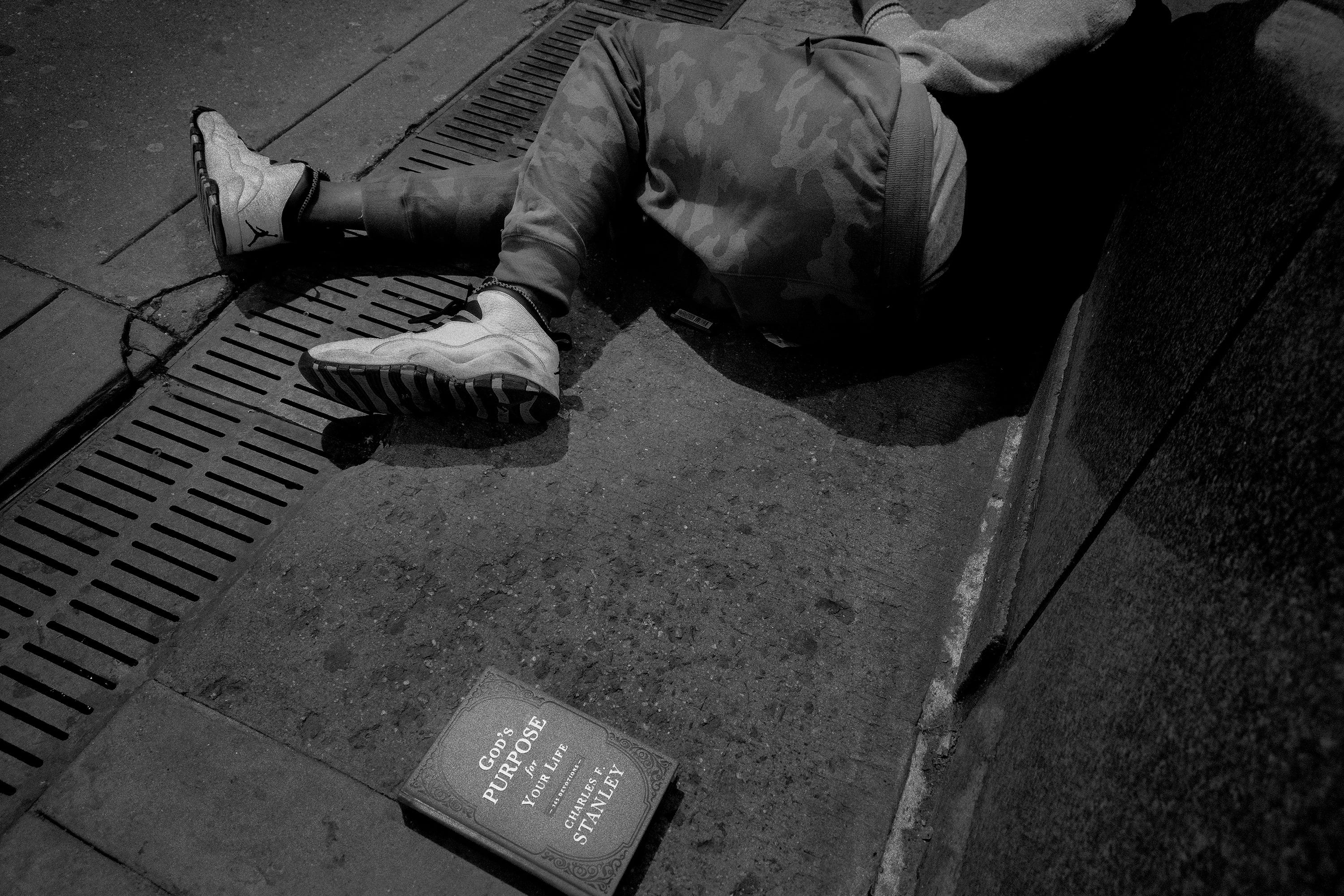
At the same time, however, I harbor deep skepticism toward this idea of photography as a kind of topology of emotional peaks. Are beautiful things truly “beautiful”? Does every life, like a film, pass through a sequence of dramatized episodes before arriving at a beautiful conclusion? As we look at beautiful photographs, we entertain the faint hope that we too are special, that a cinematic life awaits us, and we continue living through these trivial days with that illusion. I am no exception. I live with the thought—perhaps even the hope—that one day, as an unsuccessful photographer, I might suddenly step into the spotlight. And yet, “reality” is far more mundane, far less beautiful, and ultimately trivial. Most people sense this at a fundamental level. Simply put, those moments that represent peaks of “beauty” or “emotion” capture nothing of our true condition. We are shown only the ultimate peaks of aesthetic or emotional experience and led to believe that such states are somehow continuous.
At the same time, we are strangely reluctant to turn our cameras toward other emotional intensities—hatred, ugliness, anger. Photojournalism, as a field, is quite articulate when it comes to these darker aspects of humanity, but what it ultimately records is the anger and suffering of others, often commodifying and consuming it. Ideally, rather than a third party extracting and framing another person’s grief or anger, the person directly involved should speak for themselves. Yet photographers insert themselves unnecessarily into others’ misfortunes and attempt to “represent” their voices. To me, this is deeply peculiar—and at times, even hypocritical.
To take beautiful photographs, or emotionally resonant ones, to create aesthetic or emotional alignment with others and thereby gain their understanding—this is a perfectly legitimate approach for a photographer. I have no intention of denying that. But when I ask myself whether there is any necessity for me to do the same, I hesitate. My life has been governed by a consistent ethic: if others are already doing something, is there any need for me to repeat it? If others can achieve it, and do so better than I can, then there is no reason for me to be involved at all. There are far more people superior to me than I can even imagine; it is enough to leave it to them. They will leave behind better images for the future than I ever could. And more troubling still, I have almost no interest in “beautiful” things or in things that stir the emotions.
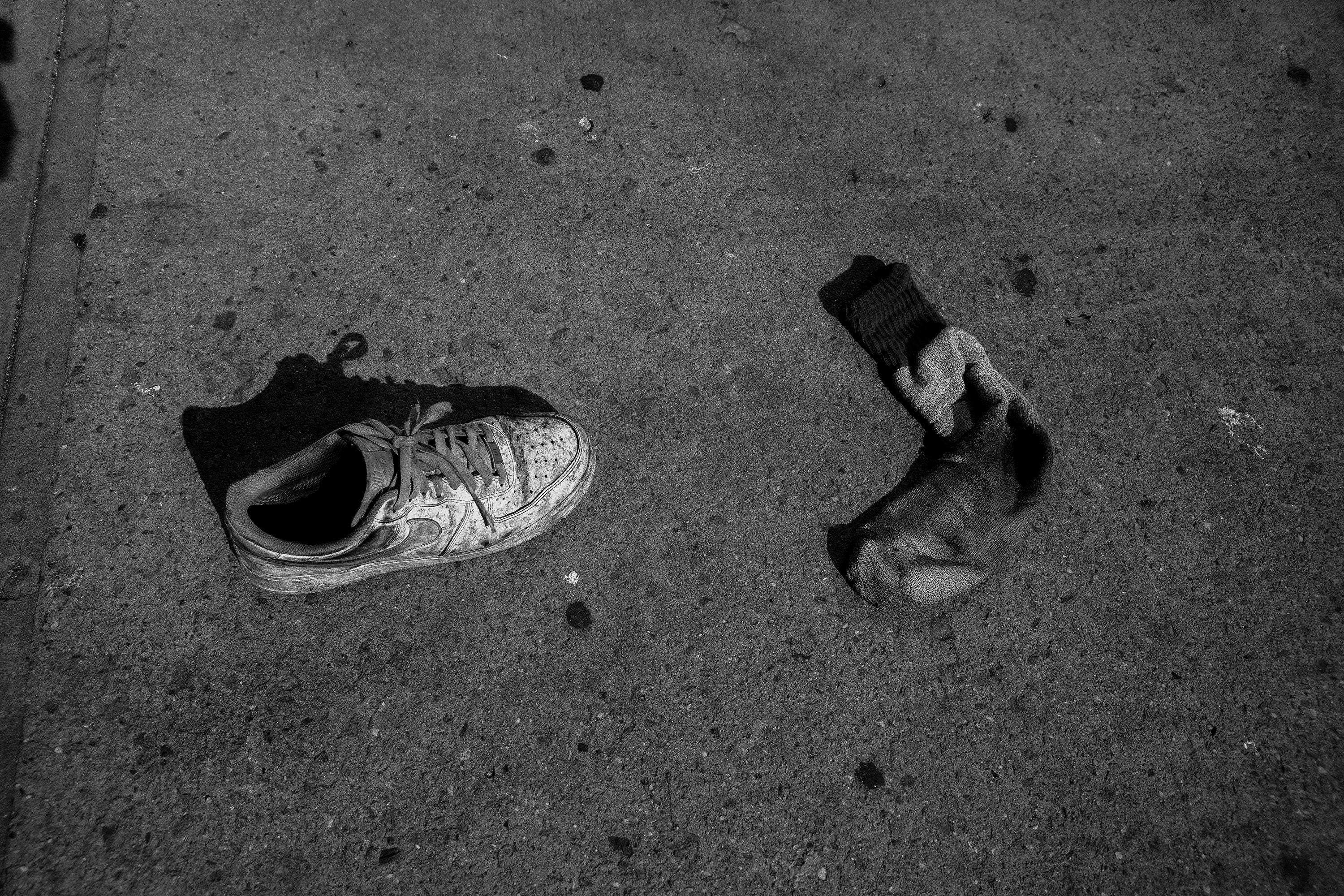
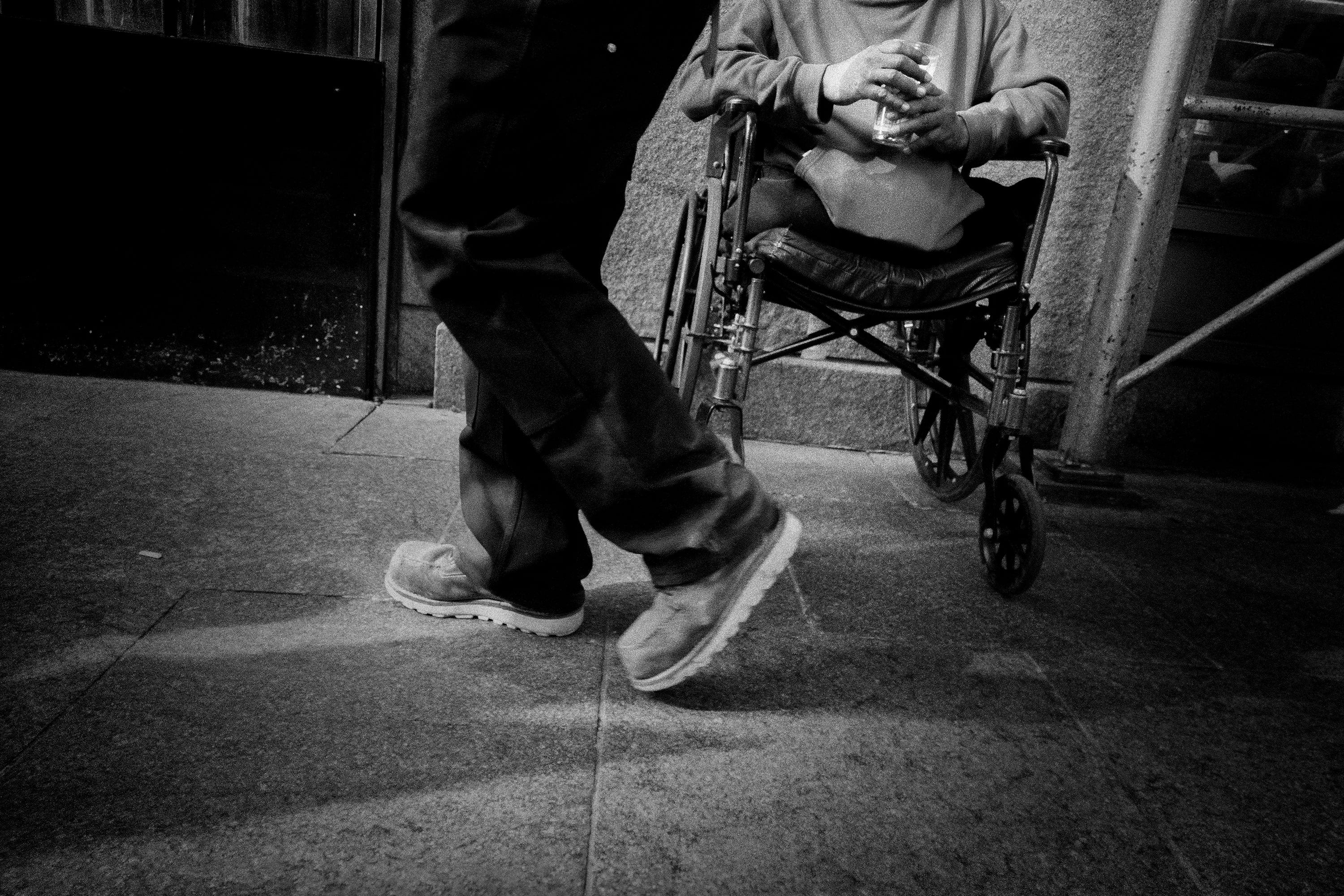
Where I point my camera, there is no beauty, no swell of emotion. I even think of such elements as impurities—things that must be removed from my photographs. A world devoid of beauty, devoid of emotional movement—what I see as the “true condition” of the world. It feels as though I simply continue pressing the shutter toward that. Naturally, there is no sense of accomplishment, no joy. I do not even understand why I continue doing this. And yet—I continue, simply because I have called myself a “photographer.”
断片
2026年2月25日
自分自身に写真家、という肩書きを背負わせた以上、私は写真について、または写真を撮る事について書いておかなくてはいけない、と思うのだが、なかなか筆が進まない。他の写真家は、写真をどのように語っているのだろう、と思い、先日youtubeで、写真家が写真を撮ることについて語っている動画を見てみたが、10分ほど見て見るのをやめてしまった。別に彼の動画に異を唱えるつもりも全くないし、彼の誠実な言葉を聞いていると、「そうだよね」と言う言葉しか出てこない。実際彼が語っていたのは、ストリートフォトグラフィーにおけるトリミングは真実を歪めるのか否か、と言う、写真家であれば誰もが考える問題について語ってたのだけれども、結局彼が小一時間喋って出てくる答えは、誰もが考える答えに落ち着く。つまり、「状況による」の一言だ。この写真家はとても誠実な人なので、彼は自分の貴重な人生の1時間を割いて、視聴者にこの結論を語りかけていたが、私はせっかちなので、そんな答えは10秒もかからずに答えてしまうだろう。私はコンテンツクリエイターには到底なれそうにもない。
私もかつては「語る」と言うことに、一種の憧れを抱いていたのは事実だ。語ると言うことは、そこには常にそれを聞く人の姿がある。語る人と聞く人の立場が平等であるならば、それは「会話」と言うことになる。しかし、写真家、と言うこのよくわからない肩書きは、時には権威的、または特別なものとして扱われるので、彼らの言葉は「会話」ではなく「語る」と言う方向に位置づけられやすい。私にとってこれは大変都合が良い。相手が批判や異論を挟むことなく、私は自分の意見を言うことができるからだ。その意味においては私は写真においてそれほど「会話」をするつもりはない。他人の写真に対する姿勢や熱意を語られたところで、私はそれをどうすることも出来ない。そしてそんな写真に対する熱意を持った人たちに向けて、私が特別に語ろうとすることもない。そもそも私が考えている、写真についての思想、などと言うのは極めて冷淡だし、私が心の底で思っていることを彼らに言ってしまったら、私は彼らから石を投げられるだろう。若い頃の、人生経験の浅い私は、そんな状況でも自分の意見を貫くため、「王様は裸だ」と叫ぶような、そんな愚かな人間だったが、私も年齢を重ねることで、口をつぐむと言う技術を学んだ。ただ、沈黙はするが、それは言いたい事がない、という意味ではないのだけれども。
世の中に美しいもの、心を動かされるものが沢山あることは知っている。そして、写真家と呼ばれる人たちの、その殆どの人たちが、そう言ったものにカメラを向けているのも知っている。この世界には、そう言った美しいものの瞬間を捉えた写真で溢れかえっており、そしてその美を捉える写真家が優れた写真家ということになっている。実際写真と呼ばれるものは、単なる事実の瞬間的な記録ではなく、そう言った美や感動の頂点を示す指標として機能している。写真は時間を止める、と言うのは事実だが、それだけでは十分ではない。カメラを持つ、ほぼ全ての人間は、単に時間を止めるために写真を使っているのではない。むしろ、そこにあるのは、その瞬間に、カメラを持つ人間の感情が動いた、という瞬間と地点を指し示した座標である、事実だろう。シャッターを押すという、極めて瞬間的な行為は、感情的、美的な空間におけるGPSデータのような機能を果たしているのだ。
ただ、その一方で、私はこの感情のピークを記した、一種の感情のトポロジーとしての写真に、極めて深い疑念を持っているのも事実だ。美しいものは、本当に「美しい」のだろうか?私たちの人生の全ては、映画で演出されたような非喜劇を経て、やがて美しい結末を迎えるのだろうか?私たちは美しい写真を見ながら、自分たちがこの写真と同じように特別な存在で、そこには映画のような人生が待ち受けている、という淡い希望を感じながら、このくだらない日々を生きている。私もその例外ではない。ある日この売れない写真家としての私が、突然スポットライトを浴びて輝く瞬間が訪れるのかもしれない、いや、そうあって欲しいと思いながら生きているのは事実だ。しかしー「現実」はもっと退屈で、美しくもなく、そしてくだらないものだ、ということは、世の中に生きる殆どの人間が、心の底で感じていることだろう。簡単に言えば「美」や「感情」のピークを示した瞬間、というのは、私たちの本当の意味での実相を、何も写してはいないのだ。私たちは、「美」や「感情」の究極的なピーク状態のみを見せられて、それが恒常的に続くはずだ、という夢を見させられているのだろう。
そして同時に、私たちは不思議なくらい、別の側面の感情の高まり、つまり憎しみや醜さ、怒り、についてカメラを向けようとはしない。いわゆるフォトジャーナリズムは、こう言った人間の負の側面については非常に饒舌な分野ではあるが、結局彼らが記録しているのは、他者の怒りや憎しみであり、それを商品化して消費しているきらいすらある。本来であれば、他者の怒りや悲しみを第三者が切り取るよりも、当事者がそれを直に語れば済むはずだが、彼らは不必要なほど他人の不幸の間に入り込み、彼らの声を「代弁」しようとする。私にとっては、これは非常に奇妙であり、同時にー偽善的ですらある。
美しい写真を撮る、またはエモーショナルな写真を撮る、そうすることで他者との美的、感情的な同調を生み出して、そこから他者からの理解を得る、というのは、写真家としては極めて正当な方法であり、私はそれを否定するつもりはない。ただ、私がそれをする必然があるのだろうか?と言われると、考え込んでしまう。私の人生は、常に一貫した「倫理」が存在している。それは、「他の人がやっているのであれば、私がそれをもう一度繰り返す必要はないのではないか?」ということだ。私がやるよりも、他の人がそれを達成し、その結果が私よりも優れているのであれば、私はそもそもそこに関わる必要がない。そして私より優れた人は、私が想像している以上に存在しているのだから、私は彼らに任せておけば良い。彼らは私よりも優れたイメージを後世に残してゆくだろう。そしてさらに最悪なことには、私は「美しい」ものや、心を揺さぶるもの、というものに対して、殆ど興味がないのだ。
私がカメラを向ける場所には、美しいものも、感情の波も存在していない。私はそういうものを、私の写真においては不純物として、取り除かなければならないもの、という風にすら考えている。美しくもなく、心を動かされるもののない世界ー私が見る世界の「実相」に向けて、私はただシャッターを押し続けているような気がしている。当然そこには達成感もなければ、喜びもない。そもそも自分でもなぜこれを繰り返しているのかもわからない。ただー私がそれを続けているのは、私が自分を「写真家」と呼んでしまったからだ。
No posts
Comments
Nothing yet. Say the first thing.
Sign in to join the conversation.