
In 2009, Congress asked four federal agencies to recommend standards for how foods should be advertised to children. I ran one of them, the Centers for Disease Control and Prevention. The Federal Trade Commission, the Food and Drug Administration, and the Department of Agriculture worked alongside us.
The industry mobilized, and within months Congress ordered us to stop; the recommendations were never issued. The order has been renewed in every federal budget since.
Michael Jacobson has spent his career documenting how the industry reaches children, first at the Center for Science in the Public Interest and now at the National Food Museum. The Museum’s great new exhibit, Selling Candy to Kids, provides 165 images and videos of the tactics. It is worth your time.
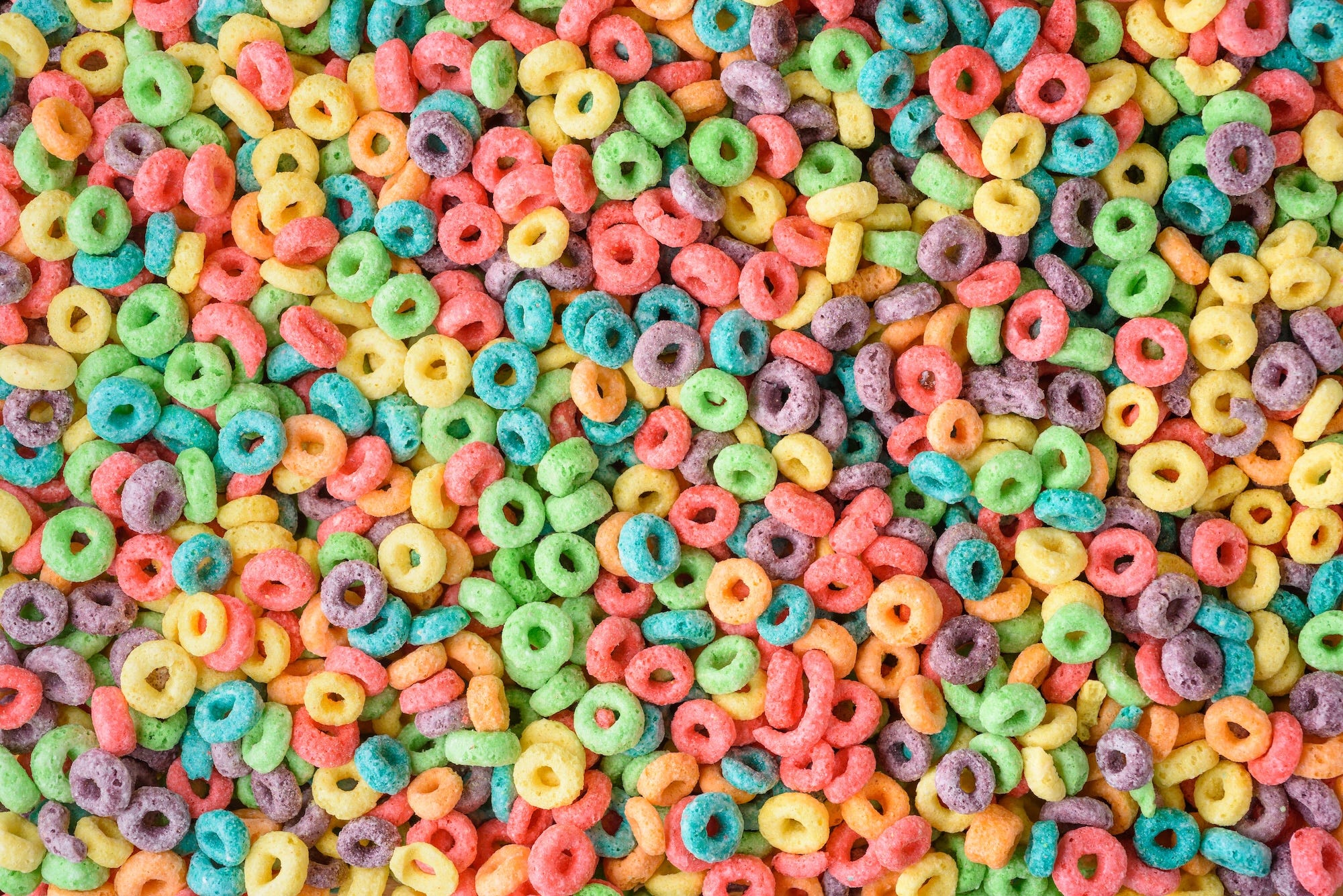
Start in the cereal aisle. A tiger, a toucan, a rabbit, and a cartoon sea captain look down at your child from the shelves. Dig ‘Em Frog sells Honey Smacks (one half sugar). They sell sugar, and they’re good at it.
Childhood obesity has risen for half a century. About 5 percent of American children were obese in the 1970s. The figure is now 21 percent. Marketing alone did not do this, but it shapes what children prefer, request, and eat…and it may lead to lifelong brand loyalty.
In the 1982 movie, ET ate Reese’s Pieces, and sales skyrocketed. One scene did that. A childhood of advertising does far more.
The scale is enormous. In 2008 the Federal Trade Commission found that food and beverage companies spent $1.6 billion a year marketing to children and teenagers, nearly all of it for ultra-processed products high in sugar, salt, and saturated fat. Young children cannot tell an advertisement from the truth. That is not a flaw in the strategy. That is the strategy.
The marketing has moved. The Saturday-morning commercial gave way to the phone. Companies pay influencers to fold products into videos that look like play. A teenager with more than 60 million followers got a cold brew named after her at Dunkin’ Donuts; today she has more than 156 million followers. A child star reviews packaged lunches for an audience of millions. The selling is personalized, ubiquitous, hard to identify, but impossible to ignore…and far harder than TV commercials for parents to monitor.
In 1978 the FTC proposed limits on food advertising to young children. Industry, broadcasters, and the Washington Post attacked the idea as the “National Nanny.” Congress shut the agency down for a time, then in 1980 stripped the FTC of the power to act, a power it still lacks. Jacobson’s CSPI and Action for Children’s Television have advocated for responsible governmental action. What happened to me at CDC in 2011 had happened to him three decades earlier.
Quebec banned advertising to children under 13 in 1980, the very year Washington forbade itself from trying. Norway now shields everyone under 18 across all media. Chile pairs warning labels with marketing limits, and children there see 73 percent fewer ads for unhealthy food. The United Kingdom, Mexico, Brazil, and Portugal have acted too. The United States still leaves the companies completely free to market to children—with definitive proof that voluntary guidelines are not worth the paper they are written on.
The Supreme Court has held that corporations are people and that advertising is a form of protected speech. Limits that work in Santiago or Oslo might well be struck down in the United States as violations of the First Amendment.
It’s tougher than ever for parents to protect their kids from unrelenting marketing because ads in digital media are personalized and it’s impossible to know what kids are seeing on their phones. But with millions of parents demanding that the government protect children’s health, any administration truly committed to making Americans healthier could get the ban on FTC action rescinded and insist that the agency update its torpedoed 1978 proposal. It could also require warning labels on unhealthy foods and pass a national tax on sugary drinks, with the proceeds used to promote health.
Parents and local governments can ensure that schools offer freshly made meals. And they could demand that supermarkets eliminate junk foods from check-out aisles and display those foods on high shelves, out of children’s line of sight.
The food companies have spent 45 years insisting that no one should stand between parents and their children’s plates. They left out one detail. They themselves are already standing there—as a tiger, a toucan, a cartoon pirate, and, increasingly, in social media streams.
No posts
Comments
Nothing yet. Say the first thing.
Sign in to join the conversation.