
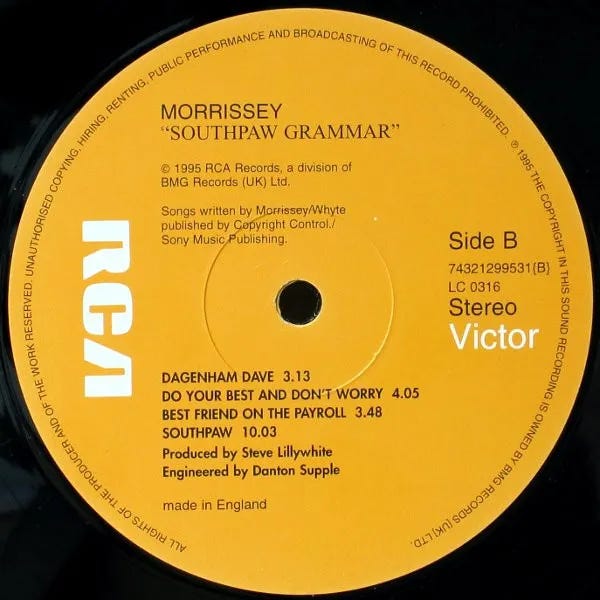
The eighth and final track on Morrissey’s fifth studio album, Southpaw Grammar, “Southpaw” is an imposing ten minutes in length. Co-written with Alain Whyte and recorded during the album sessions at Hook End Manor in Oxfordshire in March and April 1995, the song was released with the album on 28 August 1995. Produced by Steve Lillywhite and featuring Boz Boorer and Whyte on guitars, Jonny Bridgwood on bass, and Spencer Cobrin on drums, “Southpaw” represented a tantalizing musical departure from much of Morrissey’s work up to that point. Its extraordinary length may test the patience of some listeners, but it is also essential to what the recording ultimately achieves.
From its opening moments, an ominous undercurrent establishes itself and gradually expands as the song progresses. Electric and acoustic guitars, together with Cobrin’s remarkable drumming, propel the music inexorably forward. Rather than moving toward a conventional bridge or climactic crescendo, however, the song flows almost imperceptibly into its extraordinary second half: an extended coda that seems determined never to end. Cobrin increasingly adopts a martial quality in his playing, while Boorer and Whyte’s guitars rise and recede in cascading waves, creating a dense, reverberant tapestry of sound. Delicate counter-melodies and subtle changes of tempo seem to materialize from nowhere, disappear beneath the surface, and then unexpectedly re-emerge. What initially appears repetitive gradually becomes almost hypnotic.
Against this sprawling musical backdrop, Morrissey delivers remarkably succinct and evocative lyrics concerning a “sick boy” who finds himself abandoned by his friends and retreats to the supposed safety of home - a decision that appears to determine the course of his life. Curiously, the lyrical focus changes completely during the song’s extended second half. Morrissey begins intoning that “there is something that you should know,” before repeatedly announcing that “the girl of your dreams” is “sad and all alone.” The song finally expires with a piteous, increasingly exposed plea: “Help me, help me, help...”
More than a song intended merely to entertain, “Southpaw” can fairly be described as an experience - one constructed through an audacious musical framework and Lillywhite’s atmospheric production. It wanders somewhere between art and madness and, for ten strange minutes, seems perfectly content to inhabit both. Threaded through it all are Morrissey’s forlorn lyrics, which become increasingly intriguing upon closer examination.
Indeed, a careful reading of “Southpaw” reveals references and possible allegories suggesting that something more personal may lie beneath the surface. To understand why a Marr-centered interpretation is worth considering, however, it is necessary to briefly look back to “Billy Budd,” released the previous year on Vauxhall and I. That song contains several apparent references to Johnny Marr and can plausibly be read not merely as being about him, but as a message directed to Morrissey’s erstwhile friend and musical partner. “Billy Budd” therefore provides an important precedent for the reading proposed here: if Morrissey had already used one song to address Marr obliquely, then “Southpaw” may represent a continuation of that private dialogue. This time, however, the tone appears darker and more despondent, with Morrissey contemplating the wreckage of their partnership and perhaps expressing a wish that it might somehow be repaired.
It is hardly unreasonable to assume that Morrissey’s choice of words in “Southpaw” - or, for that matter, in any of his lyrics - was conscious and deliberate. That becomes important when the song speaks of a “boy” who “ran with his pals in the sun,” only to turn around and discover that “they were gone.”
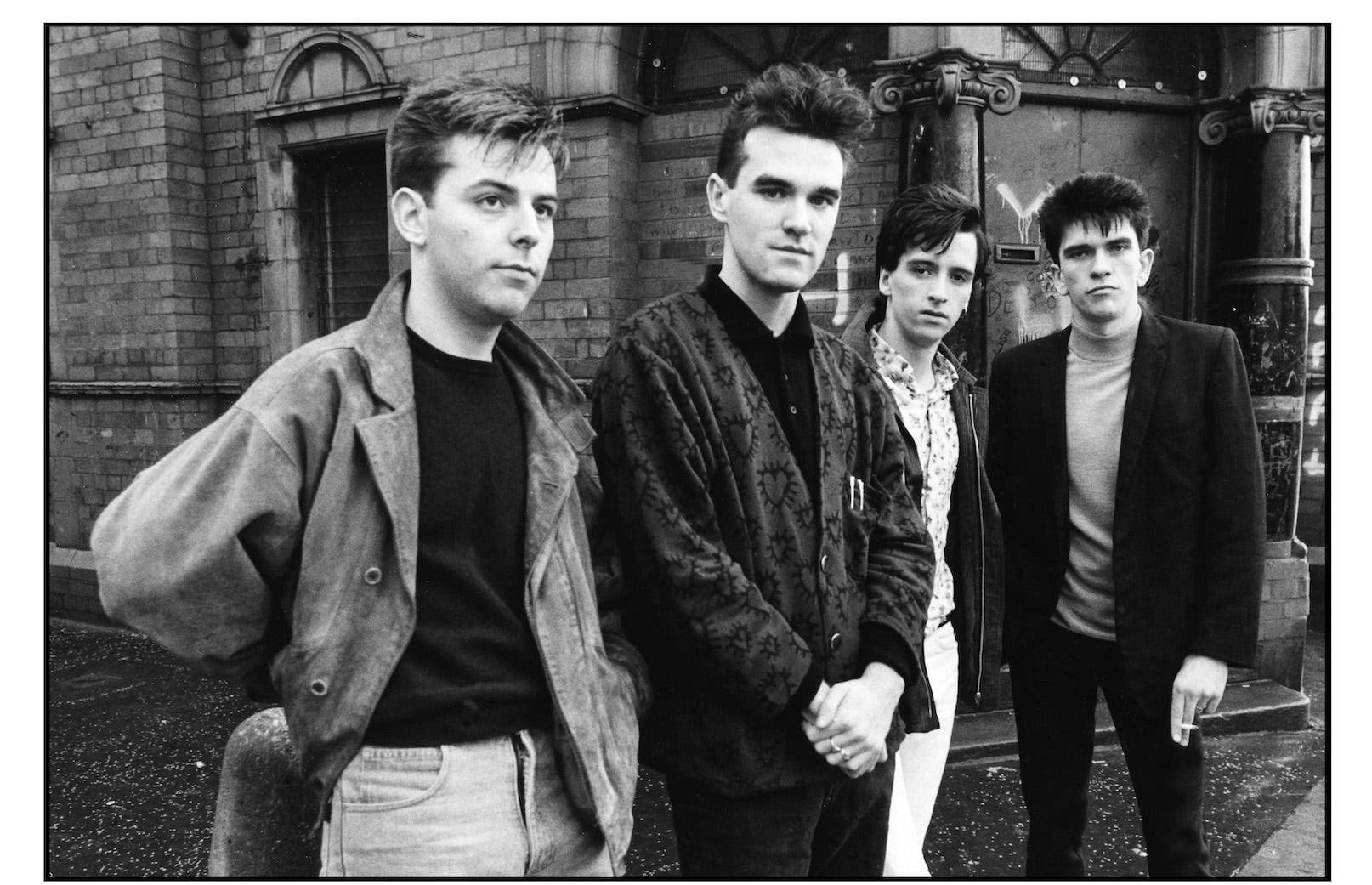
Marr was only eighteen when he first approached Morrissey at his home in May 1982. Although legally an adult in Britain, he was still a remarkably young man, particularly alongside the twenty-three-year-old Morrissey. Referring to him colloquially as a “boy” would therefore hardly have been incongruous. Within a matter of months, Morrissey and Marr had begun assembling the Smiths around their new partnership, and the musicians who joined them became, both figuratively and literally, Marr’s “pals.”
The image of the boy who “ran [...] in the sun” can likewise be read allegorically as the extraordinary success and fame Marr enjoyed with the Smiths - his proverbial time in the sun. But the boy suddenly finds himself alone: “You turned around and they were gone.” Rather than seeking out his companions, the boy, now described as “sick,” apparently accepts his reversal of fortune: “So easily defeated.”
There is an intriguing parallel here with the circumstances surrounding Marr’s departure from the Smiths. Marr later attributed his decision to a combination of exhaustion, dissatisfaction with the band’s musical direction, incessant recording and touring, and the additional burden of functioning as its de facto business manager. Yet his departure was also accompanied by a peculiar breakdown in communication. An NME report published on 1 August 1987 portrayed relations between Morrissey and Marr as having deteriorated dramatically, even claiming that the two had not spoken for three and a half months and, rather intriguingly in the context of “Southpaw,” that Marr had told friends that he and Morrissey were “no longer pals.”1 Whatever the accuracy of the report’s more sensational claims, Marr’s subsequent departure became permanent. The partnership that had begun with an eighteen-year-old appearing unexpectedly on Morrissey’s doorstep ended amid distance, exhaustion, misunderstanding, and silence.
The potential linchpin of this interpretation is the curious line “and you ran back to Ma.” Spoken aloud, “Ma” bears an unmistakable resemblance to Marr. It is difficult, at least within this reading, not to wonder whether Morrissey selected that particular word precisely for its phonetic suggestion. “You ran back to Ma” could therefore carry a second meaning: Johnny retreats from the Smiths and returns to being simply Johnny Marr, now irrevocably separated from his “pals” and the identity the four men had shared. Morrissey then delivers what sounds almost like a judgment upon that decision: it “set the pace for the rest of your days.” In one obvious sense, it did. Whatever Marr accomplished afterward, leaving the Smiths permanently altered the trajectory of his life.
The song’s second half introduces an even stranger possibility. Morrissey had long demonstrated a willingness to blur gender within his lyrics, and if the “boy” of “Southpaw” is provisionally identified as Marr, who then is “the girl of your dreams” who remains “sad and all alone”? Within this interpretation, the answer may be Morrissey himself.
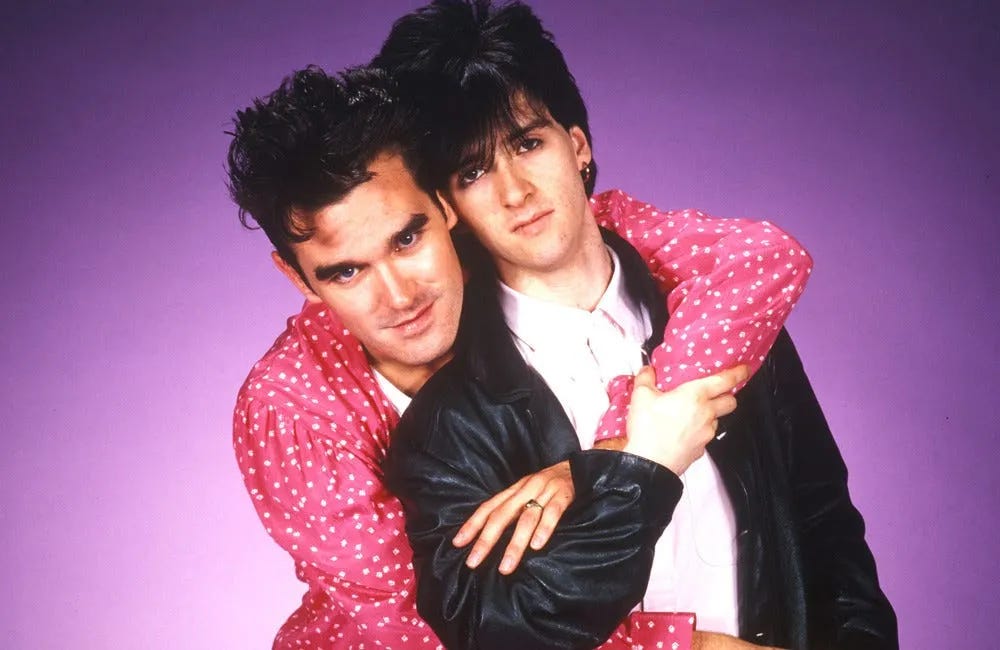
The suggestion becomes particularly intriguing when “Southpaw” is placed beside “Billy Budd.” That earlier song concludes with the appeal “Don’t leave us in the dark,” as though Morrissey were leaving the proverbial door slightly ajar. “Southpaw” seems to open it wider. “There is something that you should know,” Morrissey repeatedly insists: “the girl of your dreams / is sad and all alone.” What begins as an observation eventually dissolves into something more naked and vulnerable. By the song’s final moments, metaphor and ambiguity have largely fallen away, leaving only a plea addressed to someone who is no longer there:
Help me.
Help me.
Help...
There is one final detail worth considering: “Southpaw” is not only the title track of Southpaw Grammar, but its closing song. We cannot know whether the song’s emotional significance determined its position in the running order, but its placement nevertheless gives it unusual weight. After everything that precedes it, Morrissey chooses to conclude the album with this sprawling, ten-minute meditation on abandonment, loneliness, and loss, allowing its final desperate plea to become the last human voice heard on the record. If “Southpaw” is indeed a veiled address to Marr, its position becomes all the more striking: Morrissey has reserved the album’s final word for him. “Southpaw” does not merely end the record; it leaves its unresolved message hanging in the silence that follows.
Is “Southpaw” really Morrissey addressing Johnny Marr? There is no definitive evidence that it is, and the interpretation necessarily remains speculative. Yet the peculiar convergence of the “boy,” his vanished “pals,” his time “in the sun,” the conspicuous “Ma/Marr” wordplay, the lonely “girl,” and that final desperate appeal makes the possibility difficult to dismiss altogether.
If “Southpaw” is indeed addressed to Marr, the more haunting question is not whether Morrissey wanted him back, but in what capacity. Was he yearning for the return of the guitarist and songwriting partner with whom he had created the defining music of his life, or for the friend whose arrival on his doorstep had altered its course just as profoundly? Perhaps, by 1995, even Morrissey could no longer separate the two. The Smiths had been both a creative partnership and an intensely personal bond, and the loss of one necessarily carried the loss of the other. In that light, the final “Help me” sounds less like a summons to reform a band than the confession of a man pining for someone whose absence, eight years later, still left a conspicuous void in his life. Perhaps that is what lies at the heart of “Southpaw”: not simply that Morrissey missed Johnny Marr, but that, in a profoundly personal and entirely platonic sense, he loved him - and had never quite stopped.
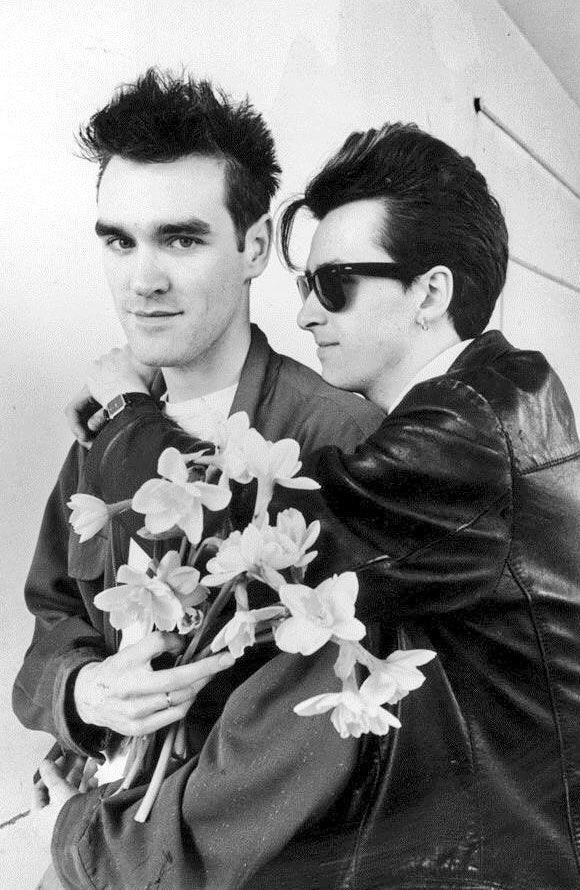
“Smiths to Split,” New Musical Express, 1 August 1987. The article reported that relations between Morrissey and Marr had deteriorated to the point that they would not enter the same studio together; an unnamed friend of Marr further claimed that the two had not spoken for three and a half months.
No posts
Comments
Nothing yet. Say the first thing.
Sign in to join the conversation.