
The World Cup starts this week, and for the first time in my conscious life, I have barely a glimmer of excitement about it. I haven’t filled in my World Cup wall chart. I haven’t bought a Panini Sticker book and I haven’t put a bet on who will be leading scorer. 1
It’s not because it’s in the US, either. The last one there, in ’94, was brilliant. I was 16. England hadn’t qualified, so me and my friends decided to support Ireland. We watched the games at different people’s houses, drank too much, and then went outside to play football in the middle of the night. One night we ended up in the orchard near my house. It was pitch black. We couldn’t see anything. We spent the entire time running into trees.
Football is unequivocally the greatest game on earth. It is both incredibly simple and infinitely difficult. It’s the only sport you can grab pretty much any object in the world (socks, bottle top, pebble, for example) and start playing football with it around wherever you are. I love it, both playing and watching. (I might claim to have all kinds of very excellent cineaste favourite films, but the VHS we used to have of the greatest goals from the World Cup might secretly be number one).
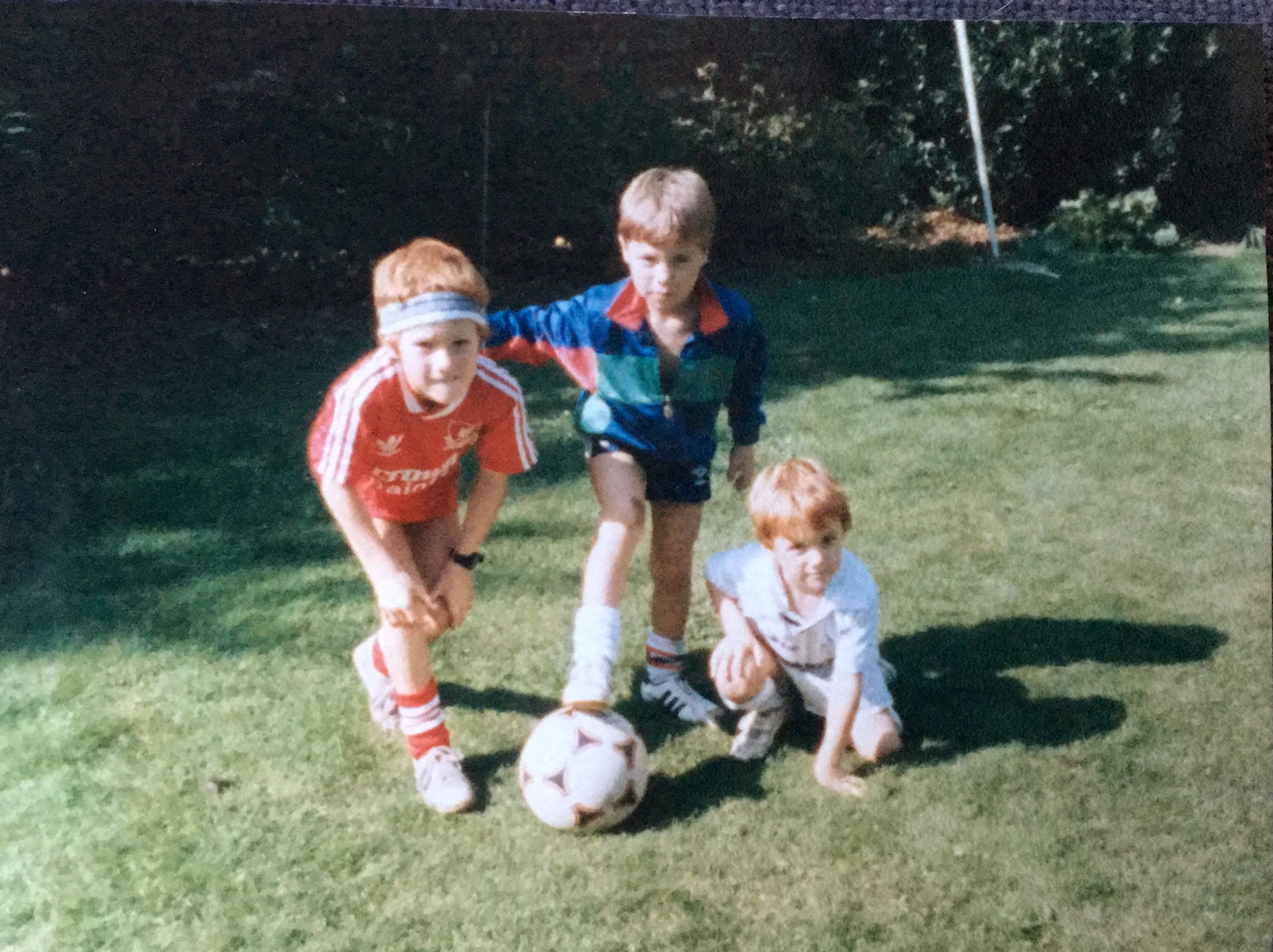
The World Cup is the pinnacle. Every four years it’s a celebration of football and the way it reflects culture and identity. From the age of eight it’s been a pivotal event. It’s in the summer, there’s always a game on my birthday, and I get swept away in the emotion of it all.
I am fervently, genuinely anti-nationalist. And yet when a tournament comes around I’ve got a George Cross painted on my cheek, I’m wearing an England shirt, playing World in Motion constantly and crying because we’ve lost on penalties again.
The World Cup was also an education for me. Through international football I learned about the dictatorship in Argentina, the fall of Yugoslavia, Spain emerging from under Franco. The intersection of sport and politics and society that I never really understood from doing history at school. Football helped me pull together all the things I was interested in.
And I think that window onto the world grew into my filmmaking career.
That fascination with the intersection of sport and the machinations of the wider world led me into some of the great non-fiction writing about football. When I was 17 I read Football Against the Enemy by Simon Kuper. Kuper travels through fractured states, using football as a lens to examine shifting geopolitical landscapes. It’s a brilliant bit of journalism and kick-started a wave of non-fiction books about sports. Most of which I devoured. This book had elements of travel, big picture politics and intimate human stories - all rooted in how what happens on the pitch permeates through everyday society, and back again. That book made me wonder - could I do that? Could I travel and write about football and life and use one to understand the other?
At some point I realised journalism wasn’t quite right for me, because I loved images too much. I was really getting into arthouse cinema, through Wong Kar-Wai and Kiarostami and Angelopoulos and more. Then I saw Leon Gast’s masterpiece When We Were Kings in the cinema, and I understood that a great sports documentary could do everything that book had done, and yet also be expressive and emotive. It could place you inside an event, with sights and sounds that made you feel what it all meant. Not just tell you about something but make you live it.
Ever since, I wanted to make a sports documentary. I kept trying by pitching ideas, or getting in touch with sports journalists I loved. I wrote outlines, proposals and pitch decks and totally failed to get any of them going. Finally I convinced Martin and Gotham at Religion of Sports and they let me make my film about the baseball team inside San Quentin prison (here’s an extract). Sport as the way in to everything else: institutional violence, redemption, who America locks up and who it doesn’t.
The best sports documentaries work because sport encapsulates society and interpersonal dynamics and puts them in a decisive chronology. You use a game, a tournament, a team, a player - to look at ideas and themes that help us understand ourselves and the world around us. That’s the power of the form.
Recently a friend showed me rough cuts of a series he’s making about Johan Cruyff. It’s breathtaking. It rejects chronology almost entirely. Most of what happened is public knowledge, has been rehashed, was lived clearly at the time. Instead it puts you inside Cruyff’s head. What he was exploring, what he was testing in terms of boundaries, what he believed about the game and what the game revealed about everything else. It’s all ideas. It’s not really interested in the timeline, so much as the conceptual threads that underpin it all.
It is a total exception nowadays.
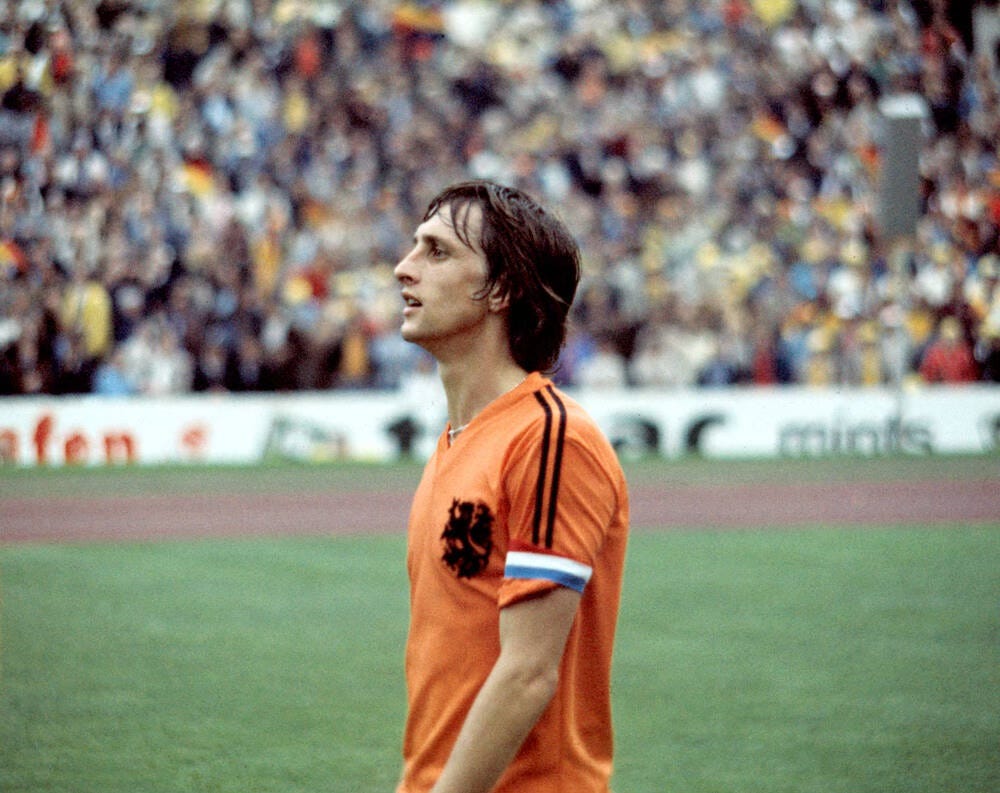
Granted, there are few people like Cruyff. And no footballers like him now. (Are there any sports people now?) But sports documentaries removed ideas and the power of allegory or metaphor from themselves. And instead became about telling the story of what happened. Not why, or what that meant, but just what happened.
They’ve settled into a grammar of triumph and redemption, a pursuit of the universal that has made them utterly bland. When did you last watch a sports documentary that seriously engaged with a political idea? A social one? That used sport as a window rather than a subject?
This is partly because they aren’t really documentaries anymore. They are corporate vessels - essentially branded content. If the person it’s about is an EP (ahem, like goldenballs himself), then it’s basically an advert.
It’s all corporatised to remove any sense of culture, politics or the greater world.
Which, of course, is exactly what’s happened to the World Cup.
Three host countries and 48 teams are too many in each category. A 980 sticker album? The tournament has become so obviously about money, so bloated, so lacking in any coherent identity, that it bears almost no relation to the thing it supposedly is - a global celebration of football.
Watching this World Cup is like watching the Rolling Stones now. Ageing, hugely corporate, full of faces very present in the Epstein files.
The World Cups I watched as a kid felt — I know this is romantic, I don’t care — more like watching the Rolling Stones in a pub in Brighton in 1965. That’s still pretty commercial, but full of local flavour and immediacy and idiosyncrasy.
What’s next for football after this? Is there a saturation point? At some point you wonder if the thing breaks under its own weight, or if we just keep watching anyway.
Oh and just so we are clear, I reserve the right to delete this entire post if England make it to the semi-final. And I reserve the right to fly to New York, and to get a Harry Kane tattoo if they get to the actual final.
But I’m still gonna be snooty about it.
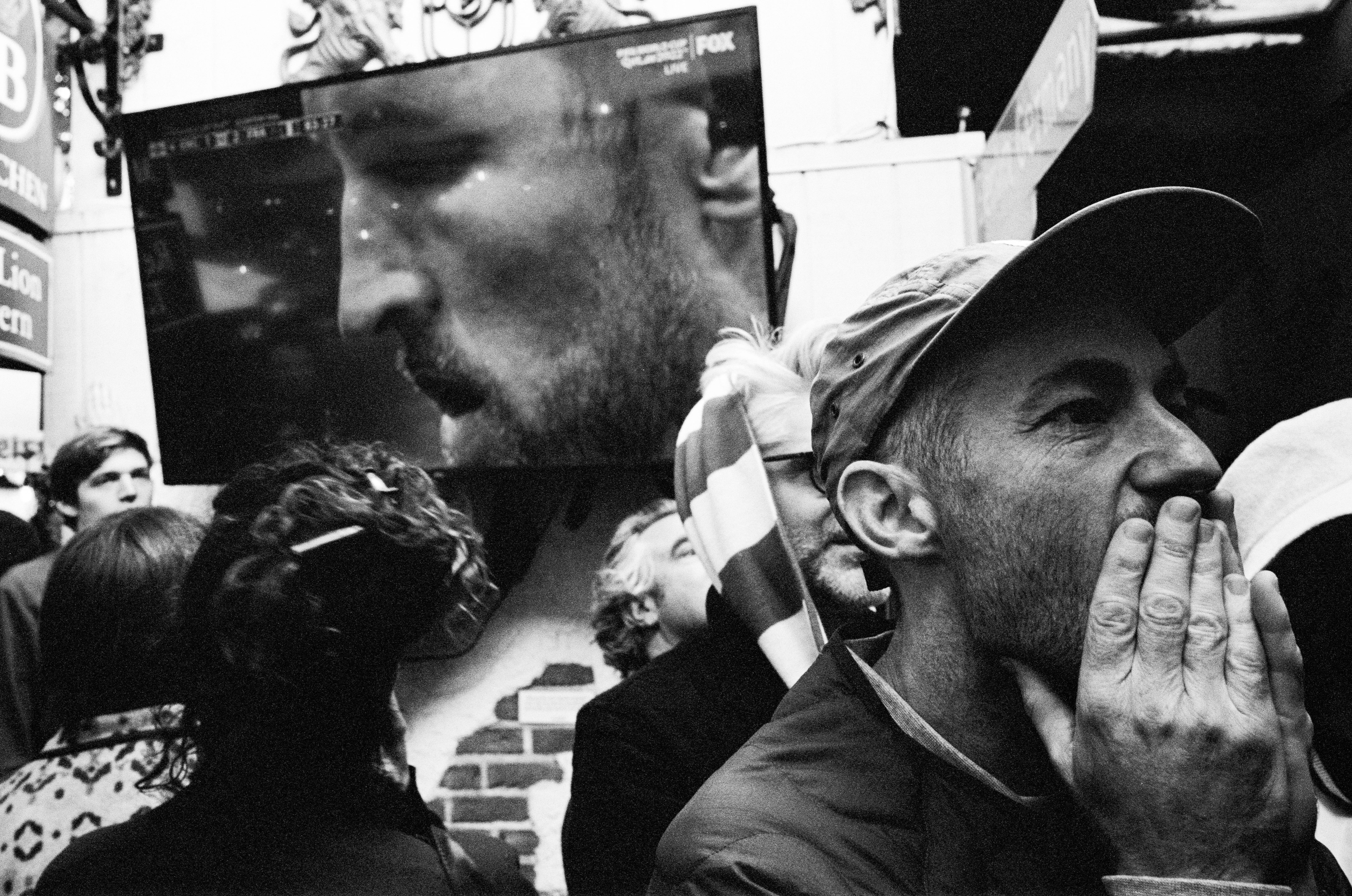
This may all be denial. Or just old man complaining. Both are very possible.
Comments
Nothing yet. Say the first thing.
Sign in to join the conversation.