
The last Little Scraps of Paper I did was with filmmaker Isabel Coixet.
You can see it here:
The reason I thought Isabel would be such a great subject was that I saw her in discussion with the writer Estrella de Diego, and at that discussion there was a section of audience questions with some truly terrible questions. You could see Estrella and Isabel almost freezing at some of them but the way that they turned them into interesting experiences for everyone there felt pretty inspiring.
There’s a generosity and skill to being a good answerer. To make an answer revealing and insightful and not just a regurgitation of past anecdotes is quite the art. And helping the stumbling questioner get to a deeper understanding is a subtle act of benevolence.
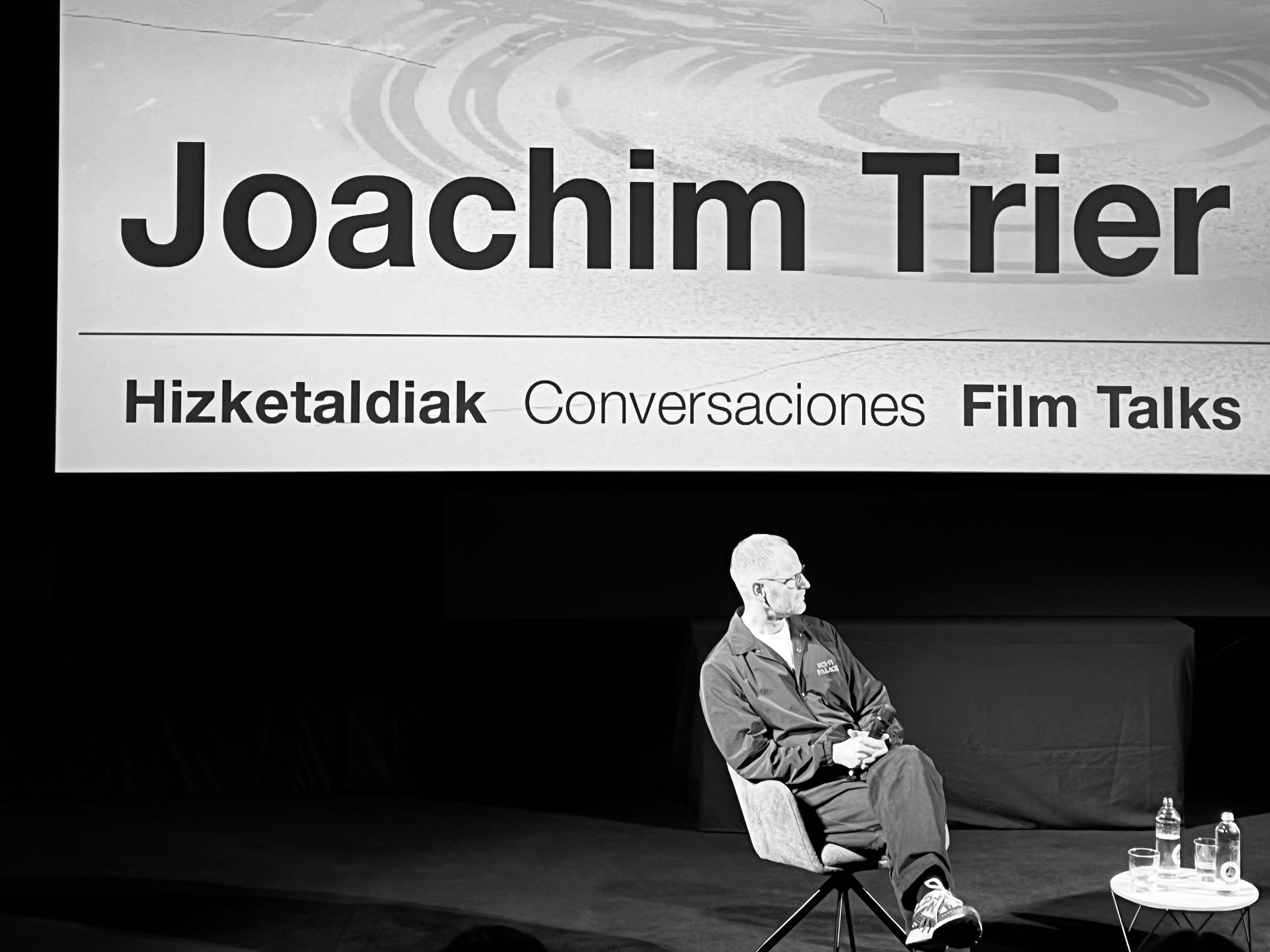
But the questioners don’t always deserve that.
Often terrible, ungenerous questions ruin what should be an amazing experience.
These sessions should be exciting and change not only how you feel about the film yourself, but give you a depth and enlightenment.
So often they are not that.
So often they are at best the brief summary intro in a populist magazine
I’ve kind of always felt that they should be playful and a bit of a willing dance. A match between the openness of the speaker and the curious perceptiveness of the questions.
A Q&A session is a responsibility to other people. And your job is not to be interesting but to be interested.
(I generally think one of the most important thing you can tell a young person is that if you are interested, interesting will follow.)
Some basic rules.
(These are of course rules for Q&As when I’m attending. if you’re coming to a Q&A with me then ask whatever you like. I’m just delighted you’re there.)
Don’t start by saying you are an actor a filmmaker or a writer.
Don’t ever lead with a statement. If you can’t fold your statement into a question then you need to spend more time working on the structure of your sentences before you think of standing up and taking the microphone.
Don’t ever announce that it’s a two part question. Make the two parts feel like one question, otherwise it’s telling the rest of the room that you are doubly as important as them.
Don’t come to a Q&A with predetermined questions that aren’t about the subject at hand. Especially if they are totally off theme, and totally predictable.
Don’t ask easy bio questions that are available online, could have been read before, and to which the artists can only give performed answers we’ve all heard before.
And filmmakers, when answering don’t retread the same stories and worn responses. Try and engage with the moment and the people in the audience.
Make it a unique, personal experience for everyone there. Be thoughtful and listen, don’t make a politician of yourself.
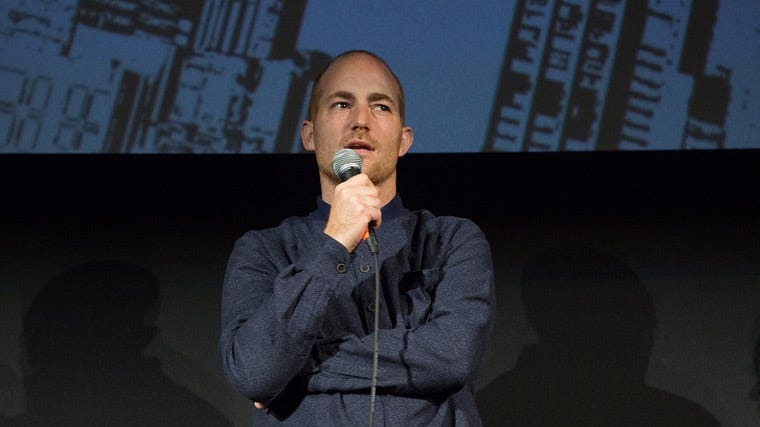
A Q&A is a special place to me. It should be a place to ask a special question.
Do your research and have a question that really really responds to what’s happening in front of you. Go deep!
When I was a teenager in Devon, England I invented a pretend film magazine. And I wrote to some publicity people in London working on films so that I could get occasional press invites to film screenings with directors. I would buy one train ticket and see how many journeys I could make it last for. (There were no automatic barriers then so as long as I could avoid a ticket collector by hiding in the toilet, or walking up and down the length of a train pretending I was just on the way to my seat or even breaking out my journey to avoid them, then I could get to London and back pretty cheaply.)
And a 6 hour round trip was always worth it to see a perceptive director speak.
I once got to see Robert Altman talk because of this. I went to London on my own just to go and see the press screening of Kansas City and see Altman go deep with a journalist. I saw David Cronenberg too. That was very cool.
Because to me then, as it is now, seeing a new film with the director is an incredibly exciting experience.
(And not only directors! I saw Rodrigo Teixeira speak recently. He was fascinating and specific and thoughtful. And made the talk feel specific for who he was speaking to. He mentioned Paul Mazursky’s Show Me the Magic and it felt like a personal recommendation.)
It makes it an individual specific event. And the Q&A carries that responsibility. It should be specific and relevant to that individual moment.
It should be relevant to the time and place that the film is being shown in.
So can we all vow to make Q&As feel magical and unique? Both questioners and answerers?
Thanks.
I’m genuinely interested in how we elevate these experiences and naming the terrible ones, so I’d love to hear from you.
What awful questions have you witnessed?
And what was the most exciting Q&A you’ve ever been to?
Comments
Nothing yet. Say the first thing.
Sign in to join the conversation.