
Yesterday at 4:30pm, a massive earthquake hit Kumamoto City, where I live. This is what happened:
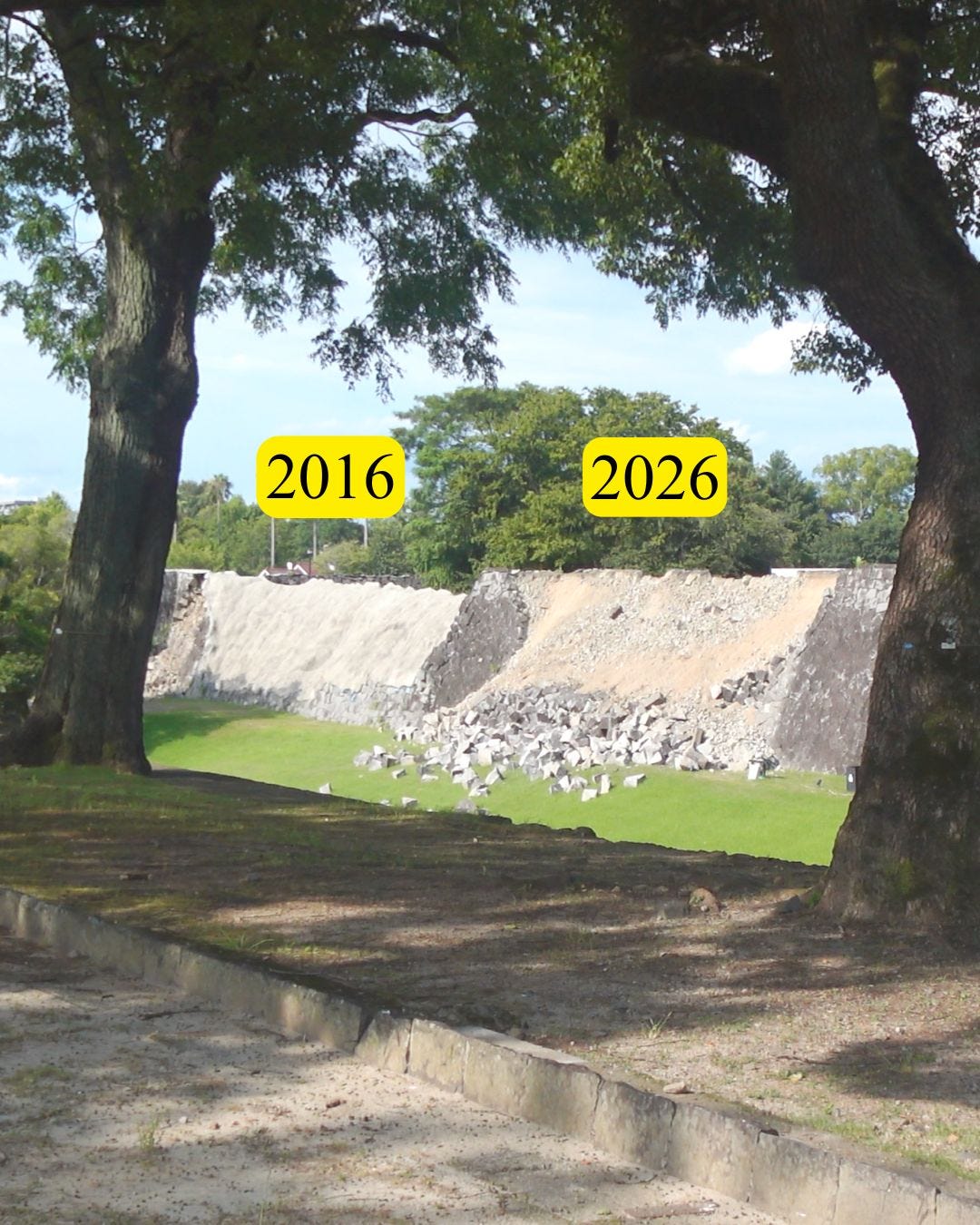
The quake registered a preliminary magnitude of 7.1, later revised to 6.8 by the USGS, and hit shindo 7 — the highest level on Japan’s seismic intensity scale.
When I was in it, it was like being shaken inside a snowglobe. By this morning, officials had confirmed at least 13 dead, with many more injured or still unaccounted for. Most of the toll is tied to the Aeon Mall collapse — two women in their twenties died there, and dozens of workers were initially unreachable after part of the building came down. Roughly 300,000 people across the prefecture were told to evacuate to shelters, and rescue crews were still working through the night as aftershocks continued.
It was my last day at work, so I’d left early and was sitting at home when my entire apartment started shaking violently. I didn’t understand the magnitude of what was happening, but somehow I stayed calm (by screaming). Nothing broke in my apartment, except maybe my ancient refrigerator. My first instinct was to run for the door and get outside, but the shaking was so bad I couldn’t even stand up. I keep thinking that an earthquake this size would have devastated a country like Venezuela — but here, the buildings held, including mine. If I weren’t in Japan, with these building codes and this kind of engineering, I don’t think I’d be alive right now. I’m grateful for that.
Dylan, an assistant language teacher at Kumamoto Kogyou High School, was on the tram when it hit. He said the big tree in front of Sakuramachi, the central bus hub, was swaying wildly, and the whole train car jolted back and forth. After the worst of the shakes, an old man panicked and pushed to the front demanding to be left off the tram. But everyone talked him into staying seated until they could be evacuated properly. It was surreal seeing my own students on the news too — they were at cram school when it struck. The high school where I used to teach, as a JET, sits right inside the castle grounds.
( Memo: The Japan Exchange and Teaching (JET) Programme brings young people from overseas to work in Japanese schools and local governments. Most participants serve as assistant language teachers, while others support international relations or sports exchange. The program aims to improve foreign-language education and strengthen cultural exchange between Japan and other countries. ‘JET’ usually refers to the teachers in popular parlance)
Around 6:30, my water was still running, so I went out for supplies. I grabbed some food but skipped water, since I thought mine was fine — the only place with toilet paper was Shinmotori’s Don Quijote (Donki/ドンキ) still partially open despite leaks coming from the ceiling. By the time I got back around 7 or 8pm, the water had been shut off. So I went out again, and this time there was no water to be found anywhere. Most of the stores I tried were closed — I think every single one was. Eventually I gave up on stores and started working the vending machines instead, just grabbing bottles wherever I could.
Through all this, news kept trickling in. There’d been an explosion at the Aeon Mall — we still don’t know what caused it. A factory in Yatsushiro lost its chimney, and I believe some workers there lost their lives. Part of the wall around Kumamoto Castle came down too. And 48,000 people are without power.
This is three months after the tenth anniversary of the 2016 Kumamoto earthquake, when the castle nearly collapsed entirely — they’ve been rebuilding it for ten years since. That disaster wasn’t a single event either; the first big quake was followed 2 days later by an even bigger one. That history is exactly why people are leaving the city now. I watched neighbors grab their go bags and head out the moment they were packed, afraid of a repeat of 2016. I have my own go bag ready too.
I woke up this morning to another strong tremor, around 7am, and it was frightening. But my water’s back on now, but not for some of my friends in the area. I’m hoping that’s the worst of it.
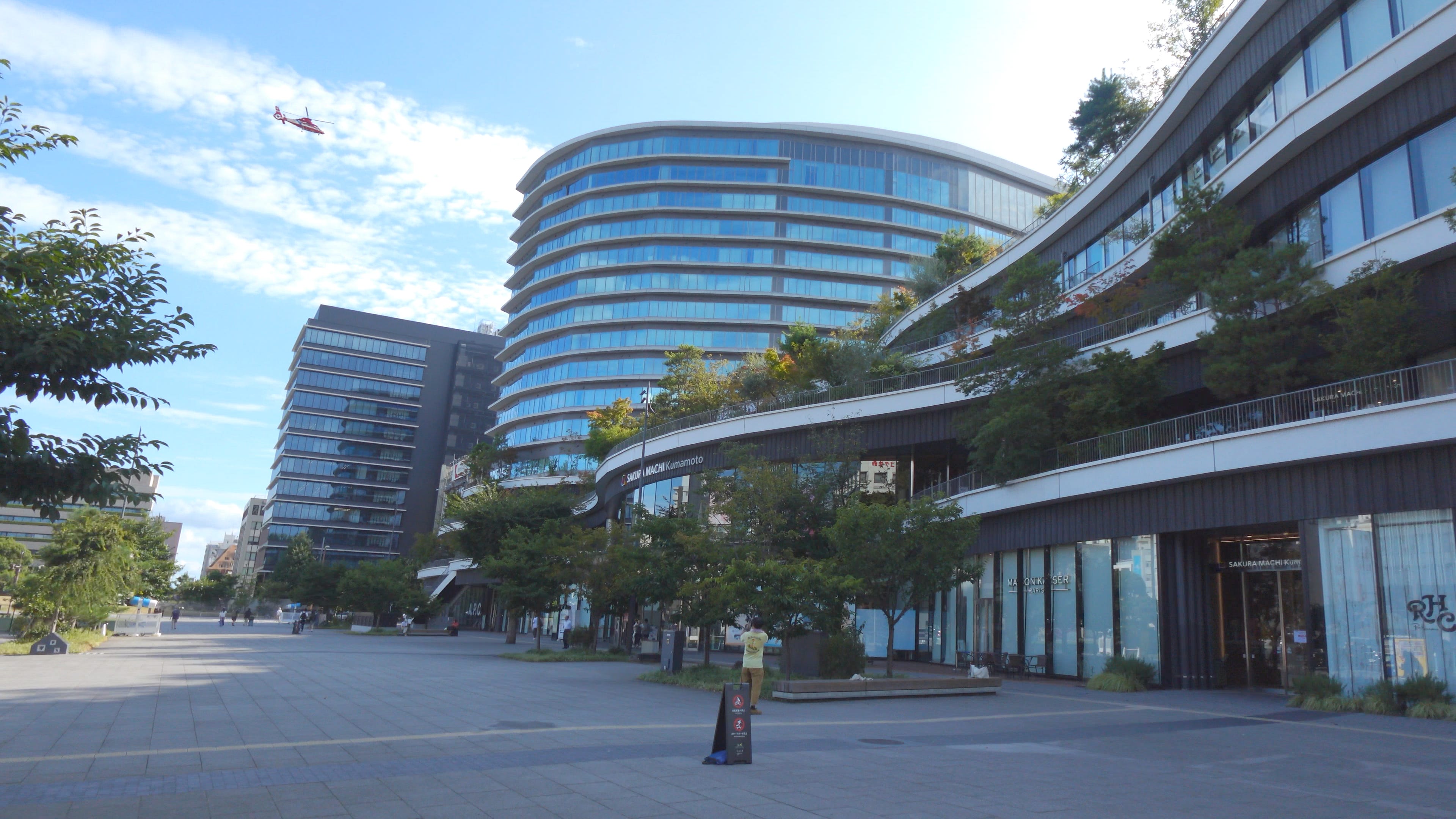
Now more than 24 hours have passed and the city is quiet. July 29th 4:30 the central bus terminal Sakuramachi was ghostly, transportation running, but businesses closed. Everything was too casual, and if you weren’t paying attention you wouldn’t notice that the city was international news. The roads had been cleared for the most part, the buildings were still intact and the bridges all safe. Even Dylan went to work. As I traveled across the city gas stations were packed with cars preparing for another emergency. But there was something off, even the airport was back in operation despite reports of damage to the runway. Every so often the tremors would hit and I’d want to hit the floor like I did in my apartment, but no one else even seemed to notice. It was surreal and uncanny, especially knowing that only a few kilometers away crews were working to find any signs of life or former life at the Aeon Mall in Kashima.
My takeaway is Earthquake trauma, but also resilience. I will still probably flinch and cringe at every aftershock, but I can also imagine how it passes like the wind through the branches of the tree at Sakuramachi.
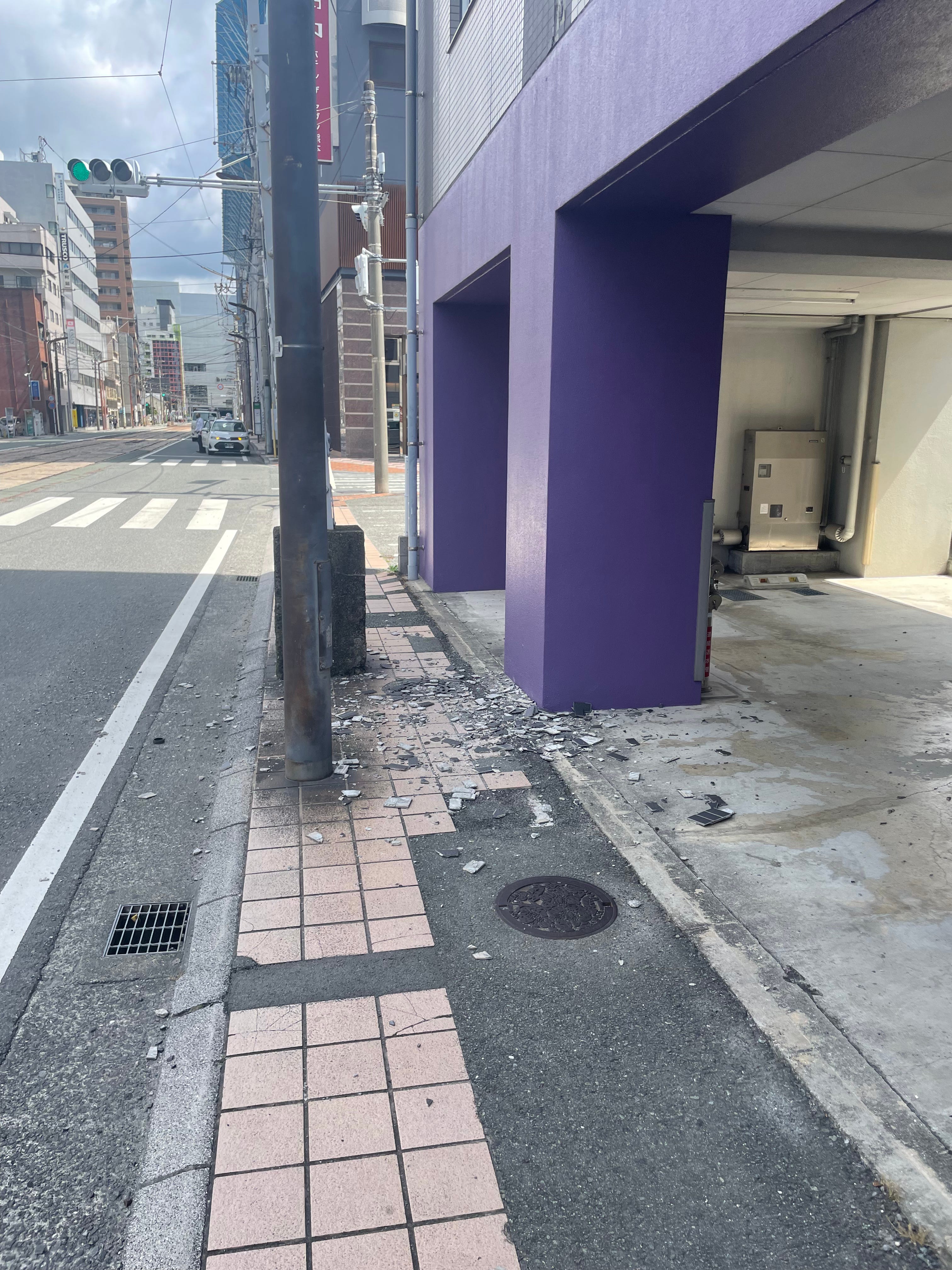
Thanks to Tory Tale for contributing to this article. You can find her updates and her musing on life in Japan on her Instagram: Tori In Japan
Note: Jake Adelstein edited and contributed to this article. Originally posted on July 29th 5pm. We are all wishing for the survival of the quake victims and hoping for the restoration of the city and the area.
No posts
Comments
Nothing yet. Say the first thing.
Sign in to join the conversation.