
Welcome to TOGS! Here we explore the culture of fashion in the outdoors, test clothing and gear, poke at trends, and bring you interesting stories from people who sport in style.
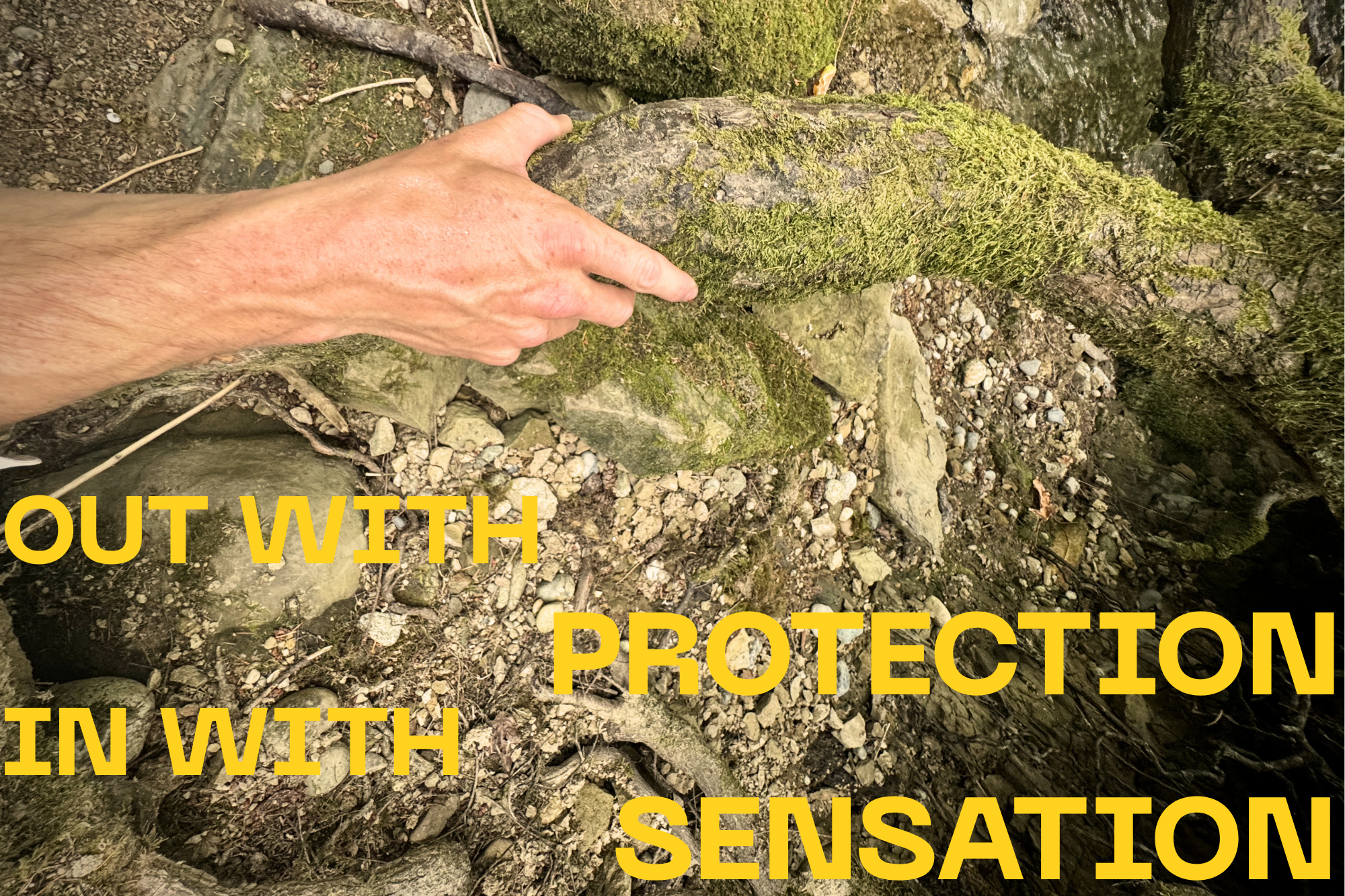
Hello, TOGS.
North here. On a recent Saturday morning, while paging through The New Yorker, I stumbled into this Alex Ross piece on Jürgen Habermas, the great German philosopher who died back in March. It began like this:

Oof. An accurate summation of our times, maybe, but also a rough one. Can anyone blame us for wanting to take a hike?
As we’ve noted here before, we in the West have long looked to the outdoors as the place we can go to escape such crap, i.e. the distractions, pressures, superficialities, and dissatisfactions of modern life.
If we’re thinking in generalities: the city—and, in the last twenty-odd years, the Internet—has been loud, corrupt, and overwhelming, whereas the outdoors have been quiet, pure, and soothing.
Or maybe the city has been overly civilized, constrained by social convention, and safe in such a way that is boring. Then the outdoors have been wild, wild, wild—a harsh-yet-splendorous realm we can visit to experience the world as it actually is, or as we imagined it once was.
These are, of course, fictions: maps and pictures that live in our heads. And while I do believe they hold important truths that are based in experience, I also understand that they are constructed and contingent on history. In no way are these ways of thinking natural, per se.
In fact, we can trace them back to dusty ideas first outlined by blokes writing about nature hundreds of years ago.
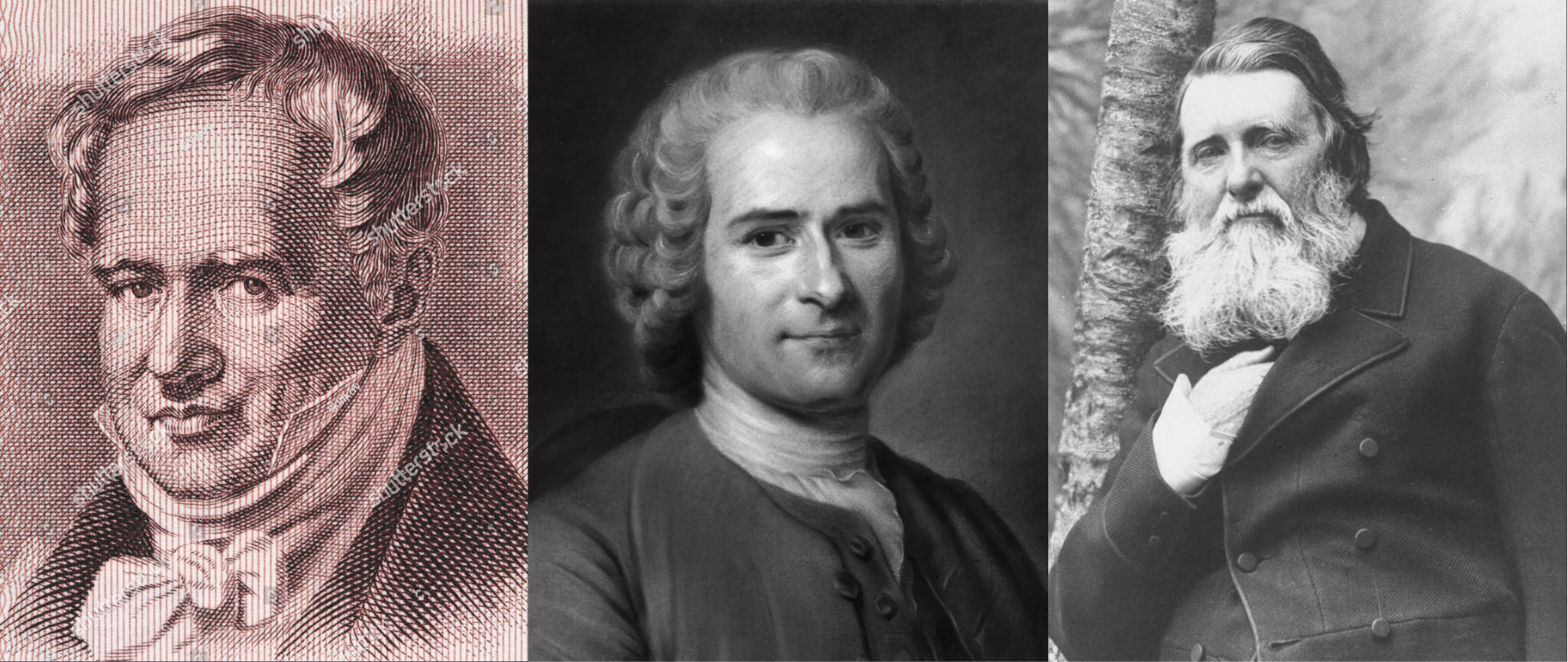
A hasty sketch of our intellectual debts: from the Enlightenment, we inherit an obsession with exploration and discovery. From the Romantics, we get the conviction that beyond the loud, toxic, stodgy city lies something else: namely (for our purposes) forces of nature powerful enough to overwhelm, and dissolve, our paltry little senses of self. Later on, the Victorians gave us the idea of productive leisure, which holds that free time should also somehow improve the body, mind, or spirit. Taken together, these beliefs form the basic impulses behind our most common outdoor outings—and also the marketing campaigns that sell us the gear we need to take them.
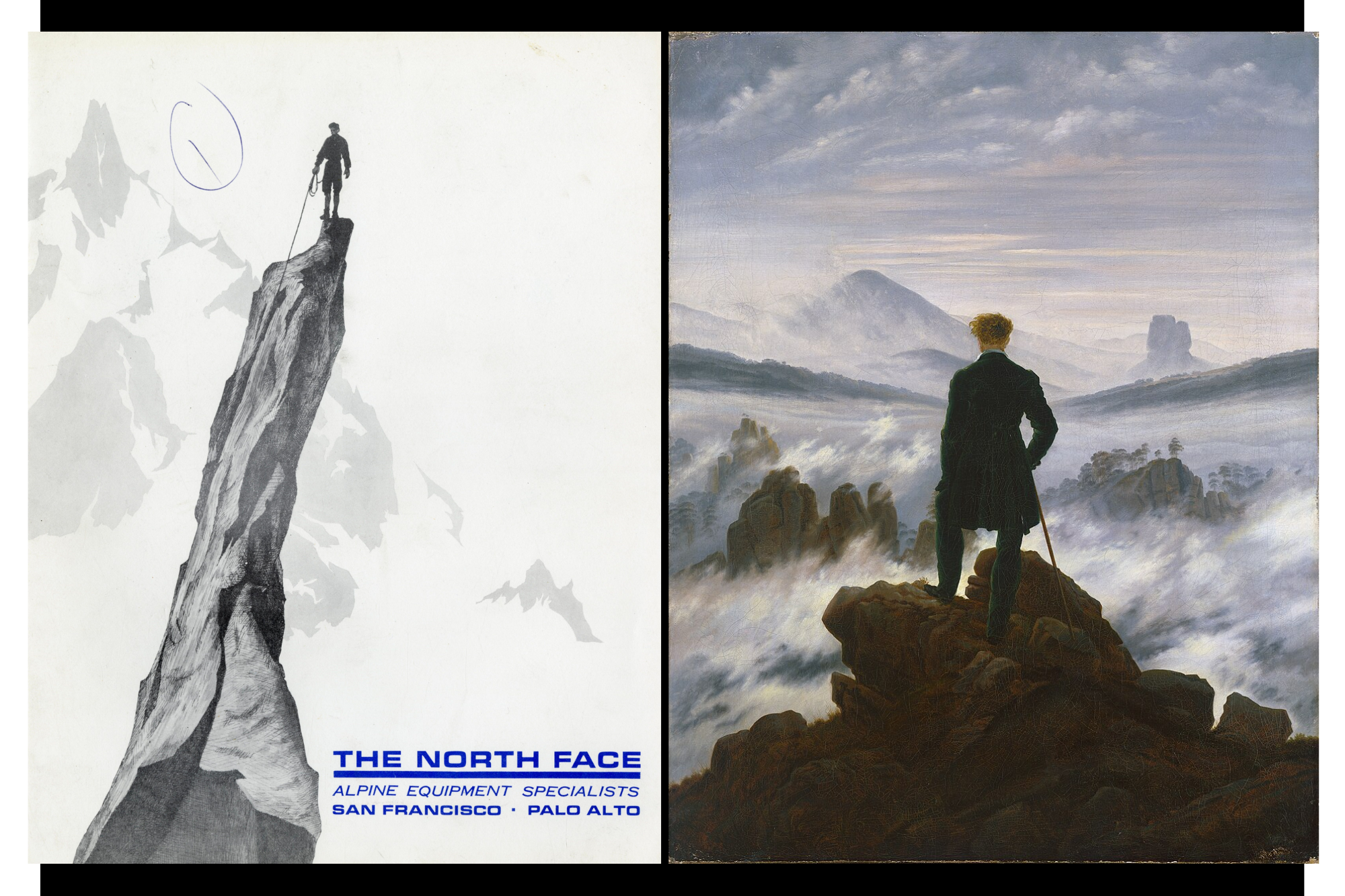
And to really drive the connection home, we have the cover of the first catalogue from The North Face (1966) beside the iconic Romantic painting Wanderer Above the Sea of Fog by Caspar David Friedrich (1818).
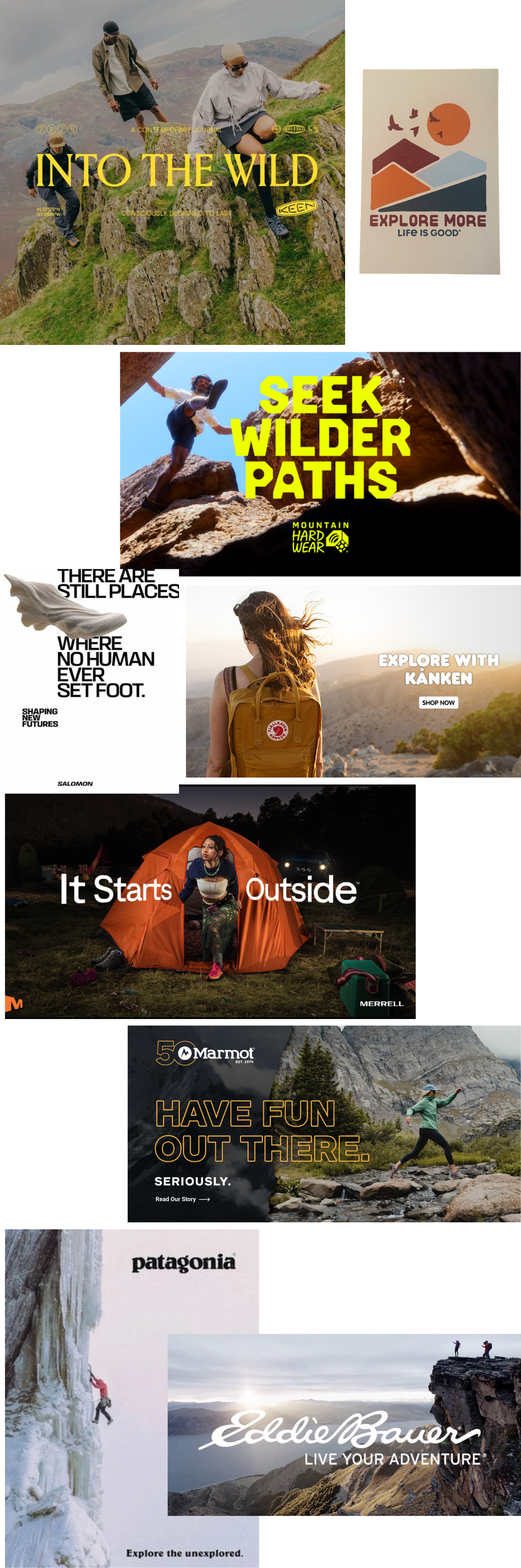
What does all this have to do with outdoor style? Well, beyond practical function, the semiotic function of outdoor gear is to signal the types of experiences and achievements it was designed to enable.
Wear this to feel like you’re on a expedition.
Wear that to feel like you can summit the highest, scariest peaks.
Dress just so to feel like a Real Serious Mountain Athlete.
Put this on to feel like a fun unpretentious “mountain athlete.”
And so on.
For a long time, especially within mountain and endurance sports, the practical and semiotic functions of outdoor apparel have been united in a mandate for protection: the world and its weathers can be life-threatening, and those setting out to explore far-off places, feel small in big terrain, and/or pant their way to an FKT expose themselves to its many-faced harshnesses.
Bitter cold, driving wind, pounding rain, endless snow, burly sun: these are the conditions most outdoor gear was designed to protect us against. Hence all the weatherproof shells and jackets and vests and pants and boots. These are clothes built from durable, opaque fabrics; equipment that bolsters, obscures, or inflates our figures; layers that block out the world to preserve the life of the squishy self beneath them. And so, often, being (and looking) well-prepared for the outdoors has become synonymous with being completely covered against them. (See below ↓)
Lately, though, outdoor clothing has started to feel a bit…more open?
I’ve been noticing a proliferation of perforations and sheer fabrics, the return of large cut-outs, biophilic designs that feel creaturely and ergonomic designs that accentuate the human form. In footwear, I’m even clocking the abandonment of Big Cushion™️ in favor of a something more flexible, closer to the ground, and fingered.
I’m seeing, in other words, a movement away from protection and toward...what? Sensation?
Comments
Nothing yet. Say the first thing.
Sign in to join the conversation.