
Our articles are completely free to read. If you enjoy our work and wish to support our book, there’s an option to upgrade to paid, but only if you want to. We are grateful to all subscribers! We encourage readers to share about our book Beyond the Politics of Contempt: Practical Steps to Build Positive Relationships in Divided Times on social media, or write a review on Amazon, Goodreads, or elsewhere. And if you haven’t read our book yet, consider asking your local library to request a copy of our audiobook for you!
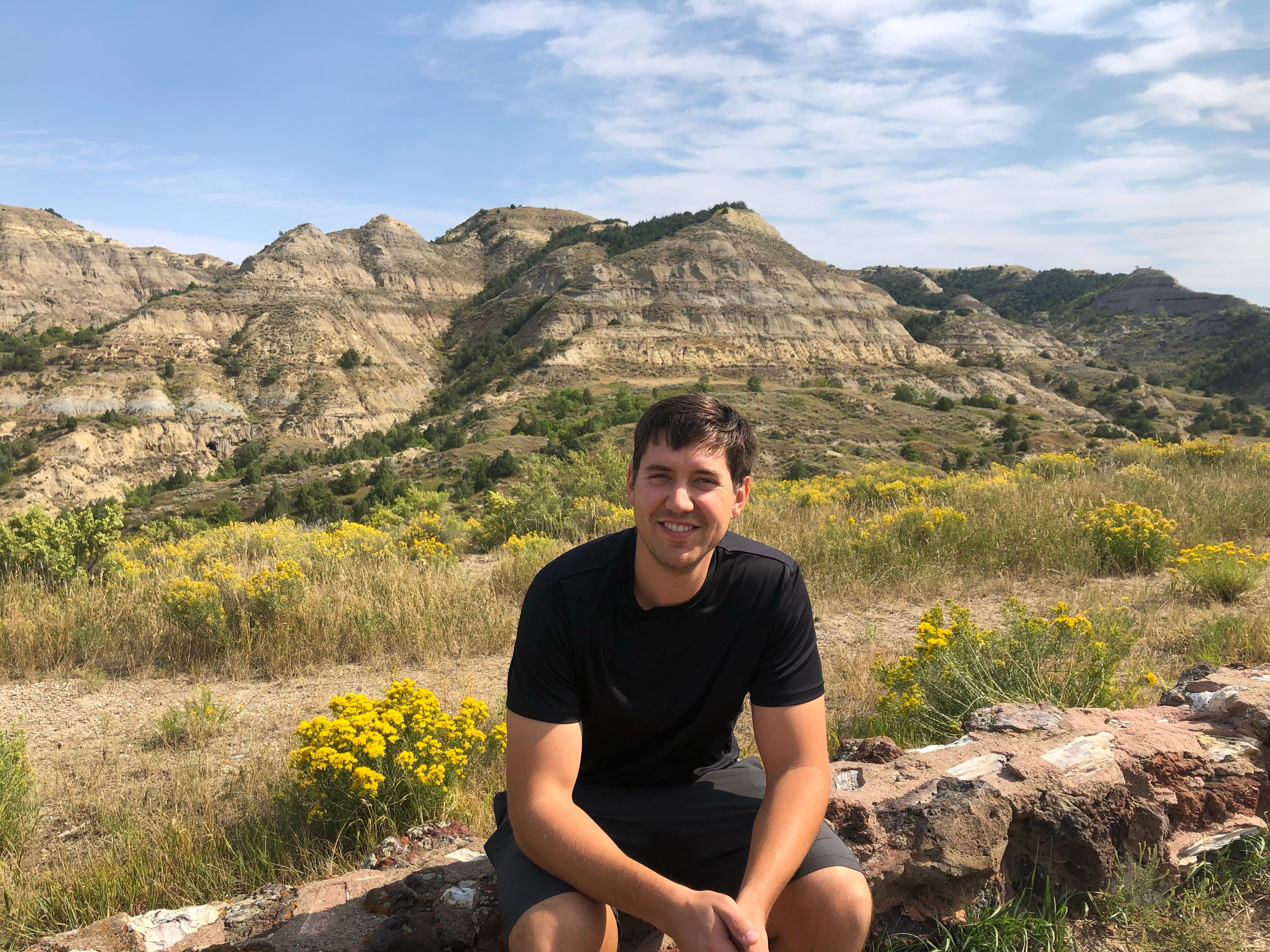
This week, we welcome Wesley Warshawer as our guest writer. Wesley writes:
“In 2017, I read a poll that said:
~50% of the American electorate voted for Donald Trump
~33% believed that the Adam and Eve story in Genesis is literal, historic fact
~50% of the country lived in a house with a gun
I remember being uncomfortable after reading this. Not because I had a problem with any of these groups, but because those poll statistics were not reflective of my circle of friends and colleagues. My surroundings were not representative of this data.
This was an epiphany moment for me.
I was completely disconnected from a huge segment of America, not because I purposely avoided anyone, but because I was in a bubble. I was working in Silicon Valley, California—an overwhelming liberal and urban environment.
I felt embarrassed that I was so out of touch with my own country.
For three years, this poll was lodged in my brain, stewing and simmering in my mind. Then one day, my job became remote. My employment was no longer tethered to the state of California, as Covid sent all software employees out of the office.
I thought, this is my chance.
I got rid of my apartment, sold or stored my possessions, packed up the car, and began traveling to the most rural and conservative pockets of America. I wanted to exit the Silicon Valley bubble and inhabit a new one, in order to learn.
Question: Which city in America with a population of over 100,000 people had the highest voter turnout percentage for Trump?
Answer: Bismarck, North Dakota.
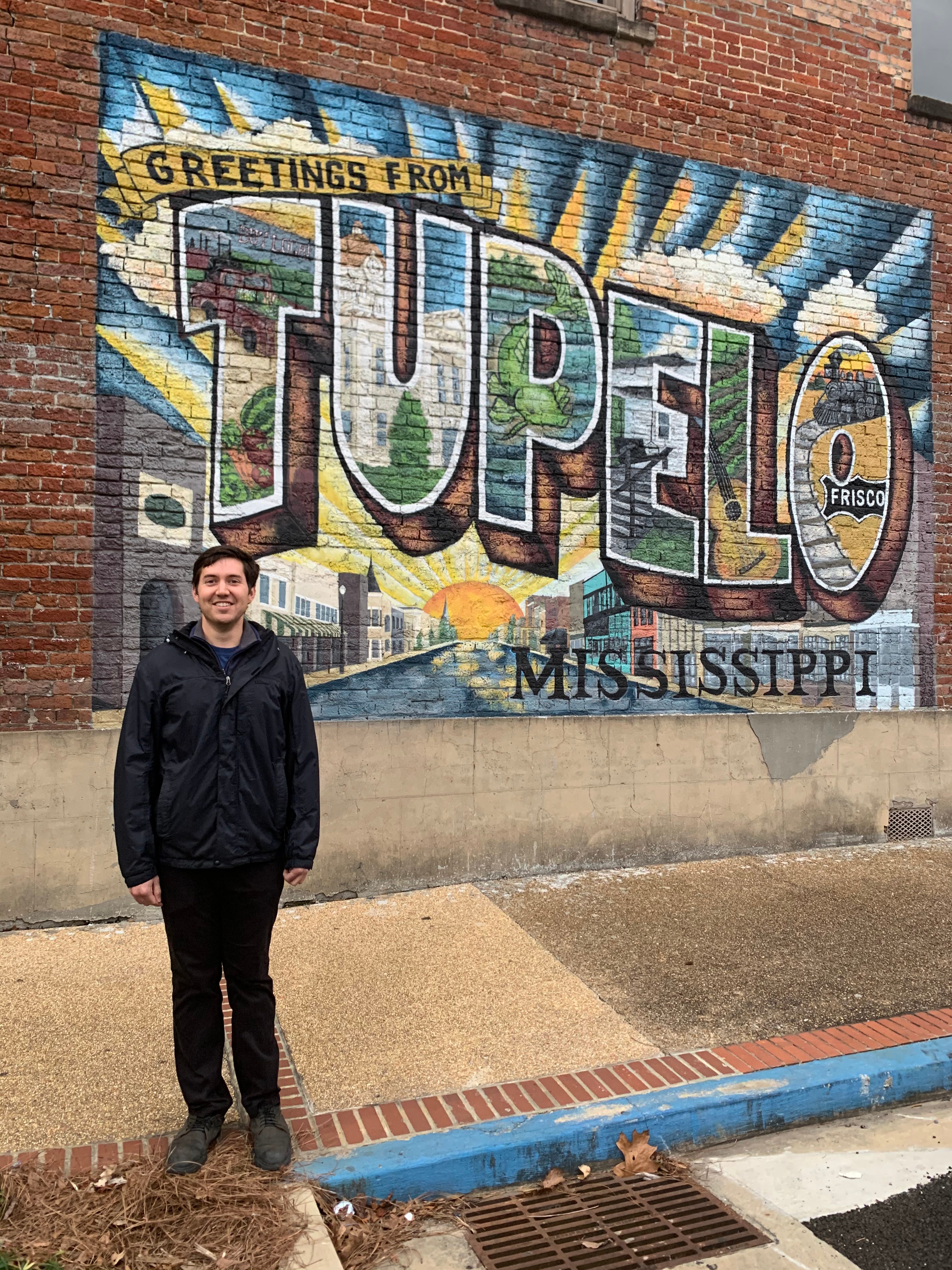
So that was my first destination. For the next 18 months, I drove from Bismarck, North Dakota to Biloxi, Mississippi. I would book an Airbnb for 4-6 weeks in a town. By day, I was working remotely for a semiconductor company in California; by night, the computer was closed and I was out talking to people. I struck up conversations with anyone I could, talking to locals about their beliefs, values, politics, communities, and hopes for the future.
The lesson learned:
America’s division is overstated.
While binary opinion polls show stark differences, Americans share common values, guiding principles, and an ethical framework.
For example, when I asked liberal Californians and conservative rural Americans:
Do you support a wall on the southern border, yes or no?
Do you support Obamacare, yes or no?
Who do you support for president, Biden or Trump?
I got remarkably different answers. This must show America’s division!
However, if I changed the question slightly:
Paint me a picture of a fair immigration policy.
Paint me a picture of an ideal healthcare system.
Paint me a picture of the attributes a good president should have.
The pictures that the Californians and rural Americans painted were remarkably similar!
When I asked the important questions, regarding fairness, justice, and the moral compass that led their lives...I found the answers completely alike.
So, that begs the question: why does the news media continually highlight our division, through binary polls and exaggerated references to our position on the “brink of civil war”?
The bubble—ubiquitous across all cultures and subcultures—can explain much of our perceived division. The problem is not that bubbles exist, but that we have become remarkably bad at communicating with people outside our own. In such an interconnected world, we think we know a lot about other types of people, but we don’t.
I remember walking into a BBQ restaurant in Alabama, and the owner asked me where my accent was from (of course, I thought he was the one with accent). I answered that I worked in California. He slowly shook his head and said, “You can eat here, but don’t bring that California socialism over here.”
I promised I wouldn’t.
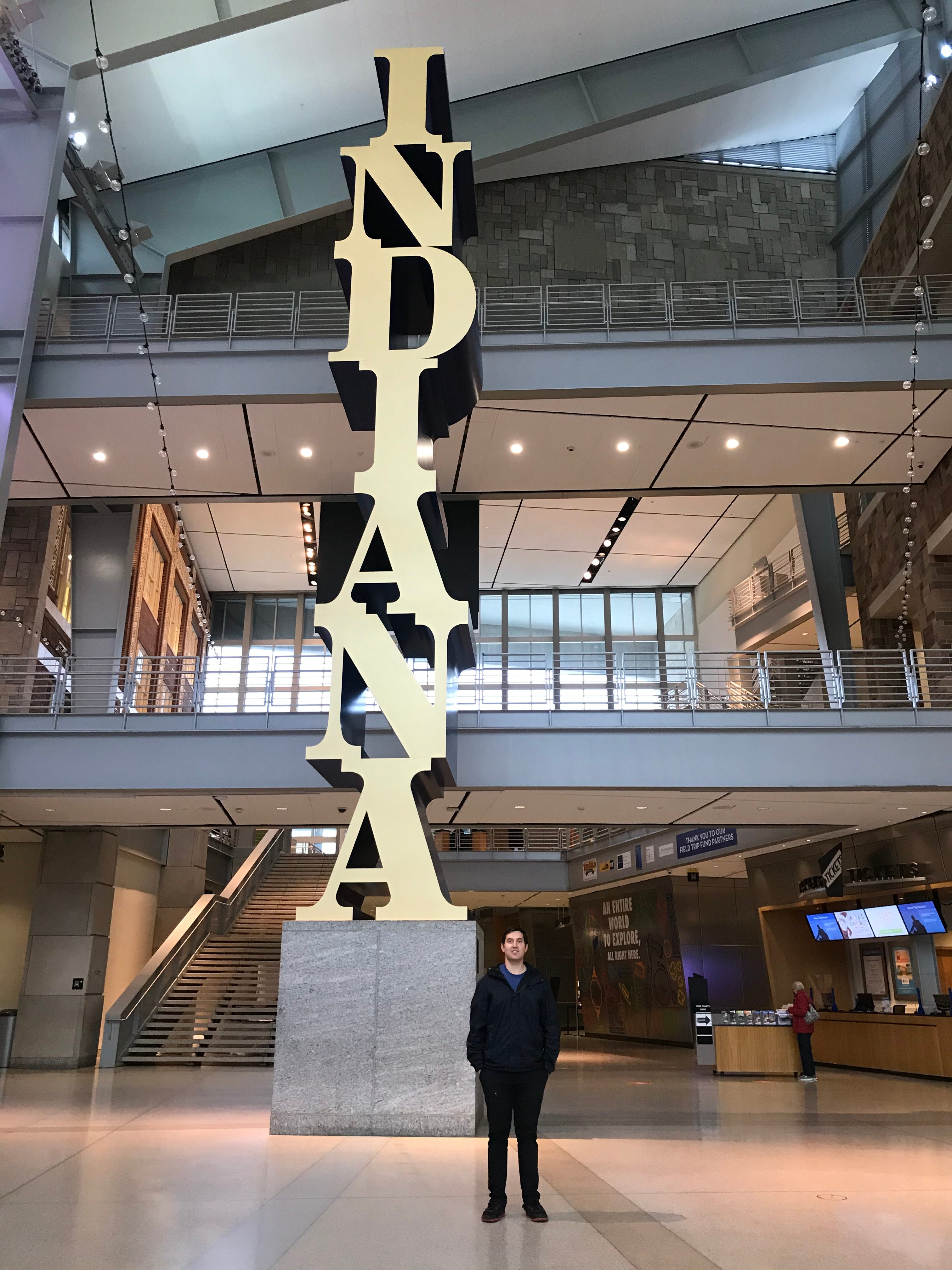
When I was in the Midwest, I remember texting a Vietnamese-American friend about my adventures. She told me that it was great that I was having fun, but she definitely couldn’t survive there because “probably those people had never heard of pho.” I did a quick Google search and sent her a screenshot of my map, indicating 6 Vietnamese noodle restaurants within 15 minutes of my location.
We are all judgmental of each other, without knowing the facts. We presume things without knowledge.
America is not fundamentally divided.
However, I do admit that we have a problem. We think we have nothing in common with people across the political, social, geographic, or economic aisle. We feel divided, so we further retreat into the comfort of our respective bubbles. We demonize the other side, and our rhetoric and actions put an increasingly larger wedge between us. Tensions flare, and people get angrier and more hateful.
This is a behavioral problem that we must address. But, based on my travels, the ethical foundation underneath American society does appear to be intact.
That gives me confidence that we can figure this out. With a shared value system, cultural principles, and ethical norms, I believe we can heal the country.
I hope I am not the last American optimist left.”
Wesley Warshawer works in Business Analytics at a semiconductor company in Silicon Valley. His job is to understand data and communicate about it. A former Fulbright Scholar to South Korea, Wesley loves to step outside his bubble, explore new cultures, and translate complex ideas into stories that help people understand each other.
Thank you for reading Wesley’s article. If you are interested in doing a guest article, please reach out to us at connect@beyondthepoliticsofcontempt.com. Check out our “About” page for guidelines or just write us. With close to 1400 subscribers, we want to amplify the messages of others who write about standing up for our beliefs with dignity, respect, curiosity, and humility for others. Personal stories are welcomed!
No posts
Comments
Nothing yet. Say the first thing.
Sign in to join the conversation.