
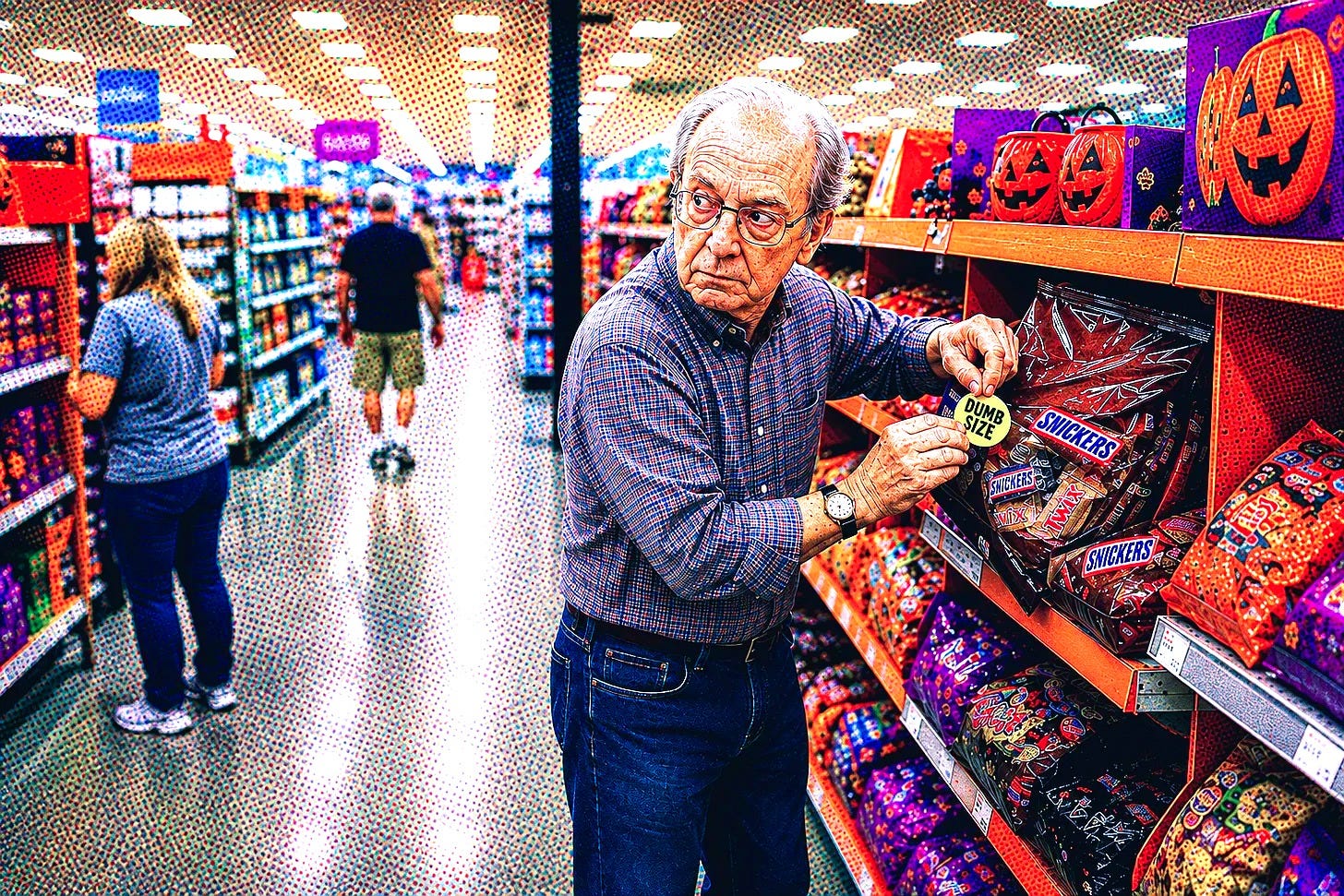
This is a nostalgic story of how the candies of my Boomer youth took on the Candy Industrial Complex — a cabal of brands and manufacturers that have used Halloween to snuff out their competition.
I’ll tell you more about that in a moment. In the meantime, to jog your memory or introduce you anew, here are the main characters in this story:
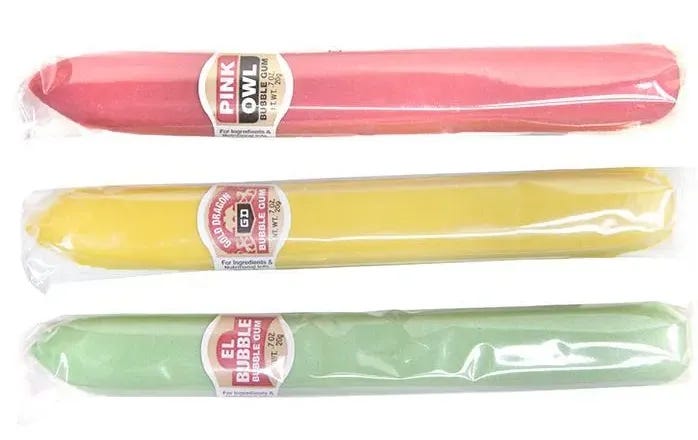
Candy cigars. They gave kids like me the chance to fantasize what it would be like to be cool and have throat cancer at the same time … or be a gay Al Capone.
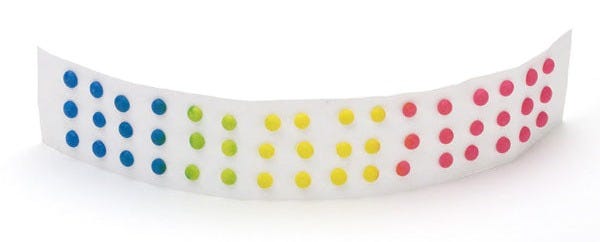
Candy buttons. Plucking them off the paper, which resembled a CVS receipt, was fun. But the payoff was akin to eating pistachios: a lot of work, but not a lot of raw satisfaction.
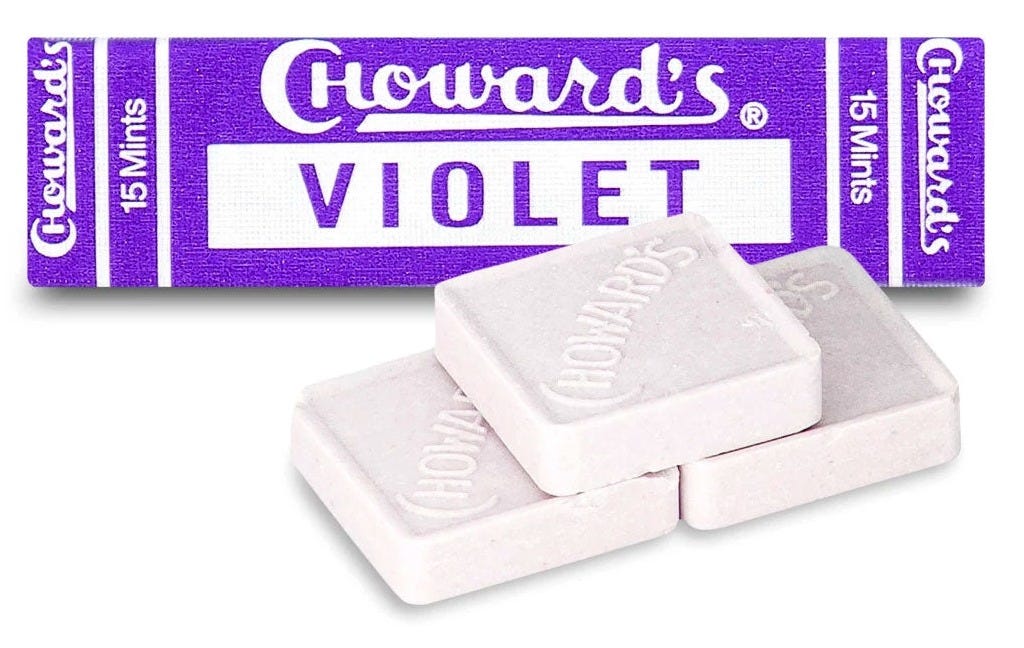
Nobody could ever describe what these tasted like. But they had an air of sophistication that made them curiously appealing. Only cowards would say “no” to Chowards.
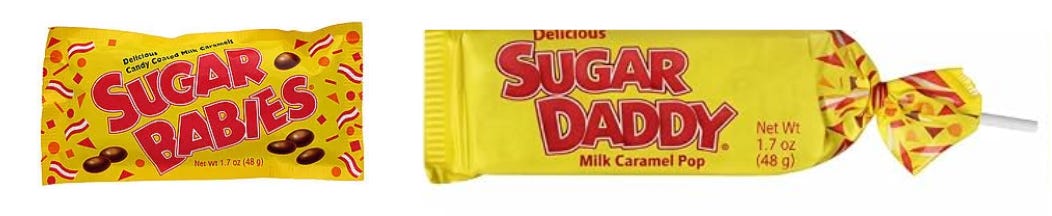
Dental anarchists originally conceived these two candies to appeal to Sugar Babies who sucked their Sugar Daddies in pursuit of their wealth, lost their teeth in the process, and had to settle for a chewy candy instead.
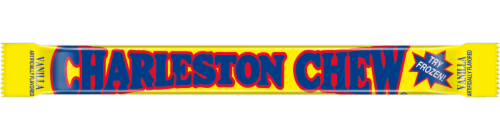
If you bought one of these nougat bars and it wasn’t hard as a rock, it was your cue to go out and buy a lottery ticket. Introduced the concept of asking “is it fresh?” to candy.
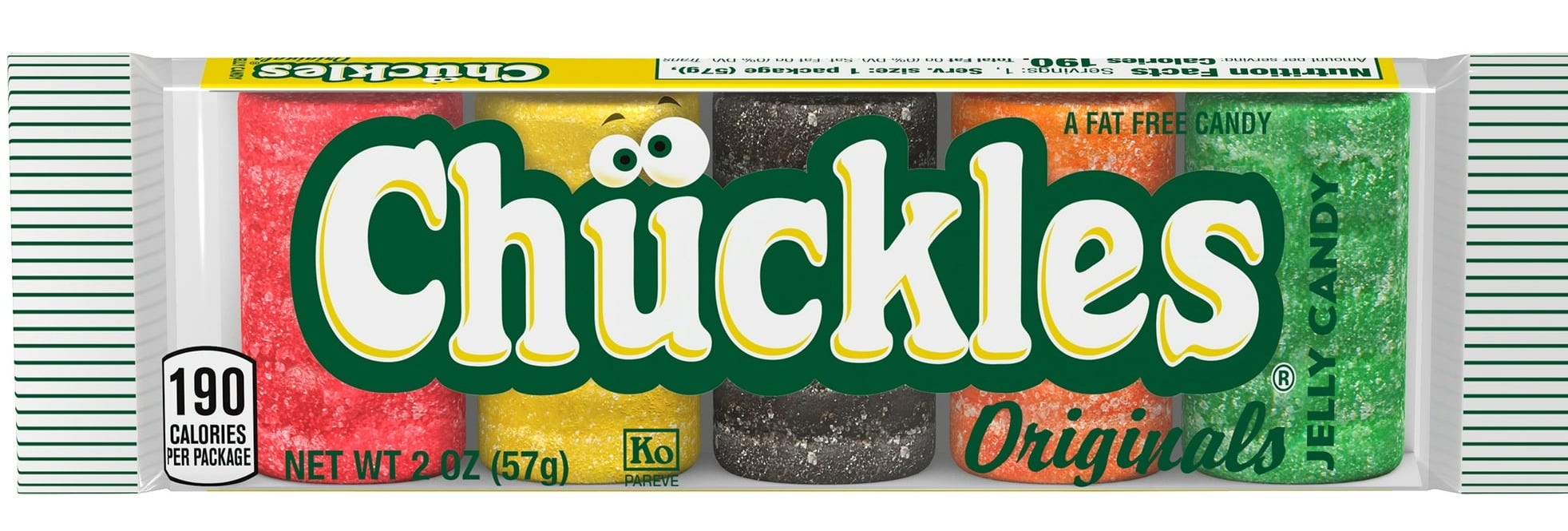
Rumor had it these sugar-dusted jellies were invented by the “first” Chuckles the Clown, who had a dry cleaning business by day and did birthday parties on weekends. The presence of the newer Chuckles still haunts the brand.
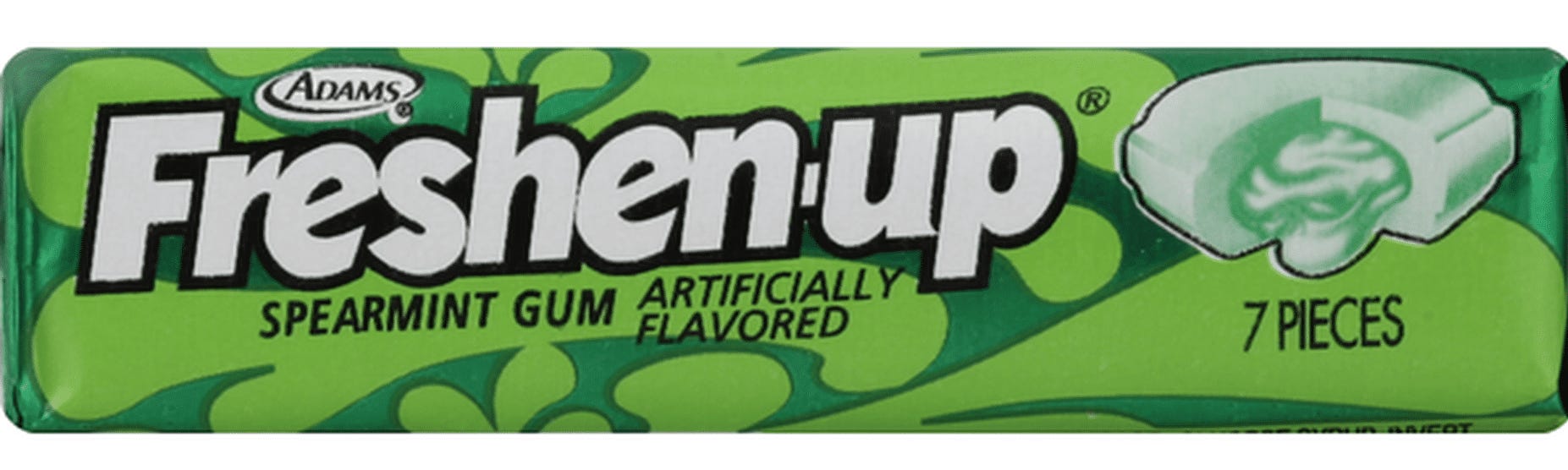
Imagine newly pubescent middle-school teens with braces on their teeth sheepishly claiming this was “cum gum” because it squirted a liquid center when you bit into it. The good folks at Freshenup never contested the accusation.
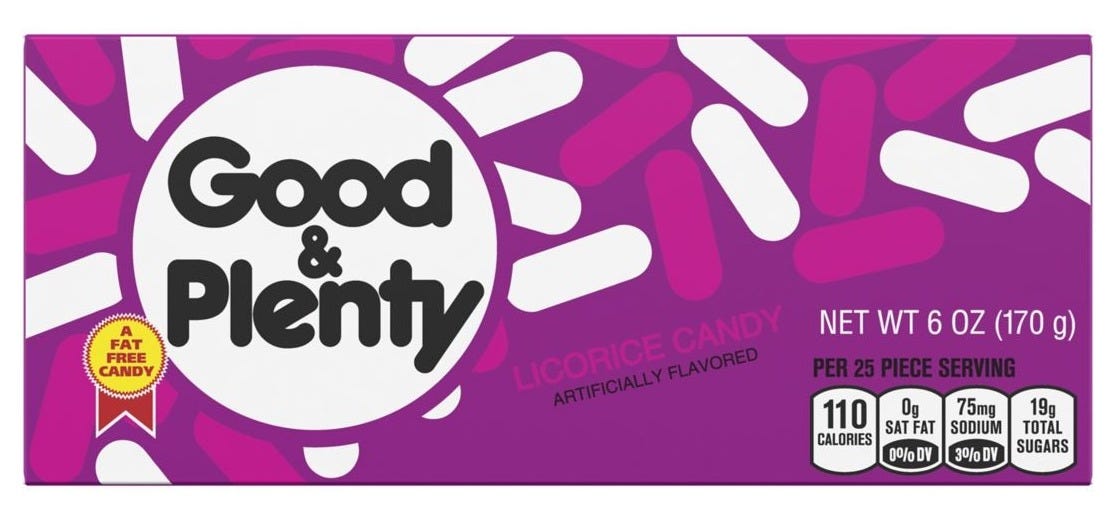
This is the candy that tried to prove that black licorice tasted good. It didn’t.
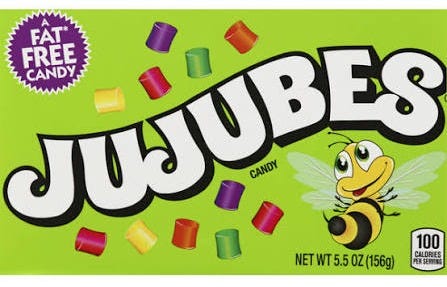
A chewy favorite of every rabbi in Brooklyn, NY.
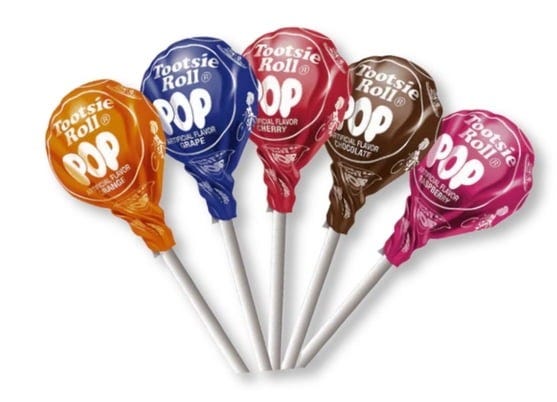
The lollipop that spawned the famous ad campaign: “Mr. Owl, how many licks does it take to get to the Tootsie Roll center of a Tootsie Pop?” (Owl) “Let’s find out. A-one … a-two-hoo … three.” (Crunch) The owl has since been retired and will soon be replaced by the YouTube influencer Maxx Chewning.
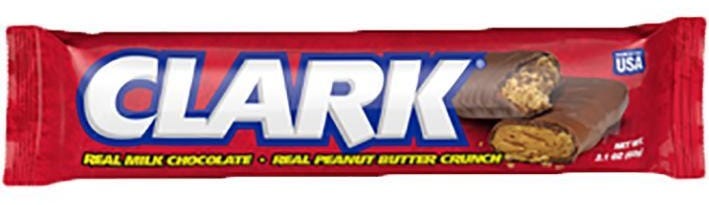
Some people believe Dick Clark is still alive, and secretly watches every New Year’s Rockin’ Eve with his very own Clark Bar. This theory has not been validated, or disproven.
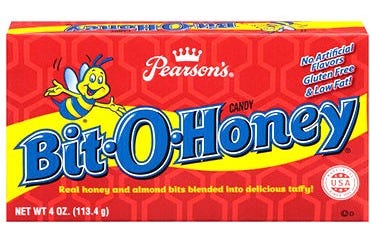
A highly underrated candy that also suffers from chronic staleness, causing customers to spend a Bit-O-Money on chipped teeth.
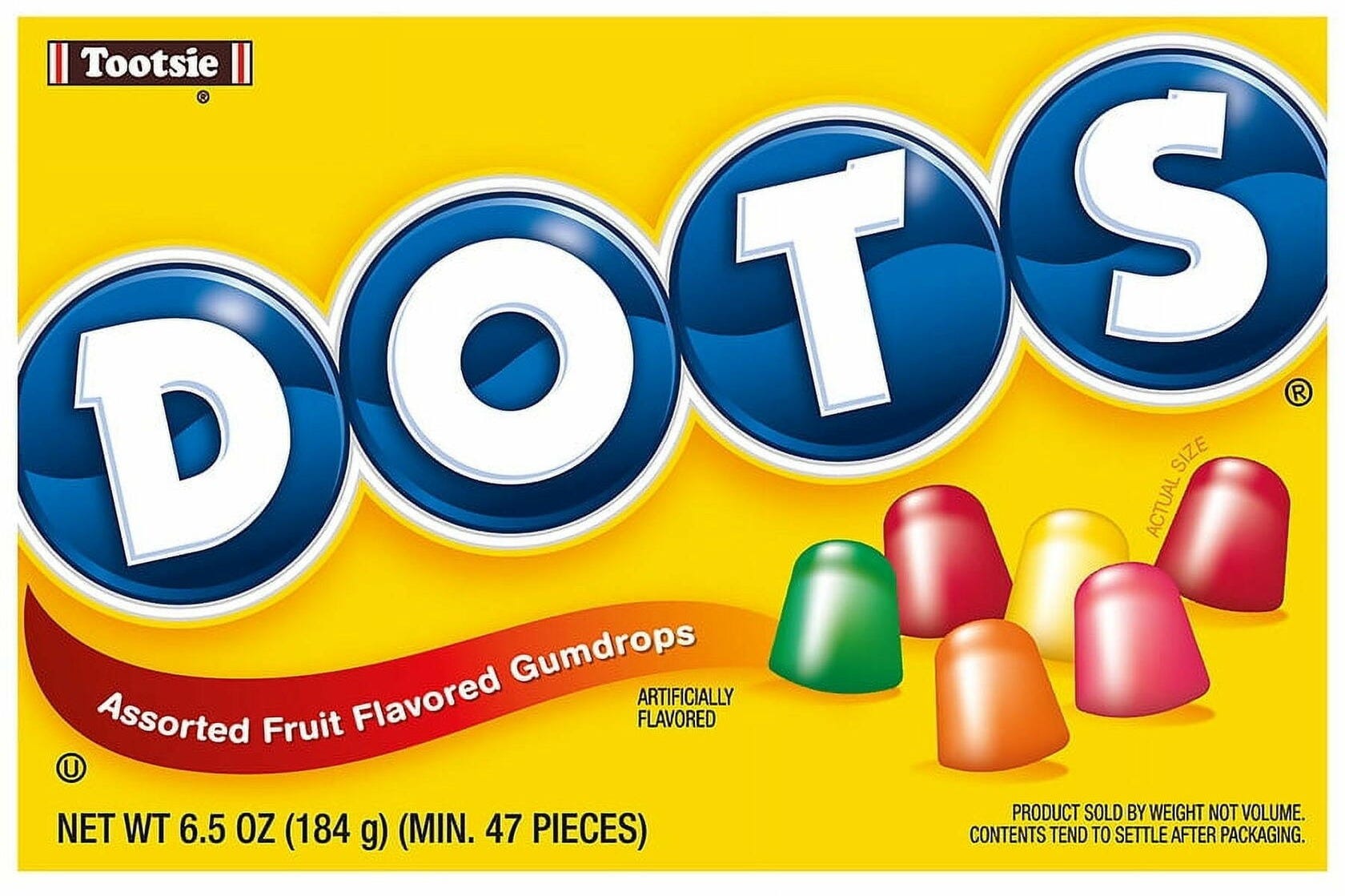
The official candy of English teachers. Soon to be updated as “EMs” for the AI generation.
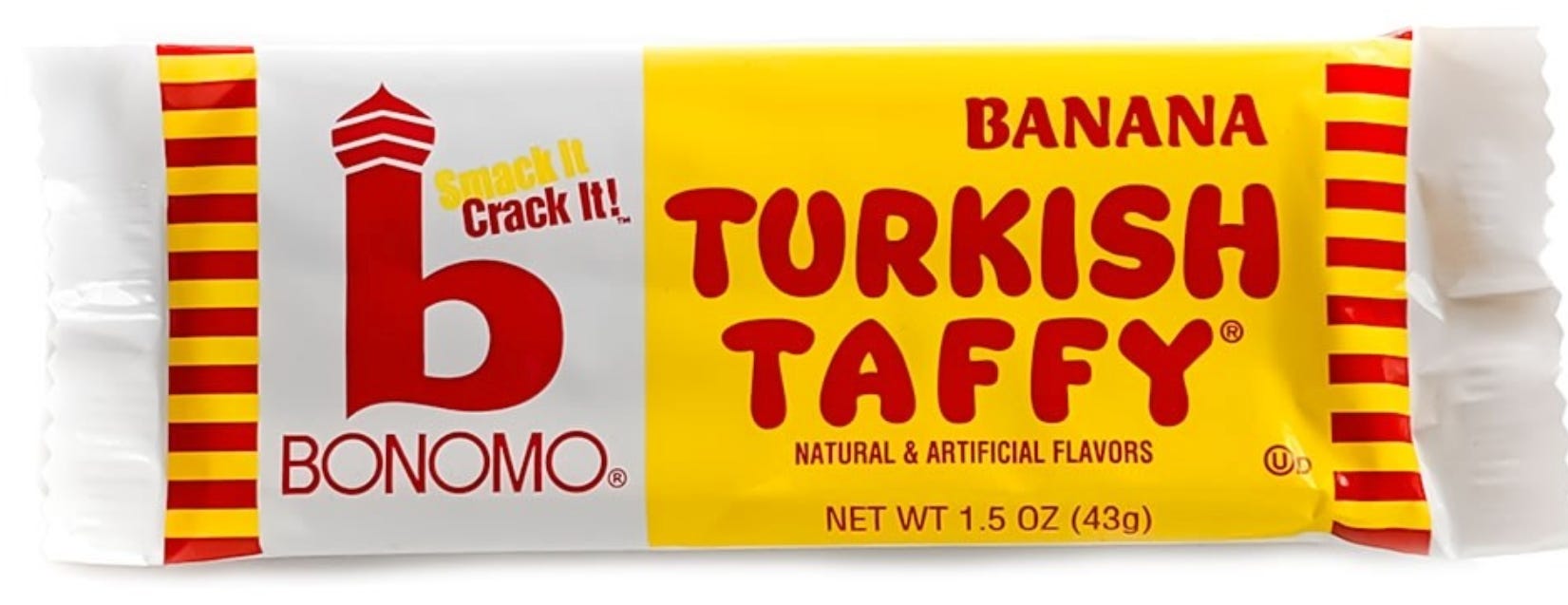
It had a great run until the movie Midnight Express was released, which takes place in Turkey and in which an informant has his tongue bitten out. The company behind the product explained that nothing about it was truly Turkish or Taffy, but was met with a mute response.
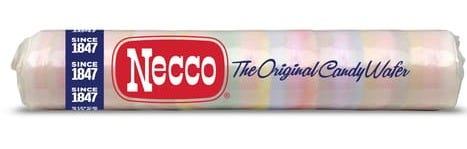
A candy with a rich history dating back to 1847, when it was originally called “Hub Wafers,” a nod to Boston’s nickname, and enjoyed by soldiers in the Civil War. The New England Confectionery Company later changed the name in 1912 to Necco, believing that the less consumers knew about what was in their product, the better.
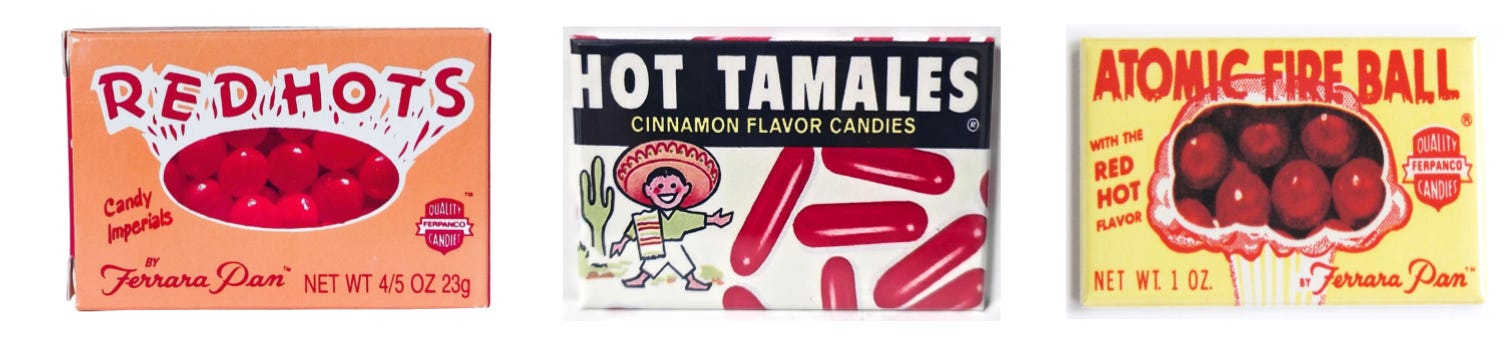
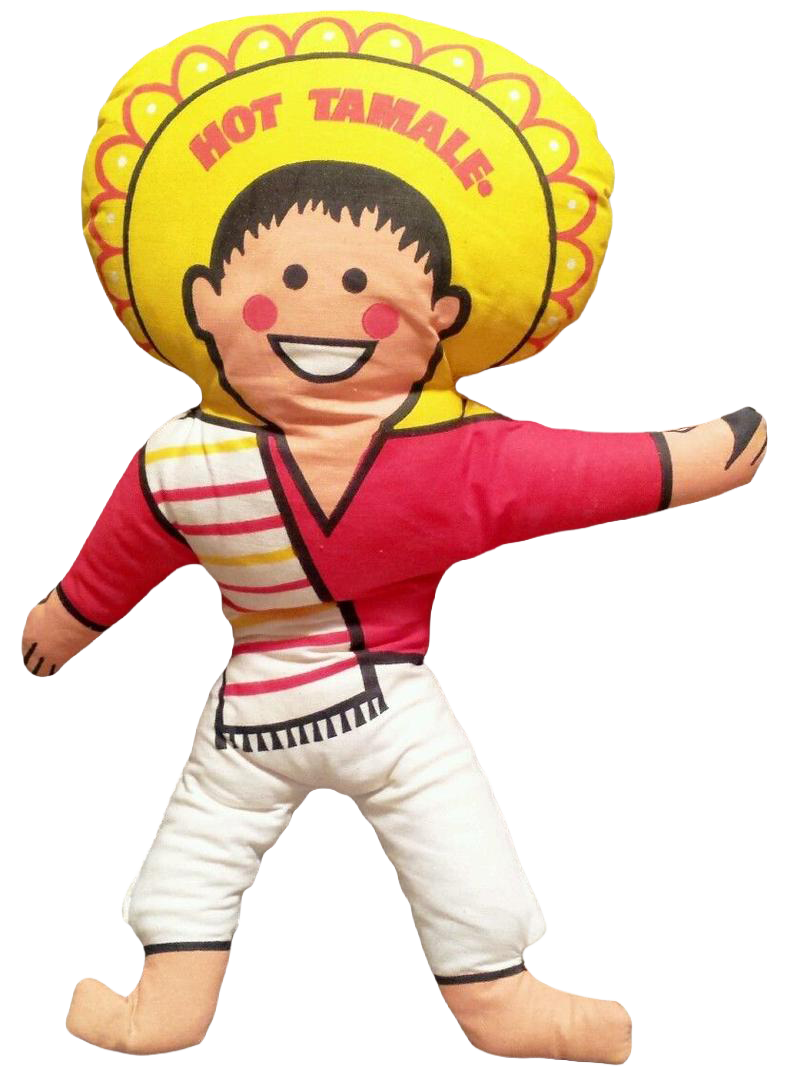
The trinity of heat-seeking divinity. Though they pack a punch, most hardcore spice lovers would say they’re pretty lame. Hot Tamale Kid would respectfully disagree, saying “mucho caliente!”
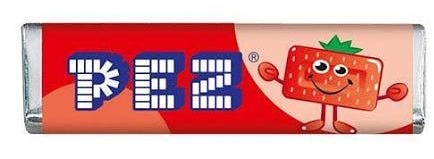
A mediocre candy made famous by its collectible dispensers. Originally a peppermint breath mint for adults to help them stop smokin’, it became a hit among kids who went on to start tokin’.
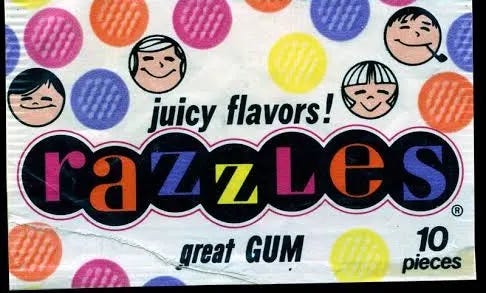
“First it’s a candy, then it’s a gum” was its slogan. “But the gum tastes like chalk” was its epitaph.
Fans of these candies from their youths have watched despairingly as they’ve disappeared from most store shelves in favor of M&Ms, Reese’s, Starbursts, Snickers and KitKat. Yet most of them are still produced.
There’s a conspiracy theory to explain why. It goes like this: Representatives from each of the aforementioned brands secretly met in Hershey, PA, in the late 1990s and hammered out what became known as the KISSES Accord.
Why? According to an insider, the group’s leader led a raucous call-and-response chant: “Razzles?” “Kiss my ass!” “Dots?” “Kiss my ass!” “Jujubes?” “Kiss my ass!” And so forth.
Who said candy execs aren’t more childish than the kids they serve?
Their sinister strategy was ruthlessly simple:
Control the trick-or-treat bowl, and you own the palate of the next generation. So they bribed the largest retailers to allocate virtually all their Halloween shelf space to their candies.
To recoup the cost of coercive slotting, they coined and elevated the term Fun Size as a smokescreen for massive shrinkflation. “There’s nothing fun about a smaller candy, but then again there’s nothing fun about diaper rash, either,” was heard on an open mic.
Propagate bogus research that the “candies of yesteryear were creating overly ambitious, chronically hardworking adults that fostered recreational drug use and free-style outdoor play.”
Fast forward 20 years, and alarmed by the significant impact of the KISSES Accord, a group of retired Baby Boomers looking for something meaningful to do, created the Guardians of Boomer Identity (GOBI) advocacy group.
(Tried as they might, they couldn’t make GOOBERS work as an acronym.)
Their mission: Keeping what was far out, close by.
GOBI’S strategies started ruthlessly simple as well:
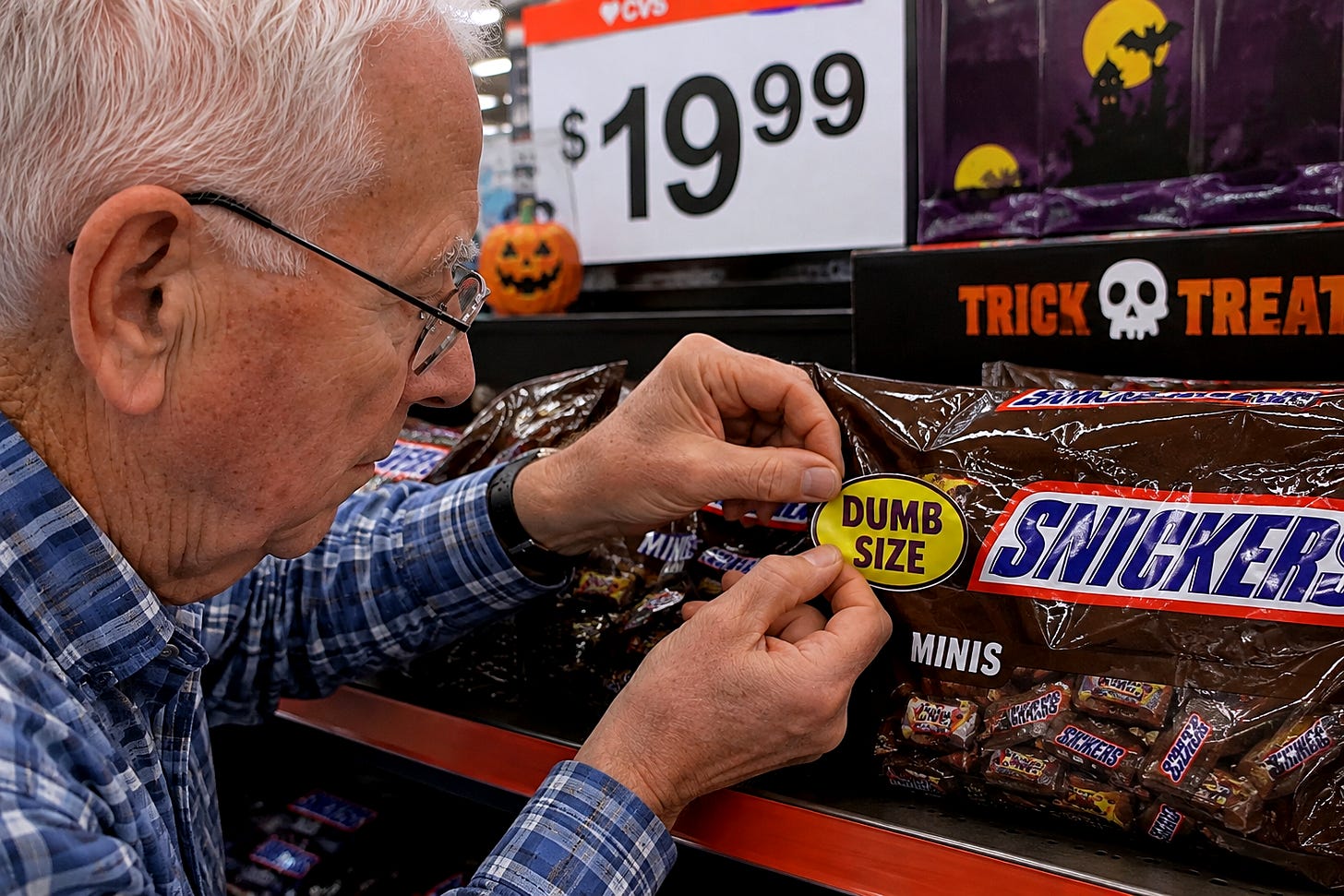
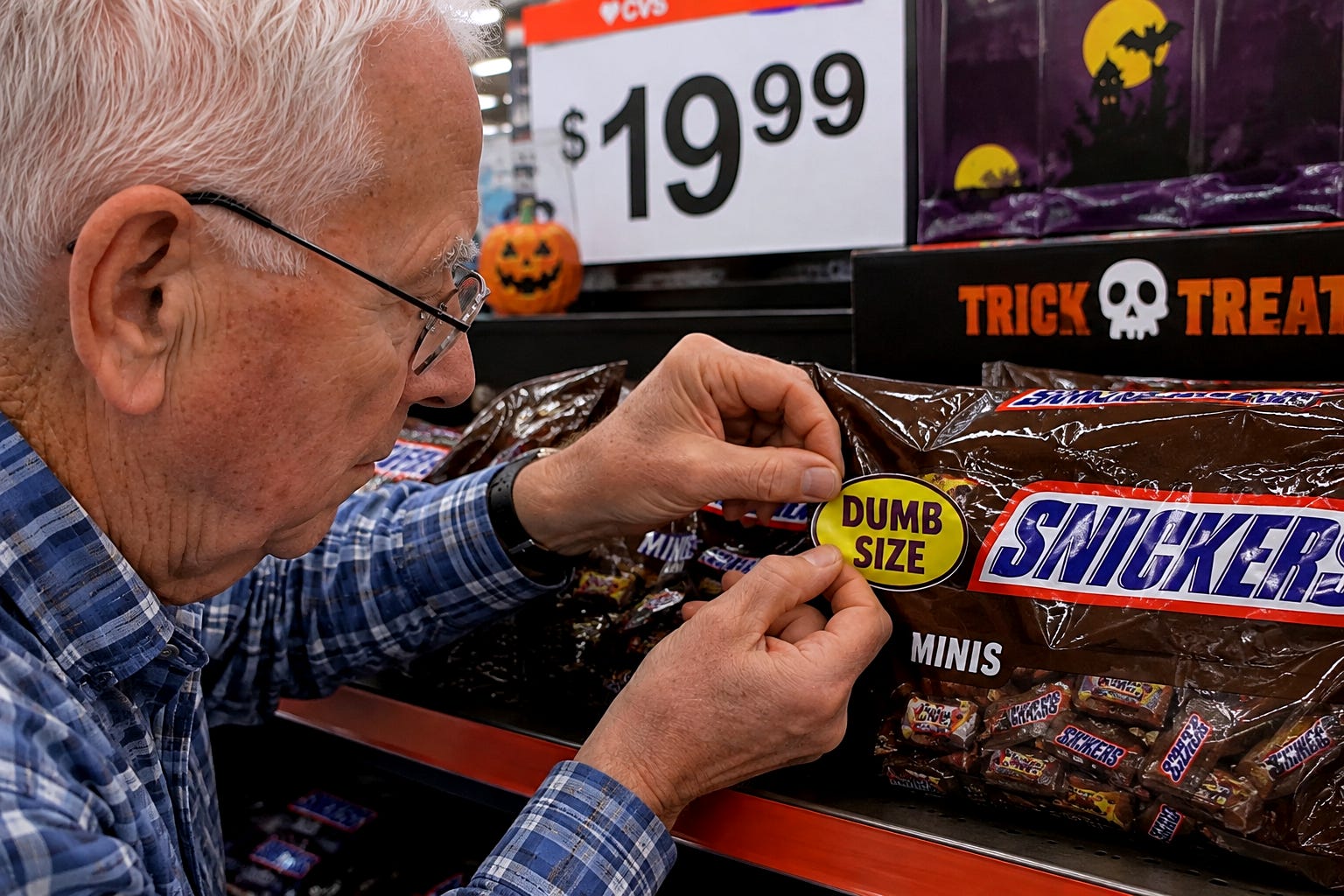
Fan out across retailers in September/October, and put “Dumb Size” stickers on bags of candy and on their displays.
Campaign to put Hot Tamale Kid on the ballot in all state elections, and run on a platform of breaking up the candy industrial complex and restoring true competition for the loyalty of high-fructose fanatics.
Create their own research pointing to the irrefutable fact that candies like Sugar Daddies and Tootsie-Pops, which take longer to enjoy if consumed correctly, help build patience, resolve and commitment in a young person’s formative years.
One study already published, The Gentrification of Candy Culture and Its Impact on Childhood Morality, created quite a brouhaha when it claimed that the Big Five candies are directly responsible for a preponderance of kids that “shake hands limply and clammily.”
Then there was their “Sweet Retro!” influencer campaign.
Funded and trained by GOBI, a new breed of social media stars including JuJu, Whop, Chuck and Violet, took to their podcasts and YouTube channels with the message: “You’ve gone back to vinyl. You’re taking Polaroids again. Now, this Halloween, go back to the original candy greats for your Halloween candy.”
They did deep dives into all the classic candies, told stories about their influence on an entire generation of consumers, and even created artwork out of their packaging.
There was an unintended consequence, however:
Chuckles became a TikTok sensation. Sales skyrocketed. A Chuckles accessories boutique opened in Brooklyn. Restaurants introduced Chuckle flights on their dessert menus. Chuckles got a prominent product placement in an Avengers movie. High-protein Chuckles with antioxidants and Omega-3s appeared on shelves. And other candies followed with similar surges in popularity.
GOBI waved the white flag. And they were furious.
They wanted their original products back, but couldn’t have them. Tearfully, its leader lamented, “Chuckles will never be the same.”
So onto their next target for redemption: Rock ‘em Sock ‘em Robots, E-Z Bake Ovens, Pet Rocks and Lite-Brites.
Comments
Nothing yet. Say the first thing.
Sign in to join the conversation.