
First things first: My newsletter has a name now: All Quiet in the West. As you probably see the references, it leaves space for interpretation. At some point I will explain the reasoning but the topic of today is more important for now. I hope you enjoy reading!
Did you ever have a problem to enter a country with your passport? You could not obtain a visa to travel? If not, you’re are probably ranked high in the Global Passport Ranking. With my German passport, I’m ranked third place - with 189 countries I don’t even need a visa for. Most of the people don’t have this proviledge.
You probably know the United Nations World Climate Summits, the UNFCCC COPs. You may not know the Bonn Climate Change Conference (or SBs). This is the intermediate conference between those big summits to ensure a constant progress of the different negotiations tracks and prepare the COPs. This year it’s the SB62 - the 62th edition of the conference since it’s first convening in 1995 - the 30th anniversary.
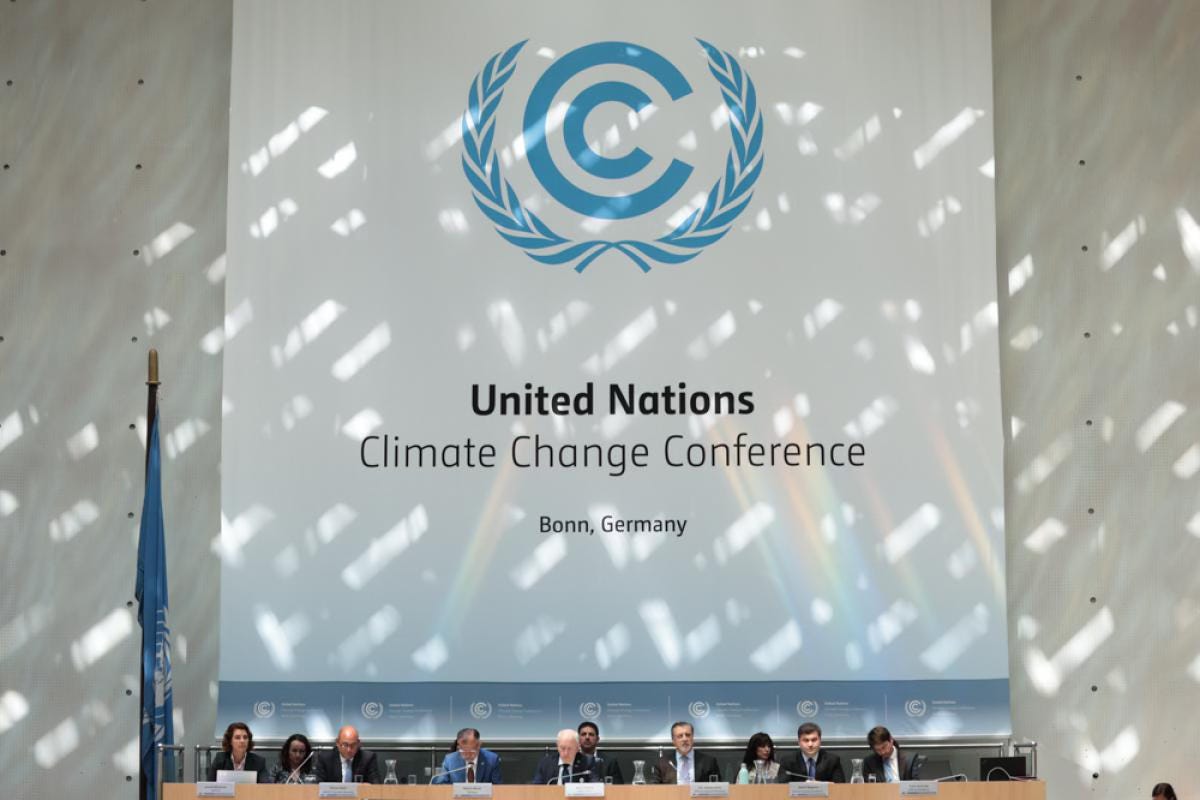
And as we are getting closer to Bonn, I receive request from friends, acquaintances or strangers from various Global South countries with a similar structure: I have accreditation and need funding and visa, I have funding and need accreditation and visa, I have accreditation and funding and need visa. 95% of the people fit in one of those three categories. These are the corners of the Bonn Bermuda Triangle: Accreditation, Visa and Funding - and many people get lost within it. This is the same every year - if there is one certainty for the conference, it is those problems. But how do these problems arise?
The corners of the Triangle
UN conferences need accreditation. Countries can nominate personnel, diplomats and politicians - more or less without restriction in terms of numbers. And there are the observers, mostly NGOs being an inherent part of these conferences: bringing the voices of civil society in the space, reporting to and advocating for the people. For Bonn, the number of observers from NGOs is limited to 2000 with around 7000 participants in total. How are those accreditations distributed? In many UN institutions, it’s a similar process: NGOs, officially registered in their country, can apply to receive an observer status and after some time, it is granted. The actual number of accreditations are published around 2 months before each conference. The distribution of those NGOs is cricked: Two third is from Global North countries comprising 15% of the World population. This means: People from the Global South have fewer options to even get an accreditation for Bonn. By the way, with 2000 observers an equal distribution of accreditations would mean that 20 German observers are present… let’s see how this goes.
Secondly, the visas: Back to the Global Passport Ranking from the beginning. Getting to Germany is difficult for many people. German emabassies and consulates are understaffed, there is a fear of „illegal immigrants“ and no option for indicating the UN purpose of the travel. The reality is big stacks of papers, financial deposits, driving, sometimes flying to go to consulates, hoping for the best - those are the good cases because you got hold of an appointment. Most of the preparation is occupied by ridiculus administrative tasks while not being able to focus on the technical aspects, the actual policy. This is every-year habits. Fun fact: The (probably) new German Government advertises for more UN institutions in Bonn while the governments are blocking progress on visas for decades.
The third corner of the triangle: The funding. If you have been to those events, you probably know the prices for coffee or a meal. With 4€ for a single cappuccino or 12€ for lunch it’s moderate high prices for Germany, compared to many other countries it’s crazy. To be properly saturated, plus the accommodation and the travel, you need external funding. Many people are spending the time by volunteering or exceeding their work time massively, needing more time for their studies or letting slide family responsibilities. We should at least not indebting people through their engagement.
How to get lost
Now to the confusing part, our Bonn Bermuda Triangle: This year, the number of accreditations got published some days ago - now the run on those has begun. Without an accreditation many Global South participants won’t receive visas - but if they receive accreditation is not sure until now or even later, depends on the NGOs processes. Consulats don’t have appointments for this „short term“ applications. Funders want their funds to be spent, therefore prioritize people with accreditation and visa. At the same time, the funding is needed to receive a visa. If you don’t book a visa appointment early enough, before you know you have funding and accreditation, you probably won’t get an appointment at all. You have to confirm a date for the appointment (if you receive an answer) without knowing if you have the accreditation or funding ready by then. If you don’t, it’s nearly impossible to postpone the appointment or get a second one. This is where you get lost, where you don’t know where to begin. What has to come first? Is there even a first or do you have to work on parallel on all those three an hoping it somehow happens to come in the right order?
We as Global civil society seem to be suprised by this every year - I still don’t fully understand why we haven’t built strong stuctures around it. Why do so many people need to spent days and weeks to even be able to participate in UN processes, getting lost in the Bermuda Triangle, often giving up to even try based on their previous experiences? There are options out of this Triangle: The accreditations need to be equally distributed within regions to reduce the dependency from Global North organizations and with it open the possibilities for a accelerated distribution of accreditations. A fast-track visa for UN conferences in the Schengen area and an automated funding for people receiveing accreditation. And we are working on all those aspects through different networks and Organizations (you should have a look at the Bonn Climate Camp). In this case, even small steps are very helpful: We only need to erase one corner of the Triangle - then their is no area in between to get lost but just a one straight line on which balancing is easier.
Bevor es losgeht: Mein Newsletter hat jetzt einen Namen: Im Westen Nichts Neues. Ich sag mal so… er lässt Raum für Interpretationen. In nächster Zeit werde ich die meine Gedanken dazu teilen, aber das heutige Thema ist erst einmal wichtiger. Viel Spaß beim Lesen!
Hast Du schon einmal ein Problem mit einem Reisepass bei deiner Einreise in ein Land gehabt? Hast Du kein Visum für deine Reise bekommen? Wenn nicht, dann stehst Du wahrscheinlich weit oben auf dem Global Passport Ranking. Mit meinem deutschen Reisepass stehe ich an dritter Stelle - mit 189 Ländern, für die ich nicht einmal ein Visum brauche. Die meisten Menschen haben dieses Privileg nicht.
Vermutlich kennst du die Weltklimagipfel der Vereinten Nationen, die UNFCCC COPs. Die Bonner Klimakonferenz (oder SBs) kennst Du vielleicht nicht. Es ist die Zwischenkonferenz zwischen diesen großen Gipfeln, um einen konstanten Fortschritt der verschiedenen Verhandlungsstränge sicherzustellen und die COPs vorzubereiten. In diesem Jahr findet die SB62 statt - die 62. Ausgabe der Konferenz, seit ihrer ersten Sitzung im Jahr 1995 - jetzt also der 30. Geburtstag.
Und während wir uns Bonn nähern, erhalte ich viele ähnliche Anfragen von Freunden, Bekannten oder Fremden aus verschiedenen Ländern des Globalen Südens: Ich habe eine Akkreditierung und brauche eine Finanzierung und ein Visum, ich habe eine Finanzierung und brauche eine Akkreditierung und ein Visum, ich habe eine Akkreditierung und eine Finanzierung und brauche ein Visum. 95 % der Menschen passen in eine dieser drei Kategorien. Das sind die Ecken des Bonn-Bermuda-Dreiecks: Akkreditierung, Visum und Finanzierung - und viele Menschen verlieren sich irgendwo darin. Das ist jedes Jahr dasselbe - wenn es eine Gewissheit für diese Konferenz gibt, dann sind es genau diese Probleme. Ich habe es noch nie anders erlebt, und es ist meine vierte Konferenz in Bonn. Aber wie entstehen diese Probleme?
Die Ecken des Dreiecks
UN-Konferenzen brauchen eine Akkreditierung. Die Länder können Personal, Diplomaten und Politiker nominieren - mehr oder weniger ohne zahlenmäßige Beschränkungen. Und dann gibt es die Beobachter*innen (Observer), meist NGOs, die ein fester Bestandteil dieser Konferenzen sind: Sie bringen die Stimmen der Zivilgesellschaft in die Konferenz, berichten den Menschen und setzen sich für sie ein. Für Bonn ist die Zahl der Observer auf 2000 begrenzt, bei insgesamt etwa 7000 Teilnehmer*innen. Wie werden diese Akkreditierungen verteilt? In vielen UN-Institutionen ist das Verfahren ähnlich: NGOs, die in ihrem Land offiziell registriert sind, können sich um einen Beobachterstatus bewerben, der ihnen nach einiger Zeit gewährt wird. Die Anzahl der Akkreditierungen wird etwa 2 Monate vor jeder Konferenz veröffentlicht. Die Verteilung dieser Akkreditierungen ist verzerrt: Zwei Drittel stammen aus Ländern des globalen Nordens, die 15 % der Weltbevölkerung ausmachen. Das bedeutet: Menschen aus dem Globalen Süden haben weniger Möglichkeiten, sich überhaupt für Bonn zu akkreditieren. Übrigens, bei 2000 Beobachtern würde eine gleiche Verteilung der Akkreditierungen bedeuten, dass 20 deutsche Beobachter da sind...
Zweitens, die Visa: Zurück zum Global Passport Ranking vom Anfang. Die Einreise nach Deutschland ist für viele Menschen schwierig. Die deutschen Botschaften und Konsulate sind unterbesetzt, es herrscht Angst vor „illegalen Einwanderern“ und es gibt keine Möglichkeit, den UN-Zweck der Reise anzugeben. Die Realität sieht so aus, dass man große Stapel von Papieren, finanzielle Sicherheiten, Fahrten, manchmal auch Flüge zu den Konsulaten auf sich nimmt und auf das Beste hofft - das sind die guten Fälle, weil man einen Termin ergattert hat. Die meiste Zeit der Vorbereitung geht mit lächerlichen Verwaltungsaufgaben drauf, während man sich nicht auf die technischen Aspekte, die eigentliche Politik, konzentrieren kann. Das ist jedes Jahr das Gleiche.. Übrigens: Die (wahrscheinlich) neue deutsche Regierung wirbt für mehr UN-Institutionen in Bonn, während die Regierungen jahrzehntelang den Fortschritt bei der Visapolitik blockieren.
Die dritte Ecke des Dreiecks: Die Finanzierung. Wenn Du schon einmal auf diesen Veranstaltungen warst, kennst Du wahrscheinlich die Preise für Kaffee oder eine Mahlzeit. Mit 4 € für einen einfachen Cappuccino oder 12 € für ein Mittagessen sind die Preise für Deutschland moderat hoch, im Vergleich zu vielen anderen Ländern ist es unbezahlbar. Um richtig satt zu sein, plus die Unterkunft und die Reisekosten, braucht man eine externe Finanzierung. Viele Konferenzteilnehmer*innen sind ehrenamtlich vor Ort oder überschreiten ihre Arbeitszeit massiv, brauchen mehr Zeit für ihr Studium oder lassen familiäre Verpflichtungen schleifen. Wir sollten die Menschen sich durch ihr Engagement zumindest nicht verschulden lassen.
Im Innern des Dreiecks
Nun zum verwirrenden Teil, unserem Bonn-Bermuda-Dreieck: In diesem Jahr wurde die Anzahl der Akkreditierungen vor einigen Tagen veröffentlicht - nun hat der Run auf sie begonnen. Ohne Akkreditierung werden viele Teilnehmer*innen aus dem Globalen Südens kein Visum bekommen - ob sie aber eine Akkreditierung erhalten, ist erst jetzt oder noch später sicher, es hängt von den Prozessen der NGOs ab. Die Konsulate haben keine Termine für diese „kurzfristigen“ Anträge. Die Geldgeber wollen, dass ihre Gelder ausgegeben werden, und bevorzugen daher Menschen mit Akkreditierung und Visum. Gleichzeitig wird die Finanzierung benötigt, um ein Visum zu erhalten. Wenn Du nicht früh genug einen Termin für ein Visum vereinbarst, bevor Du überhaupt weißt, ob Du die Finanzierung und die Akkreditierung hast, wirst du wahrscheinlich gar keinen Termin rechtzeitig bekommen. Du musst als den Termin bestätigen (falls Du überhaupt ein Angebot bekommst), ohne zu wissen, ob Du bis dahin die Akkreditierung oder die Finanzierung hast. Wenn du sie nicht hast, ist es fast unmöglich, den Termin zu verschieben oder einen zweiten Termin zu bekommen. Irgendwo dort gehst Du verloren. Wo soll man anfangen? Was muss zuerst kommen? Gibt es überhaupt einen ersten Schritt, oder muss man an all diesen drei Dingen parallel arbeiten und hoffen, dass sie zufällig in der richtigen Reihenfolge passieren?
Wir als globale Zivilgesellschaft scheinen jedes Jahr davon überrascht zu werden - ich verstehe immer noch nicht ganz, warum wir mit der Zeit keine starken Strukturen dafür aufgebaut haben. Warum brauchen so viele Menschen Tage und Wochen, um überhaupt an UN-Prozessen teilnehmen zu können, verlieren sich im Bermuda-Dreieck und geben aufgrund ihrer früheren Erfahrungen oft schon auf, bevor sie es überhaupt versuchen? Es gibt Auswege aus diesem Dreieck: Die Akkreditierungen müssen gleichmäßig auf die Regionen verteilt werden, um die Abhängigkeit von den Organisationen des Globalen Nordens zu verringern und damit die Möglichkeiten für eine beschleunigte Verteilung der Akkreditierungen zu eröffnen. Ein Fast-Track-Visum für UN-Konferenzen im Schengen-Raum und eine automatische Finanzierung für Personen, die eine Akkreditierung erhalten. Und wir arbeiten an all diesen Aspekten durch verschiedene Netzwerke und Organisationen (guckt gerne mal beim Bonn Climate Camp vorbei). Für diese Probleme sind selbst kleine Schritte hilfreich: Wir müssen nur eine Ecke des Dreiecks aus dem weg räumen - dann gibt es kein großes Loch mehr im Dreieck, sondern nur eine gerade Linie, auf der man besser balancieren kann.
Keine Posts
Comments
Nothing yet. Say the first thing.
Sign in to join the conversation.