
Watching Canadian Prime Minister Mark Carney clap back with toe-to-toe tariffs against the U.S., after walking away from tense trade negotiations on Friday, is so refreshing, it sent a thrill through international politics. Political courage has become such a rarity, we’ve almost forgotten what it looks like.
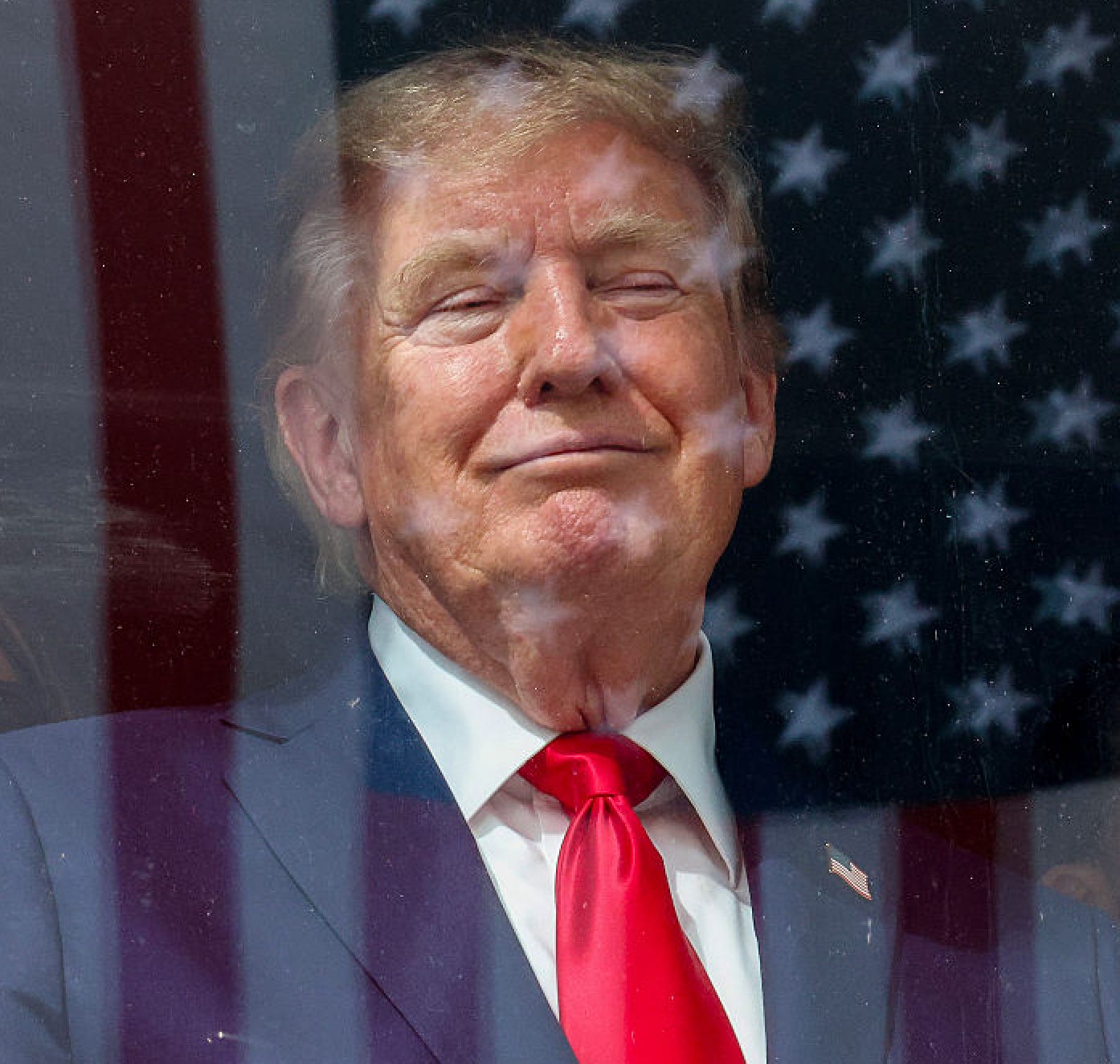
In the first year of Trump’s second term, any hope of a resistance ebbed away as foreign leaders made their groveling pilgrimages to the Oval Office and too many Americans tuned out the barrage of depredation and despoilment raining down from the White House. But now, as Trump’s numbers tank, even his suit-pressing, hair-spraying valet, Walt Nauta, can’t disguise the sinking sack of presidential avoirdupois. (“He looks like an open can of Spam without make-up,” notes Anthony Scaramucci.) Is the air finally going out of the bully’s balloon? Not fast enough, alas. There is no Mark Carney in Washington to lead the resistance. This week, Trump won permission from the Supreme Court to continue constructing his ballroom bunker and, just ten weeks before the midterms, got approval to restrict mail-in ballots. The justices did not rule on whether Trump’s ballot executive order was legal, but rather found that the states who challenged it didn’t have the authority to do so yet. It’s the classic procedural excuse to give Trump what he wants that has been a hallmark of the Roberts court.
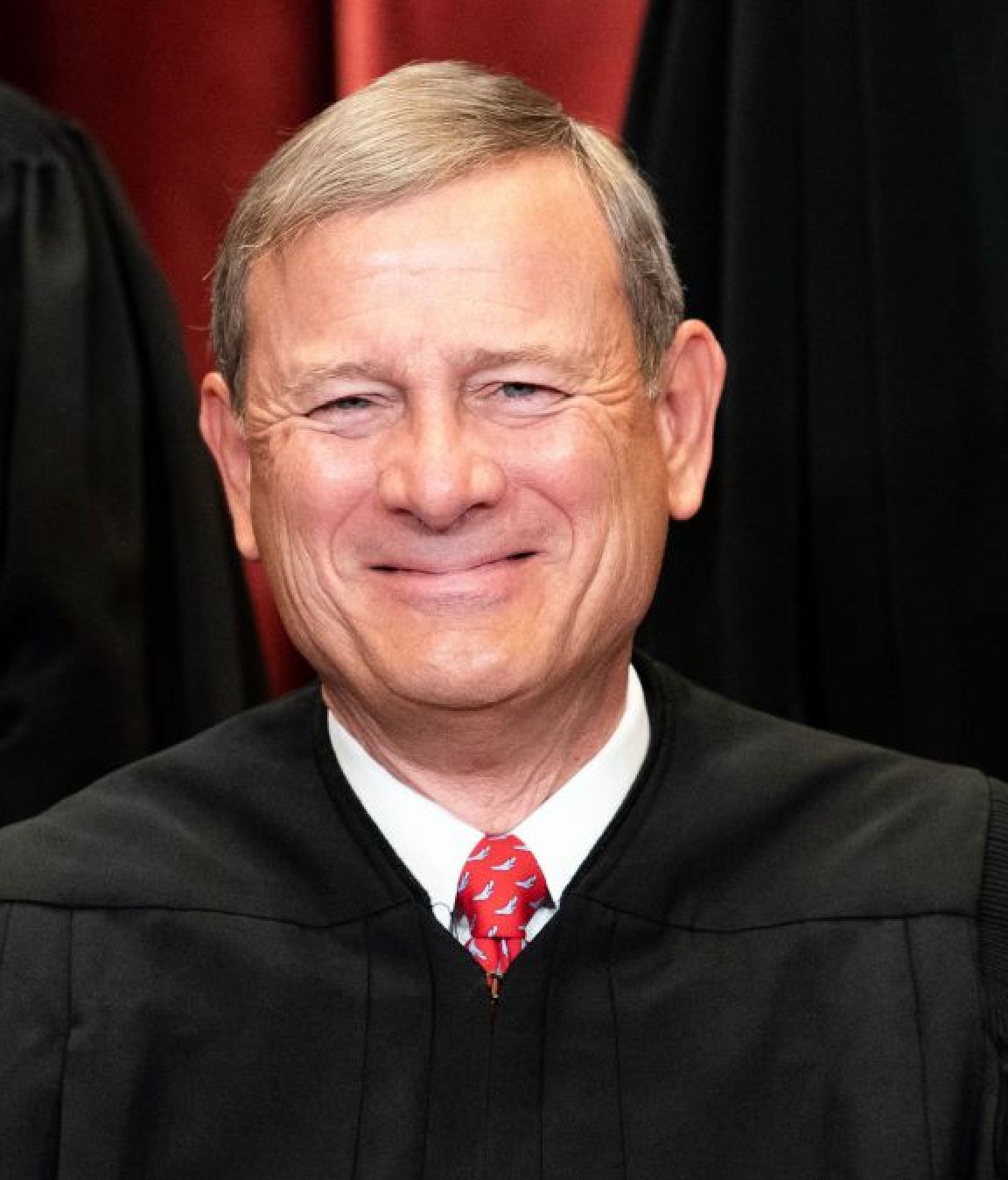
Chief Justice John Roberts himself is one of the sharpest portraits in Jacob Weisberg’s excellent new book, coming in September, Profiles in Cowardice: A Study of Collaboration in the Trump Era. He describes how Roberts treasures his self-image as a priest of the law, the umpire who loves to scold colleagues for sounding “overwrought” or “intemperate,” while also being a closet ideologue, whose lifelong project has been to shift power from Congress to the judicial and executive branches. Roberts thinks he can have it both ways: to pose as the impeccable custodian of judicial probity while also granting presidential immunity to a despot in the White House. “For all his intellect and self-awareness,” Weisberg writes, “Roberts could not, or would not, see that defending the Supreme Court as an institution meant stepping up to defend the rule of law itself. His judicial restraint had become judicial surrender.”
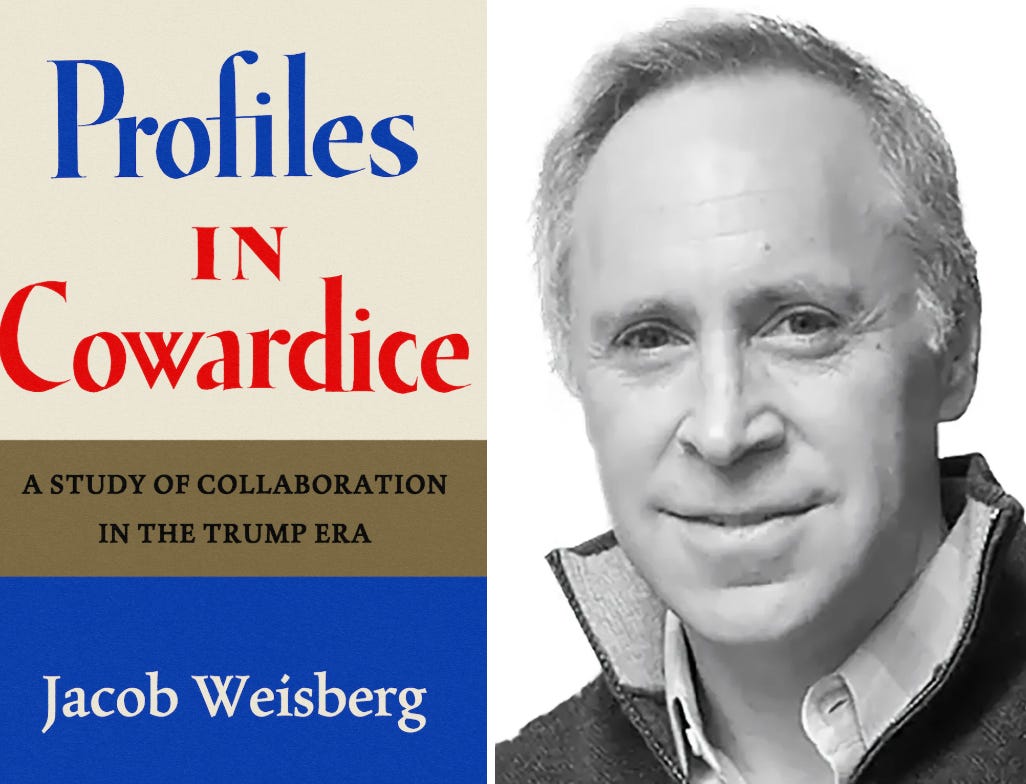
We badly need Weisberg’s book. In the last few years we’ve expounded so much emotion and despair over Trump’s crass contempt for the rule of law and democratic norms, but not enough on the key people who let it happen. Weisberg, the former editor of Slate and co-founder of podcast company Pushkin Industries, looks at a sample of power-wielding poobahs who failed the test when called to stand up, from people-pleasing former Paul, Weiss chairman Brad Karp to billionaire Benedict Arnold Jeff Bezos to academic Slytherin Sian Beilock, president of Dartmouth College. It’s fascinating, and instructive, to see the multiple ways supposedly upstanding titans of the establishment give themselves permission to become creatures of expedience.
A recurring feature in Weisberg’s portraits is the deadly dual tracks of vaunting ambition and accommodating self-delusion. My personal favorite is his deconstruction of Kentucky Senator Mitch McConnell, who always dreamed of being leader of the Senate. McConnell’s role model, for whom he interned after college, was Senator John Sherman Cooper of Kentucky, a man of incorruptible principles who was an early supporter of the Civil Rights Act, one of the first senators to oppose the McCarthy witch hunts and later, the Vietnam War. McConnell never wanted to be president. “The Old Crow,” as Trump dubbed him, knew he lacked the charisma for that. As Senate Majority Leader, he excelled at the strategic, the procedural, the cultivation of favors and donors that made him a classic institutionalist and maestro of the long game.
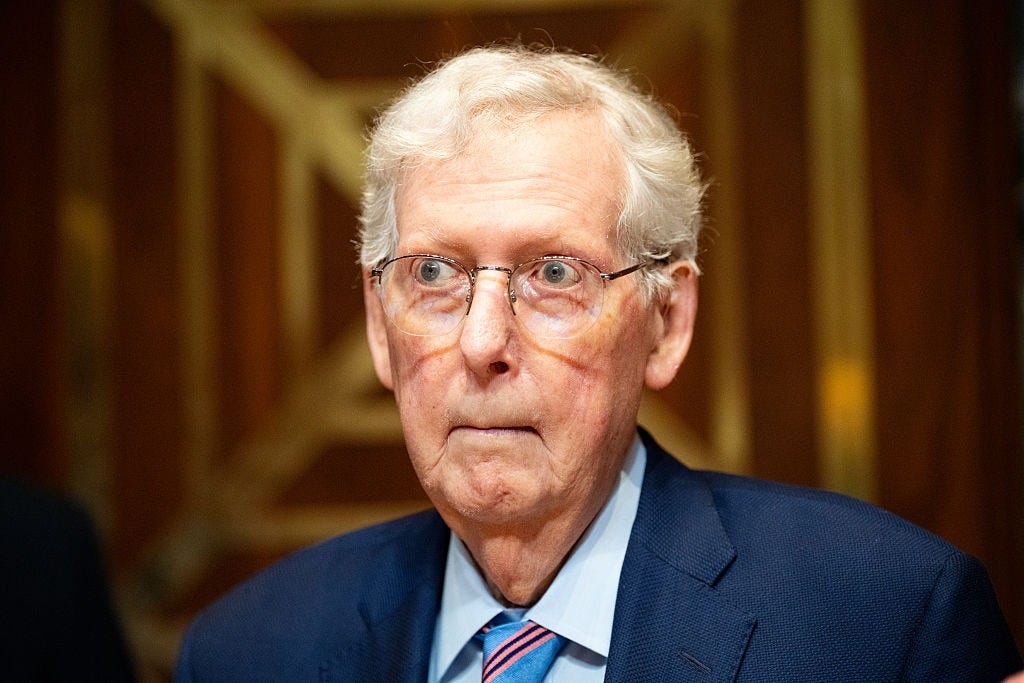
The anarchy of January 6th in this sacred place appalled him. During the first term, despite calling Trump “not very smart, irascible, nasty, just about every quality you would not want somebody to have,” McConnell had tolerated the president as the means to confirm a plethora of conservative judges and to pass the massive 2017 tax cut, two of his articles of faith. But his disgust with Trump’s behavior was hardened by the president’s narcissistic, norm-smashing refusal to concede to Joe Biden. McConnell warned his caucus that the vote to certify the 2020 election “is about whether we are going to break this democracy. You are never going to cast a more important vote than this.” Standing in his wrecked office the morning of January 7th, Weisberg tells us that McConnell wept. He resolved to register the proper institutional penalty. When the House voted on January 13 to impeach Trump for incitement of an insurrection, McConnell said in an interview, “Urging an insurrection and people attacking the Capitol as a direct result…is about as close to an impeachable offense as you can imagine.” At least seven other Republican senators stood ready to join all 50 Democrats in voting to impeach. But then, writes Weisberg, “McConnell hesitated.” This was the Kentucky senator’s moment of truth.
His irresolution in that instant, the moment when he could have barred Trump from ever holding public office again, will ultimately be seen as a hinge of history, a deadly dubiety that surfaced the critical conflation of McConnell’s warring moral strands. Ambition: the jeopardy of his hard-won career. Fear: the rest of his caucus still in the thrall of Trump. Lost opportunity: his half-finished task of transforming the judiciary. Trepidation of what might come after — a life in the noble but spurned political shadows, an outcast from the ecosystem of powerful lobbyists, corporate speaking opportunities, award ceremonies. (Ask the now invisible Liz Cheney.) All this had to be weighed against the shame of that day. McConnell found a way, he thought, to have it all. He came up with a weaselly technical compromise that will stain his legacy forever. He decided not to call the Senate back into session for a trial before inauguration day and, instead, took the impeachment vote in the early days of Biden’s presidency. “The delay,” writes Weisberg, “allowed McConnell to immobilize himself procedurally. He now claimed that, under his reading of the Constitution, the Senate could not convict an official who had already left office. Almost no serious scholar agreed with him.” When the vote was finally held, 57 senators, but not McConnell, voted to convict, falling short of the two-thirds majority needed. It enabled Trump’s comeback, four years later, to become our 47th president.
Now, the 84-year-old McConnell lives in a twilight zone. He has been absent from the Senate for ten weeks as he recovers from a mysteriously shrouded ailment. As he stares at the ceiling, does he think his failure to do the right thing was worth it? Whiffing what could have been his most heroic moment for a few more years of wheeling, dealing, and stuffing the courts? Were those two brain freezes in 2023, when he suddenly became immobilized with an unblinking stare on camera, not only a medical but a psychological event? Weisberg speculates that they hark back to the days when McConnell was bullied as a child and instinctively went into defensive rigidity. I prefer to think of those moments as a stricken replay of that other deadly moment of hesitation in January 2020, when he opened the barn door for the devil.
Comments
Nothing yet. Say the first thing.
Sign in to join the conversation.