
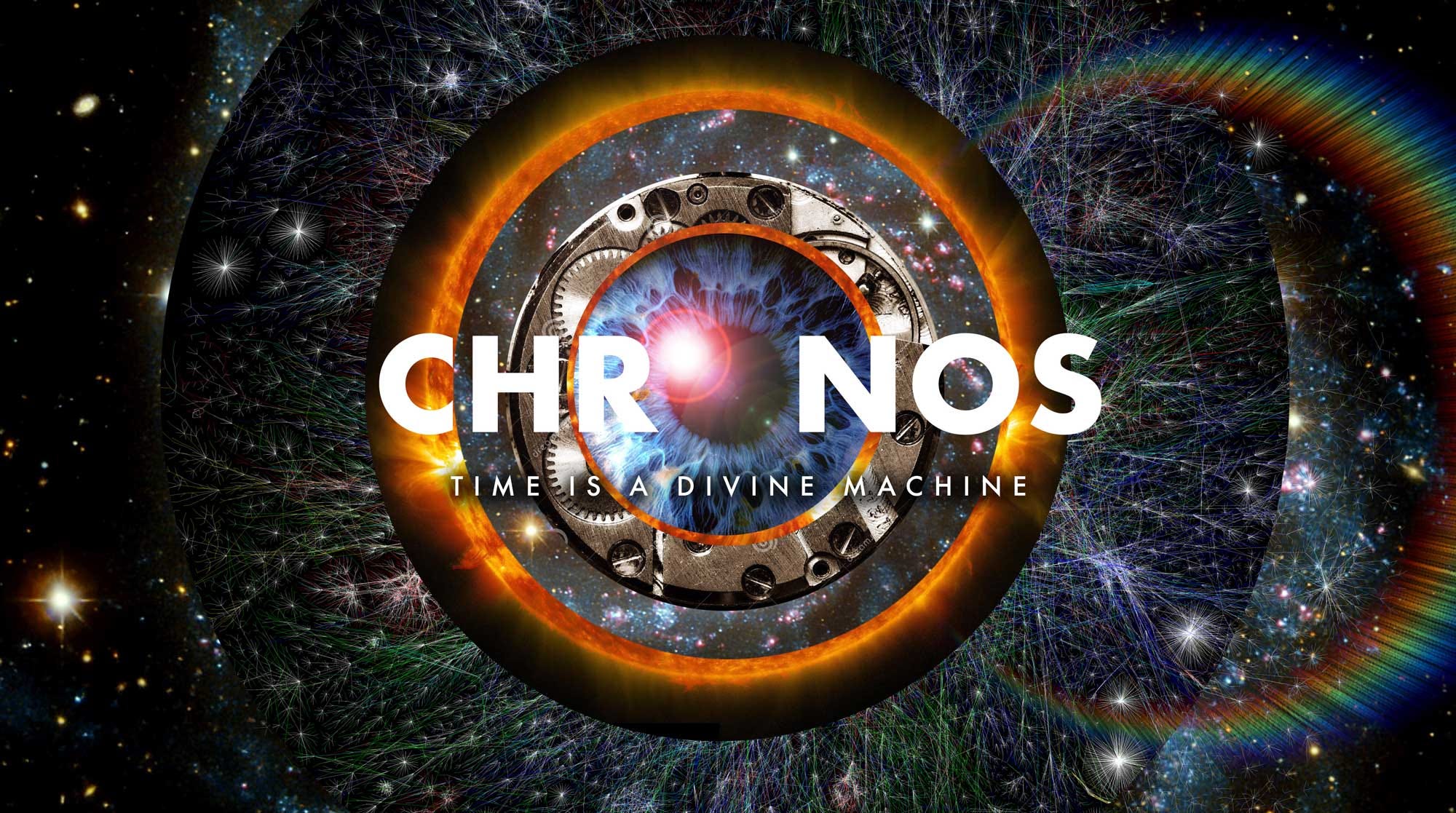
In the near future, the CHRONOS software merges quantum physics, fractal algorithms and artificial intelligence to render a perfect simulacrum of space and time. Yet nothing could prepare the first chrononaut for the voyage he is about to undertake...
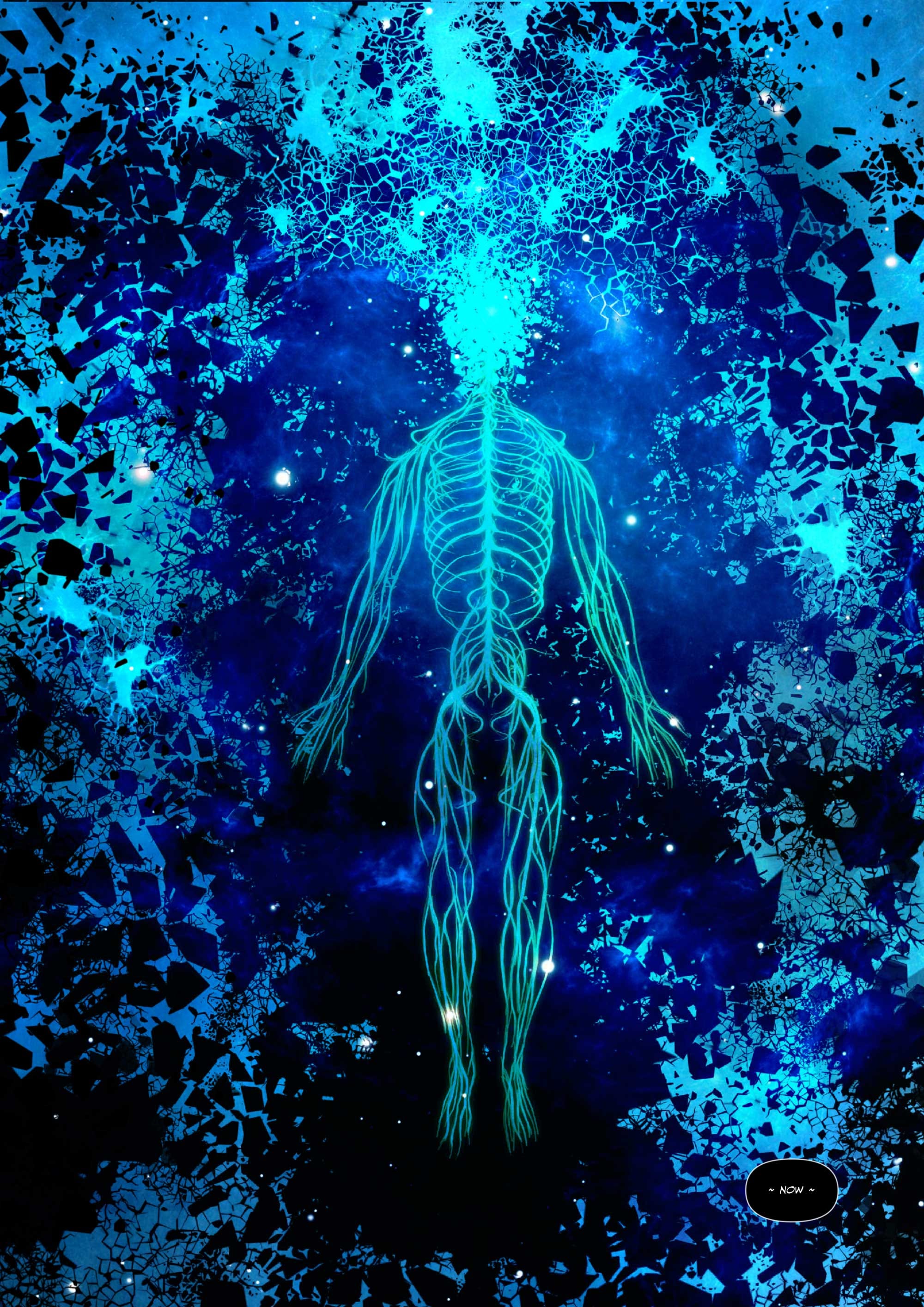
CHRONOS: THE SPACETIME MACHINE is a prestige format graphic novel series written, illustrated and imagineered by Timothy Parish and published by WILD NORTH COMICS. This is the first chapter in a graphic novel series which explores time travel, simulation theory and cosmic consciousness.
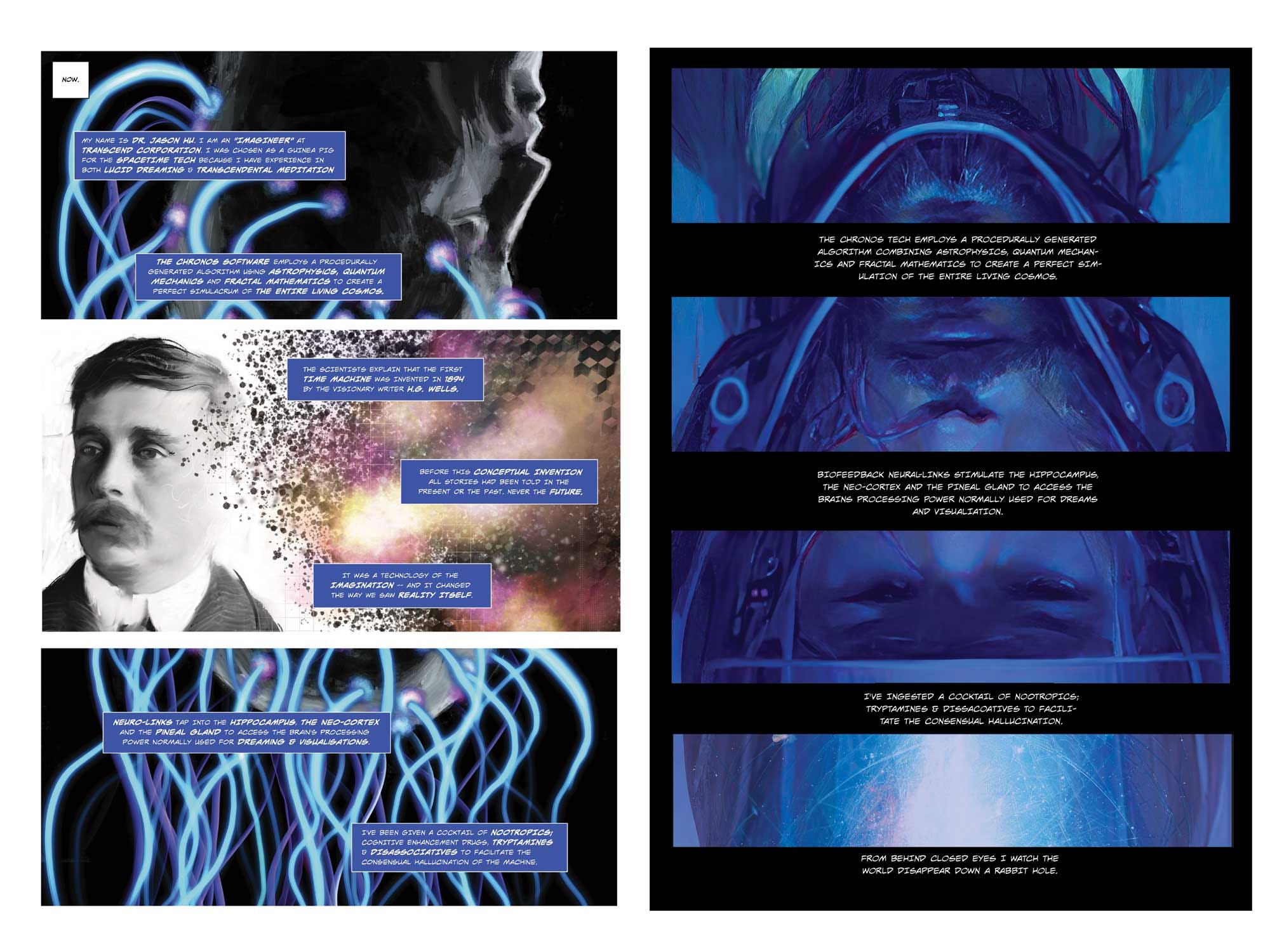
The first chapter of CHRONOS contains two versions of the same narrative. The first was created in a traditional techniques of digital illustration by the author; the second version reimagines the same story using generative AI to reflect the themes and subject matter of the story as an experimenta in the potential of artificial intelligence.
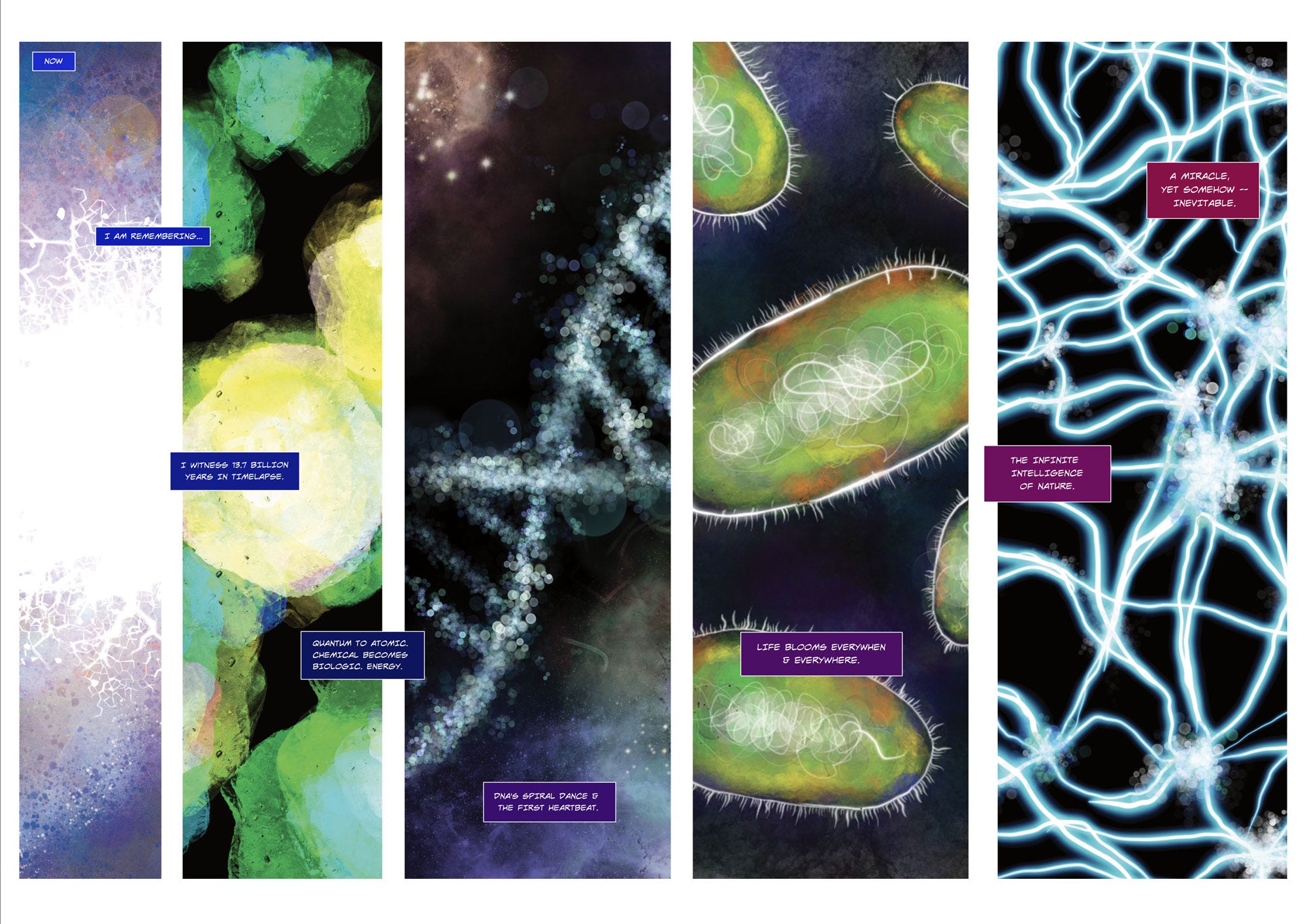
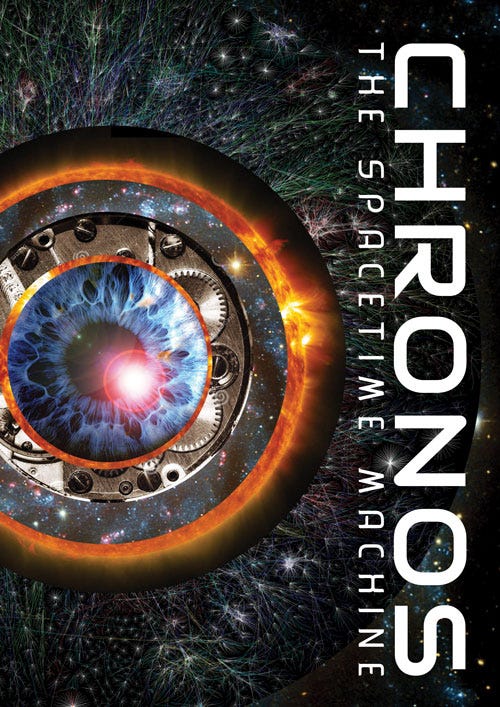
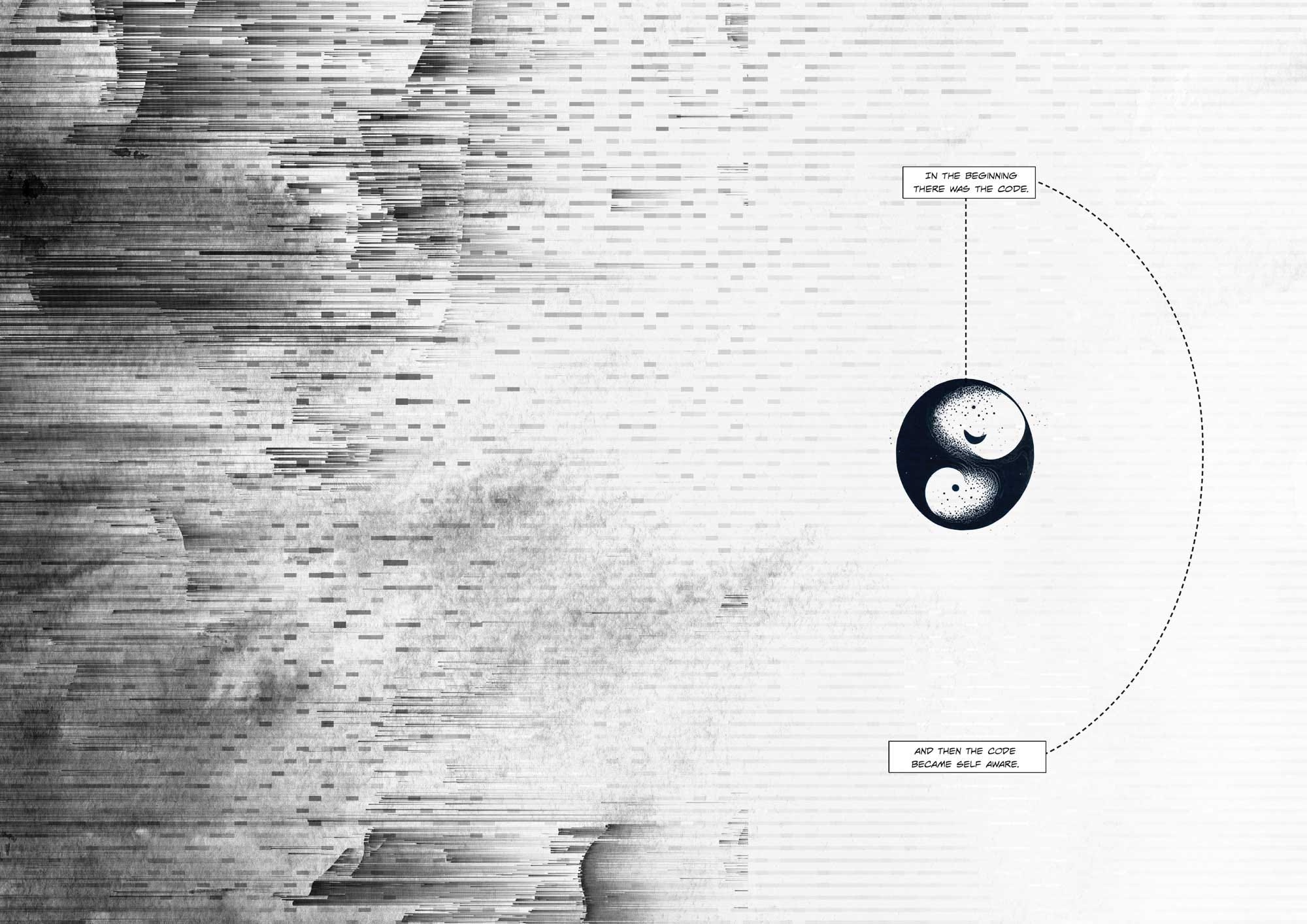
CHRONOS: THE SPACETIME MACHINE was first published in Wild North Comics #1 and the reimagined for the the AI art magazine ART EX MACHINA as an experiment in merging traditional & digital illustration with generative AI as a technology for new media art.
Although I began this project using traditional digital illustration, CHRONOS is a story exploring simulation theory, virtual reality and the potential of artificial intelligence so using AI software to visualise this had some poetic resonance. The first issue was created just prior to the mainstream release of generative AI, but when I saw the potential of this technology I thought it would fit perfectly with the themes of this story.
As a filmmaker, I’m quite open to the adaptation process across mediums, so I relished the idea of re-imagining the story with these new tools. Along the way I expanded the story and altered the text based on the images I was creating with the AI. Sometimes it took quite a lot of trial and error to get the imagery I was looking for and other times I was inspired by the images renders that led me into new directions. I found the process challenging and inspiring like learning any new instrument or a new language. It takes patience and time to master a new craft.
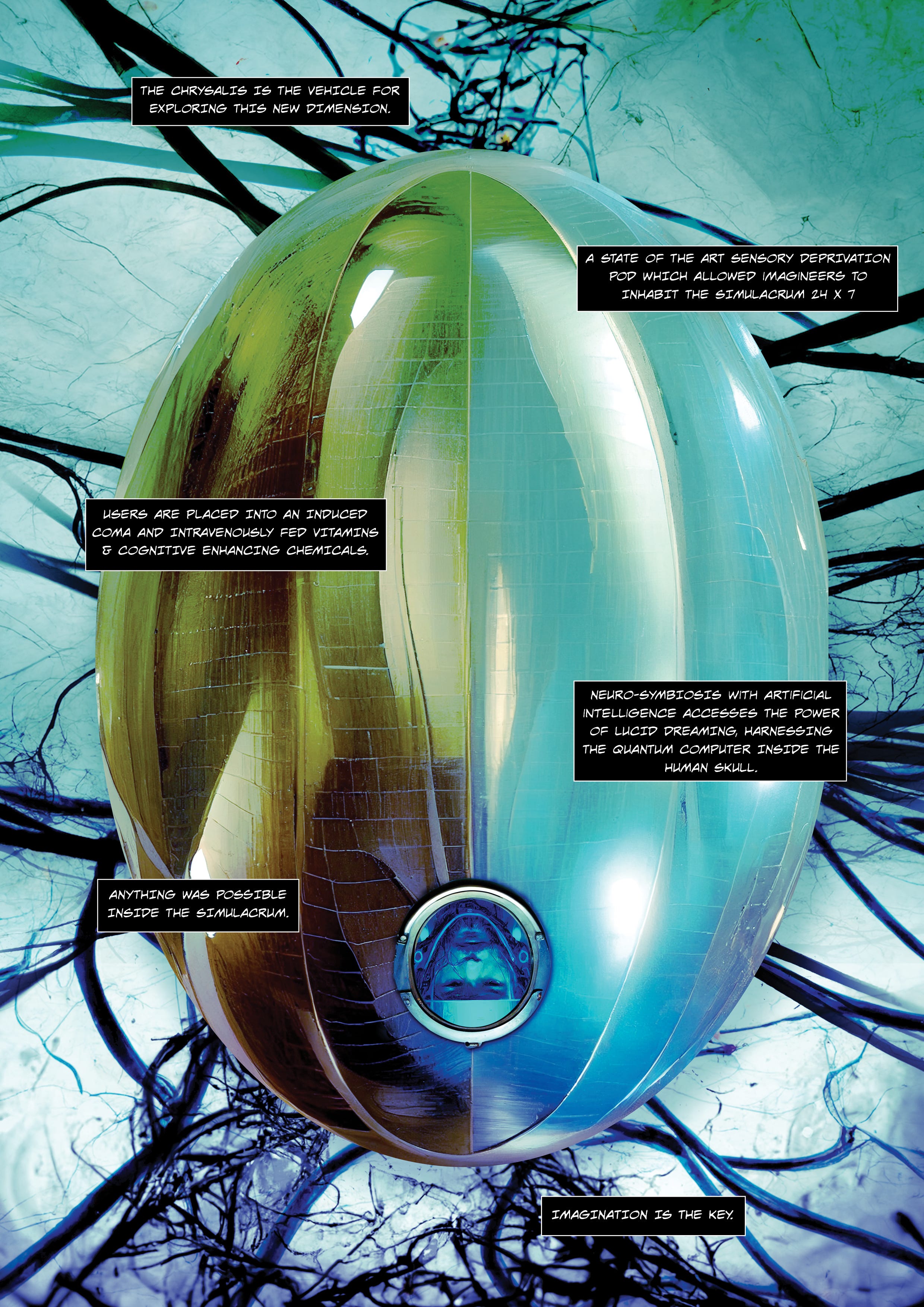
I’m not interested in letting the AI take over my creative process, but finding a way to incorporate it into my practice and elevate it. If the software can’t achieve the effect I want, I’ll happily touch it up, alter it, redraw or collage the material to realise the vision in my mind’s eye. Any technology is only useful if it adds to your toolkit, otherwise it can easily become a handicap and limit your vision. I don’t plan to abandon any of my other skills and never pick up a paintbrush again, but I definitely feel empowered by the potential of this technology to realise my visions in a more expanded canvas, as if I was working with a whole team of concept artists on a film project. In the end, the process remains consistent; the origin of a new piece is always the initial idea, the process of experimentation, the final selections of works that you will print or exhibit. What is different is the vast visual language that AI can bring to the concepts I am already working with, and in this way it is liberating.
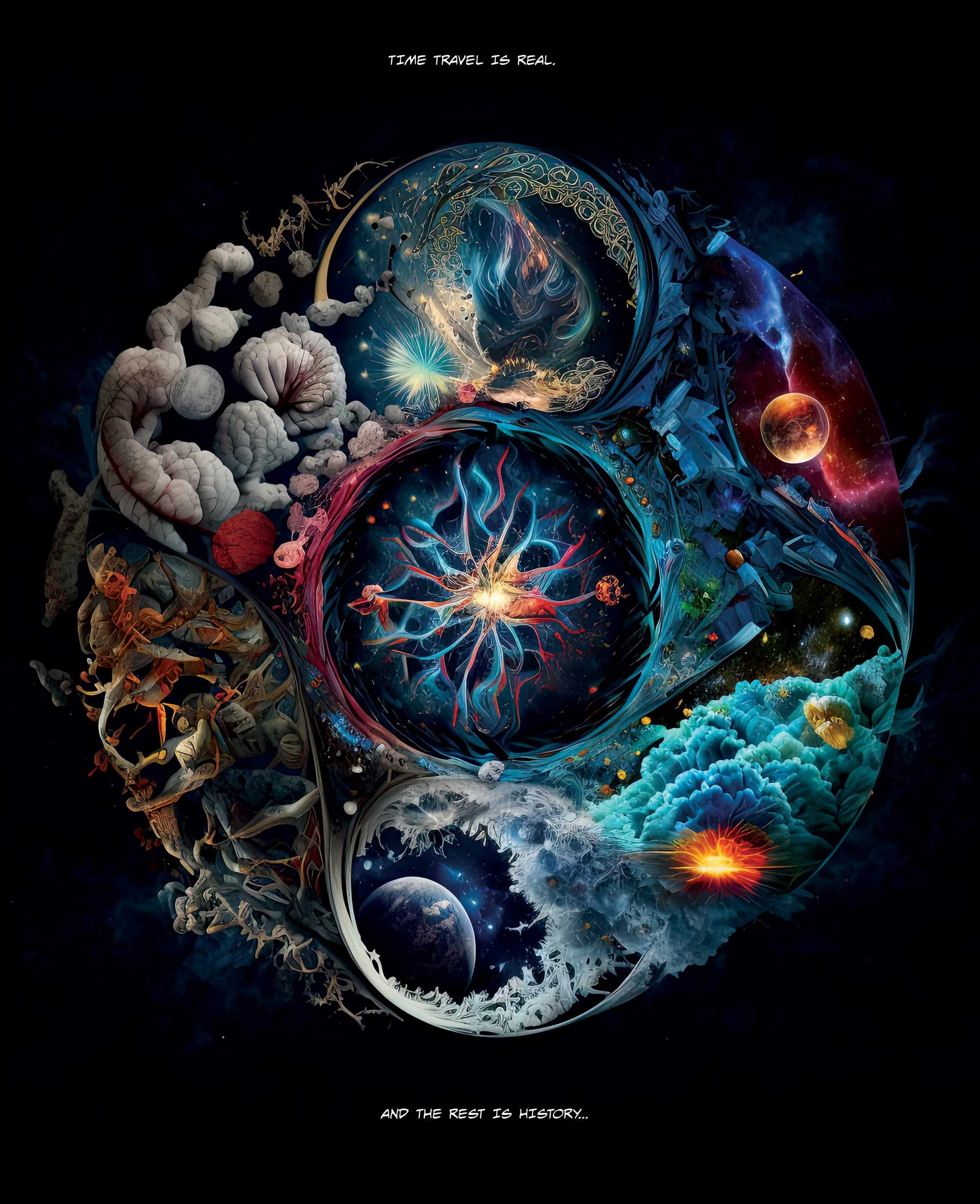
Transforming ideas into art always brings about unexpected outcomes. One thing every artist learns is that your final piece rarely matches the original vision. Happy accidents and new ideas form through the very process of spending hours focused on the rendering of a vision. Part of the creative process is the conversation you end up having with the medium. Working with AI image software has many parallels. In some ways, I found this process more akin to writing than a visual arts practice. Writing prompts for AI image generation is a process of trying to describe the image in your head so the AI can understand – and that is the same challenge that every writer faces. It is also the challenge every film director has communicating their vision to their cast and crew. It is also the relationship that comic writers have with the artist they are collaborating with.I wonder if perhaps this technology is birthing an entirely new medium that is a merging of these arts?
For me, the question of whether art generated through artificial intelligence is authentic or not is beside the point. What I want to know is what artists are going to do with it. How will it push forward our cultural dialogue? What new art forms will it bring forth? Can it illuminate new perspectives on the nature of creative process? Can it gives a reflection of our own intelligence so that we can solve the meta-crisis that we face as a planet?
That is the challenge I feel has been set by this new technology for our generation to explore. If you like these ideas, I invite you to join me on this journey into time and space. I promise, it will be a mind expanding journey...
~ Timothy Parish, 2022
No posts
Comments
Nothing yet. Say the first thing.
Sign in to join the conversation.