
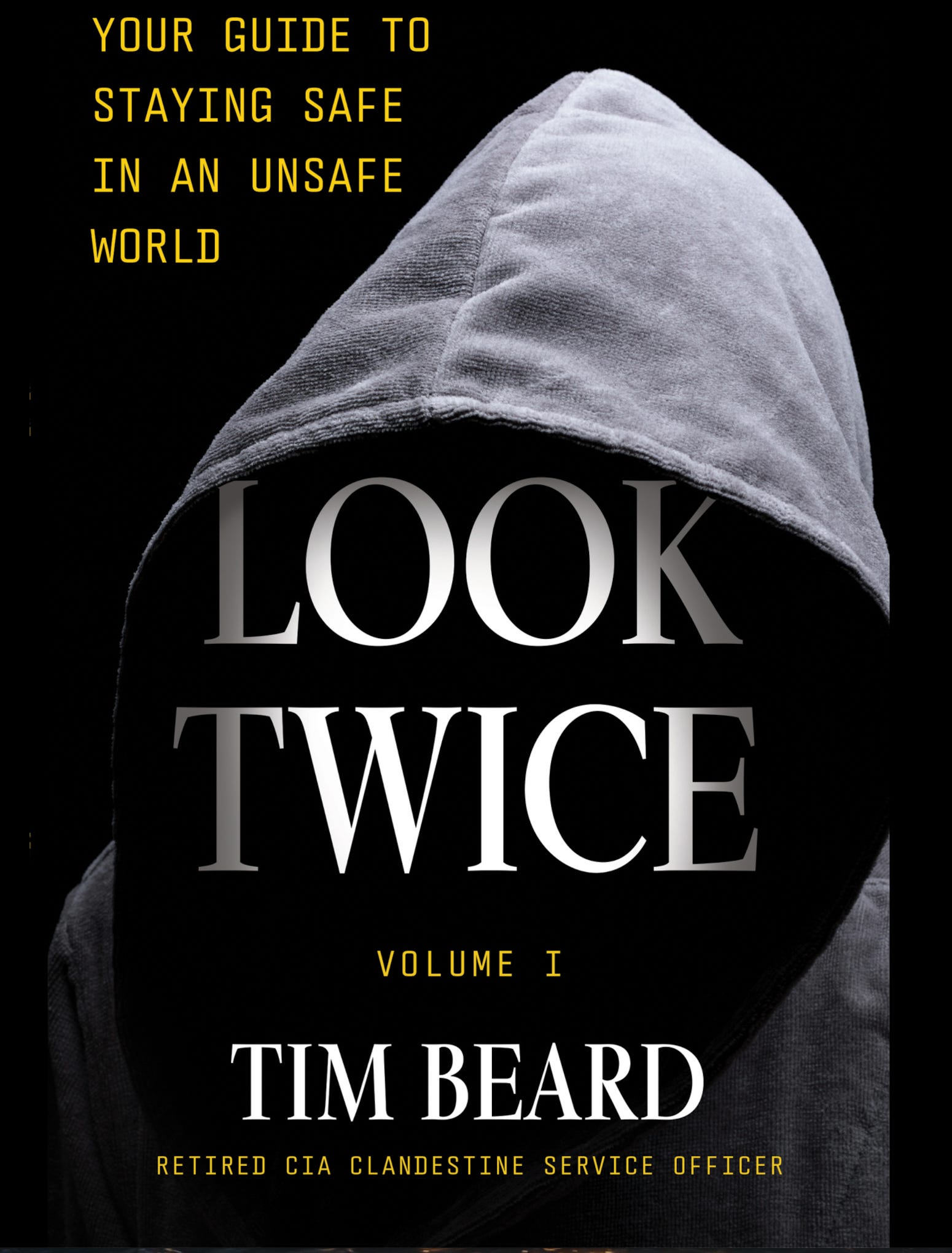
One of the benefits of being an instructor in Marine Corps schools is seeing your former students go on to accomplish great things, both in and out of the Marine Corps. One of the Lieutenants I taught during my stint as an instructor at the Marine Corps Infantry Officer Course (IOC), Tim Beard, has just done something great. Three great things, to be precise. He has just released a comprehensive trilogy aimed at informing the average American how to stay safe in a rapidly changing world.
These books could not have come at a better time. Colonel Will Costantini, USMC (Ret), explained why on a recent Mensa Brothers podcast. The topic was Iran, and Will commented:
“We have an opportunity to save our country; we closed the border and reduced stupidity and the size of the bureaucracy. We are opening America for business so people can find gainful employment and have a sense of optimism about their own and their children’s economic future. . . If we wait until the fall to win the Iran war, we risk losing the country next January.”
There is a good reason to be concerned if you live in an area that has experienced rapid demographic change due to the influx of illegal migrants sent by the government or economic refugees fleeing blue-state dysfunction and high taxes. The replacement of local populations in both major and minor urban landscapes risks turning those areas into “behavioral sinks”—a term coined by ethologist John B. Calhoun to describe the collapse of social behavior that occurs when a population is subjected to extreme overcrowding.
The official response to COVID-19 revealed how thin the veil of sanity or societal functioning really is. The media and members of polite society have tried to shove COVID-19 under the rug to pretend it never happened, but you must realistically see it as a foreshadowing of what is to come. It is important to remember how easily the government or your own neighbors can become staggeringly tyrannical or insane. The idea that a medical mask can protect you from a 3-micron virus is insane. The idea that our CDC can detect the index case of a highly contagious viral disease like COVID-19 is likewise insane.
By the time the CDC was reacting to COVID-19, the virus had been spreading across the countryside for months. Dr. Jay Bhattacharya demonstrated this with his COVID-19 antibody seroprevalence study in Santa Clara County, California, conducted in early April 2020. What did he get for trying to inject scientific reality into the COVID crisis? Intense criticism and ostracization from other epidemiologists and public health officials. Death threats, racist attacks, and pressure from Stanford University administration to change his study. Censorship, social media blacklisting, and personal attacks from people like Dr. Anthony Fauci.
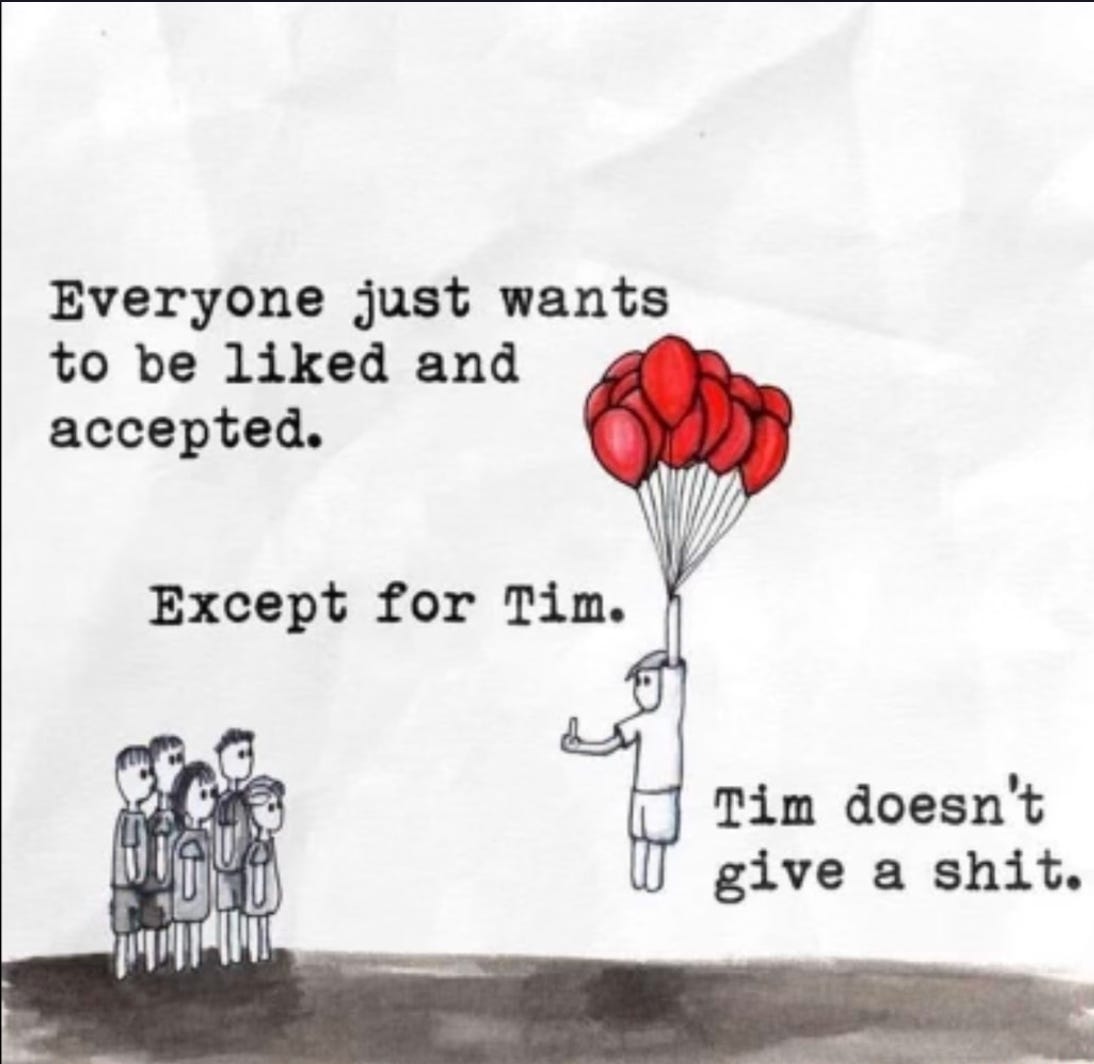
My philosophy of life could once be summed up by the famous “Be Like Tim” meme. When I was younger, I would have encouraged everyone to be like Tim (Lynch). Now that I’m older and wiser, I would encourage everyone reading this review to be like Tim (Beard).
Tim Beard doesn’t stand out in a crowd; he hides in the middle of it. He’s 6’5”, so I don’t know how he doesn’t stand out, but he’s a trained CIA agent, so who knows. He’s an advocate of the gray man lifestyle; he goes to great lengths to blend in, but he stays armed and alert, keeping his cell phone in a Faraday bag. Most of you couldn’t do that; the thought of disabling your cell phone and being disconnected causes unimaginable distress for some of our fellow citizens. But you should do that, and Tim Beard explains why in simple, non-jargon-laced language that is calming to read but hard to put into practice.
Tim had a great 8-year run in the Marine Corps before being recruited into the CIA Directorate of Operations. He got into all sorts of mischief overseas as an operator, not some flunky hanging out in American Embassies. Readers who have followed me over the years know that I hold the CIA in low regard, despite knowing several high-caliber Marines who were recruited into its ranks. Tim is one of those Marines.
When Tim asked me to review his trilogy, I was happy to do so. But when I asked how long he had been in the CIA, his response (on the Signal app because he doesn’t do cell phone texts like a normal person) was “I had over 28 years between the US military and the intelligence community.” And that, my friends, is lesson number one: never reveal detailed information about yourself, even when you’re asking for a favor.
Not that Tim is rude or imperious in temperament. Given his profession, he can’t afford to be. He is very personable, asking questions about you and your opinions on matters great and small. He can put strangers at ease and get them talking for hours because who doesn’t like to talk about themselves? But I’m getting ahead of myself. His excellent advice on information management is in Volume II.
Volume I introduces the Look Twice Mindset. These books are not intended for people in law enforcement or the military. They were written for average, everyday Americans who have no security training but understand that learned helplessness is no way to live. For a highly trained international man of action who understands security fundamentals, this was still worth reading. Tim covers home security, work security, and what to do and what not to do when out and about in your hometown. He also explains how to detect threats while going about your normal daily routine. After reading Volume I, I realized I need to up my game by adding gear to my vehicle, like a glass-breaking hammer with a seat belt cutter and some caltops – you can get a bag of 20 on Amazon for $25. They will complement my tactical seatback rig, which is stocked with enough first-aid gear, edged weapons, and pistol ammo to earn the Tim Beard stamp of approval.

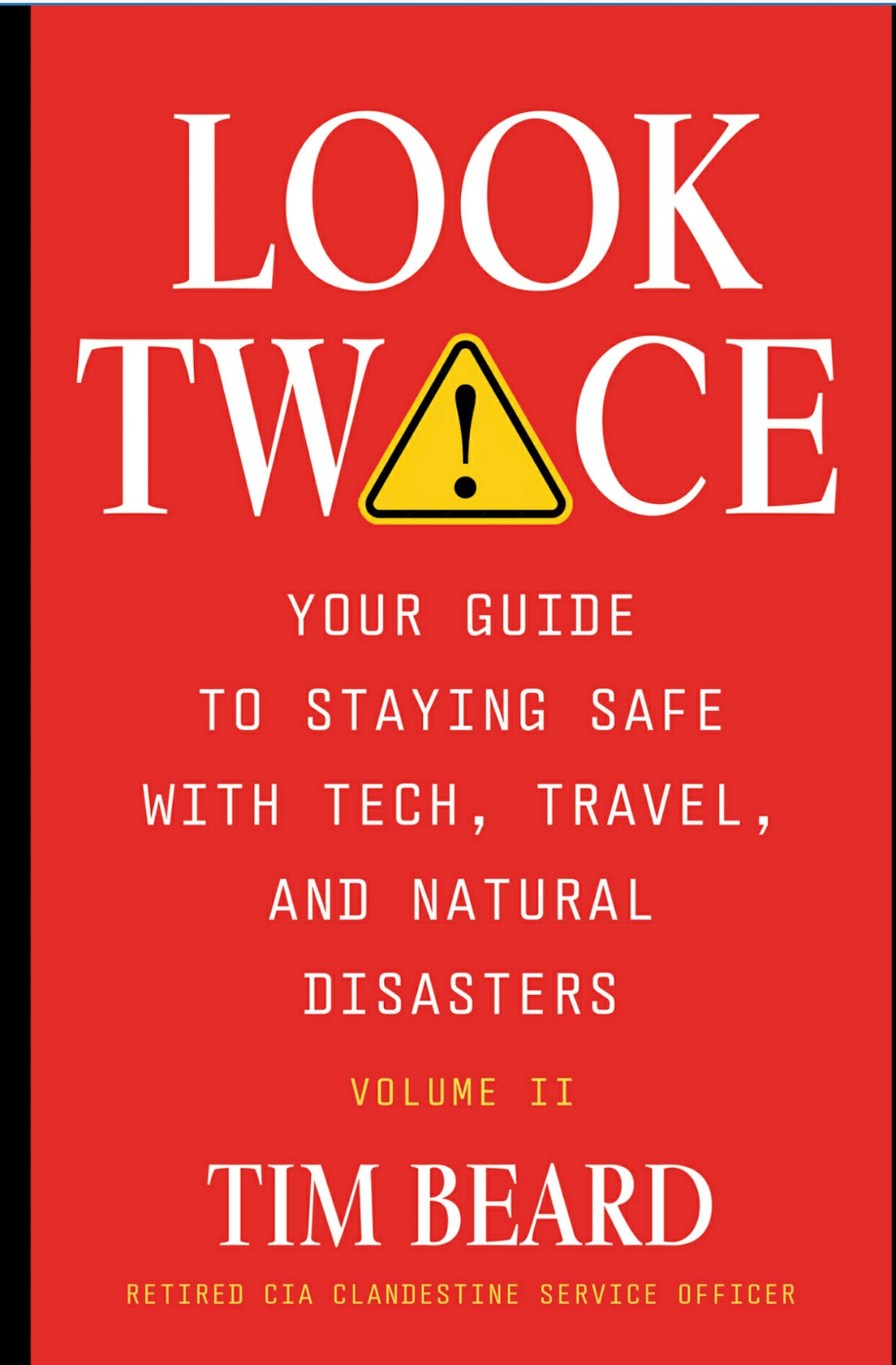
From my perspective, Volume II of Look Twice is the most important. It covers what Tim calls “Safe Tech,” which addresses everything you need to know, from data storage and encryption to VPNs, mobile devices, and social media. The reason he goes to great lengths to cover the best current IT security practices is revealed in the next section, which concerns fraud.
What concerns Tim is the future of malicious AI-assisted fraud, which is why he advocates strict security protocols for internet-connected devices. He is not a fan of household devices that connect to the Internet of Things, such as doorbells, climate control, washing machines, and refrigerators. I can tell you (because I have an excellent A/C guy) that using a Nest app (or similar product) to control your thermostats is hard on your central air units. Tim can tell you that having a smart meter that lets your utility company control your thermostat is reckless.
I’ve fallen into the habit of filling out questionnaires from various vendors, service providers, the VA, and the local government. I often wonder why I bother. Now, thanks to Tim, I’ll never fill out one again. As he points out, you have no idea what all that innocuous data can add up to when aggregated and analyzed by future AI programs. Whatever comes out the other end of that process will not favor you.
There are more handy tips, many of which have led my wife to say, “See, I told you so.” These tips include shredding every piece of mail with your name on it, using a password manager, changing every password you currently use, and always using two-factor authentication where available. If your wife has been bugging you about these or similar topics, now you can admit she’s correct and add that a career CIA agent is backing her up.
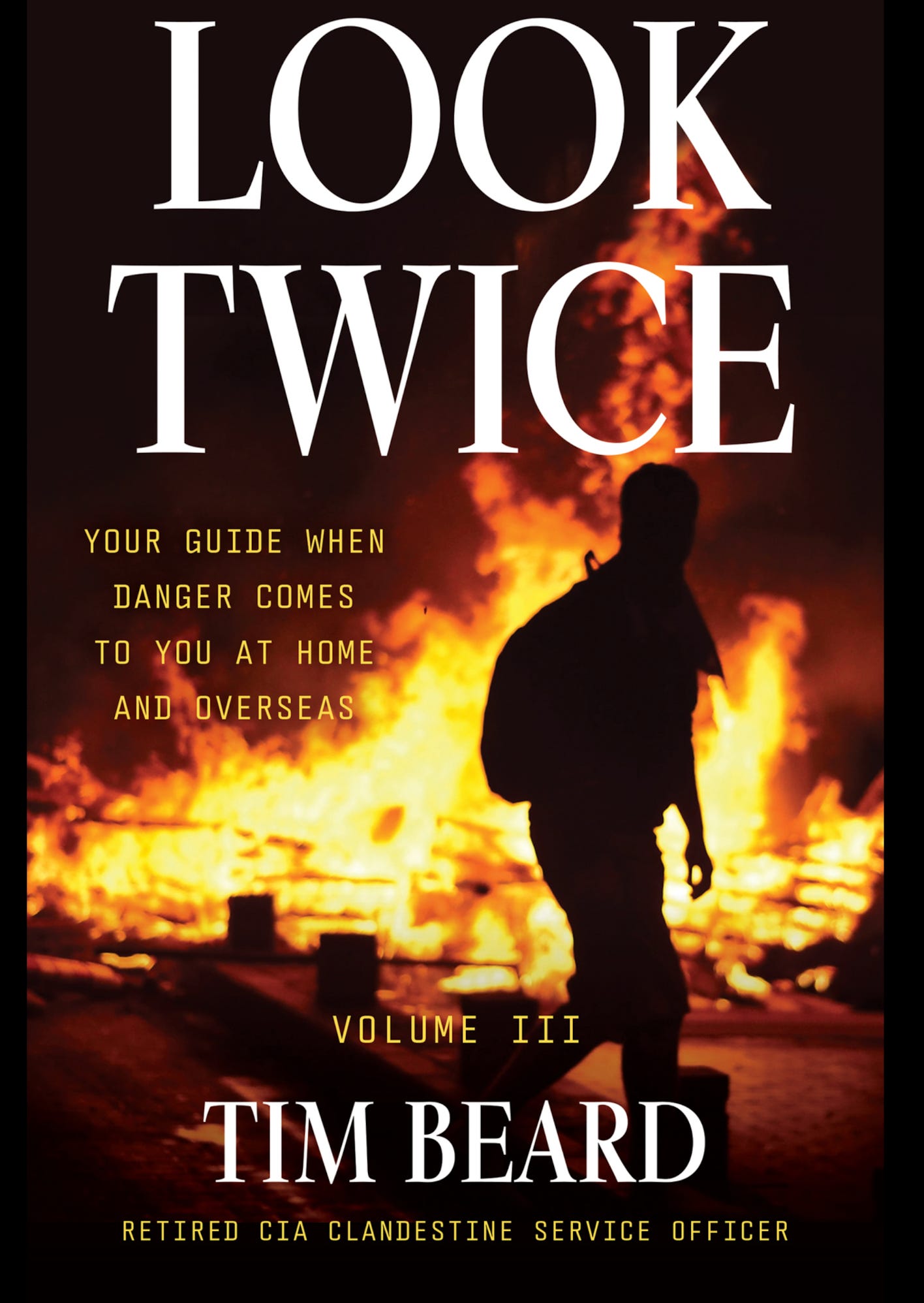
This brings us to Volume III, which covers guns, knives, blunt instruments, ammunition selection, and proper training. I know there are millions of Americans who have no practical knowledge of how to use firearms or edged weapons. I don’t personally know any of them, but I acknowledge they are out there, probably staring at a screen as I write this review. There is now an easily digestible, common-sense guide they can pull up on a screen if they wish, though I recommend going old-school and buying the series in book form.
Not only does Tim cover weapons and how to employ them, but he also covers some of my favorite topics, such as handling checkpoints and roadblocks. He explains how to conduct yourself in a foreign country that is not an ally of the United States and how to handle mobile, static, and technical surveillance, which you may encounter there or here in the United States. It is easy to find all sorts of advice on these topics, but it is rare to find advice that makes sense.
It is impossible to foretell the future, but it would be foolish to assume it will be bright and peaceful for ordinary Americans. You can choose to believe you are invulnerable to misfortune or to prepare to handle adversity. If you are not part of the 1% who have served in the military or the 0.25% working as sworn law enforcement, your options for learning to deal with serious adversity are limited. If you’re smart, you’ll recognize this and purchase Tim Beard’s Look Twice series.
Comments
Nothing yet. Say the first thing.
Sign in to join the conversation.