
Two weeks ago while in Las Vegas for Adobe Summit (as a guest of Adobe) I had the chance to meet Alexandru Costin, VP for AI & Innovation, who has taken on the mission to transform their software development to agentic-enabled processes.
This has meant completely rethinking the tools and processes for their 10,000 “builders” - the people who are inventing, coding and shipping Adobe products such as software engineers, product managers, designers.
The reinvention started about four months ago. Alexandru had been watching what newer LLMs and tools like Claude Code and OpenAI Codex were becoming capable of. He was thinking about what it meant for his work, and for his family.
“In January I realised it’s evolving and it’s going to be very different. It was a moment of discomfort for me. I’m an ex engineer myself, and my son studies computer science in college, so I care a lot about the craft of software engineering.”
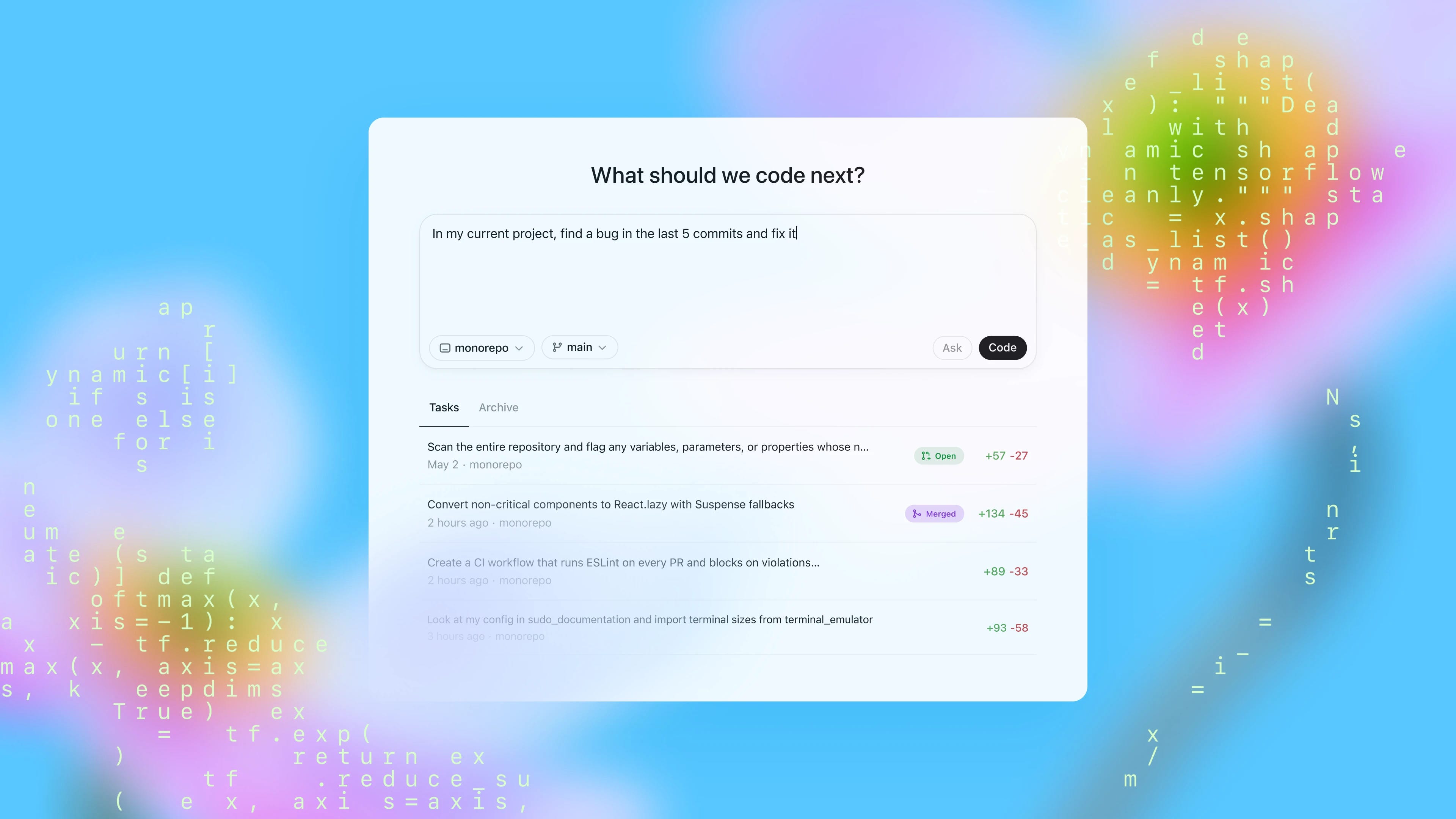
And so he started with a manifesto describing the major shifts happening in software development and challenged the engineering community to think about a new way to build software. He sent his manifesto to Adobe’s Engineering Council and this provocation helped lead to a governing body and then to experimentation through pilots across Adobe.
The result of this is more than 170 pilots have started in the last six weeks alone. The goal of these pilots is to learn what works for Adobe, not just copy patterns from startups, and for this reason they are deliberately diverse covering mobile, web, and desktop, low-risk and high-risk platforms, platform engineering and front-end engineering.
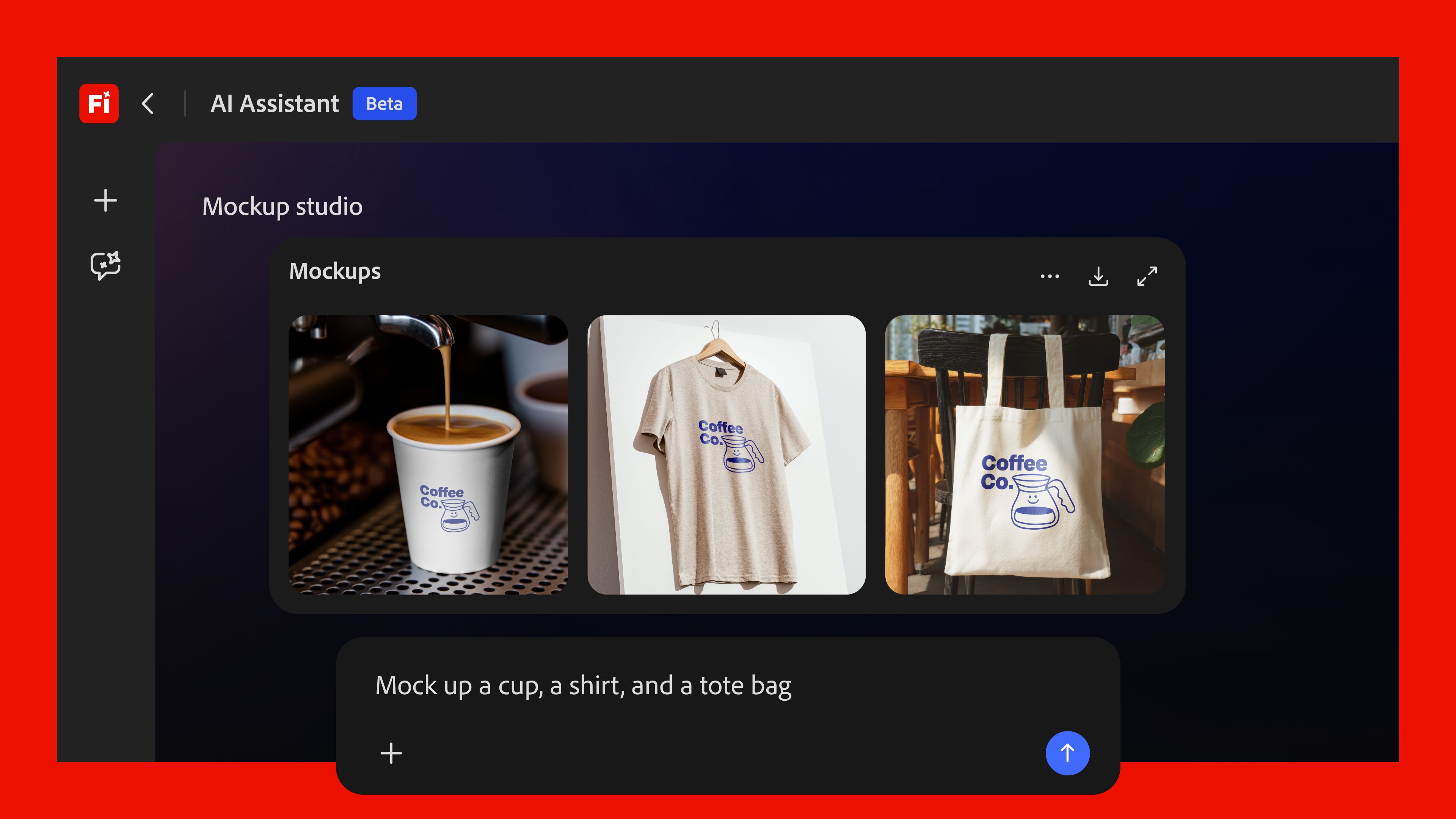
From this rapid and high volume experimentation Alexandru is seeing three patterns emerge in how teams operate:
Agent Delegation is the starting point. Alexandru describes it simply: engineers learn to treat AI agents as coworkers, delegating discrete pieces of work the same way they might hand a task to a colleague. The human stays in the loop and retains judgement, but the volume of work one engineer can move through increases dramatically.
Agentic Orchestration is where teams that have mastered delegation start building what Alexandru calls “AI factories”: reusable skills, workflows and agents that can repeatedly execute the same process end to end. For example a fully agentic Jira-to-pull-request pipeline, where an incoming customer request moves through an entire implementation workflow with only human-in-the-loop checkpoints along the way. The engineer’s job shifts from doing the work to building the system that does the work.
AI Pods - that operate like mini startups comprising a PM, a designer and a couple of engineers working in an extremely agile fashion with very short time from customer signal to delivery
It is these patterns combined that is allowing them to build 10x faster.
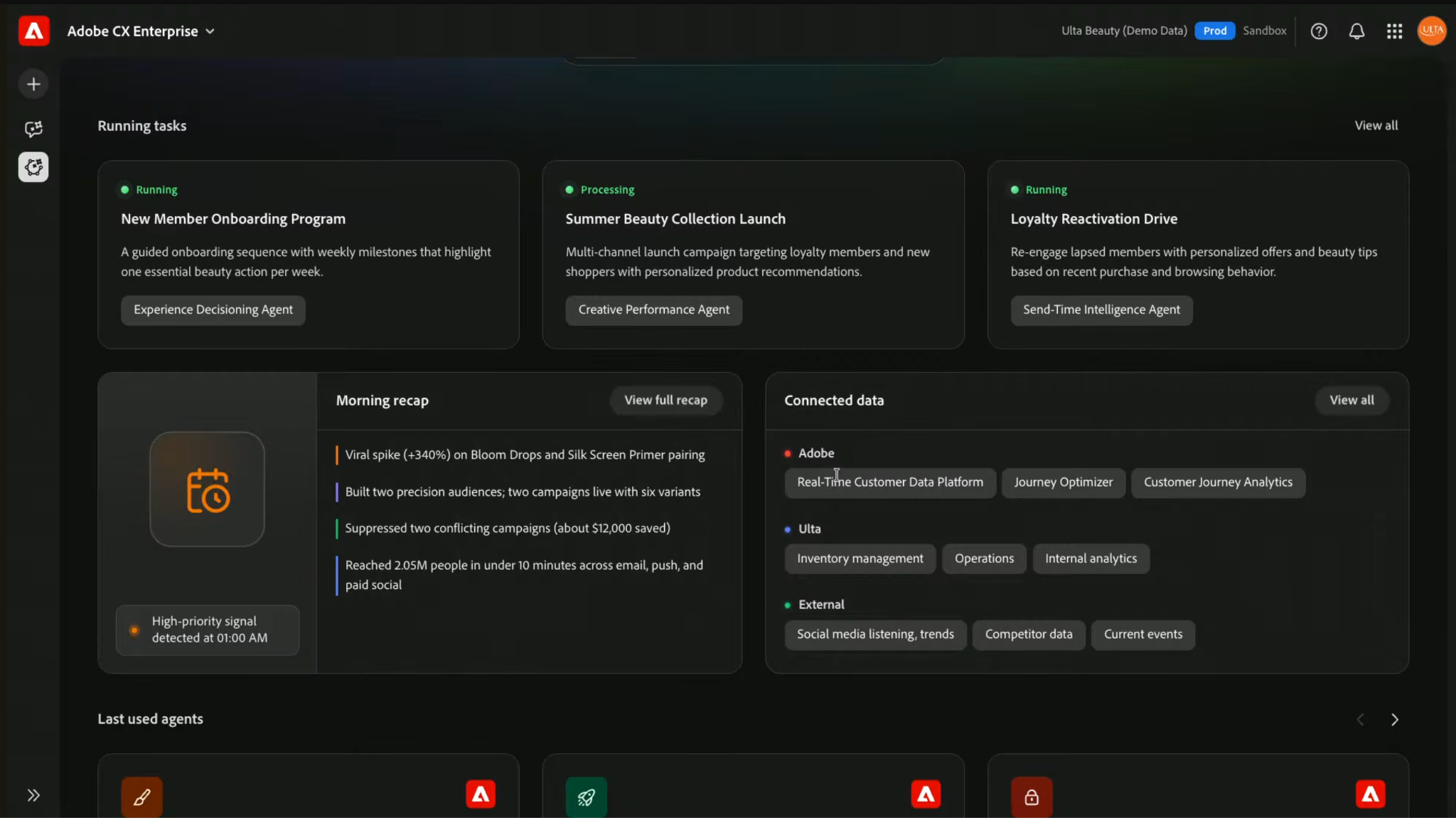
I was blown away by the announcements of new products at Summit, in particular how quickly they have embraced the metaphor of “coworking” and composability of Agents, Skills and Tools. Claude Cowork was only launched in January of this year, and a few months later Adobe are onstage launching CX Enterprise Coworker and a swathe of other agentic AI products.
Now they can launch products so quickly, I wanted to know whether their customers can move at the same pace. Companies like NAB, Tourism Australia, Qantas, Westpac and Coles traditionally are not fast moving when it comes to their enterprise software platforms.
He said “We are very thoughtful about that. We have customers that have been using our products for decades and their muscle memory is very strong.” Adobe is using the extra bandwidth to not just ship attention-grabbing new features, but to deliver on areas they know the customers want such as better stability, faster performance and improved security.
If Adobe can build 10x faster, does this mean they need less people?
The headlines from the past few months are making software teams nervous. Block Inc. laid off about 4,000 employees in late February 2026, with Jack Dorsey saying they need a leaner team using AI tools to boost efficiency.
Closer to home, Atlassian cut about 1,600 jobs in March, 480 of them in Australia. Mike Cannon-Brookes was direct about why: “The shift isn’t simply about cutting costs, but about changing the mix of skills the company needs as it builds products for the AI era.”
Alexandru says that Adobe are “staying flat with our engineering talent” as the company’s growth ambitions are high. The goal is that by keeping head count the same but with faster software development will help them to grow revenue rather than save costs, by improving current product lines, create new product lines, serve new customer segments and personalise enterprise software more than before;
“we look at agentic as the opportunity will give us the velocity to move much faster as a company and then expand into new business models, new customer segments that we couldn’t afford to do before.”
Alexandru joined Adobe in 2006 after the acquisition of his company InterAKT, a Romanian company that built web developer tools. Twenty years on, he remains one of the most energised people in the room when the conversation turns to the future of software development with AI.
What stood out most from our conversation was that Adobe isn’t treating agentic AI as a productivity layer bolted onto existing workflows. They’re treating it as a fundamental reset of how software gets built.
The opportunity isn’t faster code generation. It’s the chance to rebuild the product development machine from the ground up.
Time Under Tension provide a range of training programs including our flagship AI Academy, that can help your team build confidence in their use of AI chatbots and AI Agent Building platforms. Please contact us to learn more.
Here are five interesting developments from the past week:
We launched an AI Academy in partnership with the Ad Council of Australia
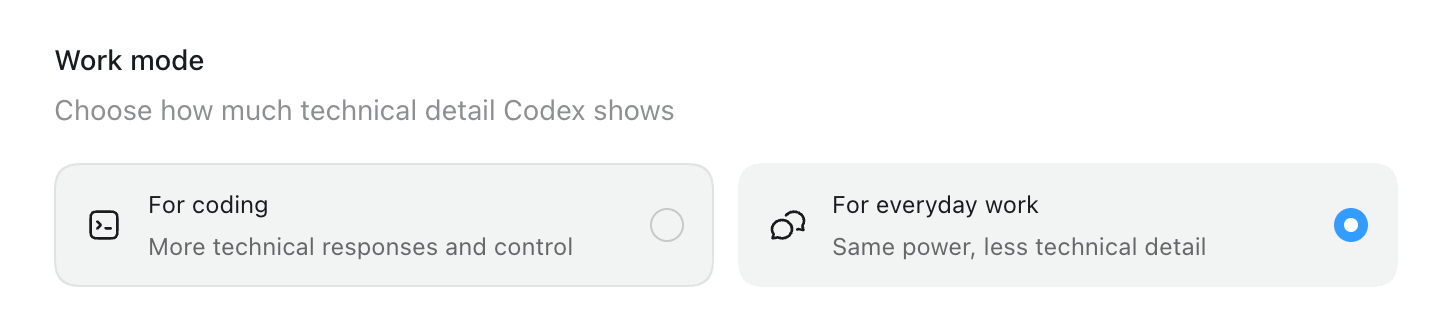
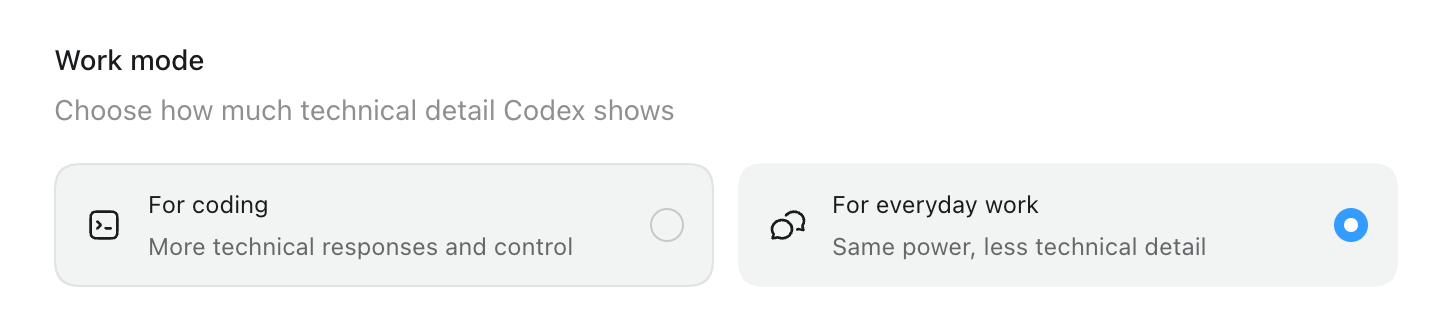
OpenAI Codex now has a setting to sound less techy, highly recommended;
A fascinating research experiment: training an LLM only on text from before 1931 - kind of like a ChatGPT time machine
Amazing demo from Rory Flynn on using ChatGPT Image 2 to create a complex motion storyboard and Seedance 2.0 to create a video from it;
Cleo Abram (video journalist) on what weightlifting teaches us about using AI - audio on!
Comments
Nothing yet. Say the first thing.
Sign in to join the conversation.