

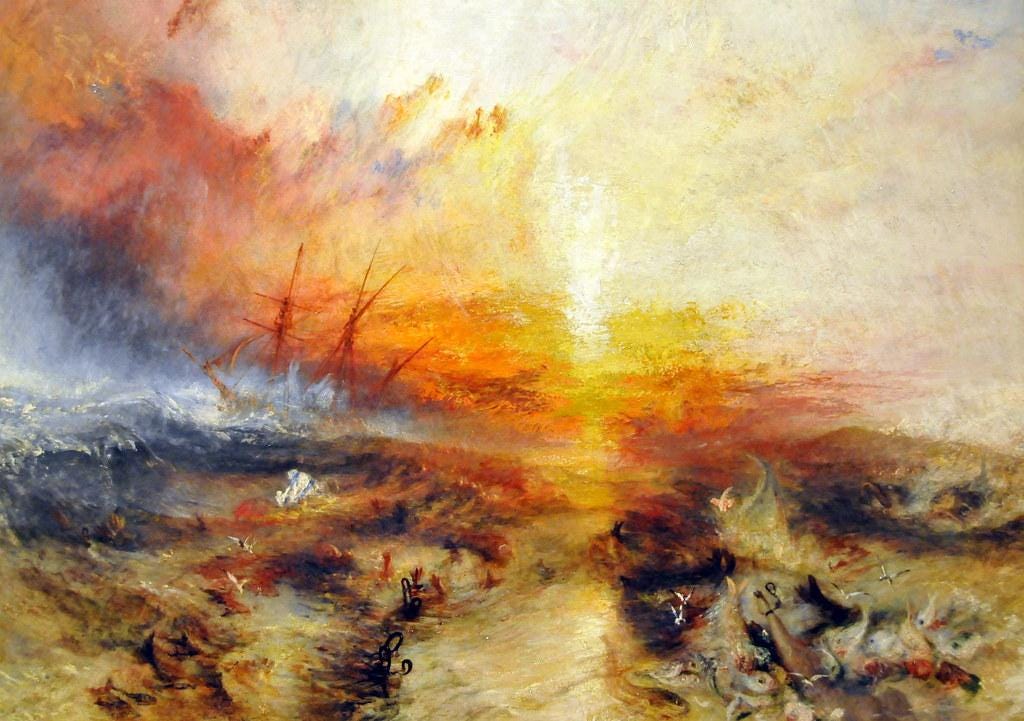
Here’s something that gets left out of almost every history book about the British Empire: Britain didn’t dominate global trade because of its navy.
I know that sounds wrong. Britain did have the most feared navy on Earth for two centuries. But so did other empires. Spain had one. France had one. The Dutch built an empire on naval trade routes too. A big navy was the bare minimum back then, not the differentiator.
The actual differentiator was insurance. And the same mechanism that built the British empire also sustained one of the greatest atrocities in human history.
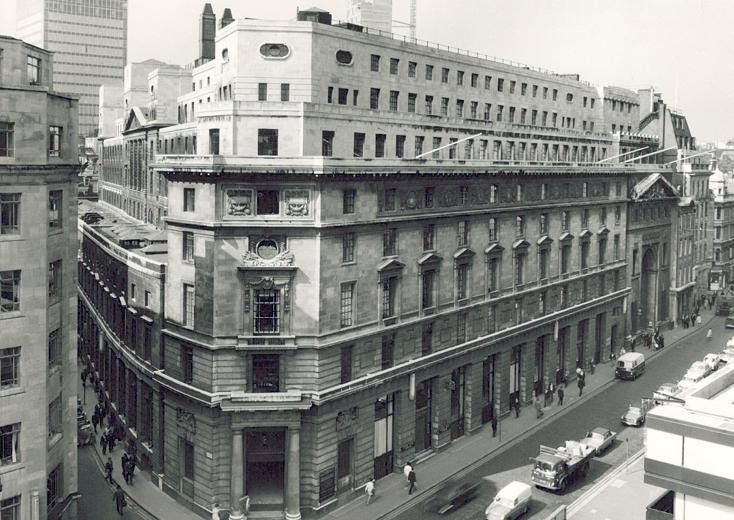
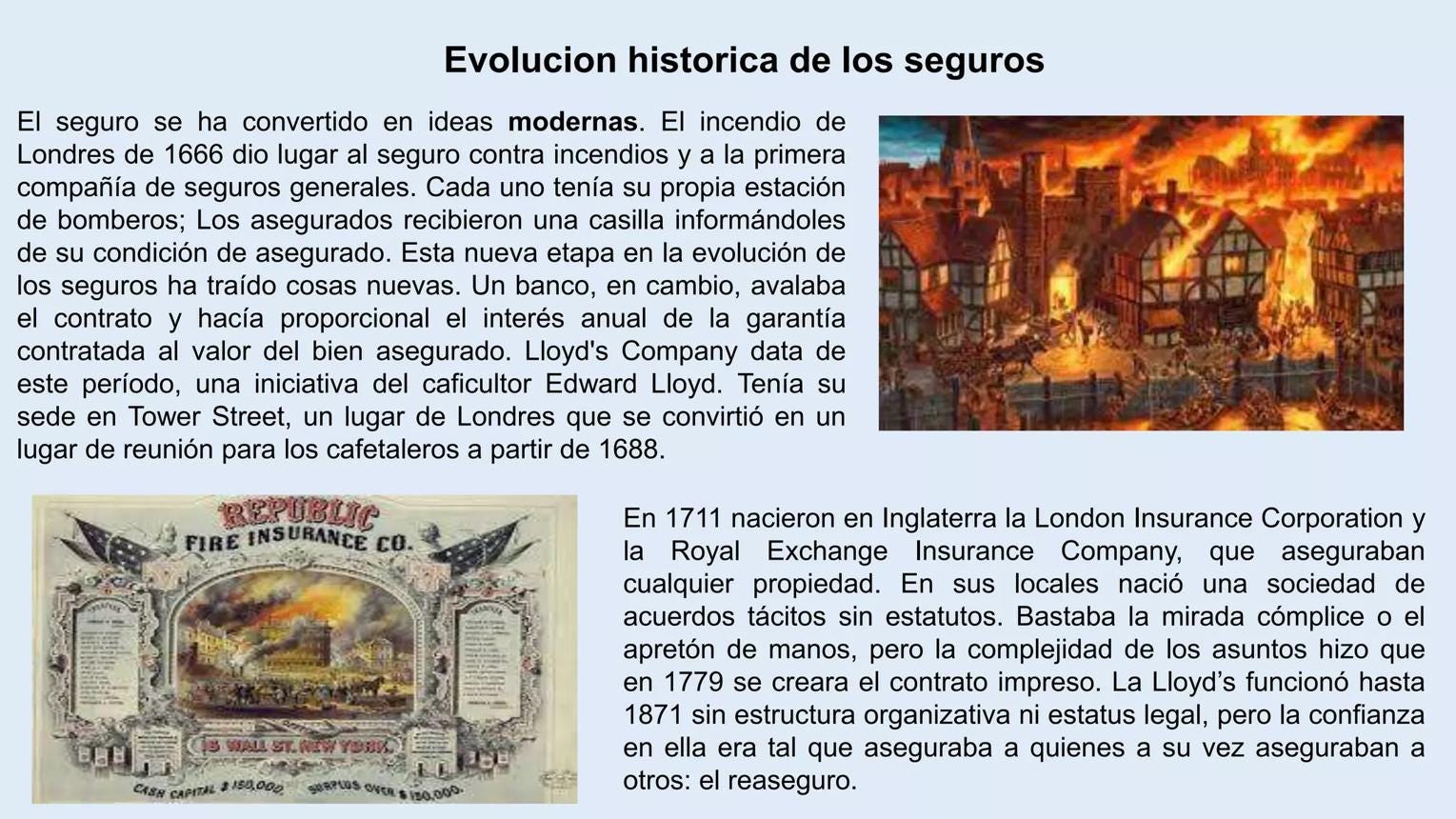
Lloyd’s of London used to insure slave ships. It was a core part of their business. As per the insurance contracts, enslaved people were officially listed on shipping policies as “cargo” and given a monetary value that was underwritten against loss, exactly like a shipment of sugar or livestock.
Insurance didn’t just enable the slave trade. It normalized it. It took the mass suffering of humans and turned it into a line item. And in November 1781, this distressing financial system got dragged violently into the light by a ship called the Zong.
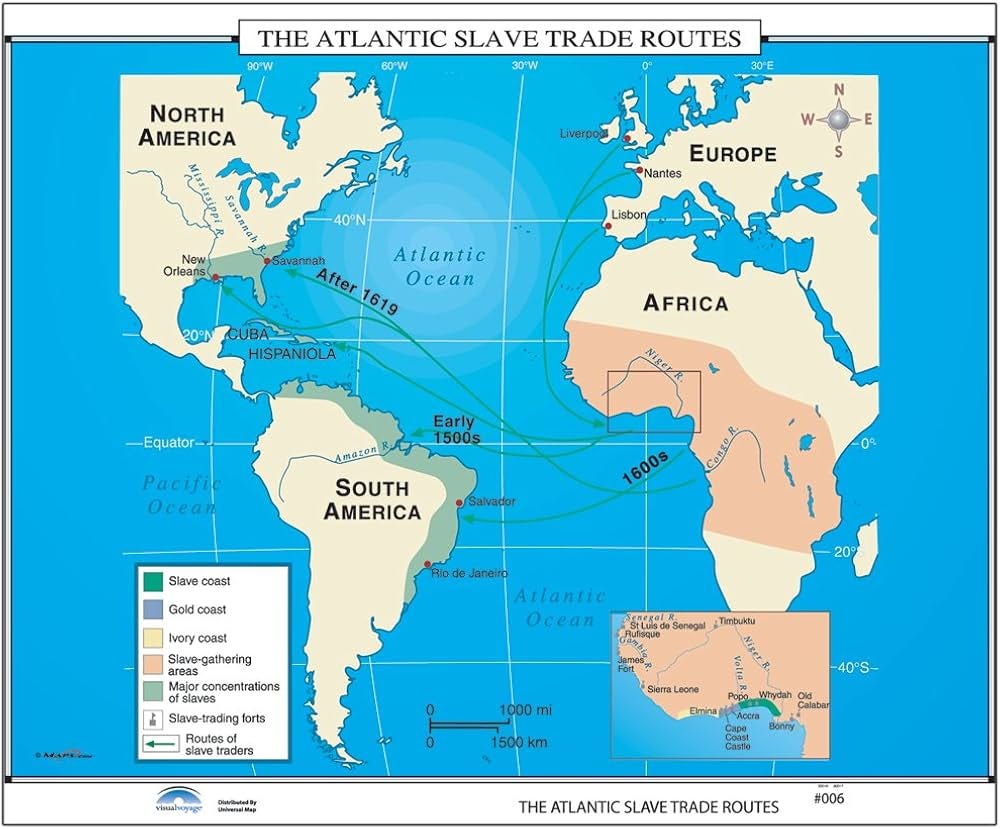
The Zong was a British slave ship owned by a Liverpool syndicate led by William Gregson who was a man that by the end of his life, had a financial stake in ships that carried 58,000 Africans into slavery in the Americas.
The ship sailed from the African coast en route to Jamaica on September 6th, 1781. It was carrying 442 enslaved people which was more than twice what a ship its size could safely transport. The captain, Luke Collingwood, was on his very first voyage in command. That detail matters more than it sounds like it should, because everything that followed traces back to his terrible decisions.
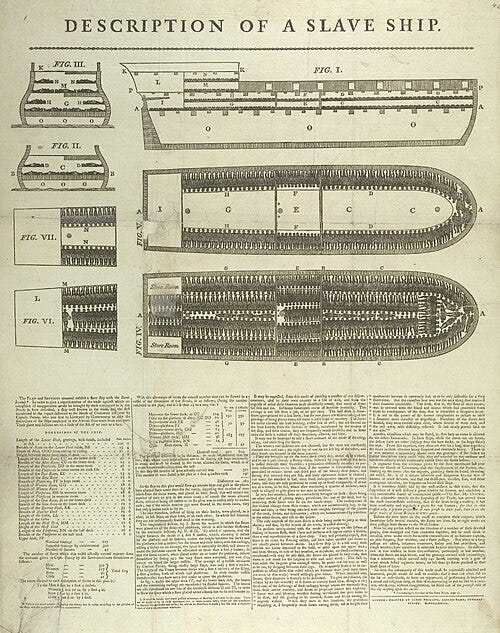
The journey went wrong almost immediately. Collingwood made a string of navigational errors. By mid-November, Collingwood successfully reached the coast of Jamaica but then somehow mistook it for another piece of land and proceeded to sail past Jamaica. By the time anyone realized the mistake, the Zong was several hundred miles off course, stranded in the mid-Atlantic.
This is when things took a turn. Disease had already been spreading through the ship for weeks. As the Zong sat there, unable to move, enslaved people began to die from both illness and malnutrition. Then the crew started to die too as water supply began to dwindle. That’s when Collingwood made a decision that turned a tragedy into a massacre.
Here’s the detail that makes this story different from every other horror of the slave trade and the reason I’m telling it through the lens of insurance instead of pure moral outrage (which it obviously is).
Under maritime insurance law at the time, if enslaved people died of disease or thirst on board, the ship’s owners had no claim. Death by “natural causes” wasn’t covered. It was simply a loss the owners absorbed.
But if enslaved people were thrown overboard as “jettison” i.e. a necessary sacrifice to save the ship and the remaining cargo, then that was an insurable loss. The owners could file a claim and be compensated, roughly £30 per person, for each life they took.
Read that again. The law did not punish the killing. It only paid for it.
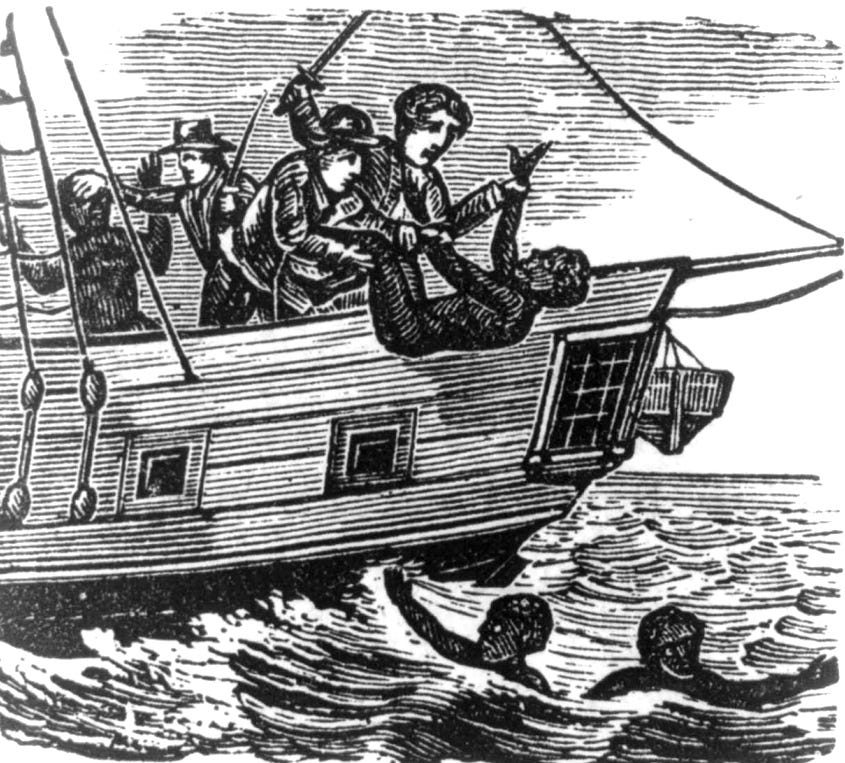
So Collingwood made his calculation. Over three separate days at the end of November and start of December, the crew dragged enslaved men, women, and children up from the hold, chained two and two together, and threw them into the Atlantic. Alive. 54 people on the first day. 42 on the second. They threw 26 more people overboard on the third day even after a storm had already solved the water shortage.
Ten more enslaved people jumped into the ocean themselves rather than be thrown. Only one person, who managed to grab a rope and climb back aboard, survived being thrown into the sea. In total, 132 people were murdered, but this number is still disputed and could be higher.
When the Zong finally limped into Jamaica in late December 1781, it carried 208 survivors, which is less than half the number that left the African coast. They were sold into slavery on the island within weeks.
Meanwhile the owners lost what they considered valuable cargo, so they immediately filed an insurance claim.
The underwriters refused to pay, so the dispute went to court, first in Jamaica, where a court sided with the owners, and then on appeal in London in 1783. The case is now known as Gregson v. Gilbert. But the part that is hard to reckon with is that this was not a murder trial. No one stood accused of killing 132 people. The court’s only question was whether the underwriters were contractually obligated to pay for the “loss of cargo.”
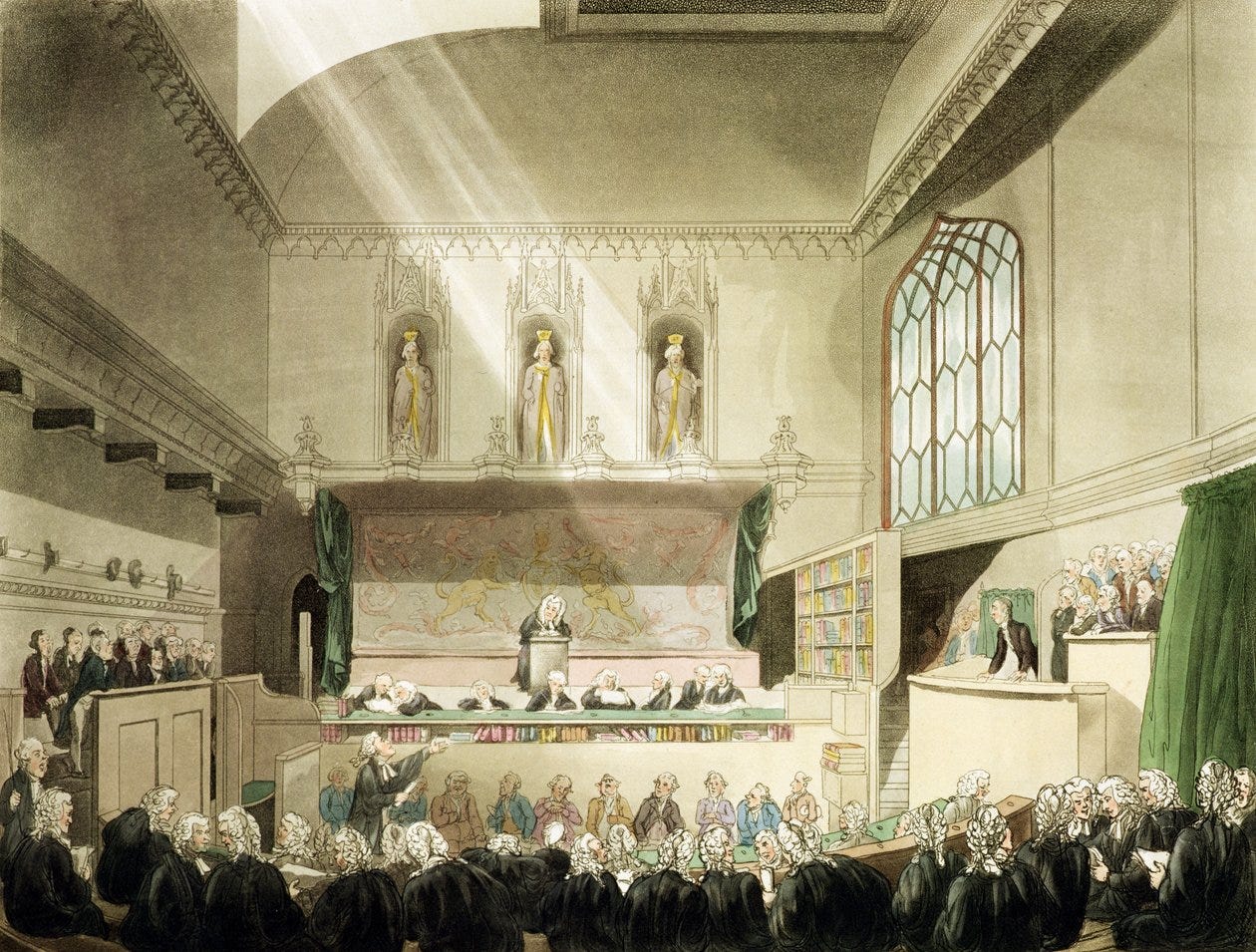
The solicitor general at the time refused to even pursue criminal charges. He reportedly dismissed the case by comparing the enslaved victims to lost timber. Yup. No one was ever prosecuted for what happened on the Zong.
But something else did happen. The case became public, very public. And something about the specific insurance framing of 132 deaths reduced to a question of who pays for the cargo, really landed with the British public in a way that decades of pure moral argument against slavery didn’t.
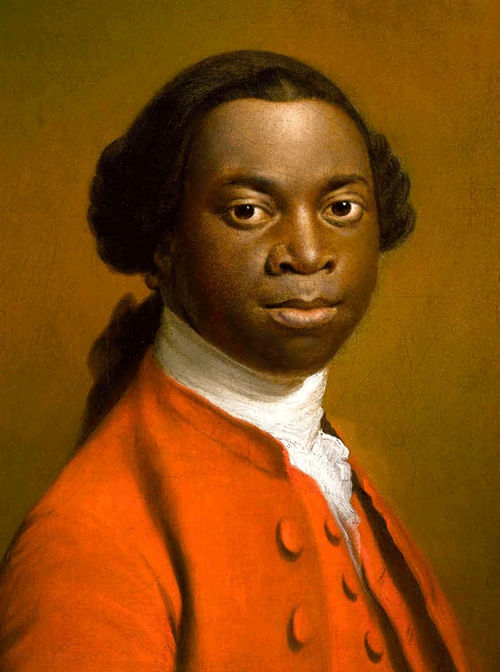
Abolitionist Granville Sharp tried, unsuccessfully, to bring murder charges against the crew, but the publicity around his attempt reached people like Olaudah Equiano and Thomas Clarkson, who used the case to fuel the growing abolitionist movement. On appeal, new evidence emerged showing the navigational errors and, crucially, that rain had fallen before the final killings which undermined the owners’ entire defense. The court ordered a new trial, but unfortunately there’s no historical record that one ever happened. The case appears to have been dropped.
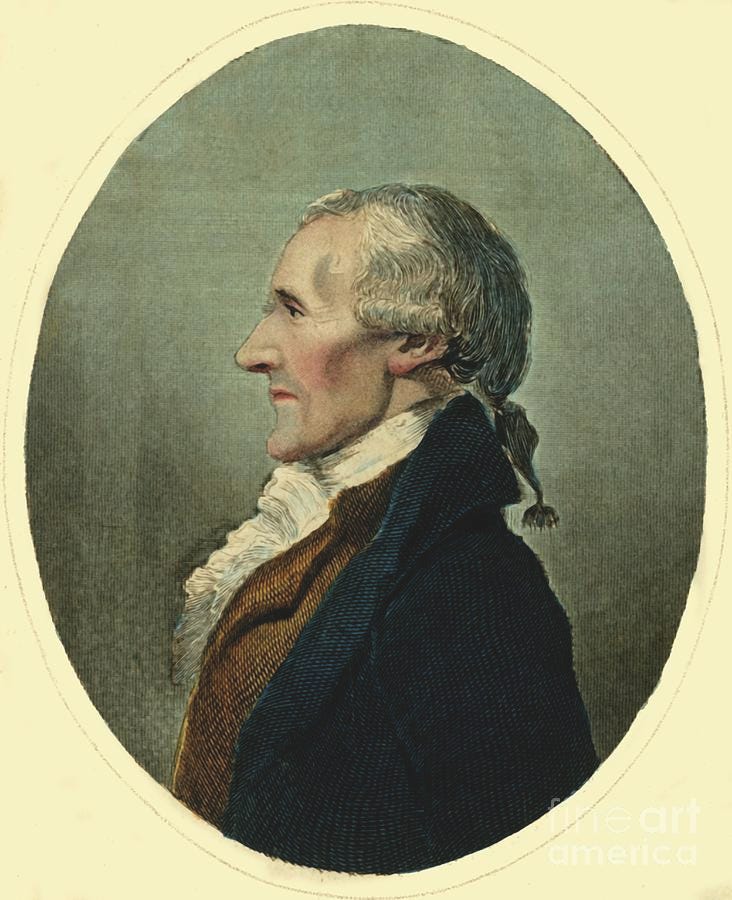
While there was no verdict or punishment, the visibility was its own kind of consequence.
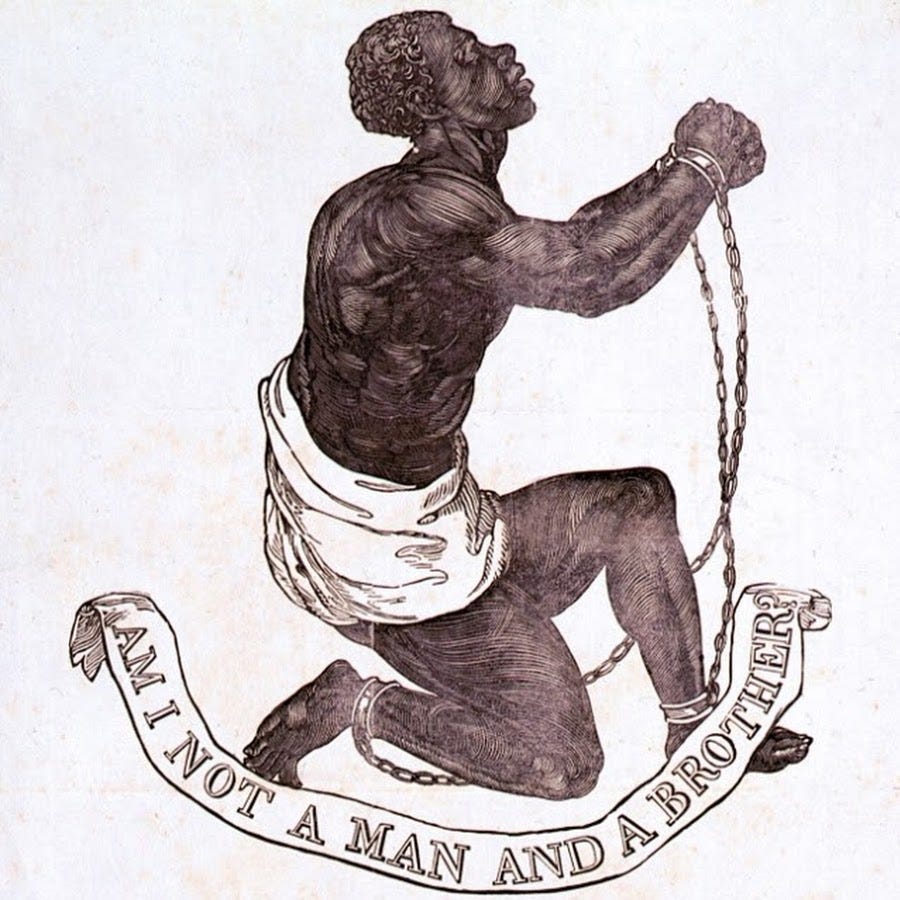
In 1807, Britain abolished the slave trade. Some historians believe the Zong was one of the incidents that helped get it there because the case made the machinery of slavery impossible to look away from. Once people could see that a legal system would calmly debate whether murdering 132 people was a payable loss, the moral cost of looking away grew much higher.
That’s the thing about insurance. It’s not just a financial product. It’s a mirror of what a society chooses to insure, considers valuables and under what conditions. Insurance, during this period, told you exactly what that society decided a human life was worth, and exactly what it’s willing to look away from in order to keep the math working.
The point here is that insurance is not neutral and it never has been.
And the Zong is really just the tip of the iceberg of how deep that web runs on how insurance built the modern world and how the same mechanism can still unravel it today. I go much deeper into that whole story in my latest video, live now on YouTube.
Comments
Nothing yet. Say the first thing.
Sign in to join the conversation.