
“You should walk on the ground as if you feel pain.”
It’s the day after Earth Day and, according to Dr Toby Kiers, this will now be known as “Under Earth Day”. Toby is a Professor of the underground (soil, not the dark web) - and is as enthused by microbial networks as a Vogue staffer for the new Chanel pump. On stage at the Amsterdam Planetarium, she says that in just the top 10cm of soil, there are more microbia than stars in the observable universe. Moreover:
“What they do and how they behave gives us so much information about connection, communication, trade, and relationship.”
Do not imagine that microbia have nothing to do with fashion, or indeed the future of the planet, (easy to confuse the two in some conversations). But the science of this fascinating world has been largely ignored up to now. “There’s nothing more exciting than accepting you’ve been blind to something - we have been blind to the underground. Soil is the most misunderstood and complex ecosystem on earth,” says Toby.
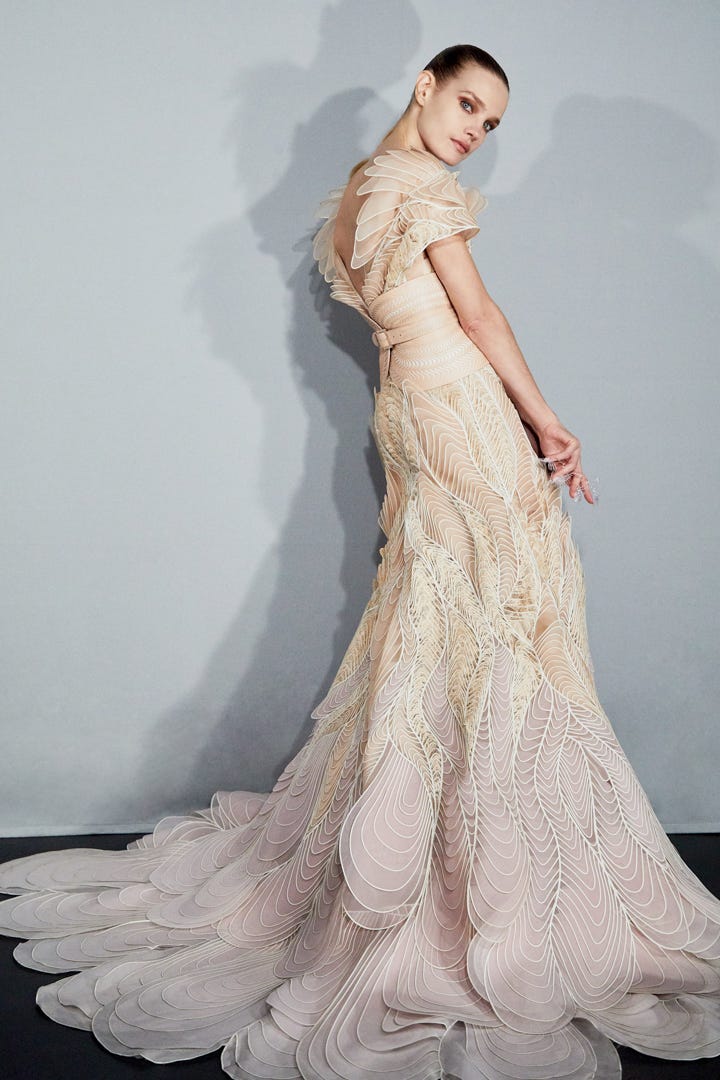
You may have read about this in Merlin Sheldrake’s blockbuster The Entangled Life, a book that coined the phrase ‘wood wide web’ and went on to inspire an entire couture collection by Iris Van Herpen. Toby and Merlin are the front row for SPUN, (Society for the Protection of Underground Networks) and are on a mission to protect the 90% of mycorrhizal fungi they say are at risk - loss of which could lead to reductions in carbon drawdown, crop productivity and ecosystem resilience.
It’s a beautiful day in Amsterdam, all cerulean skies and crisp northern European air, making the city look even more civilised than usual. It is out of Amsterdam that Toby runs her research projects, and so it is to Amsterdam that the committee of the Tyler Prize have come to make the award to the youngest ever woman Laureate in the prize’s history.
If you are wondering why I’m here, and indeed the artists, poets, musicians and other non science-y types in the audience, well you can put that down to Toby’s inter-disciplinary ‘punk science’ (her phrase). This is science that “doesn’t haven’t to follow the norm - where creativity, messiness and rigour are a perfect combination”. Science mustn’t sit in academic silos, she says, but reach out across disciplines to get its message heard. And so accompanying the speech is an exhibition of artworks interpreting her work. I’m sitting next to the artist Kika Notten, who was inspired by Toby’s work for her exhibition Roots, and Salvador Breed, the sound artist married to designer Iris Van Herpen. Toby’s infectious enthusiasm for her beloved microbial networks frequently references how ‘cute’ and ‘beautiful’ they are - she’s competing with baby elephants and mighty whales for conservation money: most funding goes to mammals, but she thinks we’re missing a trick in the ground beneath our feet. Her communication is compelling.
She has a radical approach, and she’s moving fast. What Toby and her team of scientists are discovering could have huge implications for our understanding of the planet and how it works
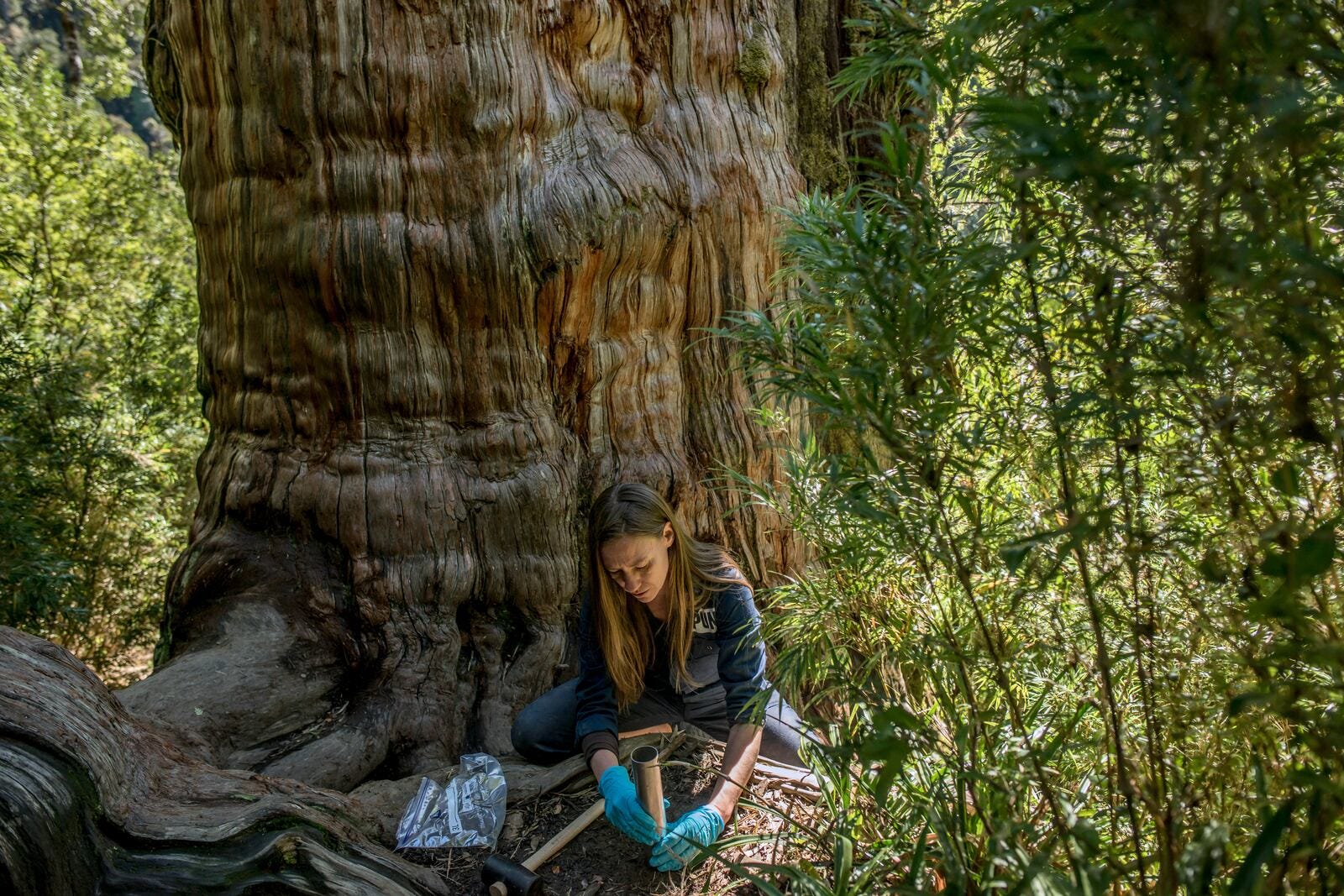
“We are 100% challenging decentralised thinking and challenging the norms,” she promises.
It’s exciting. Here’s why.
Comments
Nothing yet. Say the first thing.
Sign in to join the conversation.