
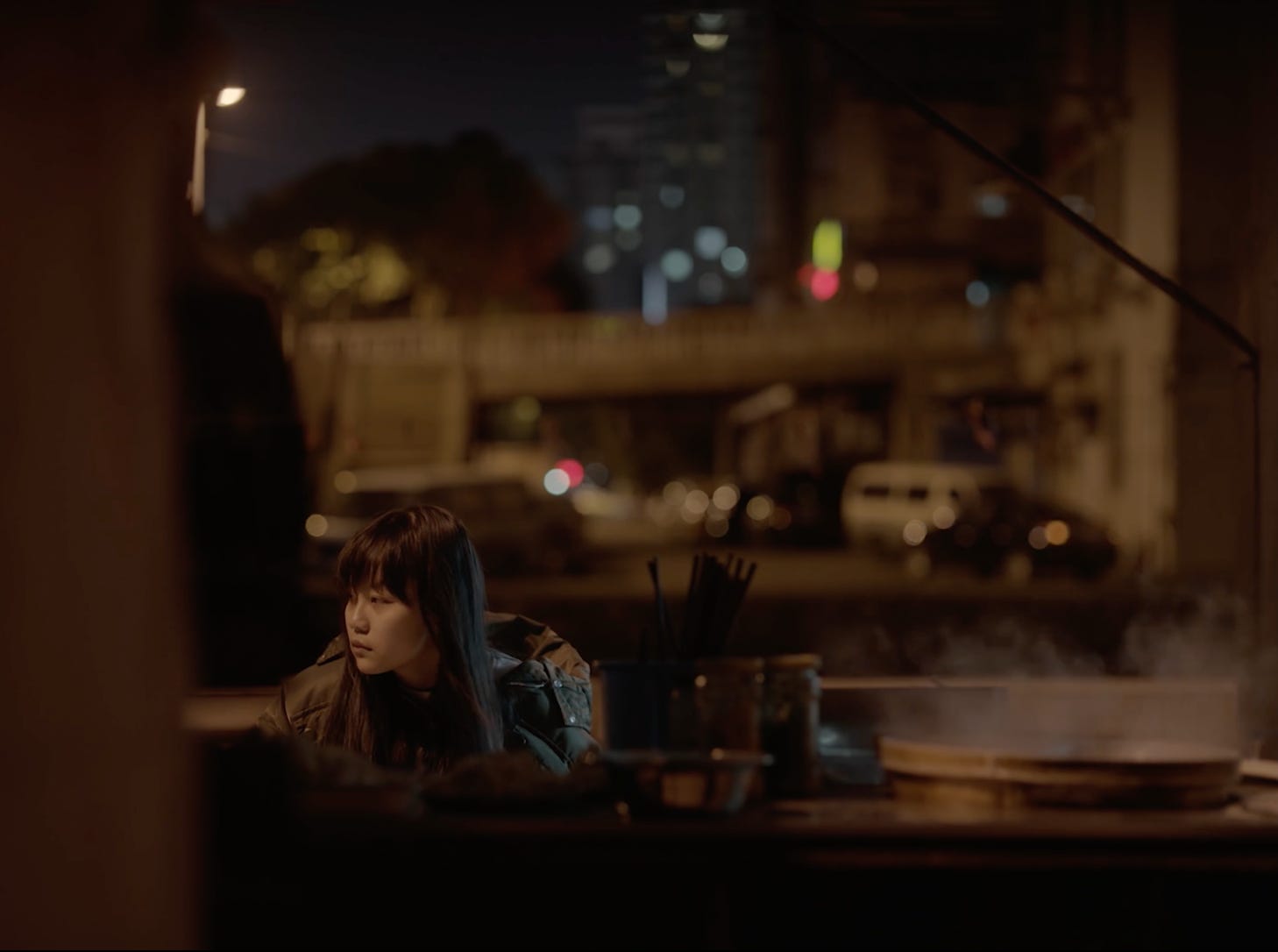
I love watching shortfilms.
I think we can all learn so much from that.
It’s an amazing thing to do, because it does require a certain amount of attention, but you don’t have to commit to a 2 hour film, which I honestly find difficult sometimes.
And you can theoretically just watch a bunch of short films in a row. It’s amazing.
My directing teacher in film school once told us that watching short films is so much more valuable for us as beginner filmmakers, who are just starting out and are probably going to make a bunch of short films before moving on to feature lenght eventually.
So his approach was: because short films is what we make, short films is what we should predominantly watch.
So I, as a dedicateed short film watcher, was spending another evening sitting on the couch watching short films on Rover, and I came across one that really really fascinated me.
I love finding out interesting things about the production process of films, whether short or long, and because Rover had a 25 minute voice note from the director, I found out about how the director and the DoP approached the lighting concept for this movie and it turned my whole understanding of short film lighting on it’s head 🫣.
Because in film school and online, everyone tells you about the infamous “3-point-lighting” which is the basic of movie lighting.
And there is absolutely nothing wrong with taking this approach, I do it a lot because it just works. Otherwise it wouldn’t be the basics lol.
I’m just going to start by quickly walking you through the concept of 3-point-lighting, so you get where I’m coming from.
Your basic 3-point-lighting concept has 3 points of lighting. yeah.
You have your key light, which is your main light source for your scene/subject.
Then you have your fill light, that fills the rest of the shadows from the opposite light than the key light.
Finally, you have your edge light, or backlight, that gives the subject a nice light edge around them and creates more depth by lifting them from the background.
And this is a fantastic approach, because it instantly gives you nice results.
But I personally love trying out other things with lighting that don’t necessarily follow this approach and I learned a completely new way of thinking about lighting from this Palme d’Or winning shortfilm I watched on Rover:
A Gentle Night by Qui Yang.
A Gentle Night follows a mother who takes a late-night stroll through a nameless chinese city in search for her daughter who went missing.
Apart from the movie being quite captivating in my opinion, there is one thing that stood out to me immediately and that I think we can all learn from:
This is where it gets really interesting. Because the director and the DoP didn’t go the traditional route when lighting A Gentle Night.
They went an unconventional but extremely smart route, that works especially well if we work with limited resources.
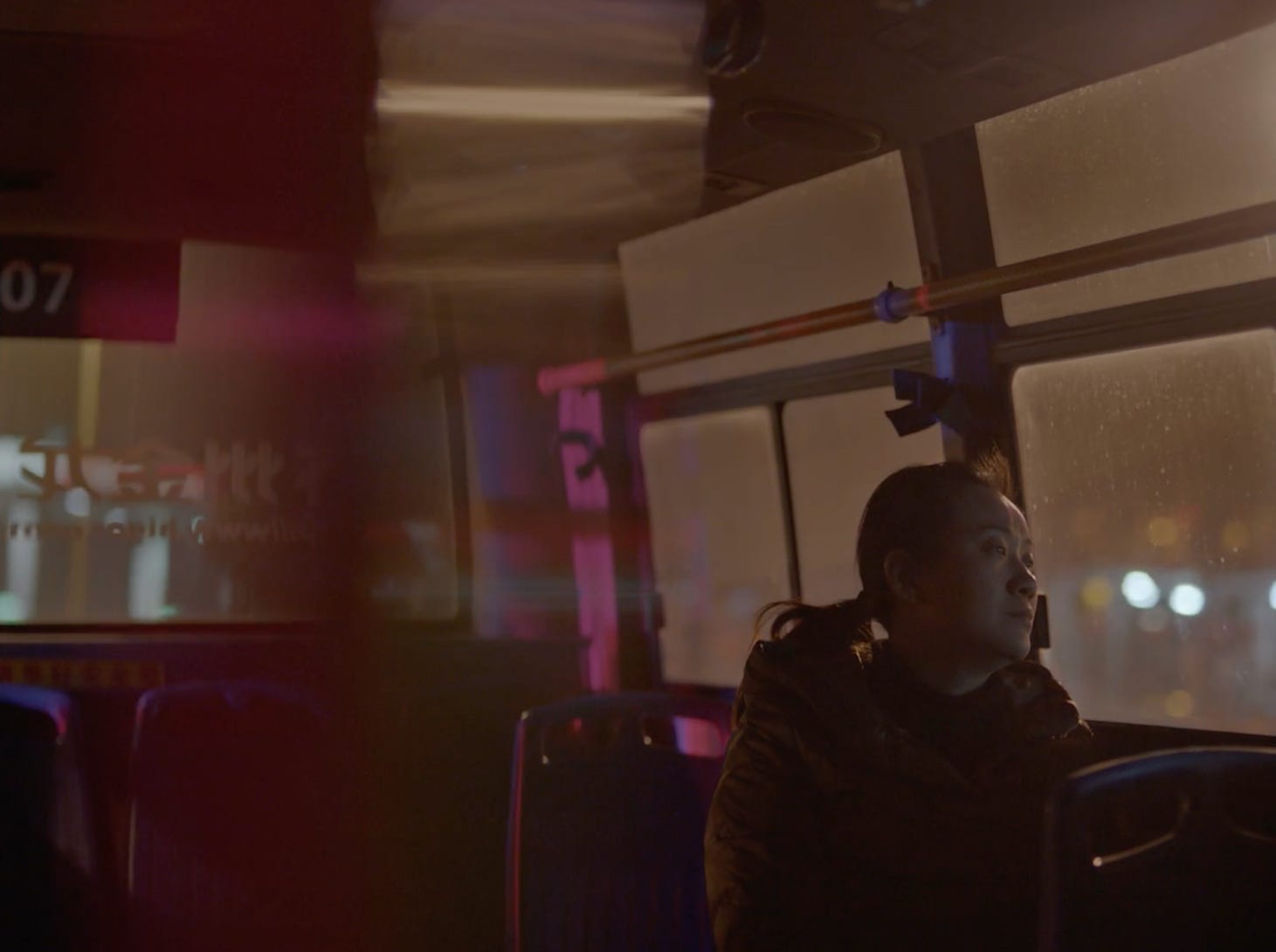
A Gentle Night is set in a nameless chinese city, but the movie was filmed in Changzhou, China.
The director Qui Yang wanted to make the movie feel real and naturalistic, that’s why he and his DoP Constanze Schmitt decided on using only 2 LED lights to light the entire short film.
So they didn’t rely on a number of big lights to completely control what the image looked like.
That’s why they had to approach the lighting in this shortfilm a different way.
Location scouting.
Qui Yang and Constanze Schmitt took a lot of late night strolls around the city to find places that already naturally fit the kind of lighting mood they were looking for.
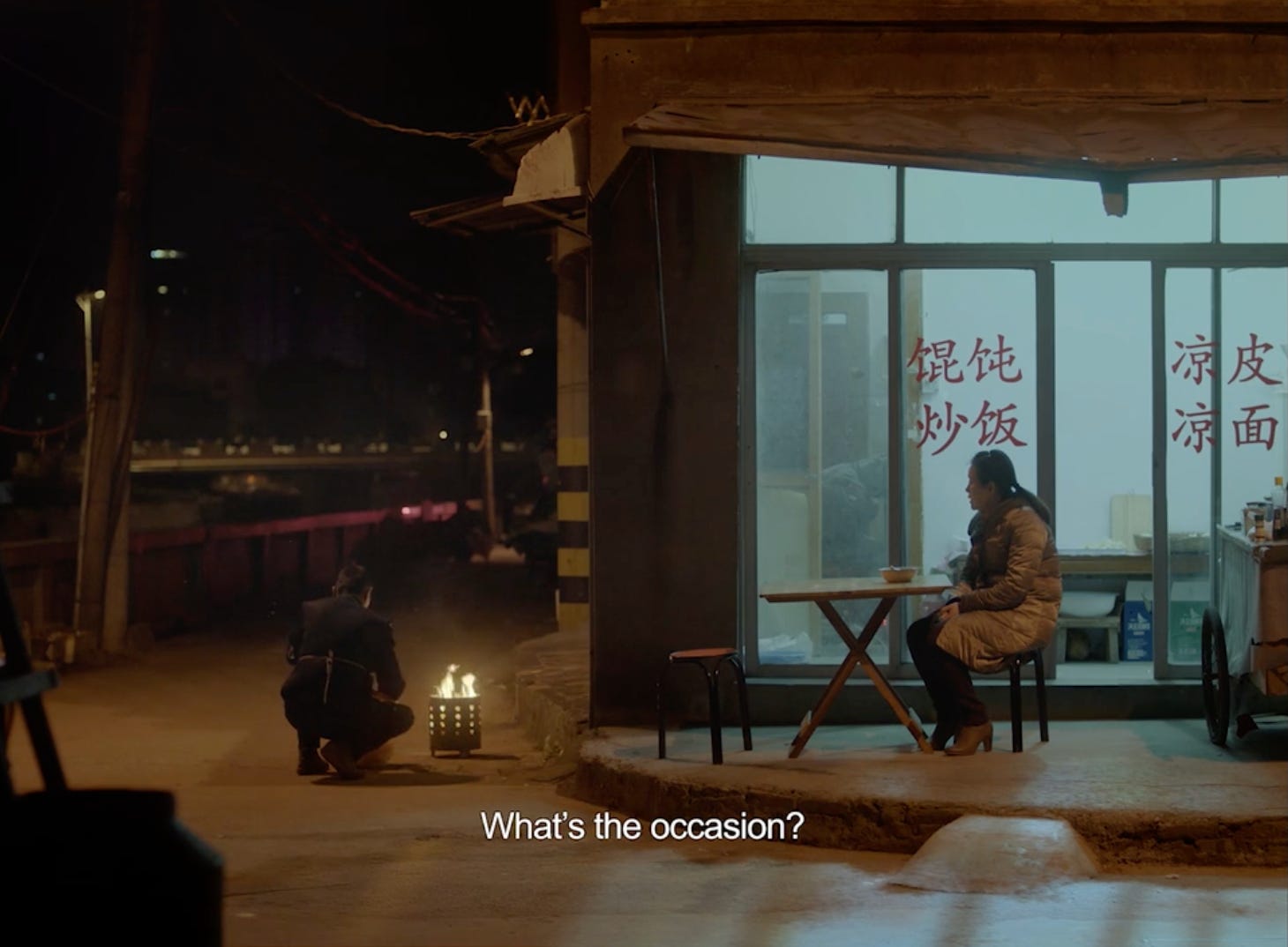
So instead of relying on a bunch of gigantic lights, they worked with what was already there and only used their two led lights to enhance the image.
Which I think is an extremely smart way of going about things.
It also gives the film an authenticity that you can feel.
And we can all learn from this. Especially in the beginning, when you don’t have a lot of budget or equipment at your disposal.
But the film does some other great things that are super valuable to understand for new filmmakers.
If you want to watch the film to understand what I’m talking about, I have a free 3 day trial for Rover Streaming for you, where you can also explore the making of A Gentle Night and so many other amazing shorts.
So here’s lessons I learned from watching A Gentle Night, that made me think different about my own filmmaking:
First of all, let’s set the scene a little bit without spoiling the entire movie:
A mom is looking for her missing daughter. Her primary feeling is isolation.
Using darkness as a tool
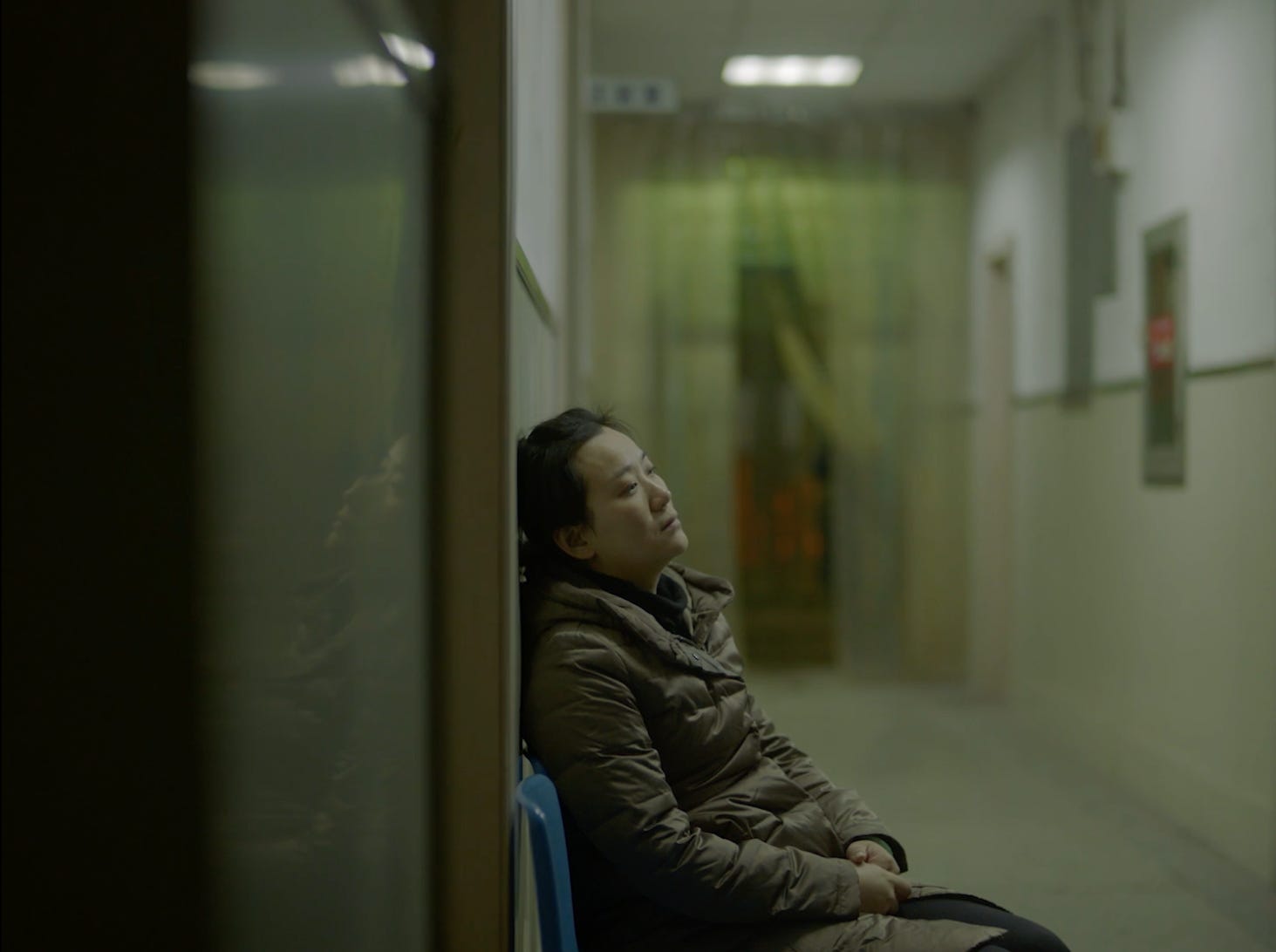
Usually, when you have an image in front of you, you’d instinctly go with “we need more light”, “this spot right here is too dark”
But the movie uses the dark areas in the image to frame the mother in a way that supports her isolation. I find this extremely interesting and it works especially well because the film is shot in a 4:3 aspect ratio, which makes us feel even more claustrophobic.
My takeaway: Don’t immediately light everything up. Look for meaning in the shadows. At the end of the day, we want to create images that tell a story and not just look pretty.
Make use of what’s already there
Comments
Nothing yet. Say the first thing.
Sign in to join the conversation.