

In the early 1900s, Paul Ehrlich, the father of the field of immunology, dreamed of what he called a “magic bullet” - a therapeutic agent that could seek out and destroy disease-causing entities while leaving healthy tissue unharmed. Practically, the concept was focused on finding microbe-specific drugs to treat infectious diseases, the era’s main killer. Ehrlich himself had some success in applying the thesis - after testing hundreds of compounds, he achieved a breakthrough with Compound 606 (later called Salvarsan), an arsenic-based molecule that was the first effective treatment for syphilis, but the molecule was far from a magic bullet - containing arsenic, it came with a flurry of nasty side effects. The subsequent discoveries of the sulfa drugs, penicillin, streptomycin, tetracyclines, and beyond delivered ever-increasing specificity towards microorganisms over healthy tissue, cementing the magic bullet thesis in the collective early biopharma psyche, especially once the molecular and cellular mechanisms behind their actions became understood.
As human disease biology became better understood, the magic bullet concept started to expand beyond infectious diseases. Cancer emerged as the most notable new target, spurred by early chemotherapy discoveries like Sidney Farber’s work on folate antagonism in childhood leukemia. Conceptually, the concept of the magic bullet applies much more to intrinsic human disease than to extrinsic. The biological gulf between microbes and humans is wide enough to design drugs with relative safety to human tissue. But differentiating different tissues, especially cancer and its tissue of origin, poses the challenge that actually demands a magic bullet. As the War on Cancer raged on, cancer drug development progressively evolved to fit this thesis.
The real breakthrough came with monoclonal antibodies, particularly rituximab (Rituxan) and trastuzumab (Herceptin), which not only transformed the lymphoma and breast cancer treatment landscapes, respectively, but also paved the way for targeting specific molecular markers on cancer cells - the ‘magic’ in the equation. Simultaneously, numerous research programs were forging the ‘bullets’ - cytotoxic payloads attached to these targeting antibodies - giving rise to the field of antibody-drug conjugates (ADCs).
ADCs are, in many ways, the direct realization of Ehrlich’s dream - a compound that delivers a potent toxin precisely to diseased cells and spares the rest of the body. After all, Ehrlich himself had proposed attaching a toxin to a targeting molecule. This research culminated in the approval of the first ADC, Mylotarg, for the treatment of acute myeloid leukemia, just two years after Herceptin’s approval. Despite the toxicity issues experienced by Mylotarg along the way that led to its market withdrawal in 2010 (it was re-approved in 2017), today there are 21 approved ADCs worldwide:
These pioneers are trailed by more than 340 ADC programs in different stages of clinical trials, and over 900 active development programs in total, having exploded in the last few years due to immense interest from Big Pharma, especially following Enhertu’s approval (see table above for the why). Today, the ADC market is valued at $10-15 billion, and depending on who you trust, is projected to grow by as much as 30% CAGR in the next few years. The space has seen several major acquisitions in recent years, most notably Pfizer’s $43 billion purchase of Seagen for its ADC portfolio in late 2023.
With all this, modern ADCs themselves have a truckload of different limitations, which can be loosely grouped into three categories - efficacy, toxicity and molecular design limitations.
Efficacy limitations
Payload resistance - cancer cells may (and do) develop resistance to the payloads through a variety of mechanisms, similar to non-targeted chemotherapy
Antigen dependence - The ADC modality requires high and homogeneous target-antigen expression on tumor cells to be effective, limiting the pool of potentially targetable antigens. As such, with low or heterogeneous expression, efficacy drops. Some antigens internalize poorly after ADC binding, preventing efficient payload delivery. Antigen shedding, recycling, and in some cases mutation can also remove ADCs from the cell surface before internalization occurs, or prevent binding in the first place
Toxicity limitations
Off-target - Premature payload release in circulation or near the tumor (the bystander effect) exposes normal tissues to the highly cytotoxic payloads, causing systemic and local toxicities
On-target - Target antigens often show at least some expression in healthy tissues, leading to dose-limiting toxicities in blood cells, liver, eyes and other organs. Combined with off-target toxicities, this often results in very narrow therapeutic windows
Molecular design limitations
Antibody - The large molecular size of the conventionally used IgG1 antibodies reduces tumor penetration, potentially limiting efficacy in solid tumors. Additionally, while progress in antibody humanization has been substantial, some designs may induce anti-drug antibody formation, both decreasing efficacy and increasing toxicity
Linker - While the linker choice strongly depends on the application, finding an ideal stability balance is difficult. An unstable linker is a major contributor to off-target toxicity through premature payload release. Beyond this, linker chemistry can affect overall hydrophobicity, aggregation, and solubility, limiting the manufacturability, safety and efficacy of the asset
Conjugation - Random attachment to lysine or cysteine residues (common approach in first-generation ADC development) produces variable drug-to-antibody ratios, complicating characterization and reproducibility while affecting both efficacy and safety. Site-specific conjugation, enabled through enzymatic systems (like transglutaminase) or unnatural amino acid incorporation, produces more uniform ADCs but often reduces manufacturing yield and process robustness. Additionally, the instability of some chemical bonds used for conjugation is another major factor in the premature payload release, driving off-target toxicity
Payload - Few payload classes have been clinically validated, and most are highly cytotoxic with narrow therapeutic indices. Hydrophobic payloads can also, similarly to linkers, promote aggregation, reduce stability, and alter distribution, further limiting efficacy, safety and the manufacturability of the asset
Additionally, being protein-based therapeutics, ADCs share their common manufacturability limitations while introducing several unique challenges, such as the conjugation heterogeneity and aggregation challenges highlighted above.
Addressing these challenges has driven innovation across all components of the ADC toolkit. At LongeVC, we have identified two specific innovations with potential for outsized impact: multispecific ADCs and multi-payload ADCs. These advances could transform not only cancer treatment but the management of other diseases as well.
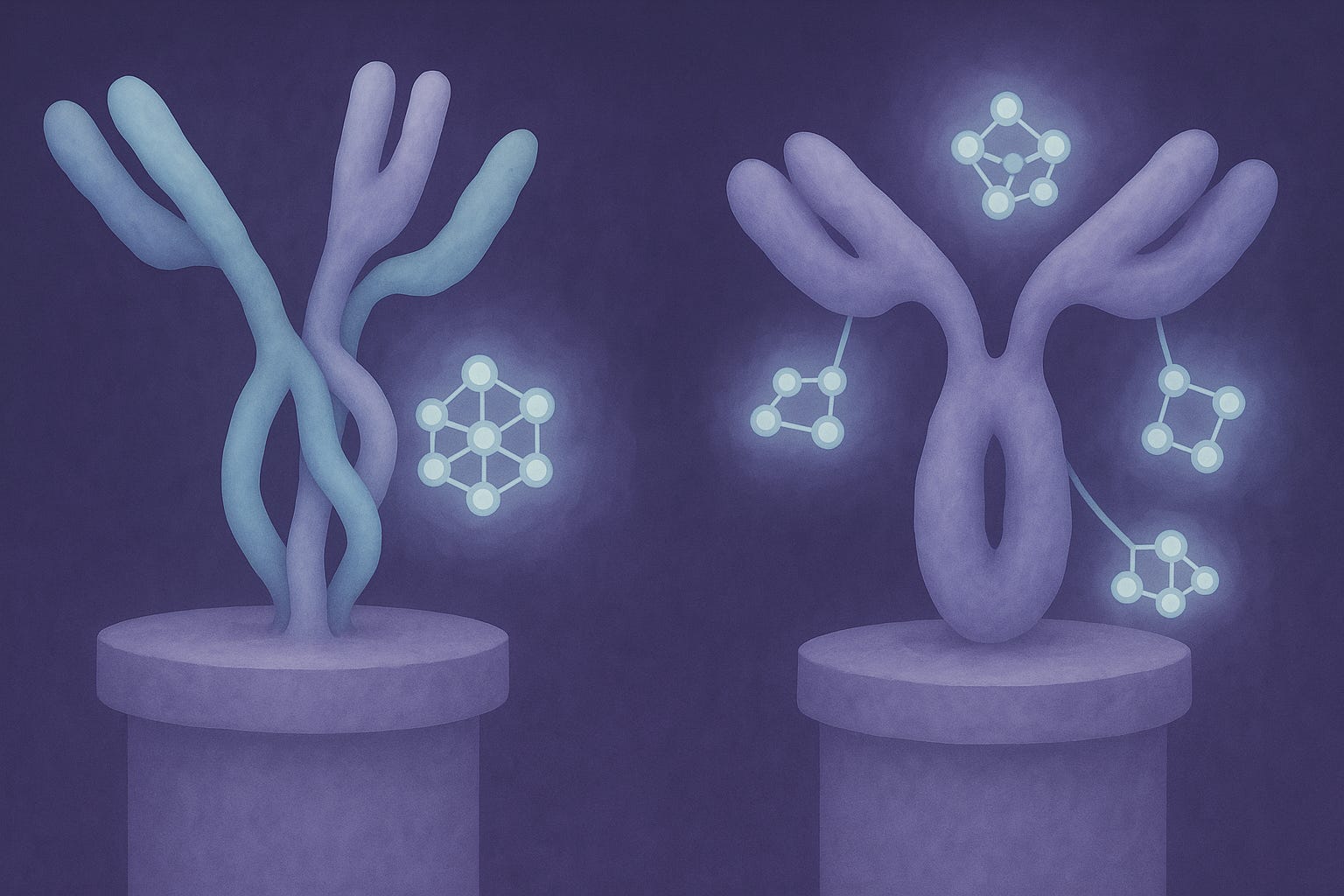
The idea of making multispecific (mostly bispecific) antibodies is nearly as old as the therapeutic antibody field itself. If an antibody binds to an extracellular target with such strength, a single molecule with two or more binding moieties can strongly link multiple things, like bringing T cells and cancer cells physically together. The first approaches to bispecific antibody development (chemically-linked and quadroma methods) emerged over 40 years ago, with significant innovation in reliably generating such constructs since then.
Today, the bispecific antibody market is scorching hot, growing by as much as 45% annually according to some analyses. Around 21 bispecific antibodies have been approved globally, with around half in the bispecific T-cell engager (BiTE) class, linking a particular cancer antigen to CD3, true to the original idea. The next wave will likely emerge in the PD-1/VEGF space, following the success of Akeso/Summit. More than 400 other multispecific antibody programs are in preclinical and clinical development today.
Naturally, as the ADC space has been emerging in parallel, the industry recognized that multispecific antibodies can also be used to build ADCs, and in many cases, much better ones compared to their monospecific counterparts.
At a fundamental level, multispecific ADCs offer significantly increased flexibility in how they interact with cells, as compared to monospecific ADCs. Most current assets in development essentially enable logic gating:
An AND-gate enables preferential killing when multiple antigens are co-expressed, thereby decreasing on-target toxicity. One example is a bispecific ADC engineered to avoid toxicity in EpCAM-high normal tissue by requiring tumor-associated co-expression with CLDN3. Additionally, a specific example of an AND-gate, albeit a soft one, are biparatopic ADCs, with two binding domains that recognize distinct epitopes on the same antigen, as in the case of bispecifics targeted against non-overlapping regions of HER2, like JSKN-003. This enables stronger avidity, improved internalization, and more efficient payload delivery when both epitopes are present and accessible on the same target cell
An OR-gate enables effective binding and internalization via either antigen. For instance, Iza-bren, a first-in-class EGFR×HER3 bispecific ADC, can drive binding and payload delivery by targeting either receptor, maintaining efficacy across heterogeneous cancers and reducing the risk of antigen escape.
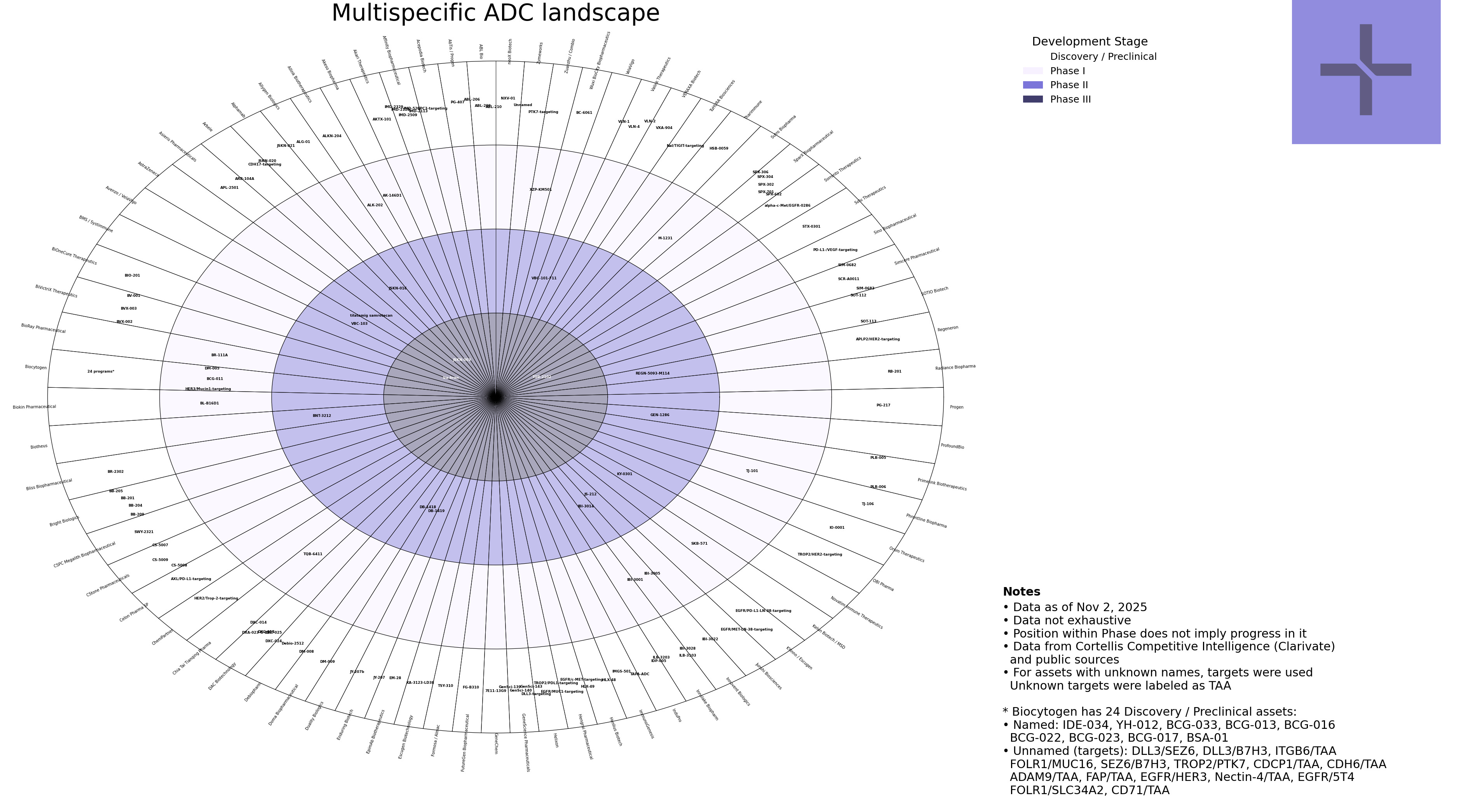
As of November 2025, there are about 150 such drugs, mostly bispecific, in active development, with a fifth of those in various stages of clinical trials. The three of these bispecific ADCs in Phase III trials - Iza-bren, JSKN-003 and TQB-2102 - have all recently been granted Breakthrough Therapy Designations in China and, in the case of Iza-bren, the US. Thus, the market is about to see its first wave of bispecific ADC approvals, opening the floodgates to other assets in the class.
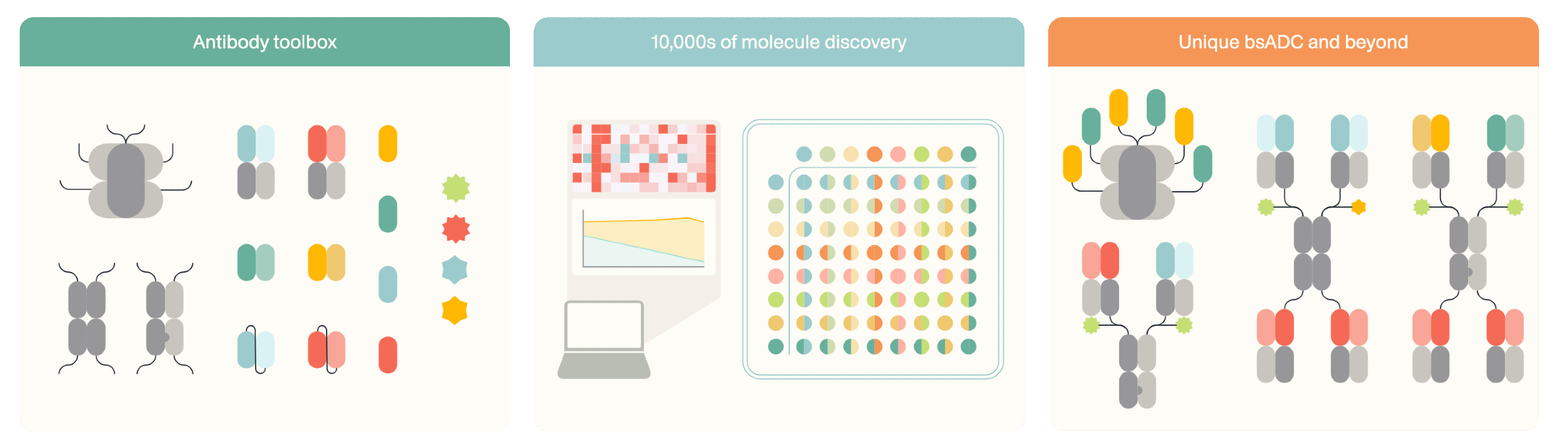
Given the existing success of multispecific antibodies and the emerging success of multispecific ADCs, we see a significant opportunity in discovering novel therapeutic combinations of individual antibody binders within multispecific formats, expanding what the multispecific ADC class can do. However, most current methodologies for multispecific discovery require long iteration times and are poorly suited for truly unbiased discovery.
That is why we invested in Valink Therapeutics in 2025. Their LiliumX platform allows screening individual building blocks of multispecific ADCs - binders, linkers, payloads and formats - in a high-throughput fashion, revealing combinations with the highest potential at a fraction of the cost and time compared to other modern approaches. This approach allows for unbiased, integrative discovery, enabling entirely novel multispecific ADC concepts and target-based synergies that improve ADC performance.
Besides the ‘magic bullet’ term, ADCs have been described as ‘targeted chemotherapy’, because that is essentially what they are: indiscriminate cytotoxins delivered in a targeted manner. But if the history of chemotherapy has taught us anything, it’s that one drug is never enough. Modern chemotherapy regimens typically employ at least two drugs, with more for aggressive or refractory cancers. The reason is therapy resistance - it’s not that tumors won’t eventually develop resistance to all drugs in the cocktail, it’s that they develop resistance significantly faster when treated with each drug individually.
Thus, as the ADC linker and conjugation technologies matured in the 2010s, researchers began exploring whether incorporating two or more complementary payloads within one antibody could simultaneously target multiple resistance mechanisms and broaden tumor-killing efficacy. Early approaches included branched linkers that allow attachment of multiple payloads, site-specific conjugation approaches using unnatural amino acids (UAAs) and multi-enzyme site-specific conjugation. Most of these early attempts proved unsuccessful due to various issues, mainly related to manufacturability and developability.
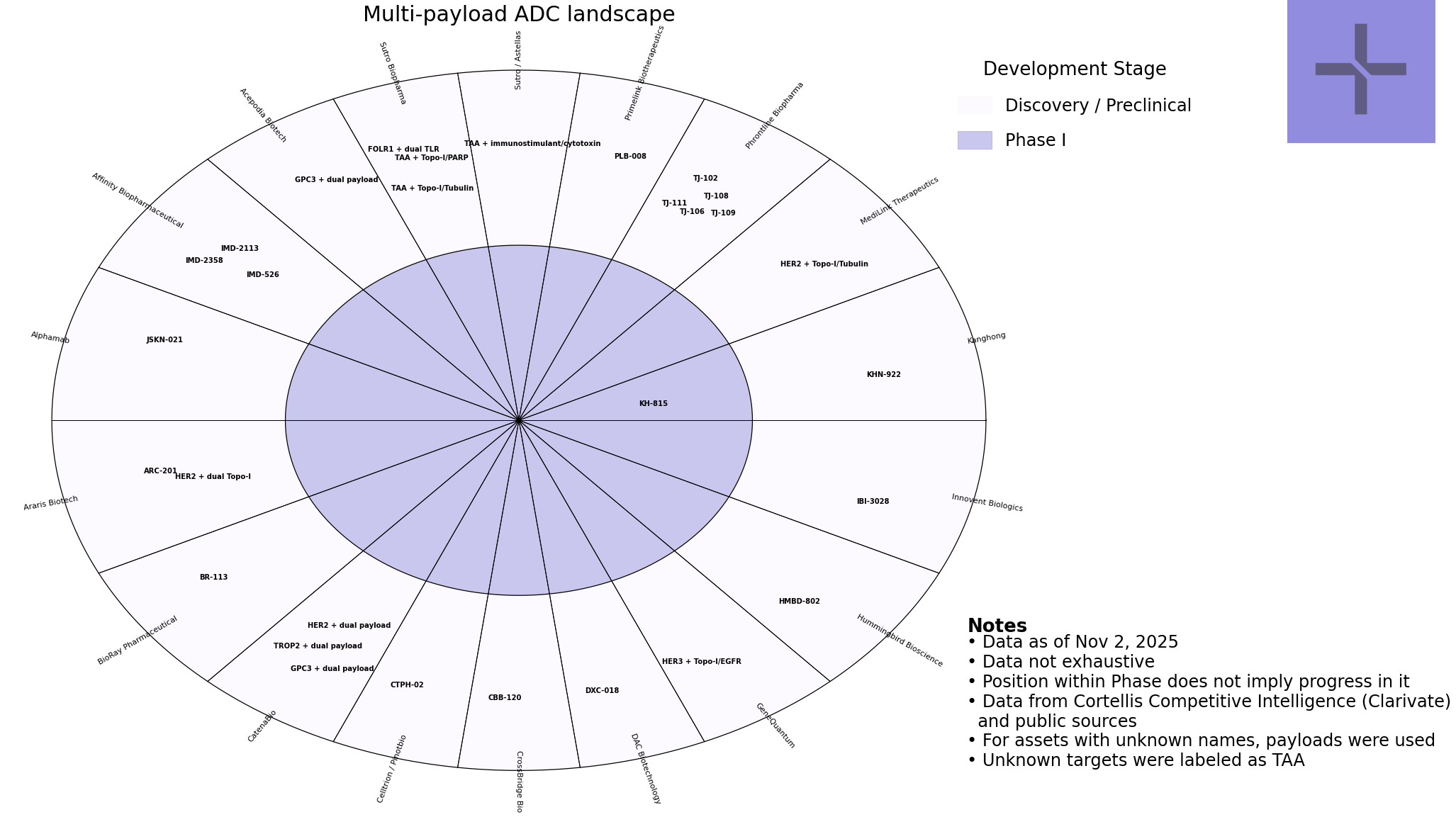
In the last few years, however - particularly the last two - there has been an explosion across most of the aforementioned multi-payload ADC development verticals, with robust preclinical work being unveiled. Compared to the multispecific ADC pipeline, the multi-payload ADC landscape is far earlier in development. At least 30 programs have been reported in active development, with just one, KH815, a TROP2-directed ADC carrying topoisomerase I and RNA polymerase II inhibitor payloads, reported to have entered Phase I clinical trials.
In our view, the two main hurdles the multi-payload ADC space must overcome remain manufacturing and off-target toxicity. In terms of manufacturing, despite significant advances in branched linker and multi-enzyme site-specific conjugation technologies, the molecular and developmental complexity these methods introduce makes large-scale production of commercially viable multi-payload assets challenging. As for off-target toxicity, premature payload release of multiple payloads presents potential for higher and less predictable toxicity of such assets.
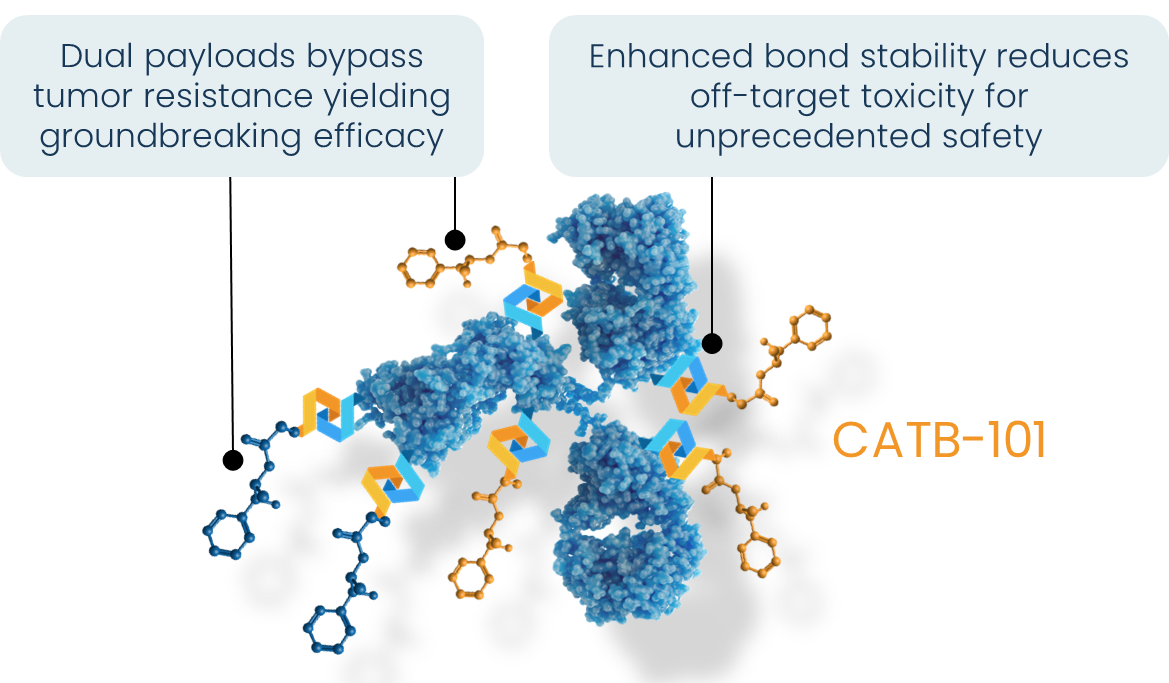
This insight led us to support CatenaBio in 2024. The company has developed a versatile site-specific single-enzyme bioconjugation methodology that enables the development of various bioconjugation-based assets, including ADCs. The multi-payload ADC application is particularly significant, as the methodology allows reliable conjugation of up to four different payloads to a single antibody without the added complexity of other methods. The tyrosine-cysteine bond introduced by this enzyme offers superior stability compared to other conjugation chemistries, reducing the off-target toxicity potential of resulting assets.
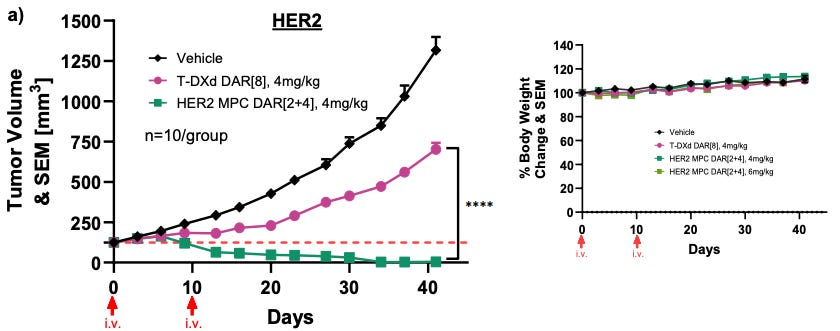
It is worth noting here that our fund’s modus operandi has been to invest at an in vivo proof-of-concept stage, but we entered the CatenaBio deal earlier, precisely because we recognized the superior potential of their bioconjugation approach. Today, the company’s preclinical in vivo results show that betting on next-generation enabling biotechnology pays off:
As a longevity biotech fund, we often face criticism for actively investing in oncology. While cancer is undeniably an age-associated disease, critics point out that cancer biology mechanisms diverge from aging biology, and that the oncology treatment philosophy (focusing on acute disease management) misaligns with the geroscience approach of prevention, repair, replacement, and rejuvenation.
We recognize these criticisms but disagree that a longevity biotech fund should completely forego oncology as an indication. We see biomedical sciences as deeply interconnected, with breakthroughs in one area bleeding into others. This is especially true for our focus on enabling biotechnologies. Scalable bioconjugation for multi-payload ADCs and unbiased high-throughput multispecific ADC discovery, at a fundamental level, have applications far beyond oncology. Focusing on oncology now allows our companies to bring these technologies into the clinic (and thus, reality) faster, validating them for broader application elsewhere.
This is not a pipe dream. Out of the thousands of ADC programs in development, approximately 50 are already active in fields outside oncology. It’s not much, but it demonstrates that this line of thinking - ADCs beyond cancer - is advancing. Several programs have reached the clinic: DualityBio has an asset in Phase I for lupus and psoriasis; AbbVie has two Phase II programs in autoimmune disease; a Dutch company Xenikos had a targeted immunotherapy for graft-versus-host disease that entered Phase III in 2022, though it appears to have stalled; and Cidara Therapeutics has taken a similar class of assets (drug-Fc conjugates) into Phase III trials against influenza. The preclinical landscape shows an even wider variety of indications.
We believe that as ADCs become more advanced, both through the multispecificity and multi-payload innovations we’ve focused on, and through other lines of innovation, they will become safer, more targeted, and more manufacturable and cost-effective. This, especially the latter, will drive broader adoption across the age-associated disease landscape and enable tackling ‘true’ aging biology, such as delivering cocktails of rejuvenating factors to cells with high specificity.
To close, it’s worth noting that this article does not cover the full breadth of potential and limitations within the “next-generation” ADC class as a whole. In terms of potential, as mentioned before, innovation is ongoing across every component of these assets. Examples include exploring different binder formats beyond IgG1 antibodies (nanobodies, scFv, DARPins, aptamers, and many other experimental formats); investigating new payload classes such as small immunomodulatory proteins, oligonucleotides, degraders and others; and building novel conjugation chemistries and linkers that enable better developability. The space to innovate is vast.
On the other hand, both multi-payload and multispecific ADCs face their own unique limitations, primarily related to developability and manufacturability. At a fundamental level, these are more complex, bulky, and often hydrophobic assets, which can complicate their development. We made our fund’s investment decisions with these limitations in mind, but we recognize that only time will tell how these formats perform in the clinic and at commercial scale.
Finally, if you are working at the forefront of enabling these innovations or overcoming these limitations, we’d like to hear from you.
Information about drugs was obtained from Cortellis Competitive Intelligence (Clarivate) and public sources. Illustrations made by ChatGPT
Special thanks to Arne Scheu and Marco Lobba for their reviews of and suggestions for this article
Disclaimer: This article is intended for informational and educational purposes only. Nothing contained herein should be construed as investment advice, financial advice, or a recommendation to buy, sell, or hold any securities or other financial instruments. The biotechnology and pharmaceutical sectors involve significant risks, including regulatory uncertainty, clinical trial failures, and market volatility. Readers are strongly encouraged to conduct their own research and consult with qualified financial professionals before making any investment decisions. Past performance of any company or technology mentioned is not indicative of future results.
No posts
Comments
Nothing yet. Say the first thing.
Sign in to join the conversation.