
[ FREE GUIDE — PROTECT WHAT YOU’VE EARNED BEFORE THEY COME FOR IT ]
Because everything Sowell wrote in that column describes with precision the world we are living in right now — the debt, the deficits, the pressure on Social Security, the government’s temptation to inflate, and the quiet but relentless effort to control private gold ownership before the public figures out why.
What Sowell Found Hidden in the Obamacare Legislation
Sowell was not writing about healthcare. He was writing about something that had been quietly inserted into the Obamacare bill that had nothing to do with healthcare.
A provision regulating gold sales.
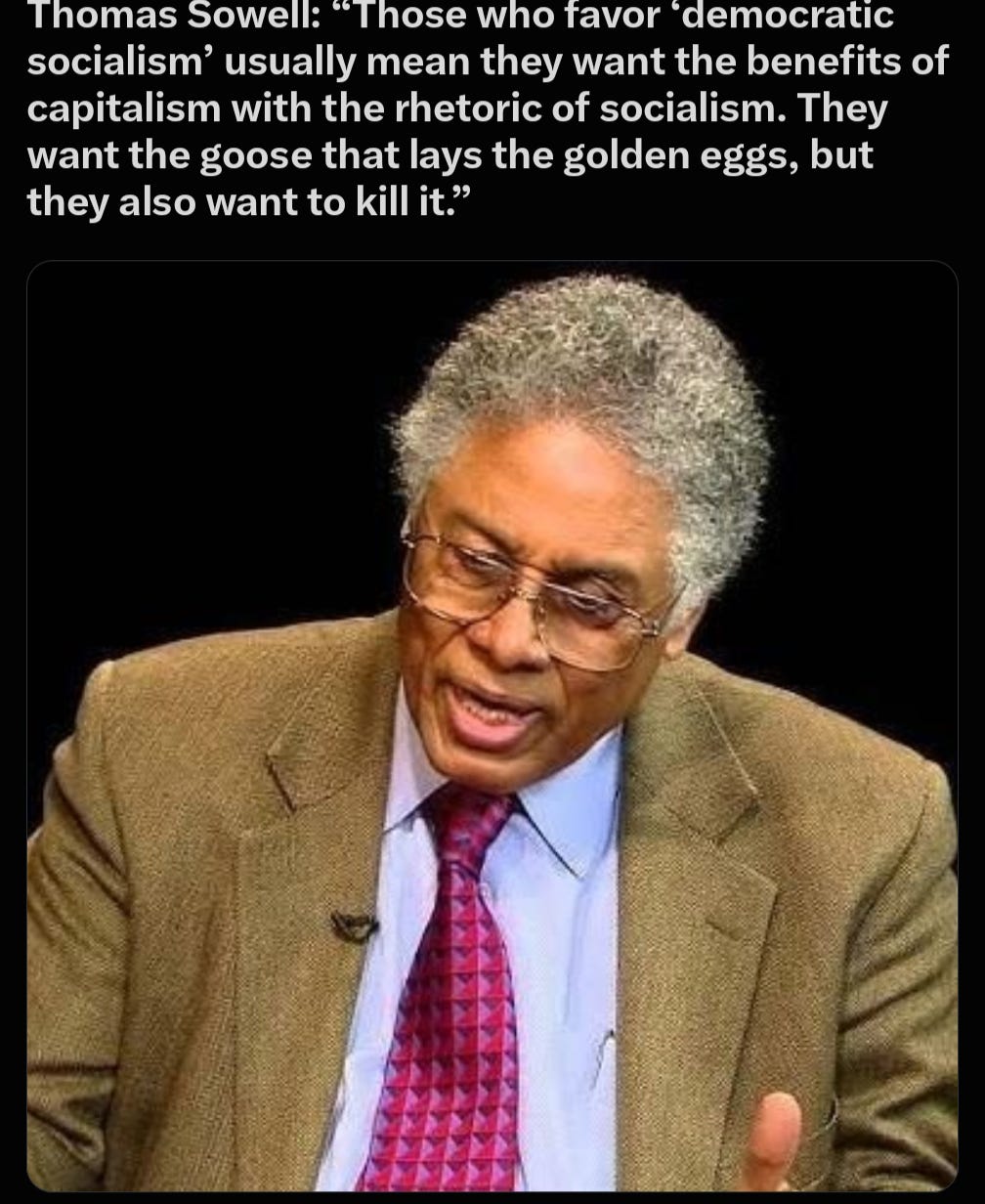
Hidden inside legislation about insurance, buried where most people would never look, was a new government reporting requirement for gold transactions. Sowell recognized it immediately for what it was — not a consumer protection measure, not a tax compliance tool, but an early step toward government control over private gold ownership.
He had seen this pattern before. So had American history.
Why Governments Always Come After Gold
Sowell laid out the logic with the clarity that defined his career.
The gold standard historically limited what politicians could do with money. When currency was exchangeable for gold, there was a hard constraint on how much a government could spend and how much it could print. Politicians could not inflate away their debts without people simply converting their paper currency back to gold and exposing the scheme.
Franklin D. Roosevelt understood this. In 1933, he signed Executive Order 6102 — making private gold ownership illegal for American citizens. With gold out of private hands, the government gained full control over the money supply. It could print. It could inflate. It could quietly transfer wealth from savers to itself without having to openly raise taxes.
Private gold ownership came back in 1974. But Sowell’s argument was that the temptation never went away.
Even without a formal gold standard, private gold ownership acts as a check on government monetary policy. When people distrust the currency — when they see deficits expanding, debt piling up, and purchasing power eroding — they buy gold. That demand for gold is a signal. It is the market’s way of saying it does not trust what the government is doing with the money supply.
And governments, Sowell argued, do not like that signal.
The Social Security Connection Nobody Wants to Talk About
Sowell made an observation in that 2010 column that is even more relevant today than it was then.
Social Security was designed as a pay-as-you-go system — current workers pay for current retirees. For most of its history, there were enough workers contributing to cover the payouts. But the math began to shift as the baby boom generation approached retirement age, with more retirees drawing benefits than workers contributing to fund them.
When that gap widens — when Social Security faces the pressure of paying out more than it takes in — the temptation to inflate becomes acute. Inflation reduces the real value of debt and obligations. It is the easiest way for a government to quietly make promises it cannot afford slightly less expensive to keep.
Gold buyers, Sowell noted, understand this. When investors move into gold beyond jewelry and industrial uses, it is a signal that they do not trust the monetary policies being used to manage these obligations. They are protecting themselves from the inflation that is coming — not because they are pessimistic, but because they are paying attention.
What Has Changed Since Sowell Wrote This
The national debt in 2010 was approximately $13 trillion.
It is now approaching $40 trillion.
The Social Security pressures Sowell identified have not eased. They have accelerated. The baby boom generation is fully in retirement. The ratio of workers to retirees has continued to deteriorate. The gap between what Social Security collects and what it owes keeps growing.
The government’s options are the same ones they have always been. Cut benefits. Raise taxes. Or inflate.
History suggests the third option is the most politically convenient. And it is the one that hits savers hardest — specifically people who did everything right, held dollar-denominated assets, and trusted that the system would protect what they built.
Sowell’s conclusion in 2010 was not that gold is always the superior investment or that a gold standard is the only answer. His conclusion was more fundamental than that.
Control over gold is, at its core, a conflict between individual freedom and expansive government power. The government wants to manage the money supply without constraint. Private gold ownership is a constraint. It is a way for ordinary people to protect themselves from policies that erode the value of everything they have saved.
That conflict has not been resolved. It has intensified.
There is a free guide that explains what options exist right now for protecting savings from the monetary pressures Sowell described fifteen years ago — pressures that have only grown more acute since.
[ FREE GUIDE — PROTECT WHAT YOU’VE EARNED BEFORE THEY COME FOR IT ]
No posts
Comments
Nothing yet. Say the first thing.
Sign in to join the conversation.