
Online dating is one of the internet’s oldest consumer categories.
It’s also one of its biggest failures.
The market is worth over $10 billion and continues to grow at nearly 10% annually, and yet almost nobody would tell you they’re happy with the experience.
An example of this is that, on average, it takes 133 matches before someone eventually enters a relationship.
Of them, only 14–20% of relationships ultimately lead to a marriage.
Considering 27% of marriages in the US are attributed to dating sites, that’s a lot of matches and failed relationships.
This experience builds emotional fatigue and a loss of confidence in online dating altogether.
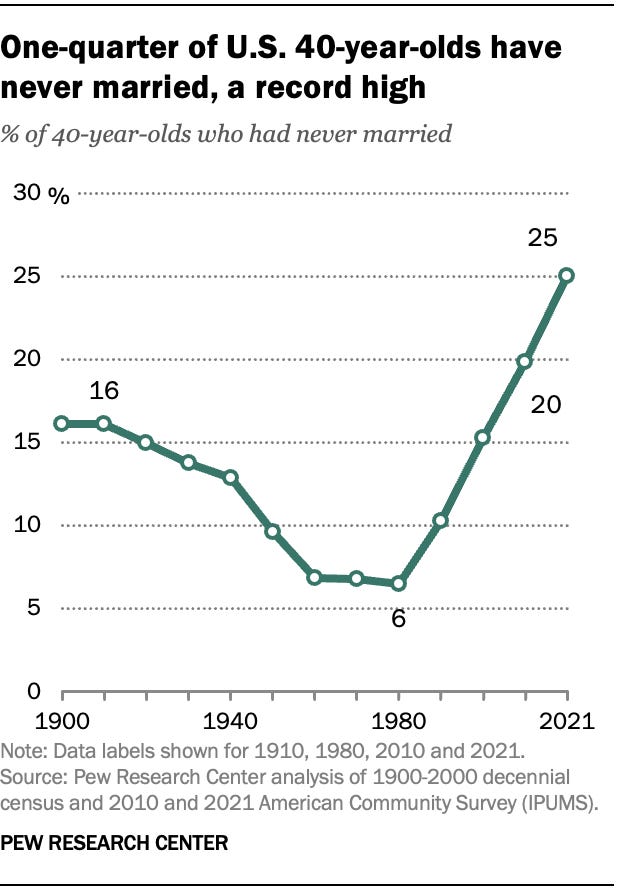
It only makes sense that 23% of 40-year-olds in the US have never married.
Every few years, a new app captures attention, only to inherit the same problems as the last ones.
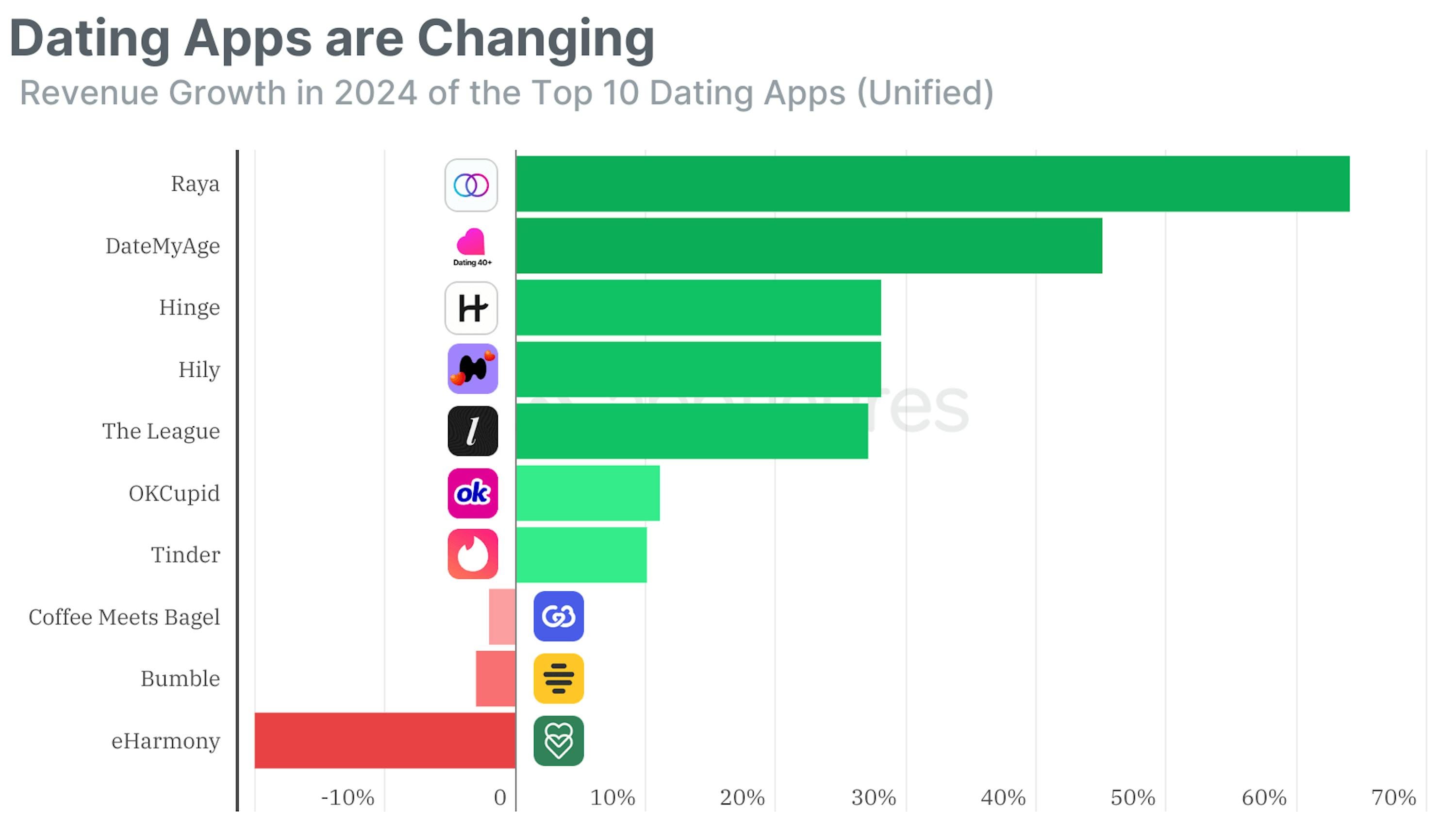
There are broadly three major issues that you will encounter in online dating.
Lopsided gender ratio — avg. men-to-women ratio of 3:1 on most apps.
Lopsided matching — 78% of women competing for the top 20% of men.
“People don’t know what they want.”
A few bad actors ruining it for everyone
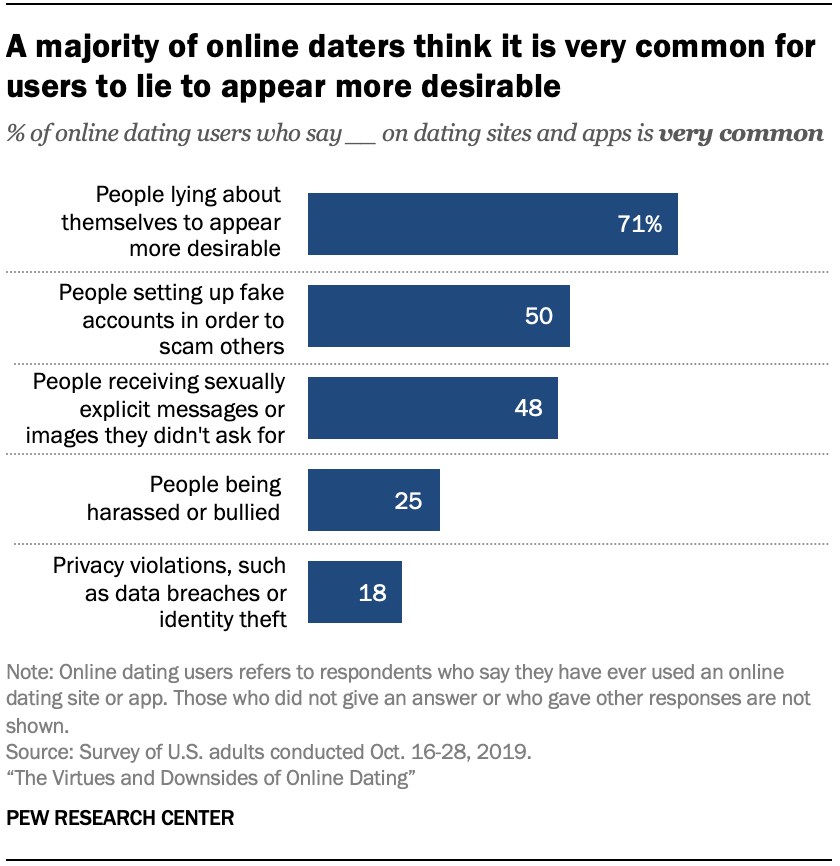
These bad actors result in anxiety, mental fatigue, and a general erosion of trust across the platform.
Humans are emotional beings.
We don’t choose partners from structured databases. We choose them based on unstructured qualities that we often ourselves find hard to comprehend.
Things like chemistry, communication, values, timing, emotional maturity, life goals, and thousands of subtle signals that today’s recommendation systems simply cannot understand.
On top of it, all these considerations are thrown out the window when the entire system is gamified to score a right swipe.
Akin to gamblers on a slot machine waiting for a jackpot.
And that’s exactly where AI changes the equation.
Bumble reported a very unique report from India. For the first time in any geography, a dating app had more women than men.
24 women to 17 men. And women messaging double the global average.
The secret? Women-first platform.
This set of features ensured a counter to numerous intrusions that women face on dating apps.
These features limited the intrusions but didn’t stop them.
But with agentic AI, you can.
Some intrusions are known and simple to resolve.
Validate all details of a person with agents scouring the internet for key details for each person, and you don’t have fake identities.
The agents monitor unsolicited sexual advances, image-based abuse, cross-platform harassment, catfishing, etc.
And you make the entire platform safe for everyone.
Until recently, software could only understand what users explicitly entered into a profile and their preferences.
AI changes that.
LLMs can understand conversation, personality, communication style, emotional preferences, and long-term behavioural patterns in ways recommendation algorithms never could.
With agentic AI, you can pull the digital footprint of a user and create a more concrete network map of an individual than they themselves.
So, instead of swiping via a biased framework of “Who looks attractive?”
AI can curate with “Who is actually compatible?”
An AI that has spent months learning about you can recognise patterns you don’t.
It remembers every date you enjoyed, every conversation that went nowhere, and every dealbreaker you’ve mentioned.
Every personality trait that consistently makes you happy — or miserable.
Instead of resetting every time you install another dating app, your relationship history becomes cumulative intelligence.
This fundamentally changes the product experience and the outcome you get.
You won’t solve dating with it, because there are a lot more interpersonal elements involved with settling for the one, but you could aim to reduce the 155 matches that it takes to reach that one fruitful relationship.
But why now?
This opportunity didn’t exist three years ago.
Not because founders weren’t trying, but because the technology wasn’t ready.
Today, AI, much like every new technology, is tending towards a familiar crossroads: more powerful v/s more efficient.
If Fable 5 is a Ferrari, then DeepSeek Flash is a Toyota.
If Sol 6 is a Rolex, then Google Gemma is a Casio.
One for resourceful enterprises and the other for consumers.
With the advancement in on-device LLMs, the consumer AI ecosystem is touted to open up.
On-device AI makes personal conversations private and dramatically cheaper.
Voice interfaces and long-term memory allow assistants to understand people over months instead of minutes.
For the first time, developers can afford to build an AI that knows its user—not just a chatbot they occasionally message.
That changes consumer software far beyond dating.
Dating is one of those markets that is always kinder to new entrants. There are no network effects; every generation gets on a new platform altogether.
You don’t get a user for life, and anyone who uses one app uses them all.
On top of that, there are regional, localised networks, ethnic, cultural, linguistic, and otherwise collective moats that you can always go after.
Dating for doctors, dating for nurses, dating for chefs … in NYC, Atlanta, LA, SF … only Italians, Hispanics, Asians, Indians … only business owners, only creators, only liberals, only pet owners … you get the idea.
All this makes online dating an always-permeable market to get into.
And many builders are trying.
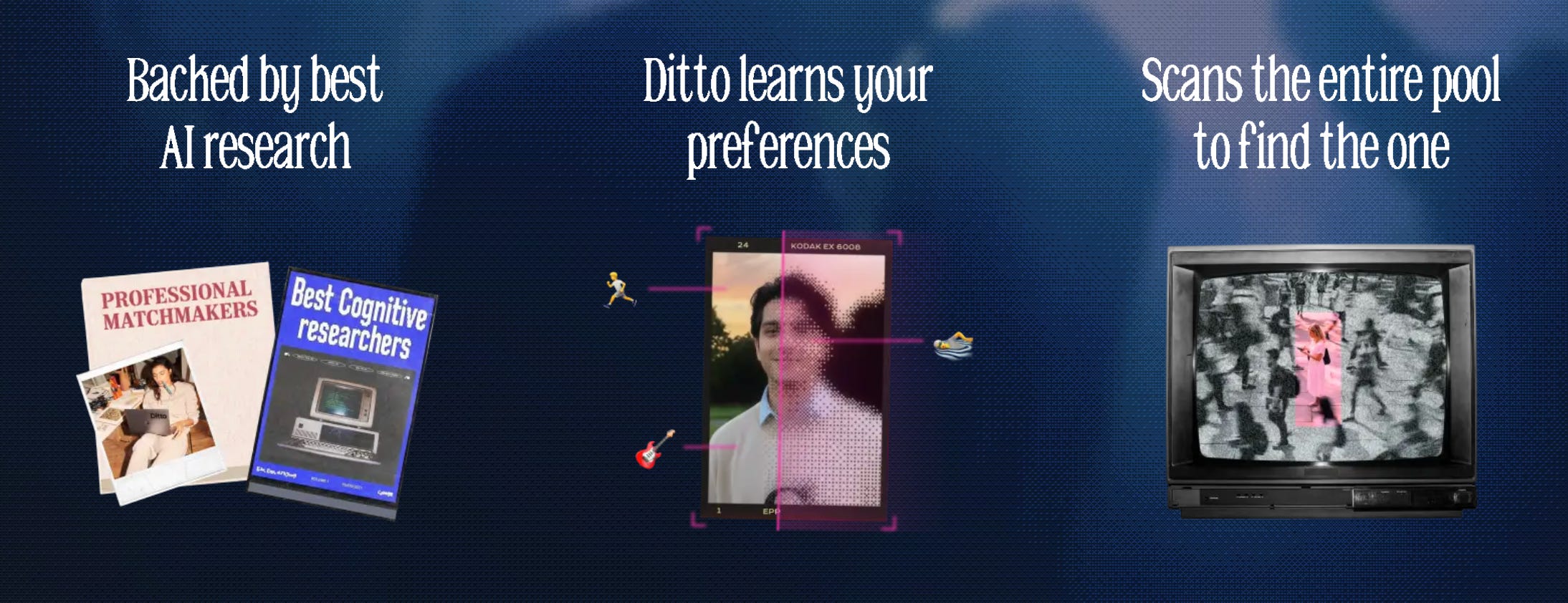
Some startups like DittoAI , Known, Overtone, etc are already building AI matchmakers.
But other opportunities include decent ventures:
AI Dating Coaches.
AI Styling Coaches
AI Communication Coaches
AI Date Planner
And if nothing else, you can always copy a competitor — just follow Nikita for how.
And build these agents with Hyperagent!
Agents work better as a team.
Hyperagent is where you set up specialist agents with defined jobs, shared context, and clear handoffs.
They run on schedules in the cloud, pass work to one another, and bring you in when a decision requires your judgment.
Hyperagent is giving away $200 in credits to This Week in AI’s readers!
Comments
Nothing yet. Say the first thing.
Sign in to join the conversation.