
We're now in an AI slumber.
AGI is years away.
The easy wins are done. Model training is becoming a commodity.
What we’re left with is the real world and AI in it.
Companies are no longer struggling with model capability.
They’re struggling with everything around it.
Governance. Context. Measurement. Liability. Compliance. Determining what actually worked.
These operational crises open the market up to some unique ideas and some builders building in them.
The US created a precedent last month with restrictions around Fable 5 and GPT-5.6.
China is now considering restrictions around its own top models.
The direction is becoming clear.
The future of AI looks more local, especially for governments and large companies.
In many ways, this is not new.
Most large companies already use custom software because their processes, data, and advantages are too important to hand over completely.
AI will likely go the same way.
The problem is that building your own intelligence is much harder than building your own software.
Multiple companies are already building pieces of this stack.
Palantir is the heavyweight in enterprise and sovereign AI.
Prime Intellect (the recent X darling) is building an open superintelligence stack.
Others will follow.
The opportunity is simple and big and might stay relevant for a very long time.
Every large organisation would eventually want to own its intelligence and alpha.
And someone (maybe you) has to help them build it.
We get around 35,000 visits to our newsletter every week.
15k of them are real humans. The other 20k are crawlers and agents.
Agentic traffic has overtaken human traffic on the web now.
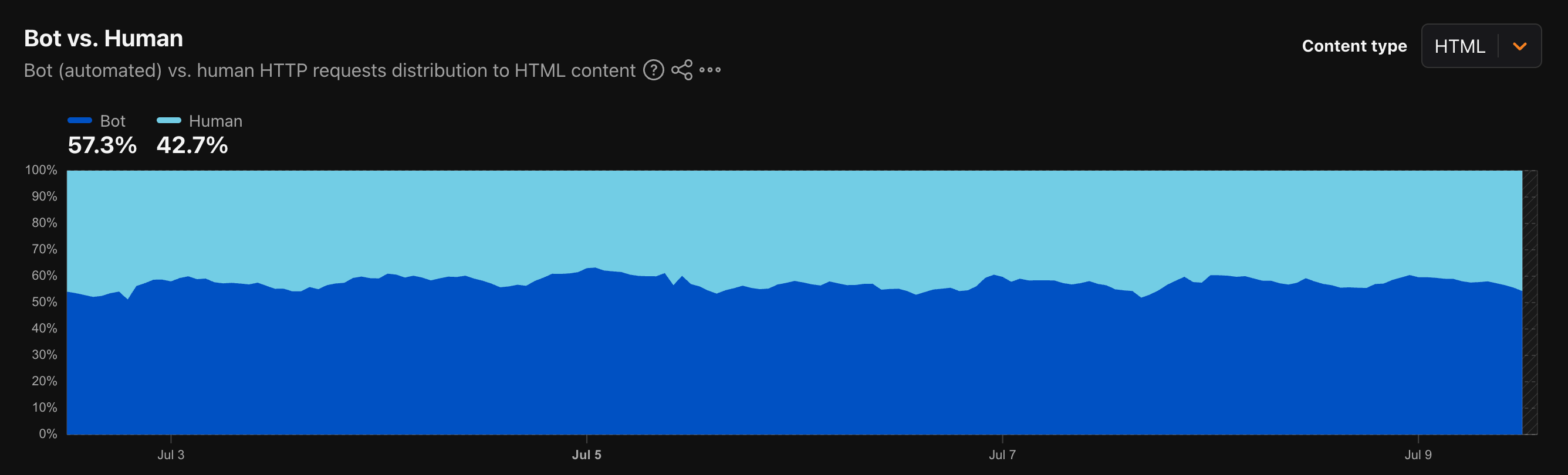
In the times of AI, attention is a moat.
But how does a webpage differentiate between attention via an algorithm and attention via a human?
For 30 years, the web has run on a simple economic bargain: trading content for human attention.
That attention has been monetized through advertising, subscriptions, and e-commerce.
But as agents become the dominant Internet users, the model is breaking.
An agent does not look at ads or need to maintain a monthly subscription to all the tools it wants to access.
The internet is creating value for a new kind of user (agents) it cannot make money from.
This is where products like Cloudflare’s Monetization Gateway come in.
Bots pay per view via the x402 protocol.
Humans’ access keeps getting sponsored by ads and sponsorships.
A lot more such companies might come up in this space as the agentic traffic grows and valuable “new” data becomes scarce.
Every company runs on secrets and context.
Secrets are your competitive moat.
Context is everything else.
Most companies spend their days drowning in it.
Emails, Slack, documents, dashboards, and conversations — scattered across systems with no way to query them reliably.
The first win was obvious: make it searchable.
RAG, knowledge graphs, memory APIs.
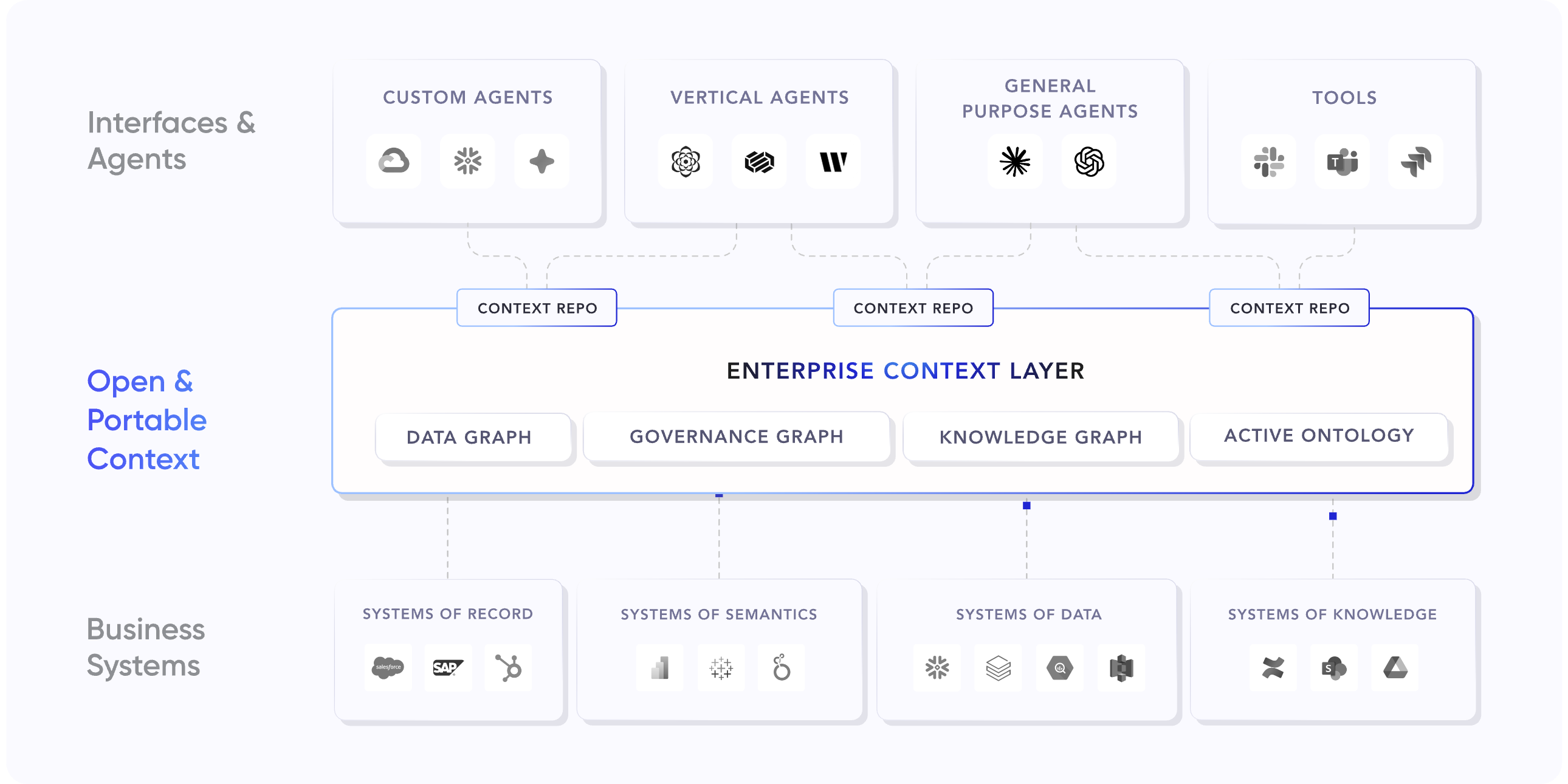
Supermemory, Atlan, Glean, PromptQL, and a dozen others are all solving this. Although this bottleneck is mostly resolved, it still is a decent market to enter!
But there’s a second problem that’s way harder: filtering.
Not every agent should see every fact.
Not every conversation should seed into shared memory.
And when an agent makes a mistake, you need to know exactly what information it had, where it came from, and whether it’s still true.
We’ve reached a state where memory has become a governance liability.
And amongst enterprises, there’s a rich demand for it.
Siloed access. Broader observability. Audit requirements. Data curation. Temporal validity (when facts expire). Regulatory compliance.
None of these are just “good-to-have” features.
They’re mandatory requirements everywhere.
Memory and its management are going to be a whole subset of AI startups in the coming years — so much so that we could cover it dedicatedly.
“90% of companies see no ROI from AI investments.”
The interesting question isn’t whether it’s true. It’s how they know.
The most plausible answer is they’re just guessing.
Measuring AI’s impact is hard.
Measuring AI-led efficiency is even harder.
Today this is true for most tech firms, but as AI adoption grows deeper, there’ll be a clear demand for agent observability platforms.
Show what the AI did, when, and what happened after.
Let humans decide if it was a value-add and worth the investments.
Companies like Langsmith, Helicone, and others are building toward this.
The ones that succeed will be those that make the human judgement part easy, not the ones that promise automatic ROI calculation.
Content on the internet so far has been created by and for humans.
Trust, hence, was generally baked into a profile picture.
But with GenAI, deepfakes have become a real challenge.
This creates two valuable markets:
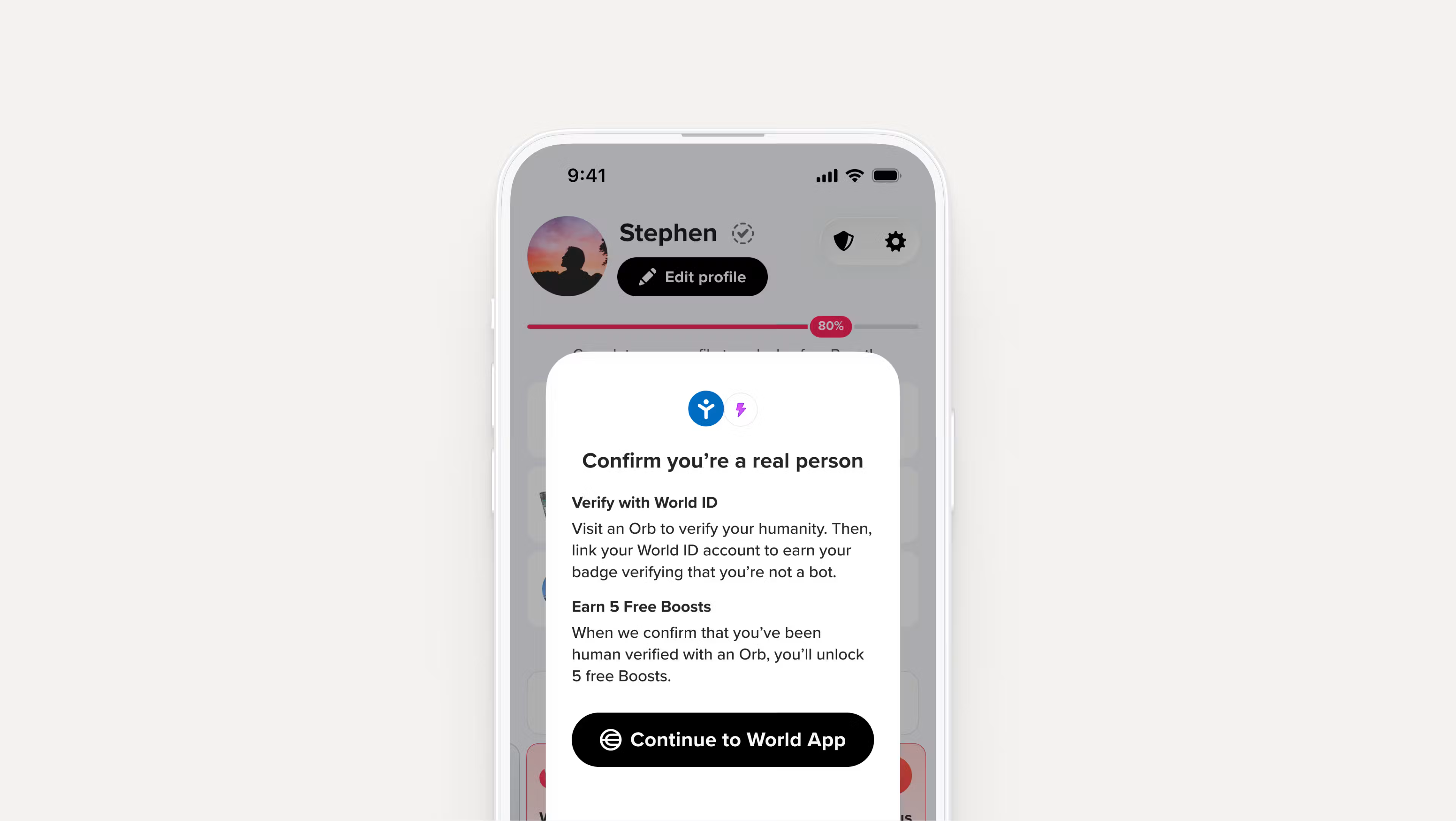
Prove this was made by a human.
Prove this was read by a human.
The first signals of a pushback are already here.
YouTube downranks repetitive, inauthentic content.
Most AI labs watermark AI-rendered images.
AI cornography is mostly curtailed.
But it’s not enough.
In the agentic world, human authenticity would be pegged much higher than it is today — for both the market and the creators.
Anyone solving this or building for it would hence make a fortune.
Sam Altman’s World ID is trying to solve for it. Apple and Google might control the device, account, biometrics, and identity layers.
But this will most probably be solved the way skin markets in games are solved. A new marketplace for an avatar generator for a specific platform — all backed by a device-level national identifier proving authenticity.
The more artificial the internet becomes, the more valuable proof becomes.
The first AI wave was about making machines intelligent.
The next wave is about living with them.
Who gets AI? How do agents pay for proprietary data? How do companies remember things? How do we measure value? How do we prove humanity? Who pays for failures?
These sound like second-order problems now, but every tech revolution builds more value in infrastructure than anyone expects.
Just look at the internet. It needed payments, identity, analytics, security, cloud, and insurance — all second-order needs once real users could interface with a website.
The agentic internet needs its own version of all six.
Some of the biggest AI companies of the next decade are probably hiding there.
Hopefully you’ll build one of them.
Auf Wiedersehen!
Most AI agents work alone. One person. One workspace. One memory.
Hyperagent is built for teams. Your team can build and run always-on agents together, sharing the same memory and skills.
Teach one agent how your team works, and the rest learn too.
This Week in AI readers get $1,000 in free Hyperagent credits.
Comments
Nothing yet. Say the first thing.
Sign in to join the conversation.