
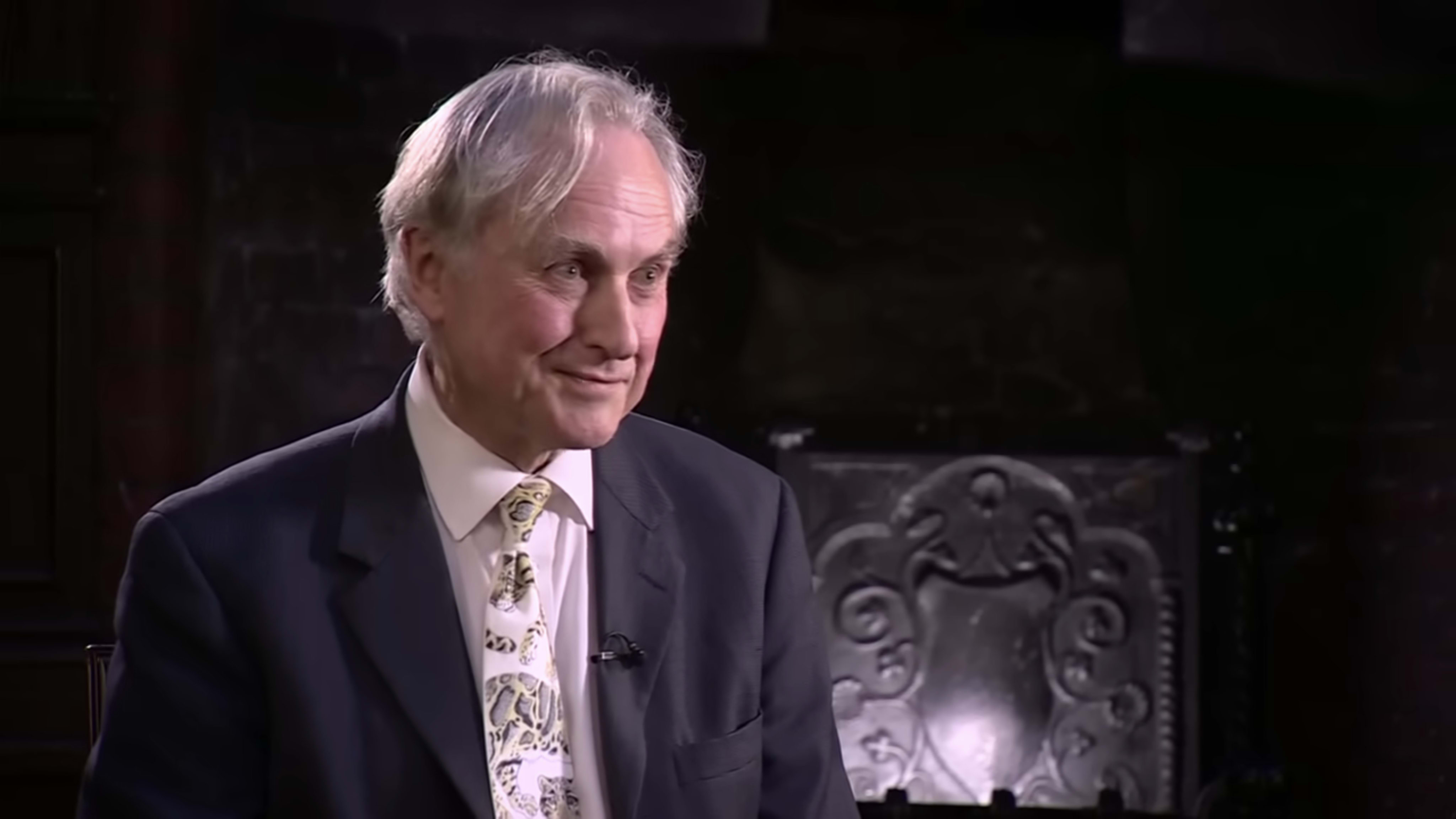
I was a teenager in the peak of New Atheism. Like many my age brought up in a religious home, there was a brief period during my adolescence in which it appealed to me. If there is anything positive to say about a movement that made mockery and condemnation of religion its currency, it is that for those brought up in a particularly fundamentalist religious background the public authorising of saying or thinking things that enabled a breaking away from it came for some with a great sense of liberation and release. While for some this may mean a permanent gratitude to its protagonists, for me the phase was fairly short. This was in part because my upbringing was positive in many ways, and the Christianity I knew far more wholesome than others may have experienced, and so it seemed transparent to me that at least some of the claims that religion is always bad were borne of ignorance as much as familiarity. So it was that ultimately, rather than a sense of freedom from stifling repression resulting from my lack of belief, I felt a much more mixed sense of loss. Not only that, while the ‘debunking’ attitude of Dawkins and co may have appealed to my teenage desire for rebellion and self-expression, I am someone who has had what you might call existential anxiety since as long as I can remember; in other words I thought about big stuff a lot. As much as freedom from propositional God might have had some appeal, it seemed an unavoidable fact that the New Atheists were ushering everyone off a bus then leaving them at the bus station under the assumption everyone would know where to go. Morality, culture, meaning, purpose, and all the things religion had coordinated for as long as human beings entered behavioural modernity: these things were apparently obvious and of course the world would be better, more rational, more moral, and more coherent once superstition and false belief had been banished from the garden.
Whether New Atheism was successful even by its own standards is up for debate. It is only in very recent years the downward trajectory of religious adherence in Europe and America has flattened out a little, but in spite of Christian claims of a ‘quiet revival’ or ‘amazing rebirth,’ there is little sign of it going in the opposite direction. How much of this was due to New Atheism as opposed to New Atheism merely being a surface phenomenon that reflected something already going on is questionable, but one thing is clear: whether New Atheism had any role in accelerating religious decline, the general New Atheist view of religion and their hopes for what would happen when we got rid of it has failed wholesale. One might argue New Atheism came to an unceremonial end around 2017 when an unknown Canadian psychology professor named Jordan Peterson rented out a theatre in Toronto and gave a series of lectures on the psychological significance of the biblical stories. Whether he had anything to say of substance beneath his claims, he didn’t dismiss the New Atheists highly propositional and unpragmatic view of religion as much as the sheer unprecedented popularity of his lectures showed that the view had no interest to a generation, a generation of young men that were roughly my age: the adolescents of New Atheism.
Comments
Nothing yet. Say the first thing.
Sign in to join the conversation.