
Hello. At the end of this story is a link to paid subscriptions, in lieu of asking for end-of-the-year donations. I hope you will consider it.
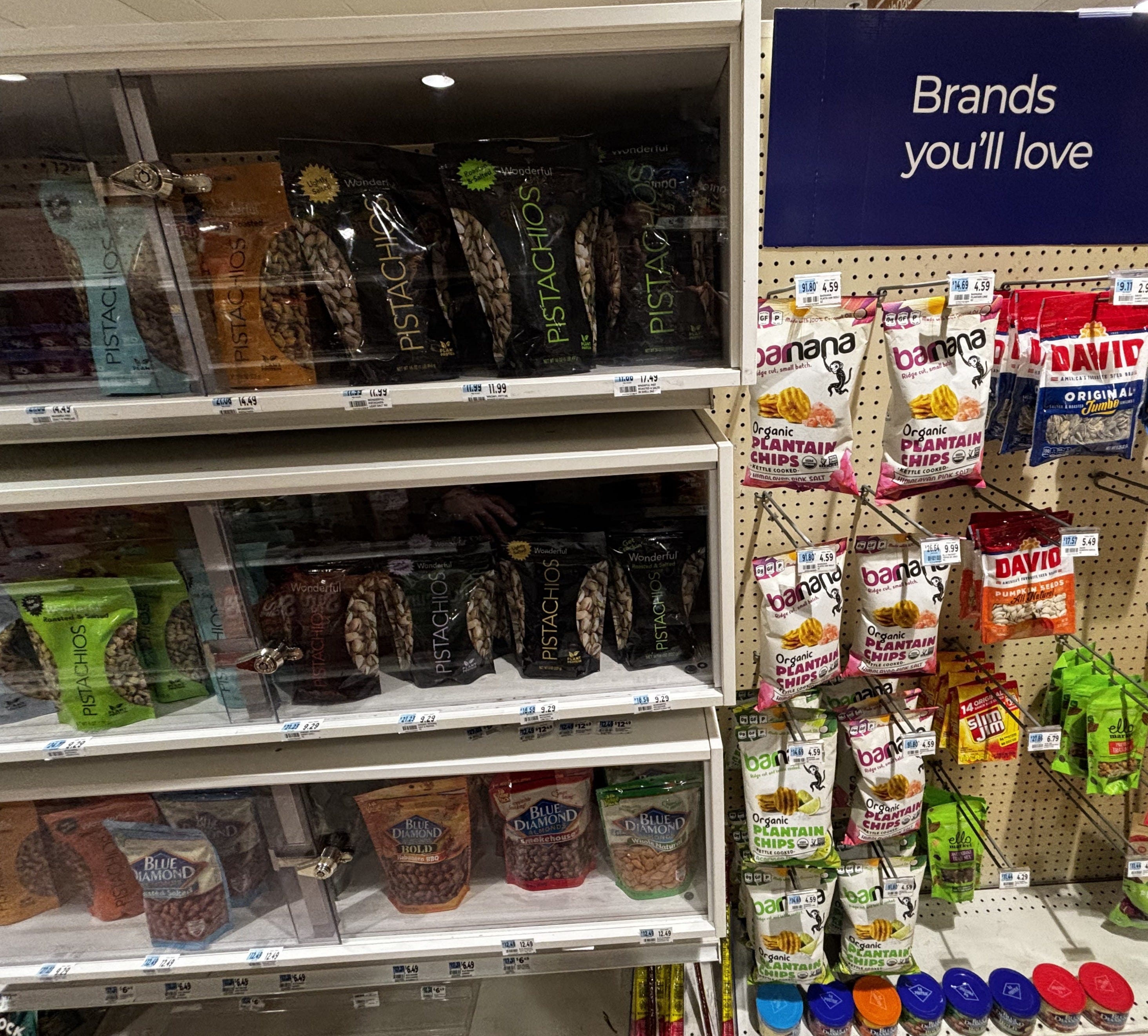
Do you remember in the last century there were news stories about people coming from countries with fewer consumer choices, and weeping with joy at the many options available at Target, or Kroger’s? A person walked the aisles next to a purposefully casual reporter, and they remarked together on the number of personal hygiene products or condiments.
Our checkout lines were so much shorter. Many people in what we called The West felt it proved something about the virtues of our system; people conflated democracy and capitalism. I am sure I bought into it, in a kind of grudging, ‘well you gotta admit…’ way. A ‘say what you will…’ way.
It’s not that things were not materially and politically better here, for some of us. Just, I don’t think it was because of the body wash.
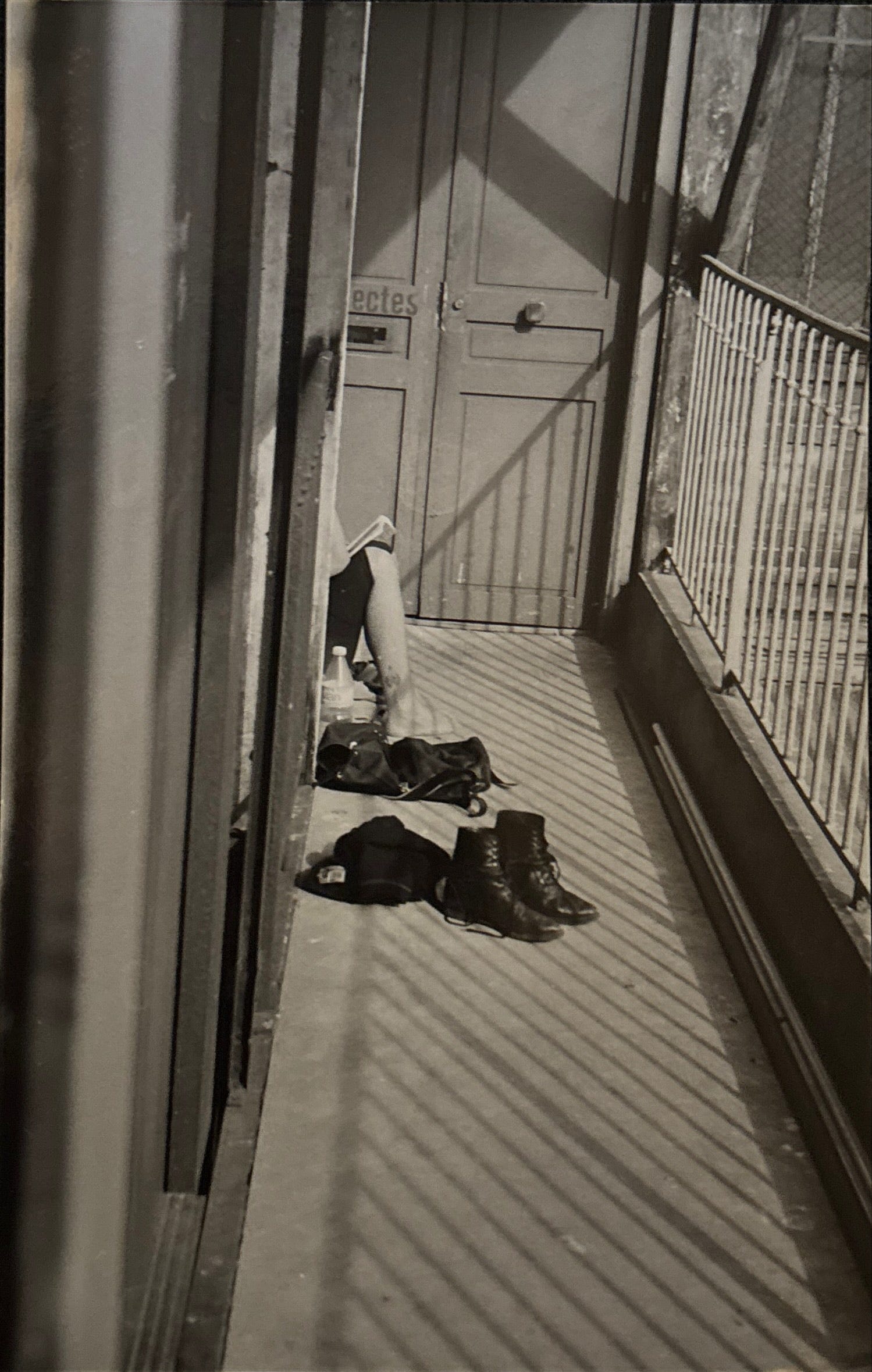
In 1990, I was a Junior in theater school, studying in France, and we went on a class trip to the Soviet Union - Moscow and Leningrad (now St. Petersburg) - to see theater and perform some of our own student work. This was a profound year to be in Europe. Whole maps were ripped up and reassembled, and we were in the middle of the shift. The Berlin wall came down; I dated a German and we’d go look at apartments together in the East. Whole countries became independent; in Russia Glasnost and Perestroika were starting to shift parts of economic and political life.
At our first hotel in Moscow, the waiter greeted us, explained the menu and opened his jacket to show us the Soviet military watches and fresh oranges he had for sale. The Soviet black market for things and money was everywhere. The government exchange rate was a dollar per ruble, but under the table, you could get 20 rubles. The catch was that you couldn’t change them back when you went home. You had to spend them, give them away, or keep the bills as souvenirs of money’s randomness.
Our program had taken trips to Russia in prior years, but this was the first time Russians could perform theater outside of state venues. We had a government tour guide, Irina, and we had a bus, but we could choose to go out on our own if we wanted. We went down the long, long escalators in Moscow’s amazing subways, with their leather seats, ornate tile work and no ads; all the beauty marks of Stalin-era cruelty. We’d come out and go up another long, long escalator, in a neighborhood of superblock apartment complexes. We’d find our way to a basement somewhere and watch a show.
My favorite piece mashed up the text of Winnie the Pooh with a Soviet post-apocalyptic war movie called Dead Man’s Letters and songs from The Beatles’ White Album. A man in a gas mask intoned in a deep baritone “где пиглет?” (where’s Piglet?).
Our theater program had made a connection with a group of students and faculty at МГУ (Moscow State University) who had run afoul of even the more enlightened Soviet regime by making a play about gay priests. Both queerness and religion were forbidden then (queerness still is). The group had visited us in Paris and performed at our studio, and then in Moscow we performed our work for them. We did a play by my friend Kirk, in which I got to say the line “Fuck you, I’m older!” to a classmate playing my little brother. The Russians howled with delight. We tasted the fleeting liberation of a communal fuck you.
Afterward, we went back to their dorm rooms, and got significantly drunk on black-market vodka, which we had procured in a back alley from a man at a tire repair shop, who kept bottles tucked in his coverall. When we showed him our black-market money, he thrust his arms down by his sides with a jerk, and bottles appeared from some kind of spring-loaded contraption that lined his sleeves.
These were liter bottles; the caps were pop-tops like old-school Coke. If you opened a liter of vodka, you would most likely finish it that night. Each time you drank a juice-glass-sized shot, you were supposed to follow it with a big bite of home-canned pickles that our friends had handy, and supposedly there’d be no hangover. I don’t remember if this remedy worked.
I spoke a tiny bit of Russian, and because of this I made an impressive faux pas. We were comparing our lives, and I said, “Oh man the dorms at NYU are terrible!” To which one of our Russian friends said, “worse than this?” and gestured around us: moldy carpet with multiple burns; windows rattling; mice scratching in the walls; noise and smells from outside.
The black market was visible in the streets, too: French cigarettes and American jeans and sweets from Turkey. We improvised currencies; paid for taxis with Marlboros; meals with bootleg rubles; army coats with Levi’s. We learned that Muscovites spent an average of 2-3 hours in line every day. Once I asked a person at the back of a three-block queue of people dressed in socialist-realist casual what they were waiting for. He said, “We don’t know. Maybe ice cream. If it’s this long it has to be good.”
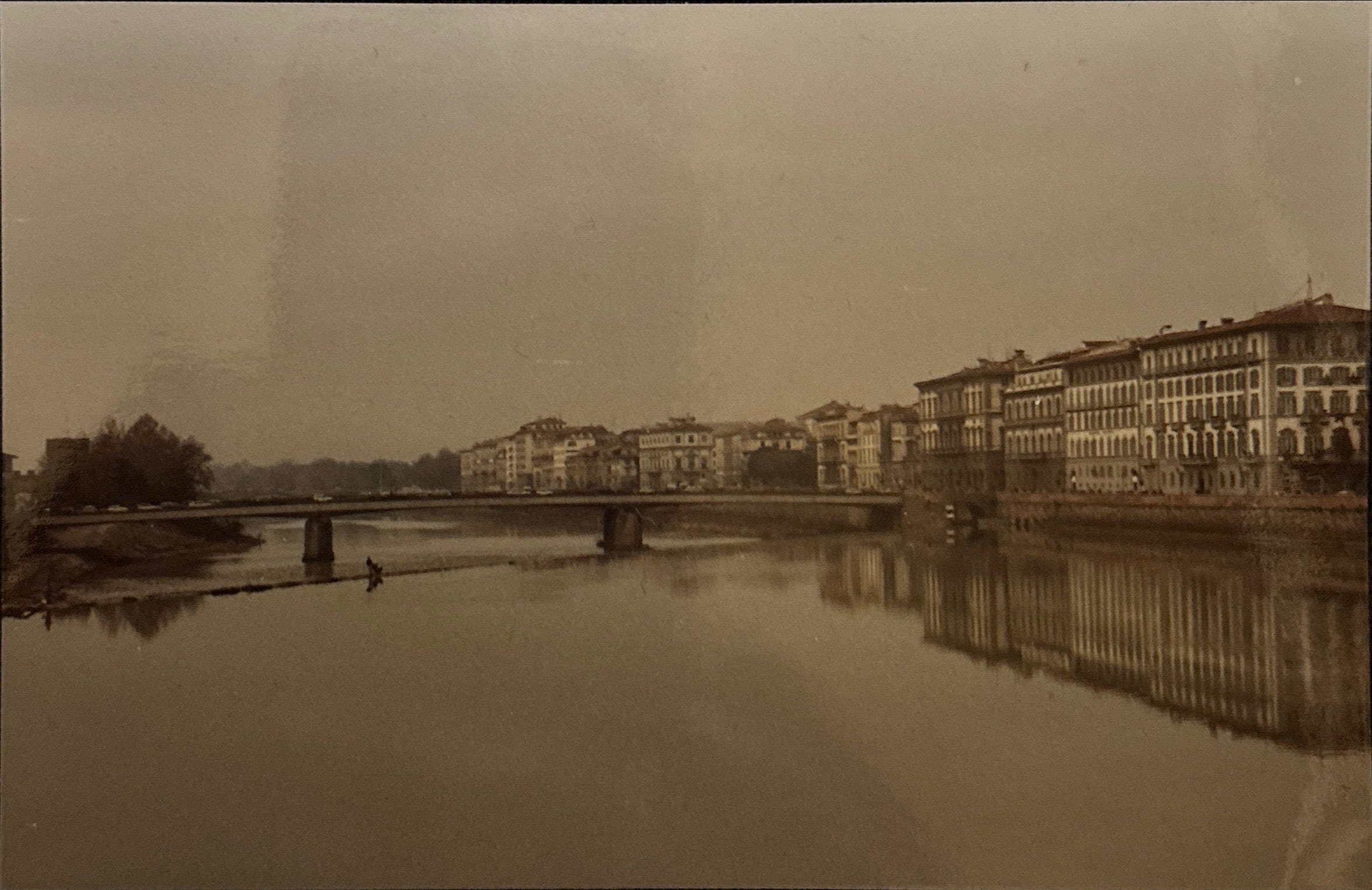
The day before we left Leningrad, I was looking around a bookstore and a woman about my age came up and asked me if I was from the US. I said yes and we chatted for a minute. She asked about weather and music and hobbies. She seemed nervous, sweating visibly, glancing everywhere. I said, “?ты в порядке?” (are you okay?) She said, “Yes,” and looked around again. “Five years ago, to have this conversation with you I could have been arrested.”
When the trip was done we all still had a lot of rubles left and we decided to give them to Irina. It was 1,200 total. She got choked up and said it was three months’ salary.
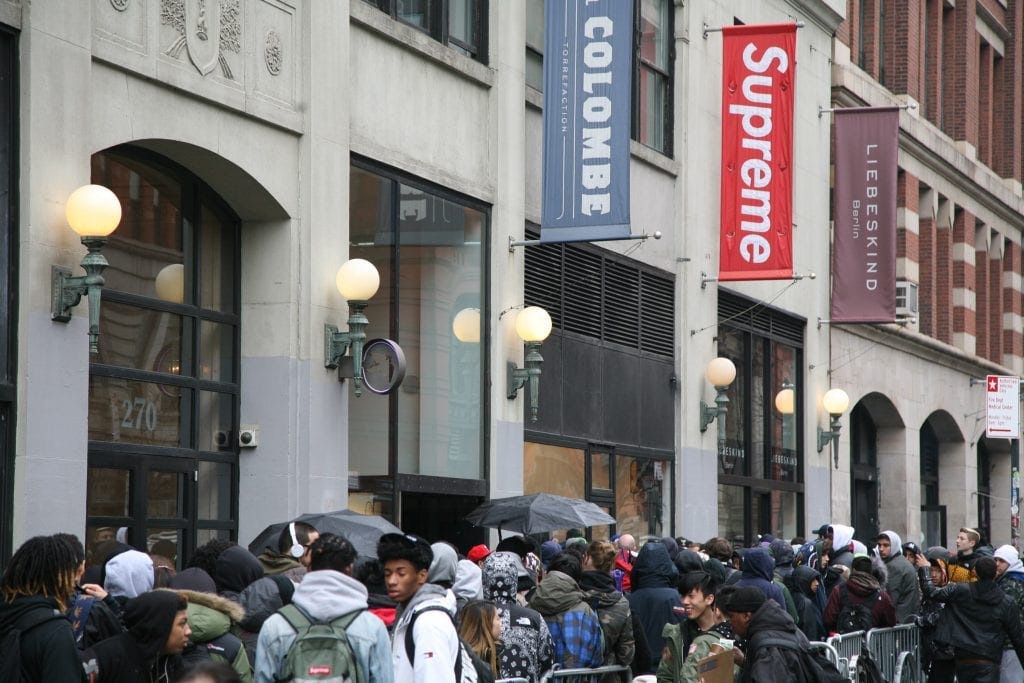
I live in lower Manhattan now, where people wait in line for things they’ve heard are good, maybe from an influencer or a food critic or an ad that looks like it’s from one of the above. If I want to I can spend an hour or more waiting for the latest in scones or gnocchi, Kith, On Cloud, Pastrami sandwiches made by surly men in white aprons, overpriced diner breakfasts, medium-grade tacos, or a new electrolyte water.
Most people in line dress the same: young men in baseball caps and college sweatshirts and white sneakers; young women in knee or thigh-high boots and short shorts; parents in track suits and parkas. They all check their phones while they wait to cross something off their kids’ Christmas lists; the kids are dressed the same and are also checking their phones. No one is talking; everyone assumes what they are waiting for must be good enough.
I don’t mean the US in 2025 is equivalent to the Soviet Union in early 1990. I do, though, feel aware that, for the second time in my life, I’m in a country at a precipice. Maps are grinding and crumpling, tectonic, trashed. People get arrested more easily, for having a conversation with the wrong person, writing the wrong thing, looking like someone’s idea of someone who’s not meant to be here. The country gets more random and more formulaic. Currencies jumble. You can pay for your Kith in crypto.
People are waiting in the rain for Supreme to open. Deciding whether to speak up. Deciding to approach a stranger and ask about the weather when everything around us says look at your screen, entertain yourself, map the quickest route, swipe, swipe, scroll, swipe, comment, like, don’t pay attention.
Stay in line. Your turn will come soon enough. What are you waiting for?
Would you support my work, including writing like this, as well as ThinAar Studio’s projects and Perfect City’s research, in 2026? Becoming a paid subscriber keeps funding we raise through grants and commissions flowing to our exquisite collaborators and other expenses.
Please join us! See you next year!
Comments
Nothing yet. Say the first thing.
Sign in to join the conversation.