
after last year's election, i began to ask myself how i can become more self-sustainable (not just for myself, but for my community). i asked myself, "what skills can i contribute to the masses if our government breaks down and fails completely?" it can feel scary but again, i know i am not alone. i don't have carpentry skills, but my neighbor does. i don't do well under pressure, but my friend does. i don't know how technology works, but my partner does. so, what can i bring to the table?
i took an assessment of myself… i came to the conclusion that i would learn how to tend to the land…
i think this would come in handy if supply chains break down and food scarcity becomes a bigger problem.
bonus points, we can divest away from slavery-driven capitalism right now by growing our own food.
i know that it can sound intimidating to someone who might know next to nothing about 'florida' edible gardening... but once you equip yourself with some simple tools, the task becomes much less daunting. and, as an amateur as well, i would like to extend myself as a resource for any beginners, peer-to-peer learning is some of the best!
feel free to email me anytime: theworkingclassfarmer@gmail.com
planting depends on a few things: if and when it freezes, the general temperature of your area, and how dry and intense the heat is. as you can imagine, 'florida' is much different compared to most of the 'USA'.
begin by thinking about what part of florida you live in. north, central, or south? look up the plant hardiness zone using your zip code.
it may feel disheartening to learn that much of the produce found in big box grocery stores may not grow the best in 'florida'. but luckily, we have an abundance of unique fruit n veg that grow extremely well in this climate and soil. and, if you have space and can purchase or create a DIY greenhouse, you can grow even more! but let's not get ahead of ourselves... back to soil!
you can amend the soil by adding compost (not too much! i made that mistake in the past) or purchasing some organic soil from a garden supply center.
here is a few examples of what you can grow in florida:
Loquat tree
Beautyberry bush
Passionfruit vine
Jamaican cherry tree
Corn stalks
Chickasaw plum tree
Dragon fruit cactus
Star fruit tree
Avocado tree
Everglades Tomato plant
... and so much more!! let's keep going.
we can look to the land that hasn't been touched. i may not see Loquats, Starfruit, or Muscadine Grapes on the shelves at walmart, but i see them everywhere in the wild. the seminole pumpkin is a popular variety of pumpkin that does well in florida, and probably given it's name from the fact that the Seminole Tribe grew these pumpkins. maybe you have never heard of this variety? unlike the 'standard' varieties usually found in grocery stores, this variety flourishes despite the heat and humidity. best of all, it keeps in a dry, cool space for up to a year.
Thanks for reading personable babble! This post is public so feel free to share it.
i think it's important to think about what you actually like to eat, so that you don't neglect the plant. here is my advice.
use guides to help with timing your plants. i follow some farmers in my area who are nice enough to share what they're starting and transplanting that month.
think of some veggies you enjoy. pick one or two. for me, i enjoy kale and tomato. these will do fine in containers. hot peppers, strawberries, eggplants also do just fine in pots. i use the UF extension office website for reference on what varieties of these plants do well in 'florida'. radishes aren't too difficult at all, and they're great for beginners since they only need about 3 weeks to develop. pulling them up out of the ground is satisfying!
next, pick a pollinator plant. marigolds are great because they're good for attracting pollinators, they do well for the soil by restoring nitrogen, and best of all, you can eat them! i pick my marigold flowers when they're completely bloomed, rinse them thoroughly, and use the petals in salads. they add color and a hint of floral taste.
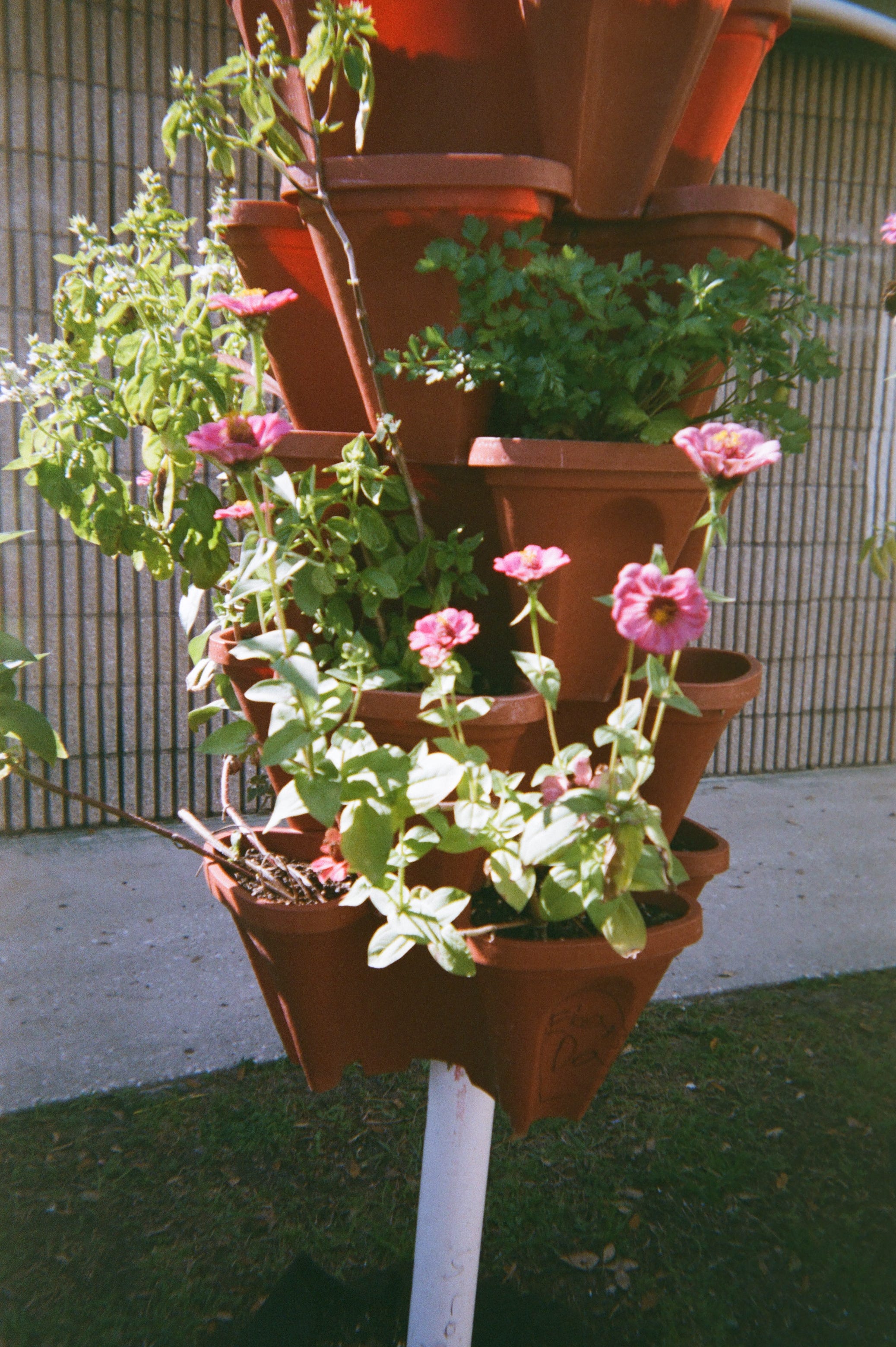
next, pick an herb you like. it's great to plant your veggies with herbs as companions. it helps enhance flavors and keep pests away. i personally like rosemary, and i learned recently it can be started from seed just about any time of year. i use catnip in my garden as well as dill.
there is the beginnings of your garden. 1 or 2 veggies, a pollinator, and an herb! YOU'RE ON YOUR WAY!
right now, my tomatoes have stagnated and my radishes haven't developed (except 3 of them, it was a problem with my soil!)… but my kale is flourishing, and my jalapeño has a pepper on it! this is why i suggest starting a few plants, so if a couple don't work out, you still have something to harvest. it's all a learning experience. take what you learn from the failures and adjust and try again. just don’t forget to water your plants!
happy gardening.
No posts
Comments
Nothing yet. Say the first thing.
Sign in to join the conversation.