
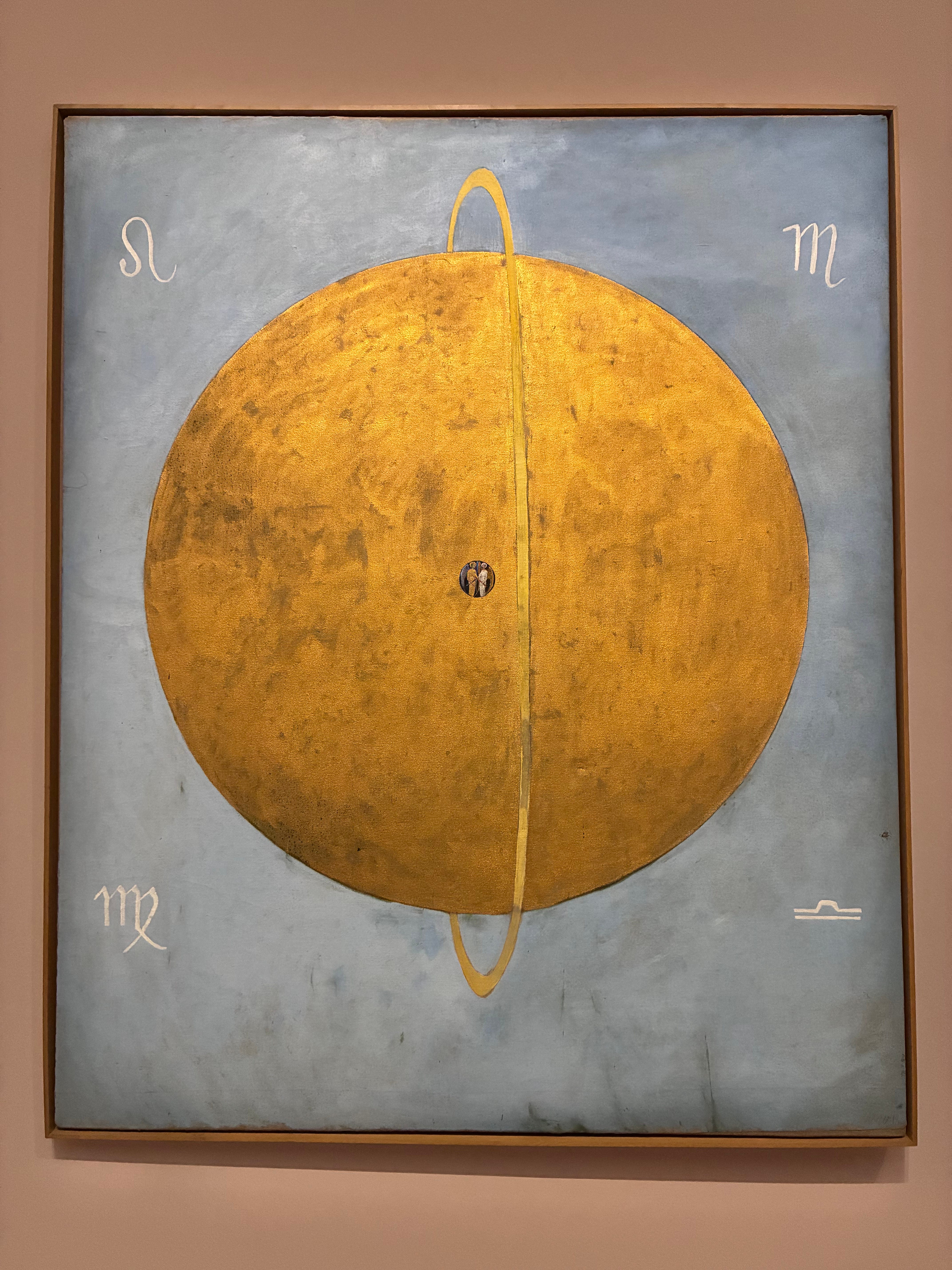
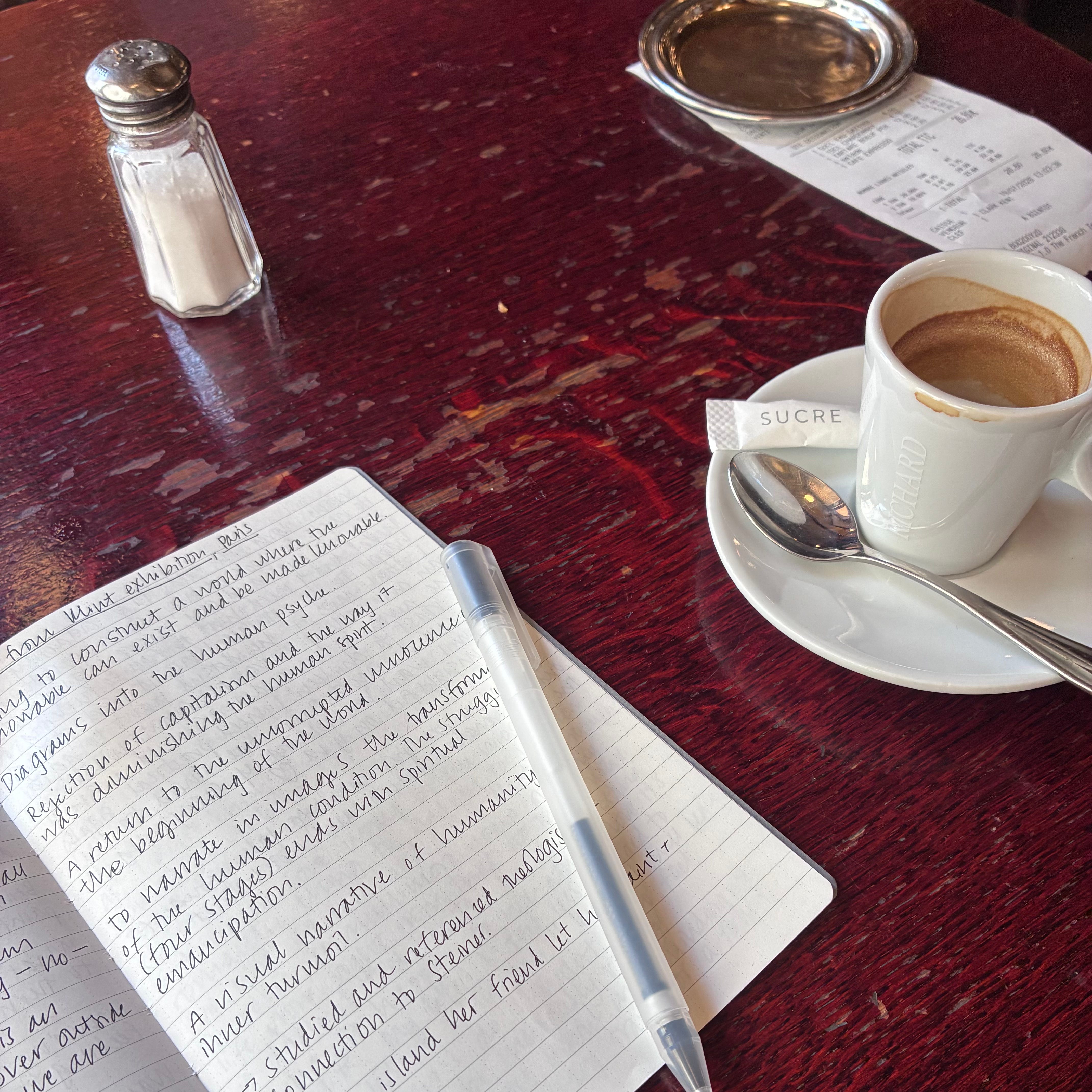
Hello from the kitchen table of my friend’s apartment in Paris.
It’s quiet before the construction workers start their work for the day, the streets are rinsed clean from last night’s ciggies and unmet Hinge expectations, and the coffee and tobacco shops aren’t open yet.
Perfect.
I’m here for a week for work and pleasure, and I am thinking a lot about the experience of foreignness. I often get asked about what it’s like to move around so much, and I thought I would try and answer it here as thoughtfully as I can.
Often I’m moving for work - shoots or meetings. But sometimes it’s holidays, research, travel for travel's sake, house sitting or visiting friends.
It means life is punctuated by this ambient, unspoken feeling that everywhere you go is not somewhere you immediately belong, and that your quest is to make it otherwise. It’s both exhilarating and unnerving. And it takes on a more consuming dynamic when you’re trying to make a foreign place home because you’re always reminded of being an outsider.
What is this rattling feeling that makes us feel both displaced and alive at the same time? What happens psychologically when we repeatedly choose foreignness?
My friend D and I talk about this on Sunday when we meet for a drink on the outskirts of Belleville Parc. The wine needs ice in it. No one else is at the tables yet. We sit chatting at length about our experiences of moving far away from home and what it’s been like to try and ‘naturalise.’ Whether this is ever truly possible. He’s Guatemalan and has lived in Paris for 10 years. I’m from New Zealand and have lived away intermittently for the same. We both feel as though we are our nationalities (old home) and our residencies (newer homes), but also not fully either.
We are choosing the unknown over and over again.
It means living with double vision, as though you’re constantly living between places, gaining a perspective on both your old home and your new one, yet never quite belonging to either. You are up close and zoomed out at the same time. In the party and watching it through a screen door. Both in the photo and taking it.
It’s a form of chosen dislocation that you hope to mend the more at home you feel in one place. This takes time. More than you think. And it doesn’t come without questions.
For me, this materialises in erratic ways. Wanting to perfect the language, then getting frustrated and giving up. Clearing my wardrobe of clothes from when I lived in NZ, then being unable to throw away the gingham pillowcase I brought over with me. Wanting to go out to the fusion pop-up collab party and take videos of my new life like it’s the most natural thing in the world, then not wanting to leave my house.
It seems easier, from afar, to have a more traditional connection with where you are that binds you to a place and its people: religion, family, a connection to place that is stronger than the pull of adventure.
But without them, who are you? You have to create it.
More broadly, it manifests in other ways. You are never native. You never fully know how the queues work or how the doors open. Whether you need card or cash. To take a ticket at the front of the store or not to touch the fruit before you buy it. If you stand on the left or right of the escalator. Whether you say ‘I miss you’ or the conjugation is ‘you miss me.’ If jaywalking is illegal. If police need to be bribed. You miss birthdays and weddings. Someone dies, and you have to weigh up whether you fly home or log onto a Zoom link from afar. You watch your parents age over the internet. And you are always trying to prove to yourself, and those around you, that you are game enough for a future that seems more uncertain than if you stayed.
Familiarity builds over time (I no longer need Google Maps to guide me), belonging builds over continuity (there are people I love here that love me back). When you start over again, you have to build both.
Streams of chic under-30s Parisians roll down the hill beside our table by the time we get to this part of the conversation. The DJ set in the park has finished, and even though it’s a Sunday, the arrondissement is alive with people like it’s the start of the weekend. The heat dome has burst, and there’s a breeze to catch through their thrifted 90s cargo pants and in between the toes of their Margielas, and not much work tomorrow to do.
“How would you describe Parisian style?” I ask D, watching the art gallery of hot people spill past us. He takes a second to think, then answers, “Fake effortless. No effort, but a crazy amount of effort.” We laugh because this is the same way we describe assimilating into another culture. A constant state of fake effortlessness.
Recently, when I went to collect my residency card from the post office in Lisbon (waiting for this has been a deep source of anxiety for many months), the woman was so rude towards me, her energy so harsh and unwelcoming, I left completely deflated about the three years I’ve spent in Portugal struggling with the language, and slowly building my life there.
And I am lucky. I chose it. A heartbreaking number of people don’t have this luxury. Whenever I’m pressed up against these foreign challenges, it makes me wonder how unnatural this must be: to live in a constant state of flux, and how privileged my experience is of it. I wonder if the feeling is universal: You see the shape of the hole you want to fit in, you know you must bend to get there, you don’t know how long that will take.
I think, annoyingly, this is an inside problem. In her book A Field Guide To Getting Lost, Rebecca Solnit explores the possibility that belonging can’t be found by solving the problem of ‘where you should be,’ but what you can become. “Leave the door open for the unknown,” she writes, “the door into the dark.” It’s both calming and overwhelming to think that the answer of where we feel we will truly belong can be found after we stop putting so much pressure on a geographical place to solve this for us. Damn. Back to morning meditation then.
Of course, it’s not all emo texts from home. There is the dislocation, and then there is the big, romantic, foreign haze that comes with it. You are on the sidewalk of a tiny bar somewhere, with someone you never thought you’d know, learning about a life you never knew existed, holding a set of keys to a door you never thought you’d be able to walk through. You are kissing a foreigner who loves the way you sound. You are on the back of a boat playing S Club 7 with a bunch of musicians you’ve listened to for years. You are everywhere. You are anywhere. You are… alive.
Which one is right? Staying or leaving? Remaining or returning? Safety or spontaneity? I want one answer to solve it all. There isn’t one.
I recently found myself in the kitchen of an Italian opera director in his 70s, who had invited some friends and me to lunch at his ramshackle farmhouse in the countryside. He had that artsy witch man energy of someone who had seen the world and could read people very easily. We were stacking dishes into the sink while the others swam in the pool, and he and I were talking about his move to Portugal in the 90s and what it has been like navigating such dramatic change. I had just got my residency card, and all of my own unresolved feelings of belonging felt very close to the surface. I guess he could read them. I guess I had them all over my face.
“Don’t try and kill the bad feeling,” he said, signalling me to stop helping with clearing up. “People mistake feeling confused with some kind of moral failure. It’s not. It’s human. Feel it. We always have the choice: to remain the same or to change.”
To remain the same or to change. There is no right answer. Just that first next step we take with the information we have available to us at the time: the door into the dark.
Wishes,
Bel
xo

J’adoring mincing around Paris listening to Steve Lacy’s new album:
Comments
Nothing yet. Say the first thing.
Sign in to join the conversation.