
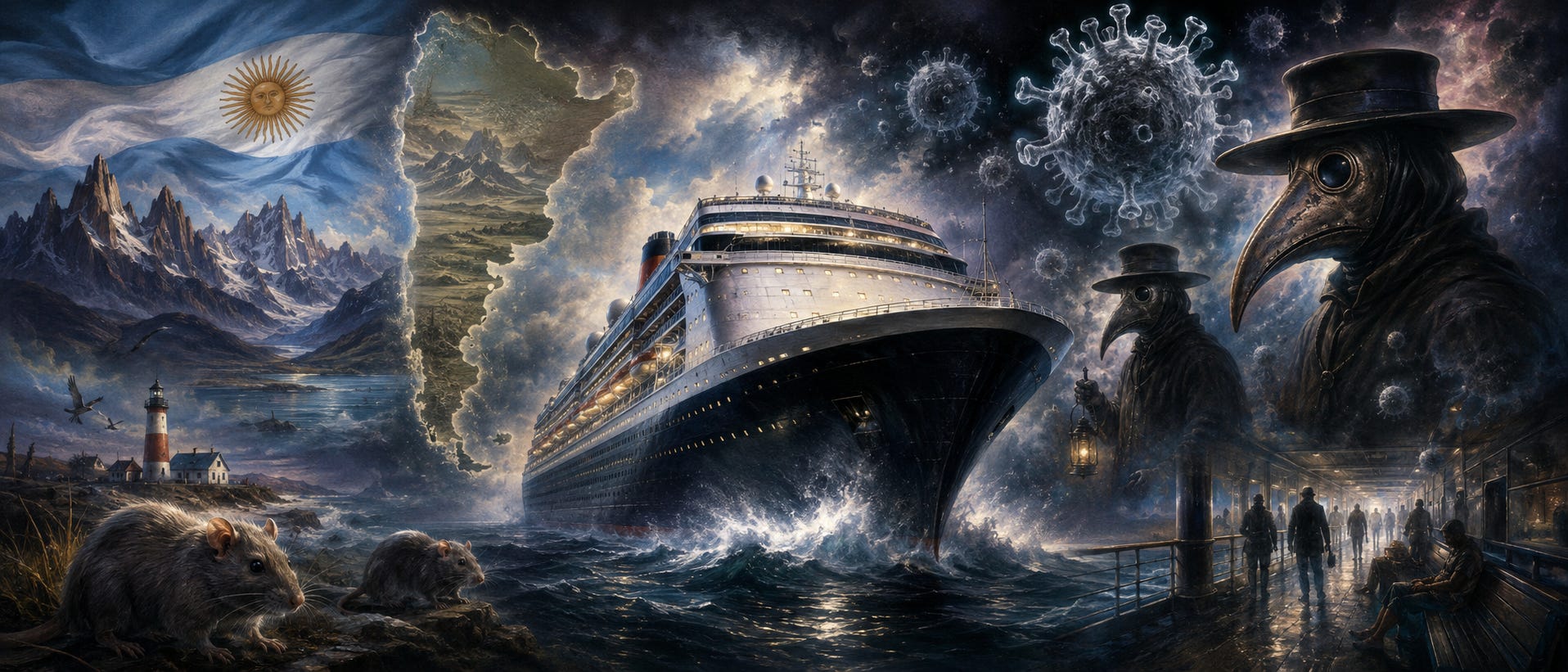
The phrase Hantavirus Black Swan event sounds like it was built in a lab for the internet: a rare virus, a cruise ship, dead passengers, global health agencies, quarantine centers, vaccine talk, and a public still carrying scar tissue from COVID.
So, is this the next world-shaking event?
Or is it something more familiar: a real outbreak wrapped in fear, half-truths, media heat, and institutional mistrust?
A single highly visible cruise passenger voice
A named “patient zero”
Public health language that sounds familiar from COVID
A possible media distraction from a bigger scandal
Those claims deserve sorting and evaluating.
Because when fear spreads faster than facts, the first casualty is usually good judgment.
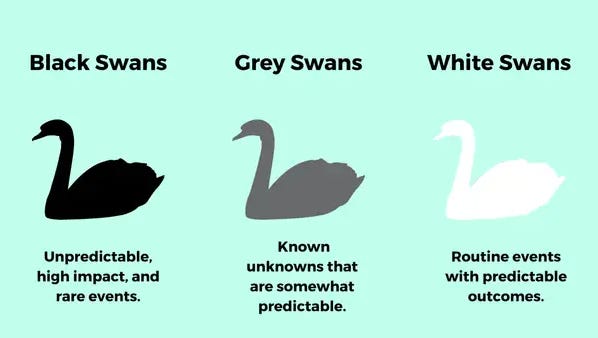
A Black Swan event is usually defined as an event that is:
Highly unexpected
Massively disruptive
Explained afterward as if it should have been obvious
That third point matters.
After a shock, people love to say, “The signs were everywhere.”
Sometimes they were. Sometimes they weren’t. Sometimes people just connect dots after the fact because the human mind hates loose ends.
So the key question is not, “Is hantavirus dangerous?”
The better question is: Is this outbreak so unexpected, so world-changing, and so hard to foresee that it qualifies as a Black Swan?
Let’s see.
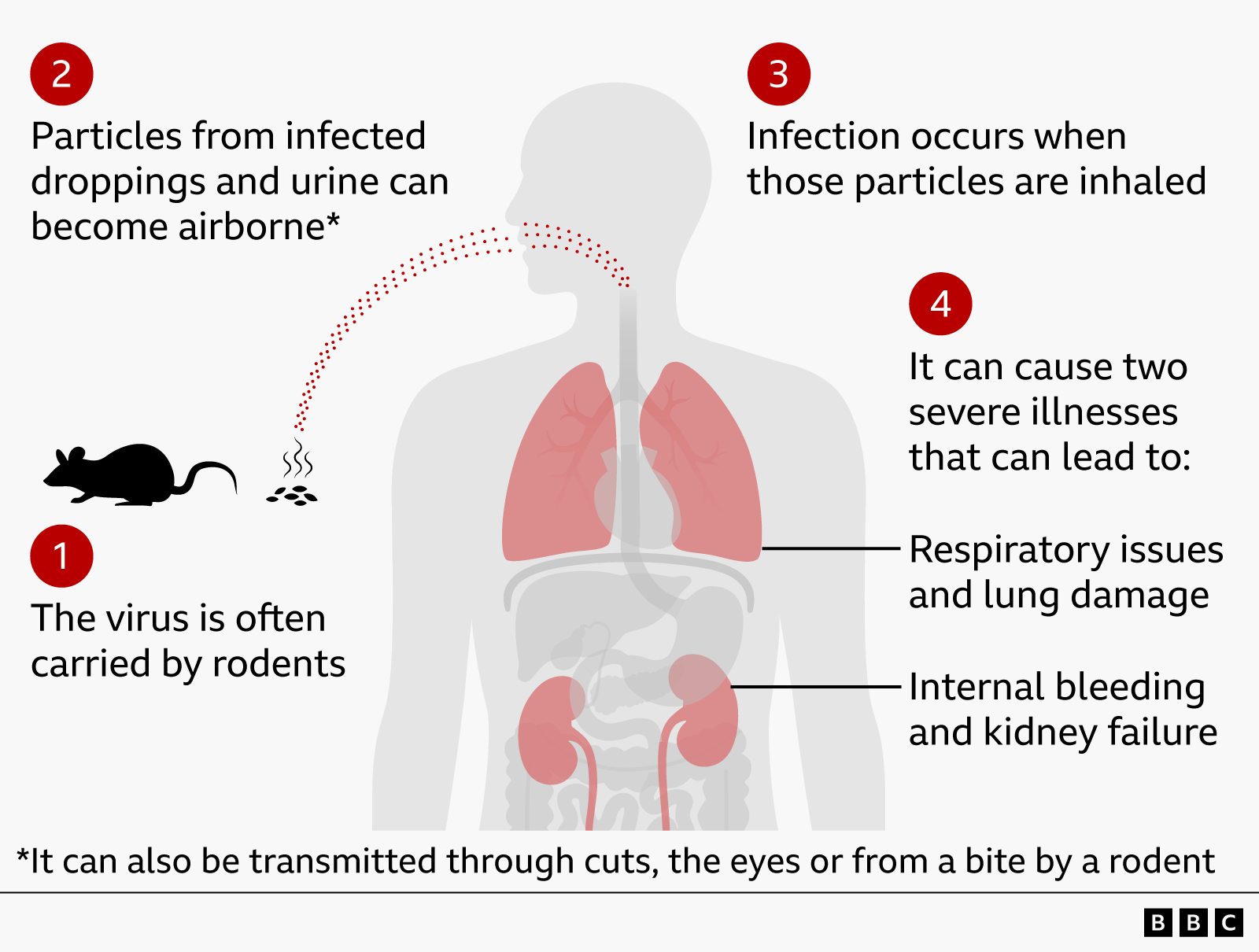
Hantaviruses are a family of viruses often linked to rodents.
People usually become infected through contact with rodent urine, droppings, saliva, nesting material, or contaminated surfaces.
Gross.
The strain tied to the current cruise ship outbreak is Andes virus, a type of hantavirus known to cause Hantavirus Pulmonary Syndrome, or HPS. The CDC says early symptoms can resemble the flu, including fever, fatigue, muscle aches, headache, chills, nausea, vomiting, diarrhea, and abdominal pain.
Huh…what other virus resembled the flu…
Important thing to note:
Hantavirus cannot be diagnosed from a nasal or cheek swab.
Unlike COVID-19, there is no mass-screening PCR test deployable at a port or a clinic waiting room. Confirmation requires a blood draw (detection of viral RNA or antibodies from a lab sample), a process that takes time, specialized equipment, and a patient sick enough to seek care in the first place.
That raises an obvious gap: if you are not symptomatic enough to seek care, you are not getting a blood draw.
Pretty logical.
And if nobody is drawing blood, nobody is counting cases.
Ruh roh.
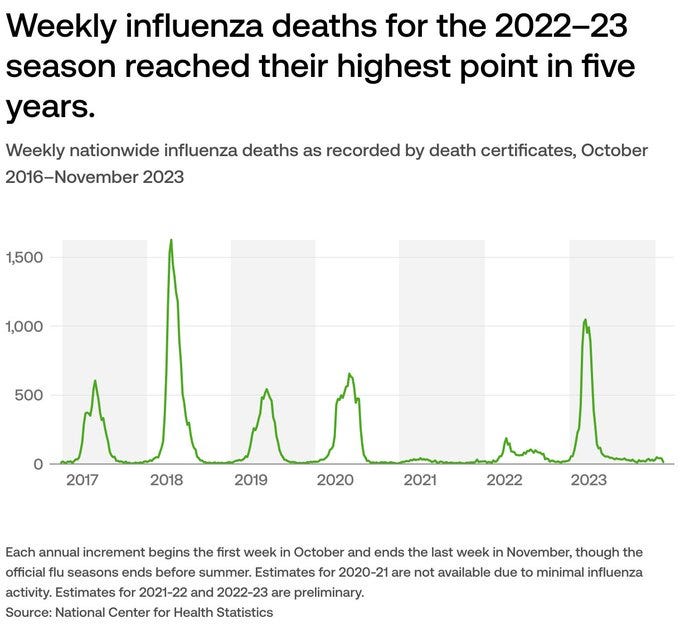
This matters because the early symptoms of hantavirus pulmonary syndrome — fever, fatigue, muscle aches, headache, chills, nausea — are indistinguishable from influenza, COVID-19, RSV, and a dozen other common respiratory illnesses.
And we saw during COVID-19 what happened with the flu numbers that year…
So, a clinician seeing a patient in week one of hantavirus infection has no reliable way to distinguish it without that blood test. Which means early case counts are, by definition, estimates built on the clinician’s judgment and symptom overlap, not confirmed serology.
We know what that leads to.
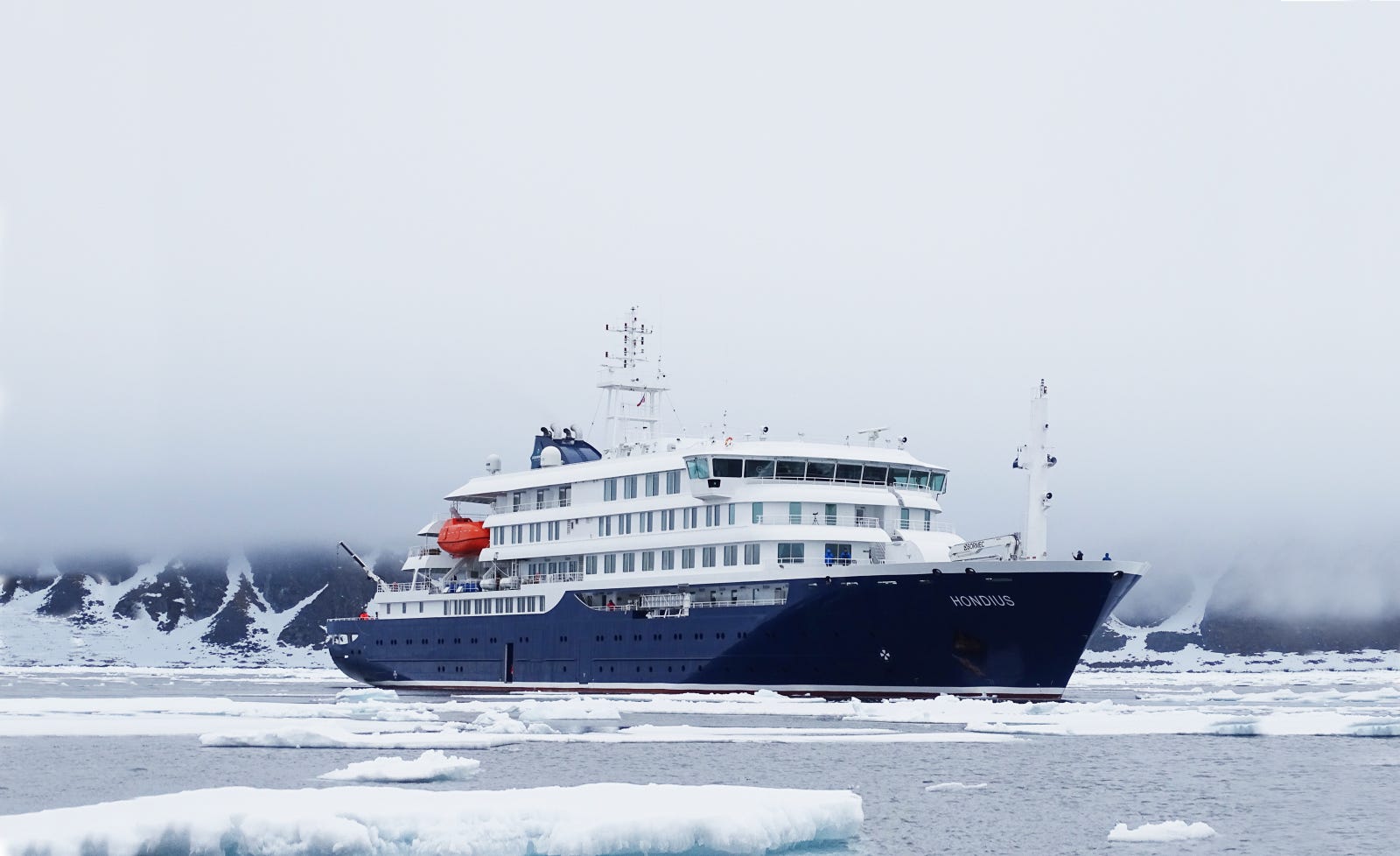
The outbreak centered on the Dutch-flagged MV Hondius, a cruise ship that had sailed from Ushuaia, Argentina.
The WHO reported that it was notified on May 2, 2026, about a cluster of severe respiratory illness aboard the ship. As of its early outbreak report, seven cases had been identified, including two laboratory-confirmed cases, five suspected cases, and three deaths.
As the story developed, AP reported 11 total cases, including nine confirmed and two suspected, with three deaths. More than 120 passengers and crew were evacuated or isolated in the Canary Islands, and the ship headed toward Rotterdam for cleaning and disinfection.
But this doesn’t sound apocalyptic.
The broader public risk remains low. The CDC even stated that the risk to the American public was extremely low, while experts quoted by AP said there was no evidence that the virus had changed into something more transmissible or more severe.
But a cruise ship is a perfect fear chamber.
It is enclosed.
It crosses borders.
It carries older travelers.
It has shared spaces, shared air, shared dining, and very little privacy.
And a cruise ship is perfect for headlines.
So, if it’s not something to be scared of, why all the media hype around it?
Well, there’s a theory.
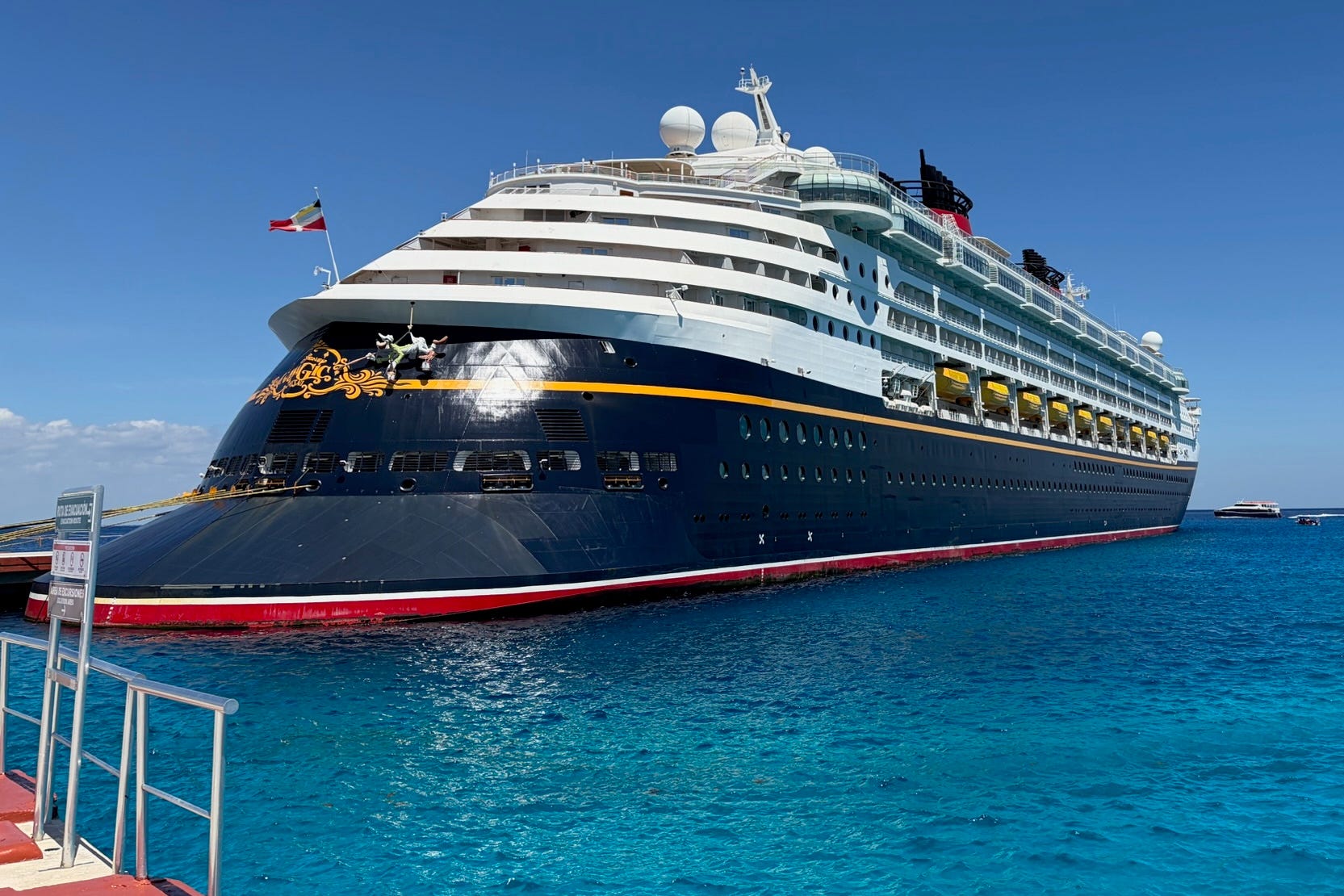
Between April 23 and April 27, U.S. Customs and Border Protection boarded eight cruise ships docked in San Diego Bay as part of what agents called “Operation Tidal Wave” — an ongoing child sexual exploitation material investigation.
When it was over, 28 crew members had been interviewed.
Twenty-seven were found to have been involved in the receipt, possession, transportation, distribution, or viewing of CSAM.
Their visas were canceled. They were deported.
At least ten of those workers were employed by Disney Cruise Line.
Passengers on the Disney Magic watched from the dock as CBP officers escorted crew members off the ship in handcuffs. Disney’s response was swift and polished:
“We have a zero-tolerance policy for this type of behavior and fully cooperated with law enforcement.”
But there’s a little secret Disney didn’t mention…
The cruise industry’s dirty open secret:
Background checks (to the extent they exist at all) are outsourced to third-party hiring agents in countries with no centralized criminal databases.
So there is no cross-industry blacklist.
If a crew member is fired from Disney for suspected misconduct, Royal Caribbean and Carnival are not told.
This is not speculation.
Maritime law attorney Jim Walker has documented for over a decade that cruise lines delegate their vetting obligations to foreign hiring agents — many of whom operate in countries like the Philippines, Indonesia, and Jamaica, where no computerized criminal record infrastructure exists.
So, a certificate declaring someone crime-free can be obtained with the right connections or the right payment.
Twenty-six of the twenty-seven deported workers were from the Philippines.
Interestingly, cruise lines employ workers on seaman’s transit visas — an administrative process that requires no interview and is rarely rejected. It is significantly cheaper than building a robust in-house vetting infrastructure. The industry’s trade group, Cruise Line International Association (CLIA), was asked directly at a Washington D.C. workshop whether cruise lines conduct background checks.
Their spokesman (Bud Darr, Director of the environmental and health program) stuttered and never answered the question.
Now Disney (as we know) markets its cruise line almost exclusively to families with children. Its ships have supervised kids’ clubs, character meet-and-greets, and programming built around child engagement. The brand’s entire value proposition rests on being the safest, most magical environment for families.
That positioning makes the vetting gap not just an industry problem — it is a specific liability Disney has chosen to accept while marketing directly to the most vulnerable passengers.
And it’s not the first time it’s happened:
In early 2024, three Disney Dream crew members were arrested in a twelve-week span at Port Everglades in Fort Lauderdale — each caught the same way, each time CBP boarded the ship at port and searched cabins.
The CSAM was of children aged 6-14.
SICK. FUCKS.
Alvin Gonzales, 49, was the first, arrested in early February on possession charges. Amiel Trazo, 28, followed weeks later in late February.
Then came Tirso Neri.
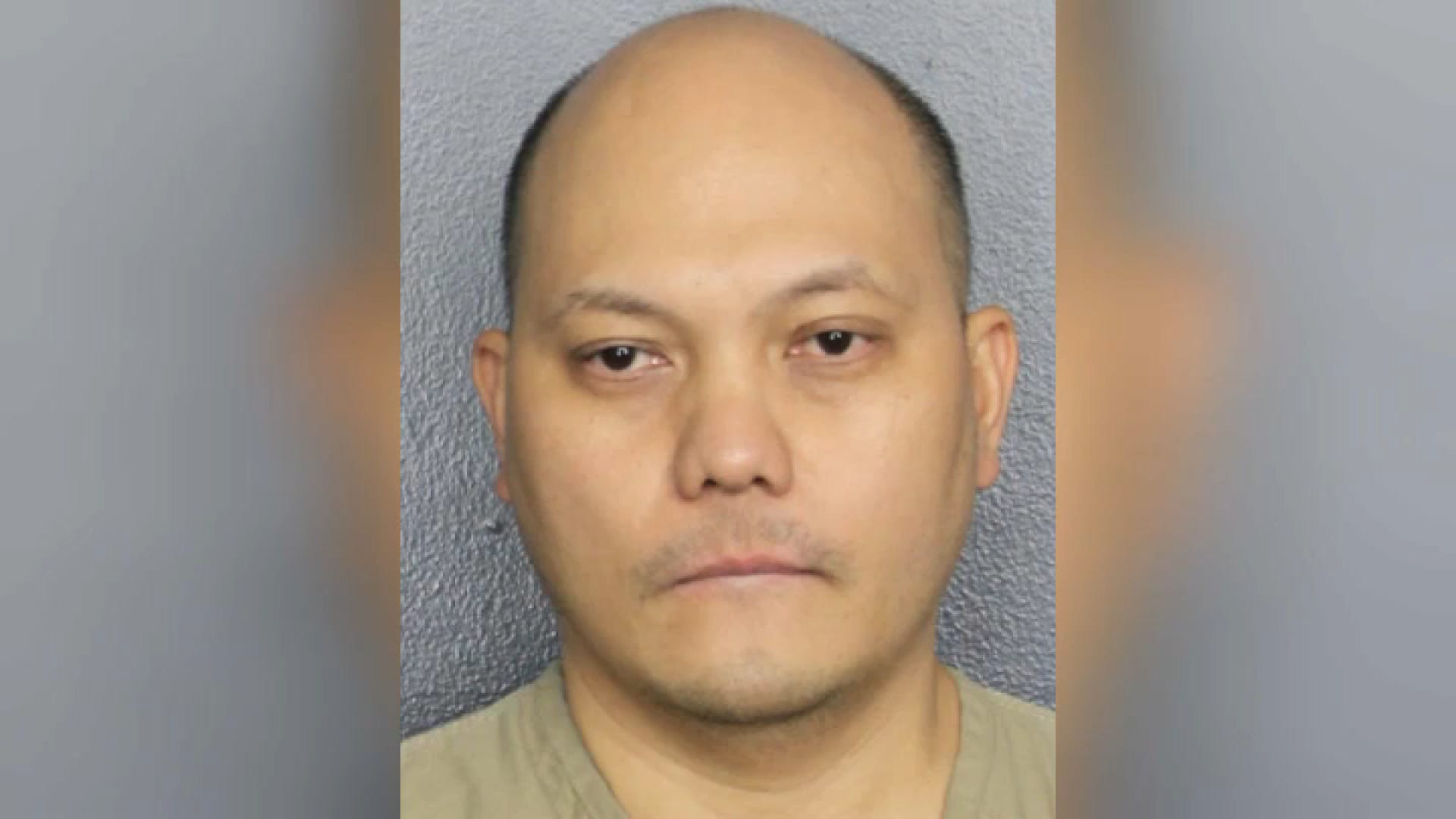
Neri, a 44-year-old crew member on the Disney Dream, was arrested in April 2024.
Federal agents had boarded the ship in December 2023 when it docked at Port Everglades after a Bahamas voyage and searched his cabin, finding numerous sexually explicit photographs and videos of young children on two cell phones.
What made Neri’s case particularly difficult to dismiss as a “whoops” hire: his phones contained child sexual abuse material dating back to 2019, with folders organized by victims’ names.
2019. You read that right.
This was years of accumulation carried aboard a Disney ship, past whatever screening existed, undetected until federal agents showed up with a warrant.
Neri was the third worker at the family-oriented cruise line to be arrested on federal child sexual abuse material charges in South Florida that year.
Disney’s response each time followed the same formula: cooperation with law enforcement, termination of the employee, restatement of the zero-tolerance policy.
The arrests happened.
The deportations happened.
What has not happened (in any of the cases) is any public accounting from Disney about how its hiring practices will change.
“Zero tolerance” is a policy for after the fact. The question families deserve an answer to is what the tolerance was for before CBP showed up at the gangway.
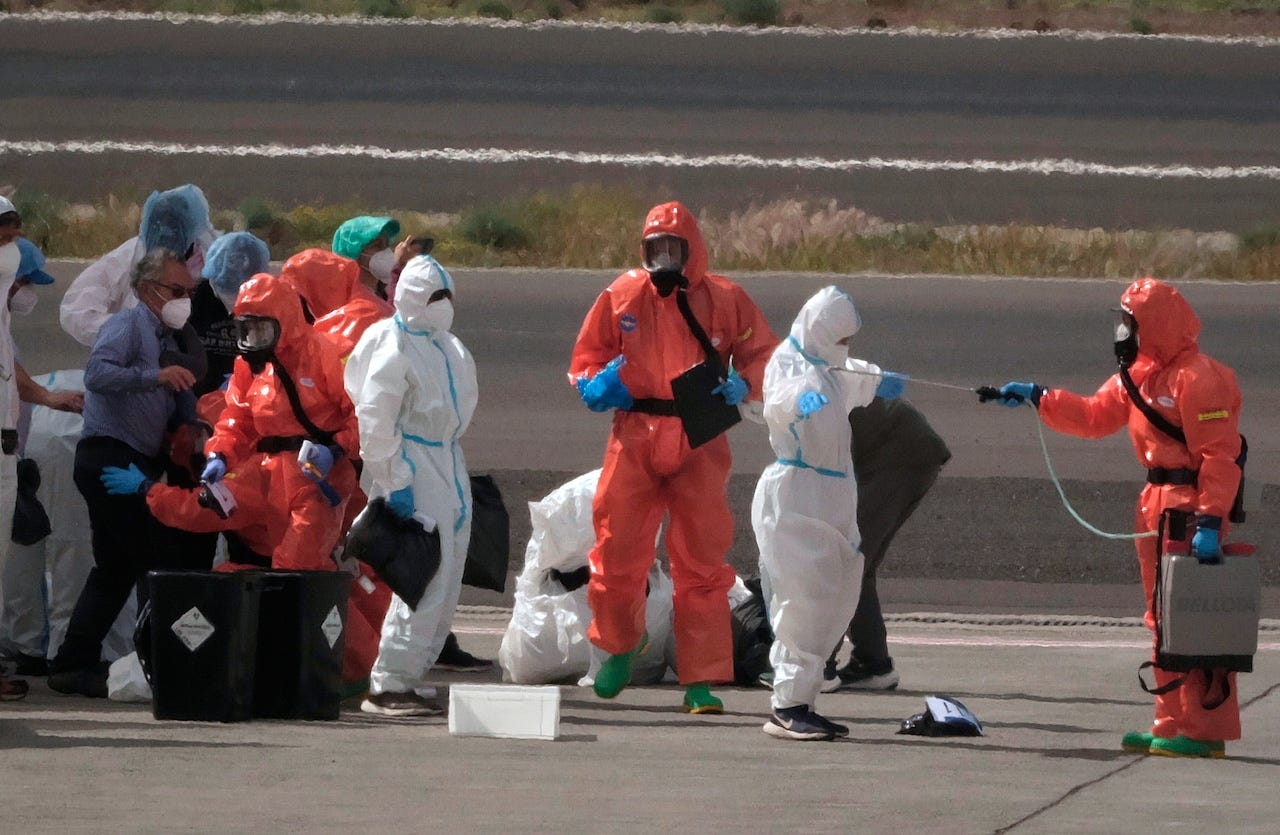
So, was the Hantavirus story used or blown up to hide the Disney story?
Was it actually a Black Swan event?
The suspicious elements:
A rare virus appearing in a high-drama cruise ship setting
Limited visible passenger reporting from inside the ship
Early confusion about diagnosis and exposure
Public health quarantine measures
COVID-era memories of PCR and policy overreach
Vaccine research surfacing in the background
Media outlets leaning into fear
Other cruise scandals receiving less attention
That is a lot of smoke.
But, the Black Swan test fails in several ways… (sorry if you were hoping for something different)
First, hantavirus is already known.
Second, Andes virus is already known.
Third, Argentina has a history with hantavirus.
Fourth, person-to-person spread of Andes virus has already been documented.
Fifth, the broader public risk is currently described as low by public health agencies.
Sixth, the outbreak’s known scale is nowhere near world-changing.
Now, that does NOT mean nothing matters.
It means the label is too big for the facts we have.
A better term may be grey swan: a rare but known risk that becomes highly consequential under the right conditions.
Another useful phrase might be narrative swan: an event that may not transform the world medically, but becomes powerful because it fits a story people already fear.
Another virus. Another ship. Another quarantine. Another agency. Another vaccine company. Another round of ‘trust us.’”
That story has power because people remember what happened last time.
So, is hantavirus a Black Swan event?
Probably not.
But there are things to watch out for:
If testing ramps up — and it likely will — remember what the man who invented the PCR test said about it.
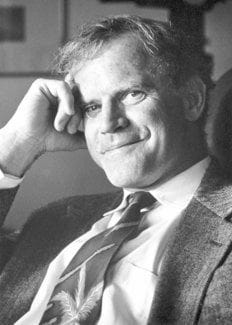
Dr. Kary Mullis, PhD, joint winner of the 1993 Nobel Prize in Chemistry, was unambiguous:
“Anyone can test positive for practically anything with a PCR test, if you run it long enough. With PCR, if you do it well, you can find almost anything in anybody. It doesn’t tell you that you’re sick.”
Standard PCR tests run at 40 to 45 amplification cycles.
At that sensitivity, the test isn’t finding a virus so much as it’s finding a sliver of genetic material.
It’s the same logic as
“I found an egg and some milk, so there must a cake nearby.”
The inventor of the tool said as much himself.
Keep that in your back pocket.
At a press conference at the University of Nebraska Medical Center, where MV Hondius passengers were transported for monitoring, CDC’s Dr. Brendan Jackson said:
“The data that we have now suggests that transmission that spread between people happens when people are symptomatic.”
The data we have now. “Suggests.”
Once the phrase “asymptomatic transmission” enters the conversation (and I see it doing that) the entire narrative changes.
Suddenly you’re a potential superspreader without a single symptom.
We have been here before.
According to CDC death certificate data, somewhere between 94 and 95 percent of COVID-19 deaths involved comorbidities or additional contributing conditions.
So, while the virus was listed and the death was labeled a “covid death”, it wasn’t always the cause.
So a 78-year-old with stage three heart failure, diabetes, and obesity who tests PCR-positive for hantavirus in the final week of his life would be counted.
That’s not a conspiracy.
And it’s a fact that was available the entire time — buried in CDC’s own data, rarely mentioned on air.
And we’re not out of the woods yet.
Because there’s coincidences that don’t make sense…
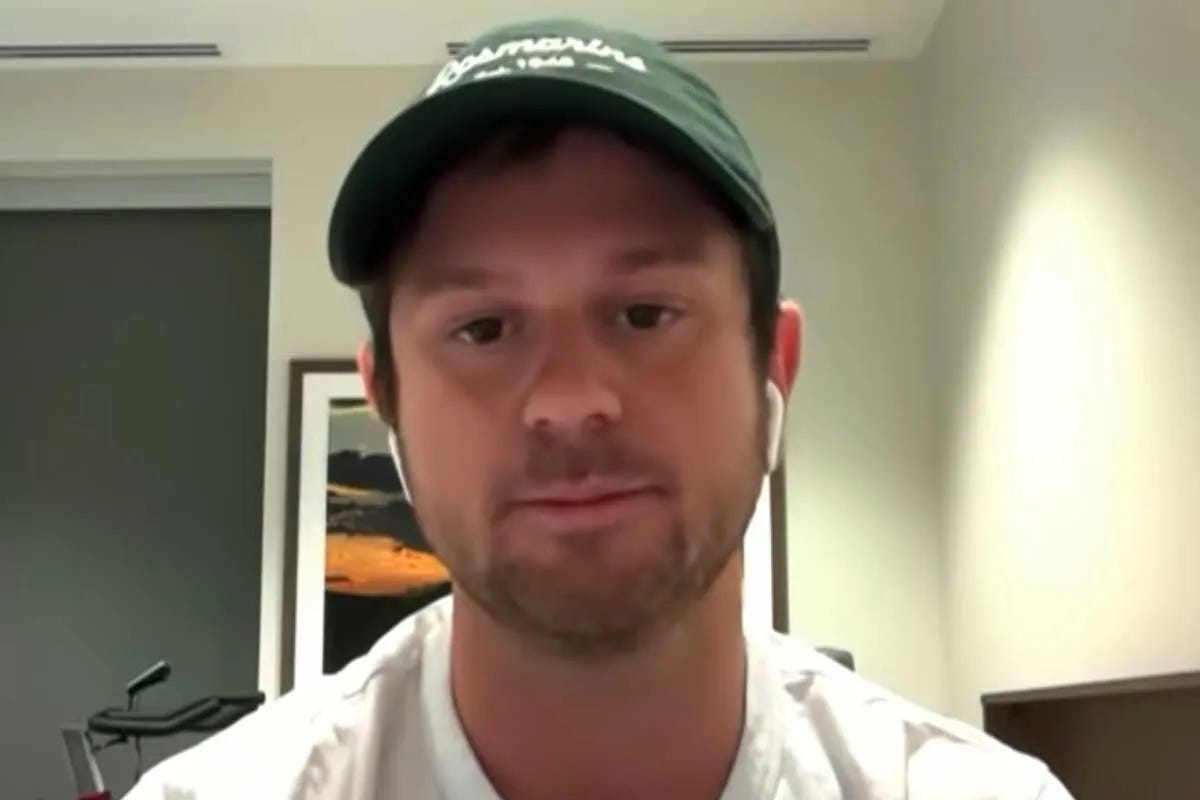
Jake Rosmarin is a Boston-based travel photographer with around 80,000 combined followers on Instagram and TikTok.
He was aboard the MV Hondius when the outbreak began.
And in a situation involving 149 passengers from 23 countries (most of whom can be reasonably assumed to own smartphones) he became the singular voice the media amplified.
His initial post was measured.
He wrote: “Out of respect for those involved and the situation, I won’t be making any public comments at this time. I kindly ask that media inquiries are directed elsewhere for now.”
Hours later, that position reversed entirely.
In a follow-up video, he tearfully described conditions aboard the ship as uncertain and emotional, saying passengers were focused on safety, medical care, and finding a way home.
The crying on camera (while appearing to read from a script) is what caught people’s attention.
It felt performed in the specific cadence of a media briefing, not a man genuinely processing fear.
Then people started looking into who Rosmarin actually is.
Turns out this isn’t the first time he’s posted about a health crisis.
And then there’s his family.
His sister, Rachel Rosmarin, works at Hagerty Consulting, specializing in global health and disaster recovery.

Hagerty Consulting was founded in 2001 and works extensively with FEMA on disaster response contracts. A firm whose entire business model depends on disasters being analyzed, managed, and funded — with a principal’s sibling happening to be the one passenger whose video goes global from the ship at the center of a potential outbreak.

Is that proof of anything? No.
Is it the kind of coincidence that, in 2026, a post-COVID public is entitled to notice and question?
Absolutely.
In the 1998 film The X-Files: Fight the Future, Dr. Alvin Kurtzweil tells Agent Mulder that a hantavirus outbreak in Texas was a government cover-up, describing the real operation as “a silent weapon for a quiet war.”
“The systematic release of an indiscriminate organism, for which the men who will bring it on still have no cure…They’ve been working on this for 50 years. These men have been secretly negotiating a planned Armageddon.”
In the film’s plot, FEMA is called in to manage the supposed hantavirus outbreak in Texas — and the character asks pointedly what an agency with the power to suspend constitutional government is doing managing a small viral outbreak in suburban Texas.
The answer, in the film, is that it wasn’t hantavirus at all.
“A Totally Fun Thing Bart Will Never Do Again” — aired April 29, 2012
In the episode, Bart plays a clip from a movie called The Pandora Strain over the cruise ship’s screens, where a general informs passengers that a deadly pandemic has broken out on land and all ships must remain at sea. With no way to communicate with the mainland — Bart has sabotaged the controls — the ship is forced to remain at sea.
Twelve days later, the cruise has deteriorated into a post-apocalyptic society.
So, the virus in the episode was entirely fake. Bart fabricated the outbreak to extend his vacation.
So, in this episode, we have:
A cruise ship
A declared pandemic
Passengers quarantined at sea
Communications managed from above
A public that accepts what it’s shown on a screen without being able to verify it independently.
Interesting…
The virus is real.
The outbreak is maybe real.
Andes virus can be deadly. Comorbidities can be even deadlier.
In the end, the smartest stance is neither blind trust nor blind suspicion.
It is clear-eyed watchfulness.
While the virus itself is real (Argentina apparently deals with it every year), it being an “epidemic” is not true.
But then again, safety doesn’t sell as well as fear does.
And you’ll never hear a network news station say “sorry, we blew that out of proportion.”
It’s always “out of an abundance of caution.”
And as for Disney - that’s a whole other rabbit trail.
Is it a giant trafficking ring hiding behind a giant mouse?
I don’t have enough information to say.
What I do know is this:
Pedos are real, they are dangerous, and they are out there.
If there is a job that involves children (day care, school, church, etc), you can almost guarantee someone in that job is a sick fuck.
FULL STOP.
So no matter the organization, protect the kids.
Be vigilant, keep your eyes open.
And if you see something, say something.
Comments
Nothing yet. Say the first thing.
Sign in to join the conversation.