
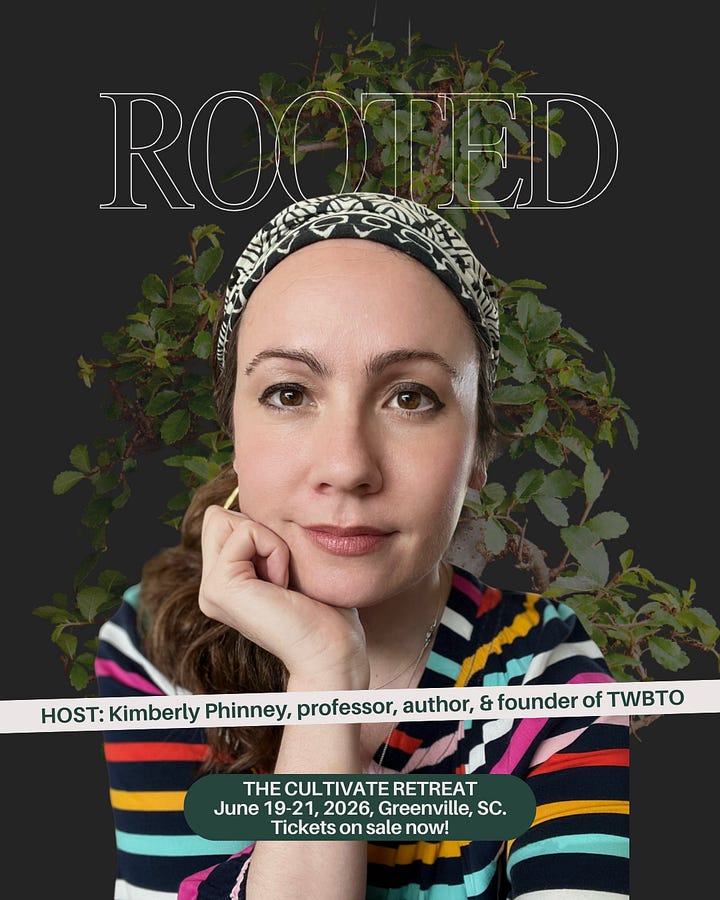
Welcome, my friend. I’m Kimberly Phinney, professor, poet, and counselor, and My Way Back is a weekly newsletter from TheWayBack2Ourselves.com, a literary journal, podcast, publisher (The Way Back Books), and creative community. I’m writing a book on art, faith, and belonging with Baker Books, and I share a lot on those topics here. If you’re new, WELCOME! You are warmly invited to subscribe and join our rooted community.

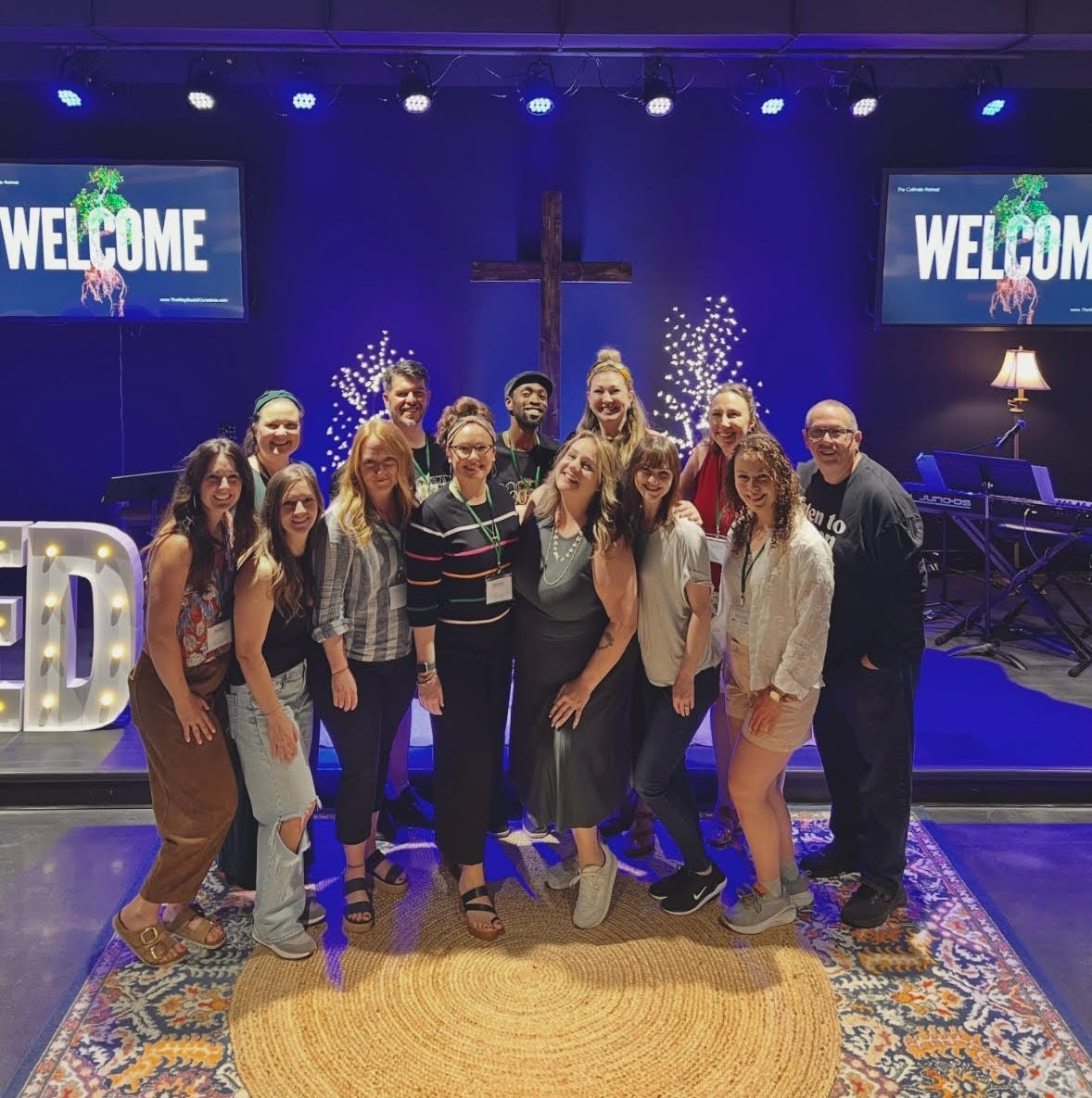
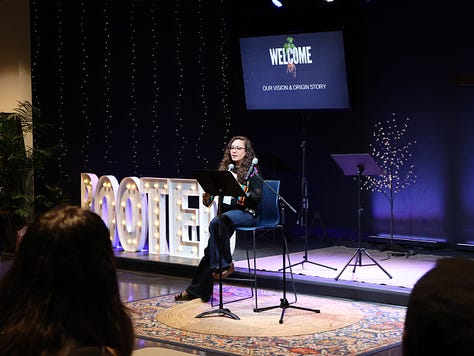
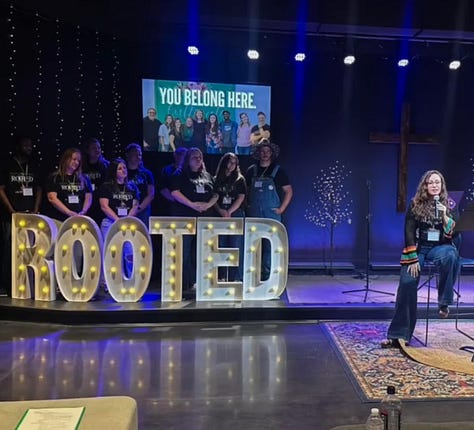
Hello, friends! I pray today’s post finds you well. As many of you might know, our team and community just wrapped our third annual Cultivate Retreat. This year’s theme was ROOTED, and we gathered with our generous partners at First Presbyterian Church in historic downtown Greenville, SC. From beginning to end, the retreat was beyond our expectations. God moved in huge ways, as he always does; we were just glad and blessed to be a part of it and to witness it with our own eyes and lives. I know we will share so much more about the retreat in the coming weeks, but first, I’d like to give away the transcript to my opening session for FREE to our greater community. I want to do this for at least two reasons. First, I think I need to because it’s a message God wants me to freely give away. And also, I really want you to get a taste of what we do at TheWayBack2Ourselves.com if you are new here. So, please, enjoy my talk below, which was at the heart of the weekend’s mission (SCROLL DOWN).
PREORDER YOUR VIRTUAL EXPERIENCE NOW!
We are excited to present THE VIRTUAL EXPERIENCE, a movie and recording of all keynotes and talks, along with a breakout on publishing, interviews, and more for you to watch as many times as you’d like from the comfort of your own home. We are working hard to be accessible to as many as possible by creating an EMBODIED virtual option for our community.
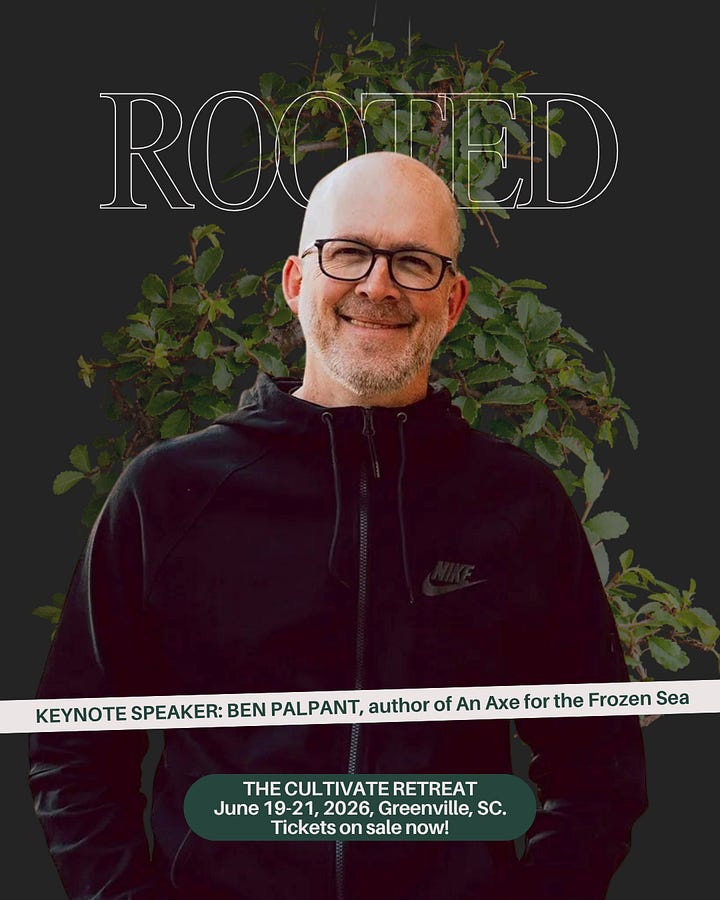
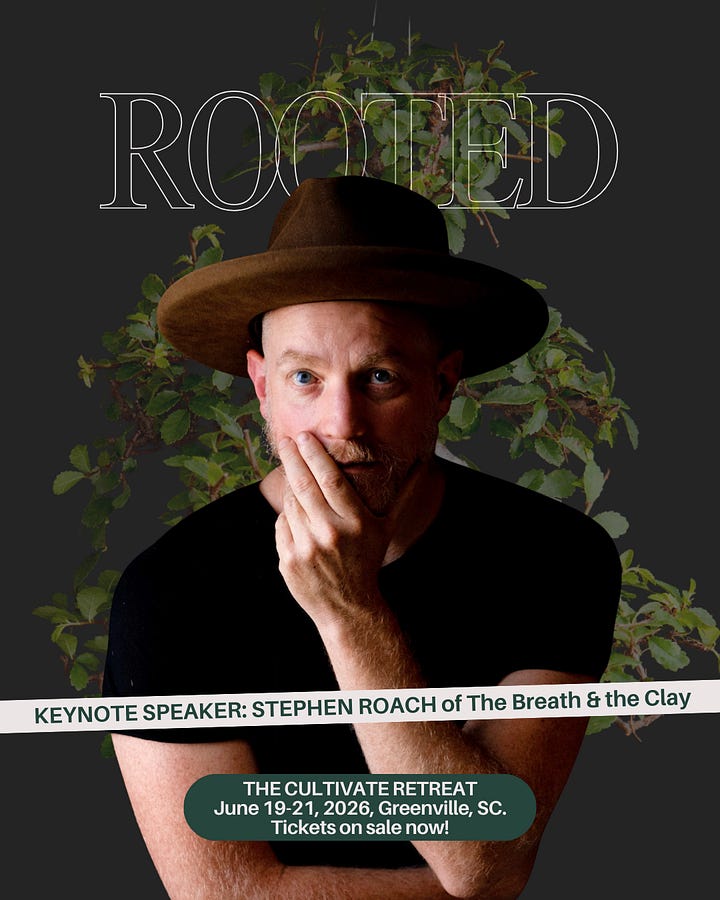
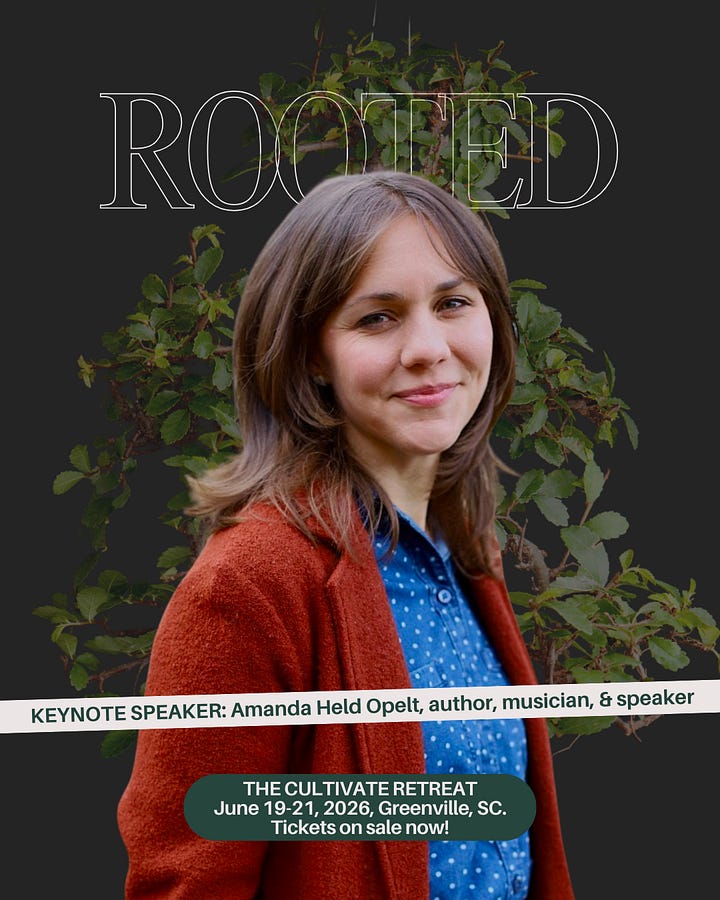
Curated, directed, and produced by the talented team at Kismis Ink, THE VIRTUAL EXPERIENCE will be an offering that makes you feel ROOTED, just like you were there! Hear from Stephen Roach of The Breath and the Clay and Makers and Mystics, Amanda Held Opelt, musician and author, and Ben Palpant, author with the Rabbit Room. You’ll also get to enjoy an opening talk by Kimberly Phinney, founder of TWBTO; a Sunday afternoon message by Deidre Braley, author and editor, on the power of living up to our creation; a breakout session with Solum Press and the Clayjar Review on writing and publishing… and so much more! IMPORTANT NOTE: When you preorder, you’ll get a preorder slip to confirm in a downloadable PDF with directions. We will contact you via email once the VIRTUAL EXPERIENCE is available for viewing.
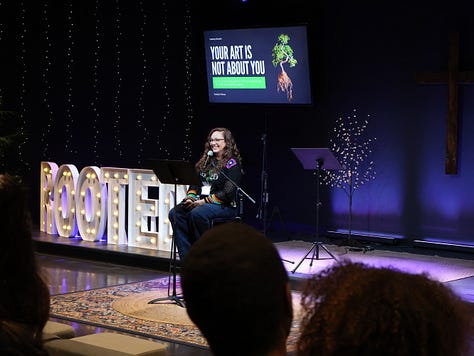
In a world full of platforms and personas, where going viral and trying to rack up more followers than Jesus is all too prevalent, it’s easy for us Christian creatives to go sideways—to get caught up in the raging currents, whether we are trying to keep up or because we’re assessing ourselves as failures simply because we can’t keep up—or won’t.
The machine—be it Instagram, rampant consumerism, or modernity itself—tells us, “It’s all about you.” All of it. Your vibe, your main character energy, your side hustle, you name it!
But the truth is, it’s not about us, and it never was.
That’s what I need you to know: I’ve come here to tell you that YOUR ART ISN’T ABOUT YOU.
That’s shocking to hear; I know.
You’ve come to a Christian arts retreat, and that’s how I open? I’m sure I’ve disappointed you… And I bet you might be thinking, How could my art NOT be about me when everywhere I look, I’m being told I need a brand, a platform, and a social media manager if I want to create something meaningful? Or more practically, How can my art NOT be about me? I’m the one making it!
I hear you. I hear you. But please, let me explain…
Allow me to present proof number one: There is more to life than platforming ourselves. Our theme is ROOTED, so let’s take a look at the tree as an object lesson. A tree has many parts: roots, a trunk, branches, leaves, and, for some, even fruit—so let’s focus there for a moment: Why does the tree make fruit at all? Is the fruit for the tree’s own consumption? Its own vanity? No. Just as the tree’s fruits aren’t for the tree, the art you make is meant to nourish someone else (even though you find deep purpose in it). The tree’s purpose is not to devour its own fruit; its purpose is to be a fruit-maker so that others can flourish, so generations can seed, take root, and grow. The tree knows its essence, its calling—and it’s not to be a platform (elevated and performative) in the forest… but to be a pillar (planted and righteous). Because the tree dares to root and fruit, everything else thrives.
When we nourish, others flourish. Our job, as faithful creatives, is to root and produce fruit for the sake of others.
In his book Platforms to Pillars, Mark Sayers contrasts the shallow platform mentality with the deep, rooted work of faithful pillars:
He writes that the platform phenomenon has created “a new kind of individual… an individual who is more self-centered but also in more pain… the platform mentality has produced power and exclusivity…constant social comparison and competition, working against community cohesion, creating social chaos and conflict… And most tragically, “The platform society offers us godlike elevation and visibility, yet our lived reality is human weakness. The more we attempt to build a platform, the more powerless we can find ourselves in a chaotic and changing world.”
In short, we are eating our own fruit, and it’s making us sick.
Now, let’s look at what it means to be a pillar, or in our context, a rooted tree: Sayers writes, “…human pillars provide an essential part of human social, cultural, and relational life. Through their resilience, courage, and fortitude, pillars bear loads for others by taking responsibility and offering support and encouragement. They work with other pillars to pass down the generations’ vital knowledge and wisdom through instruction and the example of their lives. Living this way, pillars create space for others to succeed and flourish. They do this through service, sacrifice, self-denial, and living for the greater good…”
The differences between a platform and a pillar mentality are stark. And if you’ll allow me to disciple you for just a moment, I hope and pray you’ll ask yourself who you will be in life: the one who is lifted up or the one who is lifting up others? Which posture reflects Christ’s nature? Which posture is he calling you into?
Dr. Timothy Keller calls this generative posture “self-forgetfulness” in his small but mighty book, The Freedom of Self-Forgetfulness. He writes that “Gospel-humility is not needing to think about myself. Not needing to connect things with myself. It is an end to thoughts such as, ‘I’m in this room with these people, does that make me look good? Do I want to be here?’ True gospel-humility means I stop connecting every experience, every conversation, with myself. In fact, I stop thinking about myself. This is the freedom of self-forgetfulness, and the blessed rest that only self-forgetfulness brings…”
It’s not about thinking less of ourselves; it’s thinking about ourselves less.
But here’s another thing: It’s not just about posture; it’s about longevity—sheer faithfulness and perseverance… The extent to which the roots of the tree are deep and strong is also the extent to which it will bear good fruit, year after year.
The key phrase here is “year after year.”
No doubt, the tree will experience drought, harsh winds, scavengers, and fires. The tree is a lot like us. And like the tree, we too will face doubt and drought, winds of change, enemies of all kinds, and the hungry flames of loss and grief. In fact, I know many of us have carried grief with us this weekend.
Yet despite the tree’s misfortunes and hardships, its purpose never wavers. The forest’s survival relies on the tree. The birds, the animals, and future generations all rely on its shade, its fruit, its goodness.
Did you know this broken world is relying on you to bear fruit? For the artist, bearing fruit looks like writing, dancing, sculpting, painting, drawing, speaking, and more. If you’ve made and shared anything, you know how brave, vulnerable, and even arduous this act of faith can be—and sometimes, like the tree, we must endure horrible circumstances for the sake of the call.
The faithful artist’s commission requires all of ourselves—without making it about ourselves.
So, how do we endure—and even thrive? How do we grow hearty roots so that we might go on to bear fruit, year after year? And how do we ensure that our fruit is beautiful, good, and true? These are the questions Cultivate’s ROOTED Retreat wants to enter into with you. “There are years that ask questions and years that answer,” as Alice Walker penned in Their Eyes Were Watching God, and it is our prayer that this weekend whispers answers you have been longing to hear.
The Bible is adorned with imagery and metaphor that teach about the nature of good roots and the sacred fruits we are commissioned to bear. There is, of course, the Fruit of the Spirit in Galatians 5:22-23: love, joy, peace, patience, kindness, goodness, faithfulness, gentleness, self-control. But tonight, I’d like to focus on our theme verse for ROOTED, which is Jeremiah 17:7-8, and it reads:
“But blessed is the man who trusts in the LORD,
whose confidence is in Him.
He is like a tree planted by the waters
that sends out its roots toward the stream.
It does not fear when the heat comes,
and its leaves are always green.
It does not worry in a year of drought,
nor does it cease to produce fruit.”
As we pause to take in this verse, I invite you to close your eyes and imagine yourself like a tree planted by still waters. Slowly breathe in, hold, and exhale. Imagine sending your roots out toward the stream. Release your fears. Embrace the eternal peace of the Deep. He calls you to himself. Allow your leaves to reach and grow, a verdant and forever green… as you release all worry and strife. Droughts and fallow ground do not threaten your flourishing. And despite everything, you bear fruit—beautiful, good, and true…
You, my friends, are his handiwork…
In my forthcoming book on art, faith, and belonging, The New Christian Renaissance: God’s Commission to Beautify the World and How it Saves Us in the Process, debuting with Baker Books next year, I explore the role of the artist in the Creation Mandate God gave to Adam and Eve in the Garden of Eden, as well as the Great Commission Christ left with his disciples in Matthew 28. The book is a mix of my personal story and a bold call for Christian artists to actively engage in artmaking and culture-making, and for the Church to welcome the artist back home—since so many Christian artists often feel like misunderstood exiles.
Well, one of my favorite lines I’ve written so far is a simple yet profound one, which I can hardly take credit for since God revealed it to me one quiet afternoon when I was particularly sick. It goes like this:
“Art is prayer when contemplated.
Art is worship when created.
Art is discipleship when shared.”
Friends, we are called to be disciples, and art is one of the many ways we can do this. In fact, I believe with all my heart that writers and artmakers alike will be the next missionaries in this new Renaissance, and the souls they meet with the art they make will be the new frontier. The next spiritual revival will come through an aesthetic invitation to the transcendentals: beauty, truth, and goodness—and not as a means unto themselves, but as a gorgeous and undeniable invitation to the DIVINE.
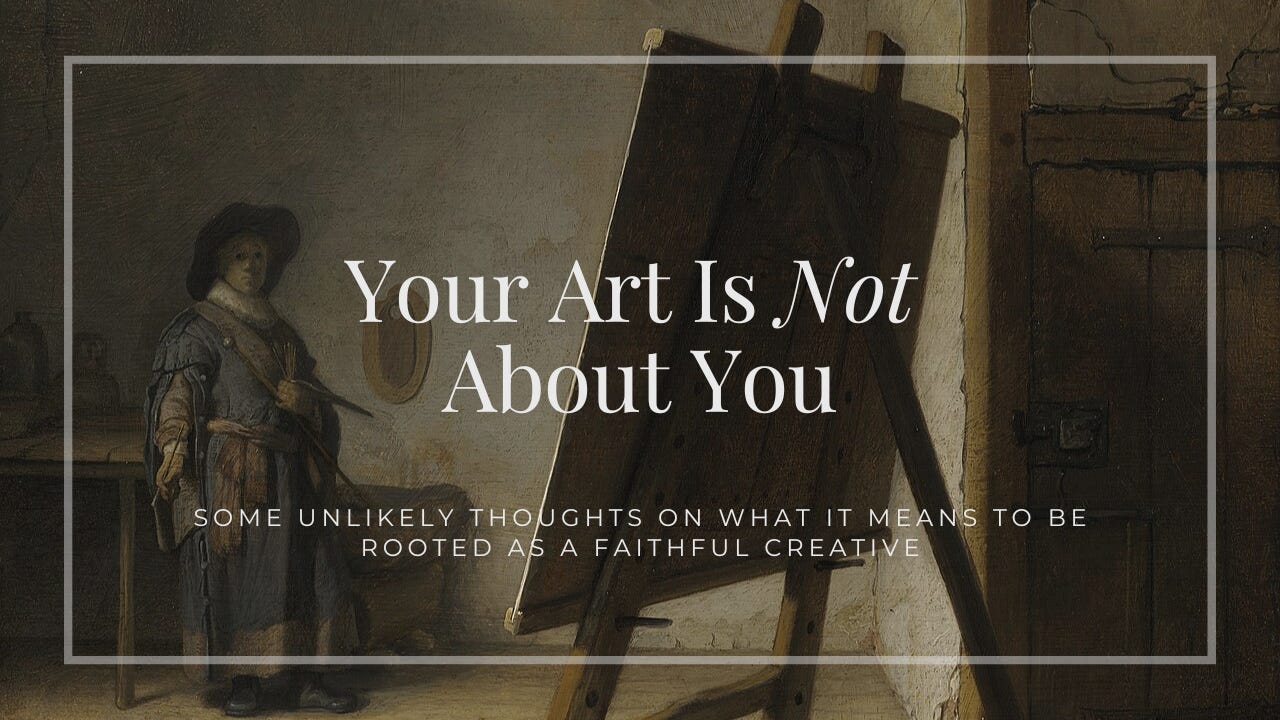
So, before we enjoy some spoken word from Edward Holmes and Sarah Steele to kick off the weekend, I want to leave you with one more proof: this famous work of art by the Dutch Reformation painter Rembrandt. It’s called Artist in His Studio, and it perfectly embodies what I am trying to articulate.
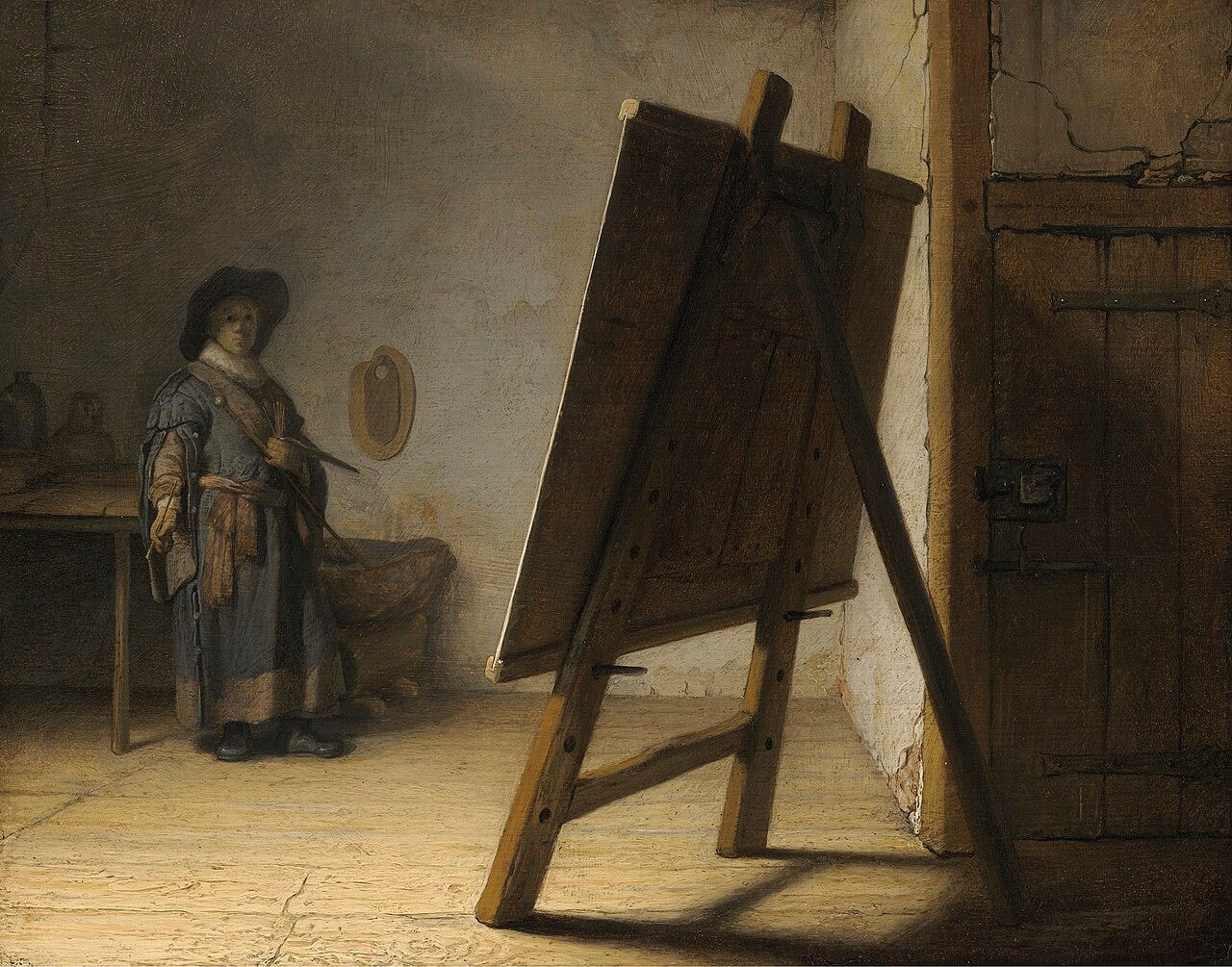
Take it in for a second. Breathe it in. Study its details. Have you noticed something interesting, perhaps the point of view?
Rembrandt makes a daring statement here. His art includes you, his viewer, his patron, his student, whoever you are, as a part of its composition. Artist in His Studio is one of his many famous “self-portraits.” In this case, Rembrandt is dwarfed in comparison to his canvas and you, his observer. His art and his audience take center stage. The artist watches on, far off—obscured even. His button eyes make it almost impossible for us to determine if he is gazing at his art or at us.
Writing on Artist in His Studio, author and theologian Andy Crouch says this in his book Culture Making:
“At first glance, the painting seems to be all about the solitude of the creative task, but the more time we spend with it, the more aware we become that we, the viewers, in whatever role we may play, are just as necessary to this painting’s essence as the artist. The canvas exists to be eventually turned around so that others can see it. Even if the artist is alone in his studio, his studio is for others. It contains multitudes.”
Listen to that last part again: “The canvas exists to be eventually turned around so that others can see it. Even if the artist is alone in his studio, his studio is for others. It contains multitudes.”
Wow. Artmaking isn’t about a single person; it’s about a posture, an outpouring. And our art, no matter how humble or grandiose, depends on the artist’s own “willingness to risk being a creator…” because we recognize that what we are creating is in some sense more lasting and of greater importance than ourselves, as Crouch concludes.
This weekend is about that kind of posture. It is a warm and rooted invitation to answer the artist’s call, to step into your divine role as a writer and creative, and to partner with our expansive, loving, and perfect Creator to beautify his Kingdom “on earth as it is in heaven.”
And the best way to do that is to become rooted in faith, community, and craft so that you may go and bear good fruit that nourishes others.
Because, as I said—and I hope I’ve convinced you by now—your art is NOT about you.
Yes, your art is many things: It’s prayer. It’s worship. It’s discipleship. It’s an offering.
But it’s not about you… And isn’t that the most beautiful, wondrous, and exciting news?
I hope you enjoyed my talk. I pray my words might bless you somehow. It’s straight from my heart to yours and what God has been showing me. I hope you might join us in the work one day, if you haven’t—whether you grab the virtual experience, attend Cultivate next year, join Poetry University or Poetry Cohort, or submit to our annual literary journal.
You belong here,
Kimberly
My Way Back is a reader-supported publication. To receive new posts, our podcast, and our archive, please consider becoming a free or paid subscriber for just $8.00 a month. In addition to my writing and archives, paid subscribers get to attend POETRY UNIVERSITY for FREE, which is a Zoom learning community that meets each month to learn about poetry, writing, publishing, Substack, and more! In addition, paid subscribers get my popular writing course, How to Grow Your Writing Life, for FREE. Both offerings are a $650 value a year each year. Let’s connect! YOU BELONG HERE.
Comments
Nothing yet. Say the first thing.
Sign in to join the conversation.