
I found a green canvas covered book titled For The Union Dead by Robert Lowell at the thrift store a few weeks ago for $1.49. Inscribed on the first flyleaf was the previous owners inscrutable scrawl: Kleinstarfelt(sp?), Paul. (Who writes their name backwards like that in their books?) And the following dedication: “Christmas 2006, A natural choice…If for the Kenyon connection than no other! In fact, we can say here’s to Perry Lantz…xo, Meghz.” Intrigued and already inventing stories about the literary lives of Paul, Perry and Meghz at Kenyon College 20 years prior, I decided to take a chance on it. I snapped the cover shut without reading a single poem and I tossed it in the cart.
I have vaguely known of the poet Robert Lowell. I know that he was one of Plath’s teachers. I know that he wrote that beautiful but atrocious forward to Ariel. That he is considered one of the giants of American poetry but I had never read him seriously. When I cracked the cover I confess I didn’t get it…not at first.
I think it was somewhere between The Drinker and The Severed Head and after I learned his childhood nickname was Caligula(affectionately shortened to Cal by penpal Elizabeth Bishop) that I started to warm to him. I felt the words hook into me and start to sing(While the light began to fail, I read my Bible till the page turned black.) So by the time I reached the final page I was his convert. Then I did what I always do when I get fixated on a new-to-me writer; I ordered everything in stock from the local library and dove right in.
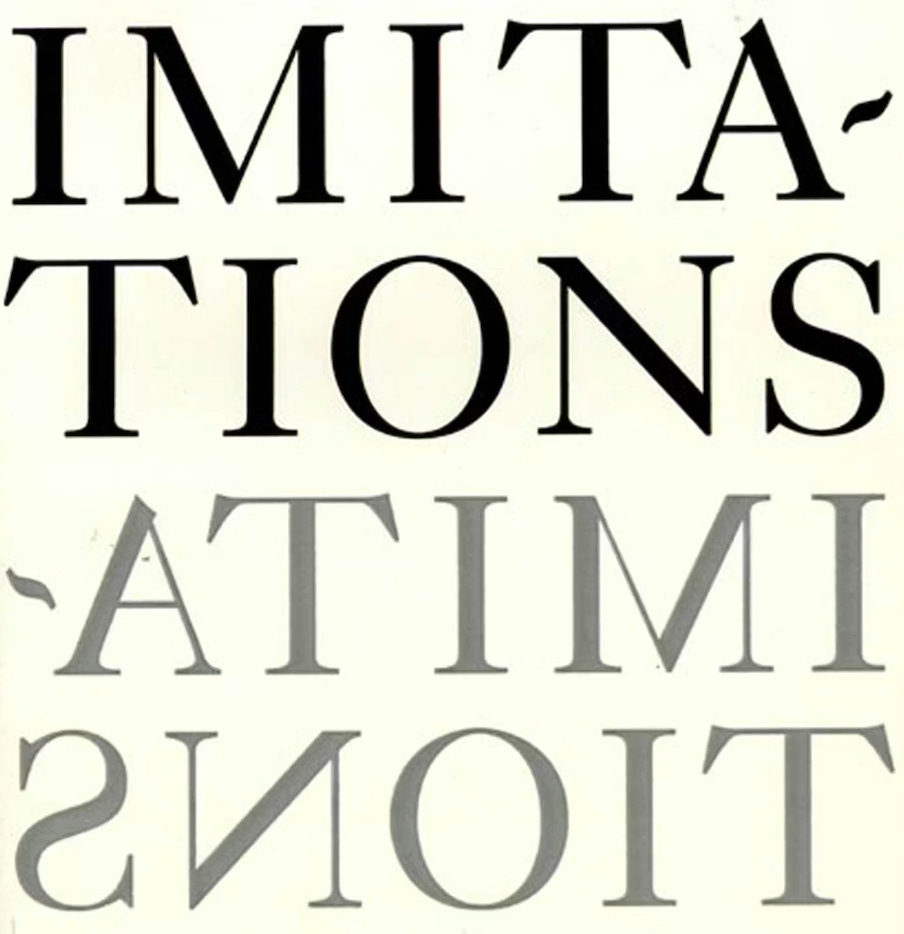
That’s how I came across Imitations from 1961.
Imitations is a volume of loose translations of poems by classical and modern European poets, including Rilke, Montale, Baudelaire, Pasternak, and Rimbaud, for which he received the 1962 Bollingen Poetry Translation Prize. However, critical response to Imitations was mixed and sometimes hostile (as was the case with Vladimir Nabokov's public response to Lowell's Mandelstam translations).[80] In a review of Lowell's Collected Poems, the poet Michael Hofmann wrote that although he thought Life Studies was Lowell's best book, Imitations was Lowell's most "pivotal book," arguing that the book "marks the entry into his work of what one might term 'international style', something coolly open to not-quite-English."[81] In the book's introduction, Lowell explained that his idiosyncratic translations should be thought of as "imitations" rather than strict translations since he took many liberties with the originals, trying to "do what [his] authors might have done if they were writing their poems now and in America."1
I think I’ll write a book of Imitations myself. Here are the first five.2
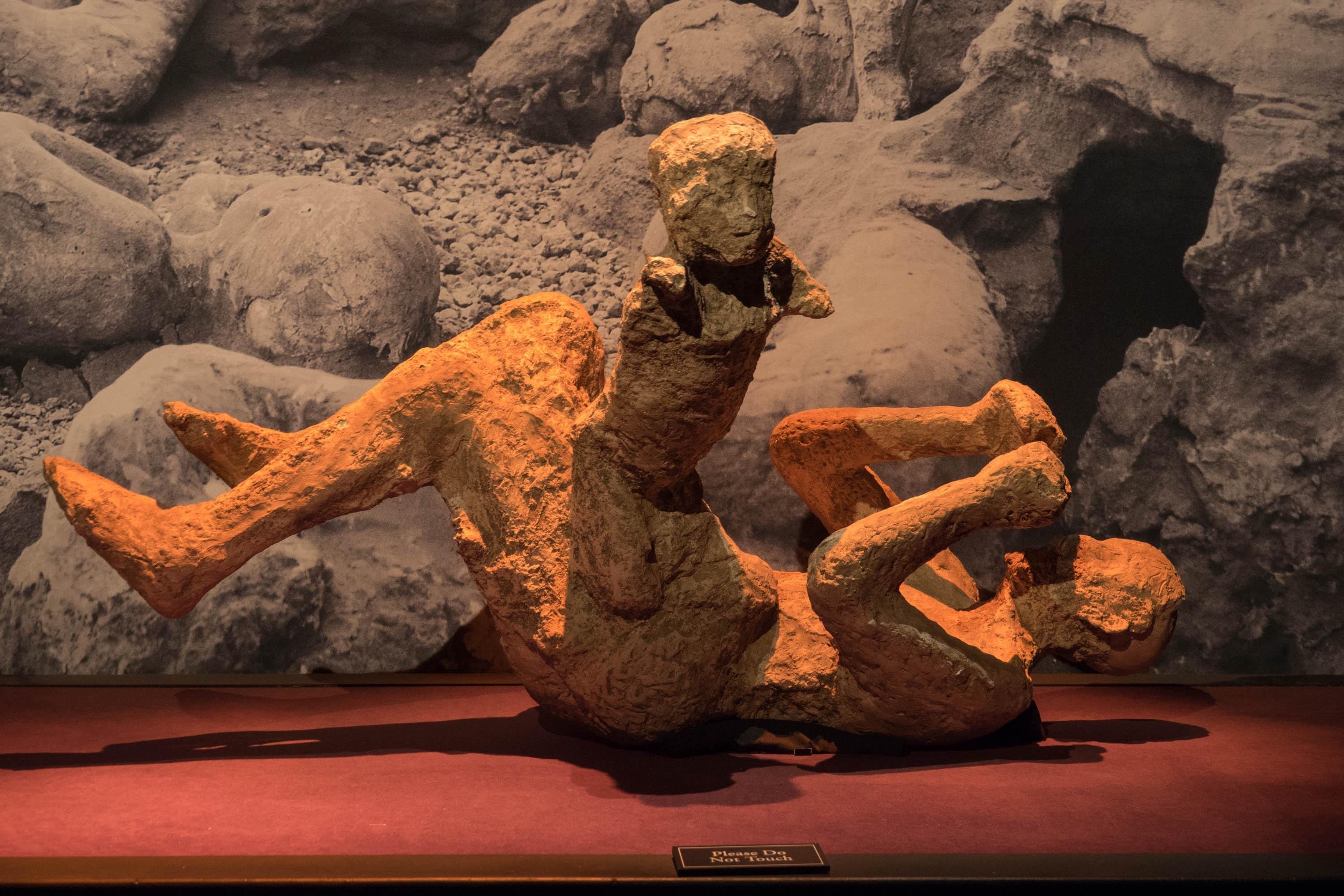
after Joseph Brodsky
We live again by the river and it's muddy water,
where clouds swim above us like pale sturgeon.
A modern Vesuvius shudders here
showering dust on the blacktop,
picture windows rattling.
Someday ashes will cover us too.
At this unfortunate hour
to hitch a ride,
to arrive on the outskirts of town
and walk through your front door...
and after hundreds of years
when a party of diggers
discovers our village
under the layers of ash...
O, to be found
forever in your arms.

after Jacques Prévert
I went to PetSmart
and I bought some birds
for you
my love.
I went to the gas station
and I bought some roses
for you
my love.
I went to Home Depot
and I bought some chains,
Our Lady’s chains,
for you
my love.
And then I went to the Amazon Warehouse
and I looked for you
but I could not find you
my love.
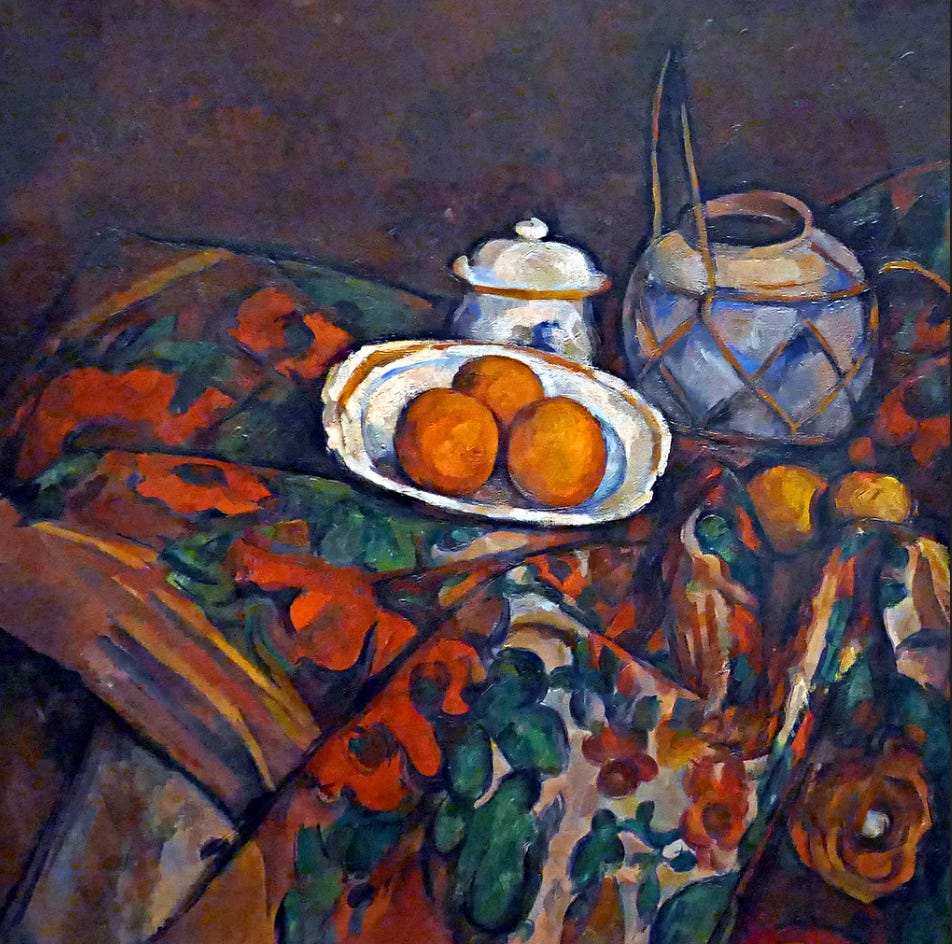
after Jacque Prévert
An orange on the table,
your panties on the rug
and you in my bed.
The present is a gift
we unwrap once.
Fresh air of the night
cools the heat of my life.
after Antonio Machado
The underbrush is the first to bloom
then the orchards whiten.
The bees are at it again,
pollen-drunk in the writhing hive.
And in the nests that crown
the church spires
shines a crows buckshot wing.
The oaks along the road
and the cottonwoods by the creek
turn green looking
for Mother Mississippi.
The sky is blue.
The bluff glows indigo.
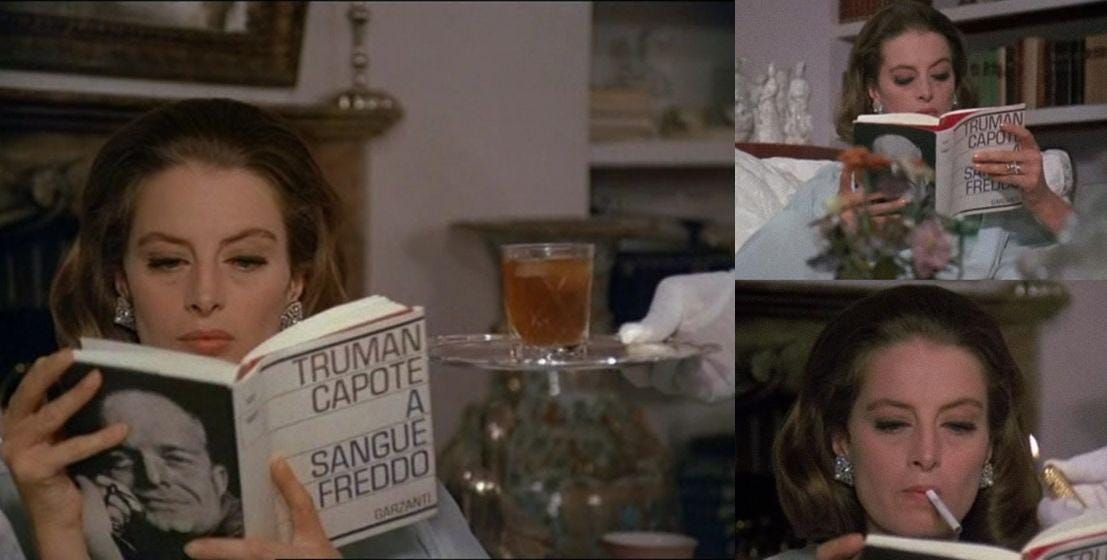
In the land of Cold Blood
our cup runneth over.
Dead are those working just to live
though the earth doesn't cover them yet.
after Rilke (Paris 1925)
Nothing can stop the river of time.
It never ends.
But it will end
one day for you
and another for me.
It scares me when
I hold you in my arms.
I too once floated below
my mother's midnight heartbeat.
I could not wrestle out so they cut her
belly open like a loaf of bread.
I could not wrestle into life!
When they placed me in her arms
how deep, how fecund her embrace.
I never wanted to leave.
I never wanted to become
whoever I was meant to be.
Imitators note: I’ve sourced these poems for my imitations from books I have moldering around my house. The poems in these books are in the original Russian, French, Spanish and German. I’m fluent in Spanish, and passable in French. My Russian and German are extremely elementary. My process goes something like this: I read the poem in the original. I scribble out what I understand about it...the big ideas, the first images that come to mind. Then I let my imagination fill in the blanks. With the Russian and German poems, since I barely understand any of it, I looked up the individual words in my dictionaries one by one, wrote them down, then reimagined them in my own way.
Comments
Nothing yet. Say the first thing.
Sign in to join the conversation.