
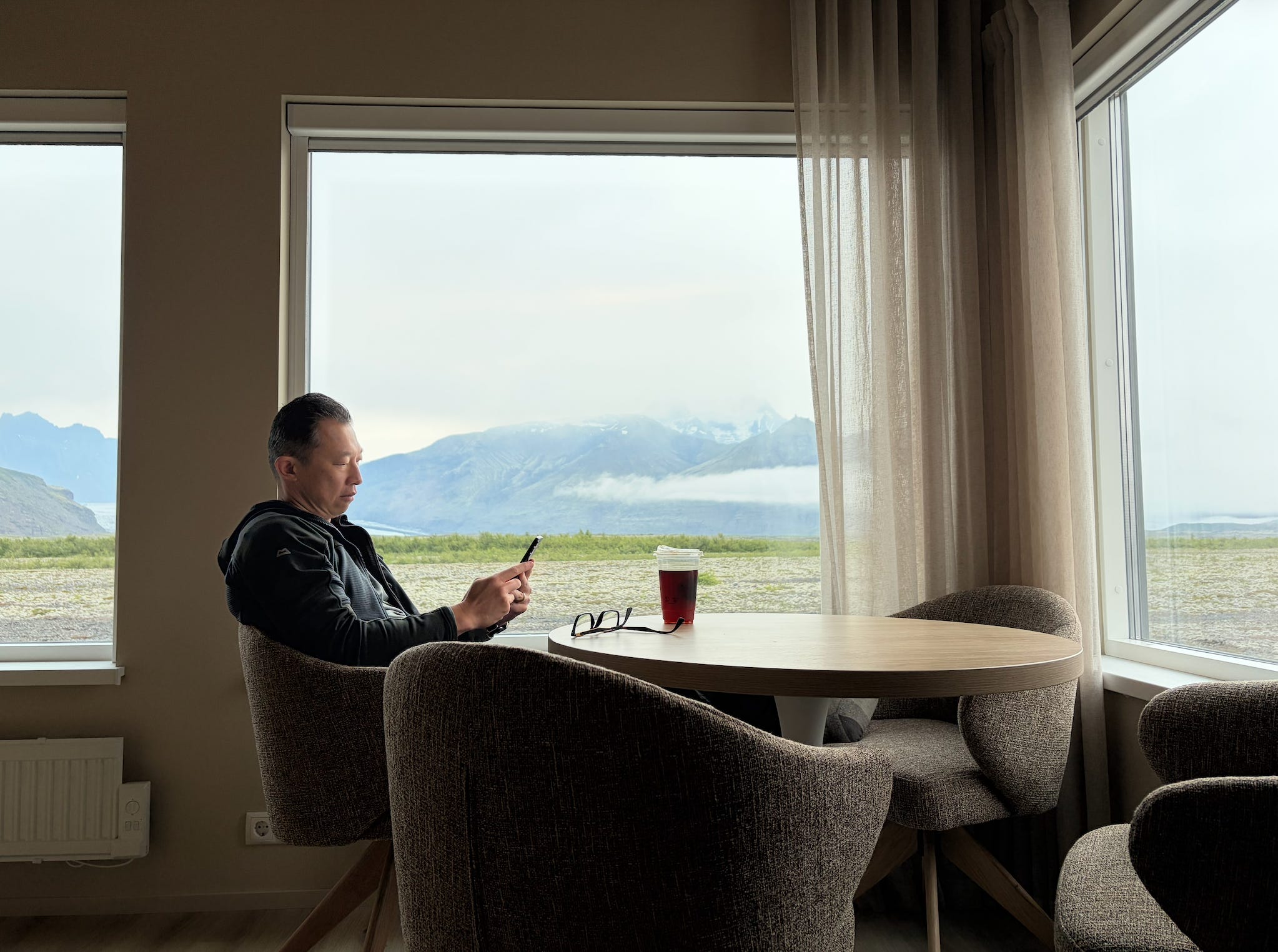
I can tell my three-year-old daughter is bored. She’s lying on the ground, arms outstretched, just staring up. I’m at the kitchen sink washing the dishes from dinner and have at least 10 more minutes before I’m available for play. But this is good for her, I think. Don’t depend on others for entertainment. Let the thoughts creep in while I finish doing the dishes.
The uncomfortableness of sitting with our own thoughts is absolutely nothing new. In fact, that’s what meditation is all about. Monks have dedicated whole lives, religions whole generations, to delving into the mind, and exploring every facet imaginable - the suffering, the stillness, all of it. But even monks feel that itch, to get up and do something rather than sit there with only their thoughts. So common was this that they actually came up with a word to describe it, acedia.
We also see this represented in modern-day experiments, most famously when they sat people down in a room by themselves, for up to 15 minutes, with nothing but their thoughts and a button they could press to shock themselves. Some of the people actually chose to shock themselves. A modern day version of acedia, the point is people look for the exit rather than be alone with their thoughts, which is exactly what happens as soon as boredom kicks in. Lucky for us, we’re the first generation in human history to have an exit door right in our pocket.
So, what happens when we prevent the mind from being idle? In the animal kingdom, typically when an animal is chasing or being chased, there’s a period of recovery afterwards (unless you’re being eaten). The gazelle gets to chill out, allowing her body to get back to normal levels. The gazelle’s cycle completes: adrenaline and cortisol surge for the chase, the threat passes, and the body switches over to recovery until the hormones clear and she’s back at baseline. But for us, we get chased all day by our to-do list, emails, and schedules. The adrenaline and cortisol hits and hits, which raises our blood pressure, and keeps us in a heightened state. And now our recovery is spent playing on our phones or watching TV. That’s a low-level, constant stream of entertainment, meant to prevent boredom. Which means, we no longer allow our bodies to really reach full baseline. The body is asking for real rest. Each time the body tries to speak up, we shut it down by distracting ourselves.
But the body doesn’t forget.
The body actually keeps count. It counts by racking up stress hormones in the body. It counts while your mind gets foggier. The body keeps adding more and more stress hormones, eventually taking a long term toll that manifests in all sorts of ways. The honest truth is, I don’t know if it’s directly caused by the incomplete cycle, but the closest observation I have within myself is because I’m sitting for so long without breaks, and what breaks I do have I play with my phone, I think it causes stiff knees and hips, which may be ruining my running time. The body keeps asking to be paid, and you keep declining. The debt keeps growing.
Why is it so difficult to be bored? Here you are reading this, and here I am writing it. Both of us could allow ourselves to be bored, but instead, we both chose to do this.
I could preach to you that we should turn off our devices, and then stare out at nature for a few minutes and let our minds wander. I could give you a list full of tips on what to watch out for next time you feel that itch. But then who’s going to check all my emails and finish my Wordle? Next time I find myself in line at Starbucks, my hand reaches for my phone, and it’s always a question: will it come out of my pocket or not?
“Each moment offers something. It could be a chance to accomplish something, time to with a loved one, or perhaps to do nothing.
Today I am recognizing those moments.”
- from my AffirmStreak this morning
Comments
Nothing yet. Say the first thing.
Sign in to join the conversation.