
Montreal’s Blue Line extension — at $7.6 billion for just five stations and 6 km of track — is one of the most expensive subways ever constructed on Earth. If it cost what a new metro in Seoul or Paris did, Montreal could build dramatically more.
As projects in the English-speaking world — which Montreal is embedded in — continue to explode in cost, wrapping one’s head around these numbers becomes difficult. Most people never need to manage a million dollars, let alone a billion (a thousand times more), and so struggle to visualize what else all that capital could fund. In fact, that civil servants seem to struggle to grasp what constitutes a fair price for major infrastructure likely contributes to the problem.
Being able to better understand just how much projects are costing — and how those figures compare to other civic investments locally and globally — provides a necessary frame of reference. It allows policymakers and the public to grasp the true opportunity cost of the projects we choose to pursue, and of hyper-expensive infrastructure writ large. Ultimately, that clarity could ensure that funded projects better reflect public priorities, and that more transit gets built overall.
On a recent trip to Montreal for the latest edition of Canadian Civil Alive — an annual activism and reform event — we attempted to visit other urban infrastructure projects on foot that had the same combined value as the cost delta between the Montreal Metro’s latest expansion and what it would have cost had it been built in other, more efficient developed countries. It wasn’t clear whether this would be possible, though the tally ended up clearing the bar after only a few hours.
Put another way, the Blue Line extension, which is costing ~$7.6 billion CAD, might cost just ~$1.6 billion if built for prevailing costs seen in much of Europe and Asia, which are typically in the low hundreds of millions per kilometre of line (the Blue Line is costing about $1.2 billion per kilometre of line, not far off what the whole project might cost elsewhere). The difference in cost here — about $6 billion — could well be used for other infrastructure projects (examples of which we will look at) if cost-effectiveness was improved, or just returned to taxpayers. The point, put simply, is: “Look at all we could build if we got our costs under control.”
Officials, when asked by media, more or less claim that everything is all right, as we covered in a previous article.
It’s worth noting that Canadian cities themselves used to be able to build infrastructure for dramatically lower prices, even to what are more or less modern standards.
Our infrastructure march started near Papineau metro station and visited eight projects in all at various stages of the project lifecycle. The stated costs for projects will be approximate and rounded to the nearest $10M CAD, since publicly stated figures are often given as estimates or ranges. The lack of more clarity and transparency might save some bureaucrat or politician their skin, but only further leads to the obfuscation of costs and an environment where nobody knows what is sensible.
(Note: The sites below are listed in ascending order based on their costs.)
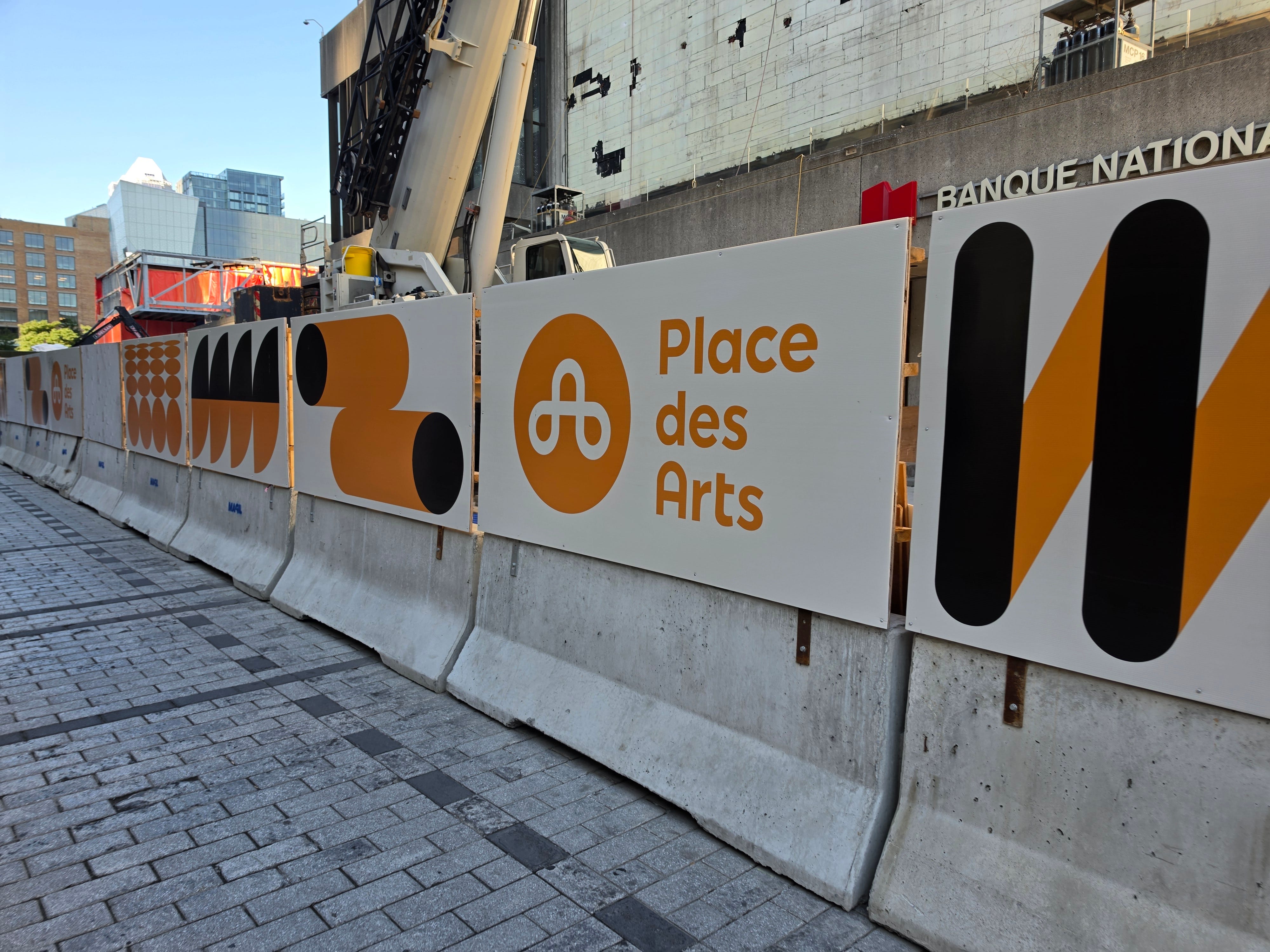
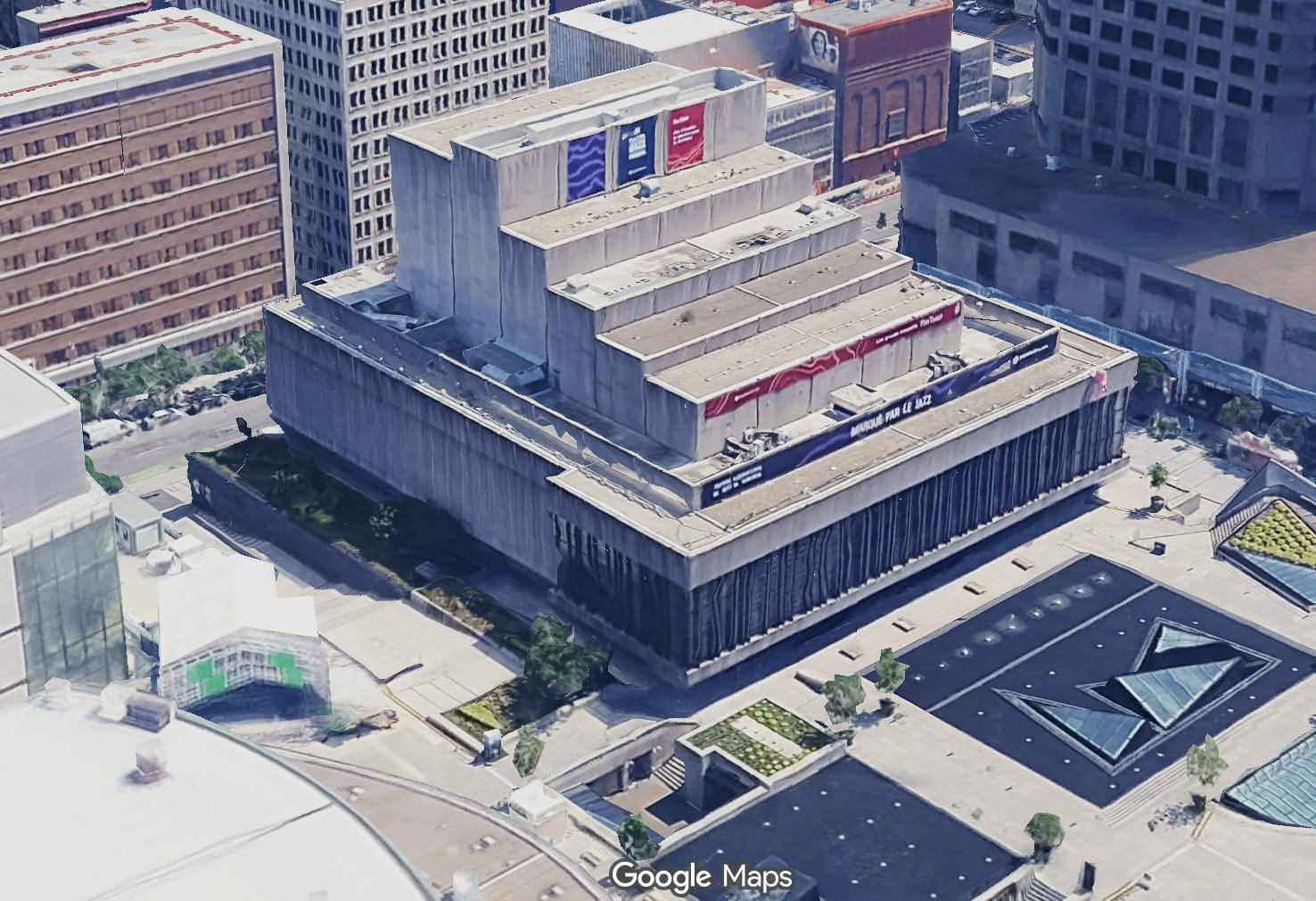
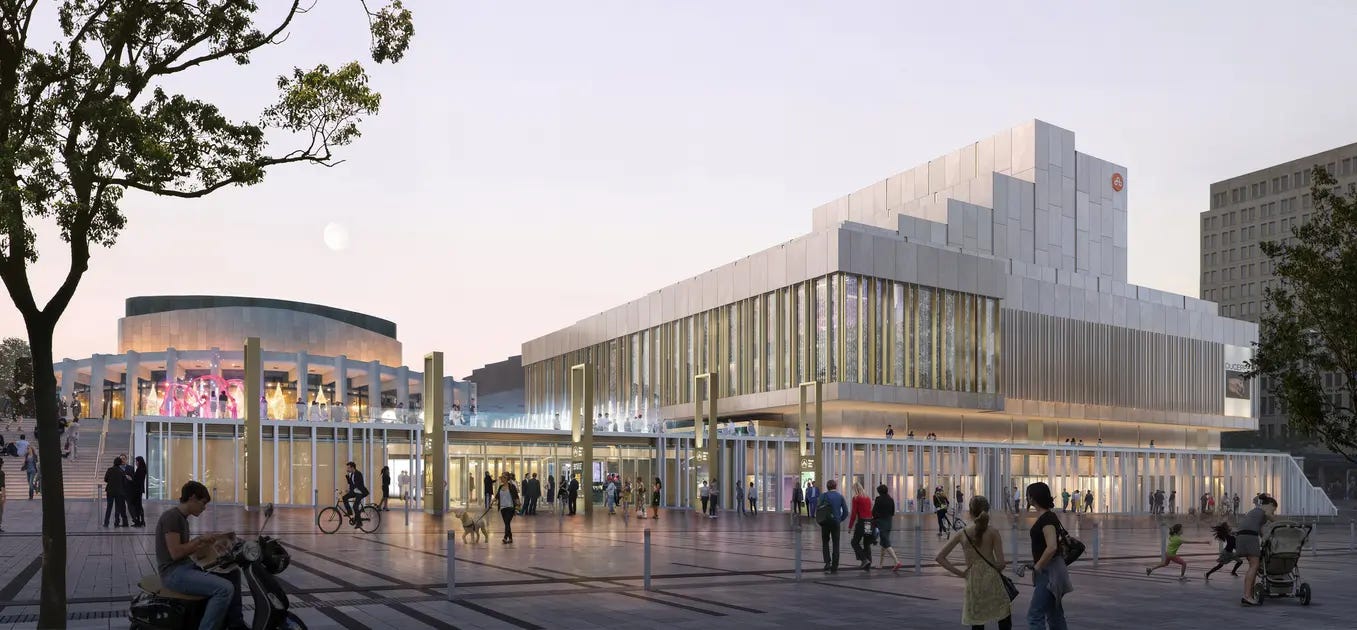
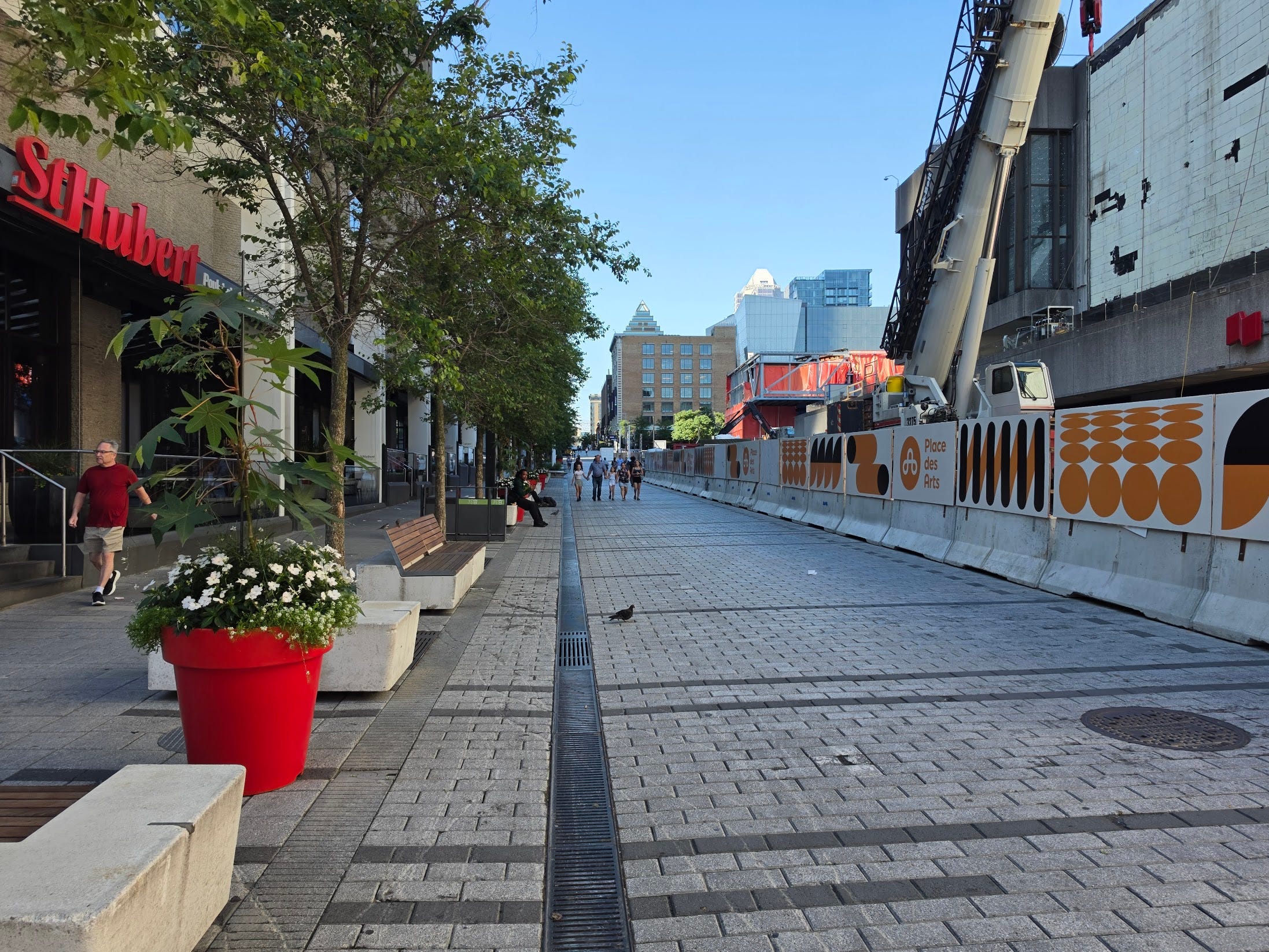
At Place des Arts, the brutalist theatre building is being dramatically renovated. This will beautify the city (a common theme) and ensure a cultural institution can keep contributing to the city’s rich arts scene for decades to come.
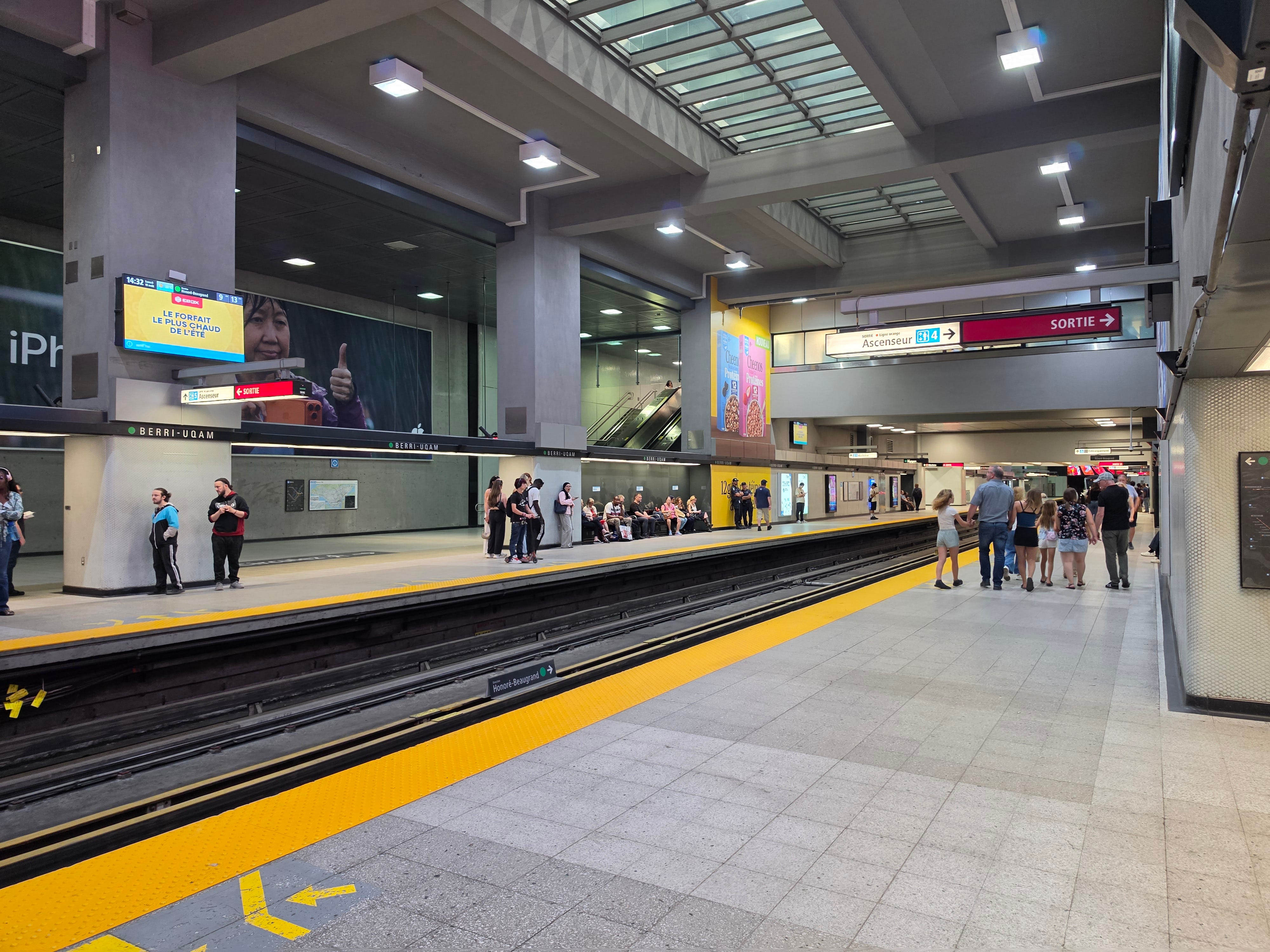
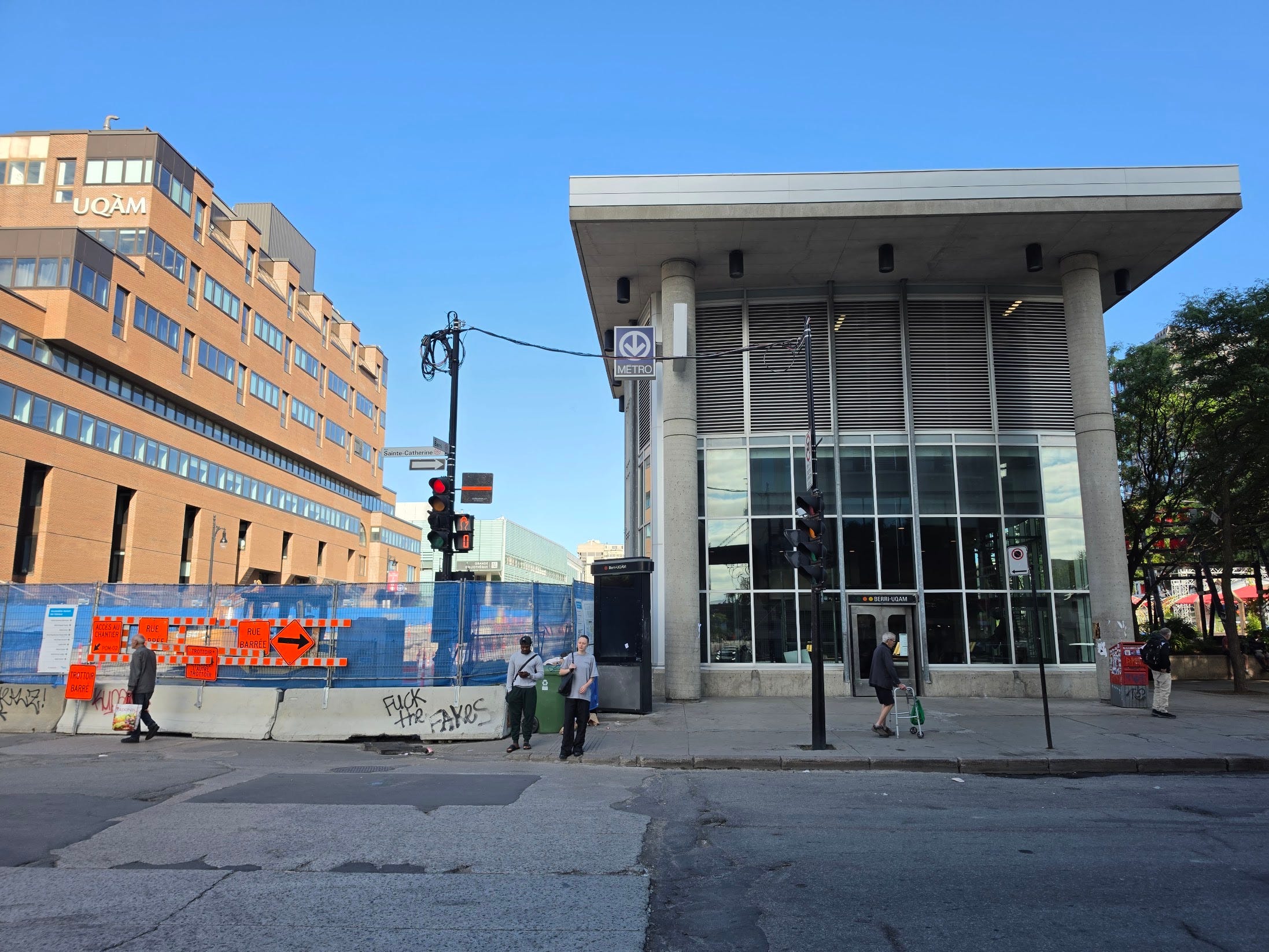
The next project is the rehab of the Berri-UQAM metro interchange, which remains the only place in Canada where three rapid transit lines converge underground. The rehab has included entrance and finishing improvements, underground utilities overhauls, and maintenance to tunnel structures, as well as the replacement of waterproofing membranes. This project made the metro system better, improved and replaced infrastructure, and kept various urban systems in a good state of repair.
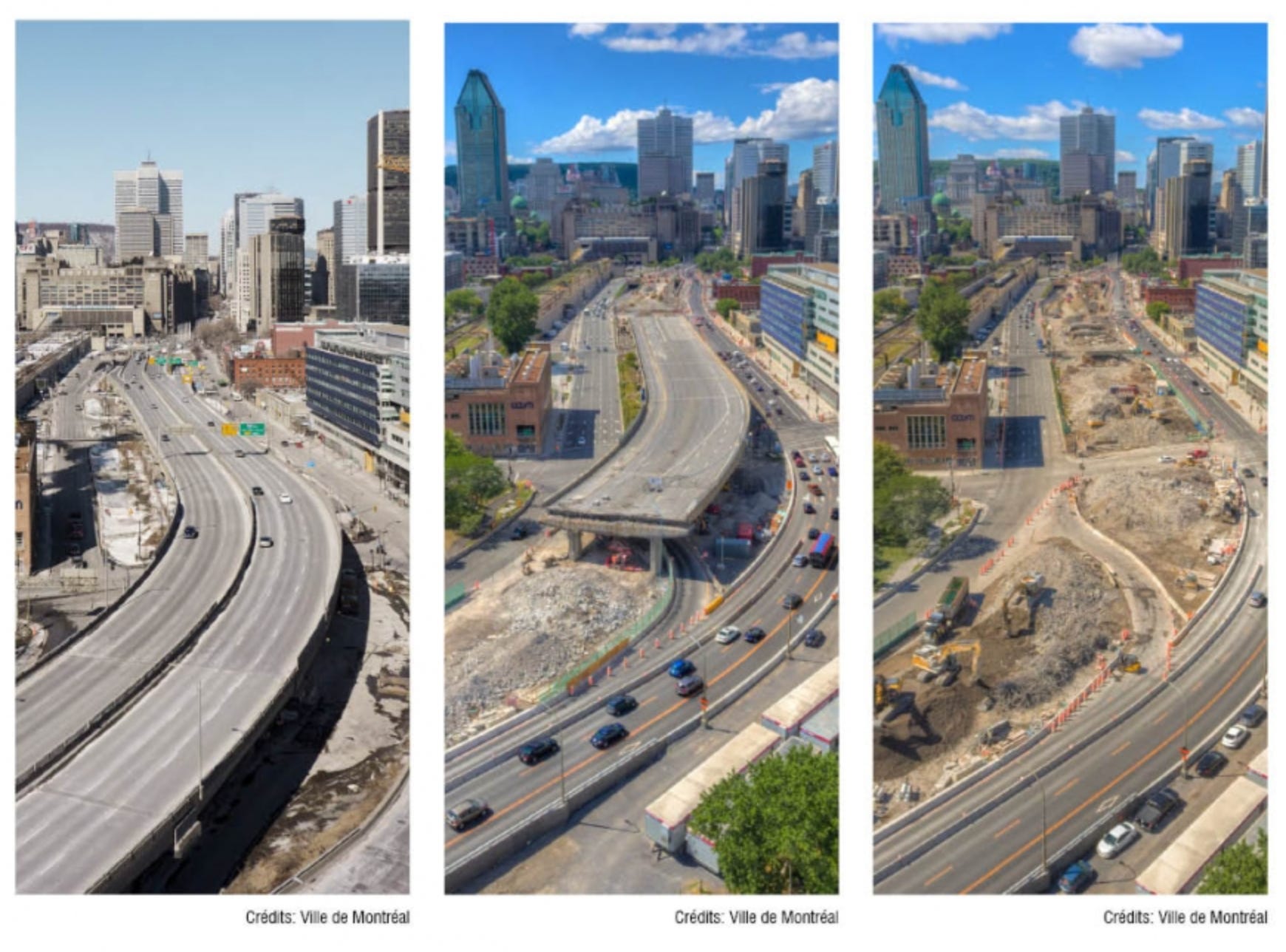
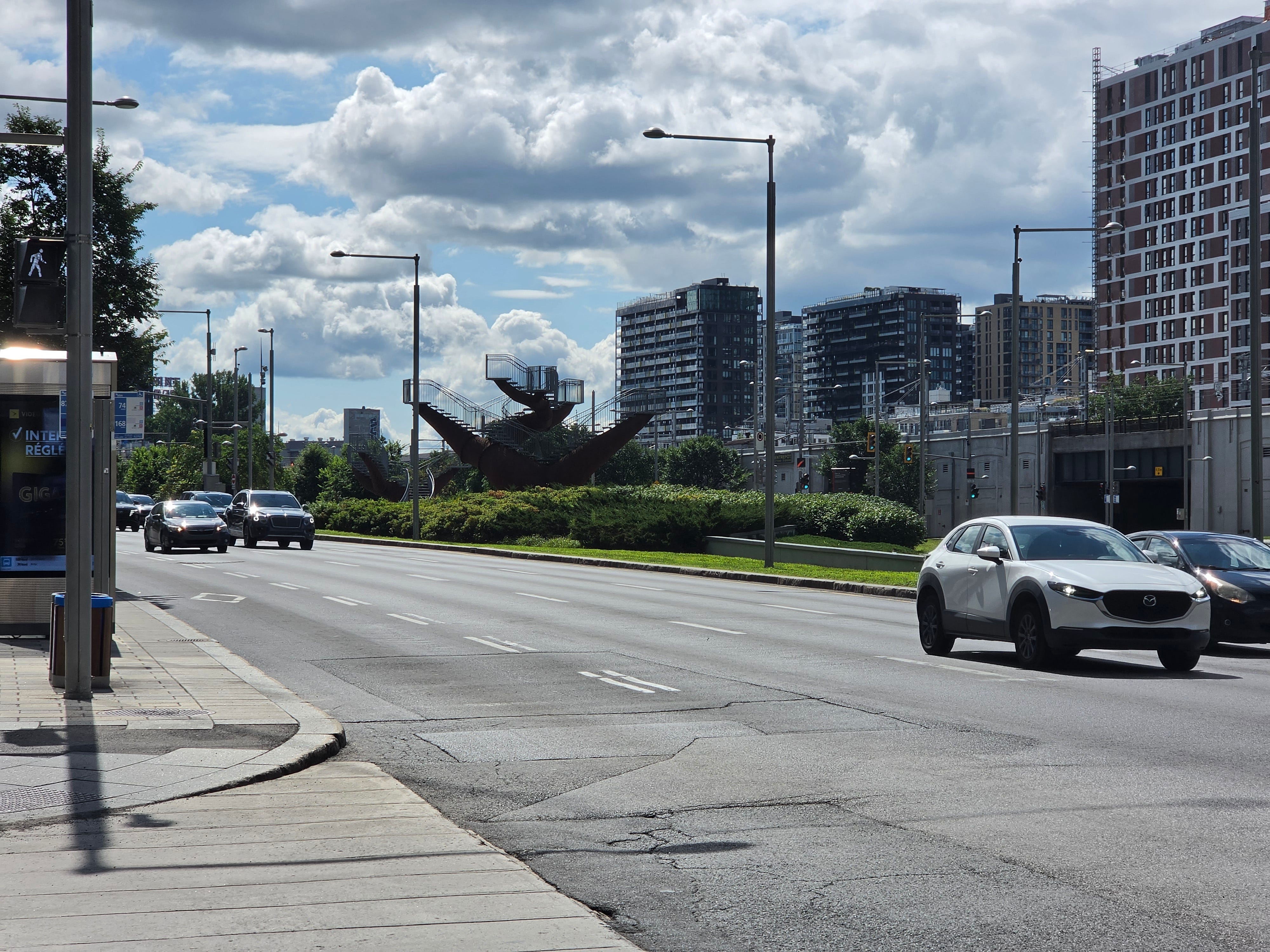
Then we have the Bonaventure Park project. This included the removal of an elevated expressway south of downtown Montreal, adjacent to the fast-growing Griffintown area, and the creation of a huge new green space with public art. This project is not only visually striking and a big improvement to the pedestrian experience in central Montreal, but will also reduce long-term costs by removing a costly elevated road structure. This project has future phases that will make more changes further to the south, extending all the way to Nuns’ Island.
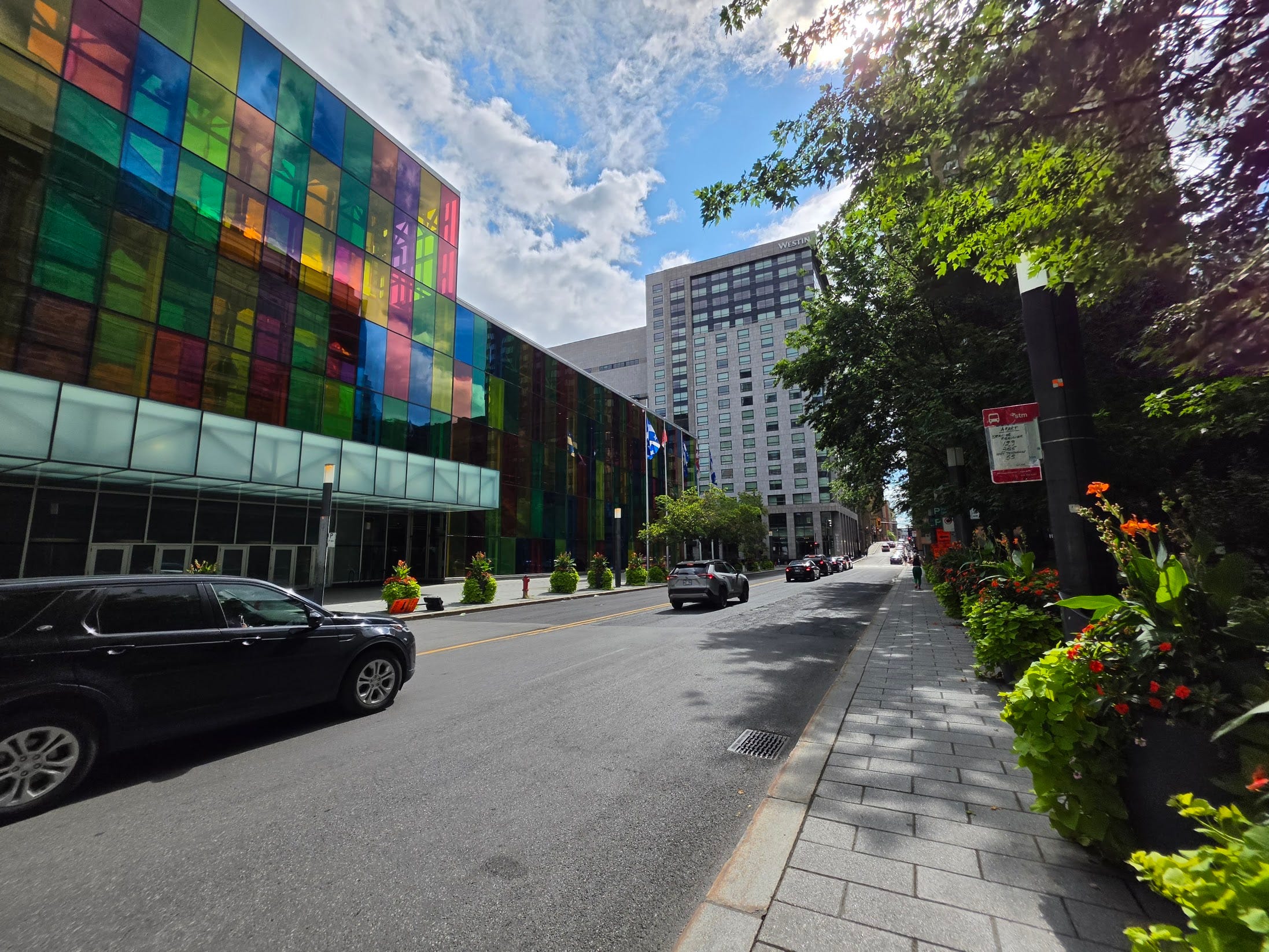
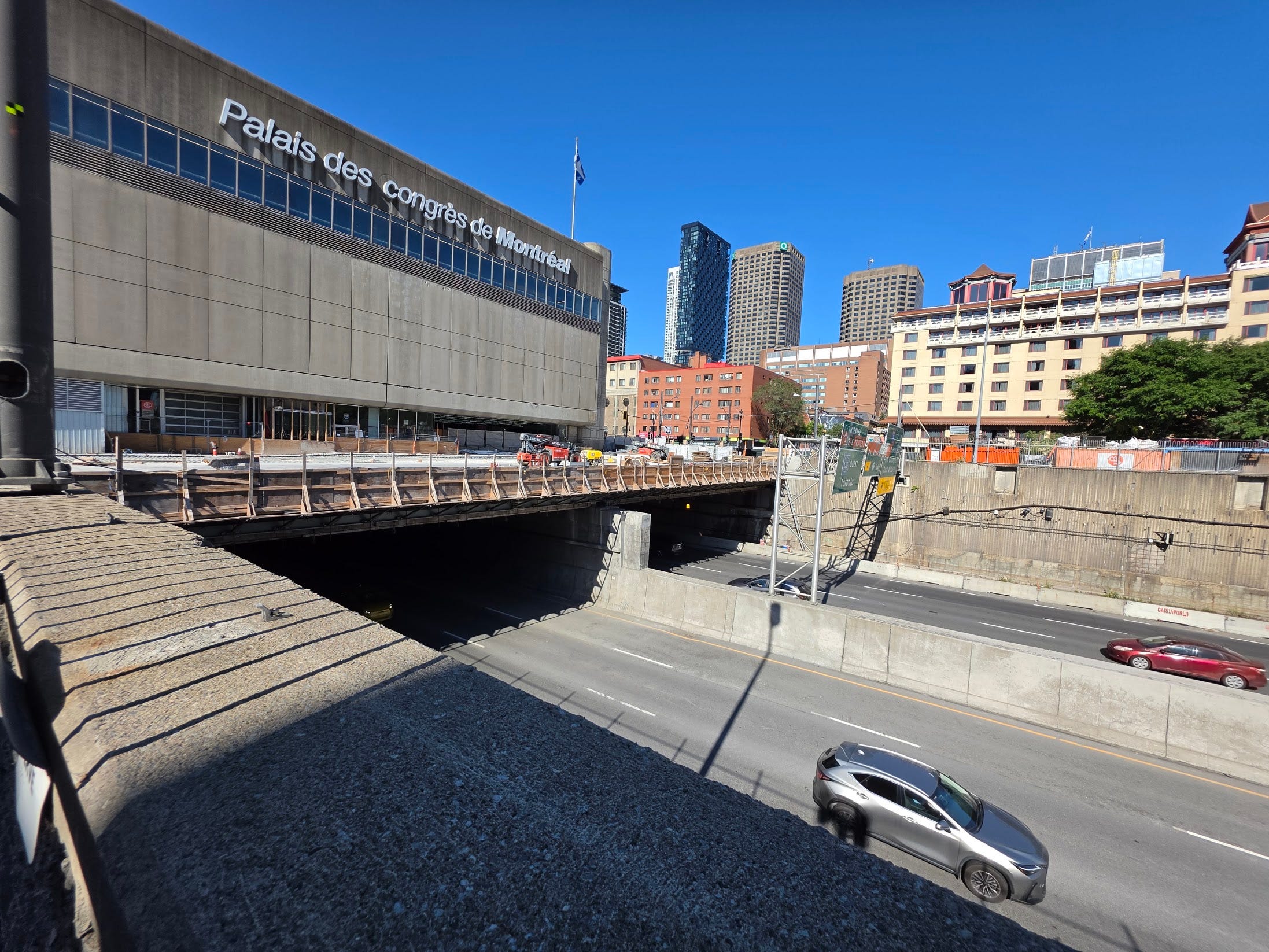
This project will see the convention centre expanded with a new hotel, new exhibition spaces, and improvements to existing facilities. People tend to really enjoy shows and conventions — which are often fairly entertaining and affordable — and these shows often have a big economic impact. Expanding a convention centre enables more and larger events and the benefits that come with them.
Don’t miss a single post. Become a subscriber today for the latest on public transport in Canada, and beyond.
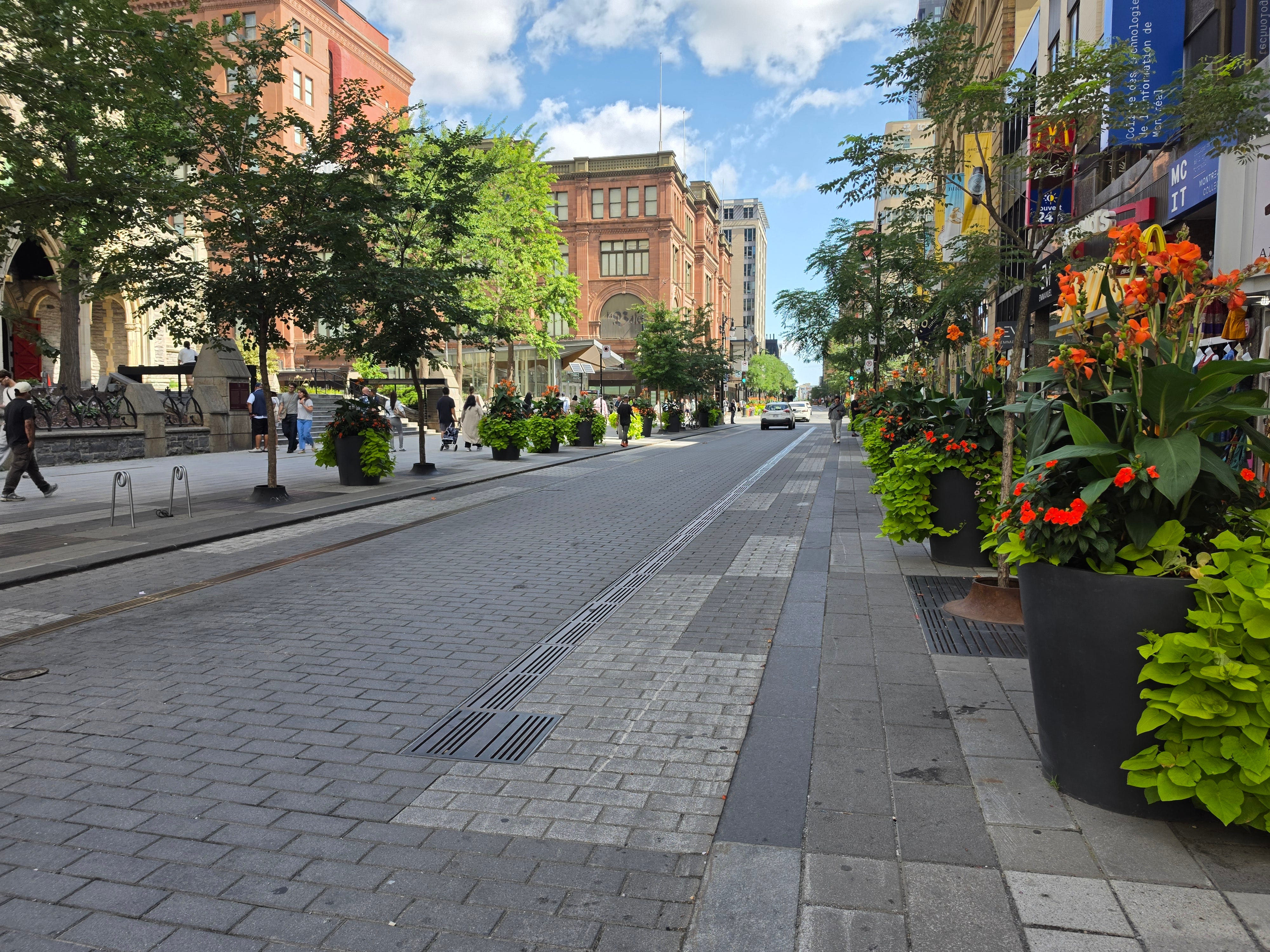
The complete transformation of Sainte-Catherine Street through central Montreal has completely changed the feel of Montreal’s main street. The project came with upgraded utilities, a different layout, and dramatic beautification. This project has helped get more people moving outside of cars, made the street more attractive, driven investment and visitors to the corridor, and is not even complete — with some sections even set to receive full pedestrianization, which is likely to be a major tourist draw.
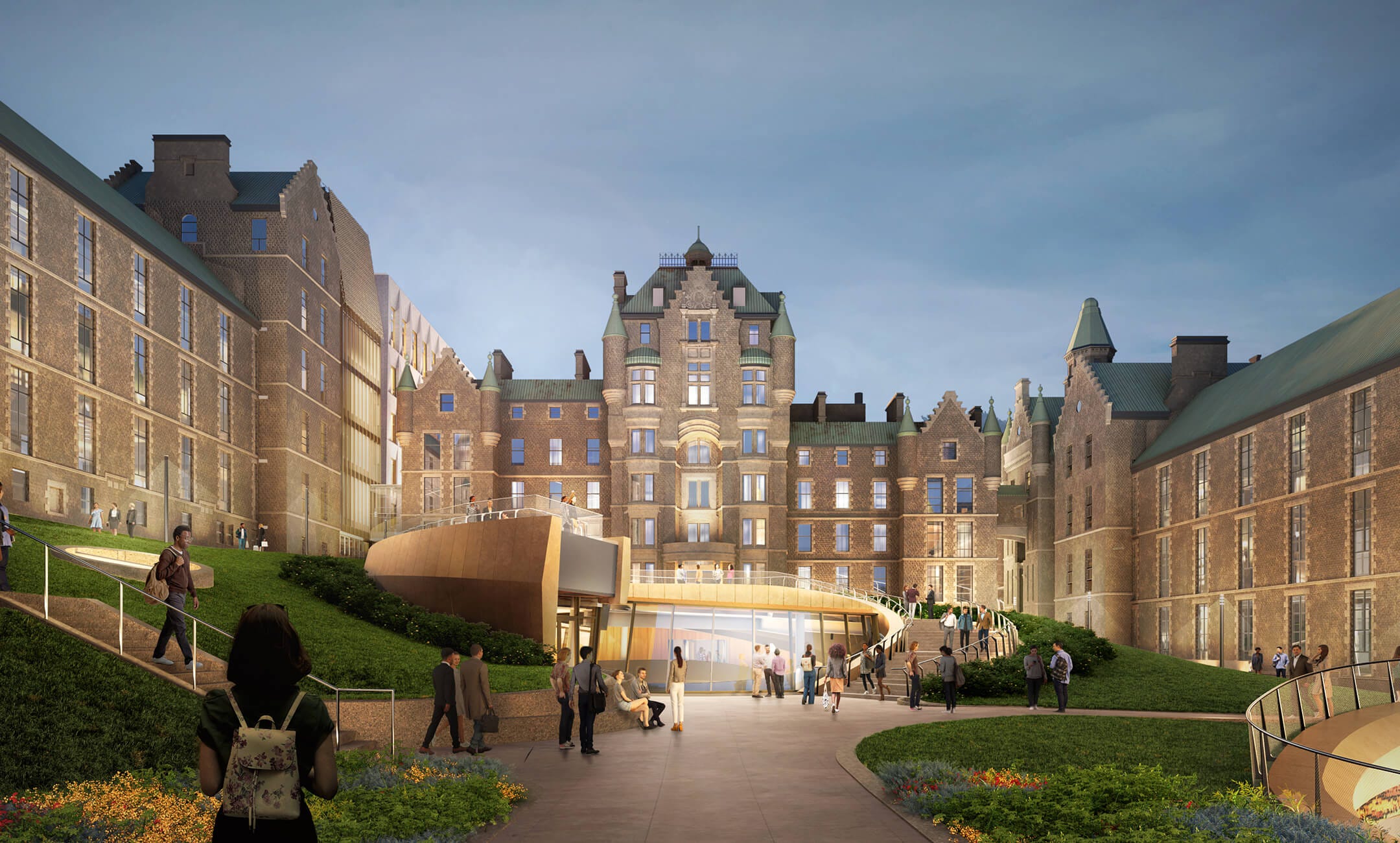
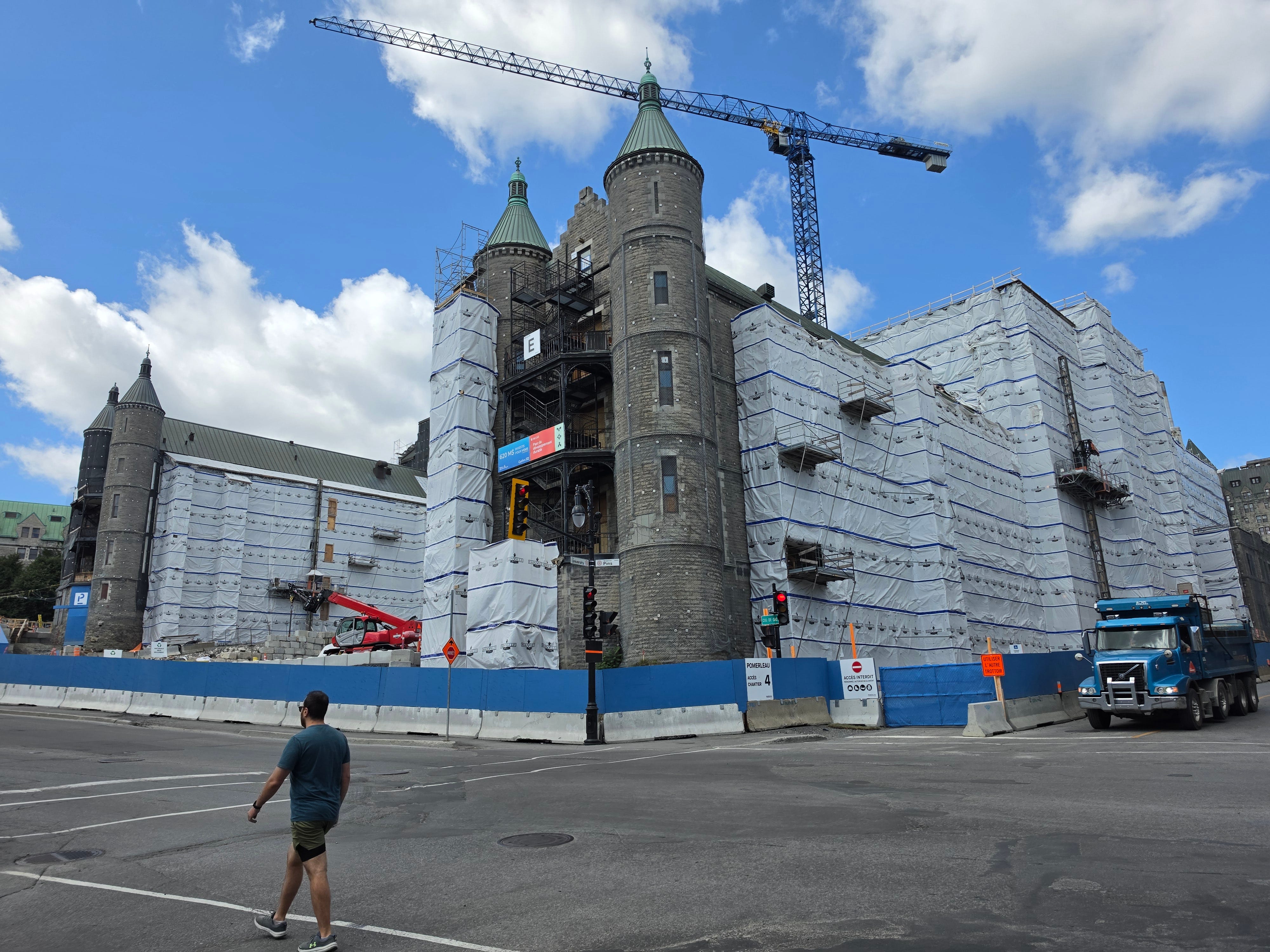
The New Vic Project at McGill University is taking the old Royal Victoria Hospital site and turning it into a massive new “campus” dedicated to public policy and sustainability, overhauling and dramatically expanding the century-old structure to give it a new life. This not only means far more space for education and research at one of Canada’s and the world’s best universities, but also a historic architectural icon maintained and refurbished.
The Ville-Marie is a remarkable highway — and one of the only underground highways in Canada — running right under central Montreal, crossing near metro lines, the underground REM, and various tunnels connecting downtown buildings, and providing connectivity to the east of the city centre, including a major bus terminal, mostly without scarring the surface (more sections will be buried). The rehabilitation means the infrastructure can keep safely operating and moving vehicles under downtown Montreal for decades.
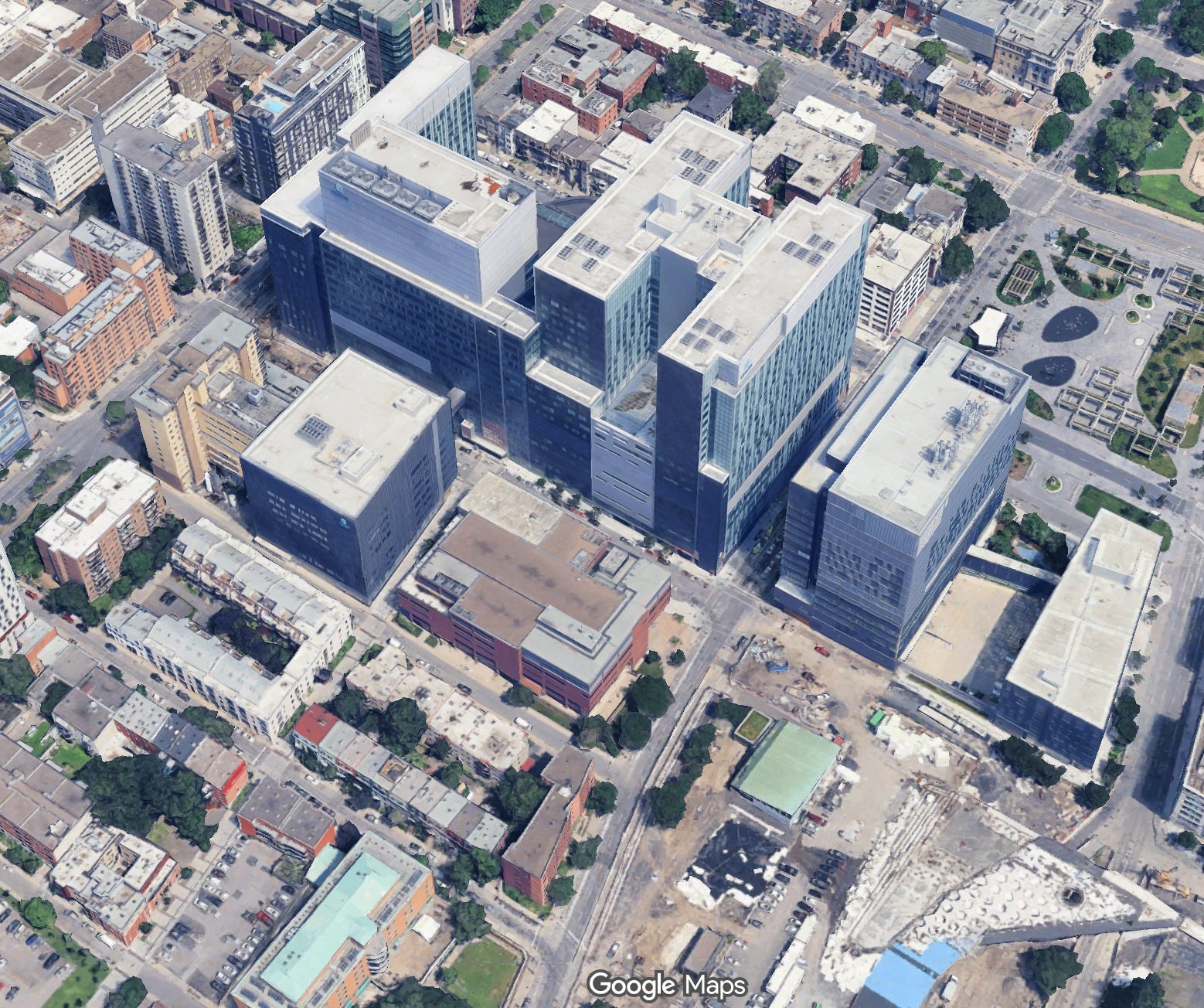
The Centre hospitalier de l’Université de Montréal is a project the value of which has been debated — after all, is one giant hospital really better than many smaller, if older, facilities spread throughout the city? Whatever the answer, this mega-hospital truly is mega, with all kinds of state-of-the-art facilities, a direct indoor metro connection to Champ-de-Mars, and numerous massive buildings across several city blocks. Facilities like this mean better, more comfortable care, and not only for locals, but for people seeking specialized care across the province. Better yet, the hospital sits beside a future section of additional decking over the Ville-Marie.
As you can see, the amount that could be built with this capital is very significant: from highway removals to substantial street redesigns, new university campuses, theatres, and massive hospitals. Many of these projects would be seen as transformative by themselves, and you could do eight with the funds we are discussing.
What’s more, though, is that the city could also still get a major metro extension that will grow the network length by nearly 10% and add five new accessible stations.
But even more is possible!
We assumed here that another jurisdiction might build the Blue Line extension as is for less. However, another jurisdiction would probably look at the density of the route, ridership estimates, and the already planned resignalling, and then execute a different project that unlocks the same capacity. This would quite possibly look like reducing the length of each new station by a third, and then making up the difference by automating the line — now common practice in France, for example. Such a change may well unlock enough funding to give Mount Royal Avenue the Sainte-Catherine Street treatment.
There’s also the fact that this analysis assumed that while Montreal wildly overpays for metro expansion — to the tune of ~5x best practice — other infrastructure projects come in at reasonable prices, which is obviously not the case. If we assume the average infrastructure project on this list is at a much more modest, if still shocking, ~2x best practice prices, then project cost reform could enable the following to be constructed for the cost of the Blue Line extension:
Two massive hospitals
A major new university building, and perhaps a small college campus
An even more dramatic convention centre expansion
The removal of an elevated highway and the decking over of one downtown
Overhauls of several metro stations
A total street redesign with infrastructure renewal on three major corridors
A new theatre, and another expanded performing arts venue
A rebuilt highway tunnel, and a totally reconfigured series of approach roads to an airport
And ... the Blue Line extension.
This highlights what we are up against with project price escalation. Not only has building the transit our cities need — for mobility, housing production, climate, and affordability — become dramatically more difficult, but even when we do manage to get projects over the line, it happens by simultaneously sapping public dollars that could be used for other priorities, be they education, healthcare, culture, or even just urban beautification.
No matter what we might hope, public funding for major infrastructure is not unlimited; growing the pot of money means more taxes and debt. If we want Canadian cities to compete globally, they will struggle if it costs multiples more than in other places. In all likelihood, we will end up getting less and paying more, potentially even entering a downward spiral. The benefits to any specific city for solving these problems also promise to be large: not only could they get more infrastructure, but more funding might arrive if higher levels of government appreciate how much better an investment a low-cost jurisdiction may be. In China, parts of the country with low construction costs — notably the Pearl River Delta — are seeing much faster metro expansion than more expensive places like Shanghai.
So then, the cost of building is serious. Tackling it could mean real abundance; failing to, a slide away from the things we desire to be.
Keeping abreast of the transit networks across all of Canada’s big cities takes a lot of time and commitment. The Transit Brief lives and dies by your support. To receive new posts and support my work, consider becoming a free or paid subscriber.
Thank you.
If you enjoyed this post, consider sharing “The Transit Brief”.
Made with love, in Canada - 2026.
Comments
Nothing yet. Say the first thing.
Sign in to join the conversation.