
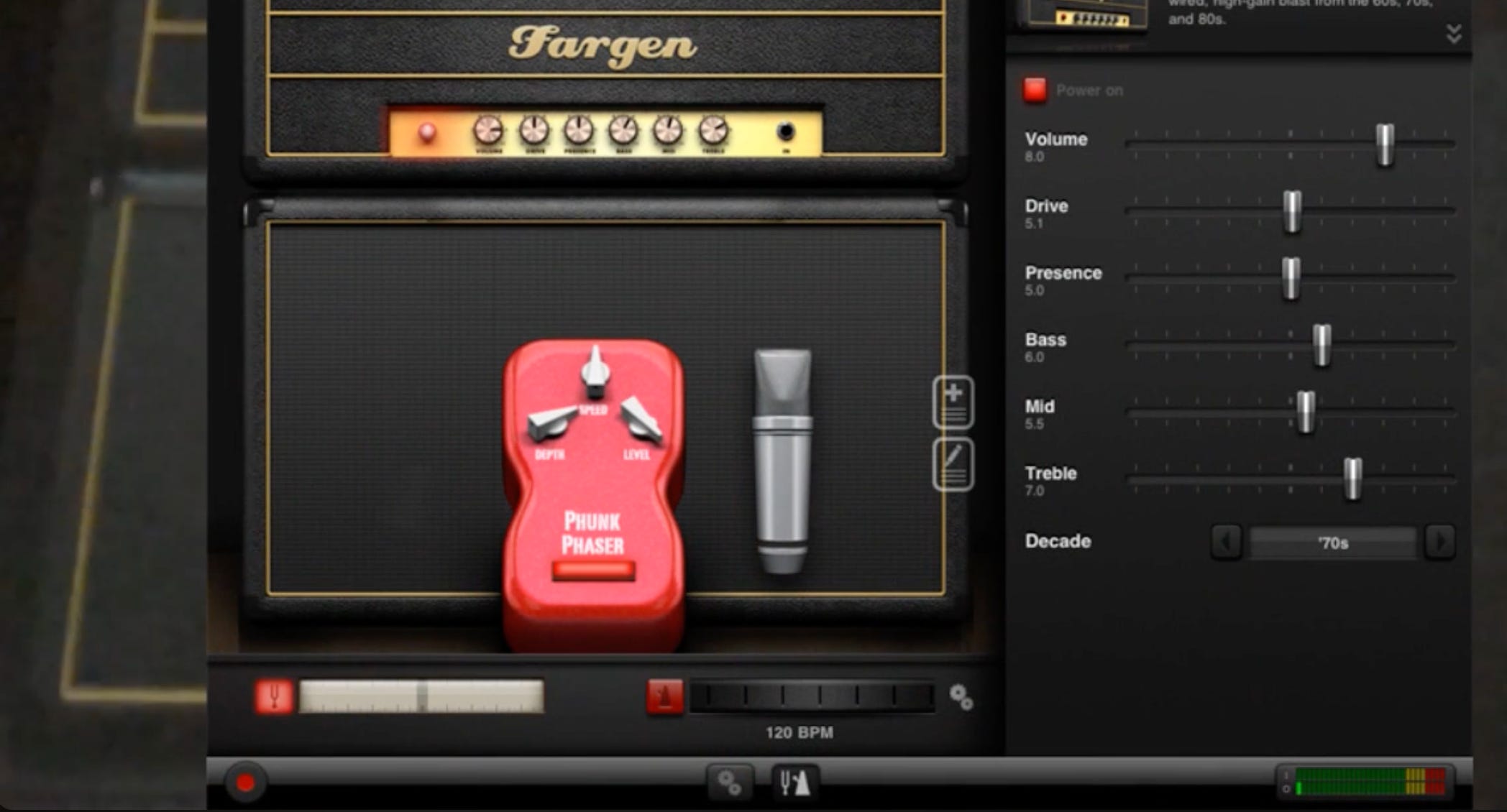
I never expected to see a Fargen tube amp become software.
Sometime around 2011, a new company called Agile Partners put out an iPad and iPhone app called AmpKit. It modeled real tube amplifiers. You picked one from a list of models, plugged your guitar into an interface, and played through a digital version of it. One day I got an email from a friend of an MI colleague. They wanted to model three of my amps: the Olde 800, the Super Collider, and one of the Hot Mod Blues Jr. circuits. A couple of my Sonic Edge pedals went in too.
That was exciting and strange in a way I didn’t have a word for yet. I’d spent years bent over a chassis getting a specific circuit to behave a specific way: bias points, transformer choices, the exact gain staging that makes an Olde 800 sound like an Olde 800. And now some very smart engineers I’d never met were trying to describe that same behavior in code. I wasn’t just building amps anymore. I was raw material for somebody else’s modeling problem.
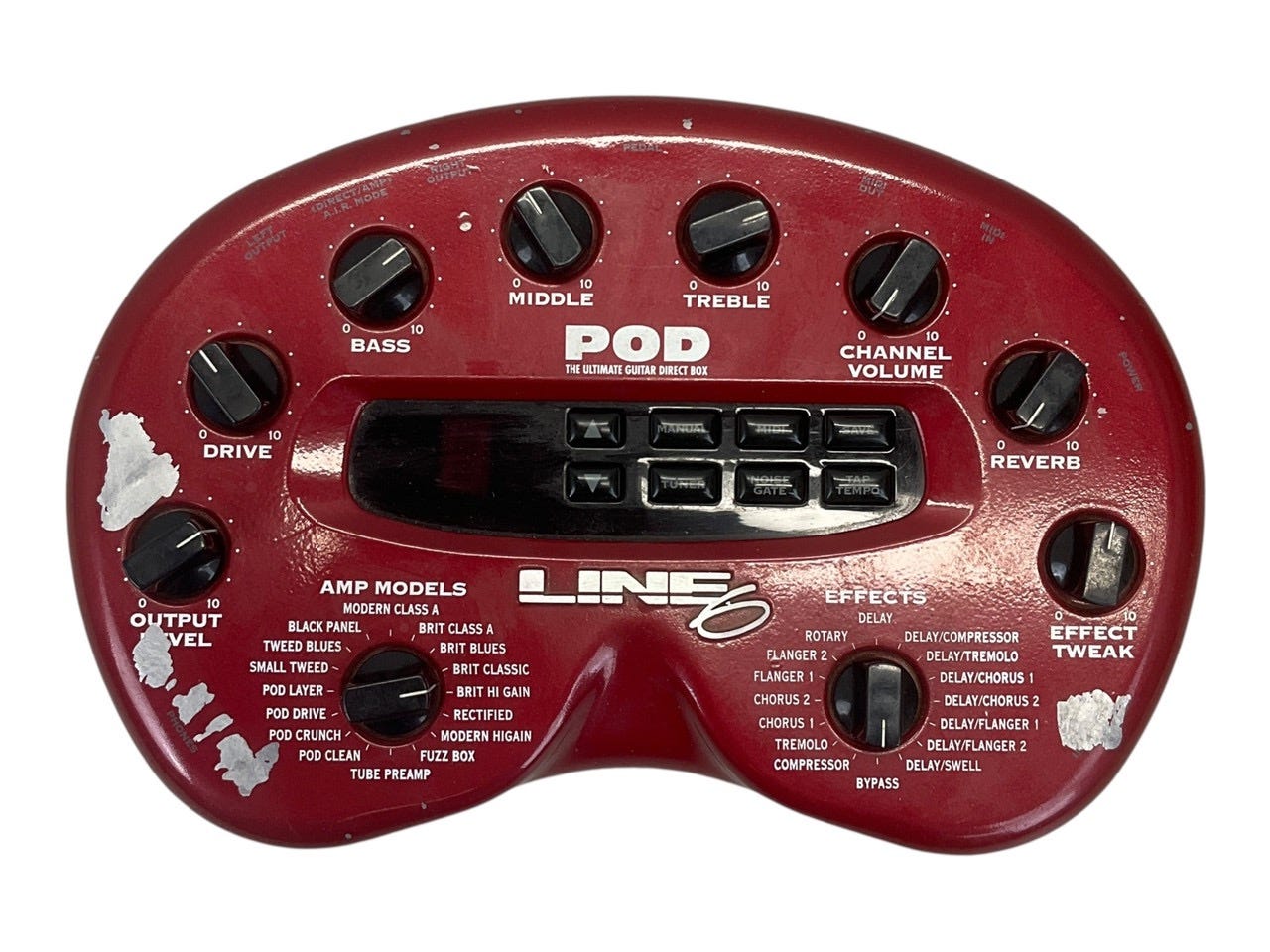
That wasn’t even my first brush with modeling. Before that, and I still have it, I owned an original Line 6 POD unit, the kidney bean, the one that looked like it belonged on a nightstand, not a pedalboard. I used it in recording sessions as a parallel feed with a mic’d amp when it made sense. I know what it’s like to reach for a modeler during a 1am writing binge in my home studio because it solves a problem faster than a real amp will.
So I want to be upfront about something before I go any further: this isn’t a “tubes are good, digital is bad” article. I’ve been on both sides of this now: as a builder, as a creator of recorded instrumental TV cue tracks, and as the guy whose circuit got turned into a preset. What I’ve got isn’t an opinion. It’s more like a set of firsthand observations, and I think they’re more useful than an opinion.
Almost every conversation about this topic starts the same way: which one is better?
That’s the wrong question, and it’s been the wrong question for sixty years. In the mid-60s people asked if solid-state was going to kill tube amps. In the late 90s it was the POD. Then Kemper. Then Helix. Now it’s neural captures, and every couple of years someone tells me this is finally the year tube amps go extinct.
They haven’t. Not because the newer technology isn’t good (it’s often extraordinary), but because “better” was never really the point. Each of these three technologies is good at different things. The question worth asking is: what is each one actually good at?
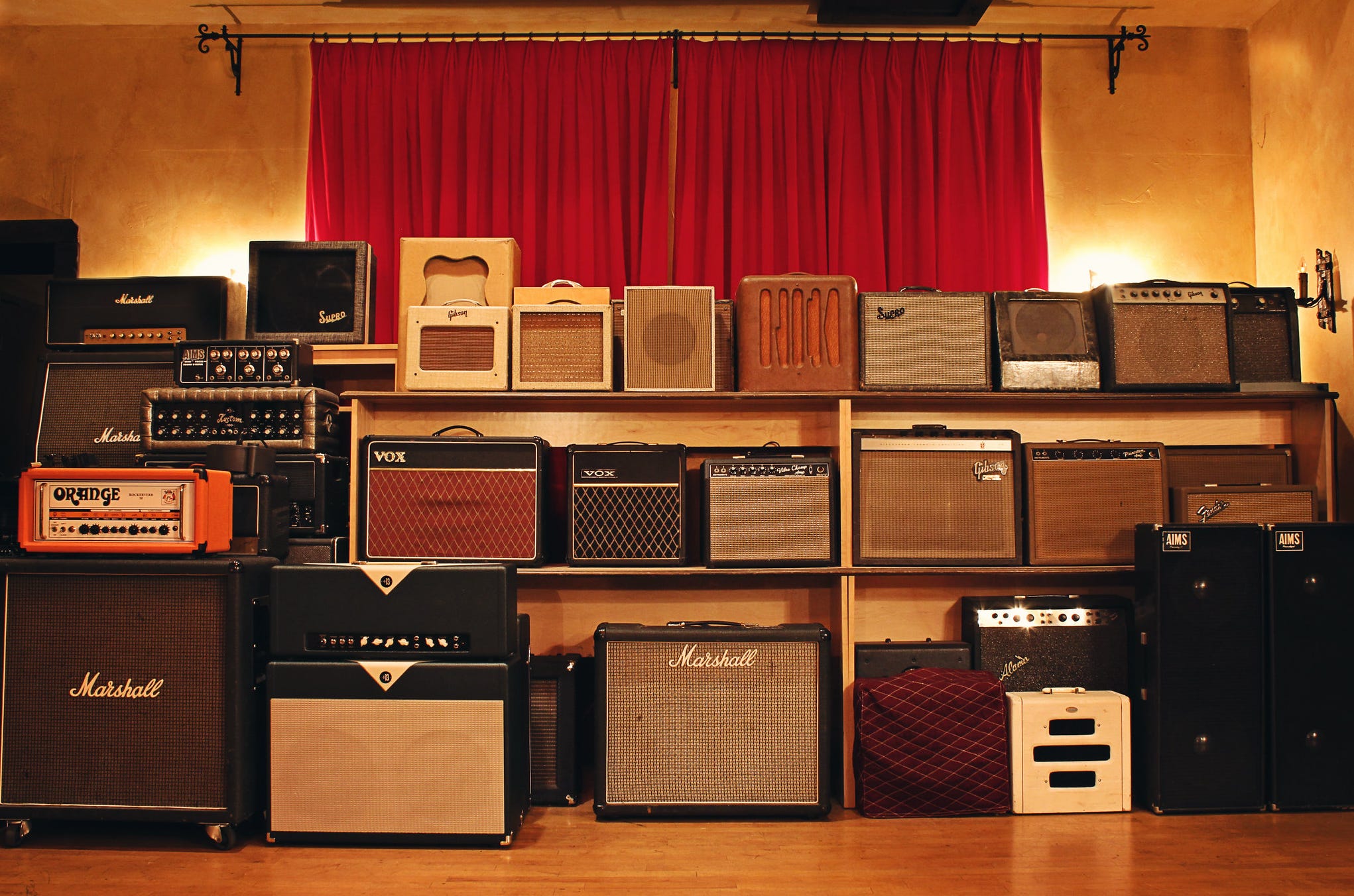
A tube amp isn’t just a circuit that makes your guitar louder. The circuit is part of the instrument.
When you dig into a chord, the power supply sags a little. That sag changes the way the output stage compresses. The output transformer is pushing current into a speaker coil, and that speaker is pushing back. Its impedance curve is wildly non-linear, especially as it heats up and the voice coil moves through the magnetic gap. All of that feeds back into how the amp behaves on the very next note.
It’s a loop. The speaker is physically wired to the amplifier, and every note changes the voltage, the current, the transformer saturation, the damping factor, in real time, based on how hard you’re playing and what you played a half-second ago. That’s what people mean when they say a tube amp feels “alive.” They’re not waxing poetic. They’re describing an actual physical feedback system that a solid-state or digital circuit has to go out of its way to imitate.
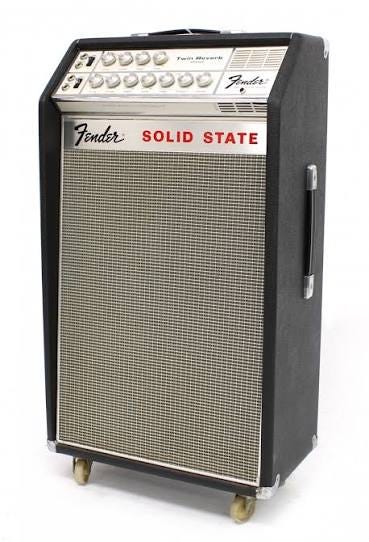
Solid-state amps get a bad reputation that isn’t really about transistors. It’s about how many solid-state amps were designed.
Transistors are accurate. They’re stable, they’re light, they’re inexpensive to build with, they don’t need to warm up, and they’ll still sound the same in twenty years without a single tube swap. None of that is a flaw. The problem was that a lot of early designers tried to make transistor circuits behave like tube circuits without actually recreating the nonlinear stuff (the sag, the soft clipping, the transformer interaction) that makes a tube amp feel the way it feels. You end up with something clean and reliable that just goes hard into an ugly, stiff square-wave clip when you push it, because none of the analog “give” is built in.
That’s a design failure, not a transistor failure. Solid-state done right, with real thought put into how the gain stages clip and interact, can sound very good. It just has a very different set of design parameters and problems than a tube circuit presents.
Here’s where I think most players, even good ones, misunderstand what modeling actually does.
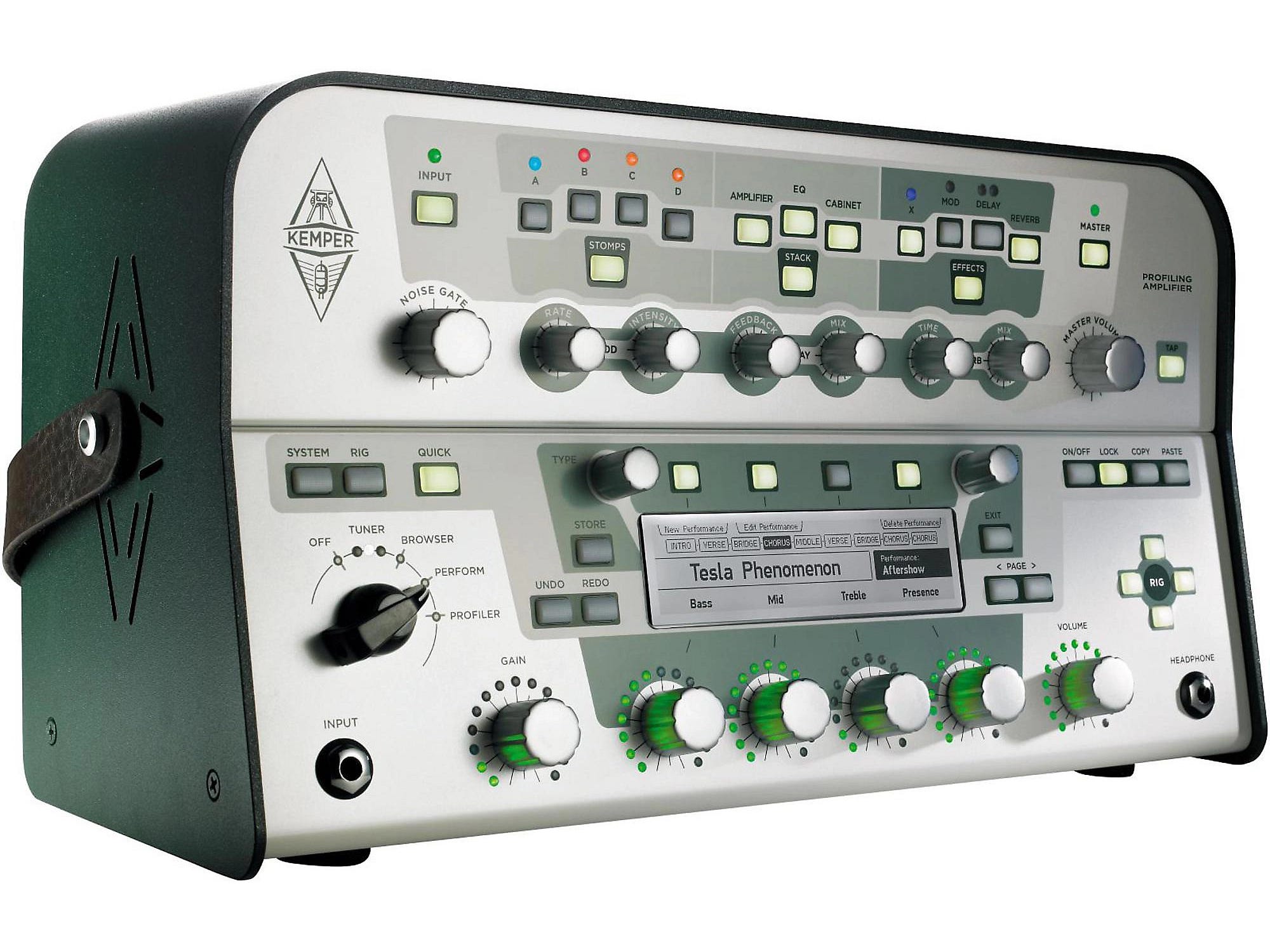
Modeling isn’t trying to recreate just the tone or “tube distortion” as some isolated flavor you dial in. It’s mathematically recreating an entire signal chain: the preamp’s gain structure, the tone stack’s EQ curve, the phase inverter, the power section’s compression behavior, the cabinet’s frequency response, a specific microphone’s off-axis coloration, the saturation of a tape machine, and often the entire room the whole thing was captured in. When it’s done well, you’re not hearing “a modeled tube amp tone.” You’re hearing a very deliberate, very technical reconstruction of a specific signal path, end to end.
Modern modeling is genuinely astonishing for what it’s built for: practice setups, silent late-night practice, fly dates where checking an amp isn’t an option, recording when you need five different amp characters in one afternoon.
Here’s the part that actually reframes the whole debate for me.
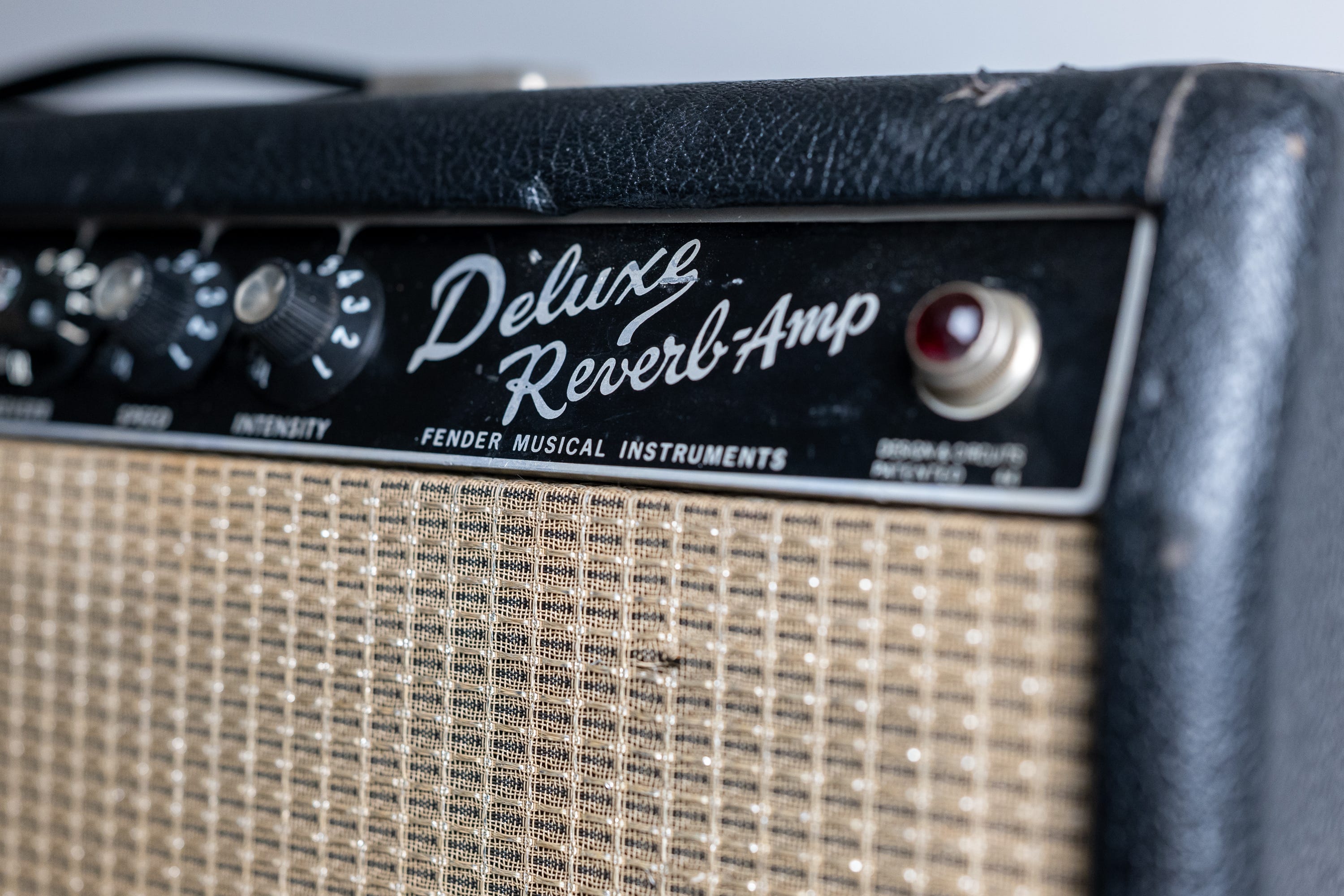
Which sounds more like a 1965 Deluxe Reverb: a Deluxe Reverb in the room with you, or a Deluxe Reverb that’s been mic’d with an SM57 and played back through studio monitors?
Those are two different sounds. Not close. Different. And most of the “modeling doesn’t sound real” comparisons I hear are really comparing a modeler through headphones against standing in front of a live amp moving air in a room. That was never a fair fight to begin with, because a real amp in a room and a real amp on a recording don’t sound the same as each other either. If your reference point is a recorded tone, modeling has an enormous head start, because that’s precisely the chain it’s built to reconstruct: mic, cab, room, all of it.
I’ll say this plainly, because I think builders sometimes won’t: there are real-world situations where modeling is just the better tool, full stop.
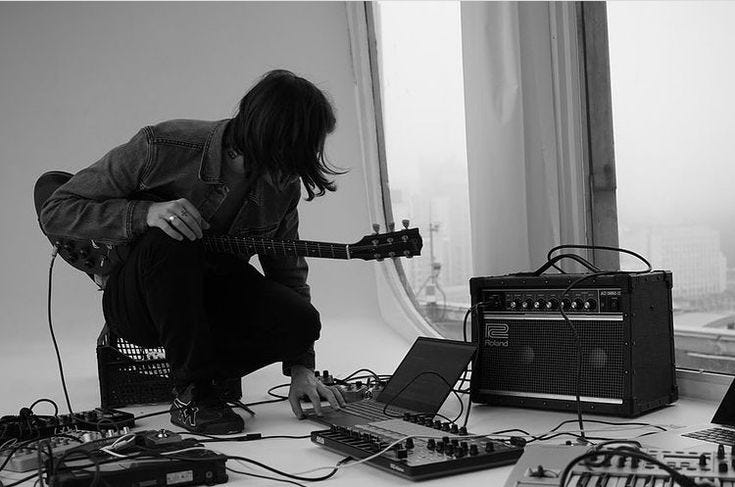
You can match that flexibility with real amps. Plenty of players do. But be honest about what it costs. Need a Mesa, then a Vox, then a Soldano, then an AC30, then a Deluxe, all in the same set? With tubes, that’s five amps, five cabs, a switching system to get between them cleanly, a truck or a trailer to haul it all, and a tech to keep it running when something inevitably goes microphonic on a Tuesday in Ohio. With a modeler, it’s one box. Need to track a part silently at two in the morning without waking the house? A tube rig can’t do that at all. You’re miking a cab or you’re not doing it. Flying to a gig and can’t check an amp? That’s not a tube-amp scenario, that’s a modeler scenario, period. Need the exact same tone, note for note, every single night of a tour, regardless of altitude, humidity, or how a specific room’s power is behaving that night? A tube amp will get close. A modeler will get it exact, because a tube amp is a physical object having a slightly different night every night, and that’s the whole point of it, right up until consistency is the actual job. Then it’s the cost.
None of that means modeling is “better.” It means modeling solves a logistics problem that tube amps were never designed to solve, and pretending otherwise is how you end up with a trailer full of amps you didn’t need.
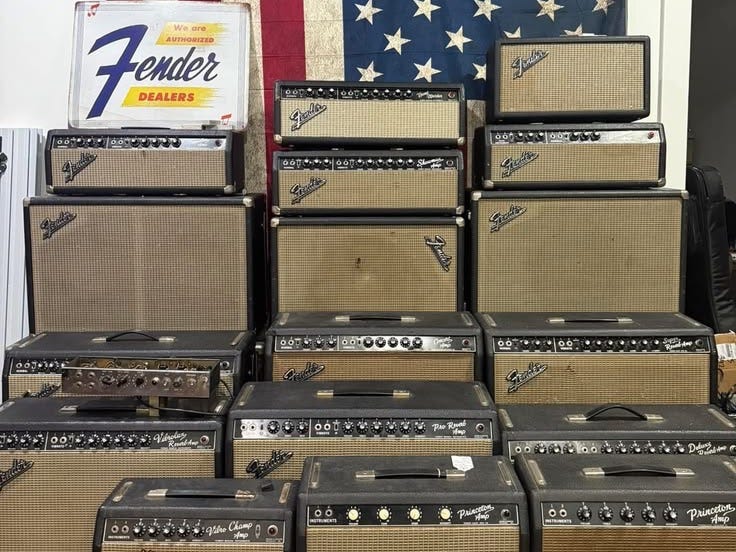
And here’s where I’ll say the other plain thing: if what you actually want is to stand in a room and move air with a great guitar, there is still something about a real tube amplifier that nothing else replicates. It’s not about which one measures better. It’s a different physical experience. You’re playing an instrument that’s talking back to you in real time through current and magnetism, not through a model of current and magnetism.
That’s not nostalgia. That’s why tube amps haven’t gone anywhere despite sixty years of people predicting their extinction. They’re not competing for the same job anymore.
Going back to AmpKit, this is the part I think only I can really speak to.
What did they get right? More than I expected. The gain character of the Olde 800’s Decade Switch translated surprisingly well. The difference between its 60s, 70s, and 80s voicings came through as more than a gimmick. What surprised me was how much of the amp’s “personality” survived the translation into a plugin format, running on hardware that has nothing in common with a tube chassis.
What didn’t survive, at least not fully? The touch response under sustained pick attack, the way the amp keeps responding as a note rings out and the power supply is still recovering from the last chord. That’s the hardest thing to model because it isn’t really one variable, it’s dozens of them all interacting continuously. Some of that came through. Not all of it.
Would I use the model if I were tracking a demo at midnight with no time to mic a cab? Yes, without hesitation. Would I use it if I were playing a blues club on a Friday night with a room full of people? No. I’d want the real thing, sagging and breathing the way it does, because that’s the experience I’m actually there to have.
I still build tube amplifiers one at a time, by hand, because I love what they do and because I think there’s a ceiling on how far you can compress that experience into software. I also think modern modelers are remarkable pieces of engineering, built by people solving a genuinely hard problem well.
Those two things aren’t in conflict. One is an instrument. The other is an extremely accurate recreation of an instrument. Sometimes that’s exactly what a situation calls for. Sometimes it isn’t.
The real question was never which technology is best. It’s knowing which one actually serves the music in front of you tonight. For the first time in the history of the electric guitar, players get to choose from three genuinely great answers to that question, and I don’t think that’s a loss for anybody.
If you enjoyed this article and want to support more writing like this, consider checking out my website or Stan Store.
That’s where you’ll find my amp books, mod kits, tone guides, and other resources for players who want to go a little deeper into classic tube amp circuits, guitar tone, and practical ways to get more out of their gear.
Your support helps keep The Tone Journal going and allows me to keep creating these articles, build notes, videos, and deep dives for players who care about the details.
Thanks for reading,
Benjamin
No posts
Comments
Nothing yet. Say the first thing.
Sign in to join the conversation.