
In 1787, Catherine the Great visited the recently annexed Crimea, following her victories against the Ottoman Empire in the Russo-Turkish War and thus declaring the Crimean Peninsula, Taman, and the Kuban regions incorporated into the Russian Empire. There is a story told that at the order of Prince Grigory Aleksandrovich Potemkin, fake village facades were erected along the banks of the Dnieper River to hide the truth of the region from her, a staged performance, a la la land. The story of the fake villages has been argued to be false, itself a deception, but it is the origin mythos of the idea of a Potemkin Village: an impressive facade or show designed to hide a fact or condition.
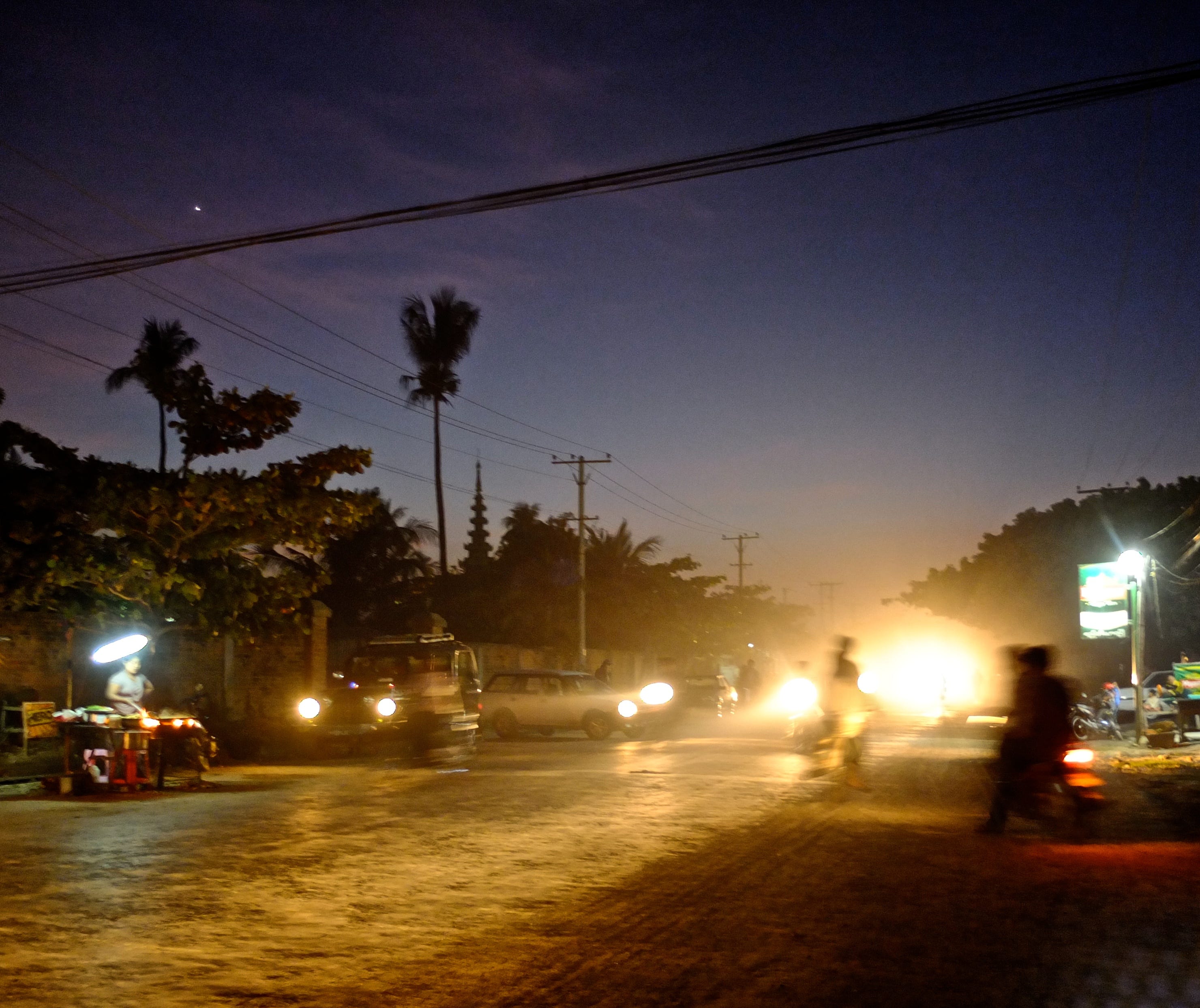
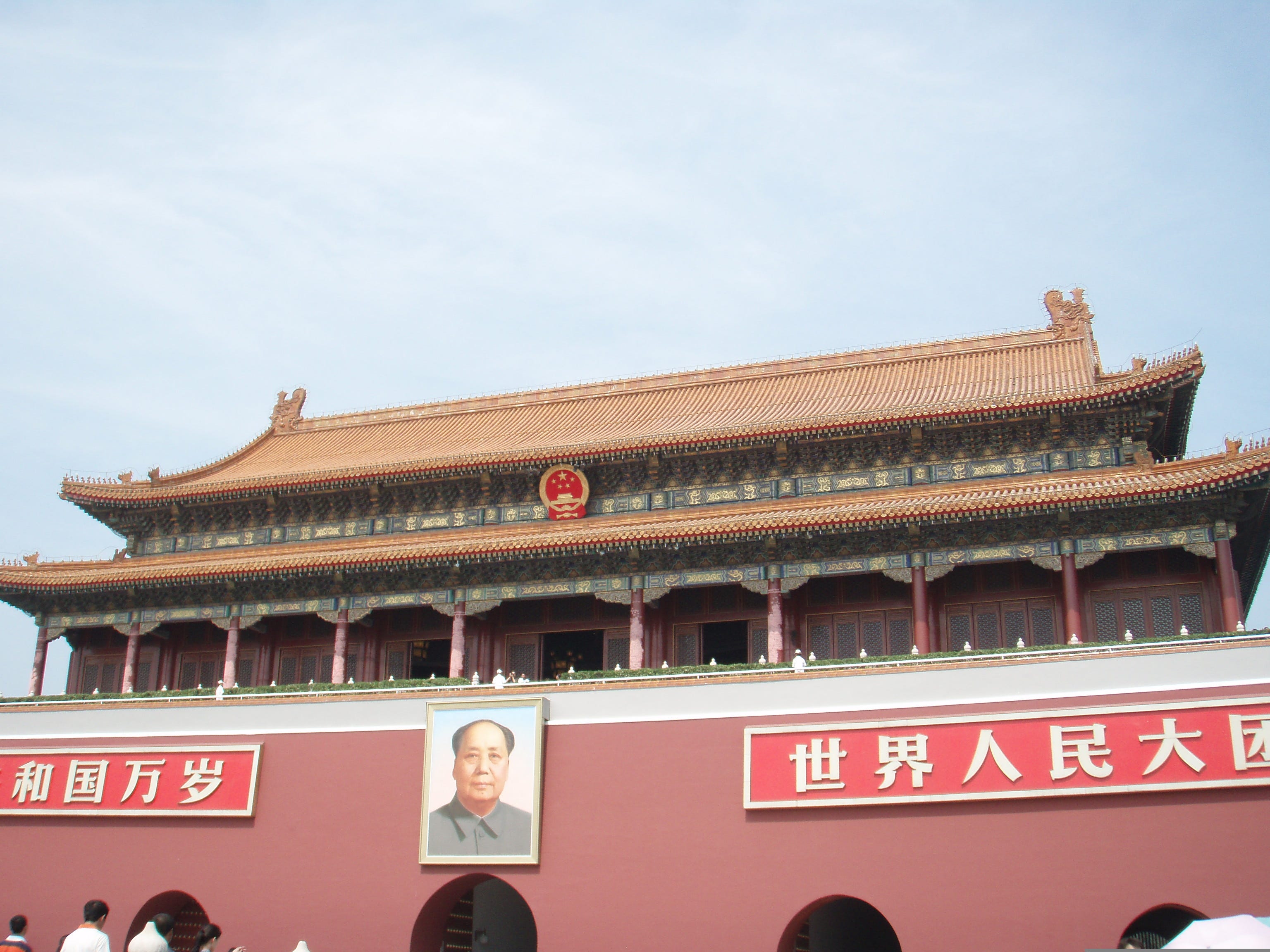
Streets would disappear overnight and buildings would be both demolished and rebuilt in the span of a few weeks. There were times I would dine in a place one night and return a week later to a neighborhood erased, roaming alleyways and not understanding if it was me or the city that had shifted. Part of this was my unknowingness and foreignness to Chinese history and language, I was learning but there were thousands of years to digest as opposed to a couple of hundred I was used to growing up in the US, a cloudy and insecure teaching of history from a young America. But part of it was objective, part of the shift was the city itself. The psychogeography of Beijing in the early 2000’s was dissociative, in that it involved involuntary disruptions in memory, awareness, and identity. I was a visitor living and working in a place that was undergoing a rapid change, dropped into a movie on fast forward not knowing what the speed should be. No one around me knew the speed, we were all just in a constant catching up. My job at the time was as a guide taking people all over China by bike and by foot. In my off time between trips I would come to Beijing to roam.
Comments
Nothing yet. Say the first thing.
Sign in to join the conversation.