
A spoiler alert: if you are on the Wolf Crawl journey with Simon Haisell and you haven’t read Hilary Mantel’s Thomas Cromwell Trilogy before or are unfamiliar with this period of English history, please be aware that my work draws on the Trilogy as a whole as well as the historical record.
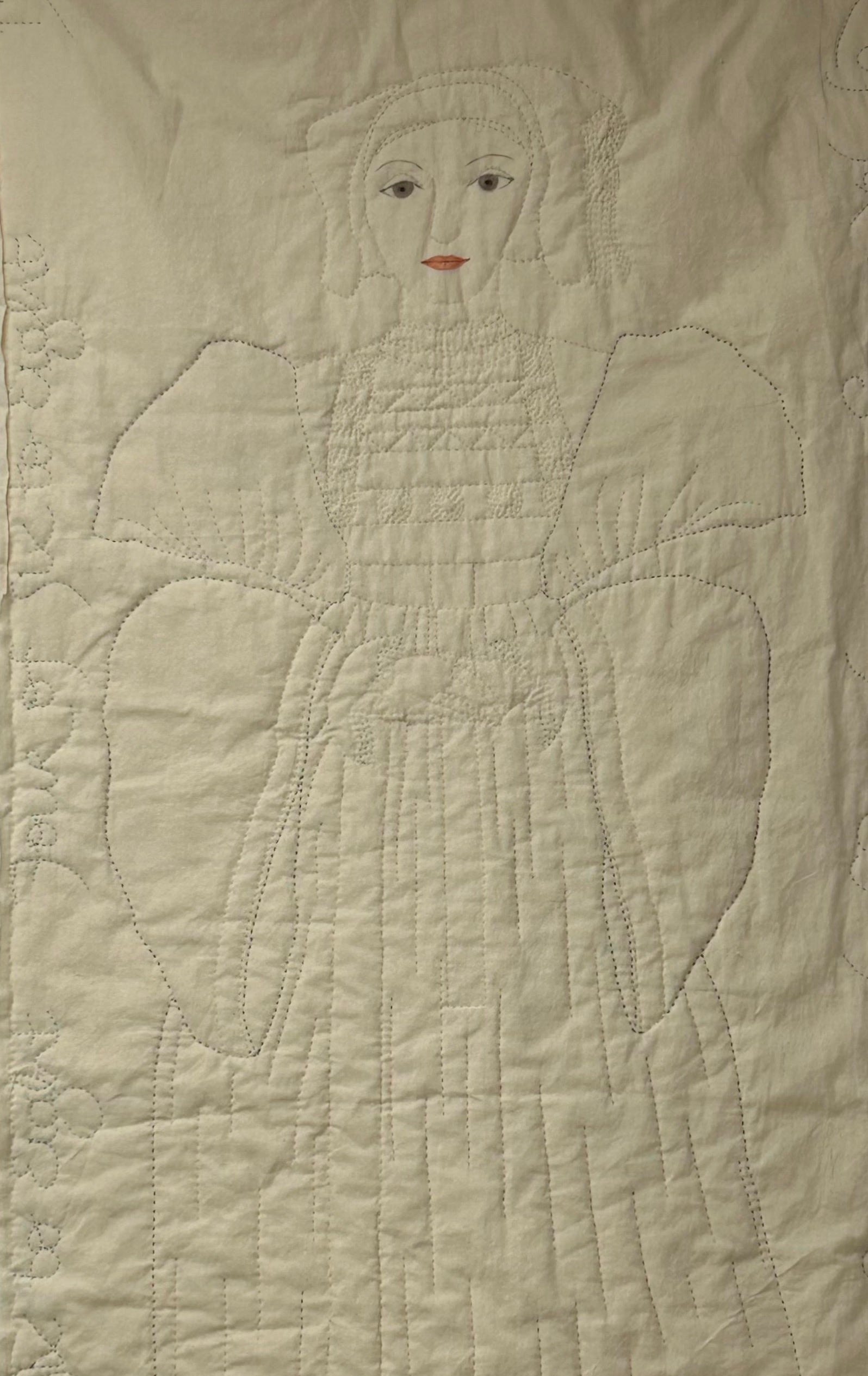
I continue to dip in and out of Agnes Strickland’s Lives of the Queens of England (1842) as I sort out my portraits of Cromwell’s four (or four of six of Henry VIII’s) queens ready for my Stitching Cromwell exhibition in March. Anna was the first large portrait I completed: I remember texting my friend Amanda last summer to say I was vaguely thinking of making a full length portrait of Anna - and Amanda rightly predicted that a “vague thinking of” would quickly turn into an “already started stitching”. The rest of the four queens followed in reasonably quick succession.
As I outlined in Katharine, the Friendless Queen, Agnes Strickland’s work may come across as somewhat dry today, but her determination to see State Papers - which were then not available to the public - and her approach to archival research was truly groundbreaking. Her opinions are also interesting - and sometimes unexpected. Given her dislike of Anne Boleyn, who she considered driven by “vanity and ambition”, and her disapproval of Jane Seymour, who, she considered to have committed outrages on common decency, I was looking forward to finding out what she thought of the fourth wife of Henry VIII, Anna or Anne of Cleves.
Although Strickland clearly felt less strongly about Anna than about her predecessors, I get the impression that she liked Anna, and had much sympathy for her. She certainly felt that the marital diplomacy to which she was subject was deeply unfair. Strickland’s distaste for Henry VIII grows over the course of her chapters about his wives, and she has little time for the king’s disappointment in his bride:
Certainly, Anne had the most reasonable cause for dissatisfaction of the two, when we consider that, if she were not quite so handsome as Holbein had represented her, she was a fine young woman of only four and twenty, who had been much admired in her own country. Henry was more than double her age, unwieldy and diseased in person, with a countenance which bore all the traces of the sensual and cruel passions which deformed his mind.
Strickland’s chapter on Anna gives us a fascinating insight into the historical record. I have had the privilege of looking through some of the same papers that Strickland consulted: detailed accounts of the procession that was due to meet Anna when she came to England; the tournaments that were staged to celebrate the royal marriage; the people who were nominated to serve her. Strickland wrote these sources up, quoted extensively, and gave us beautiful descriptions of clothes, pageantry, and court protocol.
She describes the scene when the Duke of Suffolk, the Earl of Southampton, and Thomas Wriothesley (who she greatly disliked, calling him ‘the most unprincipled of the low-born parasites who rose to greatness by truckling to the lawless passions of the sovereign’) went to Richmond to persuade Anna to agree to end the marriage:
So powerfully were the feminine terrors of the poor queen excited on this occasion, that she fainted and fell to the ground before the commissioners could explain the true purpose of their errand. When she was sufficiently recovered to attend to them, they soothed her with flattering professions of the king’s gracious intentions of adopting her for a sister, if she would resign the title of queen.
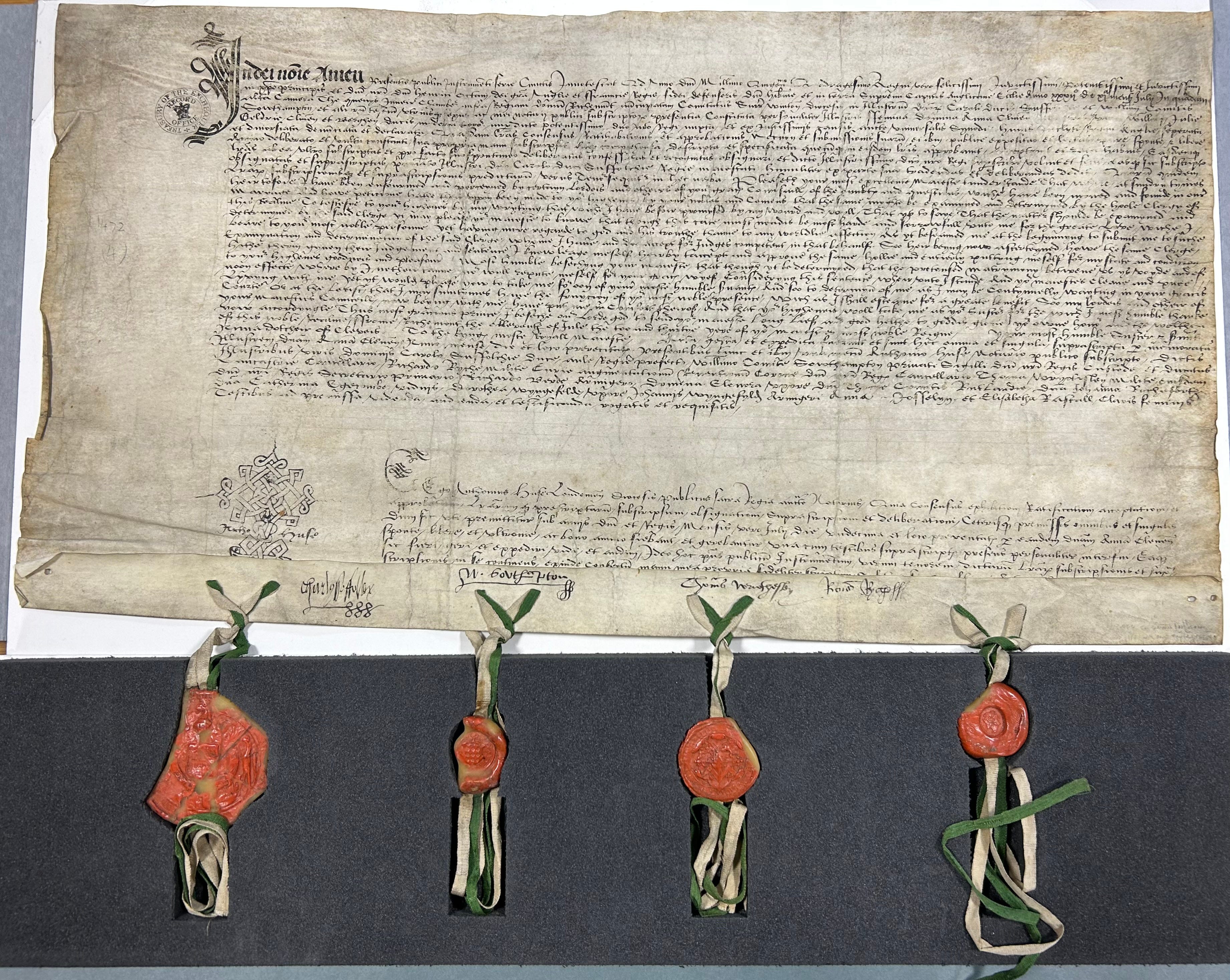
Strickland describes Anna’s life as the King’s sister as a happier time: properties, a small court of her own, loyal servants, gift-giving, and friendly relations with Henry and his children. This is reflected in her will, drawn up just a couple of days before her death, of which Strickland writes:
Her beneficent spirit was wholly occupied in deeds of mercy, caring for the happiness of her maidens and alms children, and forgetting not any faithful servant however lowly in degree. She was on amicable terms both with the catholic Mary and the protestant Elizabeth, and left both both tokens of her kindness. Although she was a Lutheran when she came to this country, it is very evident from her will that she died a catholic.
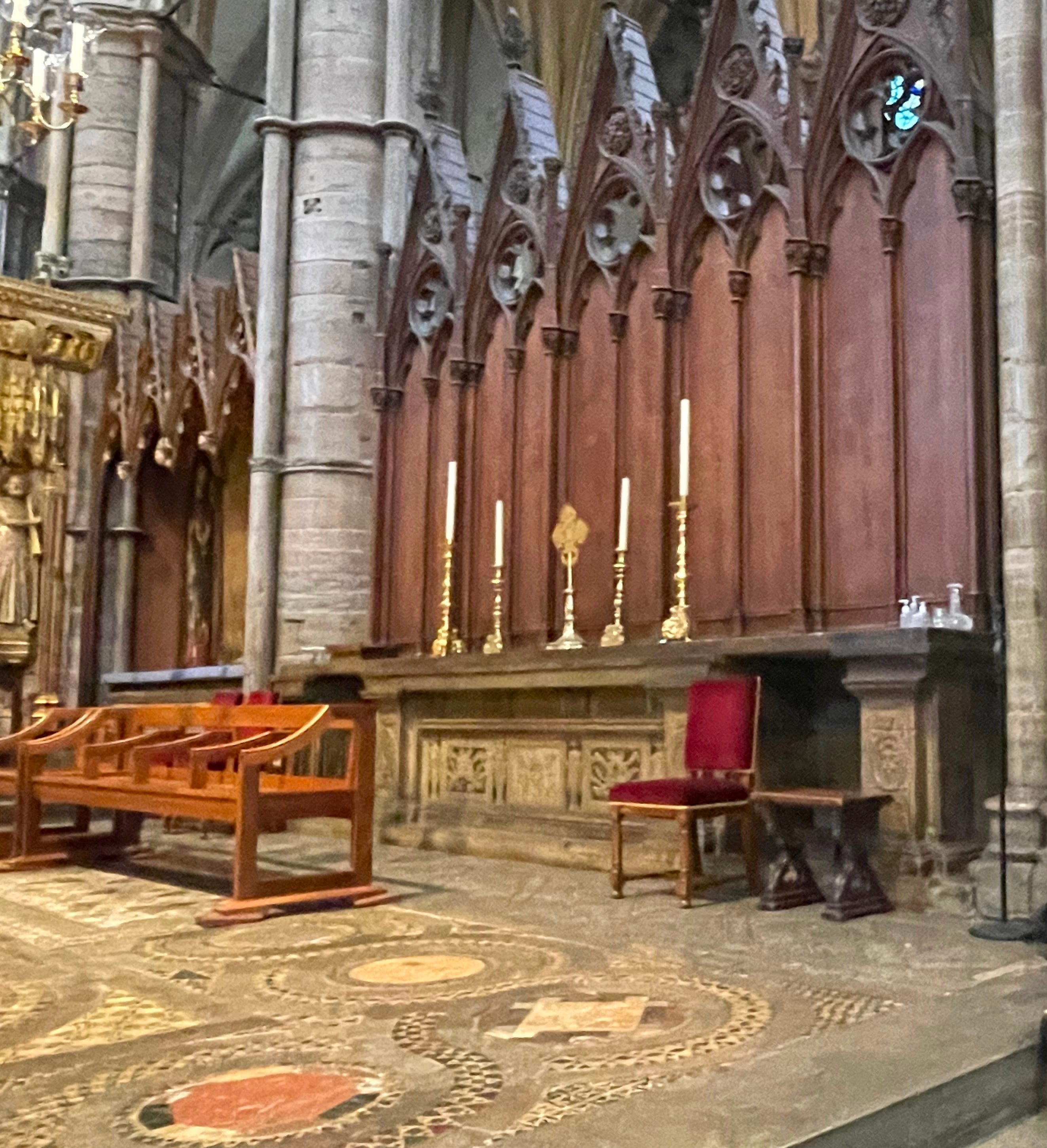
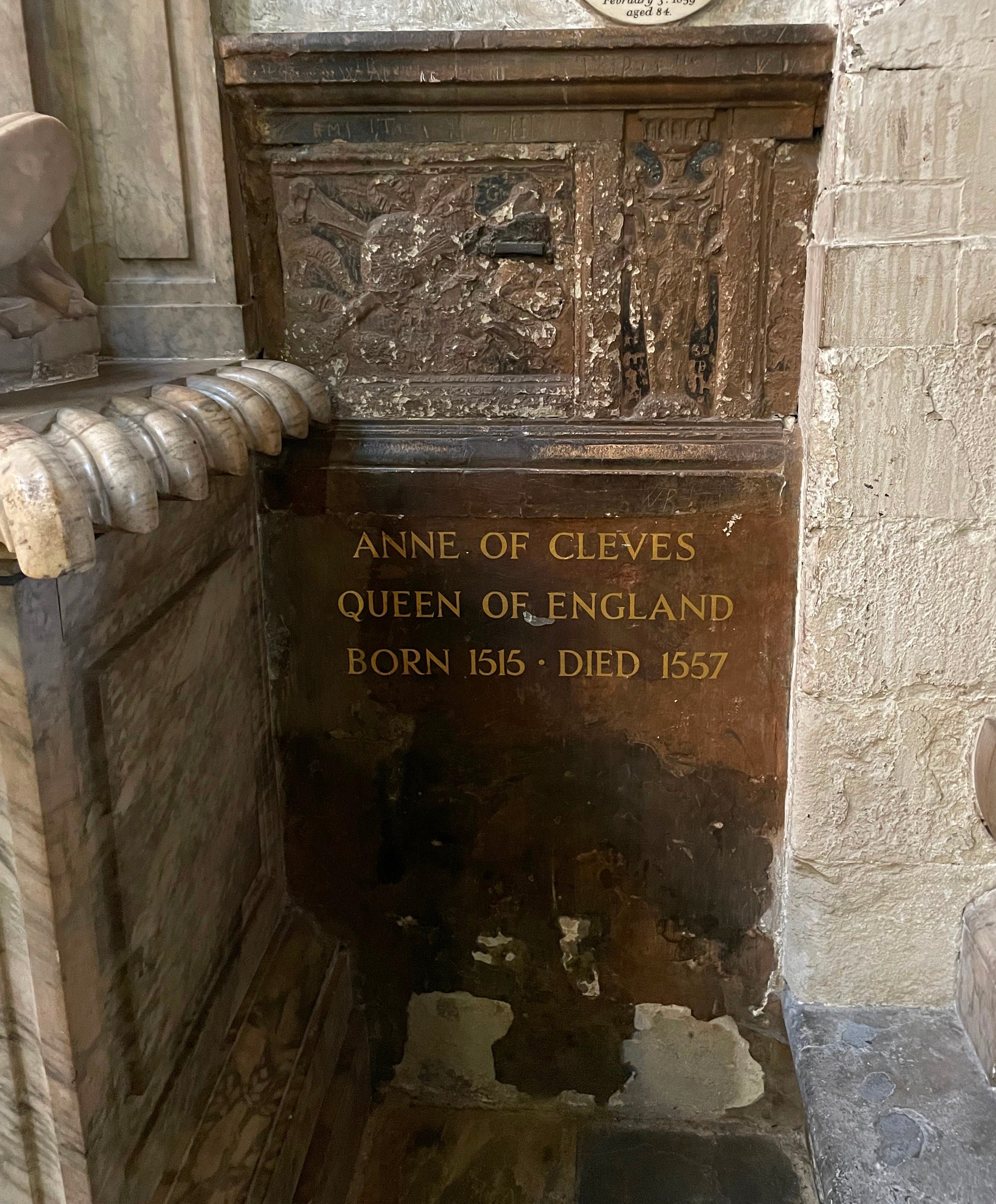
Anna is the only one of Henry VIII’s wives who was buried in Westminster Abbey in London. Her tomb, modest and easily overlooked, can be seen in the Sacrarium near the High Altar.
Hilary Mantel brought Anna of Cleves to life in The Mirror and the Light. One of the key themes for me, on reading the third part of the Thomas Cromwell Trilogy, was Anna’s loss of identity. She is transformed from Anna to Anne on her journey from Cleves to England; and even her clothes are changed, so that she can appear in front of the King in an English style of dress. I feel for this young woman, brought from her home to a strange land, knowing herself unwanted, and in fear of her precarious position.
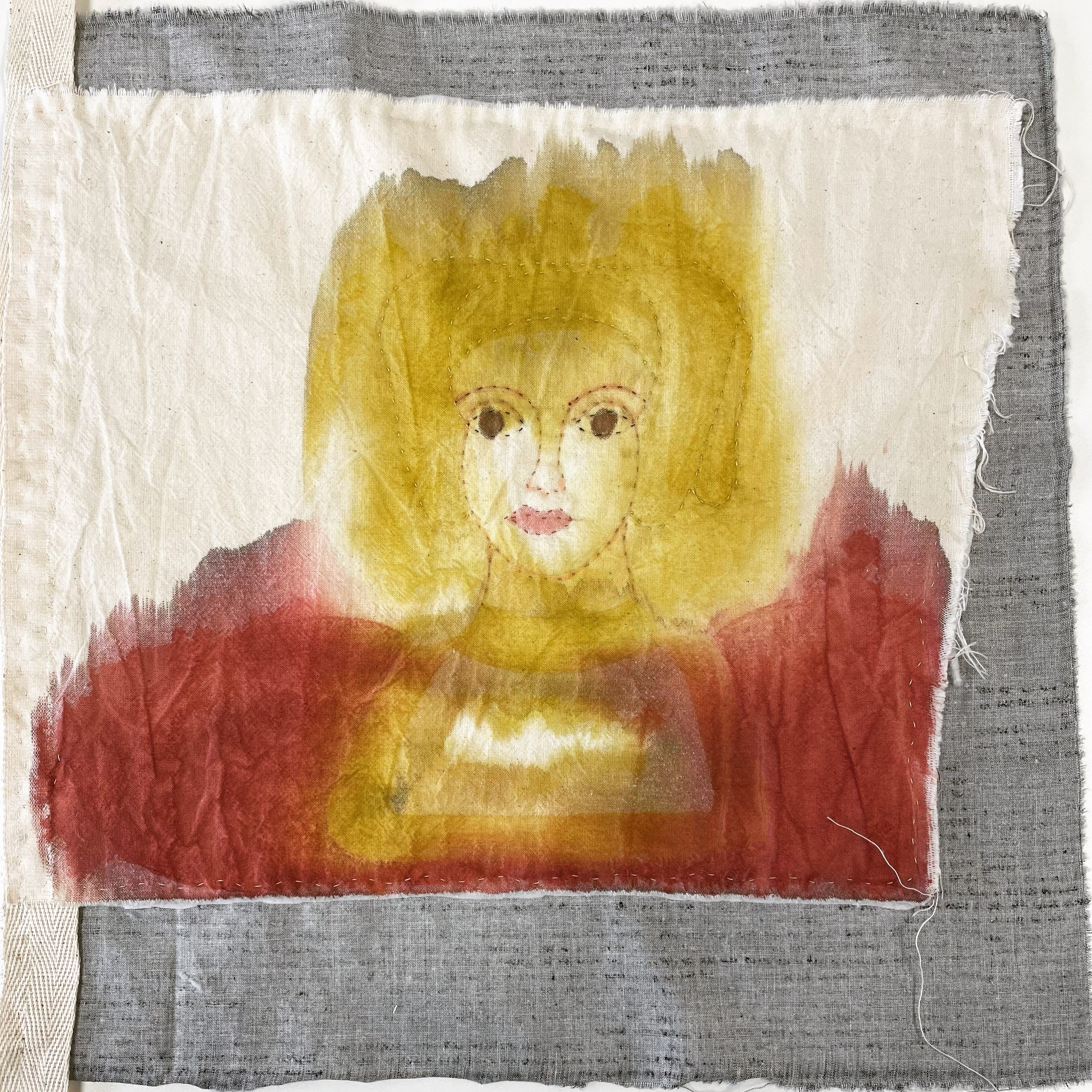
The portrait above, from Thomas Cromwell’s Book of Queens (2023), represents Anna’s personality being taken from her. With the stitching of my new full length portrait of Anna, I aimed to give her back her name and her identity.
My Stitching Cromwell exhibition opens next week. I am putting the final touches to a large portrait of Cromwell himself - and I am looking forward to showing him alongside my four large queen portraits, which I have shown in the Reading Agnes Strickland series. (The exhibition will be at The Hive in Worcester from 2 - 6 March 2026 inclusive, and I will be giving a lecture about the project on Wednesday 4 March at 4.30pm. More information, and tickets for the lecture are available here.)
Comments
Nothing yet. Say the first thing.
Sign in to join the conversation.