
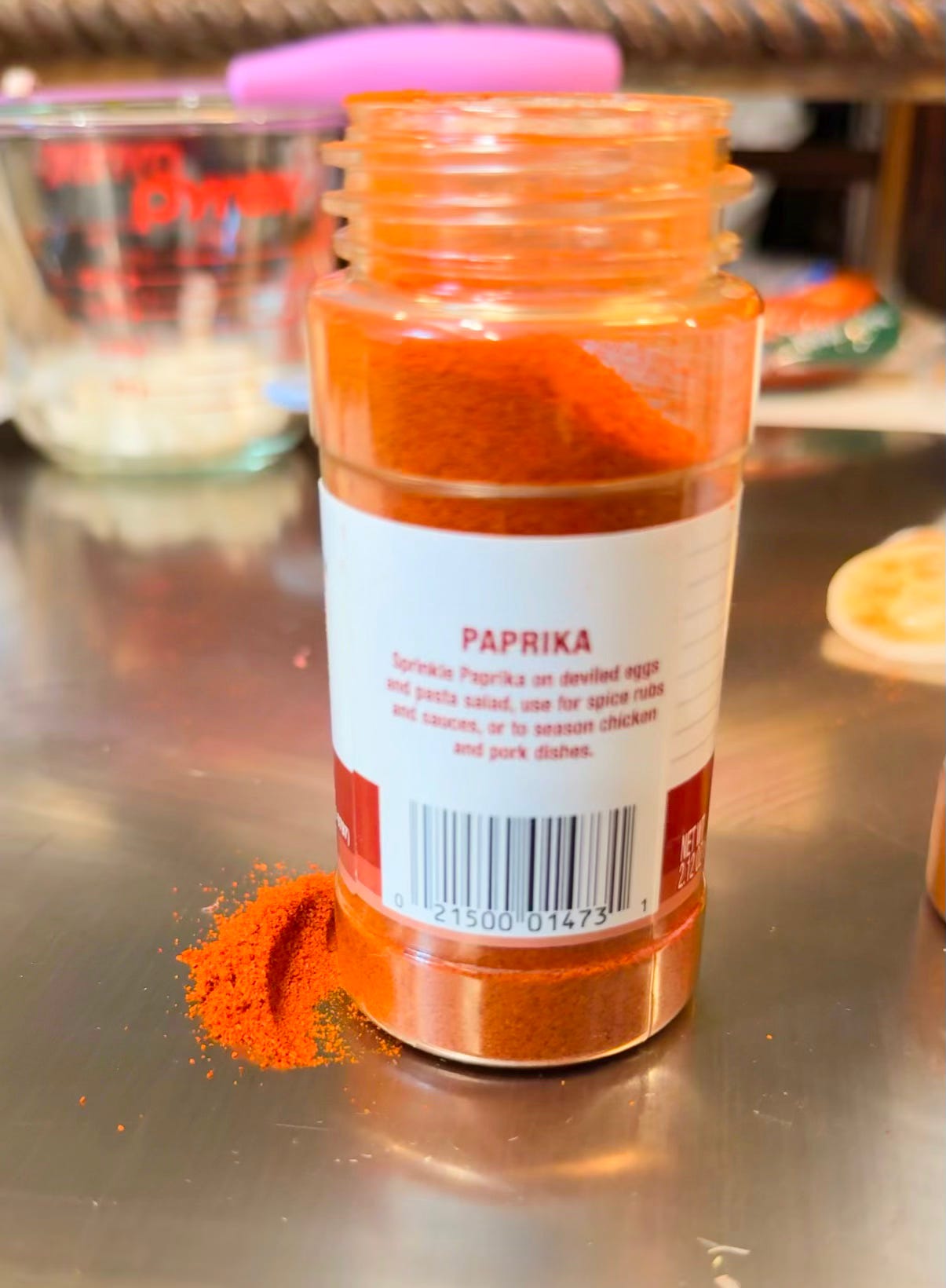
I had a funny realization while recipe testing for my cookbook this week. I reached for the paprika, and not because I needed the flavor. But because I needed the look.
My old jar had faded into that sad, dusty shade that says, “I’ve been here since last Juneteenth.” So I had to buy a fresh one. And suddenly everything looked alive again!
Brighter. Bolder. Ready for the table.
Which got me thinking...
Is your paprika Juneteenth weekend-ready?
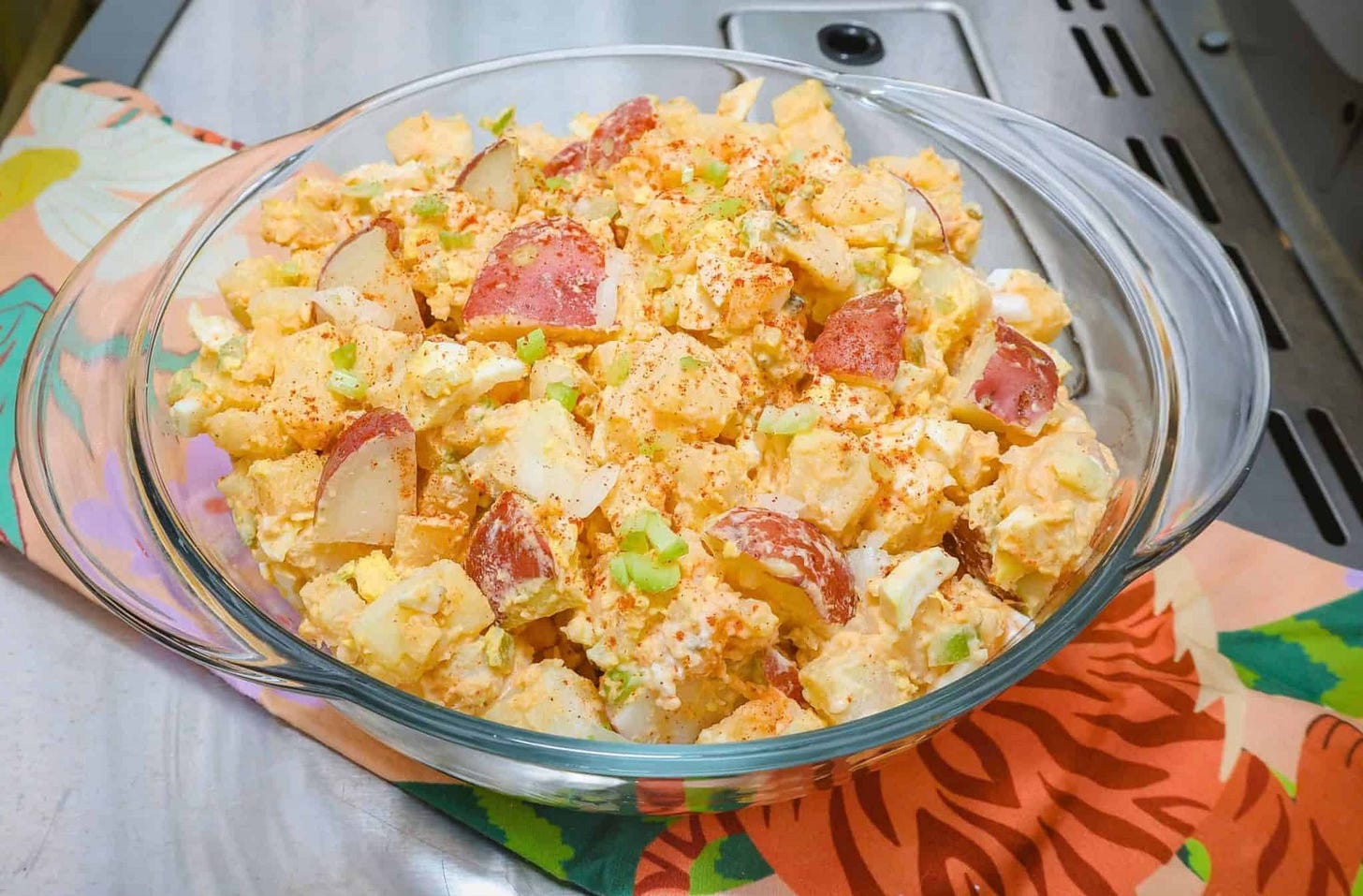
Because whether it’s sprinkled over deviled eggs, dusted across potato salad, or added as a final flourish to your favorite side dish,
Paprika has one job: Make the food look as good as the celebration feels.
And if there’s one thing Juneteenth tables know how to do, it’s celebrate in living color, right down to the paprika!
Paprika is made from dried and ground red peppers, usually sweeter varieties like bell peppers or chile peppers, depending on the blend.
That’s why one jar of paprika can taste mild and sweet, while another leans smoky or a little more earthy. It all depends on which peppers were used and how they were dried.
But on a soul food table? Paprika is often doing double duty.
Yes, it adds a subtle peppery warmth. But just as importantly, it adds color.
That final red dusting across deviled eggs. The bright finish on potato salad. The little flourish that makes a dish look like somebody cared enough to dress it before serving.
And maybe that’s why paprika feels so right for a Juneteenth weekend conversation.
Because even in the smallest sprinkle, it reminds us that color matters at the table—not just for beauty, but for meaning.
And at Juneteenth, red isn’t just beautiful—it’s symbolic.
If you’ve ever attended a Juneteenth gathering, you’ve probably noticed something: Red is everywhere. Red drinks, red desserts, red side dishes, red cakes, red sodas, red punch, red velvet. Clearly, it’s more than a color scheme.
The tradition traces back to West African cultures, where red symbolized strength, sacrifice, resilience, and spiritual power. Over generations, those traditions became woven into Juneteenth celebrations, where red foods and drinks honor both the struggle and triumph of Black Americans.
Today, a Juneteenth spread often includes dishes that tell stories through color as much as flavor. They’re some of the most beautiful dishes on the table.

For many families, this one is pure nostalgia. Big Red. Strawberry soda. Red cream soda. The exact bottle may change depending on where you grew up, but the tradition remains.
Why it’s on the table: Because food memories matter just as much as recipes.
Known throughout many African and Caribbean cultures, hibiscus tea delivers a vibrant ruby-red color and a tart, refreshing flavor. Served chilled over ice, it’s perfect for a hot June afternoon.
Why it’s on the table: It beautifully connects African food traditions across generations and continents.
👉🏾 Juneteenth hibiscus tea recipe
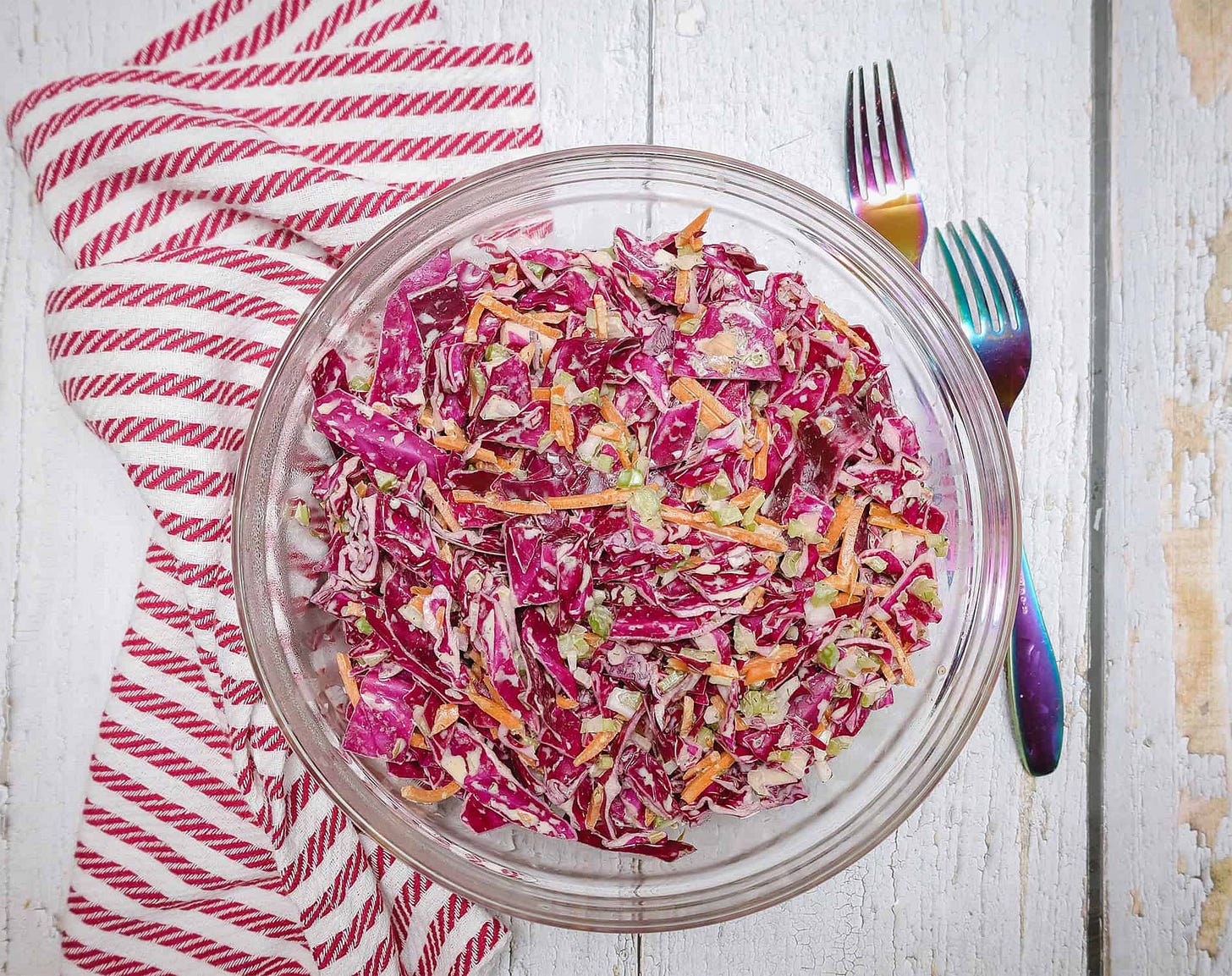
Crunchy, colorful, and impossible to ignore. Made with red cabbage and other vibrant ingredients, this slaw brings freshness and color to barbecue plates and cookout spreads.
Why it’s on the table: Because every Juneteenth menu needs something crisp to balance the rich mains.
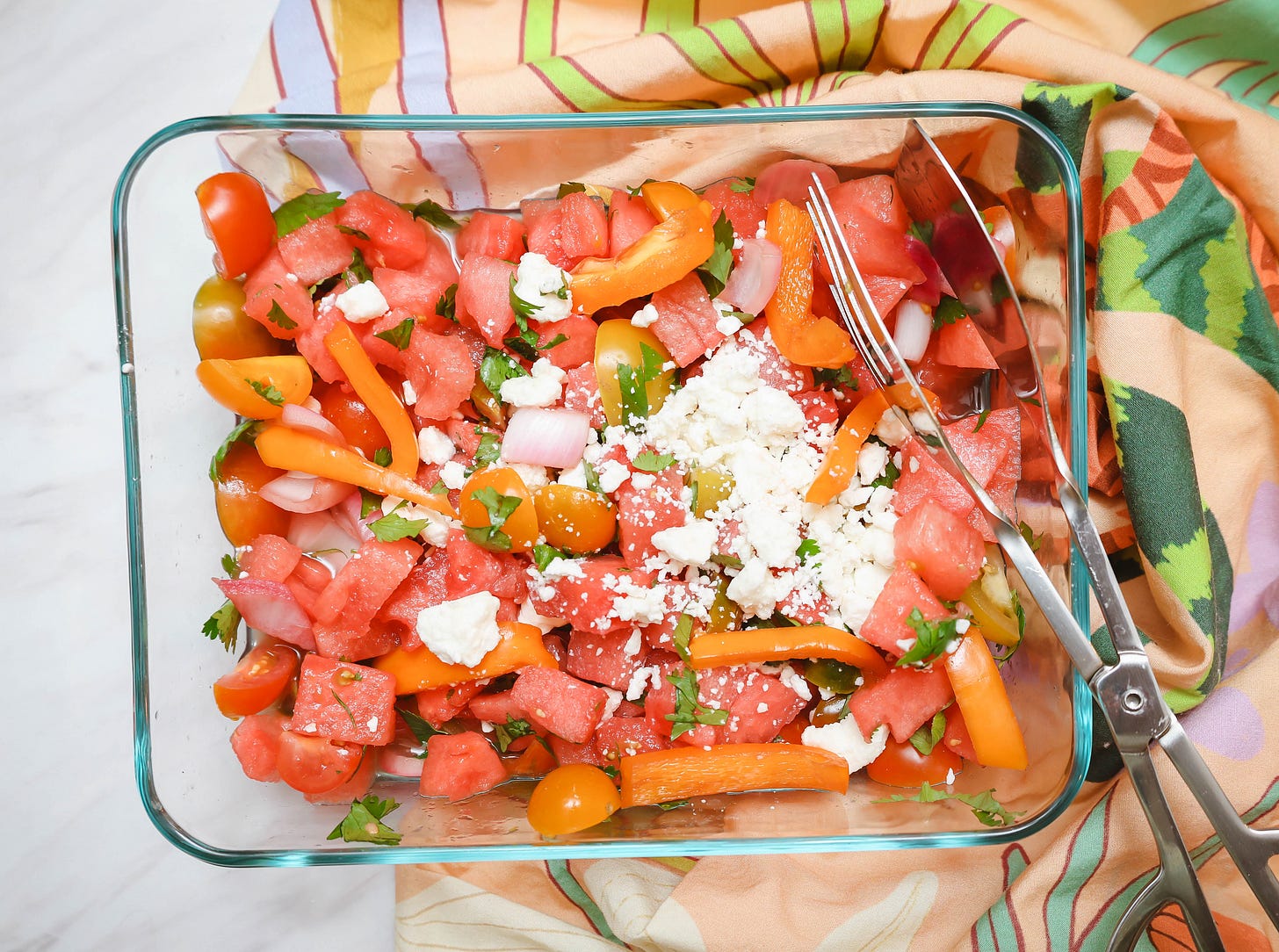
This might be one of my favorite modern additions to a Juneteenth table. Sweet watermelon, juicy tomatoes. Bright colors and big flavor! It’s summer in a bowl.
Why it’s on the table: It celebrates the season while keeping the spirit of red foods front and center.
👉🏾 Tomato watermelon salad recipe
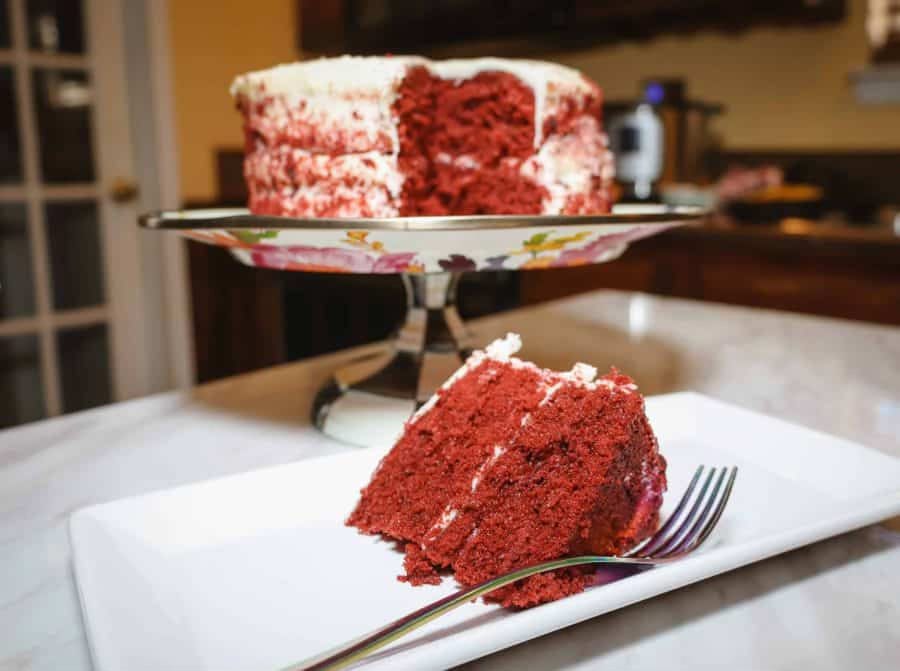
Few cakes make an entrance like red velvet. Velvety crumbs, cream cheese frosting, and a color so iconic it practically announces itself.
Why it’s on the table: Because some desserts don’t just end the meal—they become part of the celebration!
👉🏾 Southern red velvet cake recipe
And of course, no Juneteenth spread is complete without the red-glazed, sauce-kissed barbecue meats—think sticky BBQ ribs, pulled BBQ, and BBQ chicken—the kind of cookout classics that wear the color red with pride and put the celebration right on the plate.
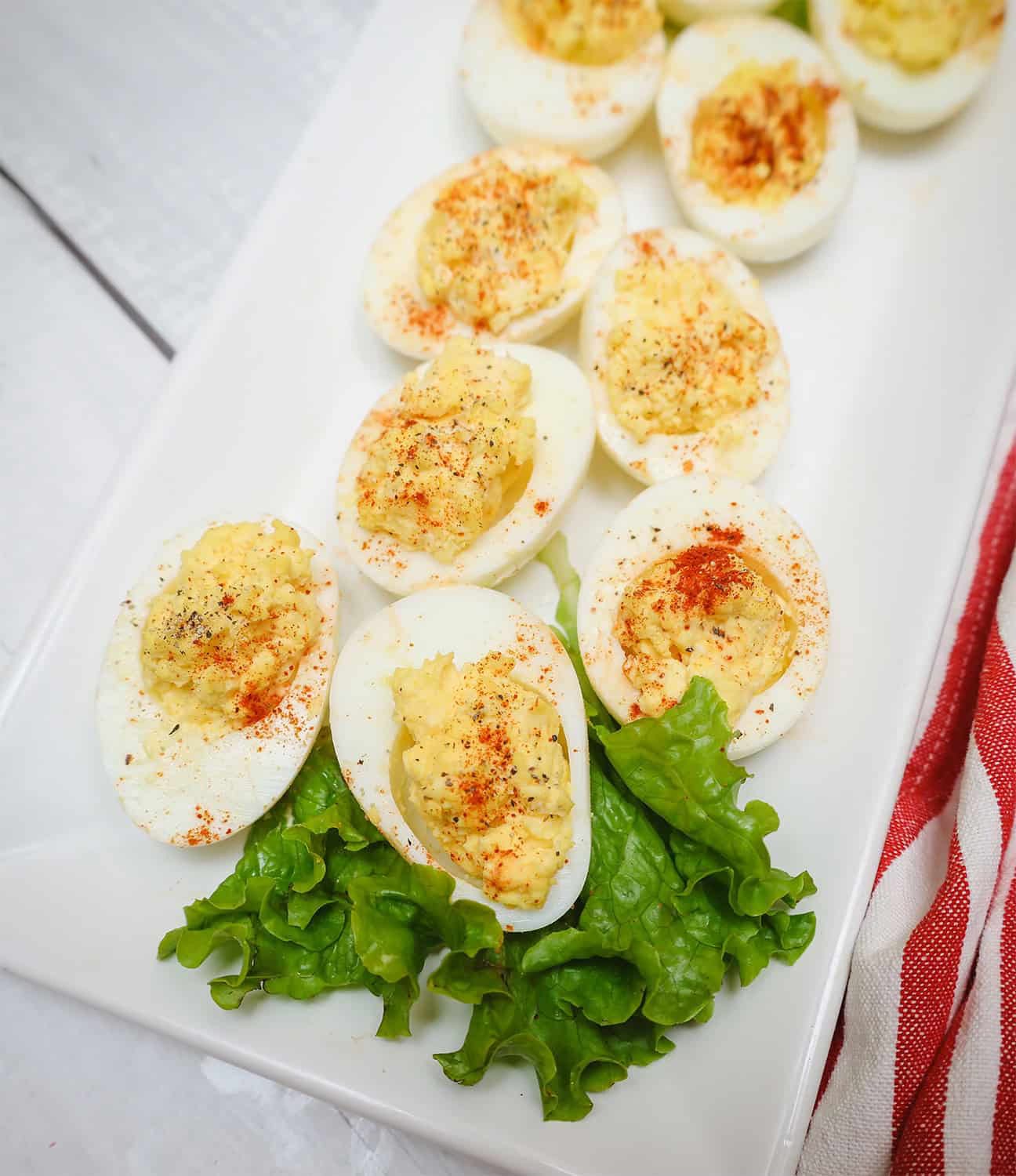
Maybe that’s why my little paprika moment made me smile. A fresh jar won’t change the meaning of Juneteenth. But it might remind us that even the smallest details deserve attention.
The final sprinkle on the deviled eggs. The dusting across the potato salad. The touch that says: “I made this with care.” And that’s what these holiday tables have always been about. Not perfection. Presence.
Sometimes preserving a tradition looks grand. Sometimes it looks like a fresh jar of paprika. The dishes we serve tell stories, and the colors we choose carry meaning. Because the recipes we pass down help ensure those stories continue long after the meal is over. So, this weekend, don’t just fill the table. Fill it with intention.
“The best holiday meals aren’t built around perfection. They’re built around memory.
—Shaunda Necole
A favorite recipe.
A familiar flavor.
A dish someone requests every year.
Whether it’s deviled eggs dusted with paprika, a glass of hibiscus tea, or a slice of red velvet cake, the magic isn’t in making everything new. It’s in carrying the legacy forward.
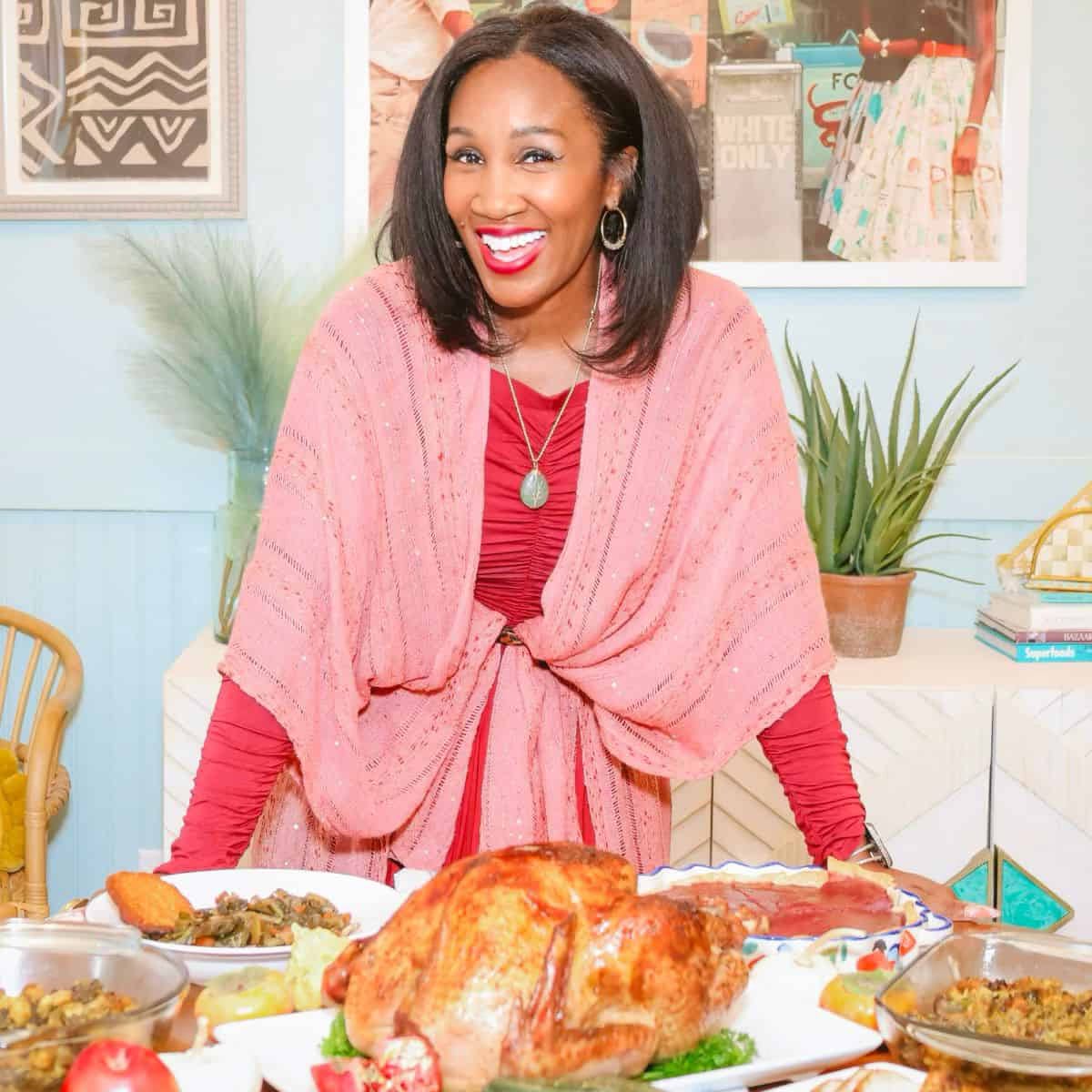
If you love the stories behind soul food as much as the recipes themselves, you’re going to love what’s coming next.
My upcoming The Soul Food Pot Cookbook is filled with the dishes, traditions, family stories, and modern shortcuts that connect today’s kitchens to generations of Black culinary heritage. From holiday tables to Sunday dinners, every recipe has a story.
Join the cookbook waitlist and grab your seat at the table to be the first to hear about cover reveals, launch events, special surprises, and everything I’ve been cooking up behind the scenes!
Happy Juneteenth Weekend, Beautiful Souls! ❤️
And if you’re making deviled eggs, do me one favor...
Check that paprika first. 😉🌶️✨
Thanks for reading Shaunda Necole | The Soul Food Stack! This post is public so feel free to share it.
Comments
Nothing yet. Say the first thing.
Sign in to join the conversation.