
And we’re back with a new look and location for the next few weeks. That’s right, I’ll be bringing you updates and podcasts from the slopes and surrounding area of Snowmass, Colorado.
Let’s jump into it.
The U.S. hadn’t won Olympic gold in women’s singles since 2002. Alysa Liu changed that in spectacular fashion, winning with 226.79 and edging Japan’s Kaori Sakamoto (224.90).
And the story gets better: this wasn’t just a “peaked at the right time” moment. It’s a comeback narrative too, with her returning to the sport and delivering when it mattered but for the love of the skate, not hardware.
The U.S. tied it late, then won 2–1 in overtime, with Megan Keller scoring the winner and Hilary Knight providing the equalizer that forced OT.
Also: Knight didn’t just get gold. She set U.S. Olympic records along the way, including 15 career Olympic goals and 33 Olympic points for Team USA.
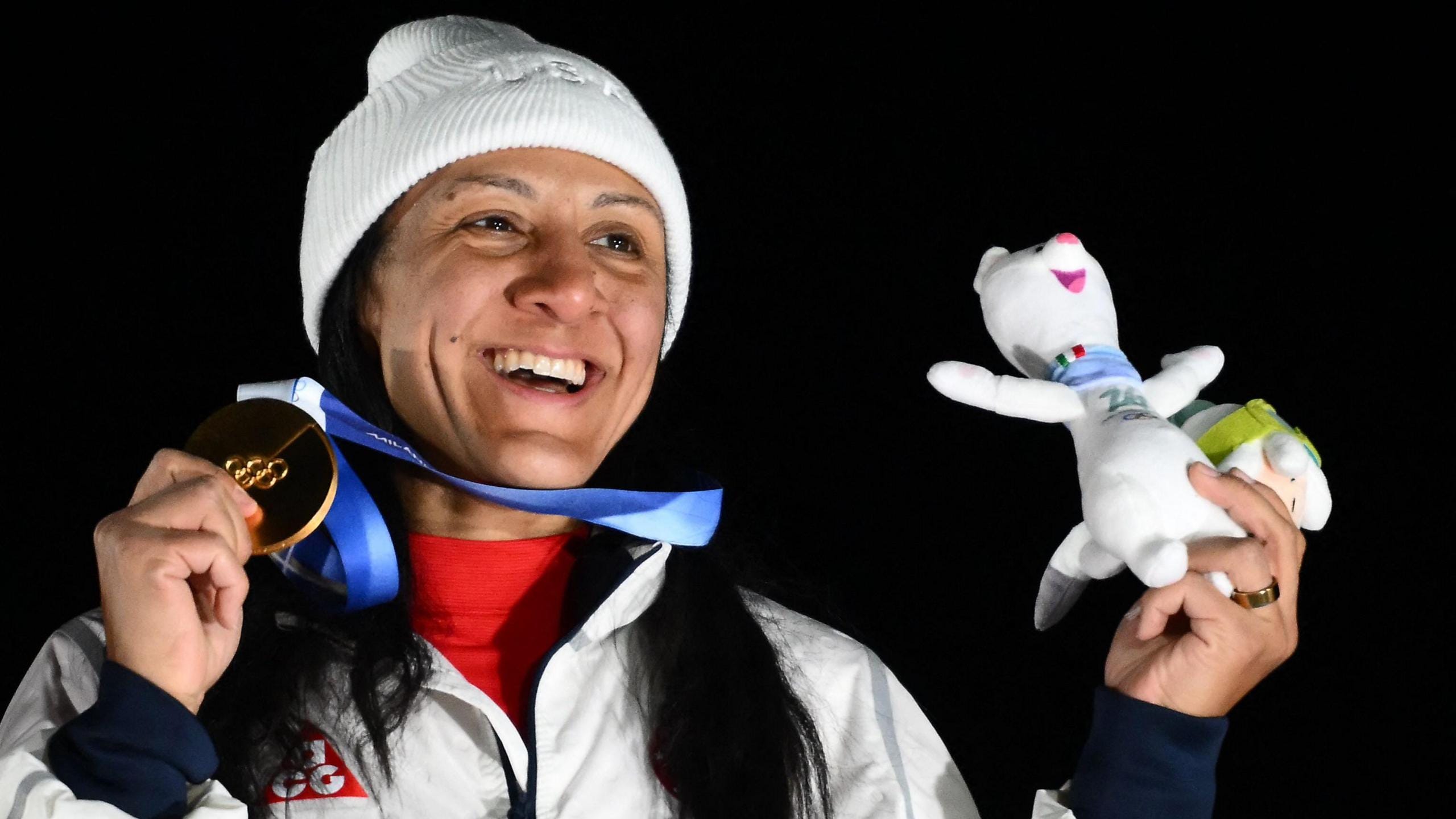
After collecting three silver medals across a decorated career, she grabbed monobob gold in Cortina at age 41, with a four run total of 3:57.93.
The best part? Her celebrating with her sons. Who’s cutting onions in here?
Stolz added 1500m silver, giving him a third Olympic medal in Milan. Stolz looked like Captain America, just with beefier quad muscles and he skated like him, too.
He put down the run when it counted and landed on the podium with bronze.
Judged events are stressful because you’re never fully exhaling until the scores drop.
This one happened today (Feb 20) and it’s a banger: Ferreira won with a 93.75 final run in Livigno, adding gold to his previous silver (2018) and bronze (2022).

After a lot of chatter about coming up short in Beijing 2022, Mikaela silenced the doubters and secured slalom gold in Cortina. She posted a 1:39.10 combined, and becomes the only American alpine skier with three Olympic gold medals.
And then comes the most relatable post win moment in sports.
Live on TV, she droped an F-bomb with a side of the S-word, immediately apologizes, and the entire country collectively says: girl, same.
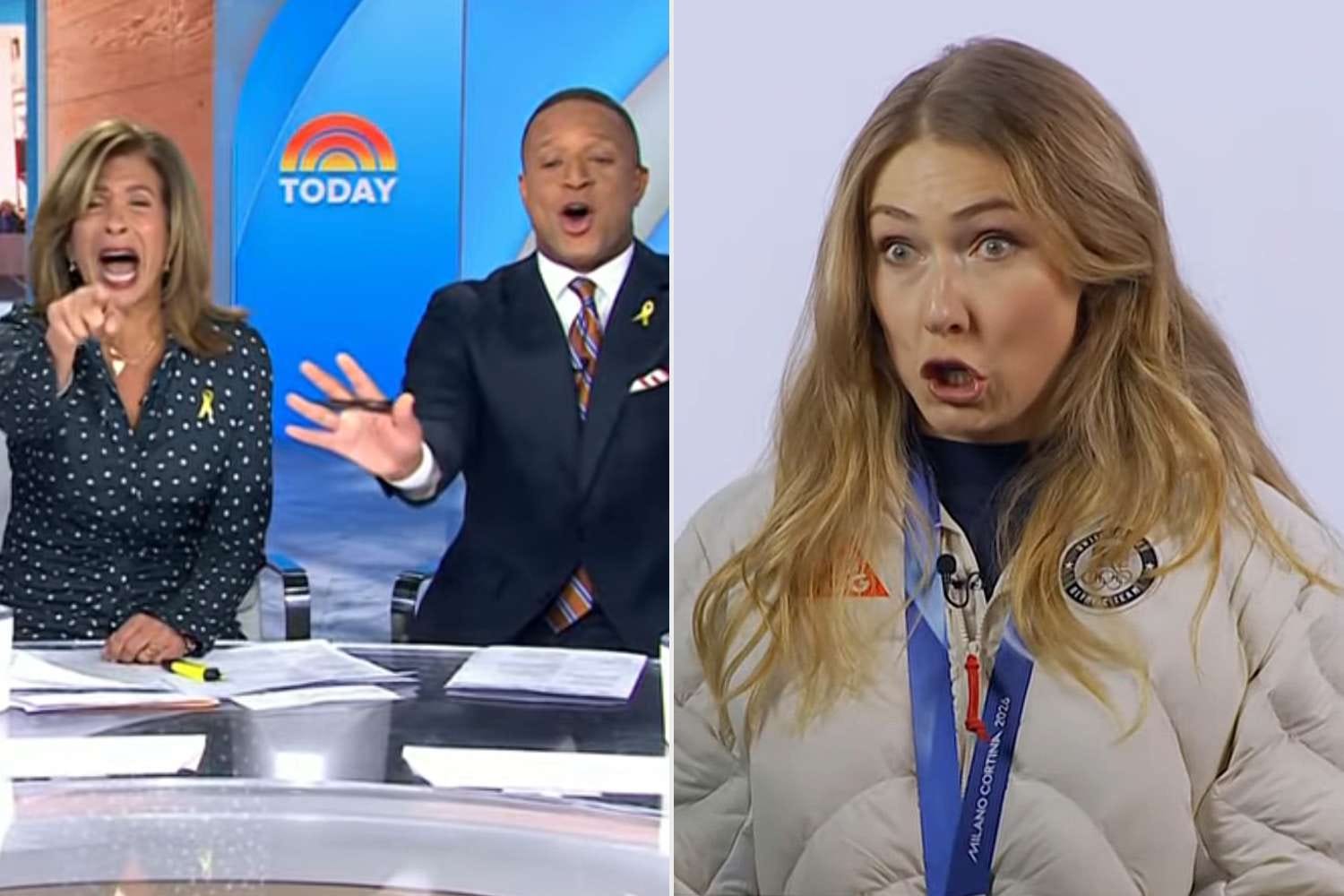
Gold was her destiny. So was being force-fed espresso martinis. One of us! One of us!
Here’s the thing about skiing, riding, and sliding sports: TV has always struggled to translate what your body knows instantly on the hill.
Steepness looks flatter. Speed looks slower. Exposure gets lost. The “one tiny mistake at 60–90 mph” part can read like “wheee” instead of “this is treacherous.”
This year, the drone coverage finally helped bridge that gap.
Olympic Broadcasting and NBC leaned into first-person-view drones that can chase speed sports at up to about 75 mph, giving viewers that follow cam perspective that actually communicates pace and pitch.
It didn’t just look cooler. It made the danger and the technical mastery feel real.
Speaking of relatability, Curling is the perfect contrast to snow sports because it’s the most relatable thing in the Olympics. And that’s probably why it’s on every television… all the time… for two weeks straight.
Despite not even knowing all the rules, the country seems to falls in love with its ‘bar game’ vibe every four years.
And while curlers aren’t sweeping downhill at 90mph, the beloved sport does come with its own set of intricacies.
the ice is pebbled
sweeping changes friction and path
you’re doing a prolonged lunge on ice while trying not to eat it on global television
Which brings us to…
The “double-touching” controversy centered on allegations that a Canadian curler illegally touched the stone after release. Sweden accused Canada, video started circulating, emotions went nuclear, and curling’s honor system got stress-tested in real time.
World Curling responded by increasing officiating, some penalties and stone-specific disqualifications, and then some backlash and walk-backs as the sport tried to sort out process, evidence, and what’s enforceable.
So did it become the scandal of the century? Not really.
But did the internet have the absolute time of its life with it? Completely.
After a season of waiting, the Sierra just got happily crushed with snow.
One storm cycle dropped over 10 feet in parts of the Sierra, including 111 inches in five days at UC Berkeley’s Central Sierra Snow Lab. Resorts reported numbers like Palisades Tahoe 124 inches and Sugar Bowl 111 inches.
That’s not “refresh.” That’s “rebuild the base, change the mood, and make everyone stop doom-refreshing the long range.”
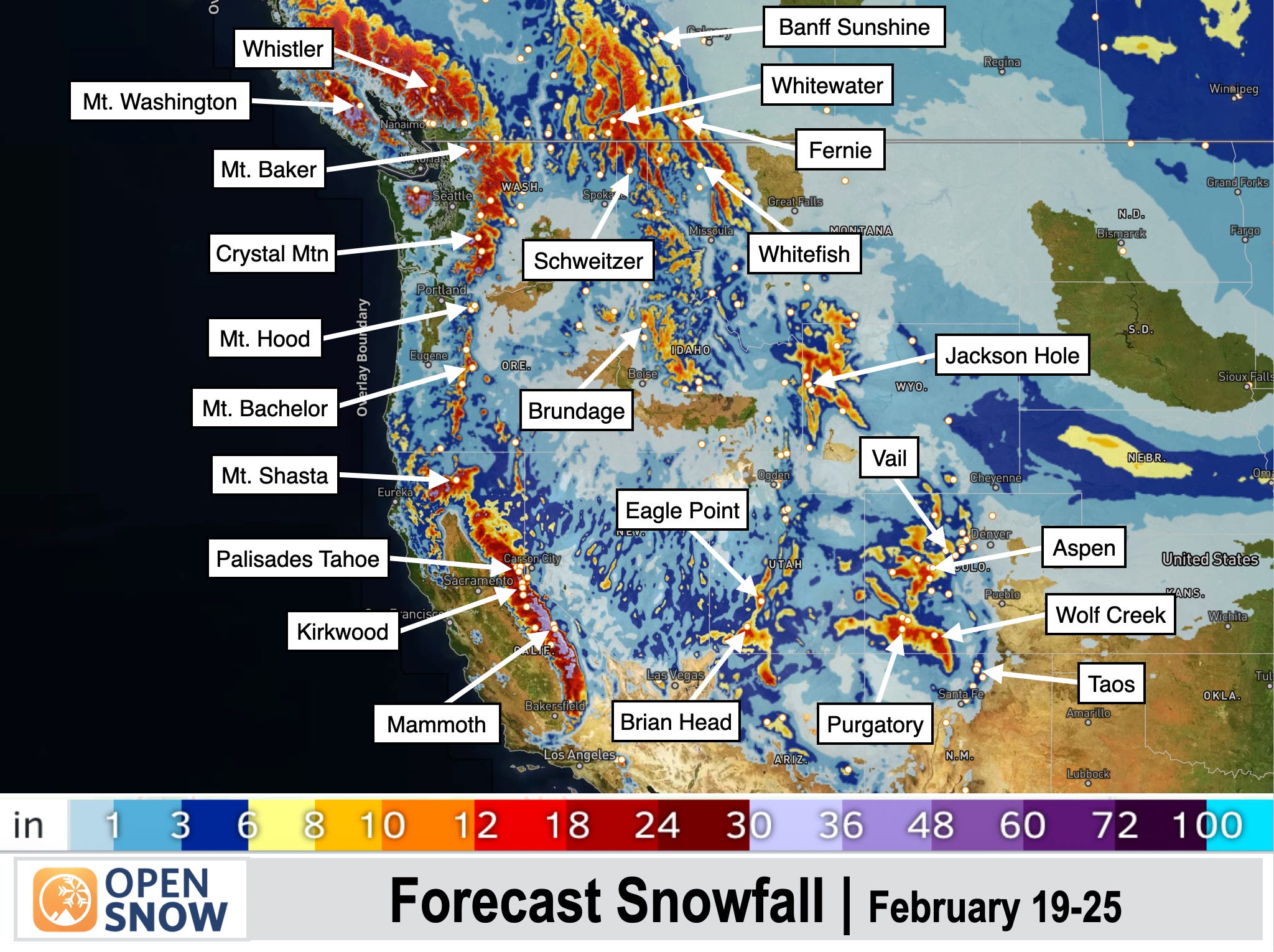
Here’s the clean expectation-setter version:
Southern Rockies: A storm targets Western and Southern Colorado plus Southern Utah, favored for the deepest totals.
Northern Rockies: Weaker disturbance, generally light snow showers.
Upper Midwest + Northeast: A strong storm with pockets of heavier snow across areas including the UP of Michigan, Wisconsin, Ontario, New York, and New England.
Tahoe: After the big cycle, the short term points to a sunnier break Friday and Saturday, then rain and snow possible Sunday through midweek.
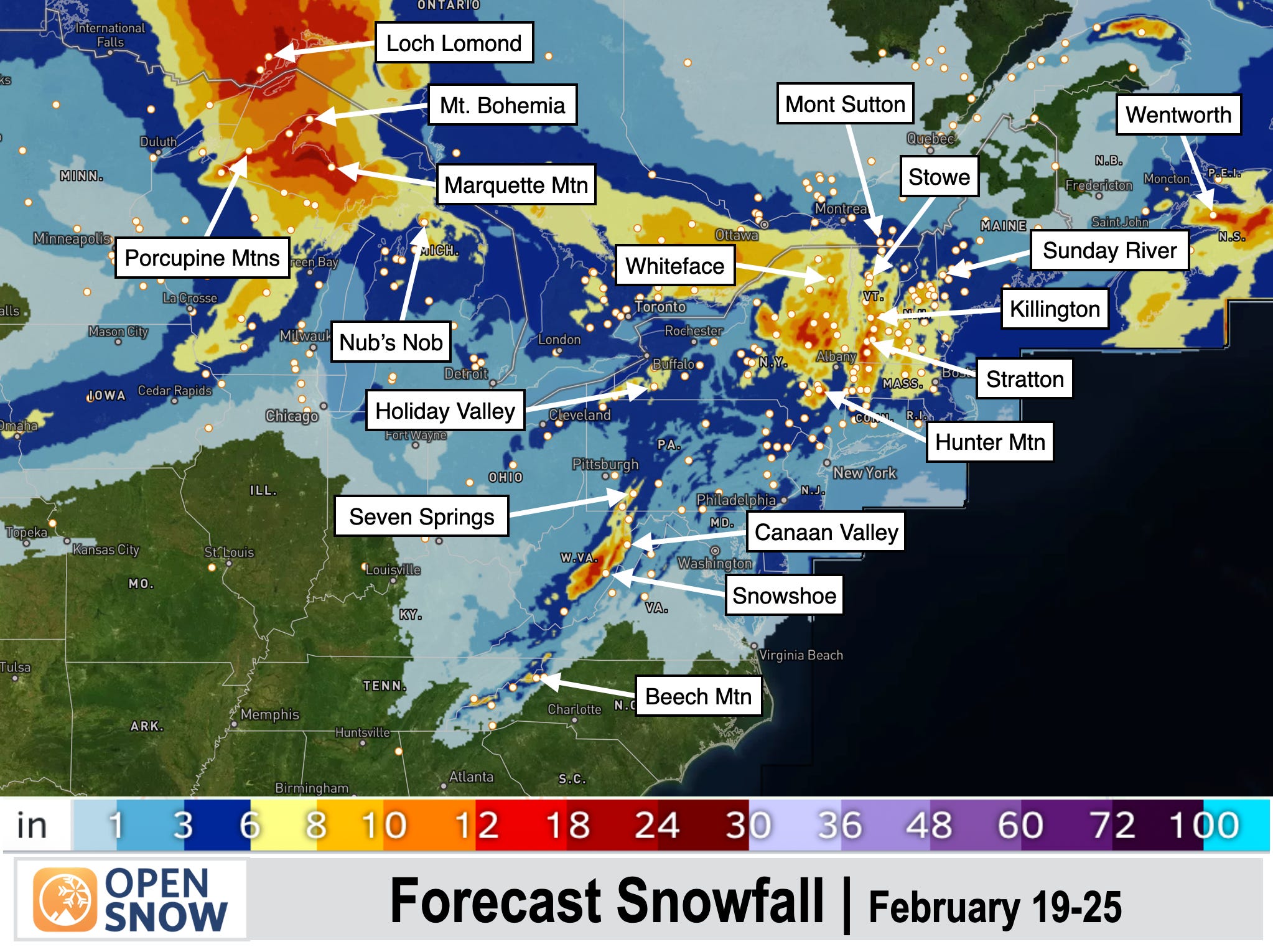
In short: the West got its payoff, the pattern stays active, and the next headline shifts around as the storm track reloads.
Comments
Nothing yet. Say the first thing.
Sign in to join the conversation.