
[Sorry been a bit sick recently so took much longer than expected - I beg pardons all.]
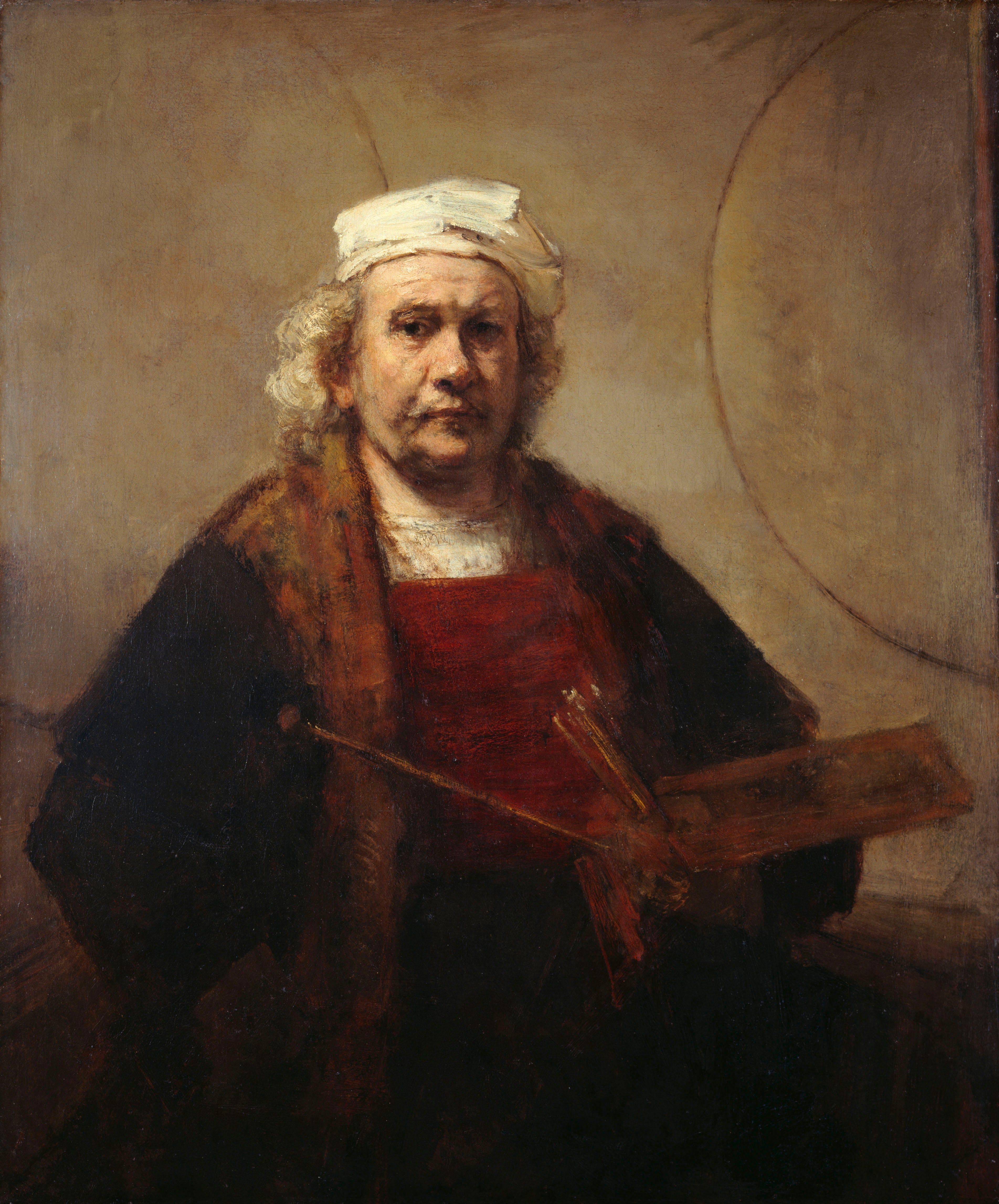
I wake up and something’s wrong. The air feels heavier. My face has the same geography but the plates have shifted; whole continents of youth have sunk beneath the sea, that dark and foreboding sea. My back clicks like a wind-up toy that’s been overused. I sit up in bed and for a moment think: perhaps this is what resurrection feels like… except Christ didn’t have to pee immediately after standing up. I’m leaking, I think.
The first truth of growing old is that it happens all at once. For nobody grows gradually. You’re young until you’re not. One day you’re squinting at your reflection thinking this lighting is bad, and the next you’re realizing the lighting has always been fine: it’s the mirror that’s honest. Age doesn’t arrive politely like the postman; it kicks the door in, rifles your cupboards, and leaves its teeth in your fruit bowl.
And yet, somehow, I’m still me, still me, still sadly me. That’s the most disorienting part. The inner monologue still thinks it’s twenty-three, still laughs at the same stupid jokes, still believes in redemption arcs and second chances and late bloomings, and… and.... Inside, I’m all unfinished symphonies. Outside, I’m compost. Time’s great trick isn’t decay, it is its continuity. You wake up in the same skull every day, and that sameness hides the slow discandy of being.
ANTONY.
The hearts
That spanieled me at heels, to whom I gave
Their wishes, do discandy, melt their sweets
On blossoming Caesar, and this pine is barked
That overtopped them all. Betray’d I am.
Cruel time…
Once, in those long ago twenties-year (that hover now as promised sun of dawn or twilight?), I thought age was a kind of aesthetic failure: something that happened to other people who had stopped trying. I moisturized. I jogged. I read Nietzsche and bellowed things like age is for those who lack intensity. It is that simple. I thought wisdom was the corpse of courage, the destiny of those who ——. But now I see it differently. Growing old isn’t moral, or aesthetic, or religious in the Kierkegaardian sense (a surrender to an authority), or even biological. It’s metaphysical. It’s when the world starts forgetting you before you’ve finished being here.
The young exist in the bright noon of attention; everything glows around them. The old fade not because they’ve lost strength but because the light moves elsewhere. Vanished and fleeing light,, what would I do now for your glow?
You can feel it, cant you? The way the conversation slides past you, the way music changes dialect, the way even your memories start speaking a dead language.
-Discandy! Discandy it all!
-What say you old man?
Tears only.
Every decade is an emigration, and your passport expires the moment you stop pretending you belong.
There’s a saying that time heals all wounds. False. Time doesn’t heal anything; it metabolizes. It eats the wound, digests it, and leaves behind the bland scar of indifference. The wound simply becomes part of you. That’s what aging is: the gradual incorporation of everything that once hurt until the body becomes an archive of reconciled defeats.
CASSIUS.
Therein, ye gods, you tyrants do defeat.
Nor stony tower, nor walls of beaten brass,
Nor airless dungeon, nor strong links of iron,
Can be retentive to the strength of spirit;
But life, being weary of these worldly bars,
Never lacks power to dismiss itself.
And maybe that’s the closest thing we have to peace: learning to live inside the sediment. The river of life slows, curls back on itself, (sometimes even joins?) and starts to whisper secrets about where it’s been, about itself. Sometimes, I hear them. Sometimes, I even answer.

There’s a moment, somewhere in your forties or fifties, when you start to feel that time is not passing but pooling. It gathers under your eyes, in your knees, behind your ribs. The slow inland sea of age. You stop moving forward through the years and the years start soaking into you. You don’t live in time anymore, no, you absorb it, like an old house drinking the rain.
This is why old people seem so heavy. It’s not just the weight of flesh but of time itself. They’re swollen with history. To touch them is to touch sedimented generations. Every wrinkle is a collapsed century. Every tremor a tectonic readjustment of what once was.
And when people talk about “graceful aging,” what they mean is: he hides it well. He’s doing well to hide his shame. To seem not what he is: a skeleton that should not have been invited. What they mean is: he has the decency not to leak his fear of eternity all over the floor.
ELEANOR.
Art thou gone too? All comfort go with thee,
For none abides with me; my joy is death;
Death, at whose name I oft have been afeard,
Because I wished this world’s eternity.
Sometimes I think growing old is the moment you begin to notice God’s recycling habits. Everything you were is being repurposed: old joys made into compost for someone else’s youth. The conversations you once burned to have now exist as the background hum of someone else’s dinner party. You’ve become infrastructure alone. A historical utility to be wheeled out when all else fails.
The philosophers called this the problem of persistence. You remain yourself even as every atom, every cell, every memory, every relationship, every love affair is replaced. Heraclitus says you can’t step in the same river twice; aging is realizing you are the river, and that you’ve been drowning in yourself for many a year.
CLARENCE.
The river hath thrice flow’d, no ebb between,
And the old folk, time’s doting chronicles,
Say it did so a little time before death.
And yet, and yet, and yet (sweet “and yet”), there’s a perverse mercy in it. The mind slows not because it fails but because it begins to see too much. Time stops being linear; it’s a spiral, a twists, a circumflexion, a recurrence, a flickering slideshow of simultaneous nows. The child you were, the lover you held, the corpse you’ll one day become: they’re all here, pressed against the inside of your skull, whispering: we never left.
The young think immortality means living forever. The old know it means never dying properly. You linger, spectral, in the minds of the living, in your old passwords, in half-broken furniture that still remembers your shape. Every night, history turns in its sleep and exhales your name.
So yes, you grow old. Your body mutinies. Your dreams downsize. The world forgets your passwords and your face. But something else happens too. You begin to see how every moment was already eternity disguised as a sequence
The clock? the calendar? the heartbeat??? These were only interfaces, crude human tools for navigating an infinite now. Growing old is not decline. It is a revelation. The peeling away of seconds until only the vast present remains.
And it’s funny: because I used to think eternity was a place you went after life. But now I think it’s what begins when the future finally runs out of excuses.
And when the future has no more excuses left to give, when it stands before you empty-handed and stammering, you realize you don’t need it anymore. You never did. The future was always a crutch for those who couldn’t bear the weight of the present. But I can bear it now. I can bear anything now.
JAQUES.
Last scene of all,
That ends this strange eventful history,
Is second childishness and mere oblivion,
Sans teeth, sans eyes, sans taste, sans everything.
I rise from the bed, slowly, yes, very slowly, because the body still remembers its little insurrections, but I rise. And this time, the clicking of my back is not a complaint but my drumroll. This time, the leaking is not a humiliation but a pure release. This time, when I look in the mirror, I do not flinch. I see Pangea, yes, but I also see the volcanoes that made it, the glaciers that carved it, the monumental earthquakes that gave it grandeur. I see not a sinking but a settling. Not my loss but my making.
And I laugh.
The sound startles me. It is not the laugh of a young man, bright and brittle as glass. It is the laugh of something older than laughter. It is bedrock laughing. It is the sound of a river that has finally reached the sea and realized it was salt all along. I was always old.
GRATIANO.
Let me play the fool,
With mirth and laughter let old wrinkles come.
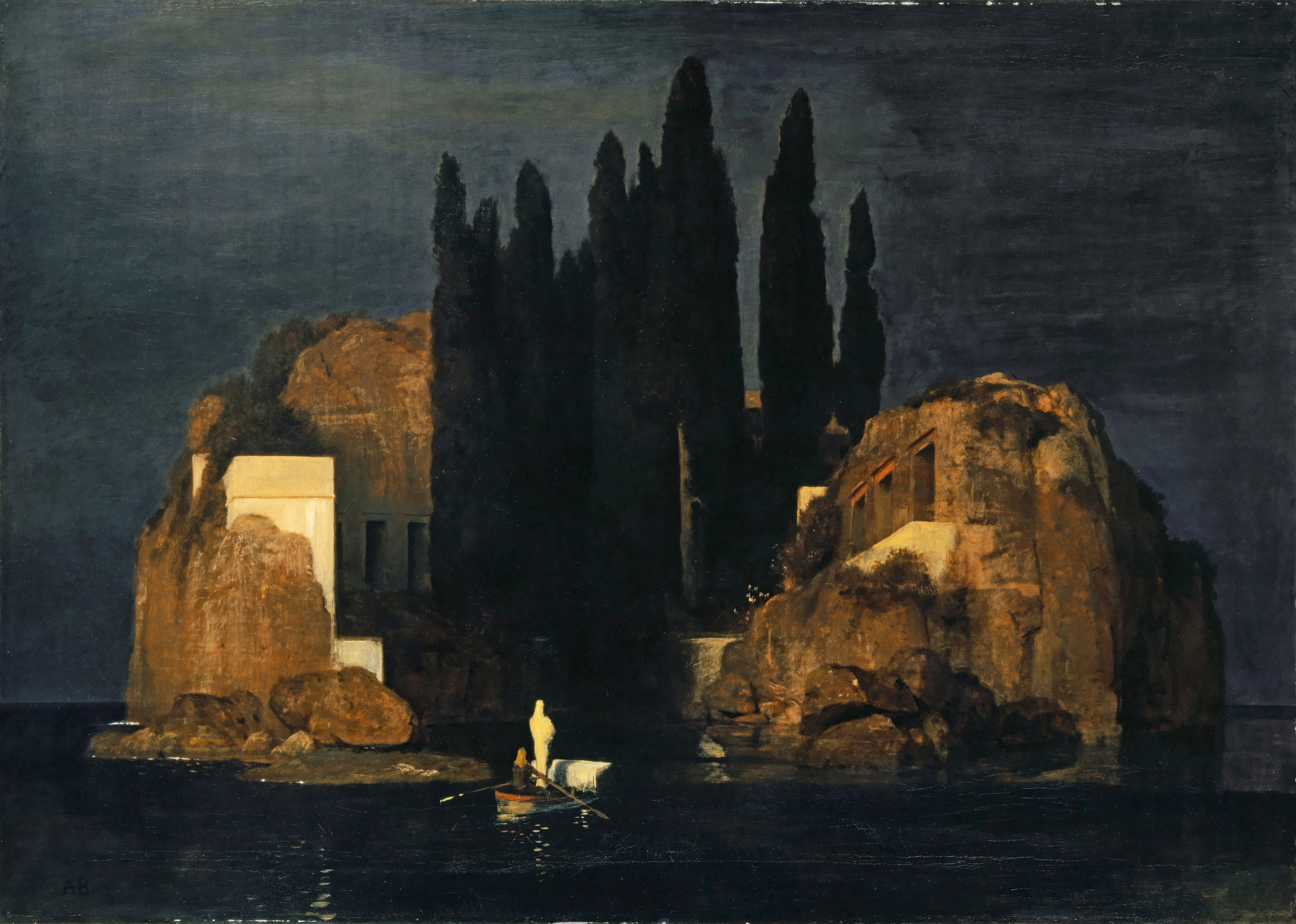
But here, at least, reallly, is the real punch-line of senescence: it does NOT possess a climax, there is no crescendo, no last farewell, no last philosophy lecture, no final kiss lingering in the static of the air. Old age is a funhouse. Eevery corridor promising an exit, every exit ushering you back under its garish lights.
Most cultures invented euphemisms to soften this oddity. The Autumn of Life, the Sage Season, third acts and golden years. Life begins at 40 and all that nonesense.
I prefer the Greek one nobody quotes: γεραιὸν θέατρον: ‘the geriatric theatre.’ In the original fragment it’s followed by a single laconic stage direction: τοῦ γέλιου ἄφωνος: ‘laughter without sound.’
And we become mimes of ourselves, repeating routines we authored when our joints still contained their old factory grease.
But here is my theatre and my life lived within its balloning walls, galeing and galling with hilarity unheard.
My ghosts and how I whitle them. At 40 to 60 the dead start arriving unannounced. I do not let them roost indiscriminately. I seat the pleasant ones (my mother, whom I no longer talk to, kneading dough on a summer afternoon; my son, whom I do, plucking away his idel hours on his guitar) near the hearth. I shove the cruel ones into the attic with dusty suitbags and goddamn tax receipts. Otherwise my whole house will fill with a draught of regret.
My cultivation of miniature eternities. A good peach eaten over the sink, juice baptising my wrists. A internet-radio aria dissolving in my kitchen’s afternoon light. None of this prolongs life; rather deepens it, the way ink seeps into paper and becomes inseparable from the page. The insperable beauty of life from which I cannot escape.
I learn my final useless skill. Knot-tying, Greek language (as above), the taxonomy of clouds: the cumulonimbus hid within my heart. Something so extravagantly and monumentally pointless it can never be monetised. For nothing, nothing ages faster than that monetisable knowledge we all hang upon; ask anyone who once mastered MS-DOS.
I forgive my future for ghosting me. Those kids on the bus with astral-coloured hair and sub-brainstem slang are not ignoring me out of malice, I say; they simply inhabit a bandwidth where I no longer tune into or transmit. From their perspective I am already a faded sepia vignette: harmless, faintly mystic and mythic. Wave if you like, I say, but do not expect reception.
I schedule one last ontological prank. I plant an absurd rumour about myself: membership in a secret jazz cult, an affair with a vanished plump archduchess, anything, anything, anything at all. Let it circulate after you’re gone, I say. An afterlife is nothing but the speculative fiction people will tell in my absence; I may as well ghost-write the opening paragraph.
All of the above is my way of admitting that the guide-books are wrong: growing old does not culminate in wisdom, but merely in permission. You spend the first decades hoarding identities (child, lover, citizen, taxpayer) lugging them like a punitive rucksack up a shivering scree-slope. Then one creaking dawn the straps snap. Everything tumbles into the valley mist, and you discover the vertigo of possessionlessness.
At that altitude the air is thin, the heart panics and vision tunnels. But keep breathing and you’ll spot, on the furthest ridge, an impossible shimmer. Hard to describe. Hard to hear and think. Looks a little like the world the very first spring morning saw before anyone had learned the words mine and yours. Looks a little like the inside of the peach, drugged with sunlight, seconds before your teeth break its skin. And then suddenly the question of how long you have left is as childish as counting how many minutes remain in a dream. You have, I think, in the most literal sense, all of time: the unspent memories of strangers, the unborn centuries fattening somewhere beyond Orion’s belt, the entire unwritten diary of whatever comes after human eyes have closed.
Eternity is not a reward and not a sentence. It is the lavender twilight laid across every evening of your life, waiting for you to notice it, for you to sing it, for you to dream it one more time, and again and always, always and again. Aging merely teaches you the trick of turning your head at the right angle. There it is. There it was. There always it will be.
So step into my Carnival. Accept the paper-mache mask pressed into your thinning hands. The music wheezes. The calliope judders. Somewhere behind the mirror a younger you is still dancing; somewhere ahead an older you is already applauding. The ride began before you were born and coils long after you’re gone, but for this brief interstice of sway and colour you may - if you really were so willing to dare - throw your arms wide, tilt back your skull, and shout into the revolving dark:
I am here. I was always here. And the joke, dear eternity, is that you are running out of me.
For nothing that is can be un-is.
For nothing that was can be un-was.
For nothing that will be can be un-will-be.
For time is not a line but a circle.
For time is not a circle but a sphere.
For time is not a sphere but everything.
For everything is time and time is everything.
For we are time and time is us.
For we are everything and everything is us.
For we are.
And we are.
And we are.
Great.
Great.
Great.
To the end of time.
To the end of time.
To the end of time.
Which is not an end.
Which is not an end.
Which is not an end.
Which is a beginning.
Which is a beginning.
Which is a beginning.
Which is now.
Which is now.
Which is now.
Amen.
Comments
Nothing yet. Say the first thing.
Sign in to join the conversation.