
Be sure to follow our ig (@theseptember18) and note that some links in this roundup are affiliate links, which means I may earn a small commission if you make a purchase — at no extra cost to you! Every product featured here is something I genuinely love, obsessing, and/or recommend!

I’ll be completely honest—I never read Wuthering Heights cover to cover. But I know enough to understand that it isn’t really a love story; it’s about obsession, power, and emotional damage disguised as devotion. It’s people embodying the most extreme, distorted version of love on windswept English moors, and somehow we’ve been taught to read that as romantic.
When it was announced last year that Emerald Fennell would bring Wuthering Heights back to the big screen through a modern, Gen-Z-aware lens—starring Jacob Elordi and Margot Robbie—I wasn’t especially compelled. The casting raises questions about how the adaptation will address one of the novel’s more complicated undercurrents: Heathcliff’s racialized otherness and the role it plays in his marginalization. If that dimension is minimized or ignored, the story risks being reframed primarily as gothic romance, rather than a narrative shaped by exclusion, power, and social violence.
Then came the marketing, which felt… tacky. Between melting sex candles marketed as smelling like the moors, merch collaborations that simply slapped the title on a T-shirt, and the deliberate Valentine’s Day weekend release, the campaign seemed intent on selling a one-note fantasy rather than engaging with the material’s complexity. By January, my interest was gone. Casting debates, tonal concerns, and the usual adaptation anxieties had already played out, so I quietly opted out.
And then the press tour began. Somehow, without a single trailer persuading me otherwise, it wasn’t the actors, the director, Charli XCX, or even the book itself that shifted my perspective.
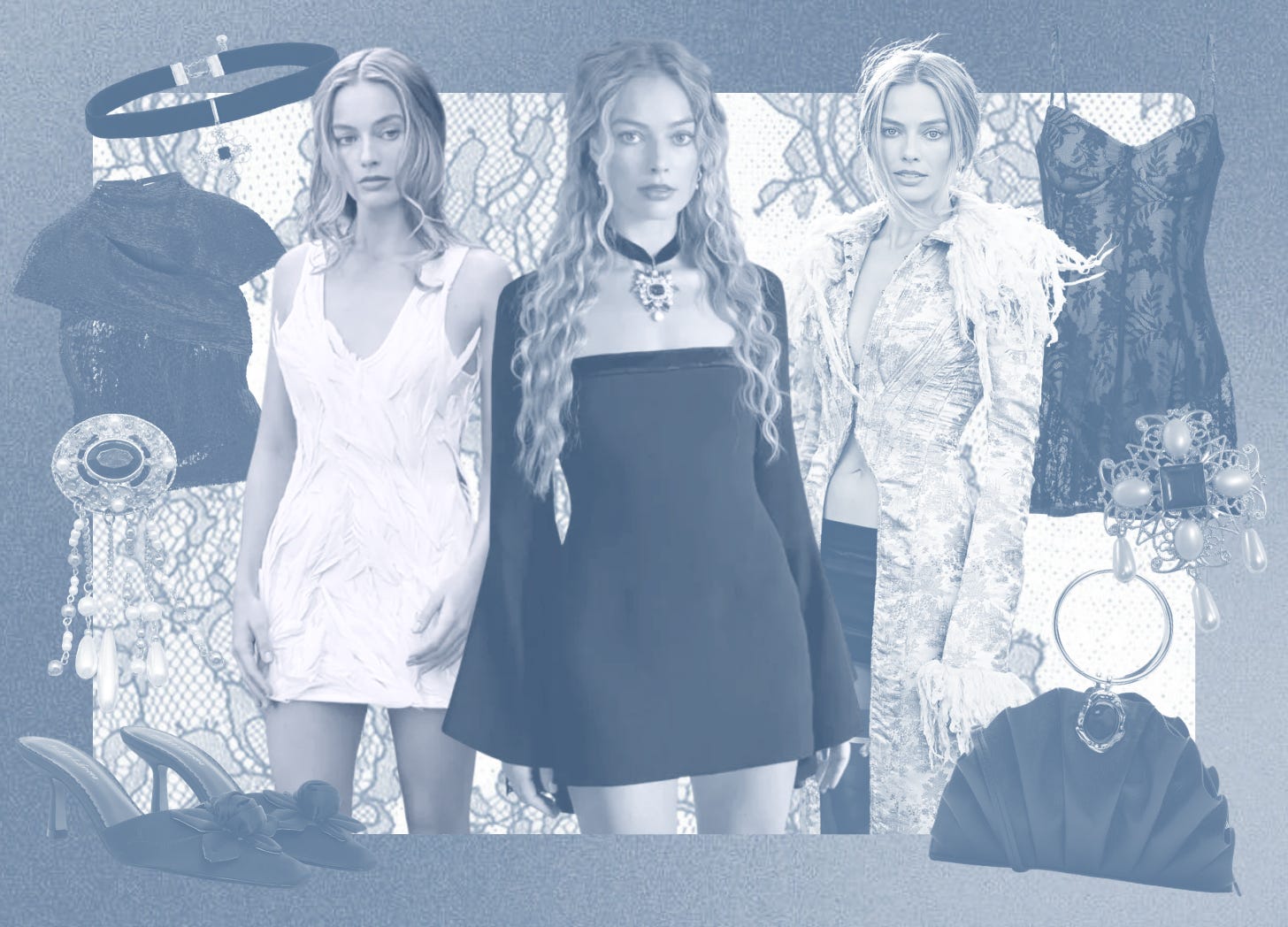
It was Andrew Mukamal. If you don’t know him, here’s the short version: he’s Margot Robbie’s longtime stylist and the architect behind the Barbie press tour that rewrote the rules of red-carpet marketing. Robbie’s string of archival Barbie looks wasn’t just spectacle—it was a strategic use of fashion to extend the film’s narrative beyond the screen and into cultural conversation.
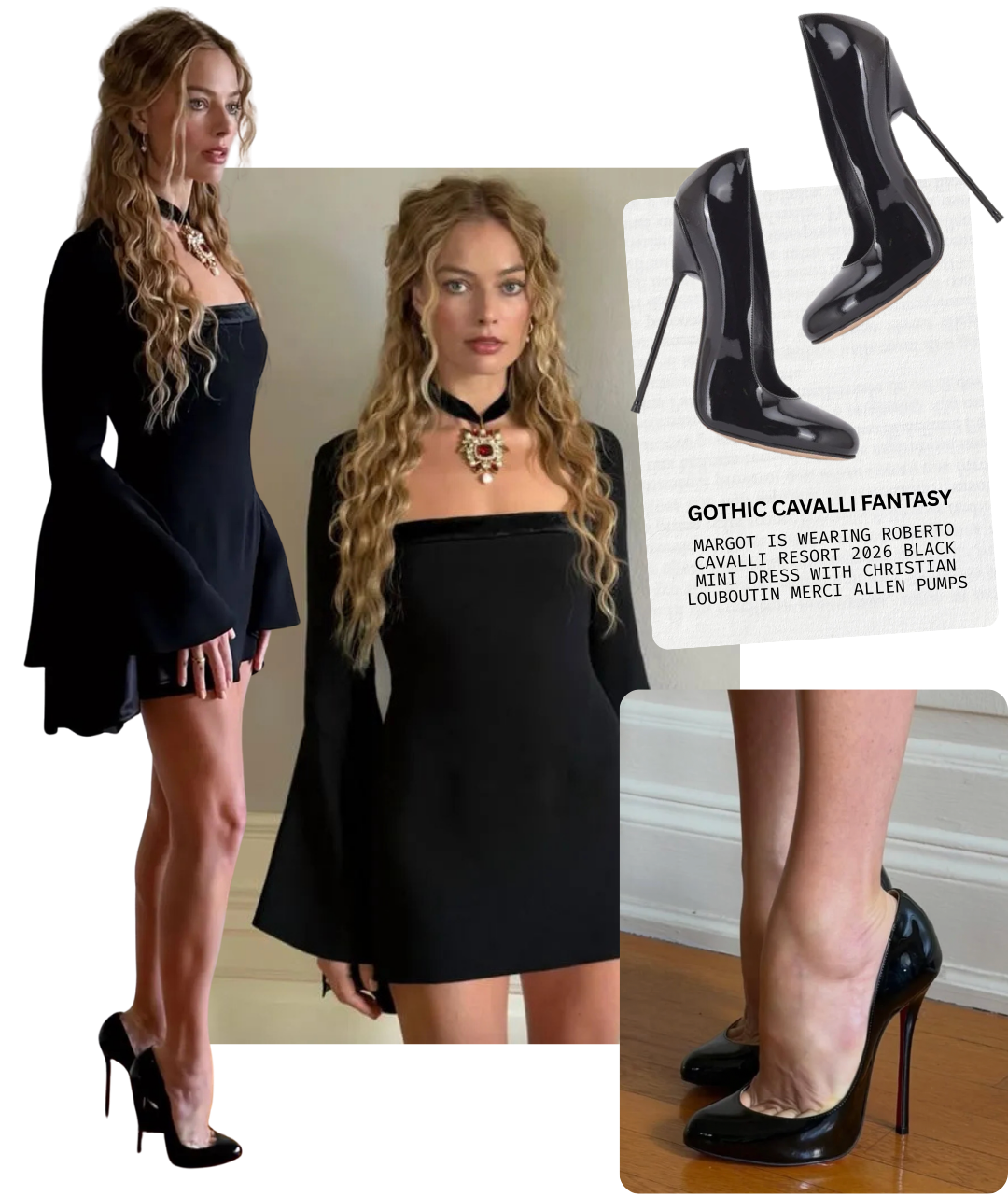
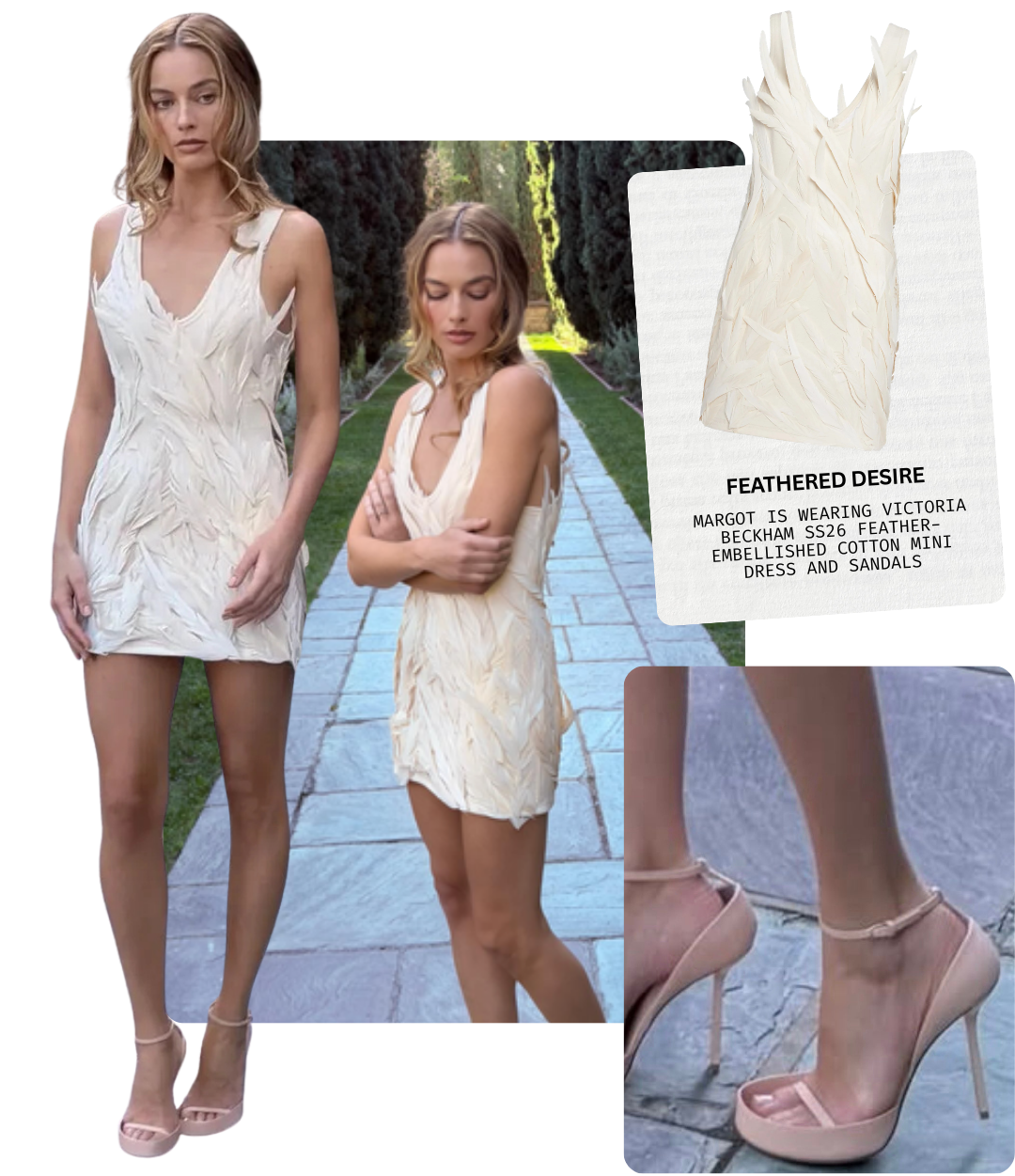
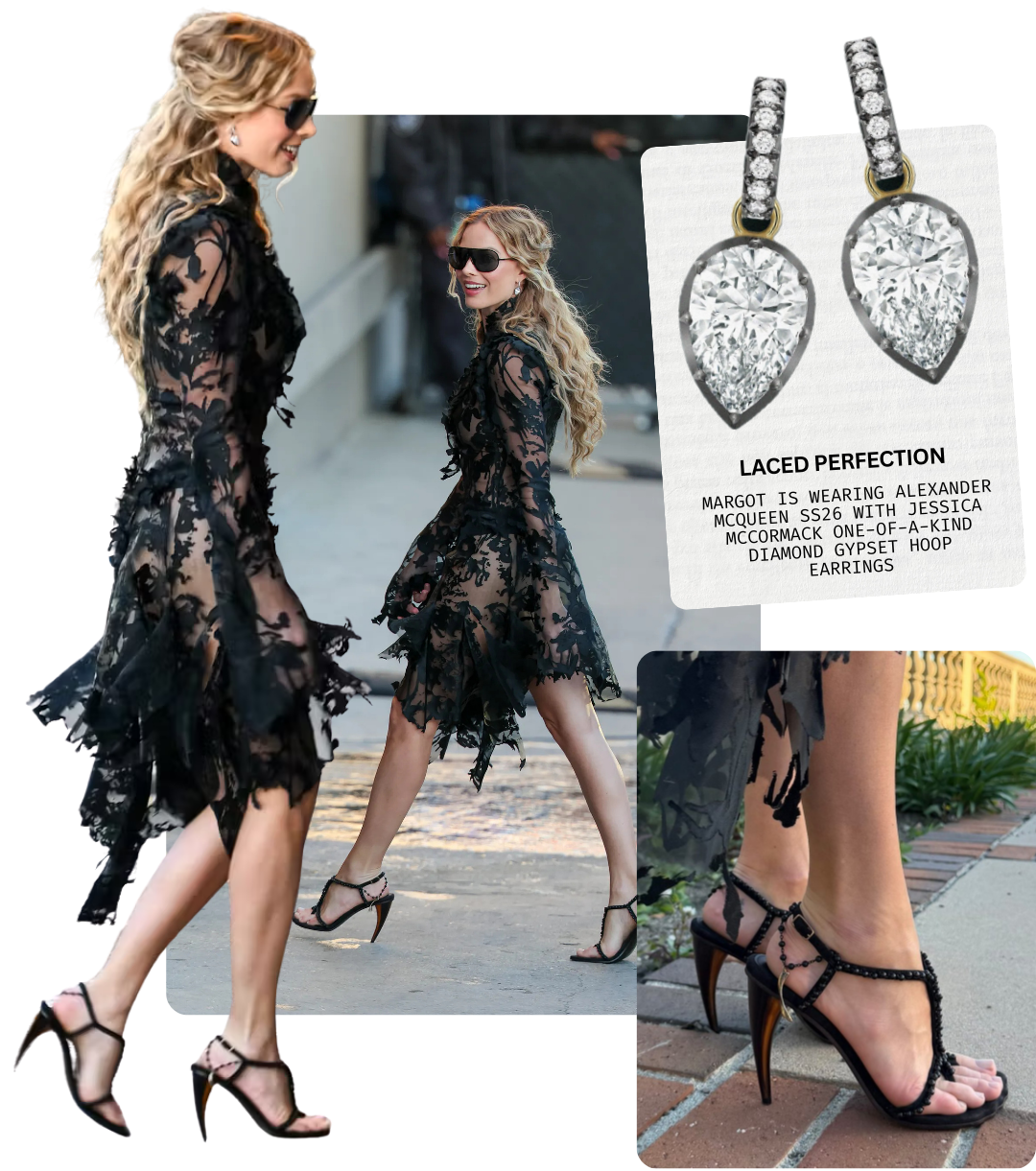
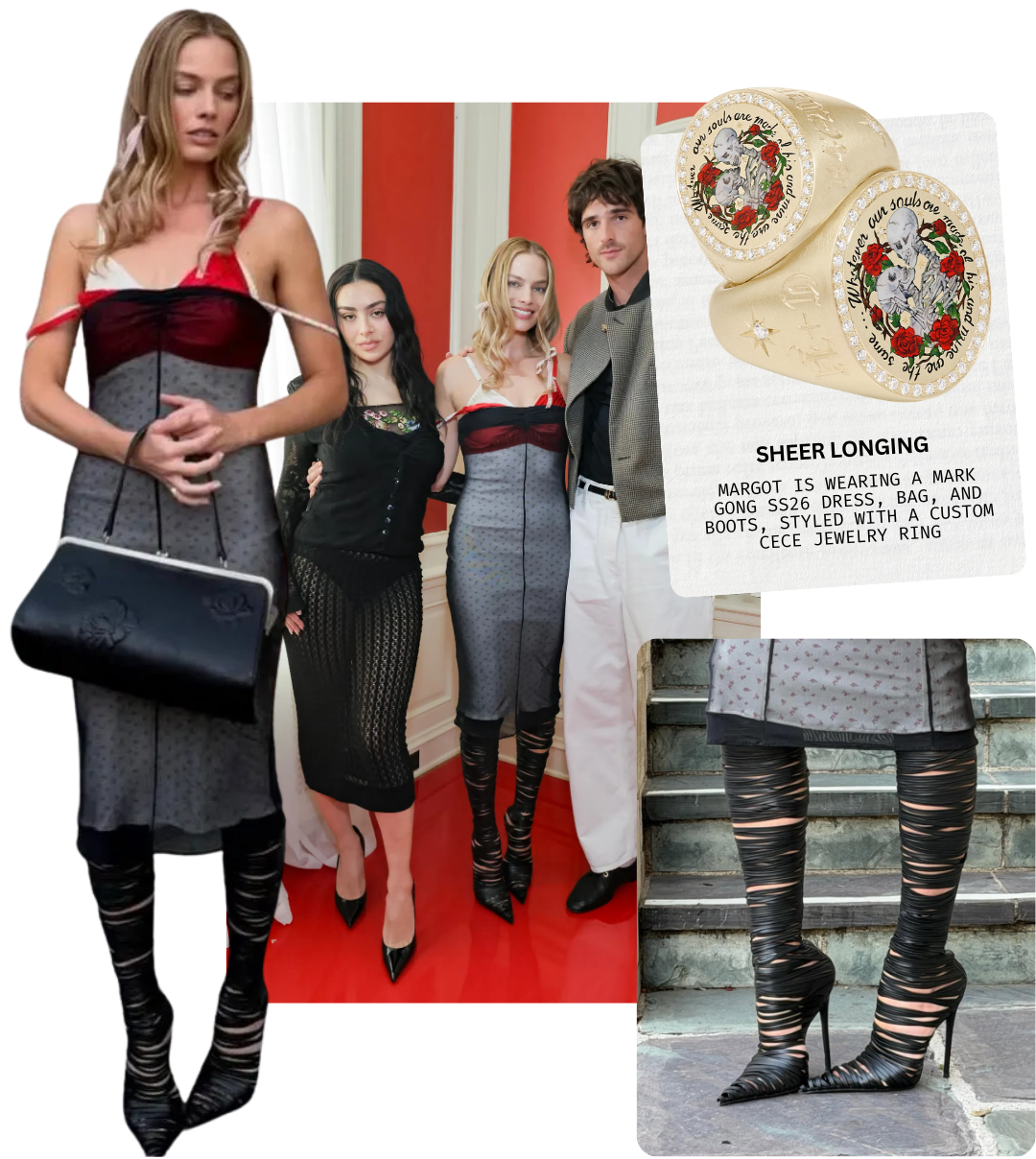
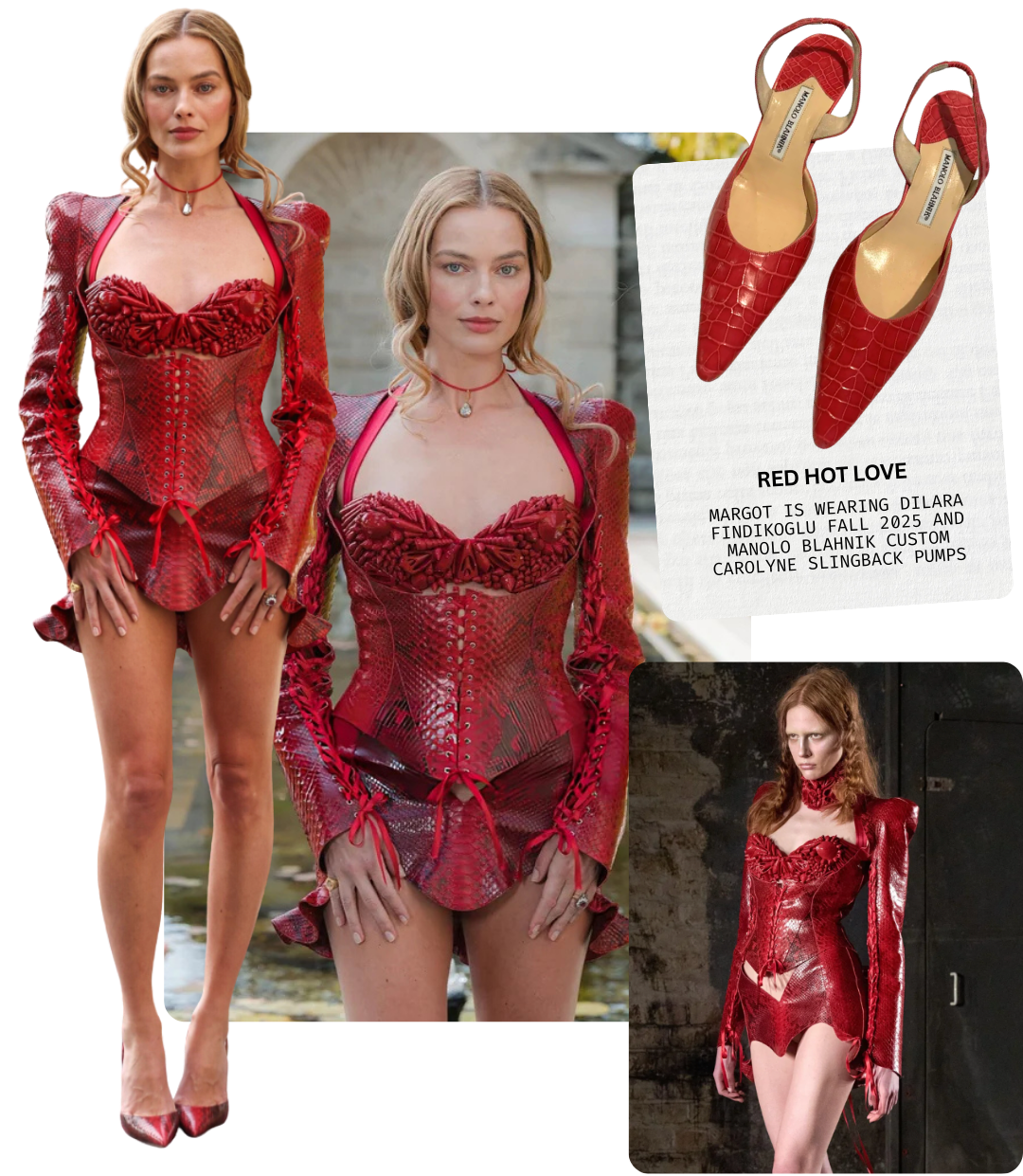
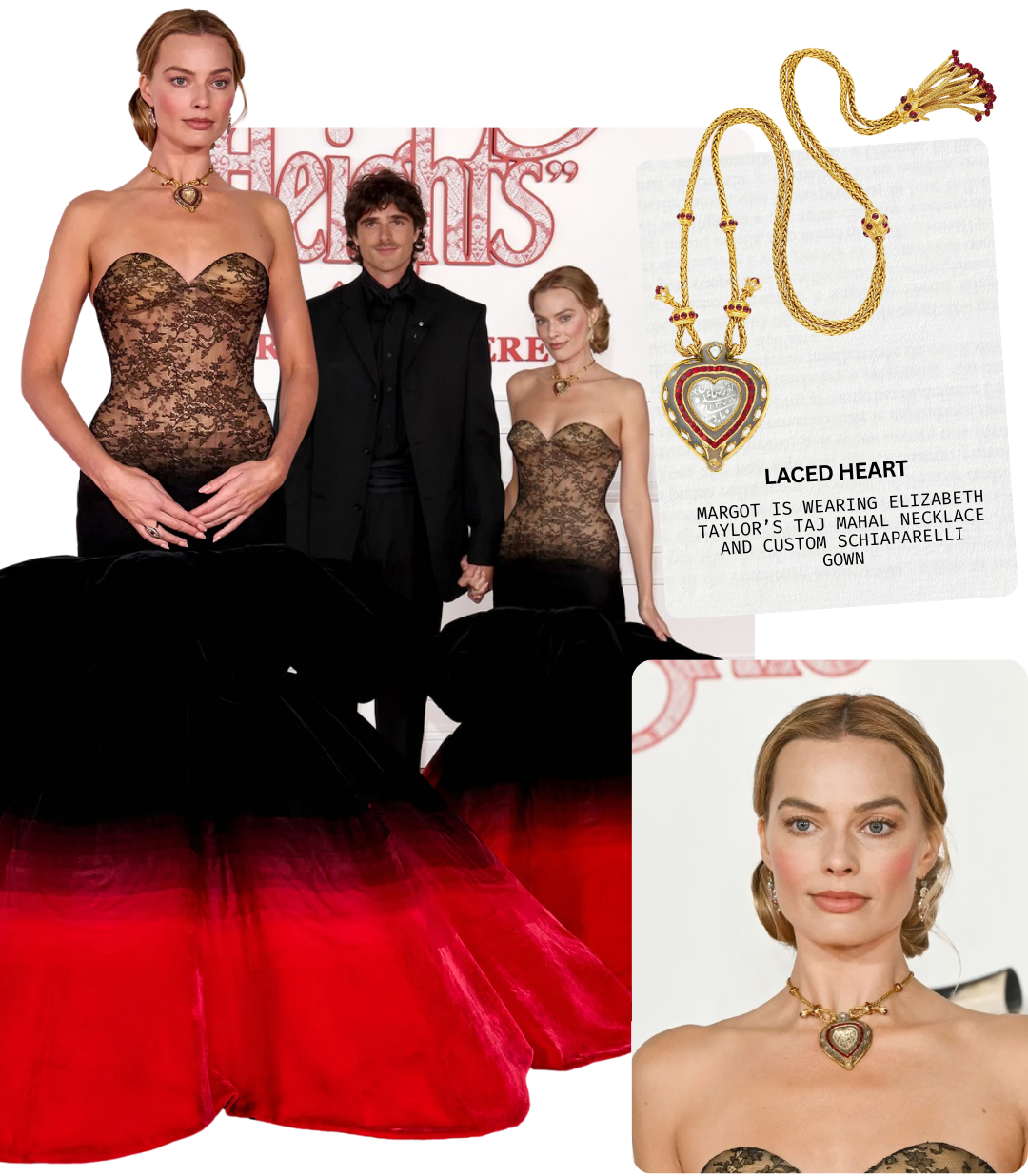
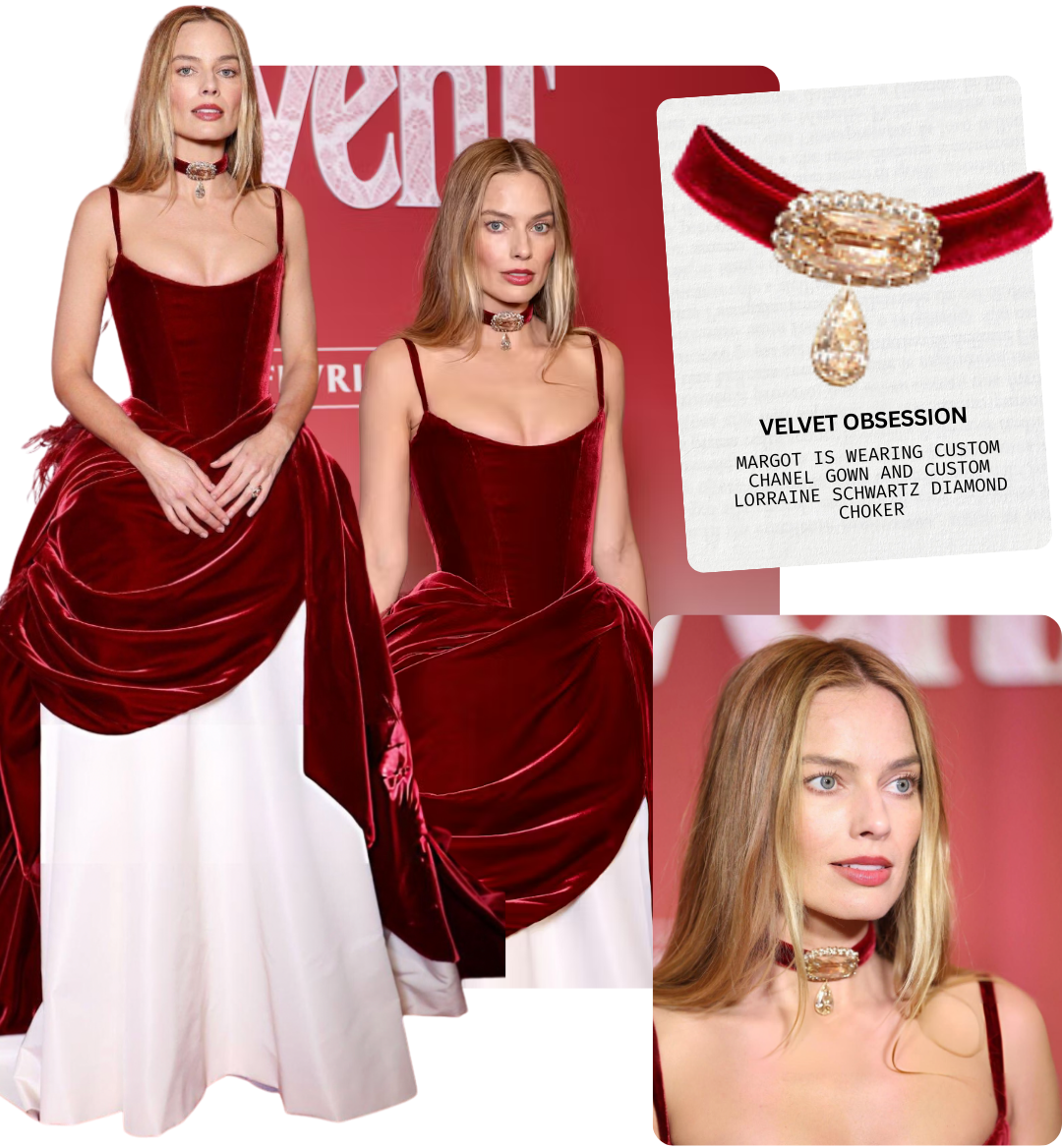
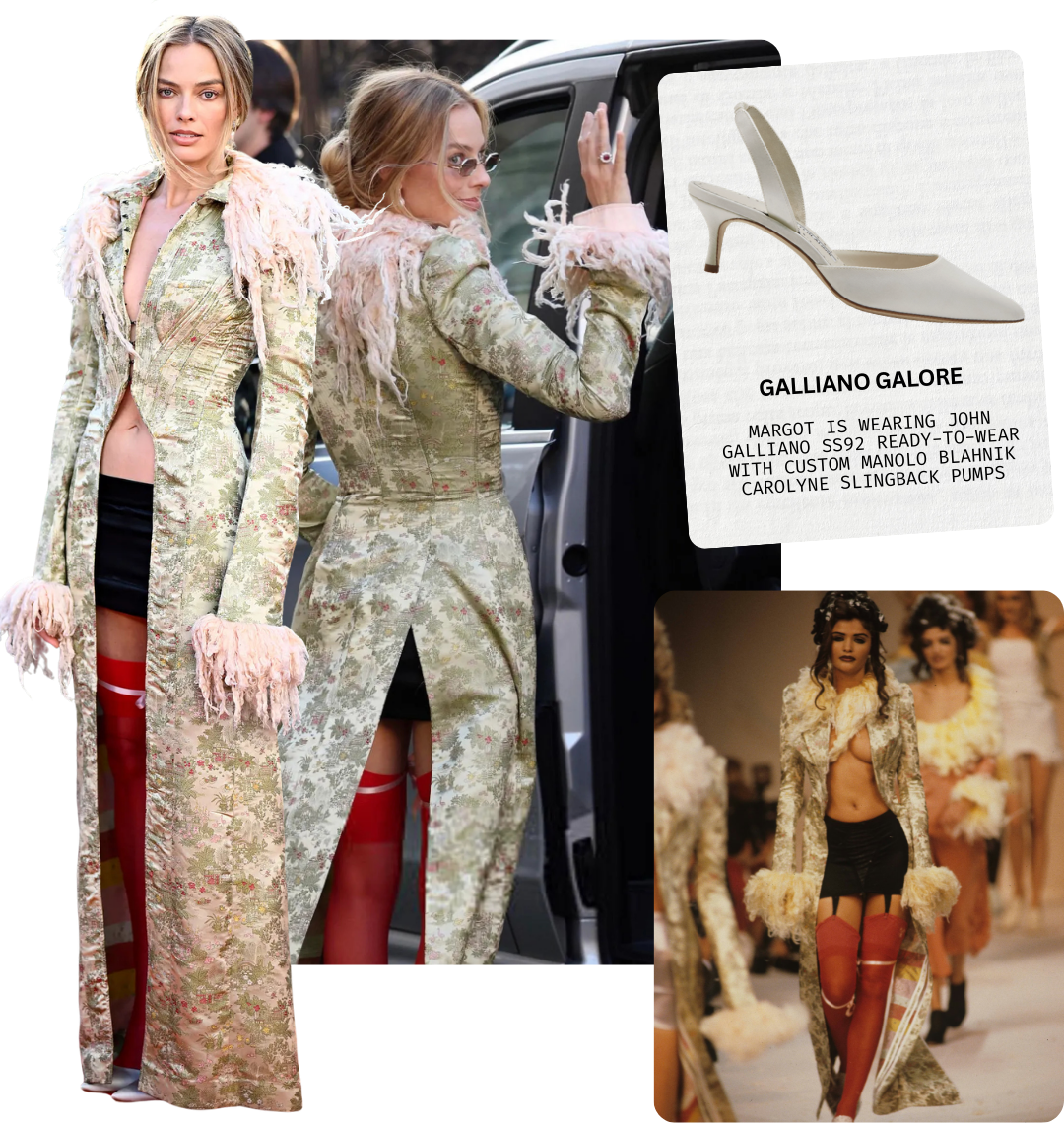
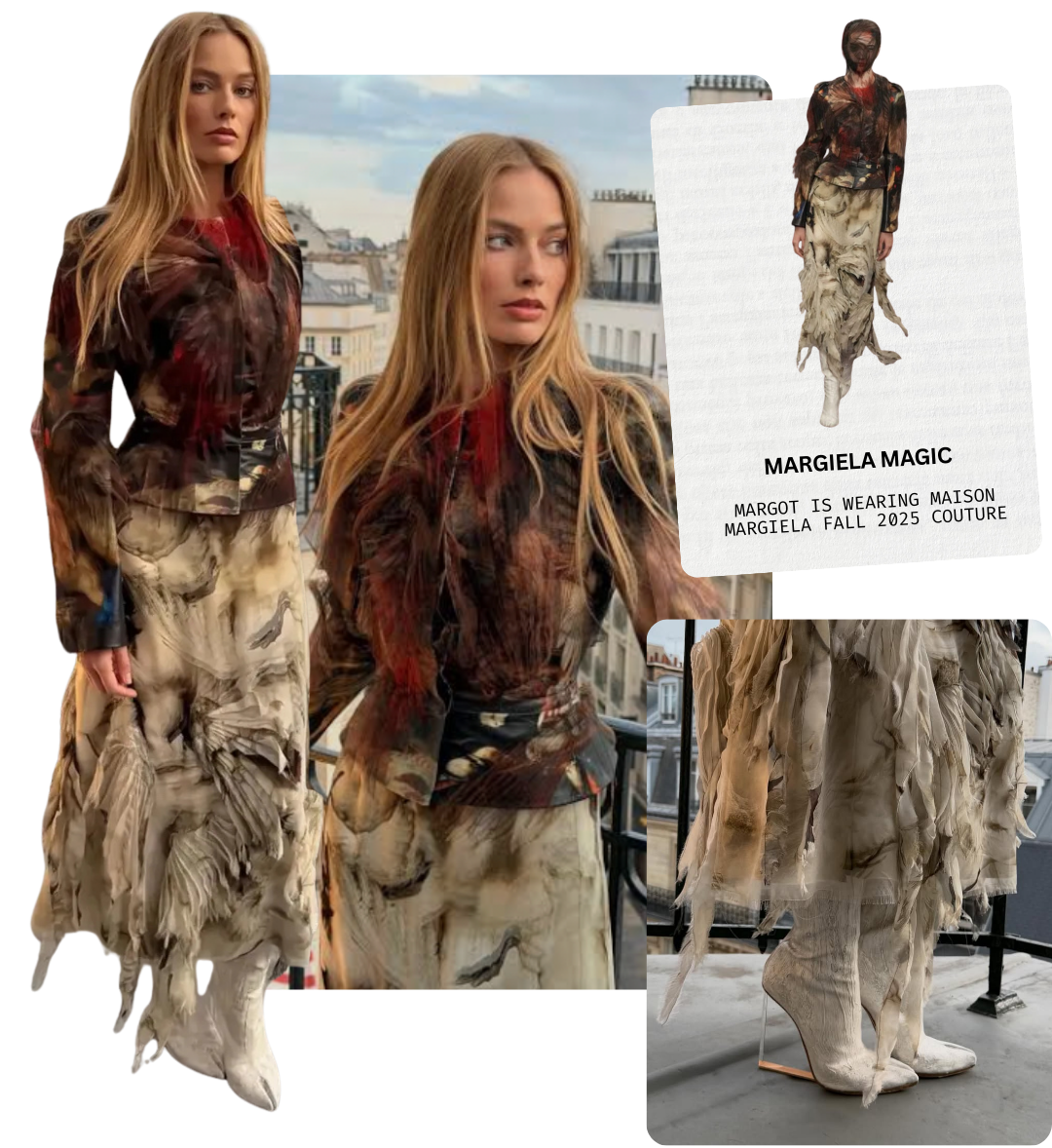
Method dressing itself isn’t new. Zendaya and Law Roach have refined it for years—most recently with Challengers and Dune. Blake Lively experimented with it for It Ends With Us, though the results were uneven. At its core, the idea is simple: use clothing to reference, evoke, or expand the world of the story. Mukamal’s work here made me pause. Rather than defaulting to vaguely Victorian silhouettes, he built a coherent visual language—moody, windswept, untamed; expensive but never polished. From archival-inspired gowns to jewelry steeped in literary and cultural history, each look felt deliberate. At the London premiere, Robbie wore a replica of Charlotte Brontë’s mourning bracelet, paired with a gown woven with dyed hair to echo its texture. In Los Angeles, Elizabeth Taylor’s Taj Mahal necklace was styled with custom Schiaparelli. These weren’t Easter eggs for fashion obsessives; they were signals of seriousness, of research, of intent.
Even if the press tour occasionally flirted with romanticizing Wuthering Heights, the strength of the styling reframed the project for me. It didn’t erase lingering concerns of oversimplifying the story, but it offered a new lens grounded in craft rather than fantasy. Through these looks, Mukamal reminded me that narrative can live off-screen too, giving a story depth even before the credits roll.
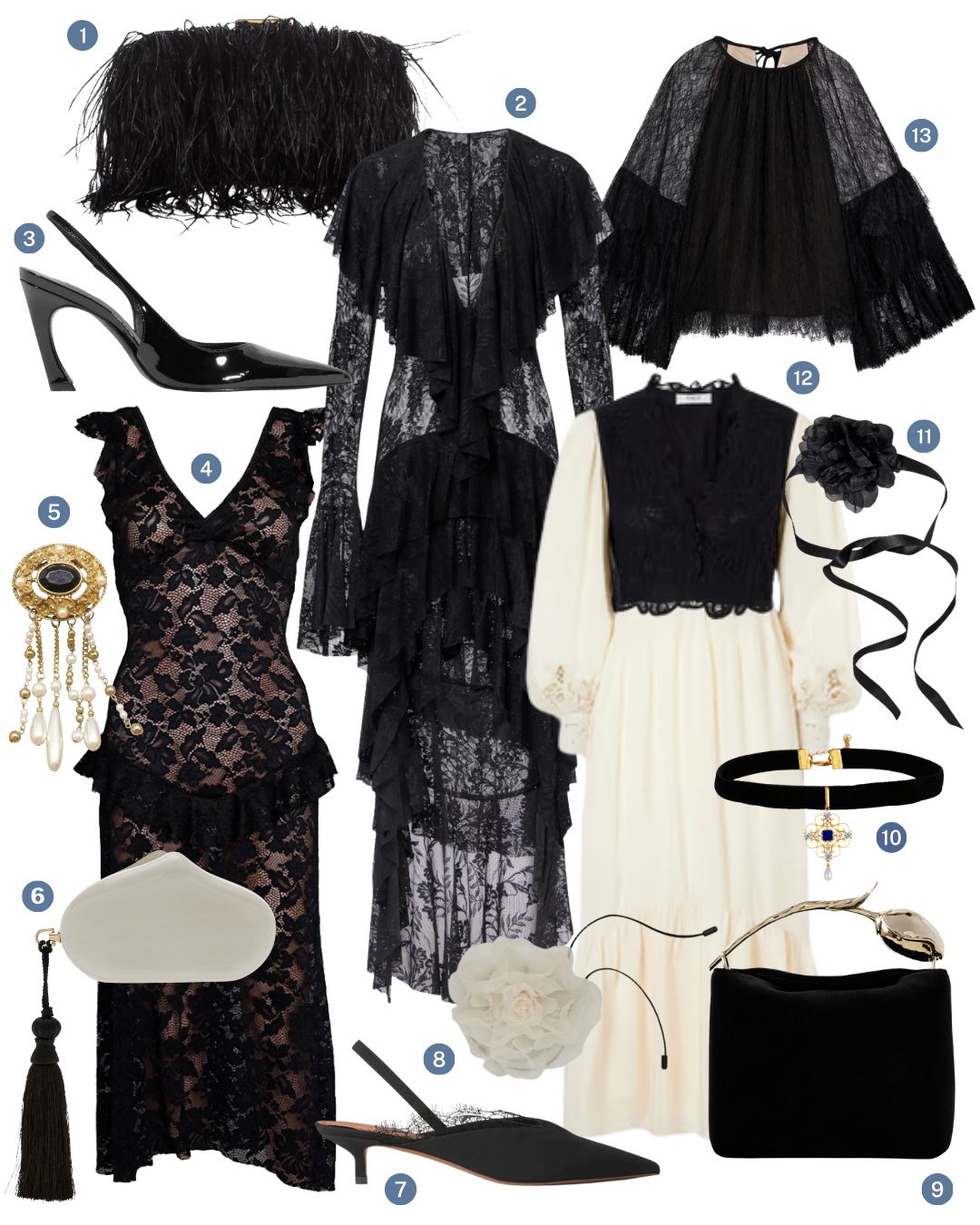
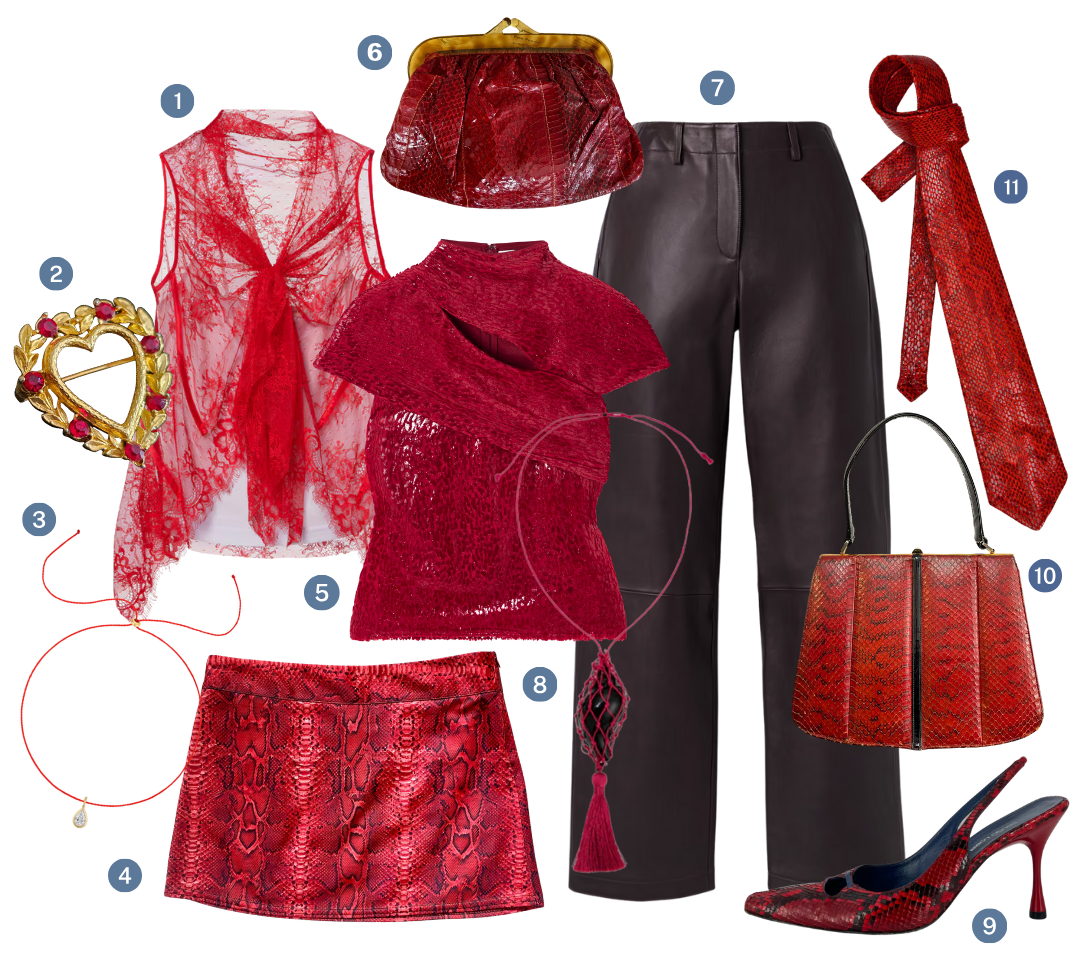
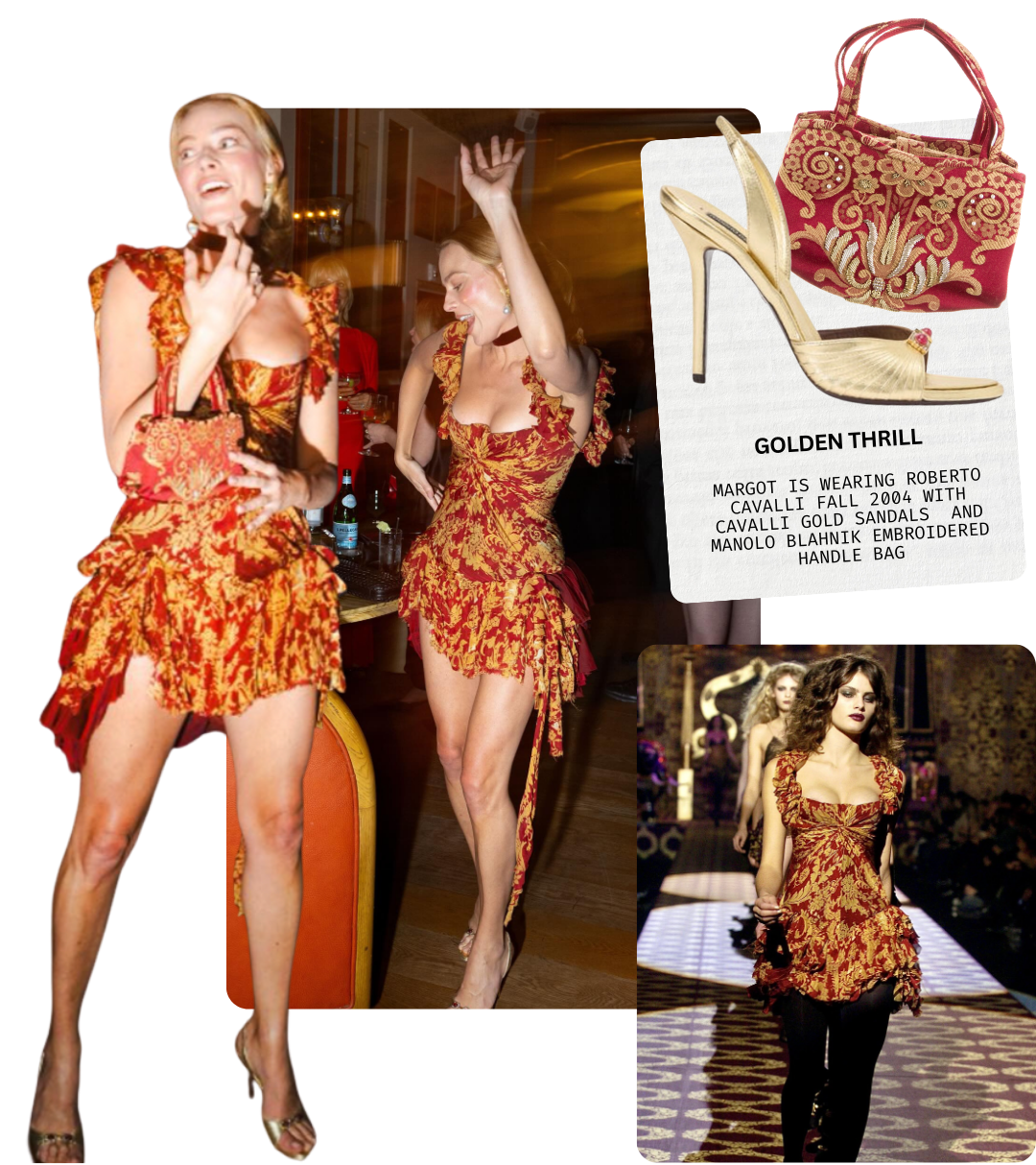
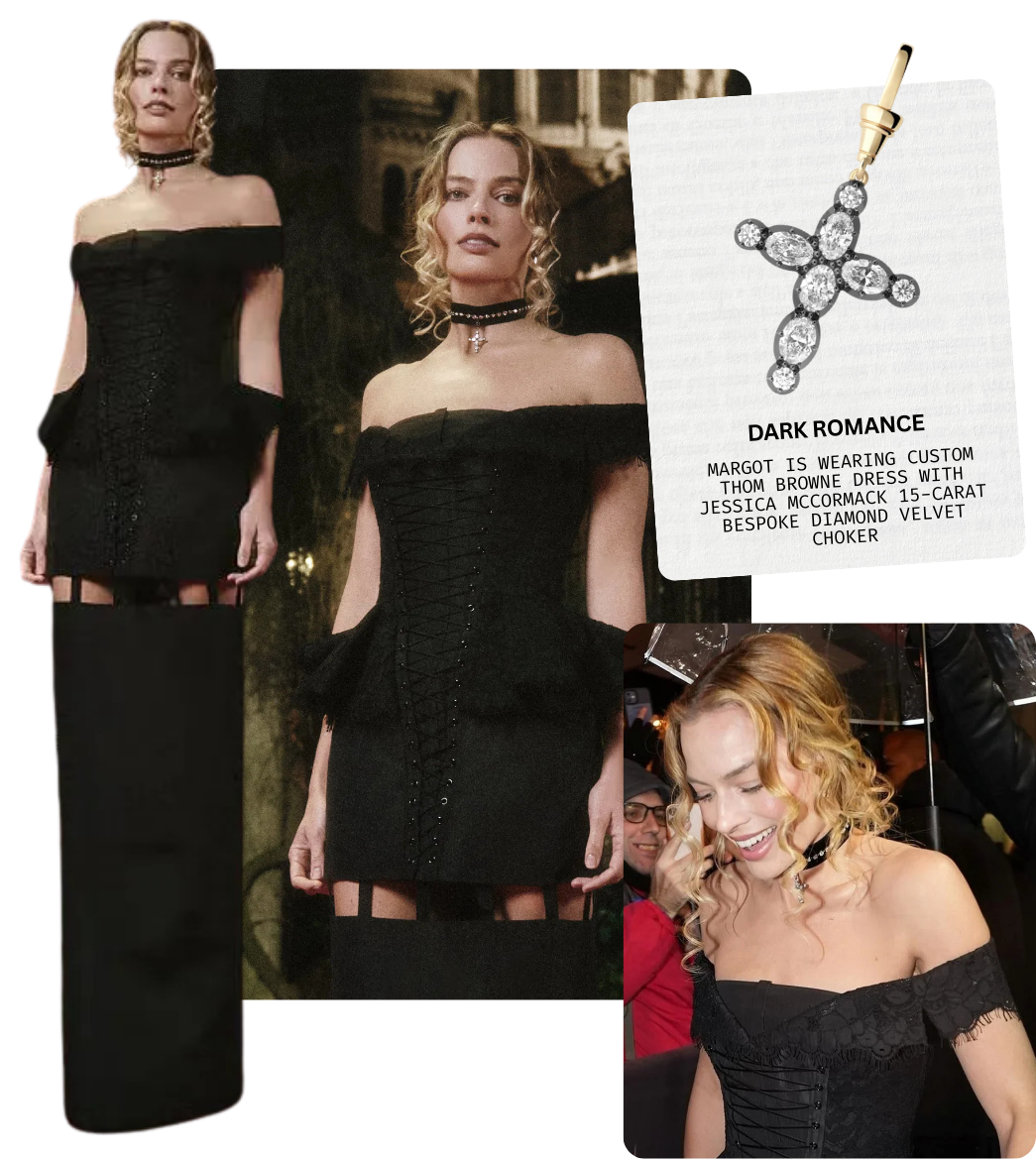
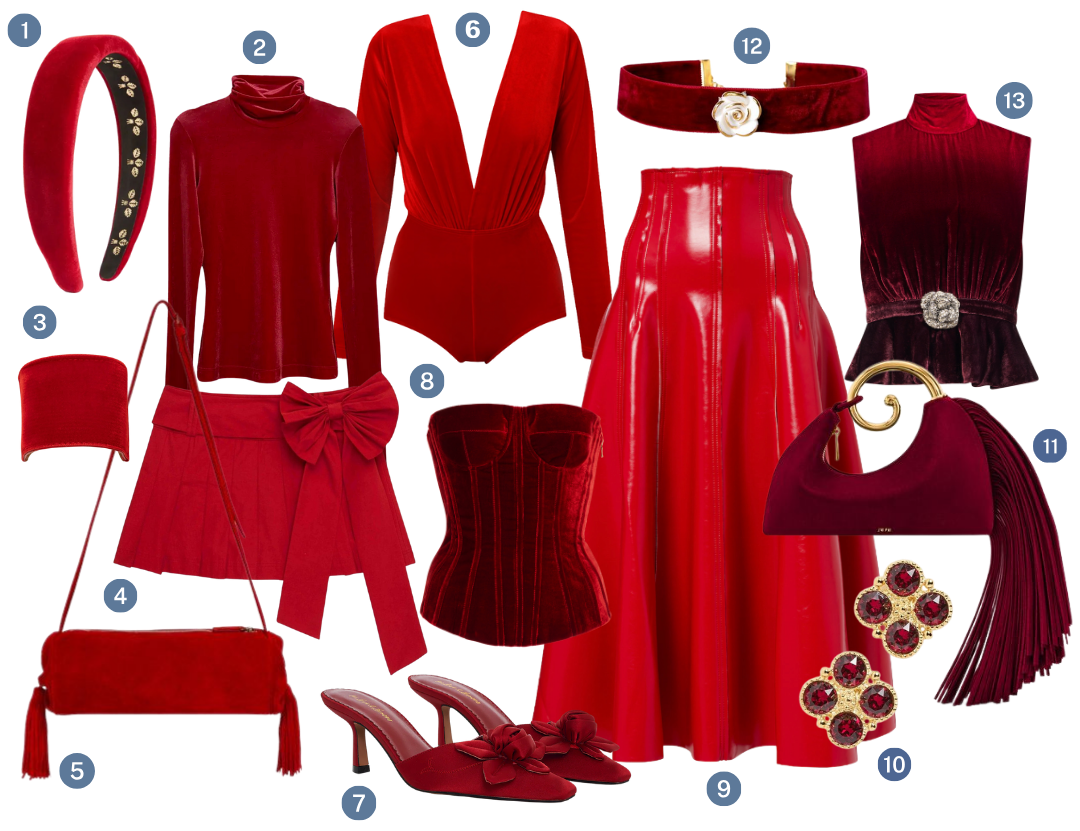
With my ticket secured for this weekend, here are a few press looks that did the heavy lifting—along with some pieces you might want to shop for yourself to fully immerse in the moors.

Comments
Nothing yet. Say the first thing.
Sign in to join the conversation.